Artwork
Stephen Van Rensselaer III
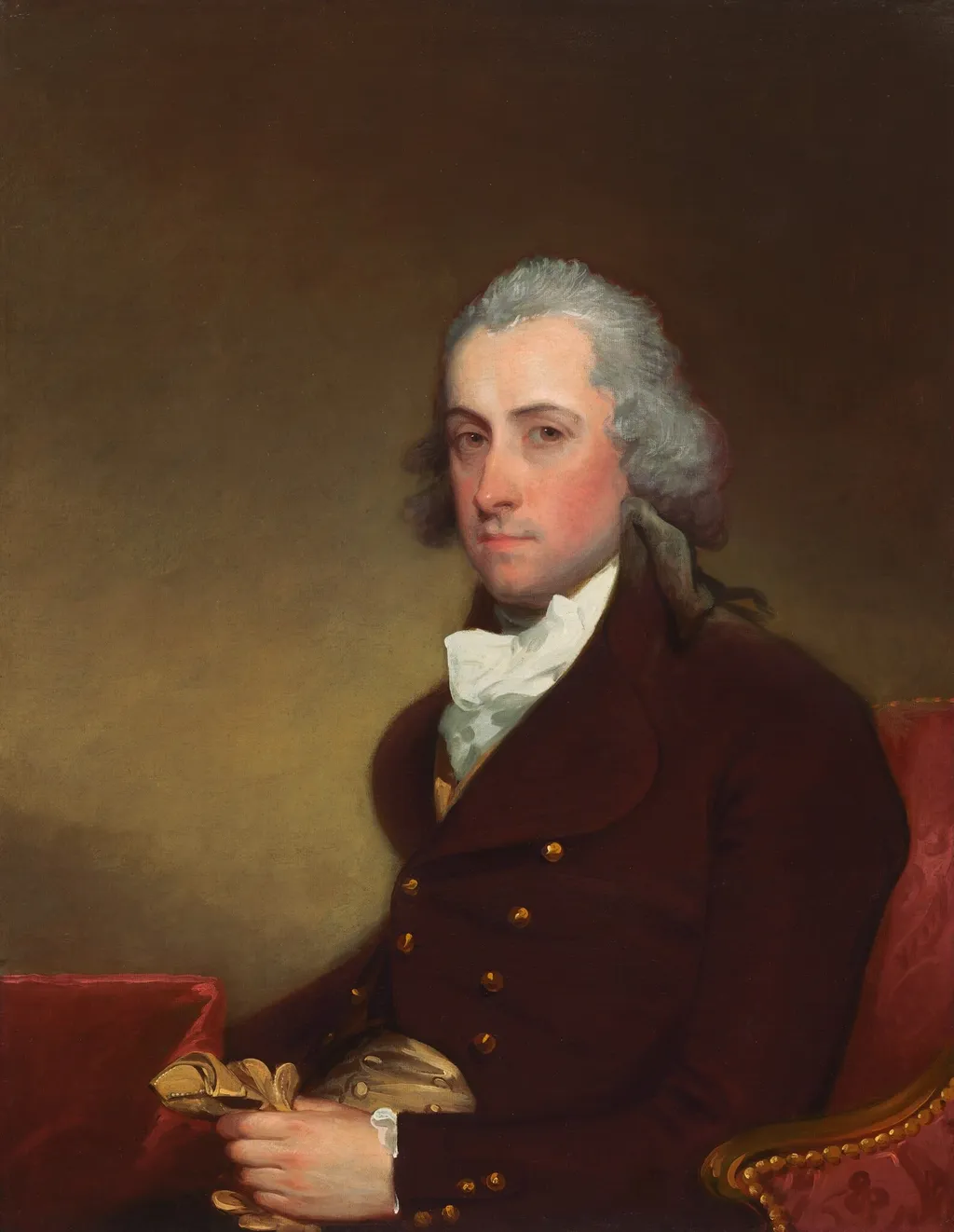
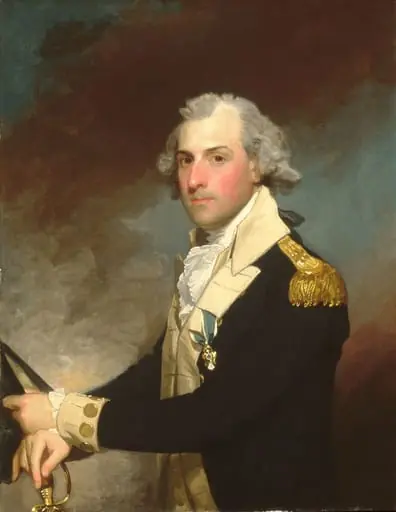
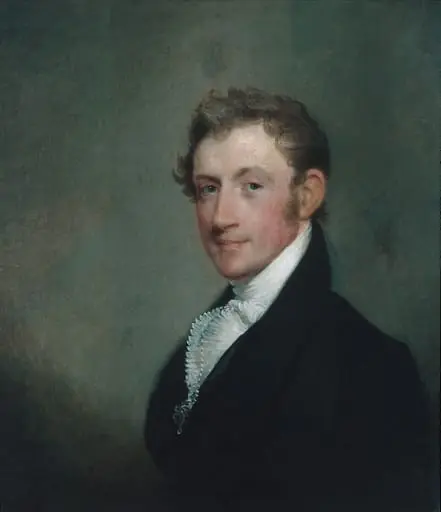
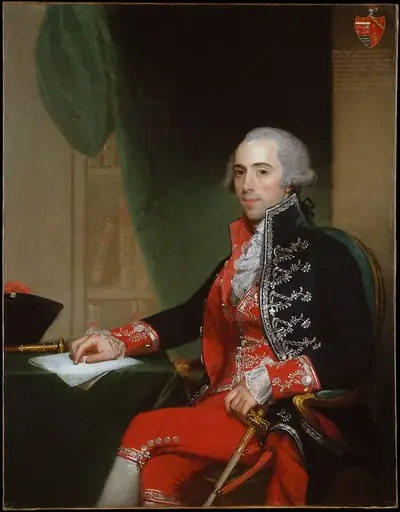
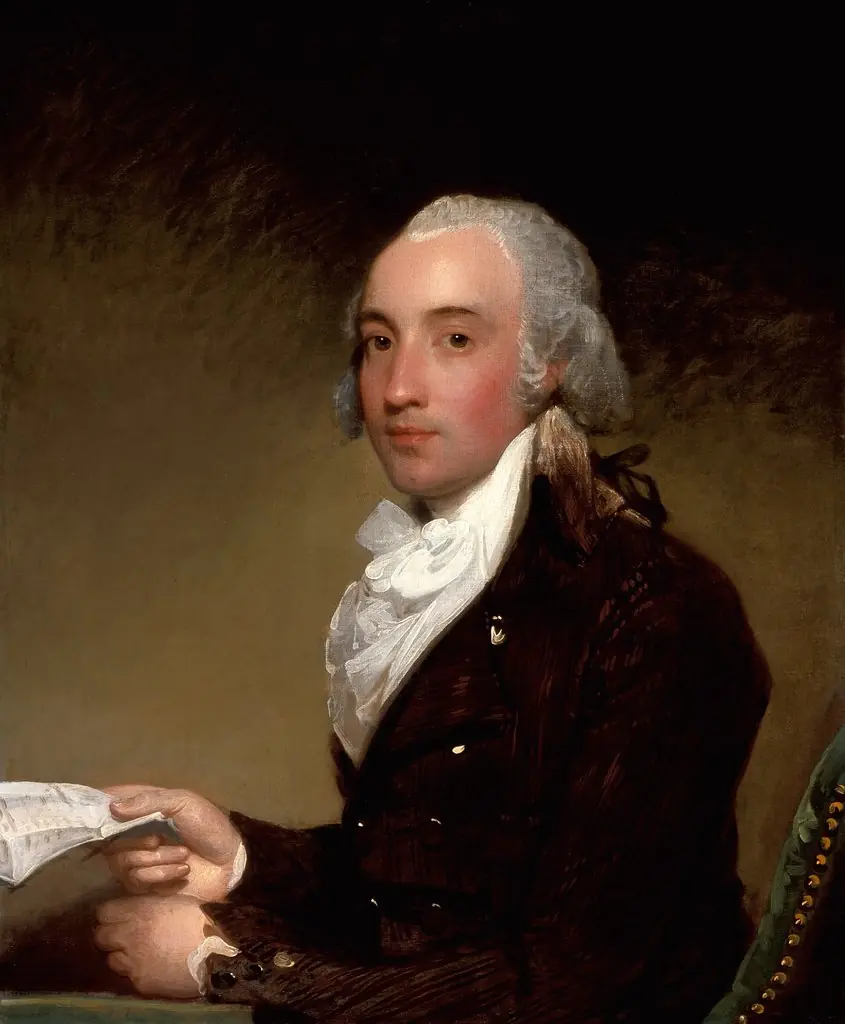
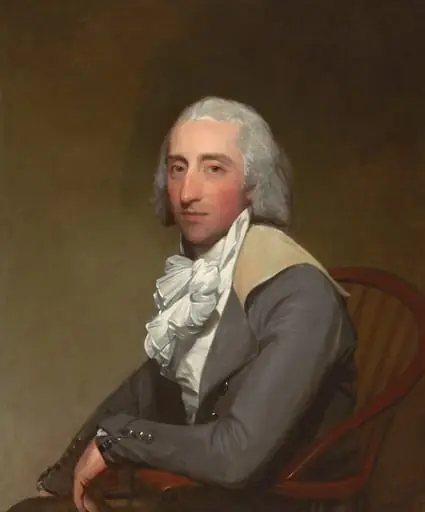
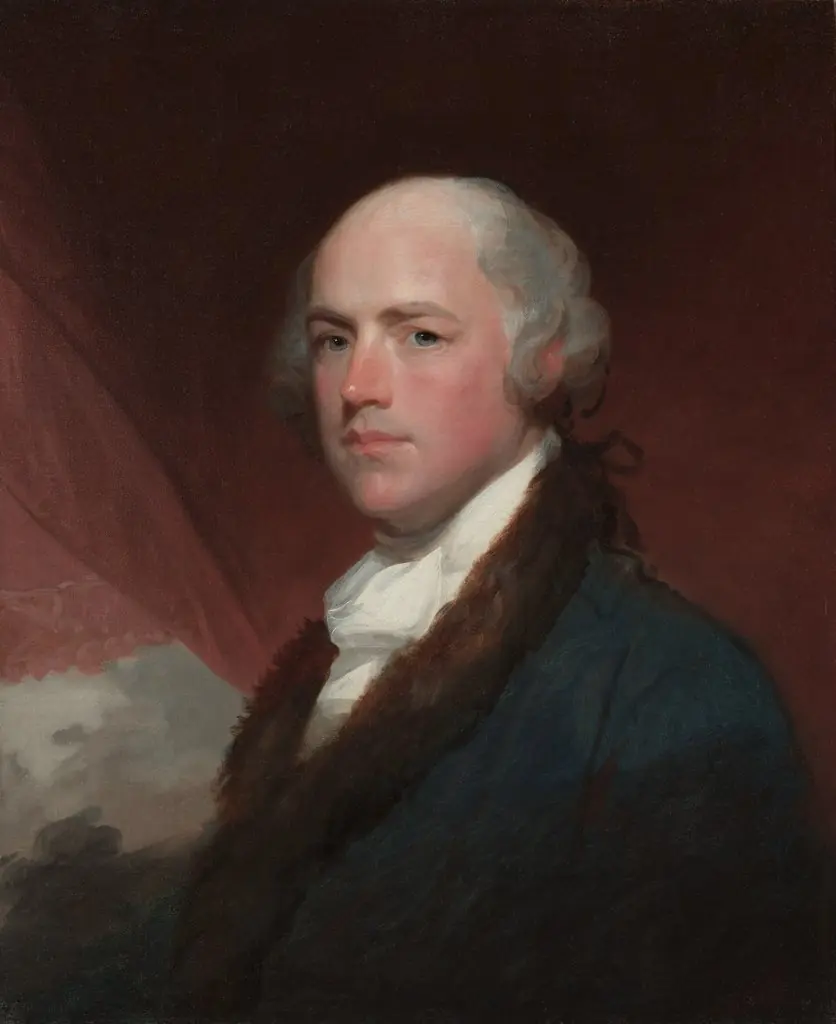
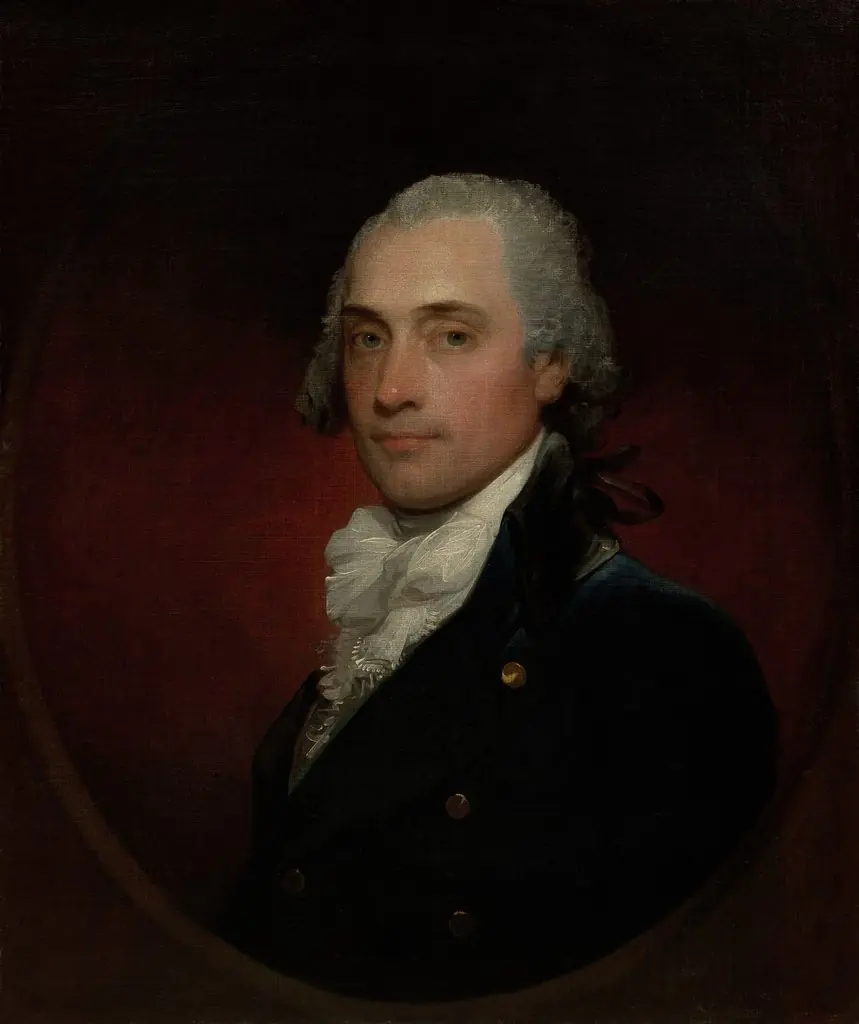
Stephen Van Rensselaer III is an oil painting by the American Impressionist artist Gilbert Stuart. It dates from 1794 and is held in the collection of the National Gallery of Art.
About this work
Technique & Style
The portrait was executed in 1794 using oil paint applied to a canvas support, a method typical of Gilbert Stuart's portrait practice.
The portrait was executed in 1794 using oil paint applied to a canvas support, a method typical of Gilbert Stuart's portrait practice. The canvas measures roughly 91.7 cm in height by 71.3 cm in width, a modest scale that emphasizes the sitter's head and shoulders. Stuart's handling is marked by fine, controlled brushwork and a restrained palette that renders the sitter's features with subtle modeling and a slight chiaroscuro effect, creating a formal yet intimate presence. The work is held in the National Gallery of Art's collection in Washington, D.C.
History & Provenance
The portrait of Stephen Van Rensselaer was painted by Gilbert Stuart in 1794 in oil on canvas. It remained in the Van Rensselaer family for several generations, passing from the sitter's son William Patterson Van Rensselaer to his grandson Kiliaen Van Rensselaer and then to Kiliaen's son. In 1919 the painting entered the collection of Thomas B. Clarke, and after Clarke's death it was sold through M. Knoedler & Co. in 1936 to the A. W. Mellon Educational and Charitable Trust, which gifted it to the National Gallery of Art in 1942 as part of the Andrew W. Mellon collection. No specific exhibition records are noted in the cited sources.
Context
The 1794 portrait of Stephen Van Rensselaer by Gilbert Stuart exemplifies early American portraiture and marks the sitter's emergence as a political figure in New York. Executed in oil on canvas, the work was commissioned while Van Rensselaer was still a young landowner, reflecting the cultural aspirations of the Van Rensselaer family. Stuart's reputation as a leading portraitist of the young republic is evident in the painting's balanced composition, lighting, and restrained elegance.
The portrait entered the National Gallery of Art in 1942 through the Andrew W. Mellon Trust, preserving its provenance from the Van Rensselaer lineage through Thomas B. Clarke. Its inclusion underscores its significance as a representative example of late-18th-century American elite portraiture.
Legacy
The 1794 portrait of Stephen Van Rensselaer by Gilbert Stuart stayed within the Van Rensselaer family for three generations before being sold to Thomas B. Clarke in 1919 and later acquired by the A. W. Mellon Educational and Charitable Trust in 1936, finally entering the National Gallery of Art in 1942. As part of the Mellon collection it is regularly referenced in studies of Federal-era portraiture, underscoring its lasting scholarly and curatorial significance.
Overview
Gilbert Stuart's 1794 oil on canvas portrait depicts Stephen Van Rensselaer III, a prominent New York landowner and military officer. The composition presents the sitter in a three-quarter view, seated in a wooden armchair against a neutral, dark background that isolates the figure and emphasizes his presence. Van Rensselaer is dressed in formal attire typical of the late 18th century, including a dark coat and white cravat, with his right hand resting on the arm of the chair and his left hand holding a hat.
Stuart employs his characteristic technique of loose, energetic brushwork to render the textures of the fabric and the subtle modeling of the face, capturing the subject's aristocratic bearing and intellectual demeanor. Painted during Stuart's early period in Philadelphia, shortly after his return from London, this work exemplifies the artist's ability to convey the character of the American elite. It stands as a significant example of Stuart's portraiture from the 1790s, a decade in which he established his reputation as the premier portraitist of the new republic, capturing key figures of the era with psychological depth and formal elegance.
Subject & Meaning
The subject of this painting, Stephen Van Rensselaer III, held considerable influence as a landowner and military figure in his time. Stuart's depiction shows him seated, attired in period clothing, conveying a sense of his social standing and public persona. Portraits like this served not only as personal mementos but also as declarations of status and achievement for individuals of his stature.
Own this work as a print
Artist & collection

Artist
Gilbert Stuart (né Stewart; December 3, 1755 – July 9, 1828) was an American painter born in the Rhode Island Colony who is widely considered one of America's foremost portraitists.