Artwork
Laura
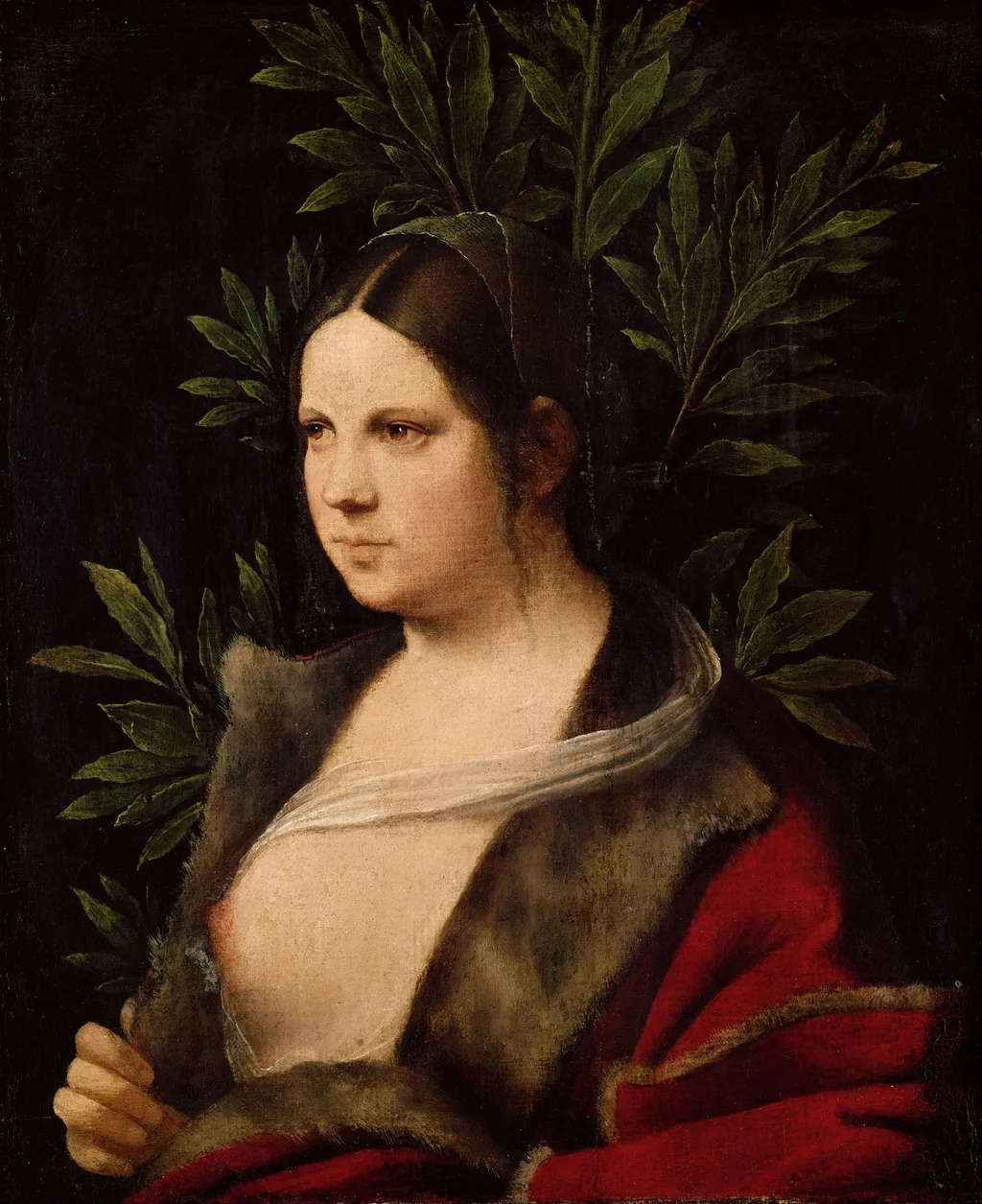
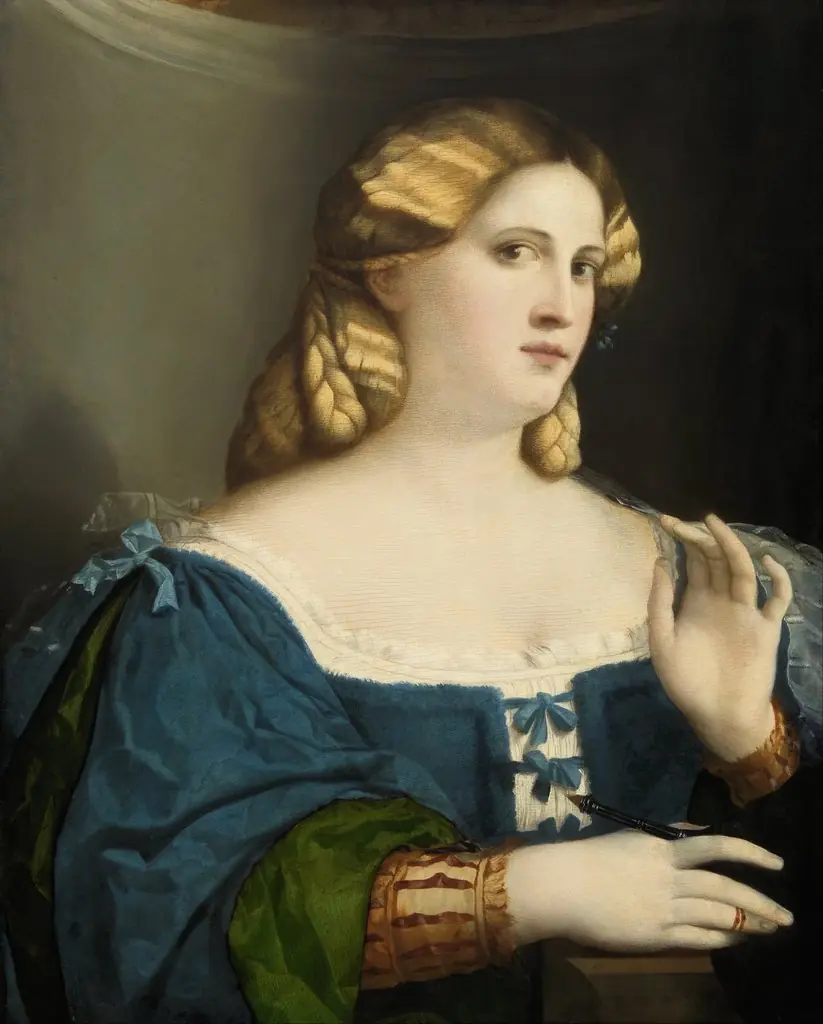
Laura is an oil painting by the High Renaissance artist Giorgione. It dates from 1506 and is held in the collection of the Kunsthistorisches Museum.
About this work
Laura, a portrait Giorgione painted in 1506 and one of the few works he signed and dated himself. It steps away from the manner of his teacher Giovanni Bellini toward something closer to Leonardo: softer edges and deeper shadow.
Subject & Meaning
While the Kunsthistorisches Museum suggests she represents Laura de Noves, Petrarch's muse, this remains unproven given discrepancies in physical description.
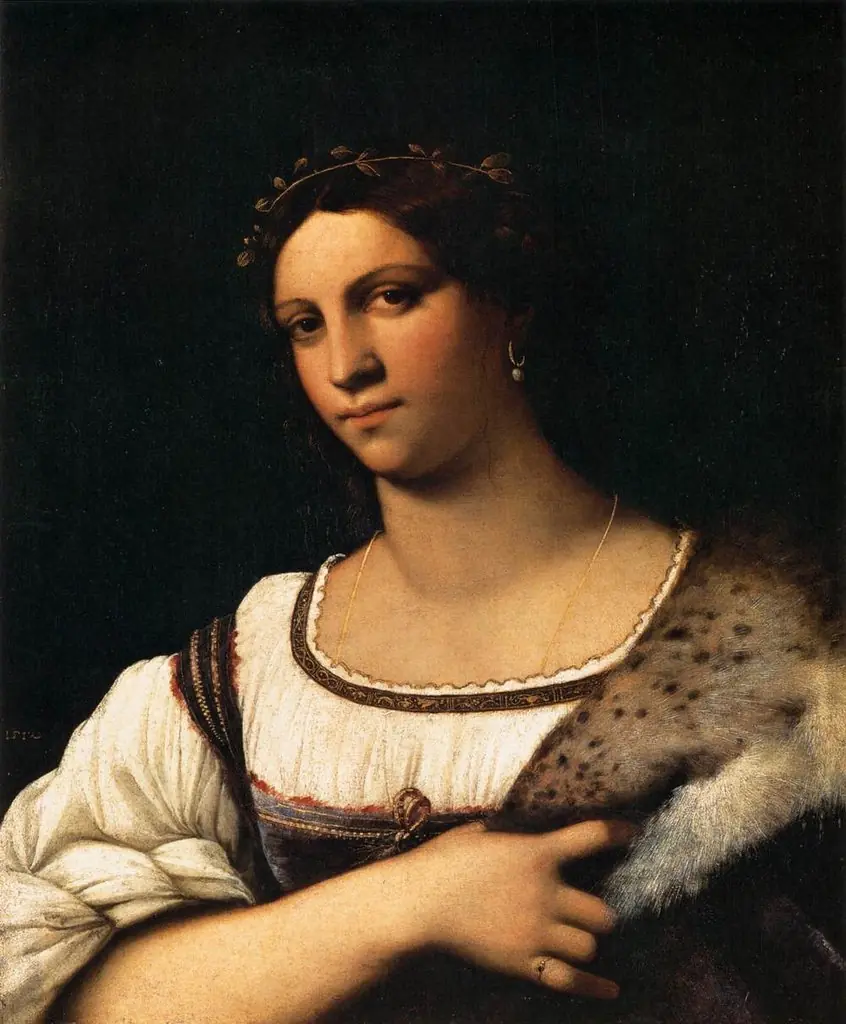
The painting depicts a young woman, conventionally identified as a bride or potentially a courtesan, named 'Laura' due to the laurel branches (Laurus) framing her against a dark background. While the Kunsthistorisches Museum suggests she represents Laura de Noves, Petrarch's muse, this remains unproven given discrepancies in physical description. Iconographically, the laurel symbolizes chastity and poetic virtue, while the nuptial veil confirms her status as a bride.
The gesture of opening her fur-trimmed cloak to expose her right breast is interpreted not as meretricious, but as an allusion to Amazonian chastity reserved for reproduction, thereby signaling conjugal fidelity and the promise of fecundity within marriage. Alternatively, the figure may represent an idealized abstraction of beauty or a mythological persona like Flora, reflecting the Venetian tradition of ambiguous female portraiture.
Technique & Style
Executed in 1506, this work is an oil painting on canvas mounted over a spruce wood panel, measuring approximately 41 by 33.6 centimeters. It stands as the only signed and dated piece by Giorgione, bearing an inscription on the reverse confirming its creation on June 1, 1506. The artist employed a distinctive tonalist technique, applying dense, material layers of color directly onto the support without a preliminary underdrawing.
This approach eliminates sharp contours, relying instead on soft, flowing transitions and sfumato shading to model the figure's form, particularly around the face and hands. The composition features a young woman in a fur-trimmed red cloak against a dark background, framed by laurel branches. The painting's physical history includes alterations to its shape; it was originally rectangular, later trimmed into an oval, and subsequently restored to its initial rectangular format.
History & Provenance
The painting Laura was commissioned by a patron named Giacomo, as recorded in the early‑16th‑century inscription on its reverse, which also gives the precise execution date of 1 June 1506. Giorgione (possibly assisted by his colleague Vincenzo Catena) executed the work in oil on canvas mounted on spruce wood. Its earliest documented owner was the Venetian collector Bartolomeo della Nave; by 1636 it entered the collection of James Hamilton, 1st Duke of Hamilton.
After Hamilton’s execution the picture passed to Archduke Leopold Wilhelm of Austria, and it has been part of the Kunsthistorisches Museum, Vienna, since at least 1735, where it remains today.
The painting Laura is housed in the Kunsthistorisches Museum in Vienna, where it forms part of the Gemäldegalerie collection. According to the museum’s records, it bears inventory number 31. Provenance research indicates that the work entered the museum’s holdings in 1735 and has remained on display there ever since, first in the institution’s predecessor galleries and later in the present Gemäldegalerie. No further exhibition loans or temporary shows are recorded in the available sources.
Context
Laura occupies a pivotal position within Giorgione's High Renaissance oeuvre and the broader Venetian tradition. It is the only work securely signed and dated by the artist (1 June 1506), making it a cornerstone for Giorgione scholarship and chronology. The painting is widely regarded as marking Giorgione's stylistic break from Giovanni Bellini toward a Leonardesque mode, employing sfumato and muted tonalism.
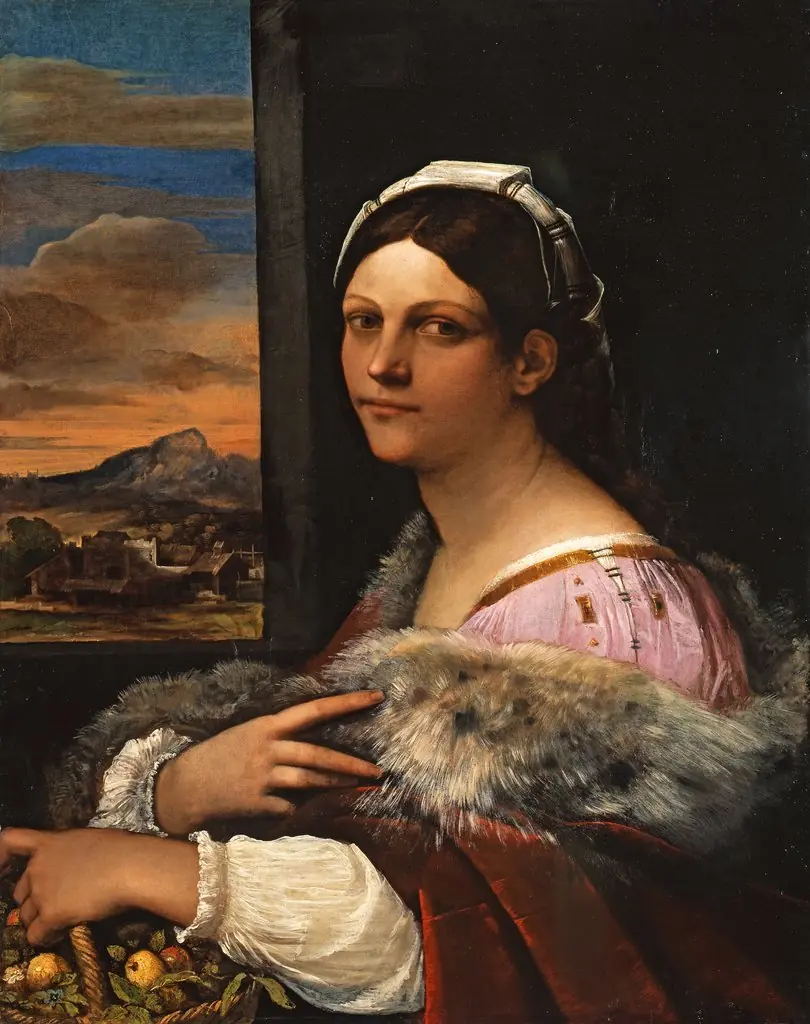
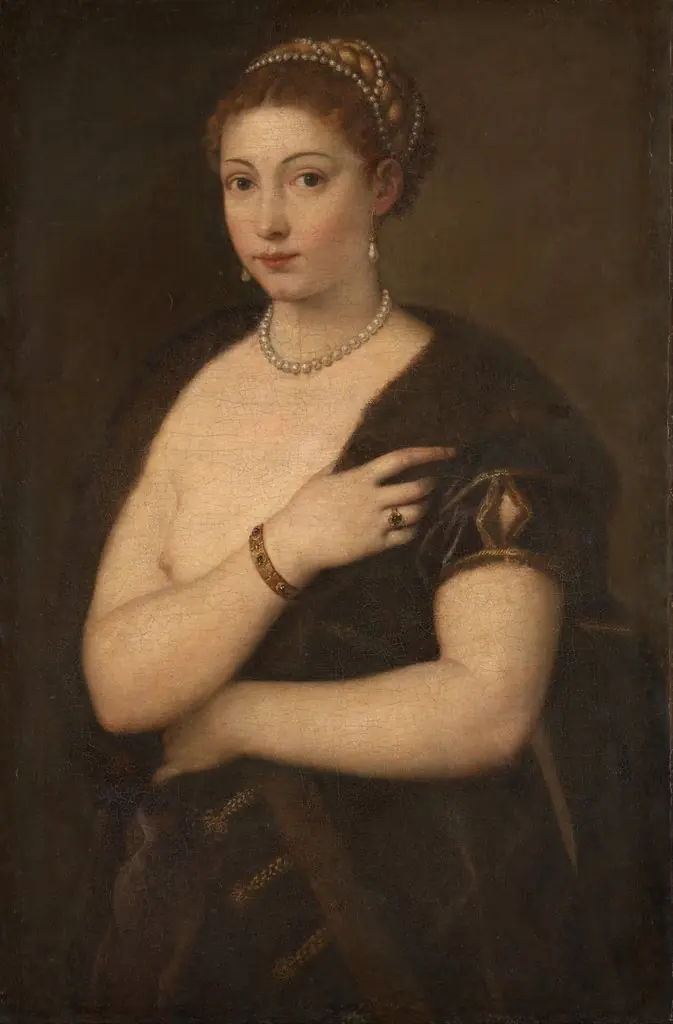
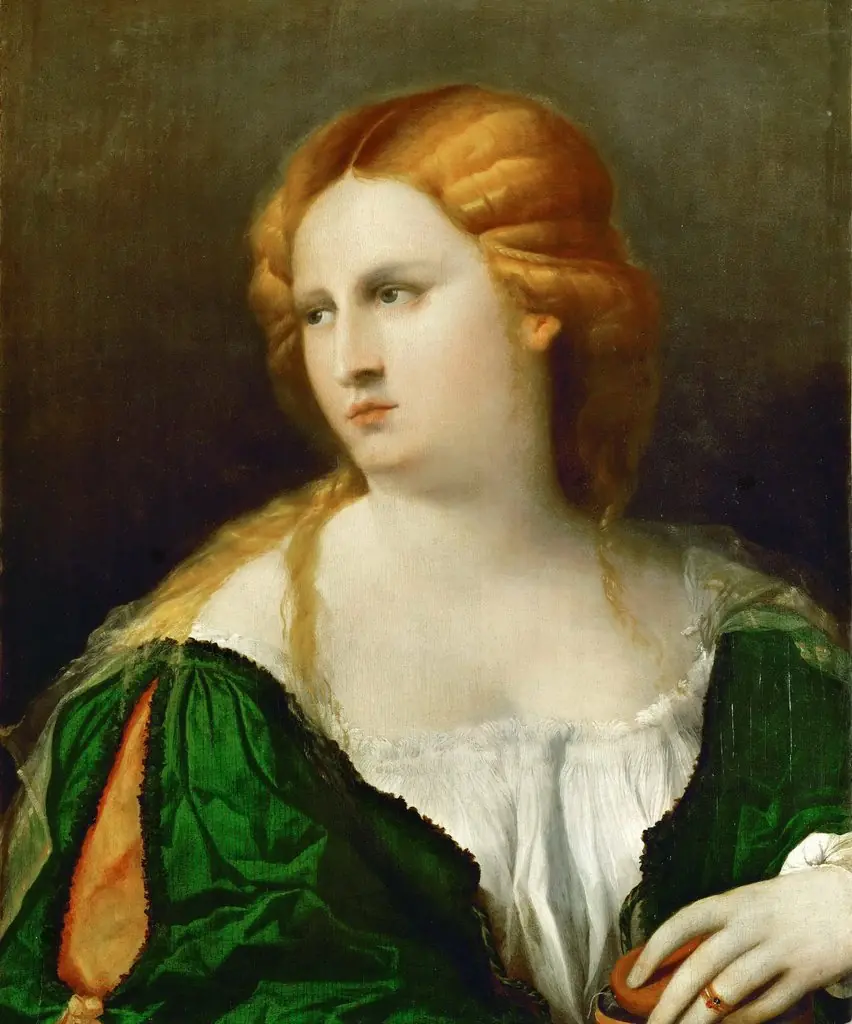
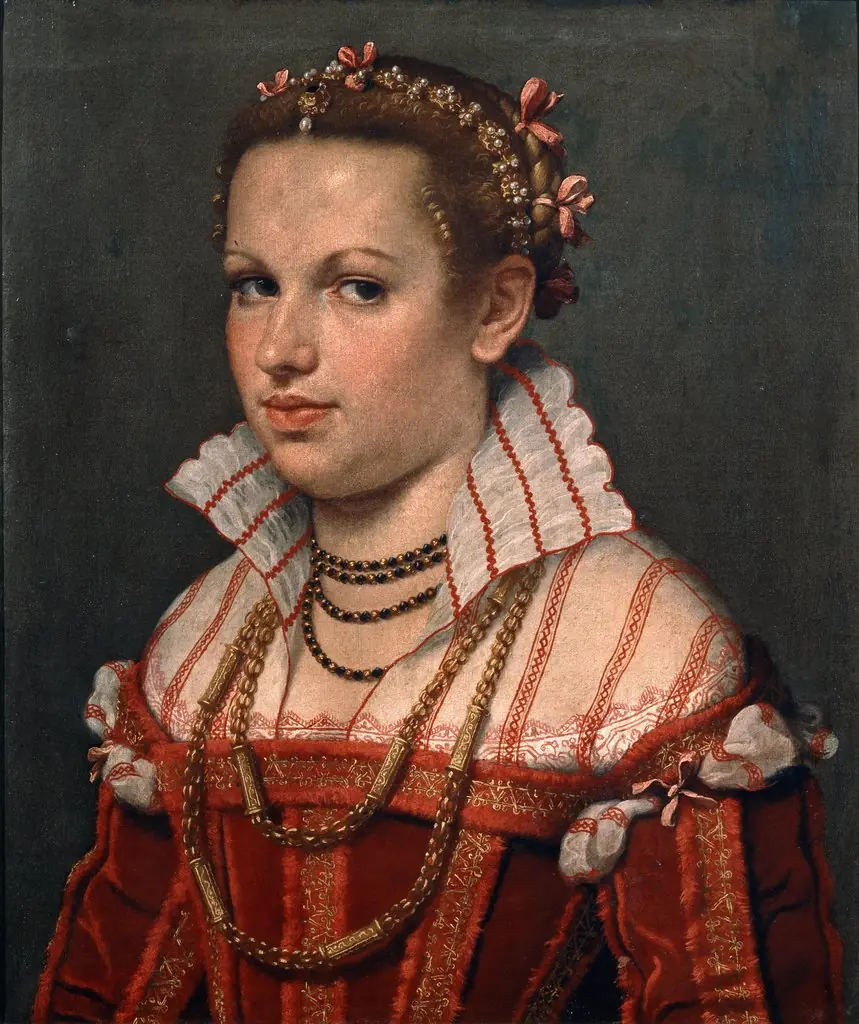
Its attribution is uncontroversial due to a well-documented provenance passing from Bartolomeo della Nave through the Duke of Hamilton to Archduke Leopold Wilhelm and finally the Kunsthistorisches Museum. Scholarly interpretations have long debated the sitter's identity, Laura de Noves, an ideal figure, or a courtesan, while recognizing the work as the prototype for later Venetian courtesan portraits by Titian, Palma, and Paris Bordone. It is also linked to Giorgione's The Tempest through a shared model.
Legacy
Giorgione’s Laura established a Venetian prototype for female portraiture that decisively shaped later sixteenth-century representations of women. Its synthesis of Leonardesque sfumato and erotic nuance informed Titian’s courtesan images, Palma Vecchio’s ideal beauties, and Paris Bordone’s allegorical figures, all of whom reinterpreted the exposed breast and laurel motif as signs of either conjugal virtue or cultivated seduction. By the seventeenth century, the painting had been linked to Petrarch’s Laura de Noves, turning it into a visual counterpart to poetic idealization and prompting emulative portraits that conflated literary myth with Venetian courtesan culture.
Its dated inscription and secure provenance ensured its canonical status, allowing the work to function as a touchstone for debates on female virtue and artistic rivalry between painting and poetry throughout the early modern period.
Overview
"Laura," an oil painting on canvas from 1506, is attributed to the Italian Renaissance artist Giorgione. This work holds particular significance as the sole known painting bearing the artist's signature and date, making it a crucial point of reference for his oeuvre. It is currently housed in the Kunsthistorisches Museum in Vienna, Austria, offering a rare, definitively identified example of Giorgione's early sixteenth-century output.
Own this work as a print
Artist & collection