Artwork
Portrait of the sculptor Alessandro Vittoria
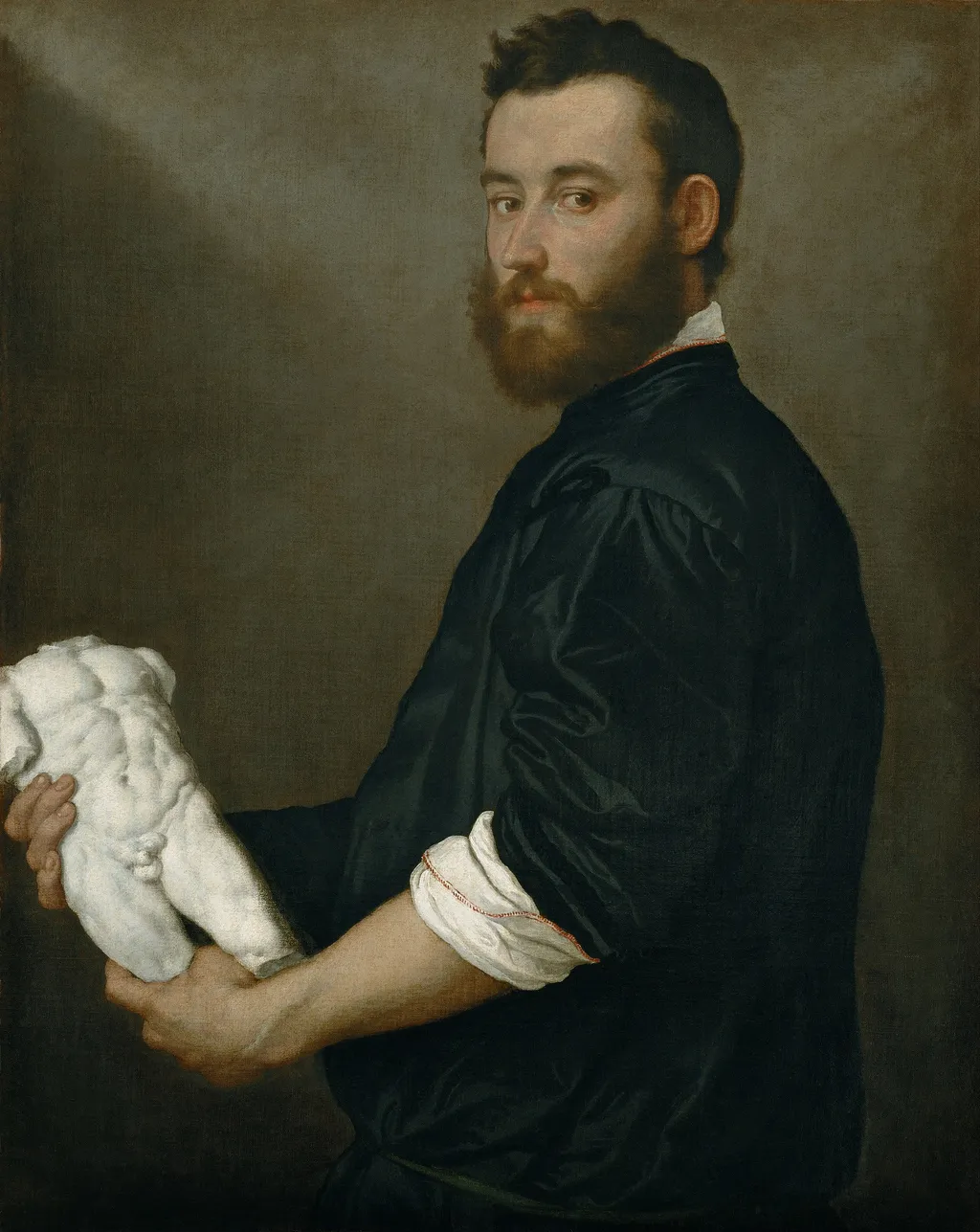
Portrait of the sculptor Alessandro Vittoria is an oil painting by the Mannerist artist Giovanni Battista Moroni. It dates from 1552 and is held in the collection of the Kunsthistorisches Museum.
About this work
Subject & Meaning
The two young artists likely met in Trento in 1551-1552, where Moroni had been engaged to paint portraits of figures attending the Council of Trent.
The painting depicts the Italian sculptor Alessandro Vittoria, shown as a young man with thick hair, in contrast to later portraits that portray him in older age with a receding hairline. He is dressed in working clothes, a shirt with rolled-up sleeves, and holds an ancient nude bust in both hands while gazing directly at the viewer. By presenting the sitter with a classical sculpture, Moroni signals Vittoria's professional activity as a sculptor and his study of, and respect for, antique art. The work is also significant as an early example of Moroni's interest in portraying subjects in their working environments, a direction he would later develop in his more famous painting The Tailor. The two young artists likely met in Trento in 1551-1552, where Moroni had been engaged to paint portraits of figures attending the Council of Trent.
Technique & Style
Executed in oil on canvas, this portrait measures approximately 82.5 by 64.6 centimeters, though some records list dimensions of 87.5 by 70 centimeters. The work depicts the sculptor Alessandro Vittoria as a youthful figure with thick hair, contrasting with later representations that show a receding hairline. Moroni portrays the subject in working attire, specifically a shirt with rolled-up sleeves, while he holds an ancient nude bust with both hands and gazes directly at the viewer. This composition emphasizes Vittoria's profession and his reverence for classical antiquity. The painting serves as an early example of Moroni's approach to depicting subjects within their professional environments, a stylistic strategy he would later refine in mature works such as The Tailor.
History & Provenance
Created by Giovanni Battista Moroni in 1552, this early work depicts the sculptor Alessandro Vittoria during the artists' time in Trento, likely coinciding with the Council of Trent. The painting originally remained in Vittoria's personal collection until his death in 1608. Following this, the Bergamo merchant Bartolomeo della Nave acquired the canvas, listing it in his inventory as a work by Moroni. Della Nave's collection was subsequently purchased in 1636 by William Compton, Earl of Denbigh, for his brother-in-law James Hamilton, 1st Duke of Hamilton. These works were intended for shipment to England but were never exported, eventually entering the possession of Archduke Leopold Wilhelm of Austria by 1651. Early inventories from 1659 incorrectly attributed the piece to Titian and misidentified the subject as Jacopo Sansovino, before its correct identification as Vittoria was restored in later documentation.
The painting is held by the Kunsthistorisches Museum in Vienna. Its documented provenance begins in the personal collection of the sitto, the sculptor Alessandro Vittoria, from whom it passed after 1608 to the Bergamasque collector Bartolomeo della Nave. In 1636 the Earl of Denbigh, English ambassador in Venice, arranged to sell the della Nave canvases, then kept in Vienna, to his brother-in-law James Hamilton, 1st Duke of Hamilton, but the paintings were never shipped to England. By 1651 the work belonged to Archduke Leopold Wilhelm of Austria, and a 1659 inventory misattributed it to Titian, later reidentified as a portrait of Jacopo Sansovino before the sitto was correctly recognized as Alessandro Vittoria. No specific inventory or accession number is recorded in the available sources, and no exhibition history beyond this provenance chain is documented.
Context
The portrait is recognized as an early work by Moroni, situating it within the artist’s formative period when he was active in Trento during the Council of Trent (1545-1563). Scholarship has emphasized its role in Moroni’s development of a distinctive realism, particularly in depicting sitters in their working environments; the inclusion of a classical bust signals the sitter’s profession and reverence for antiquity. The painting’s later misattributions, to Titian and then to Jacopo Sansovino, highlight the challenges of identifying sitters in Renaissance portraiture before conclusive documentation emerged. The work’s provenance, tracked from Vittoria’s estate through Bartolomeo della Nave’s collection to the Archduke Leopold Wilhelm of Austria, reflects the fluid circulation of artworks across northern Italy and the Habsburg court in the seventeenth century.
Legacy
The portrait’s later reception helped secure Moroni’s reputation as a pioneer of the ‘true portrait’ genre in Northern Italy, where sitters were depicted in working attire rather than idealized forms. By the seventeenth century, the work had entered the collection of Archduke Leopold Wilhelm of Austria, though it was then misattributed to Titian and later to Jacopo Sansovino, reflecting shifting attributive practices before its correct identification as Alessandro Vittoria. Its survival in Vienna, never shipped to England after a 1636 sale attempt, ensured its continued visibility within imperial collections. Nineteenth- and twentieth-century scholarship, including Mina Gregori’s studies, consolidated the attribution and established its significance as an early example of genre-inflected portraiture, influencing later depictions of artists at work.
Own this work as a print
Artist & collection
Artist
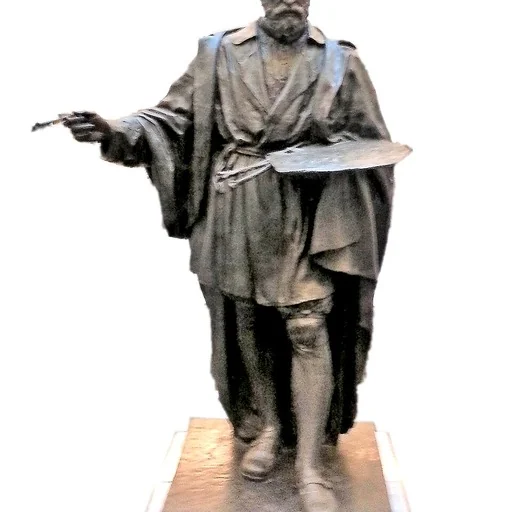
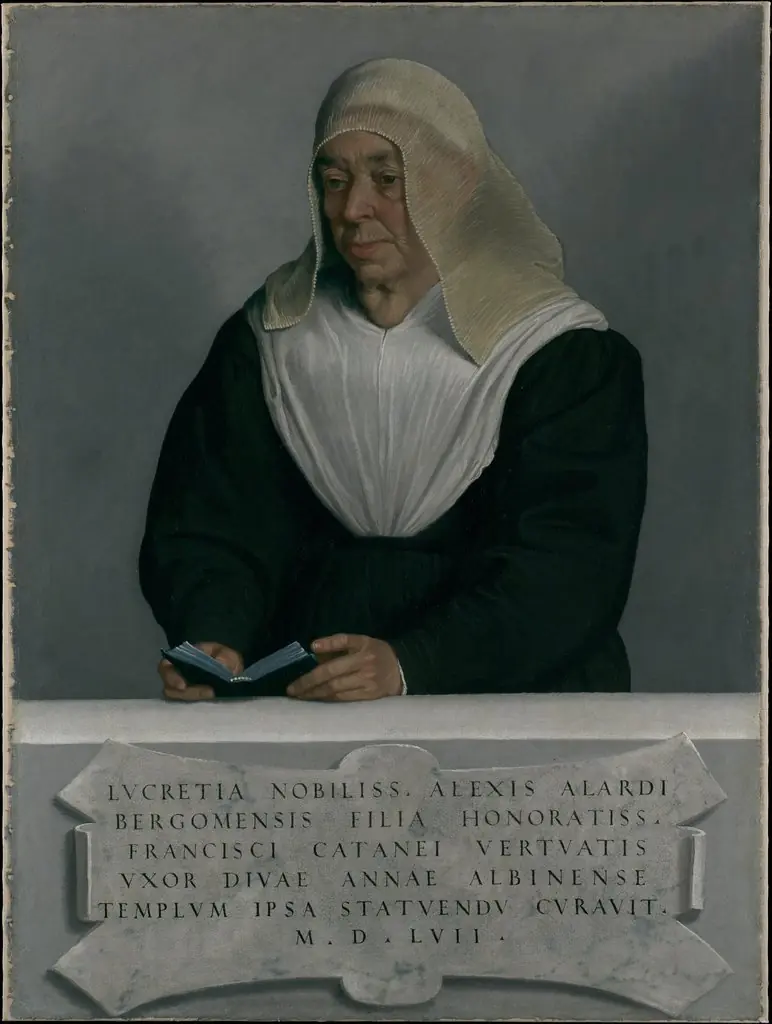
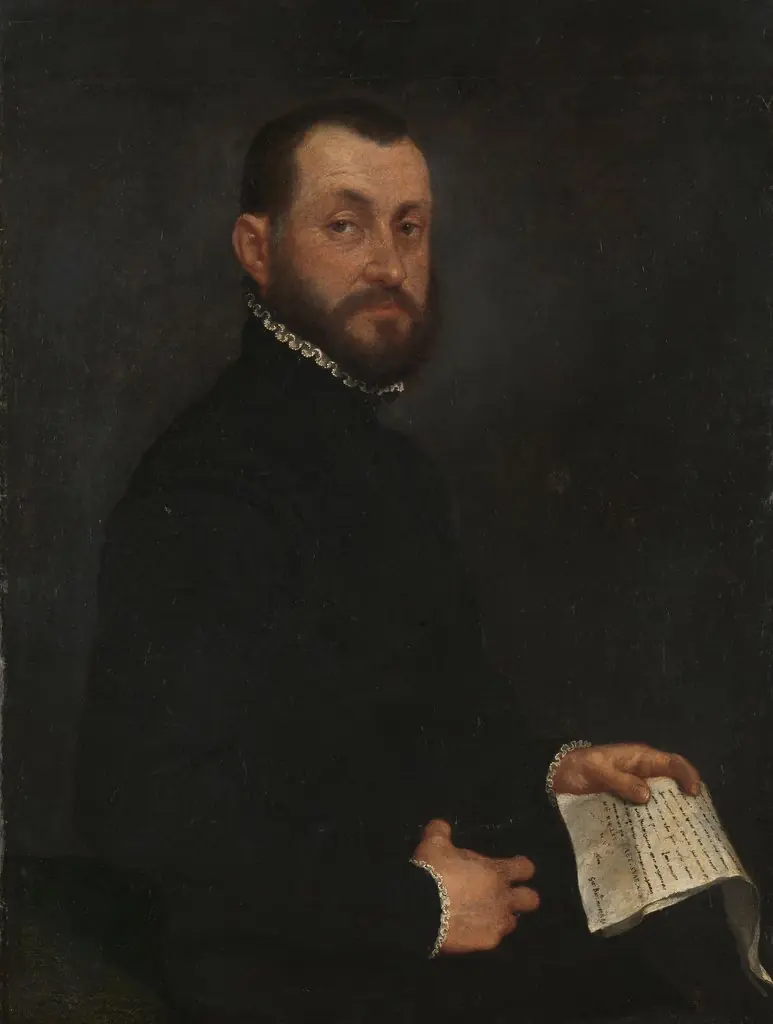
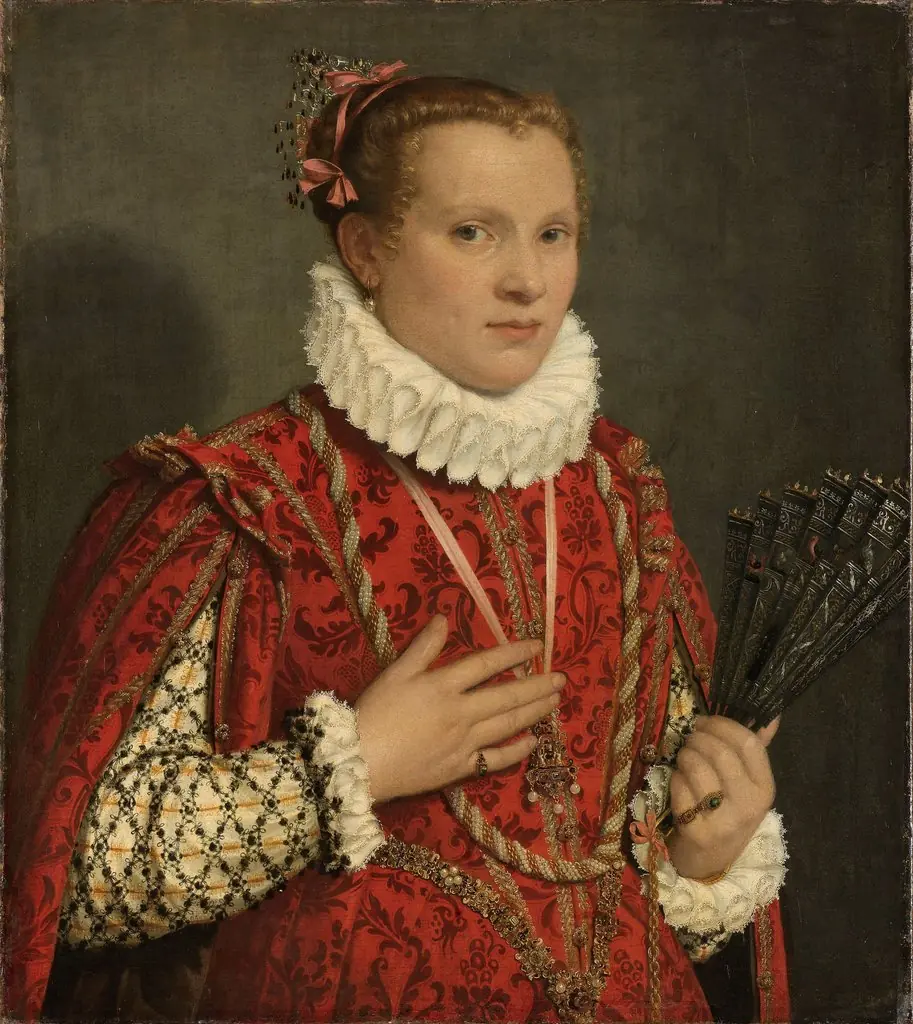
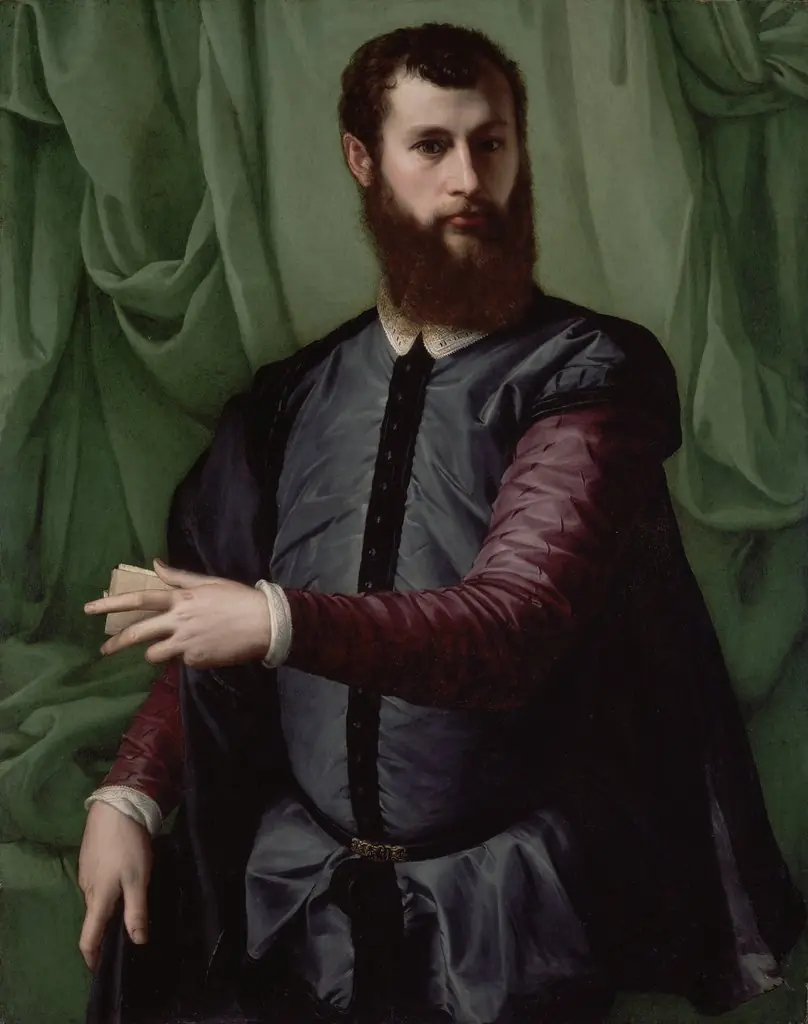
Giovanni Battista Moroni, also known as Giambattista Moroni was an Italian painter of the Mannerist school.

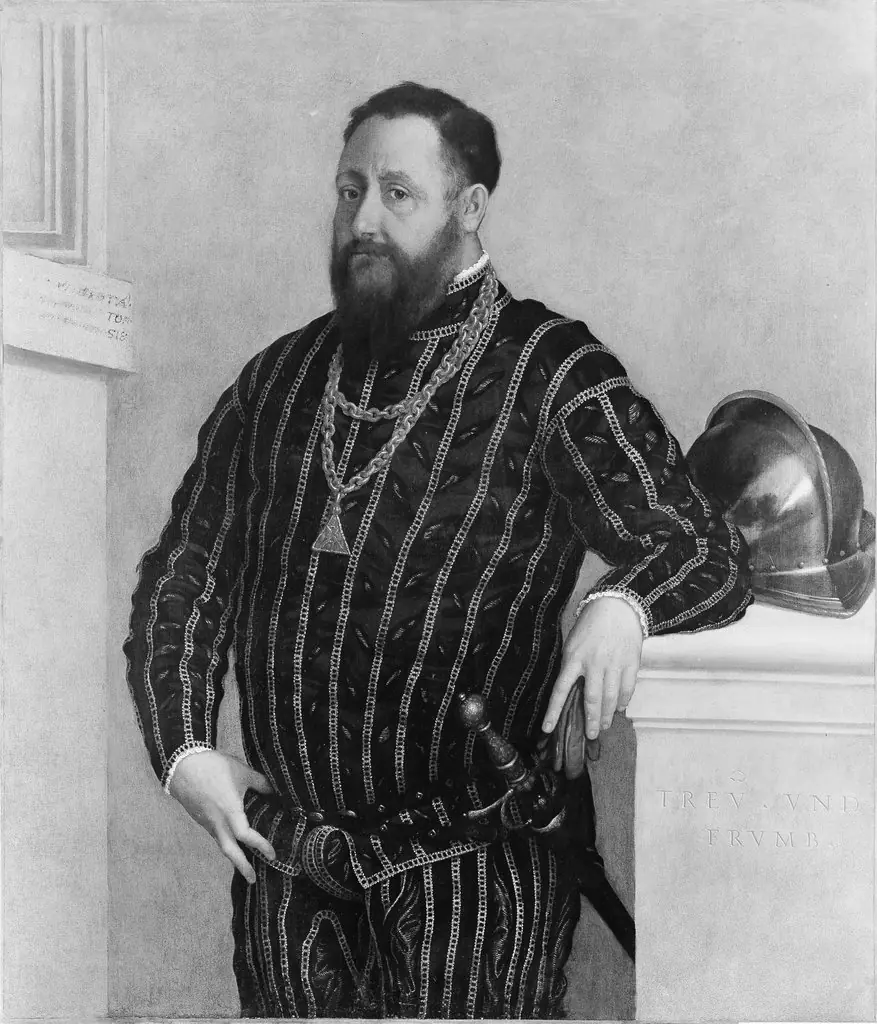
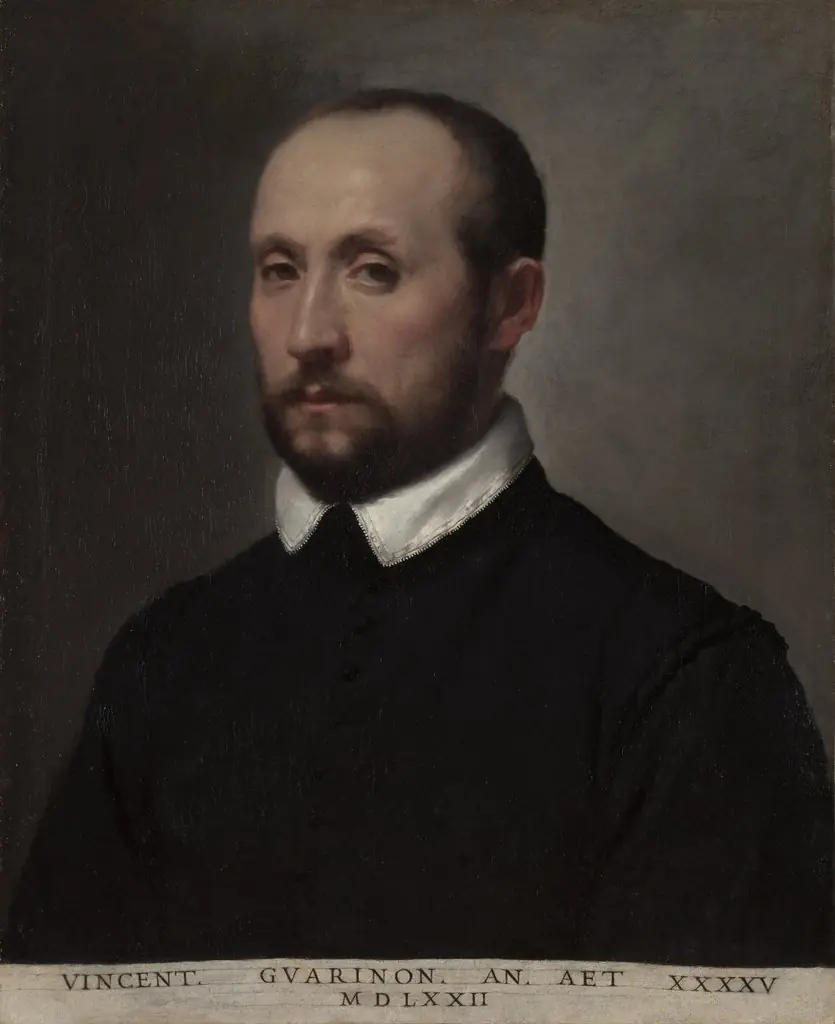
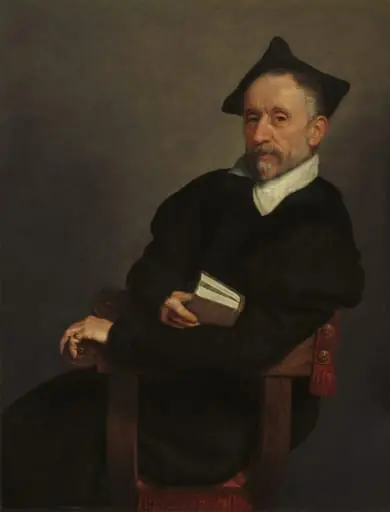
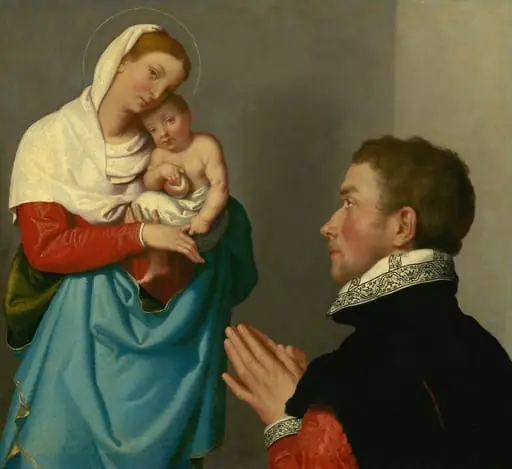
 Portrait of a Man
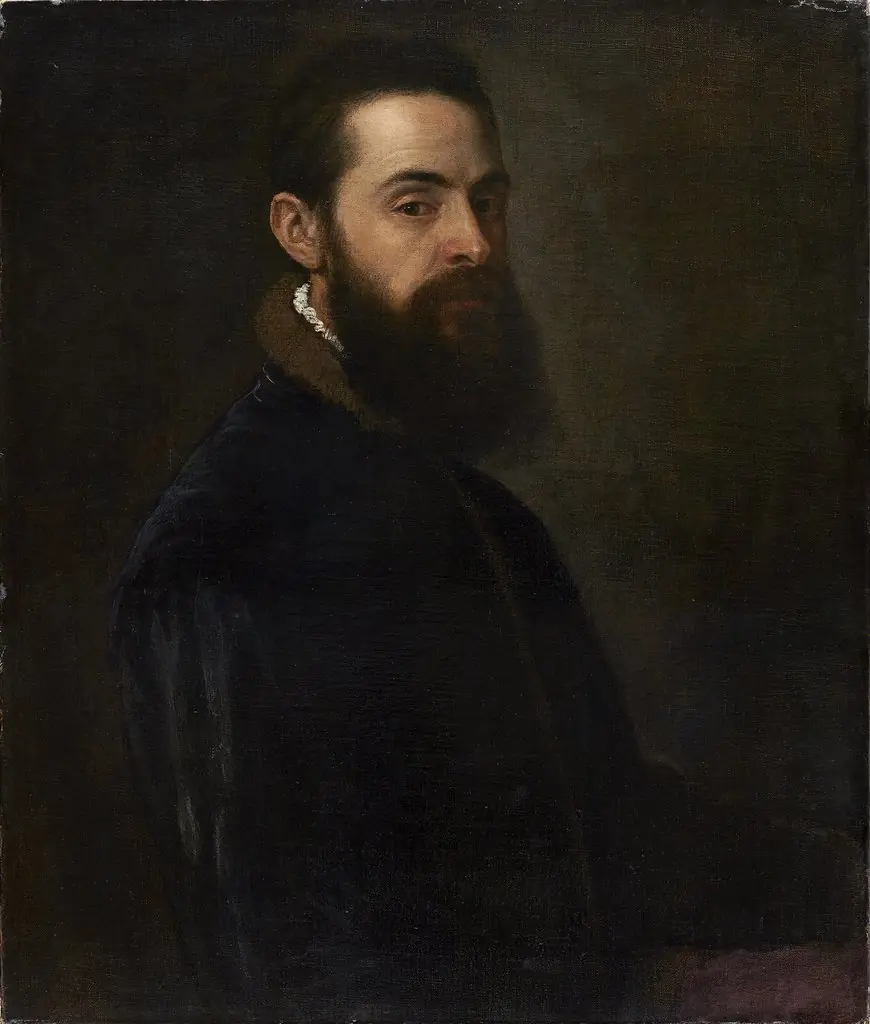 Portrait of Antonio Anselmi
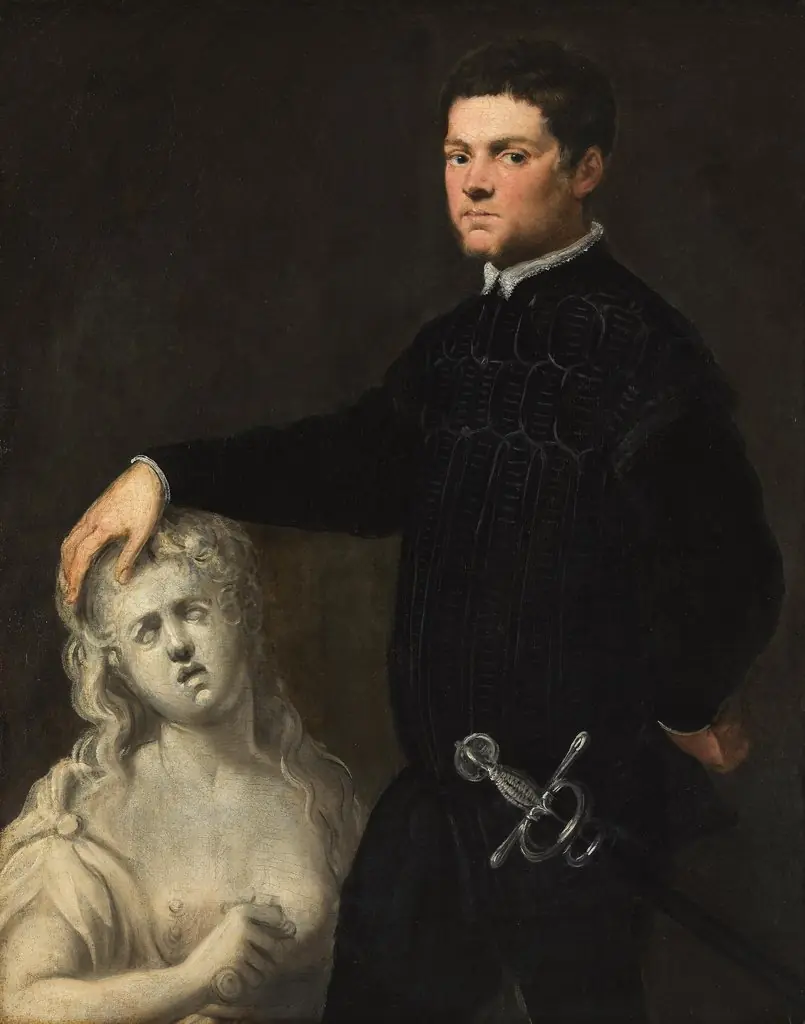 Portrait of a young man with a sculpture of Lucretia - Tintoretto
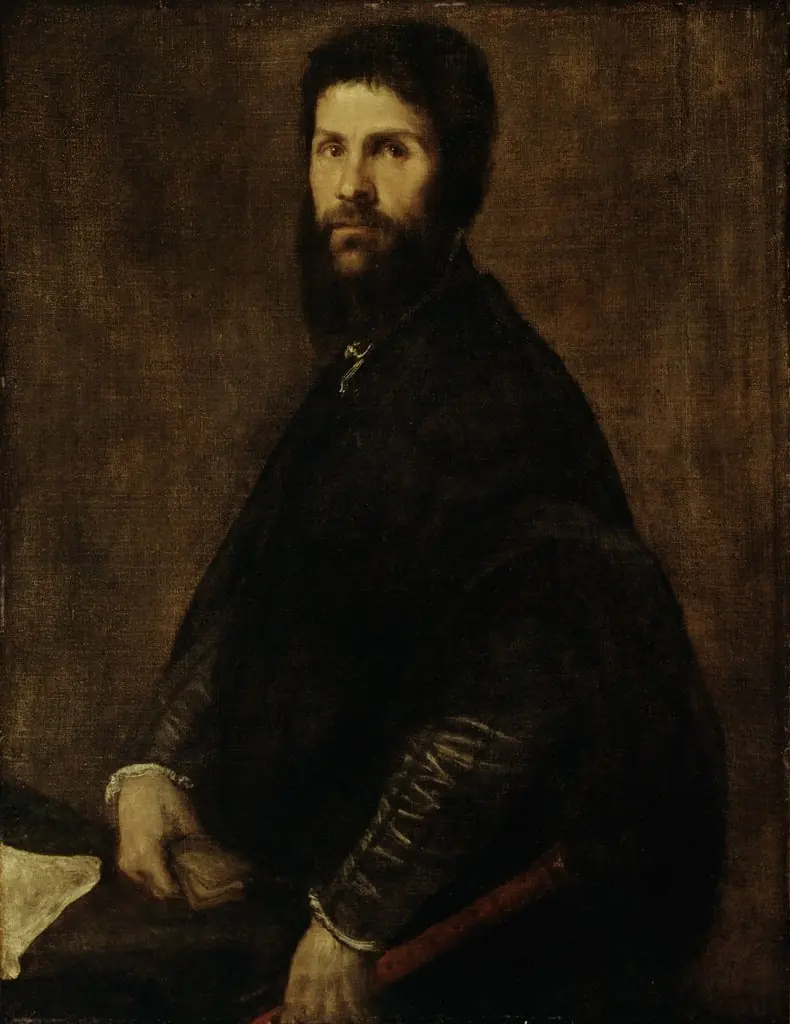 Man Holding a Flute
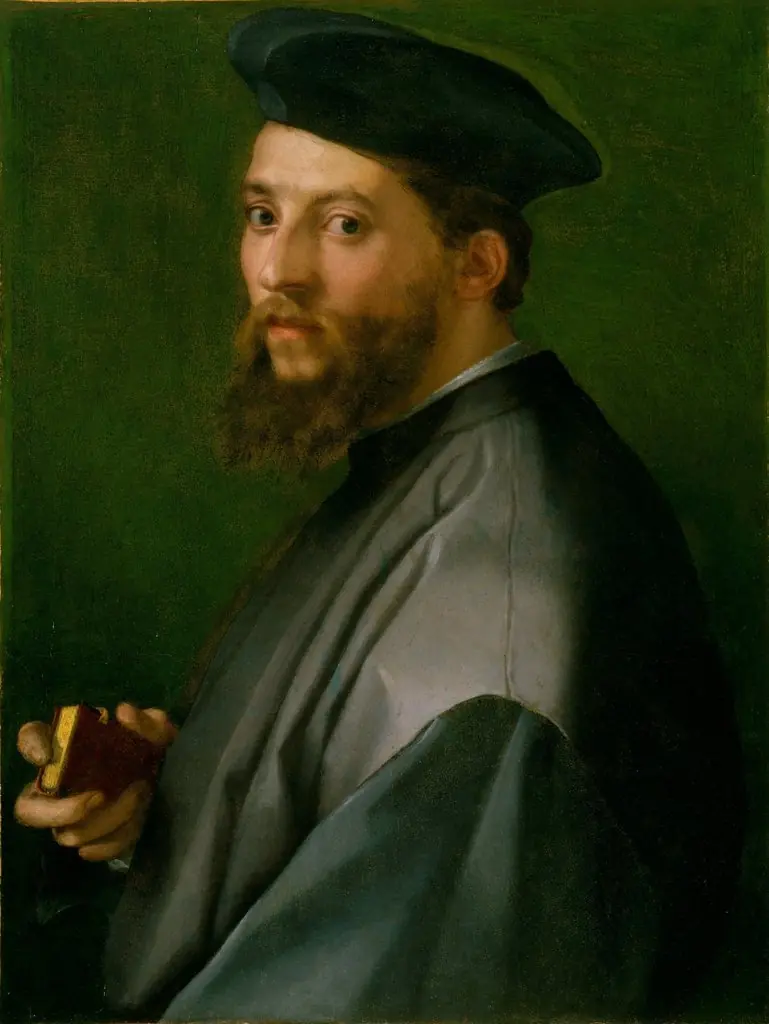 Portrait of a Man
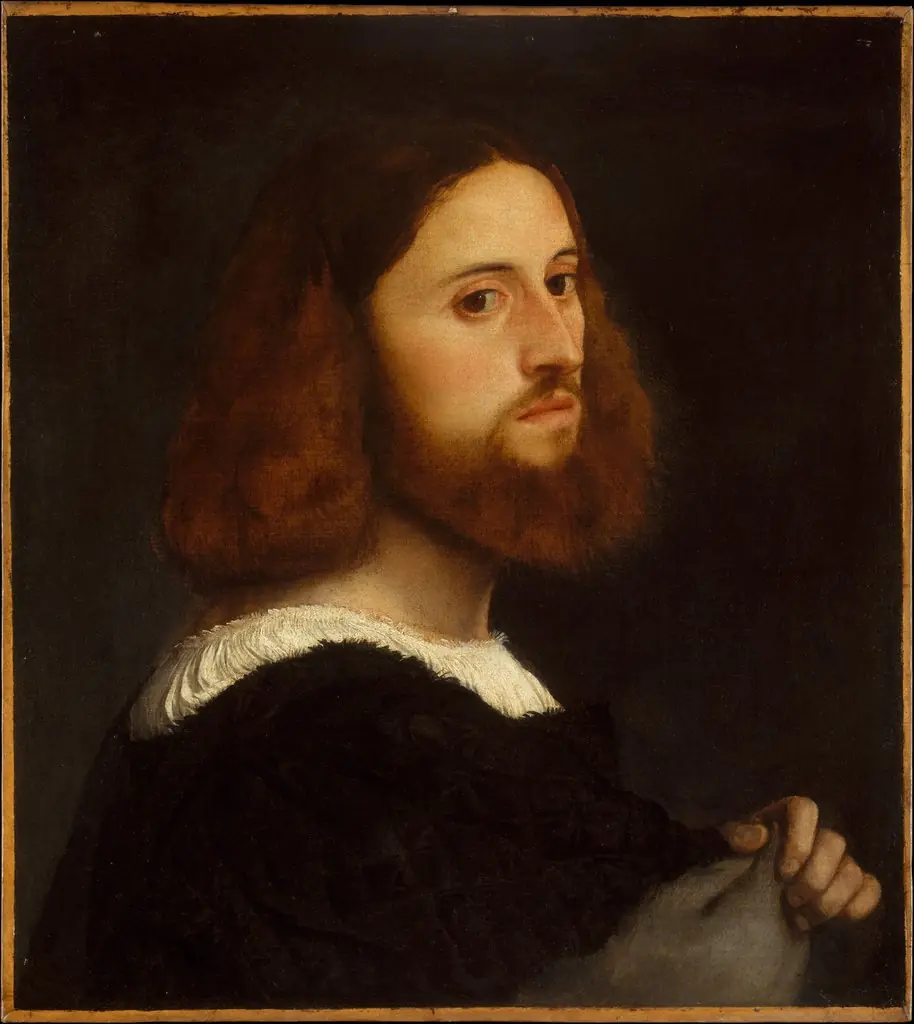 Portrait of a Man
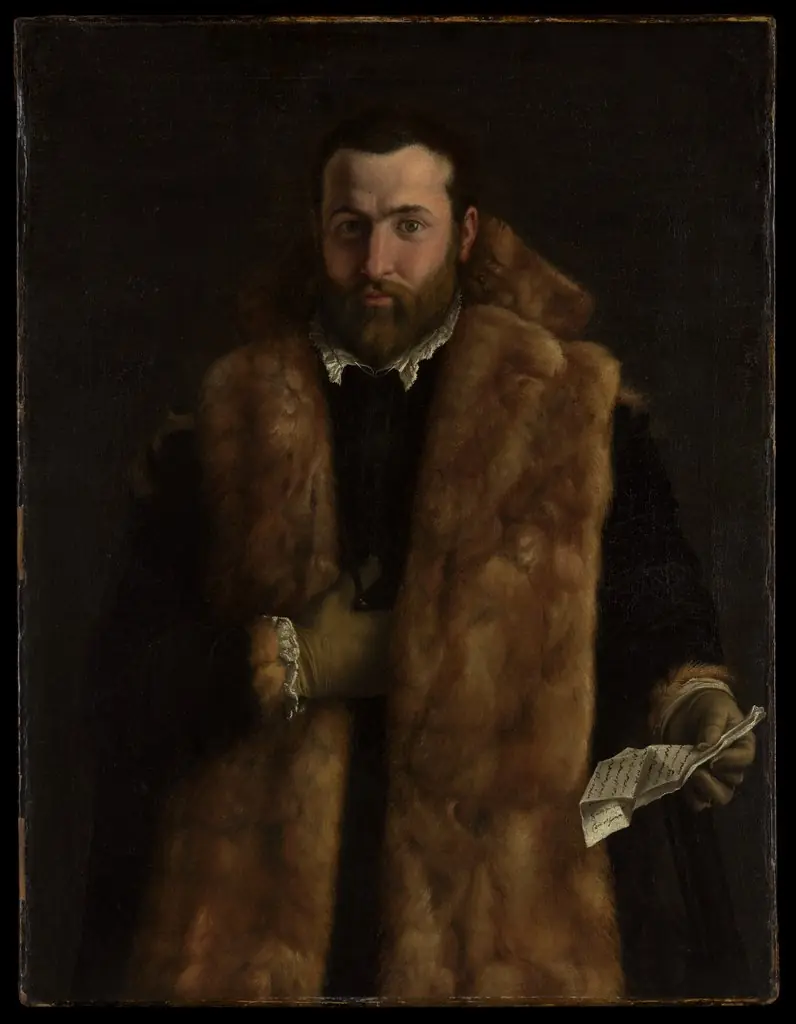 Portrait of a Man in a Fur-Trimmed Coat
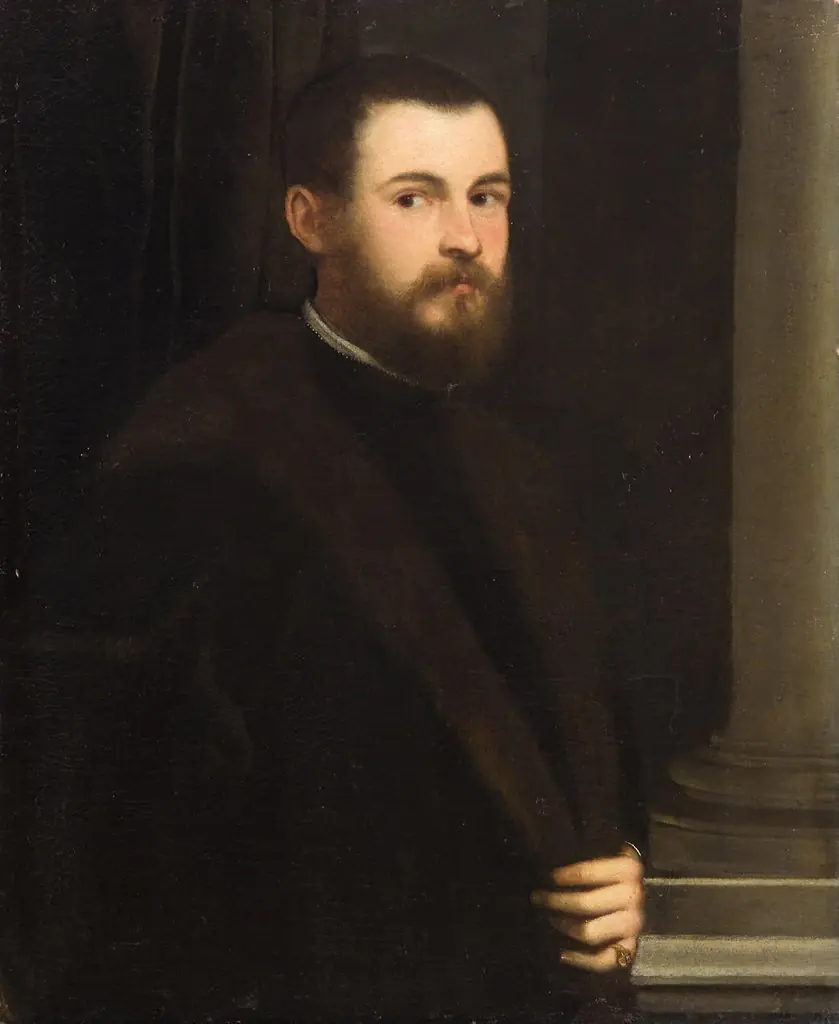 Portrait of a young bearded man
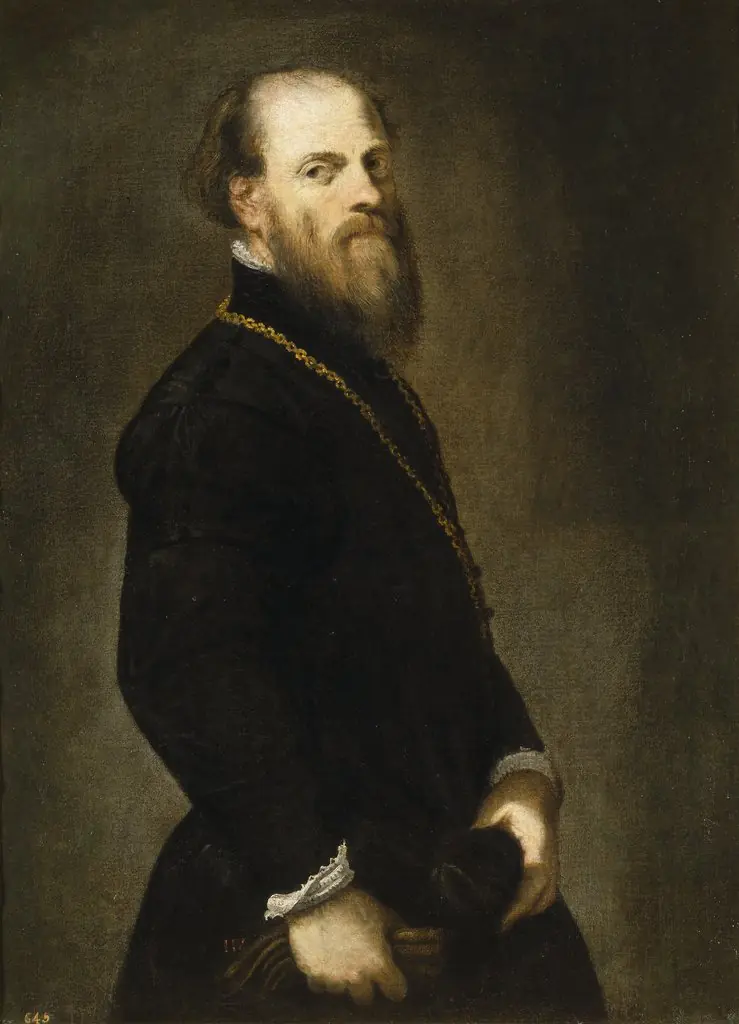 Man with a Golden Lace
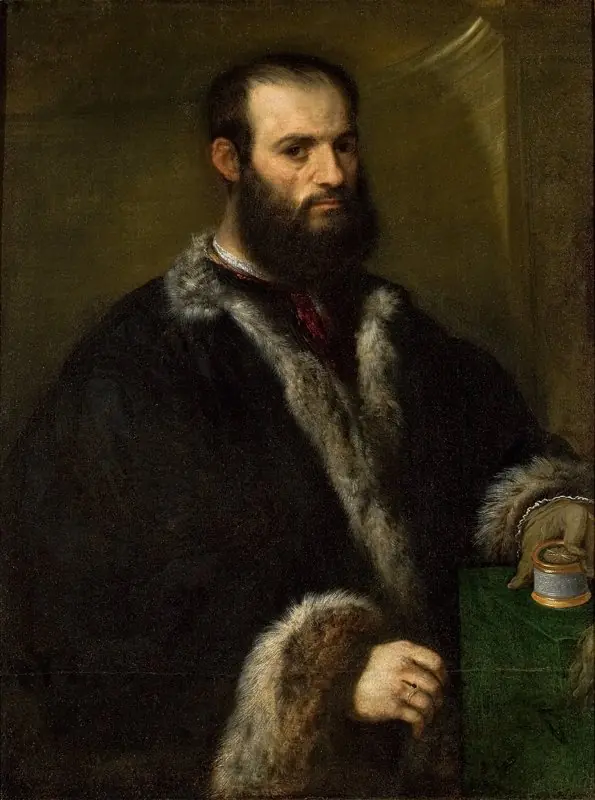 Portrait of Alvise Contarini (?)
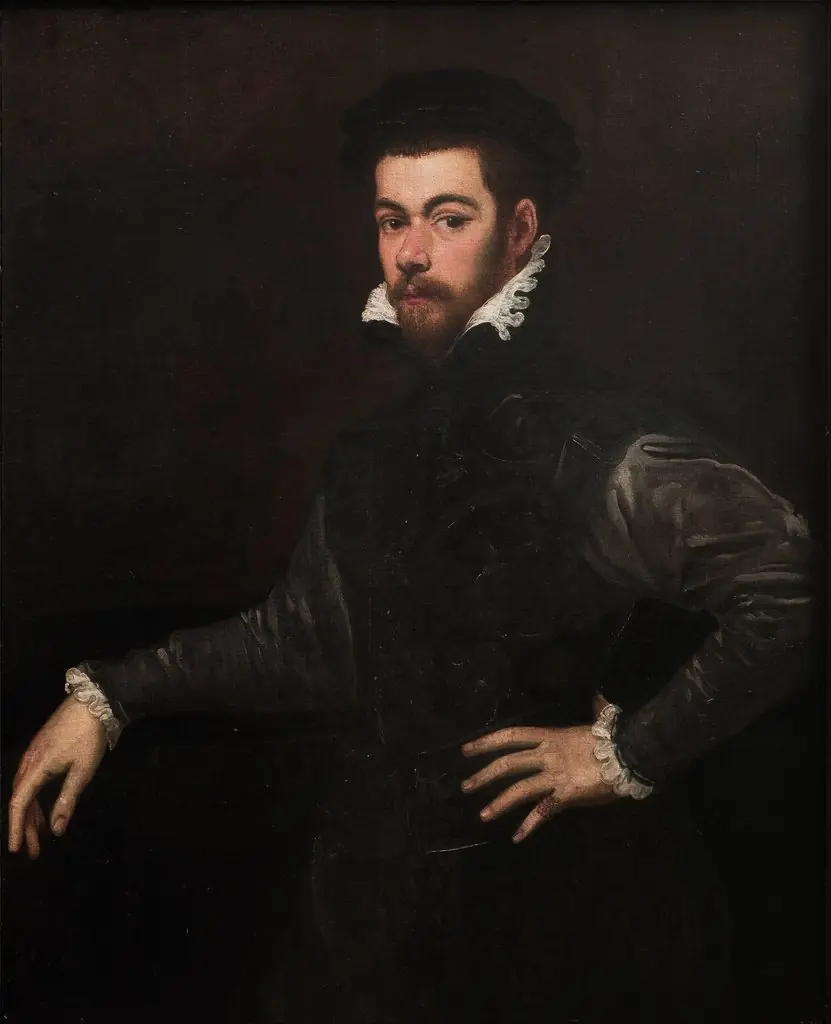 Portrait of a Gentleman
- Alessandro Vittoria (1524/25–1608)