Artwork
Portrait of a Gentleman
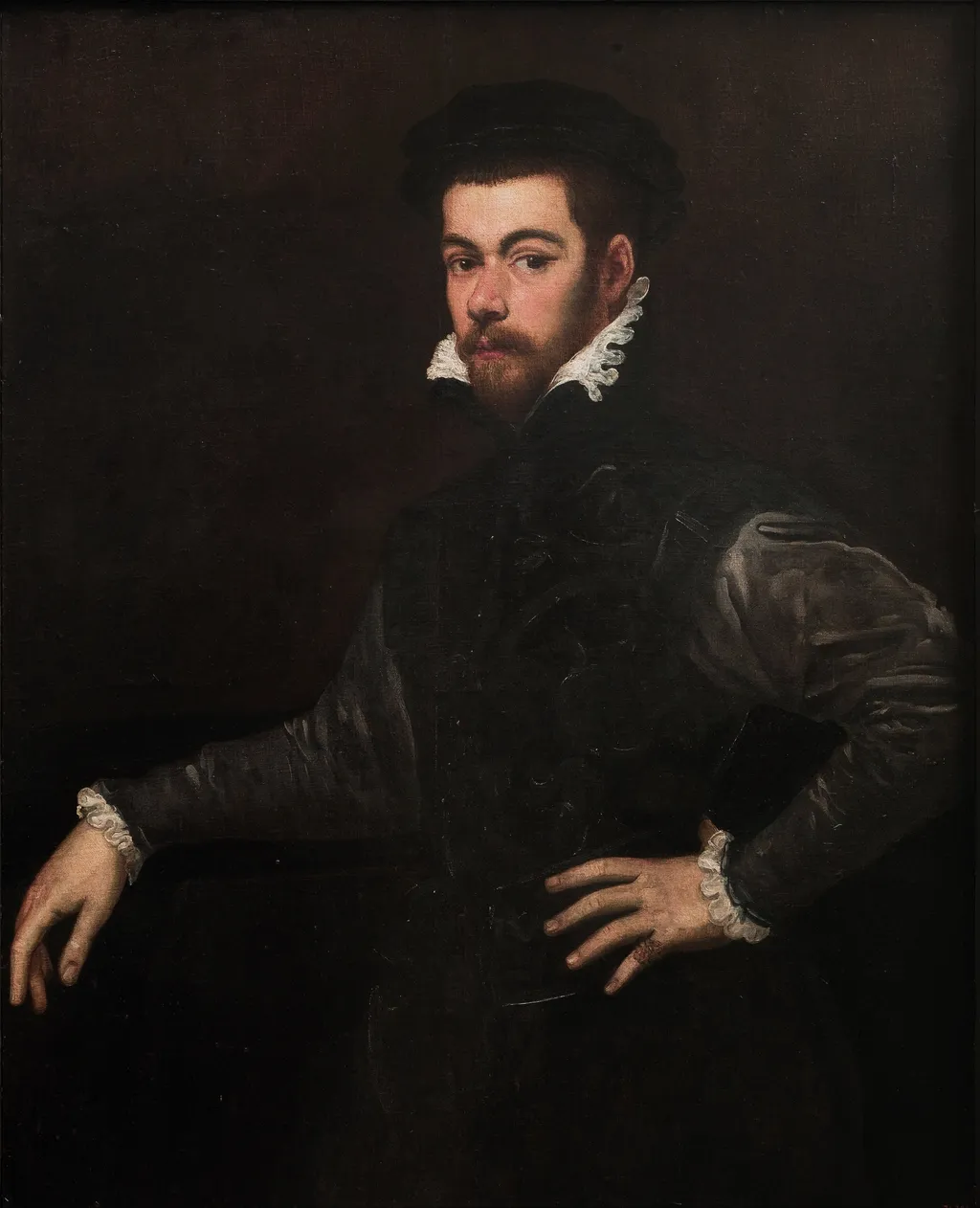
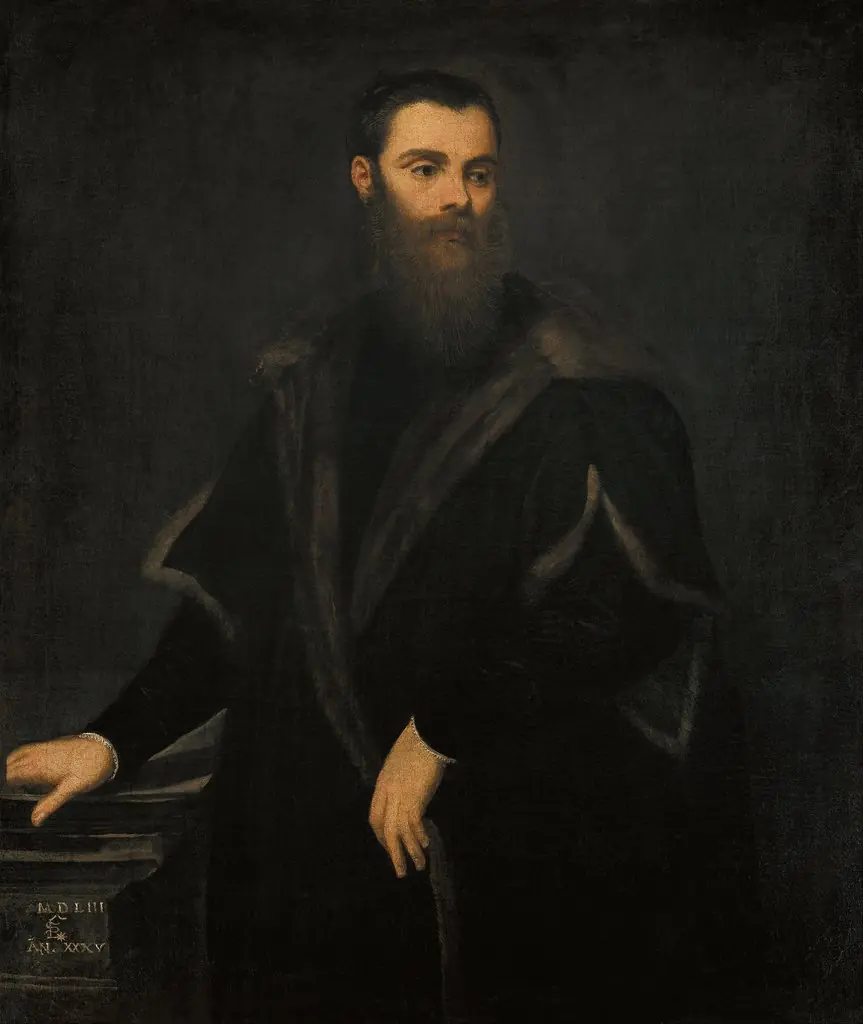
Portrait of a Gentleman is an unspecified painting by the Mannerist artist Jacopo Tintoretto. It dates from 1554 and is held in the collection of the Museu Nacional d'Art de Catalunya.
About this work
Overview
Held in the Museu Nacional d'Art de Catalunya, it captures a man in quiet intensity, rendered with swift, confident brushstrokes.
Painted in 1554, this portrait by Jacopo Tintoretto is an early example of his mature style, bridging Venetian color traditions with the expressive distortions of Mannerism. Held in the Museu Nacional d'Art de Catalunya, it captures a man in quiet intensity, rendered with swift, confident brushstrokes. The work reflects Tintoretto’s reputation for dynamic energy, earning him the nickname 'il Furioso.'
Subject & Meaning
The sitter, dressed in dark, refined clothing with a white ruffled collar and broad-brimmed hat, presents a composed yet inward-looking presence. His left arm hangs loosely, right hand resting on his hip, suggesting restrained authority. The direct gaze to the left, away from the viewer, conveys contemplation rather than engagement, reinforcing a mood of solemn dignity without overt narrative.
Technique & Style
Tintoretto employs strong chiaroscuro to model the figure against a near-black background, enhancing volume and emotional gravity. His brushwork is rapid and textured, particularly in the fabric and hat, where strokes suggest form without meticulous finish. The elongated proportions and asymmetrical pose reflect Mannerist tendencies, while the rich tonal harmony remains rooted in Venetian painting traditions.
History & Provenance
The portrait entered the collection of the Museu Nacional d'Art de Catalunya in the early 20th century, though its earlier ownership remains undocumented. Likely commissioned by a Venetian noble or merchant, it was probably created during Tintoretto’s rise as a sought-after portraitist in the 1550s. No contemporary records confirm the sitter’s identity, leaving the figure anonymous but emblematic of his class.
Context
In mid-16th century Venice, portraiture evolved beyond mere likeness to express individual character and social standing. Tintoretto, working alongside Titian and Veronese, responded to this demand with psychological depth and compositional innovation. His departure from serene balance toward tension and movement aligned with broader Mannerist trends across Italy, even as he retained Venice’s emphasis on color and atmosphere.
Legacy
This portrait exemplifies Tintoretto’s influence on later Baroque portraiture through its dramatic lighting and psychological immediacy. Though less celebrated than his mythological works, such pieces demonstrate his ability to infuse quiet scenes with emotional weight. His fusion of Venetian palette and Mannerist dynamism helped redefine the possibilities of the genre in Northern Italy.
Own this work as a print
Artist & collection
Artist
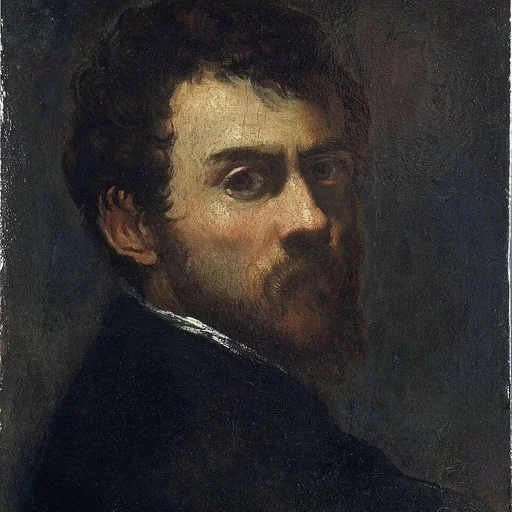
Jacopo Robusti (late September or early October 1518 – 31 May 1594), best known as Tintoretto ( TIN-tə-RET-oh; Italian:; Venetian: ), was an Italian Renaissance painter of the Venetian school.

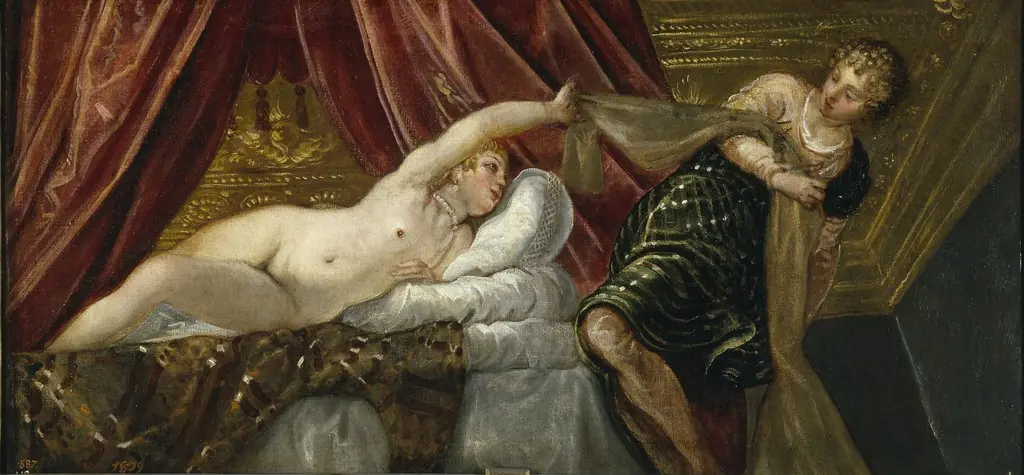
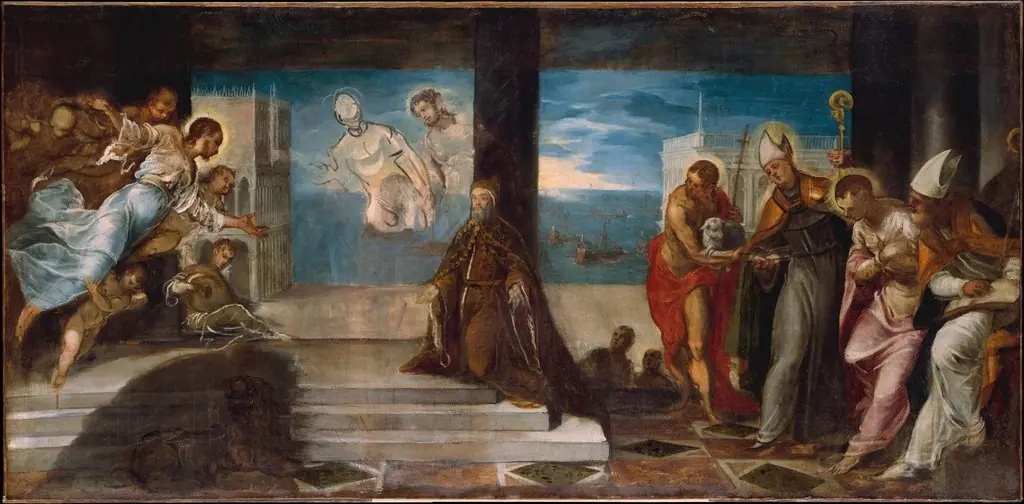
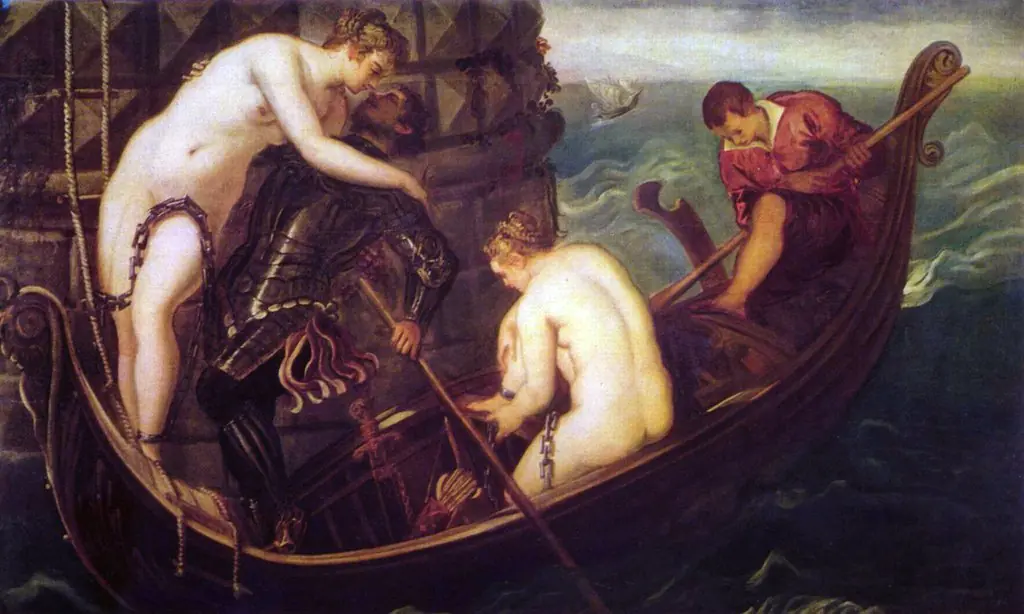
- Portrait of a Gentleman
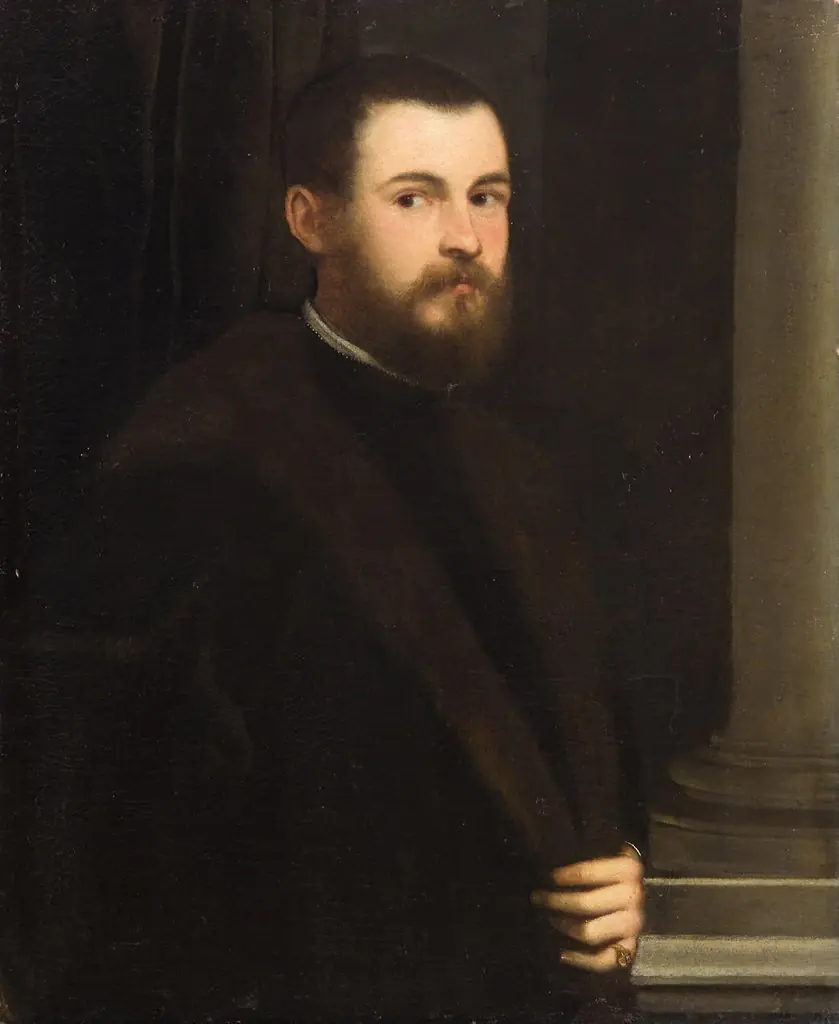 Portrait of a young bearded man
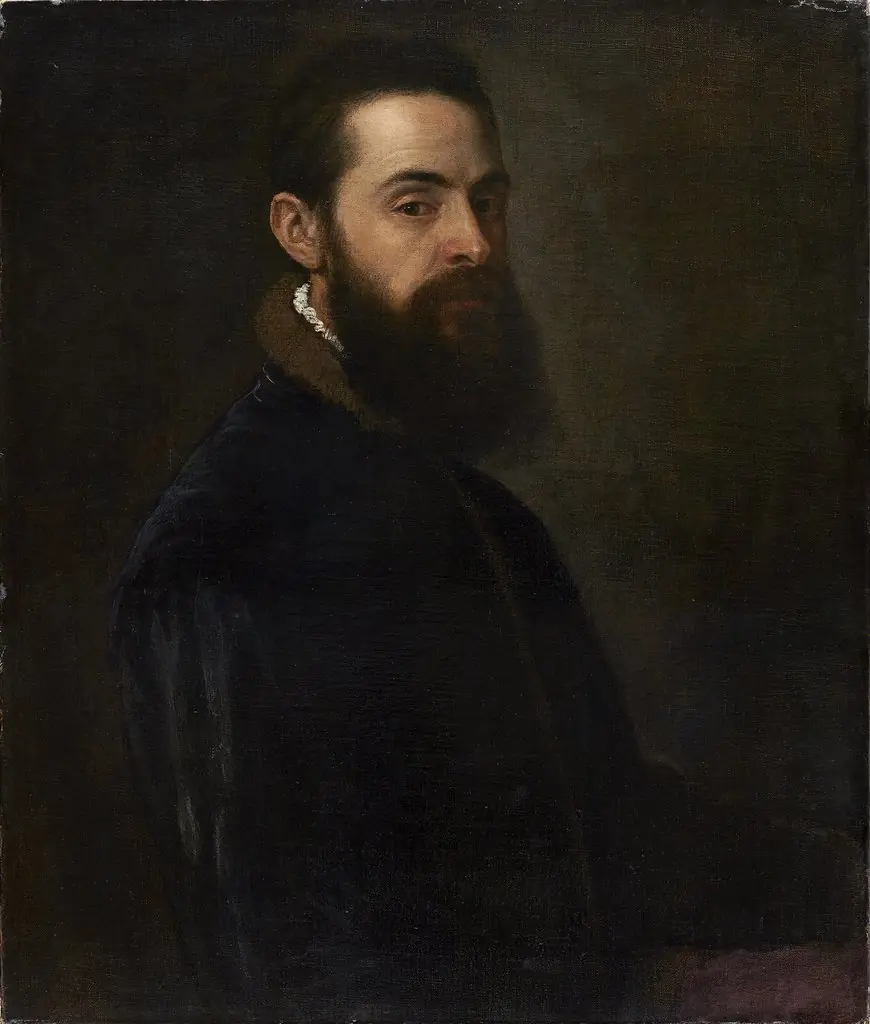 Portrait of Antonio Anselmi
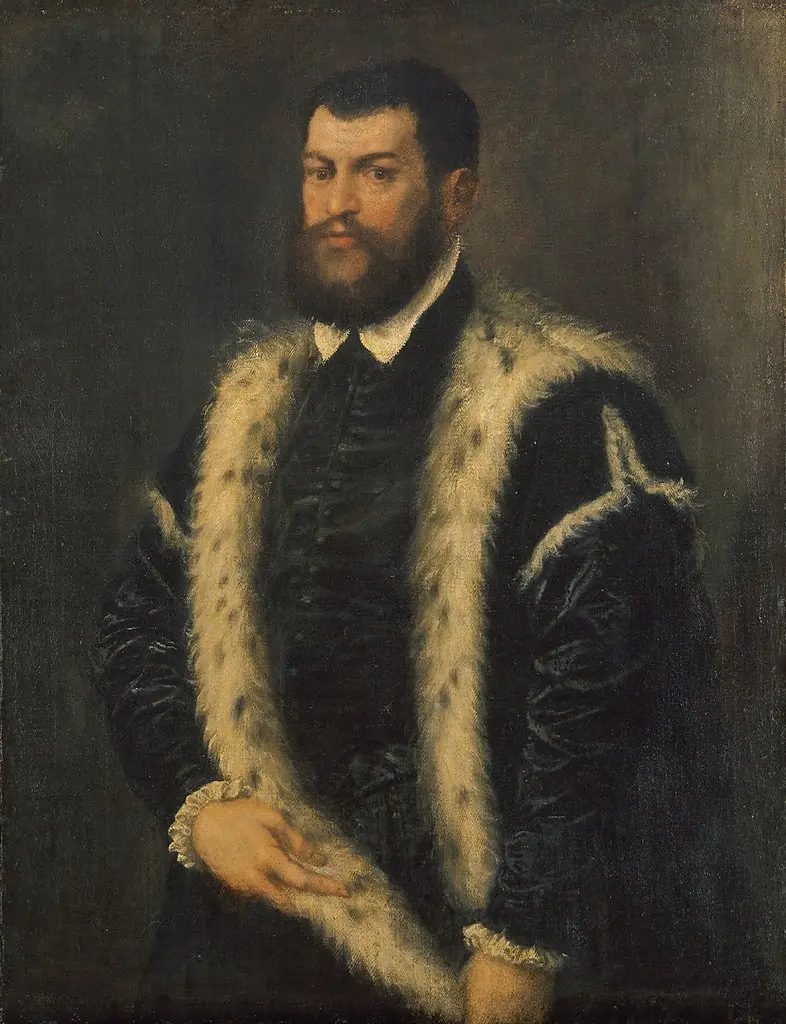 Man with Ermine Coat
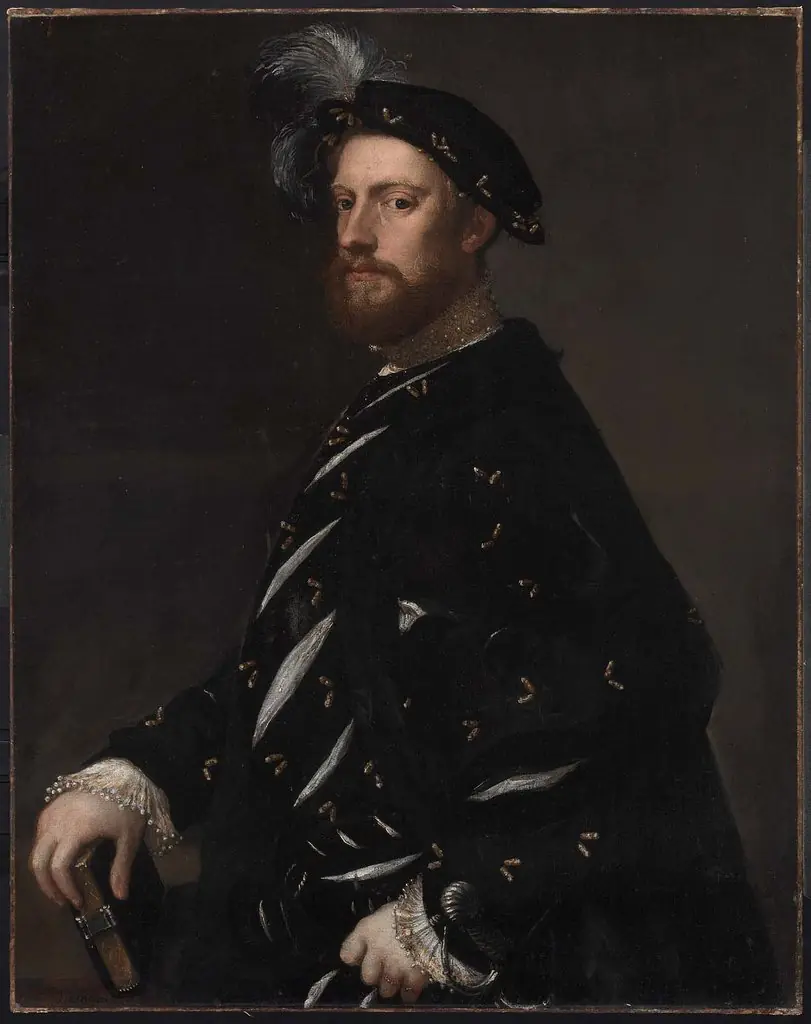 Portrait of a Man Holding a Book
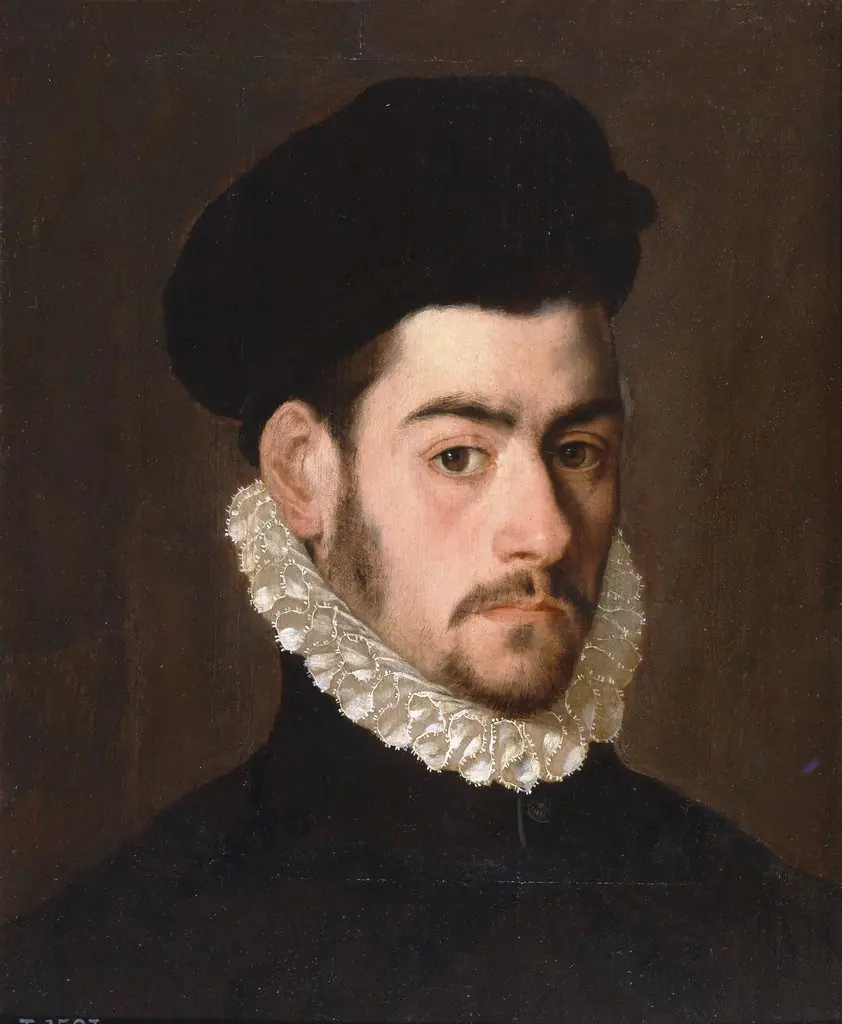 Self-portrait (?)
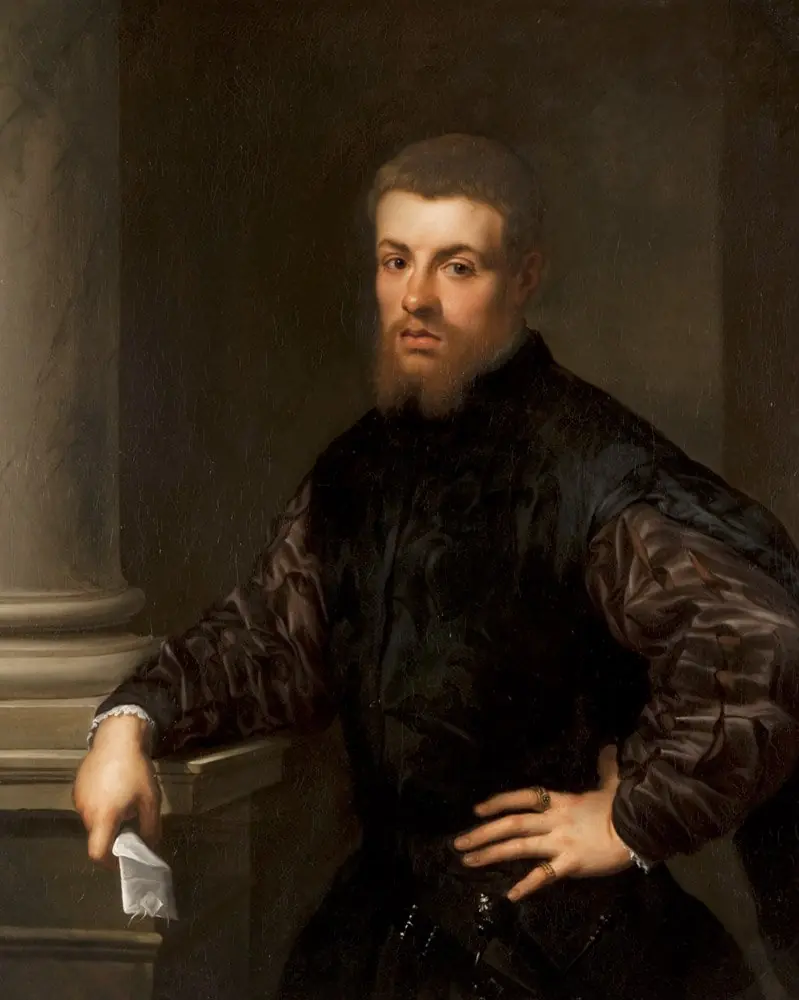 Portrait of a Young Man (possibly Melchior von Brauweiler, 1515–1569)
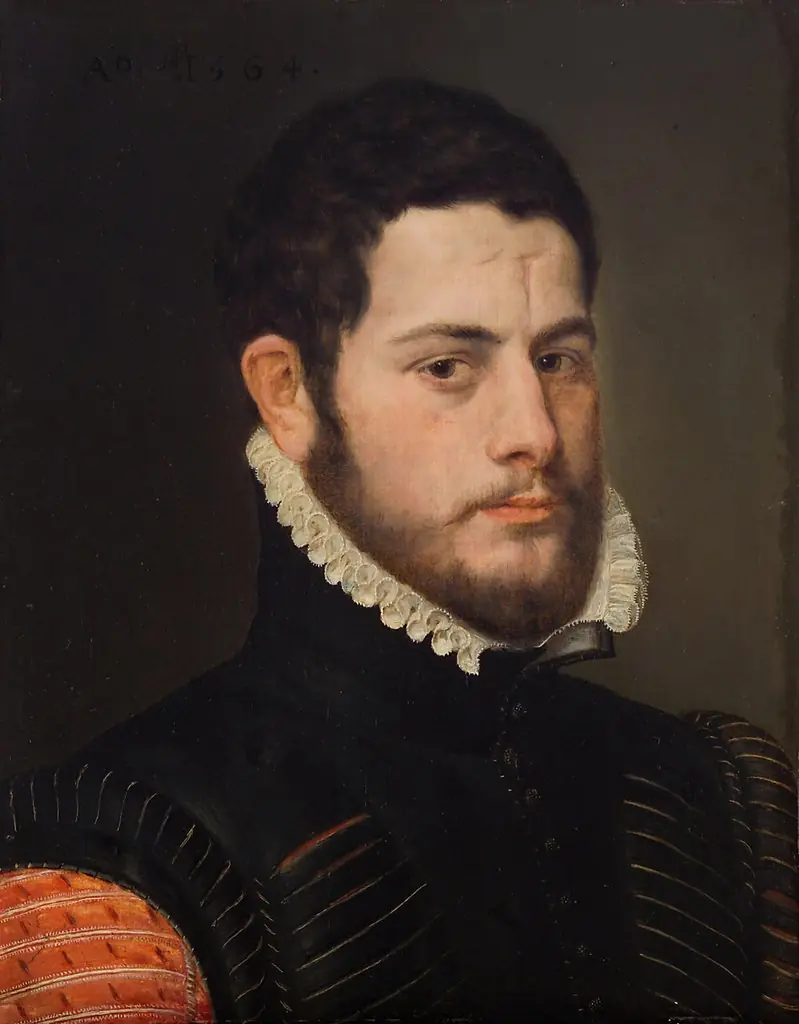 Portrait of a Man with Brow
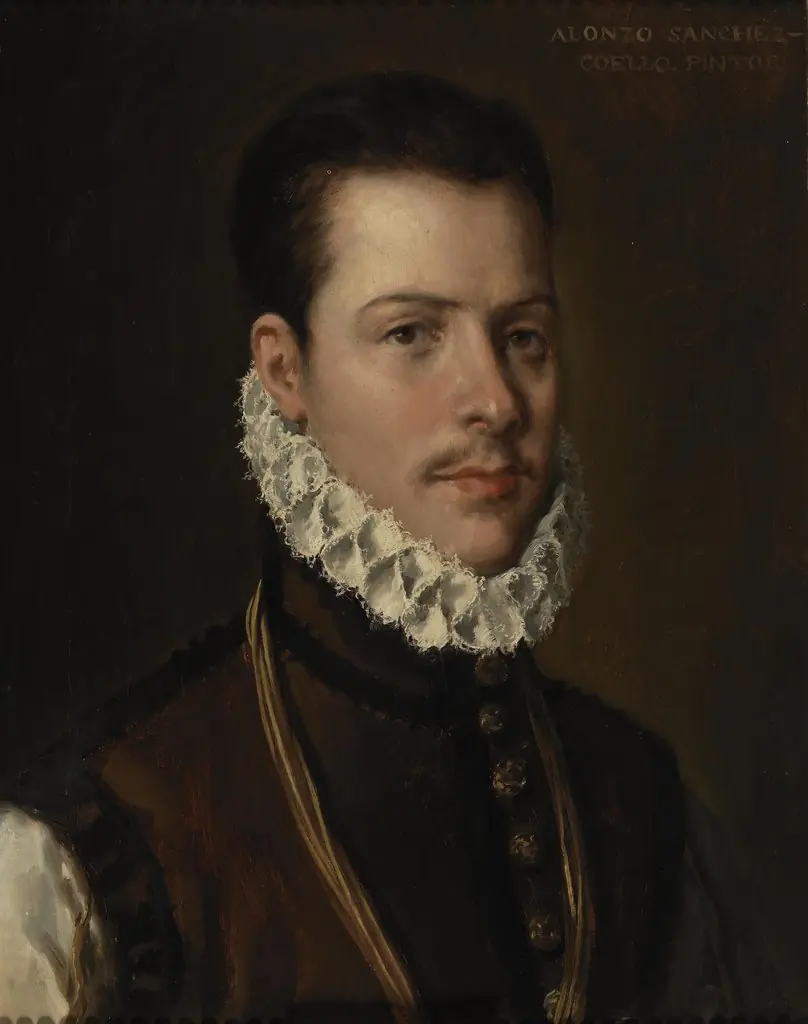 Fernando de Aragón y Borja duque de Villahermosa y conde de Ribagorza (copia)
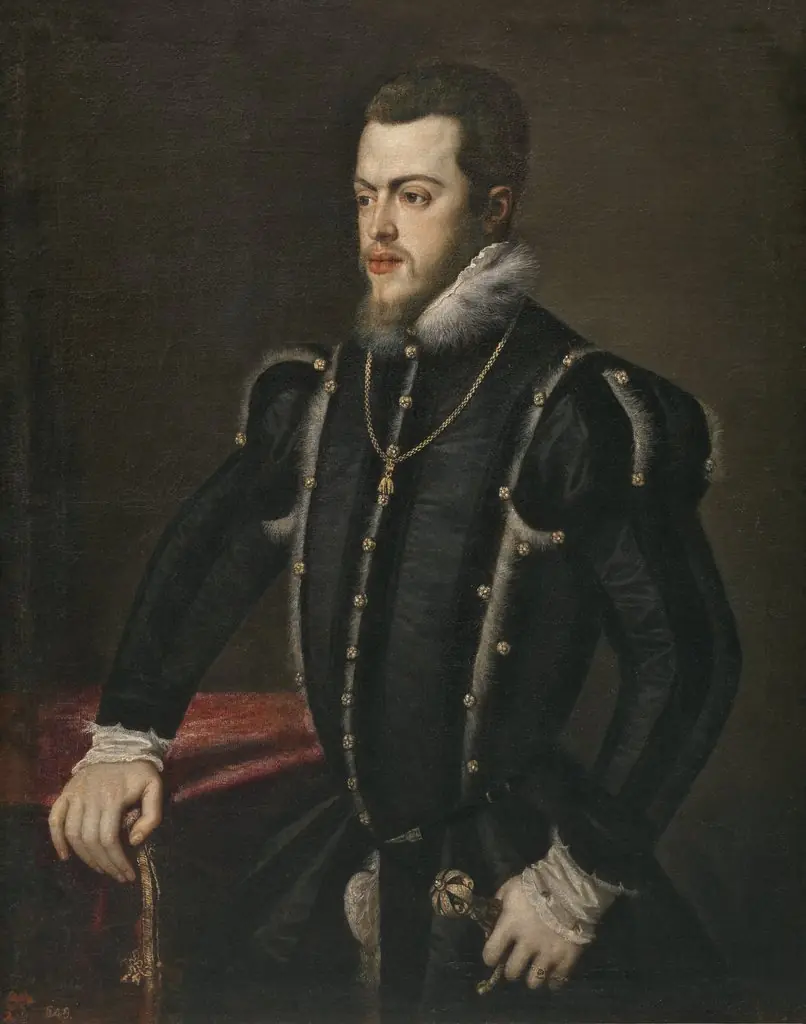 Philip II
 Portrait of a Man
 Lorenzo Soranzo