Artwork
Portrait of a young man with a sculpture of Lucretia - Tintoretto
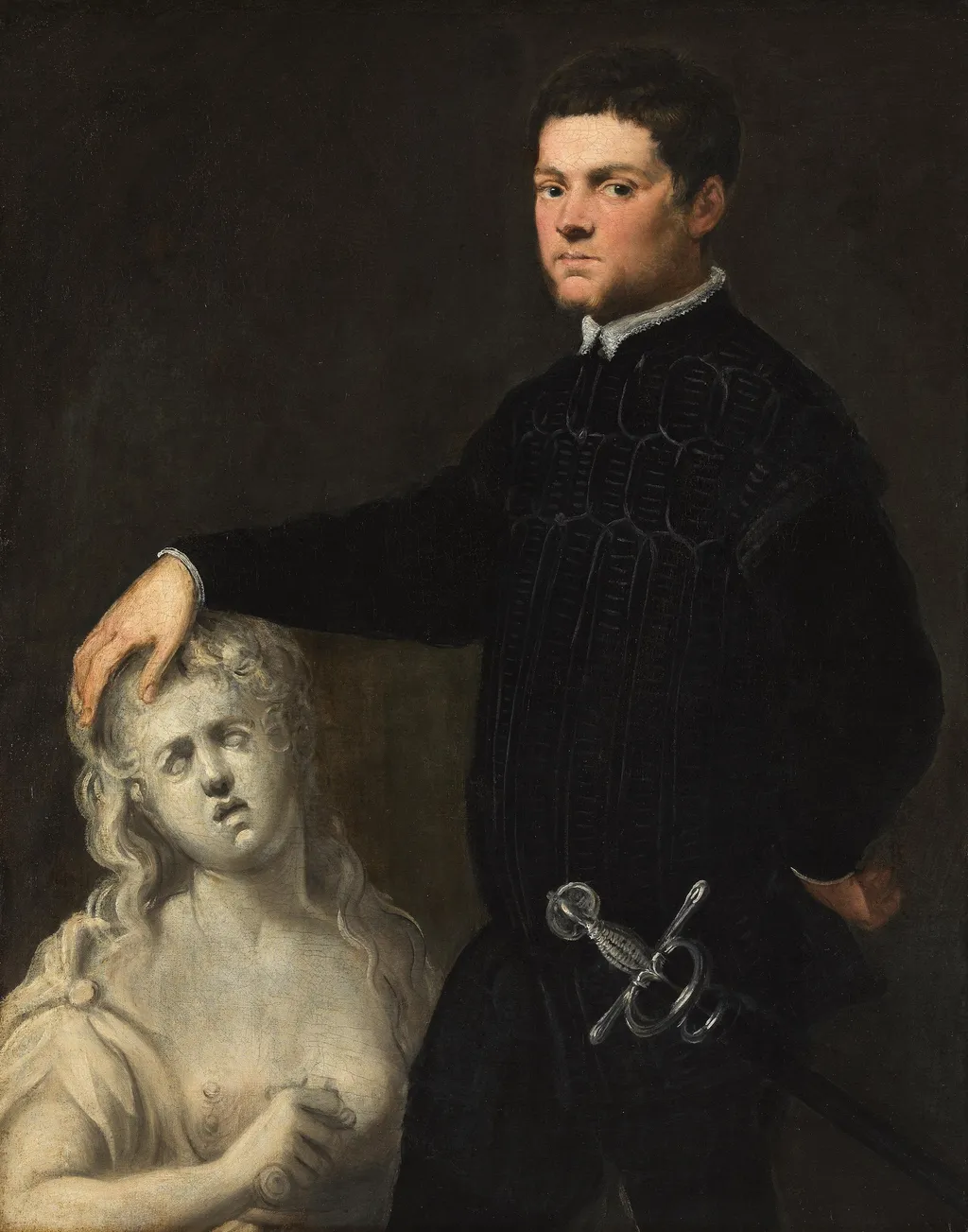
Portrait of a young man with a sculpture of Lucretia - Tintoretto is an unspecified painting by the Mannerist artist Jacopo Tintoretto. It dates from 1555 and is held in the collection of the Bavarian State Painting Collections.
About this work
Subject & Meaning
As a portrait, the focus is on the young man’s likeness, while the inclusion of the Lucretia sculpture adds a secondary element to the composition.
The painting presents a youthful male sitter alongside a sculptural representation of Lucretia. As a portrait, the focus is on the young man’s likeness, while the inclusion of the Lucretia sculpture adds a secondary element to the composition. The provided sources describe the work as a portrait and note that it depicts Lucretia, but they do not elaborate on any specific iconographic program or symbolic meaning attached to the juxtaposition.
History & Provenance
Jacopo Tintoretto created the Portrait of a young man with a sculpture of Lucretia in 1555. This oil painting, classified as a portrait, depicts a young man alongside a sculpture of the Roman heroine Lucretia. The work is currently held by the Bavarian State Painting Collections, where it resides in the Alte Pinakothek in Munich.
Specific details regarding the original commission, the identity of the patron, or the intermediate ownership chain prior to its arrival at the Alte Pinakothek are not provided in the available records.
Overview
Created in 1555, the work titled Portrait of a Young Man with a Sculpture of Lucretia is an oil painting by the Venetian artist Jacopo Robusti, better known as Tintoretto. Executed in the Mannerist idiom, it is part of the collection of the Alte Pinakothek in Munich. The composition centers on a solemn youth who holds a diminutive marble figure representing the Roman heroine Lucretia.
Technique & Style
Tintoretto employs a stark chiaroscuro that isolates the figures from a deep, shadowed background, heightening their three‑dimensional presence. The brushwork is vigorous, reflecting the artist’s nickname “il Furioso,” while the composition features exaggerated poses and elongated forms typical of Mannerist aesthetics. Perspective is subtly manipulated to draw the eye toward the sculptural object, reinforcing its symbolic weight.
Context
Tintoretto worked within the vibrant artistic climate of mid‑16th‑century Venice, where the legacy of the High Renaissance intersected with emerging Mannerist tendencies. This piece reflects the city’s engagement with classical themes and the patronage of educated elites who valued both portraiture and the moral exempla drawn from antiquity, situating the work within broader cultural currents of its time.
Own this work as a print
Artist & collection
Artist
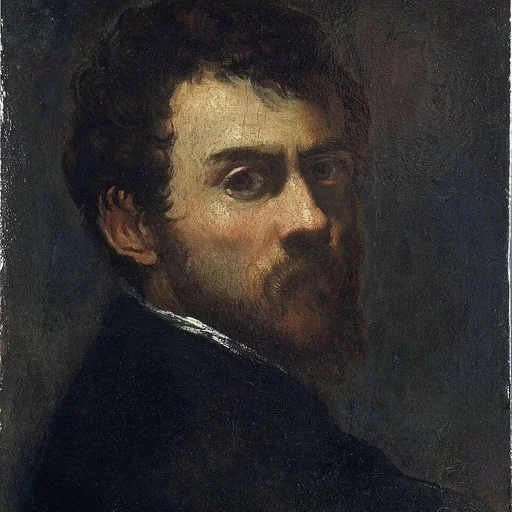
Jacopo Robusti (late September or early October 1518 – 31 May 1594), best known as Tintoretto ( TIN-tə-RET-oh; Italian:; Venetian: ), was an Italian Renaissance painter of the Venetian school.


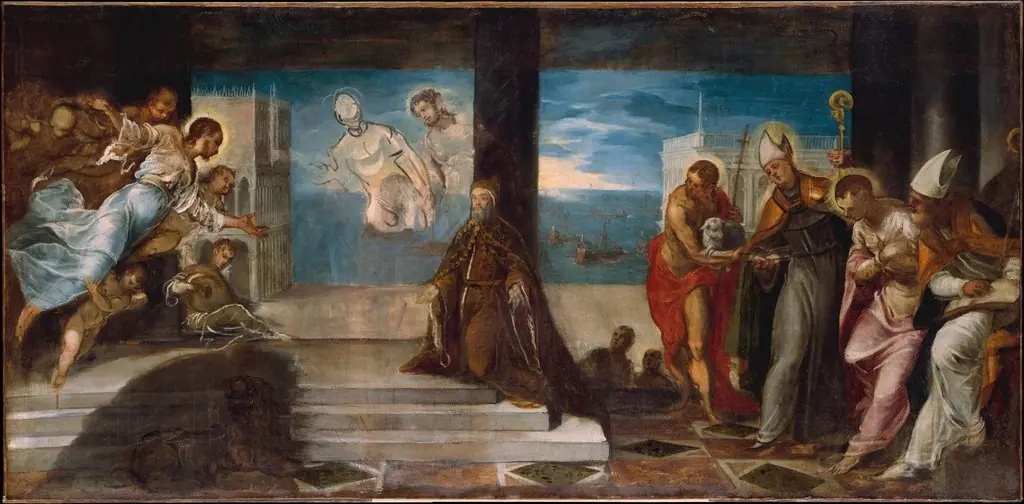
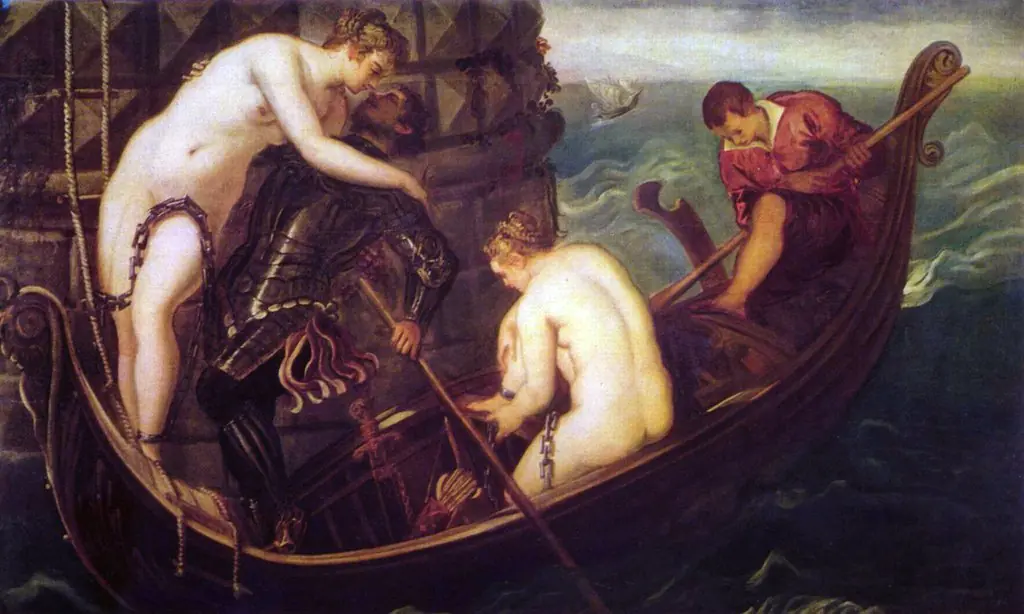
- Portrait of a Young Man
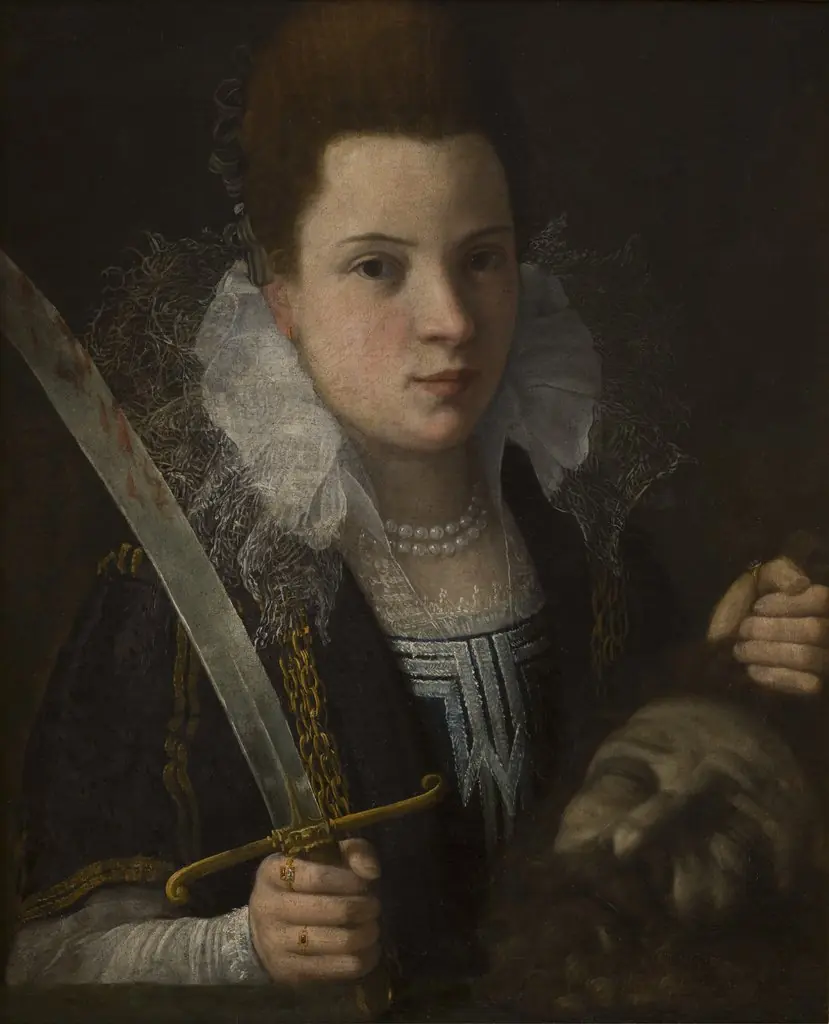 Judith with the Head of Holofernes
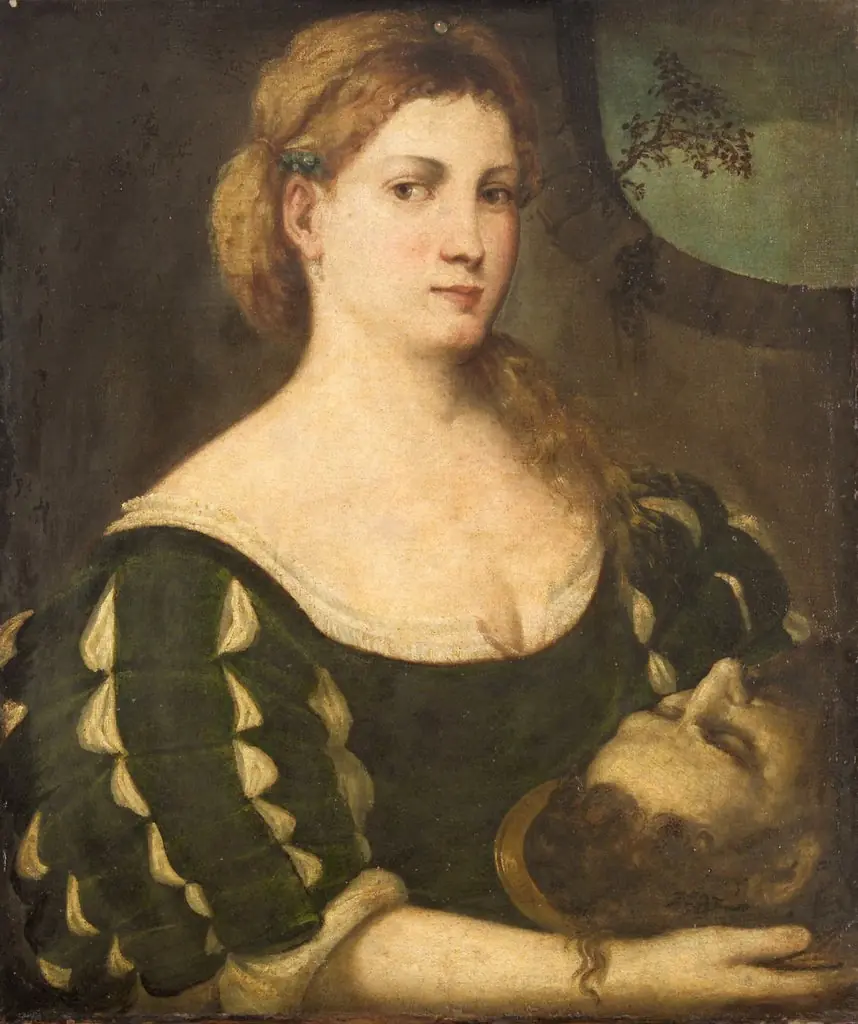 Salome with the head of John the Baptist
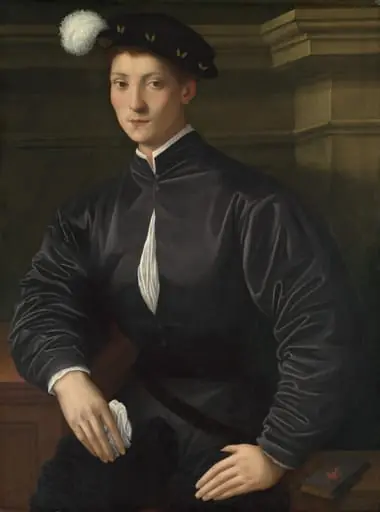 Ugolino Martelli
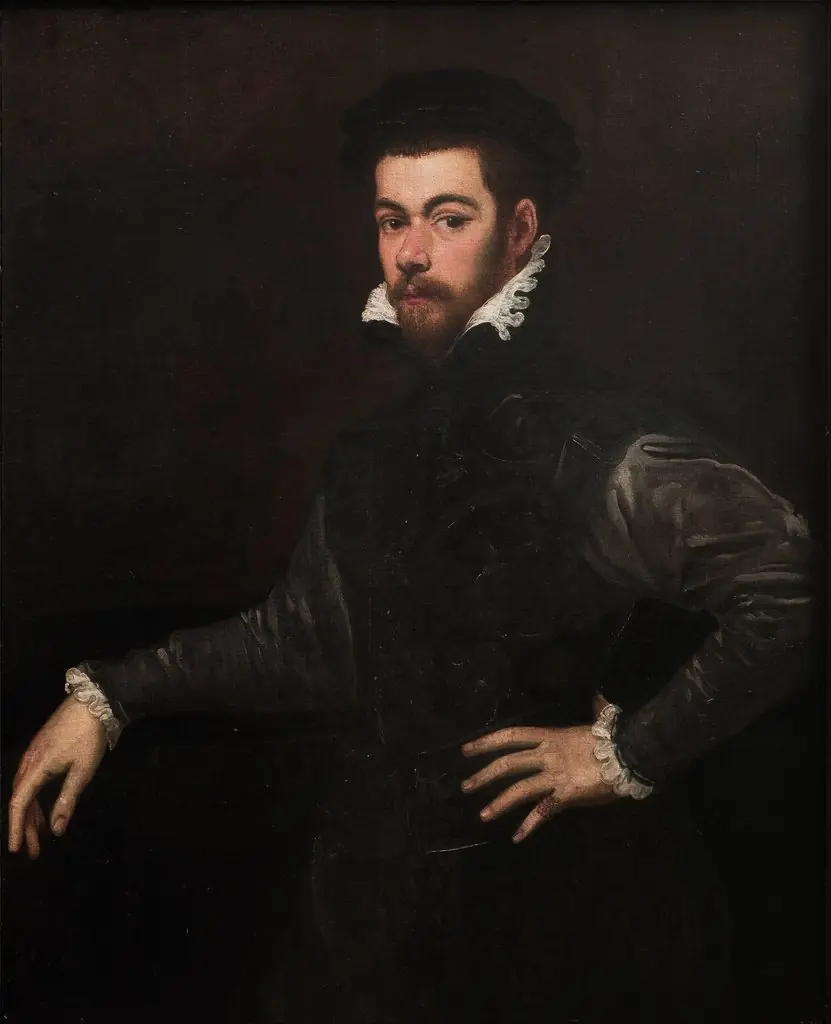 Portrait of a Gentleman
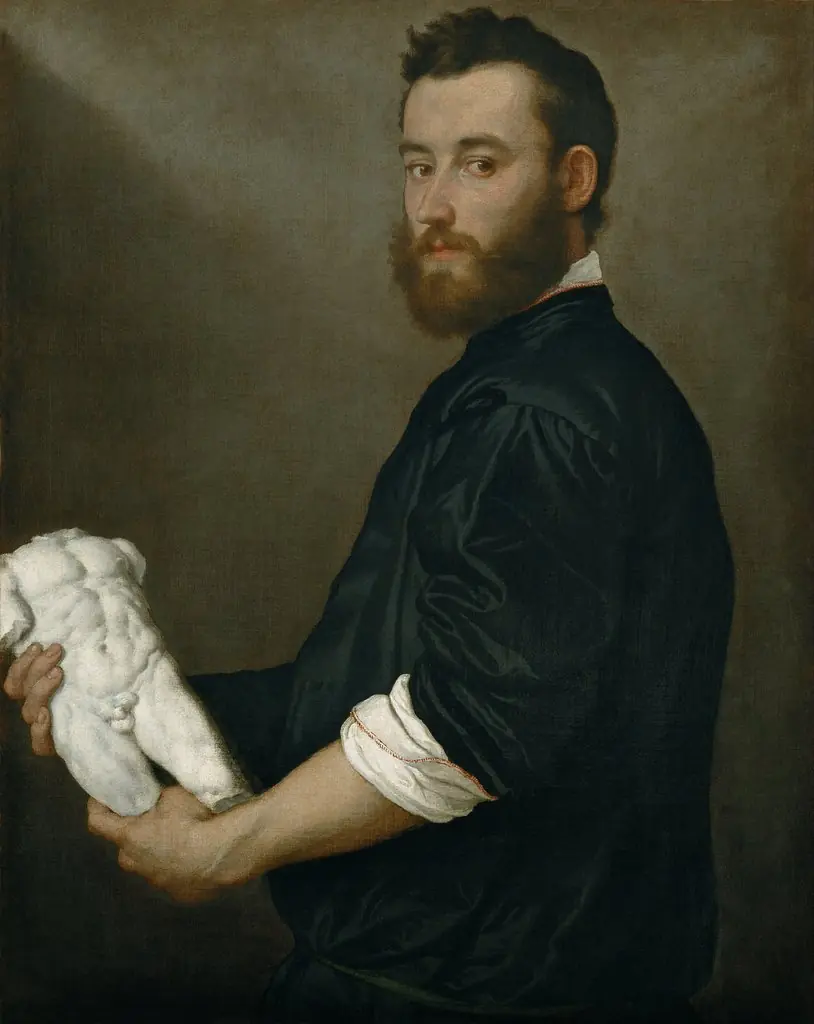 Portrait of the sculptor Alessandro Vittoria
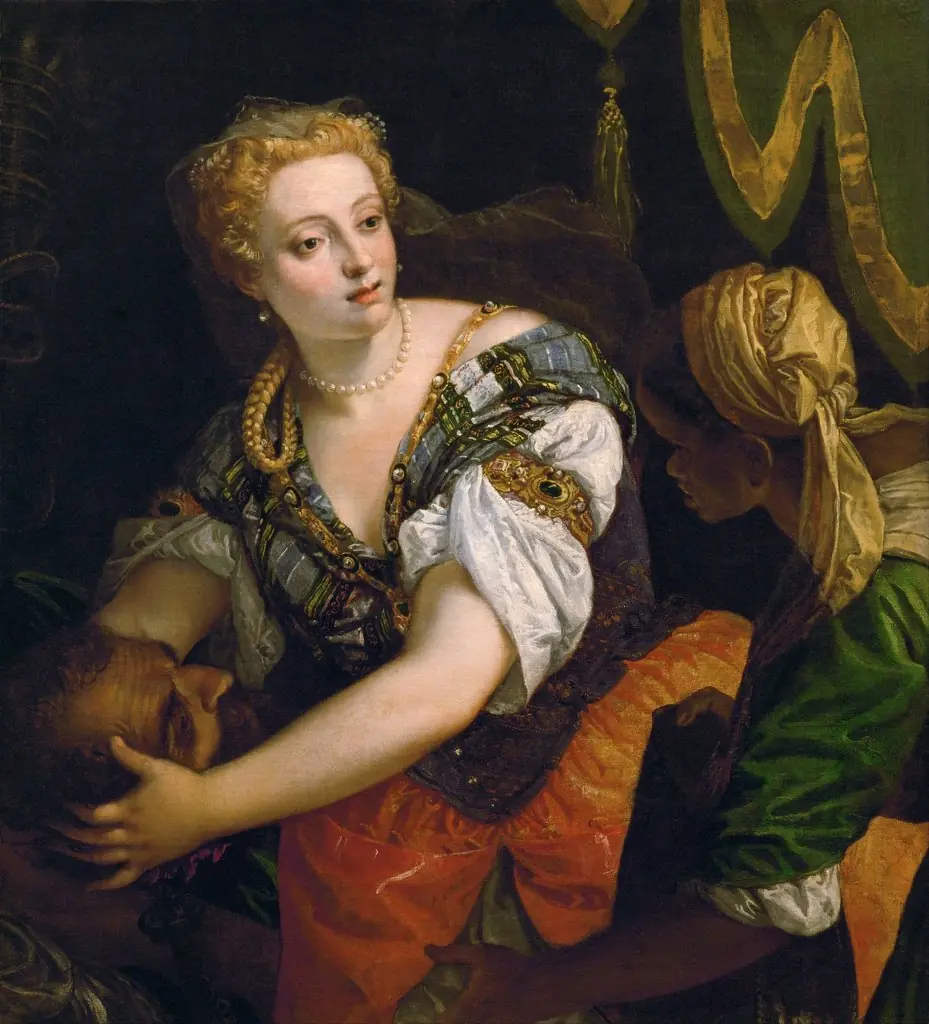 Judith with the Head of Holofernes
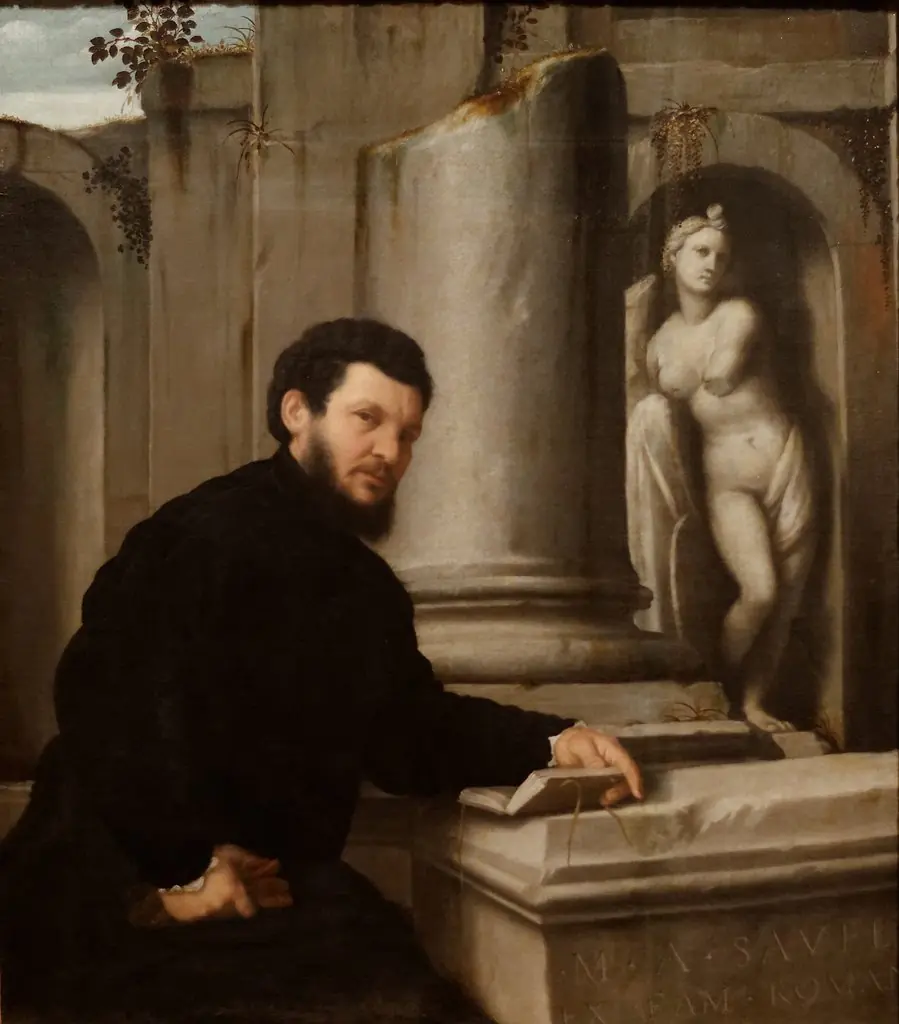 Marco Antonio Savelli
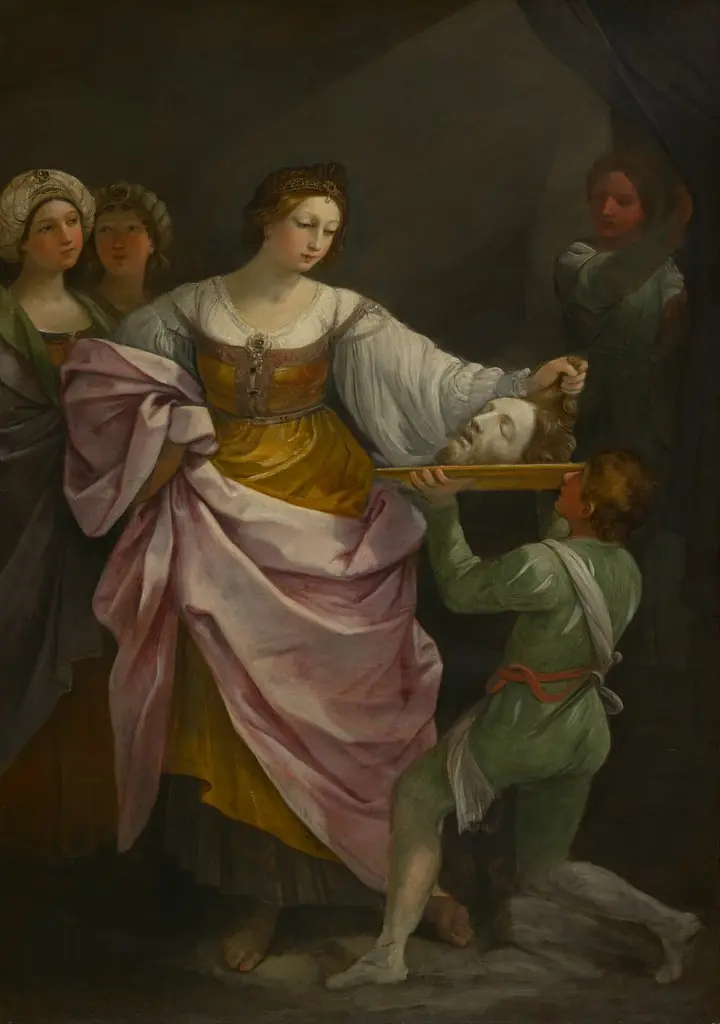 Salome with the Head of Saint John the Baptist
 Salome with the Head of Saint John the Baptist
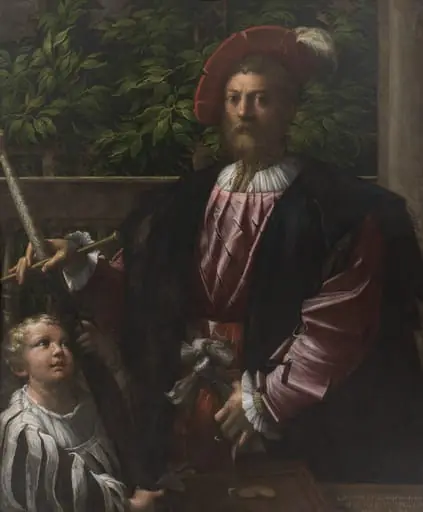 Portrait of Lorenzo Cybo
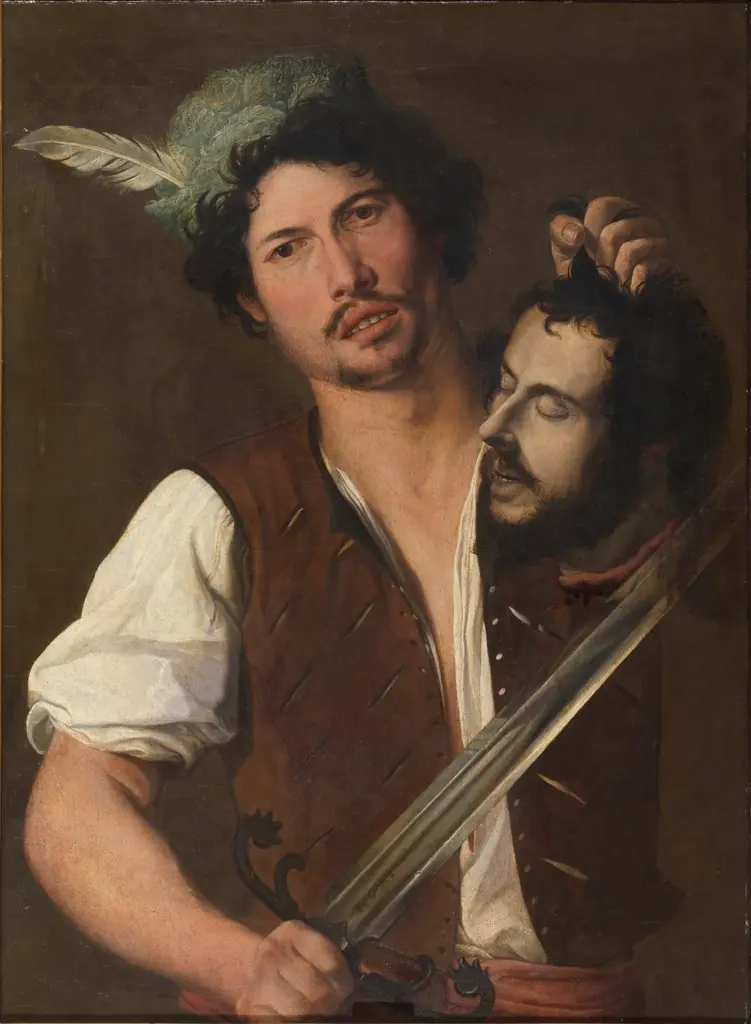 Executioner with the Head of John the Baptist