Artwork
Madonna of Humility
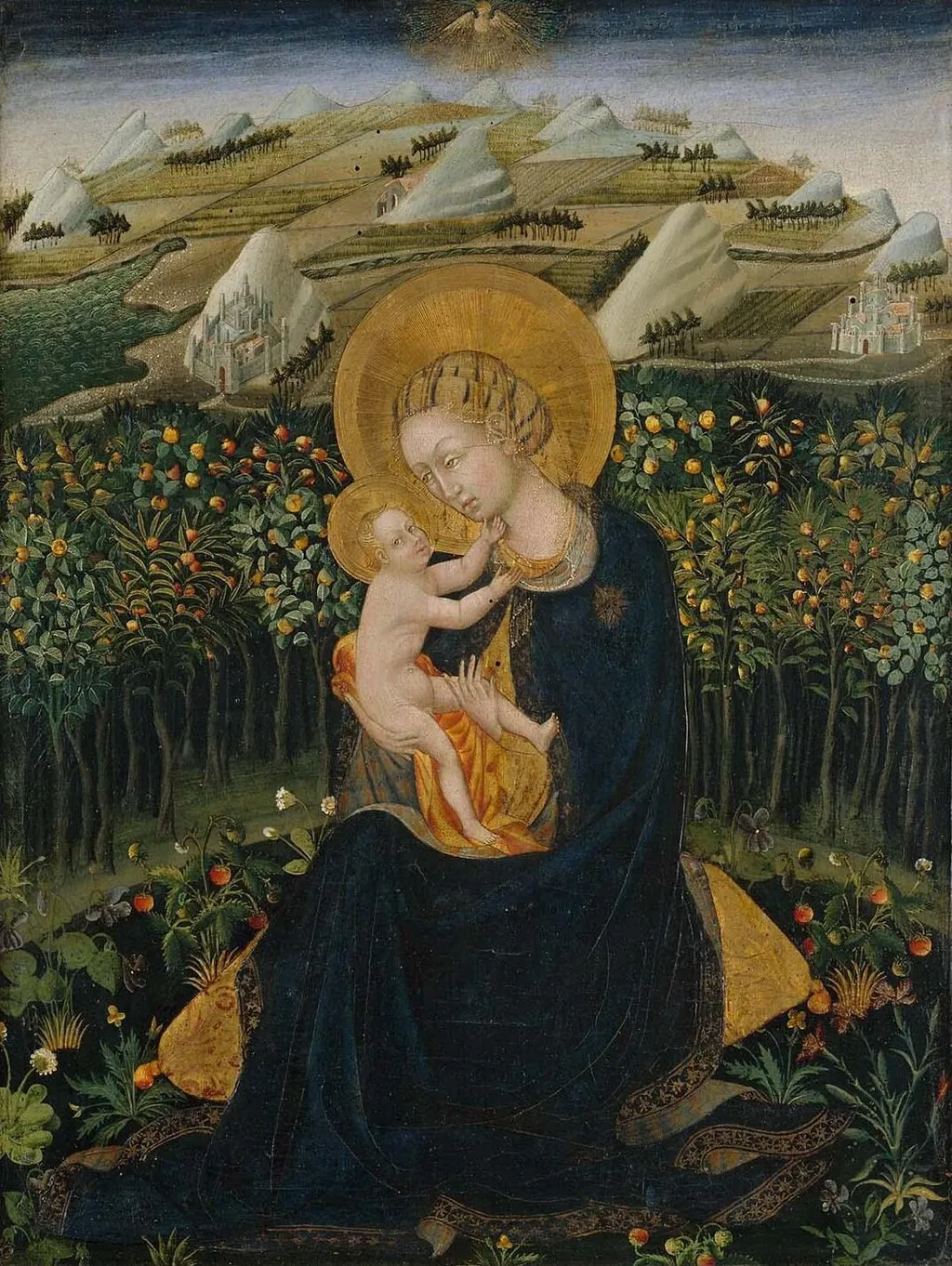
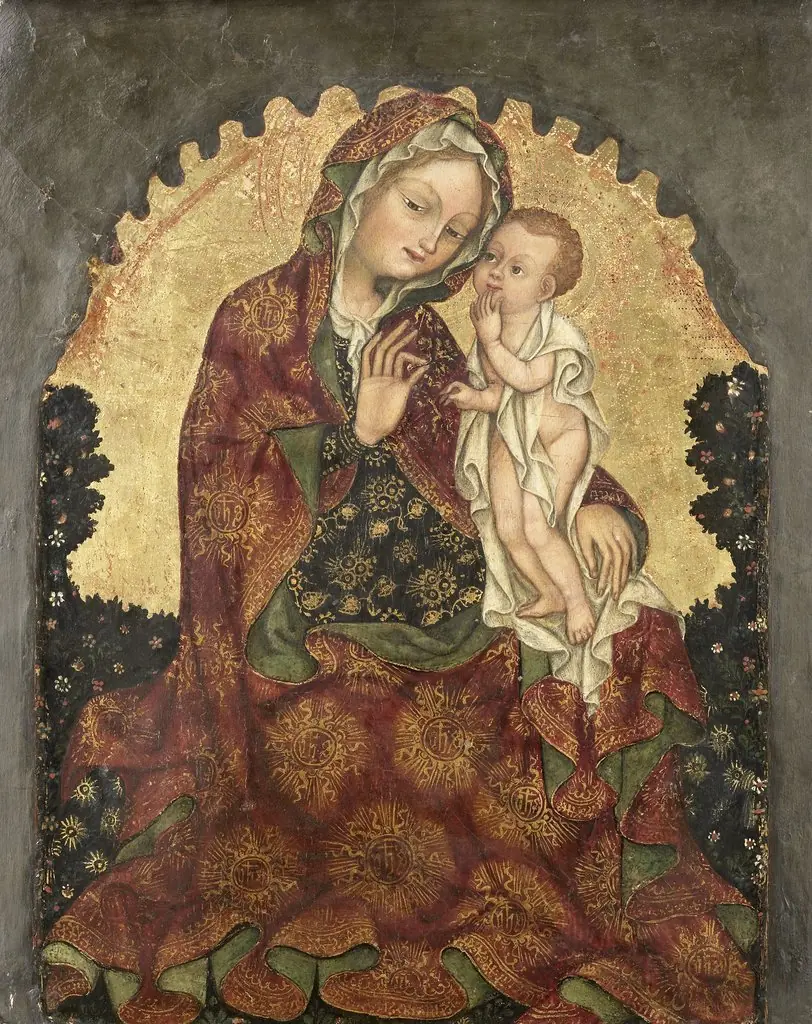
Madonna of Humility is a tempera painting by the Early Renaissance artist Giovanni di Paolo. It dates from 1442 and is held in the collection of the Museum of Fine Arts Boston.
About this work
Subject & Meaning
The work belongs to the religious art genre and reflects the devotional focus on the Madonna and Child prevalent in 15th‑century Italian painting.
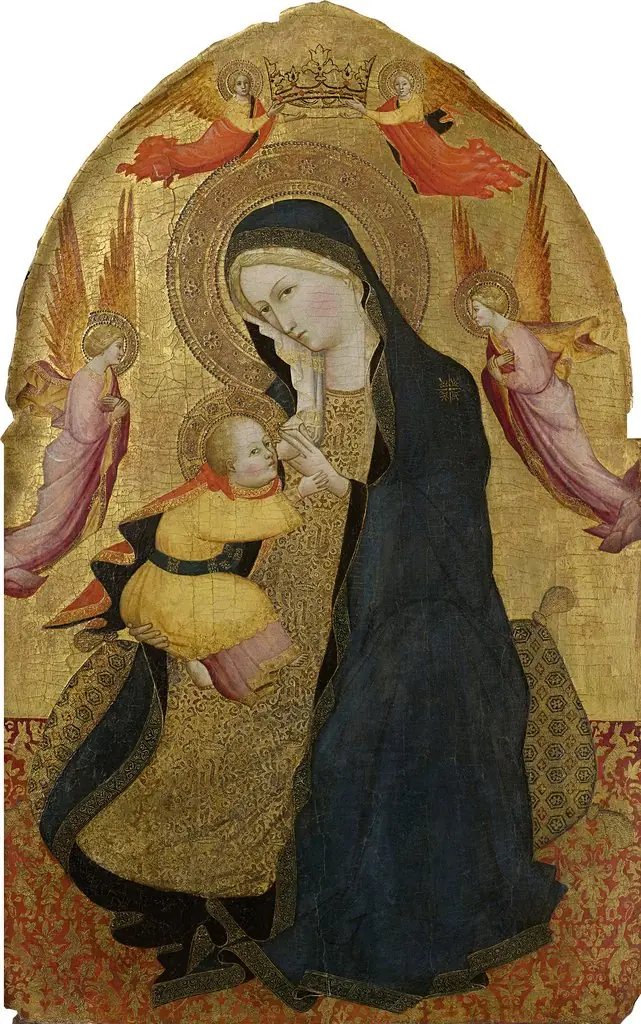
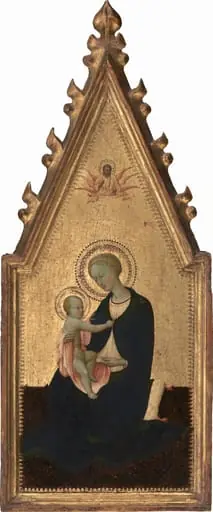
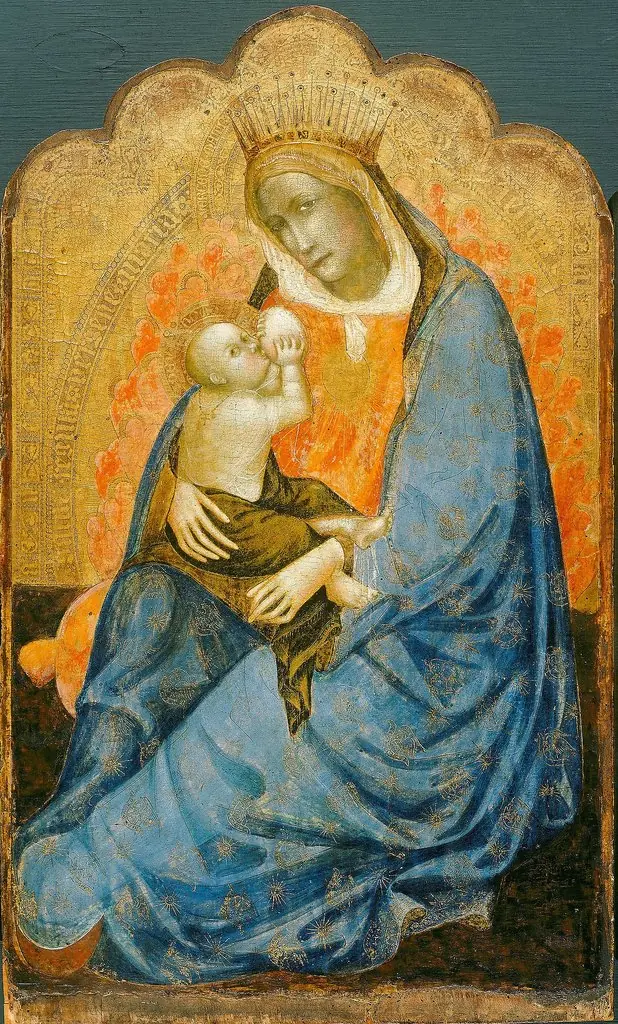
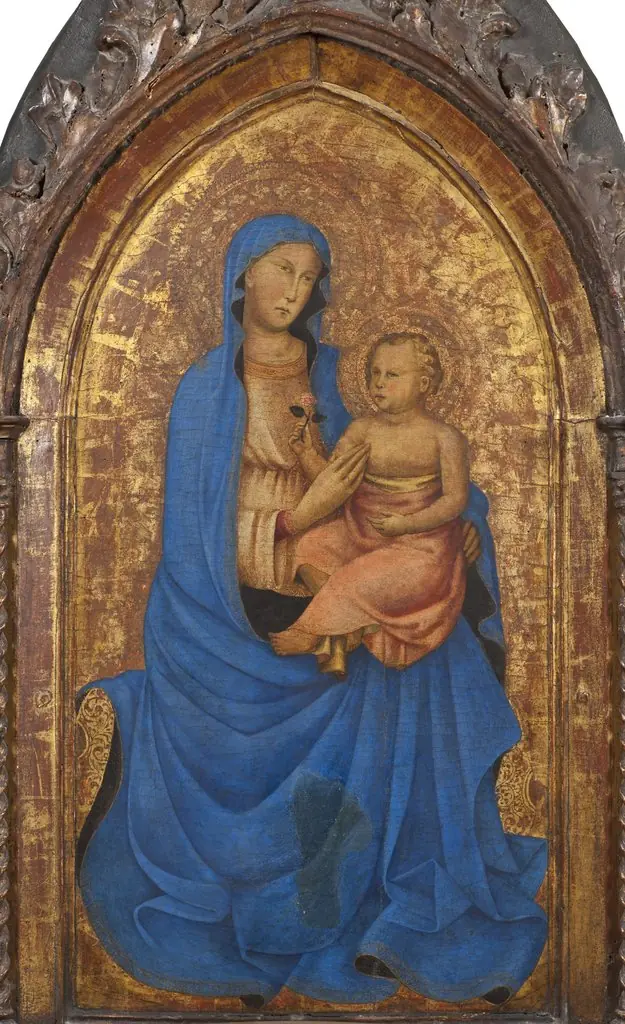
The painting presents the Virgin Mary seated on a throne holding the infant Christ, a composition that emphasizes humility and divine tenderness. The work belongs to the religious art genre and reflects the devotional focus on the Madonna and Child prevalent in 15th‑century Italian painting. Its iconography underscores Mary's role as a humble intercessor, linking the sacred narrative to contemporary notions of piety and charity.
Technique & Style
The work is executed in tempera on a wooden panel, measuring 61.9 cm in height by 48.9 cm in width, and was painted in 1442. Giovanni di Paolo depicts the Virgin seated with the infant Christ on her lap, surrounded by angels, a composition typical of early Renaissance devotional imagery. The painting’s surface shows the characteristic matte finish of tempera, with fine linear detailing and a restrained palette that emphasizes the intimate relationship between mother and child.
History & Provenance
The Madonna of Humility was created by Giovanni di Paolo in 1442, executed in tempera on panel. The painting later passed through a succession of private collectors before entering a public collection. It was owned by Eugen von Miller zu Aichholz, then by Albert Figdor, and subsequently handled by the London dealers Thomas Agnew & Sons. The work is now held by the Museum of Fine Arts, Boston.
No information is available in the provided sources regarding the circumstances of the original commission or the early ownership of the painting prior to its appearance in the von Miller zu Aichholz collection.
Overview
Giovanni di Paolo’s Madonna of Humility is a tempera panel painted in 1442. The work presents the Virgin seated directly on the earth, cradling the infant Christ, and is now part of the collection of the Museum of Fine Arts in Boston. Its modest composition and tranquil atmosphere reflect a devotional genre popular in mid‑fourteenth‑century Italy.
Context
The Madonna of Humility belongs to a broader iconographic tradition in which the Virgin is depicted seated on the ground rather than a throne, symbolising her modesty and approachability. This motif was especially favored by Franciscan patrons and reflects contemporary theological emphasis on the humanity of Christ and the accessible intercession of Mary.
Artist & collection

Artist
Giovanni di Paolo di Grazia was an Italian painter, working primarily in Siena, becoming a prolific painter and illustrator of manuscripts, including Dante's texts.

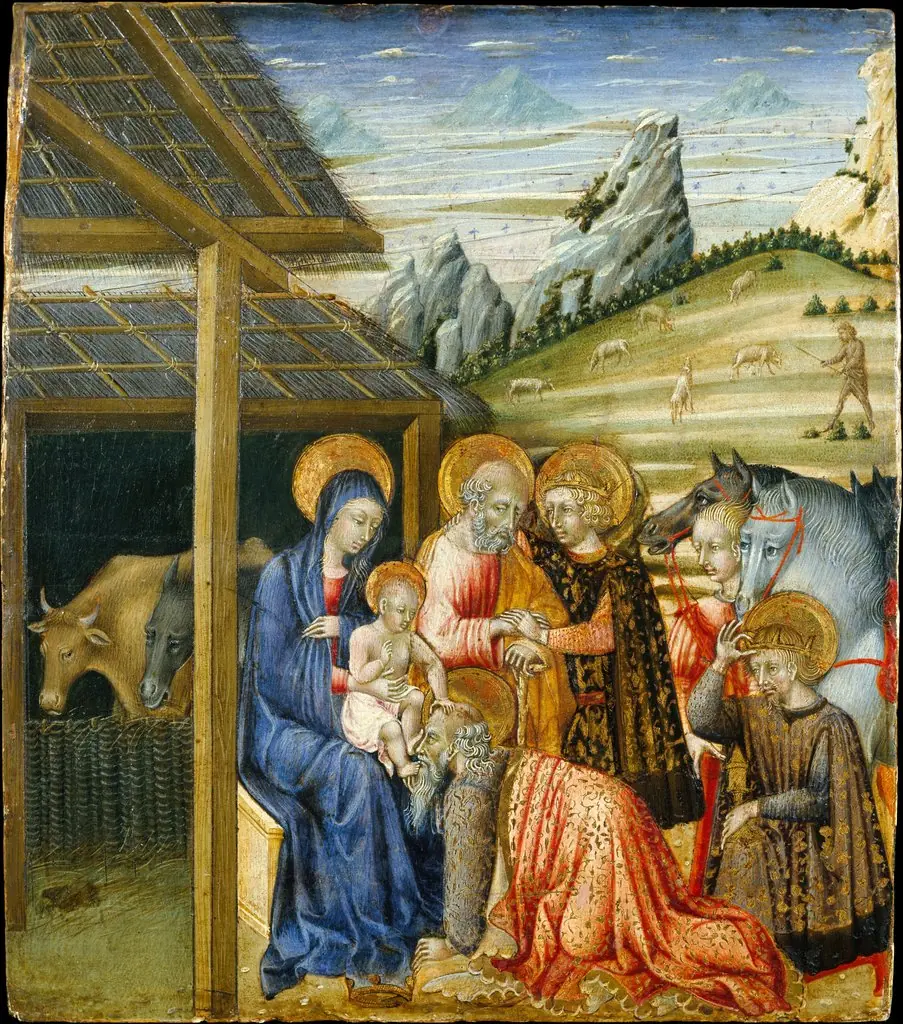 The Adoration of the Magi
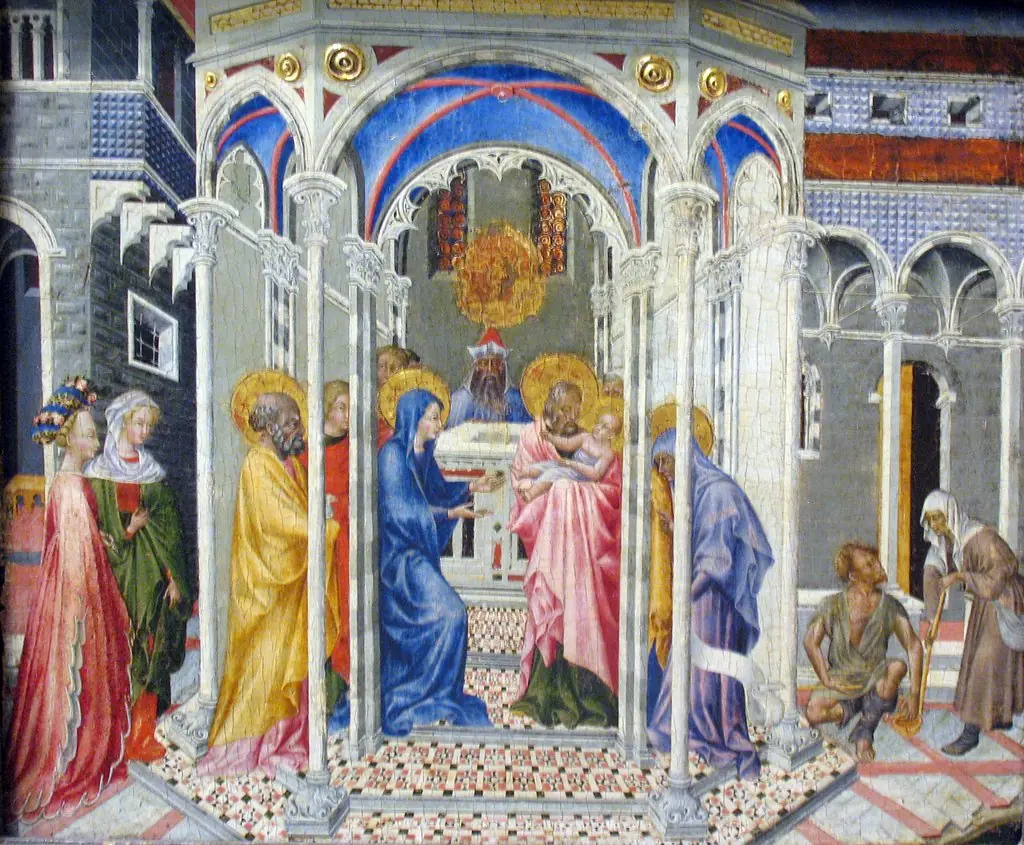 The Presentation of Christ in the Temple
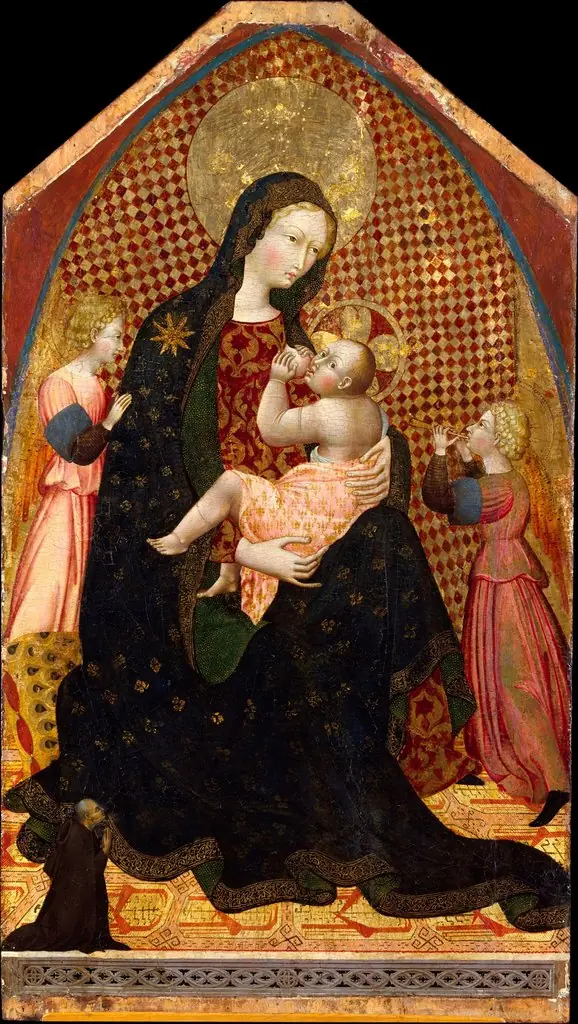 Madonna and Child with Two Angels and a Donor
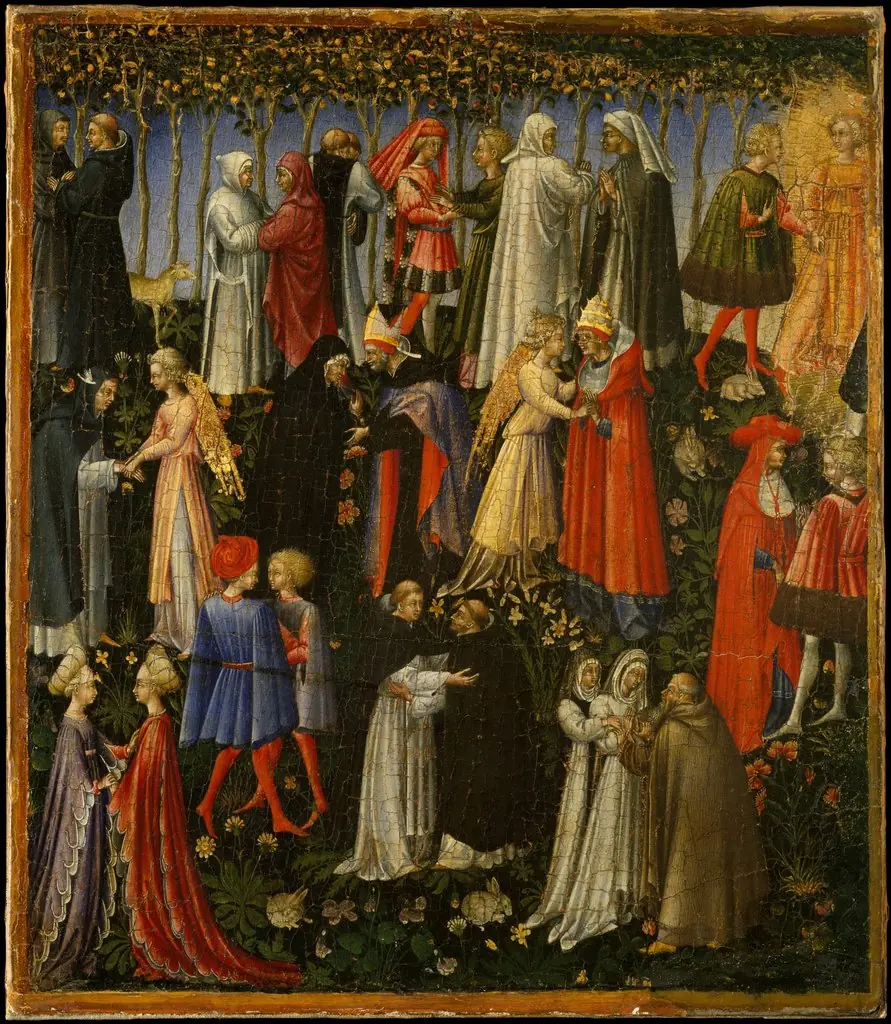 Paradise
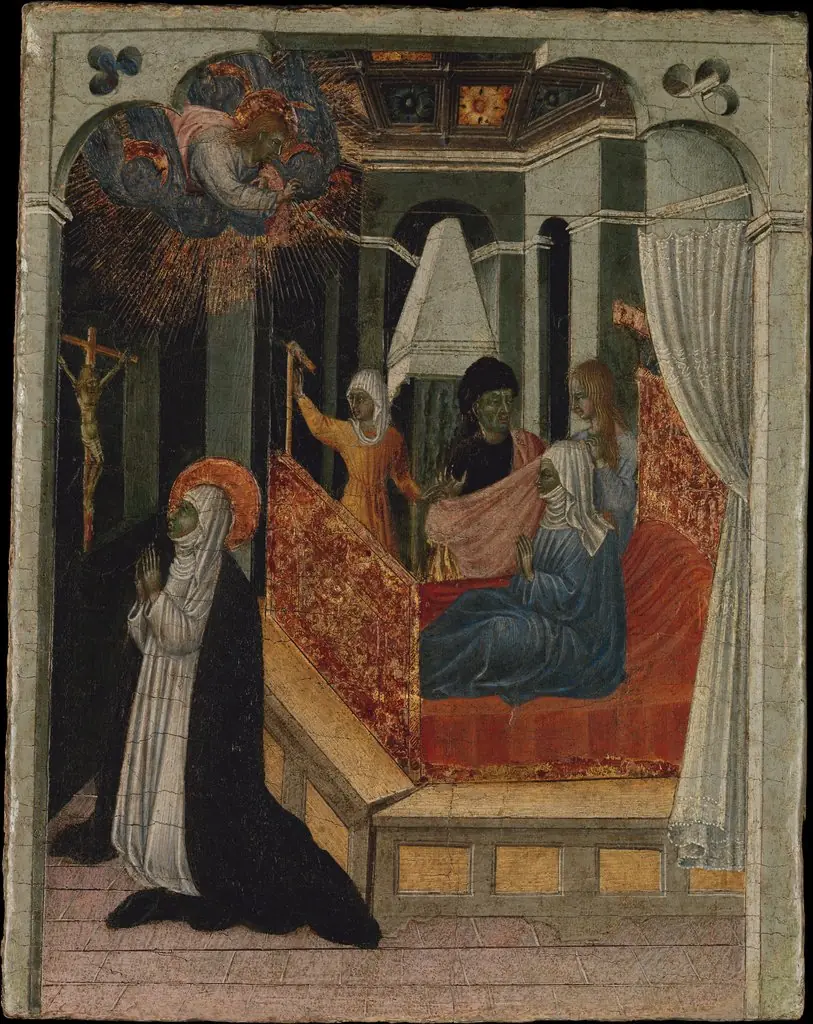 Saint Catherine of Siena Beseeching Christ to Resuscitate Her Mother
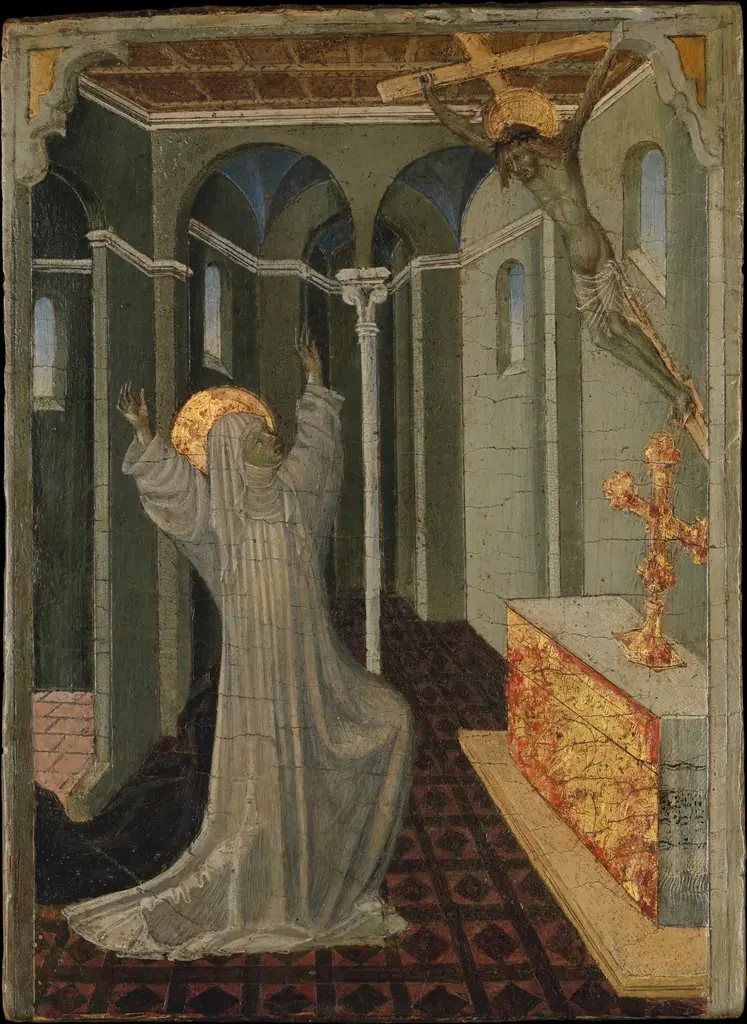 Saint Catherine of Siena Receiving the Stigmata
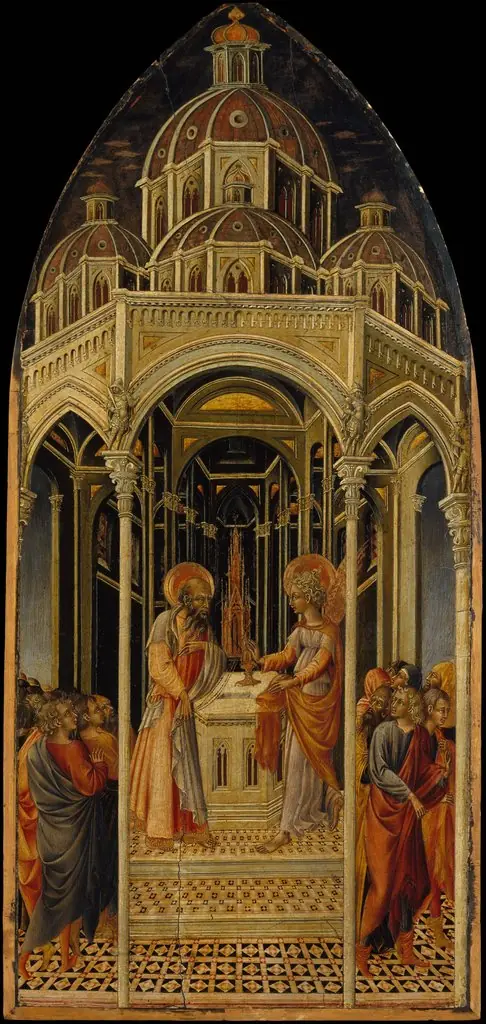 The Annunciation to Zacharias; (verso) The Angel of the Annunciation
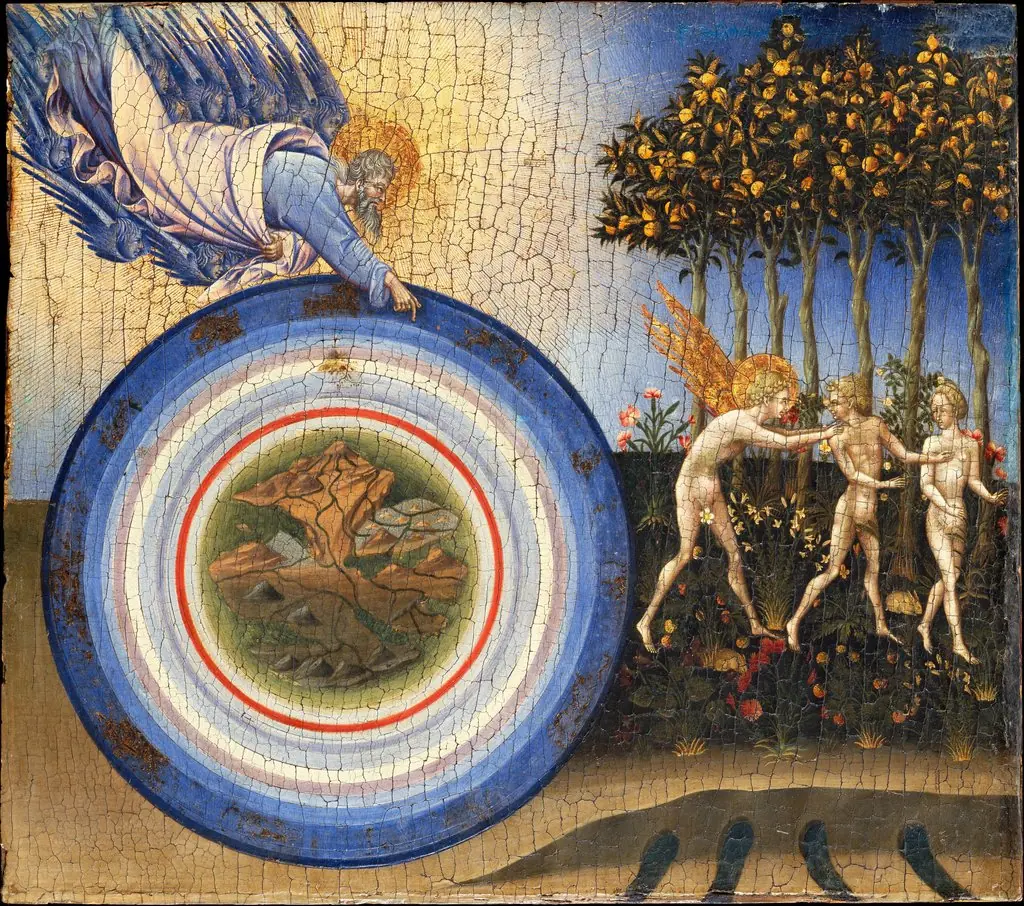 The Creation of the World and the Expulsion from Paradise
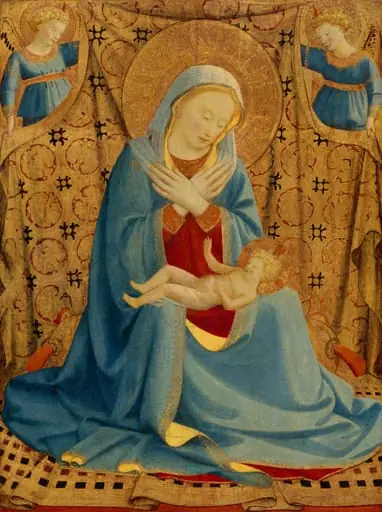
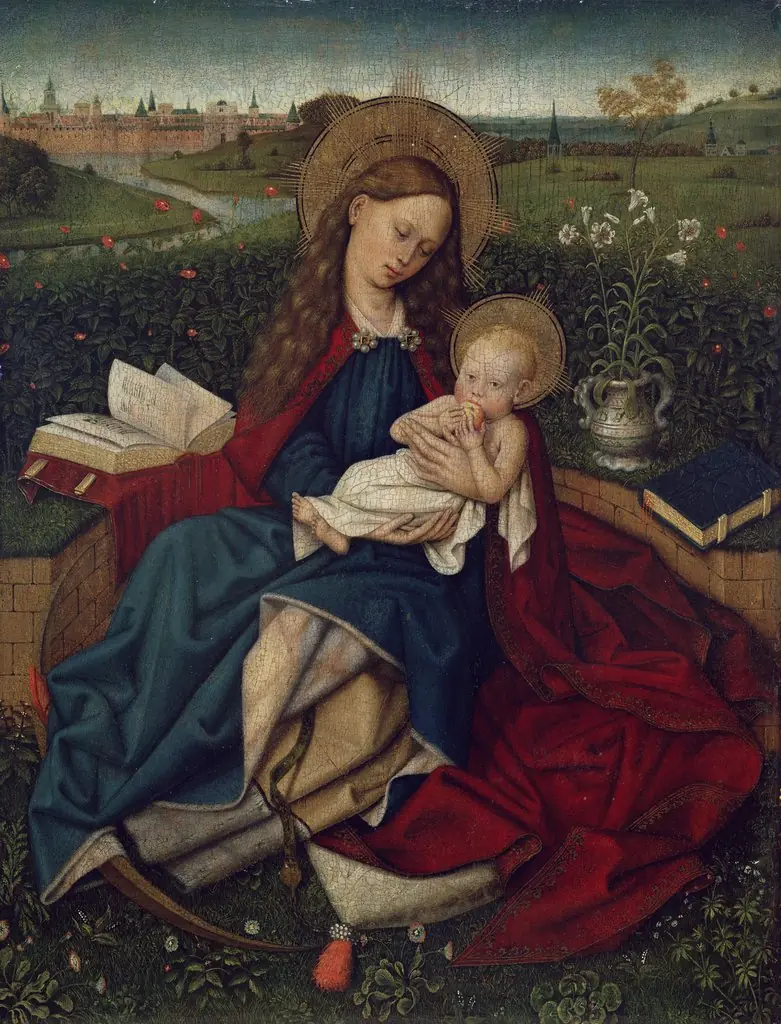
![Madonna of Humility, The Blessing Christ, Two Angels, and a Donor [obverse], by Andrea di Bartolo](https://artifactworldgallery.com/img/andrea-di-bartolo--madonna-of-humility-the-blessing-christ-two-angels-and-a-don--d37c382429905539-w320.webp)