Artwork
The Adoration of the Magi
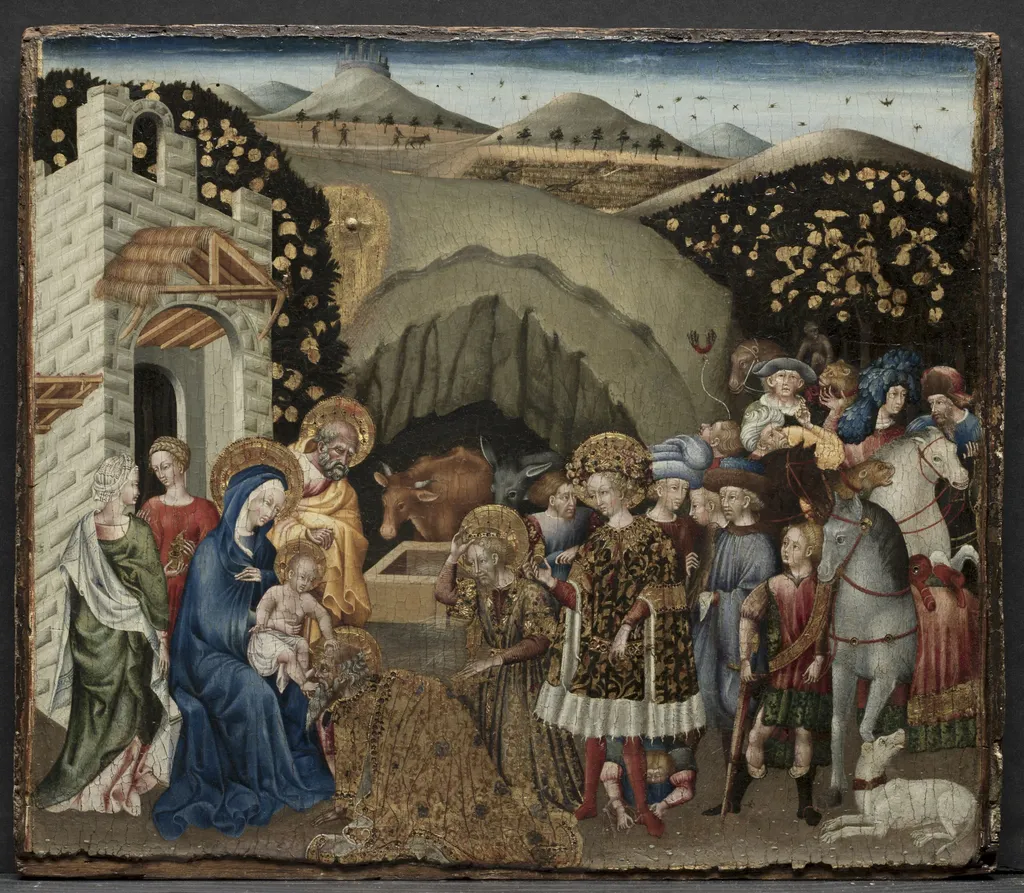
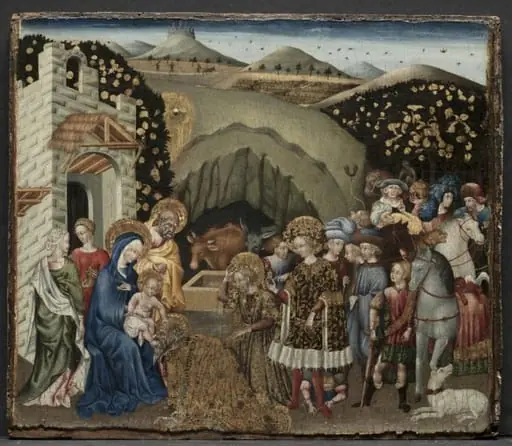
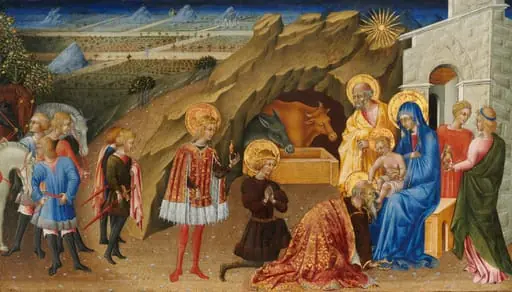
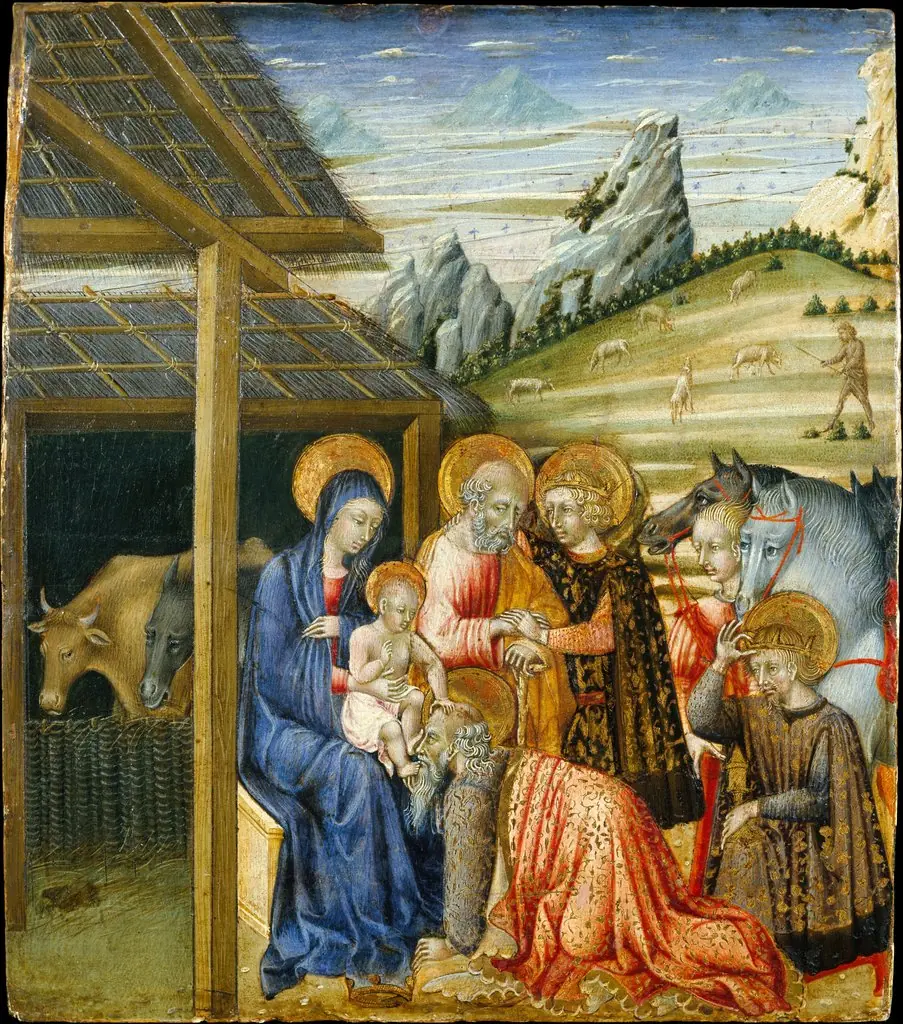
The Adoration of the Magi is an unspecified painting by the Early Renaissance artist Giovanni di Paolo. It dates from 1440 and is held in the collection of the Cleveland Museum of Art.
About this work
Subject & Meaning
The work centers on the Christ Child as the primary figure, around whom the narrative action of the three wise men paying homage unfolds.
Created in 1440 by Giovanni di Paolo, this religious painting depicts the biblical narrative of the Adoration of the Magi. The work centers on the Christ Child as the primary figure, around whom the narrative action of the three wise men paying homage unfolds. As a piece of religious art originating in Siena, the composition serves to illustrate the theological significance of the Magi's visitation, representing the recognition of Jesus's divinity by the Gentile world.
The subject matter is strictly defined by the traditional iconography of the adoration scene, focusing on the interaction between the holy family and the visiting kings.
Technique & Style
Created in 1440 in Siena, The Adoration of the Magi is a painting executed by Giovanni di Paolo. The work functions as a religious panel depicting the adoration of the Magi and the Christ Child. Physically, the support measures 38.4 centimeters in height and 44.3 centimeters in width.
As a product of the Sienese school, the piece reflects the devotional genre typical of the artist's mid-15th-century output. The painting is currently held within the collection of the Cleveland Museum of Art, where it remains a recognized example of di Paolo's religious compositions from this specific period.
History & Provenance
The Adoration of the Magi was painted in 1440 in Siena by Giovanni di Paolo, a documented date that anchors its creation period. The work portrays the biblical scene of the Magi’s visit to the infant Christ and belongs to the religious genre characteristic of 15th‑century Sienese art. Its early provenance leads to the Cleveland Museum of Art, which holds the painting in its collection and lists it as part of the museum’s permanent holdings.
No surviving records detail a specific commissioning patron, leaving the original purpose unspecified, but the artwork’s stylistic analysis and dated inscription confirm its 1440 production.
Giovanni di Paolo's The Adoration of the Magi, created in 1440, is held in the collection of the Cleveland Museum of Art in Cleveland, Ohio. While the provided records confirm the painting's location within this institution and its creation date, they do not specify a particular inventory or accession number. Furthermore, the available sources contain no information regarding the work's exhibition history or specific loan records. The documentation primarily establishes the artwork's current custodial home and its origins in Siena.
Context
The Adoration of the Magi is a 1440 religious painting by Giovanni di Paolo, created in Siena and now held by the Cleveland Museum of Art. Its composition reflects the devotional emphasis of mid‑15th‑century Sienese art, where the Adoration theme was popular for both private and civic chapels. The work’s dimensions (38.4 × 44.3 cm) and iconography of the Christ Child with the Magi align with contemporary Sienese conventions, situating it within the broader trajectory of early Renaissance painting in central Italy.
Scholarship identifies the piece as part of di Paolo’s mature period, noting its role in documenting the transmission of Florentine naturalism into Sienese visual culture.
Overview
Giovanni di Paolo's The Adoration of the Magi, executed in 1440, depicts the biblical moment when the three wise men present gifts to the infant Jesus. The composition centers on the Holy Family within a rustic stable setting, surrounded by a dense assembly of figures. The artist employs his characteristic Sienese style, utilizing bright, patterned textiles and extensive gold leaf for halos and decorative details to create a luminous, jewel-like effect.
The scene is populated by a mix of standing and kneeling figures, including attendants on horseback in the background, which adds a sense of narrative movement and depth. Behind the central group, a stone architectural structure and rolling hills extend under a pale sky, grounding the sacred event in a recognizable landscape. Created during the height of Giovanni di Paolo's career, this work exemplifies the persistence of Gothic elegance in mid-15th century Siena, even as the Renaissance naturalism of Florence began to influence Italian art.
The painting balances spiritual symbolism with a detailed observation of contemporary dress and setting, reflecting the artist's unique ability to merge traditional iconography with a distinct, decorative sensibility.
Own this work as a print
Artist & collection

Artist
Giovanni di Paolo di Grazia was an Italian painter, working primarily in Siena, becoming a prolific painter and illustrator of manuscripts, including Dante's texts.

 The Adoration of the Magi
 The Presentation of Christ in the Temple
 Madonna and Child with Two Angels and a Donor
 Paradise
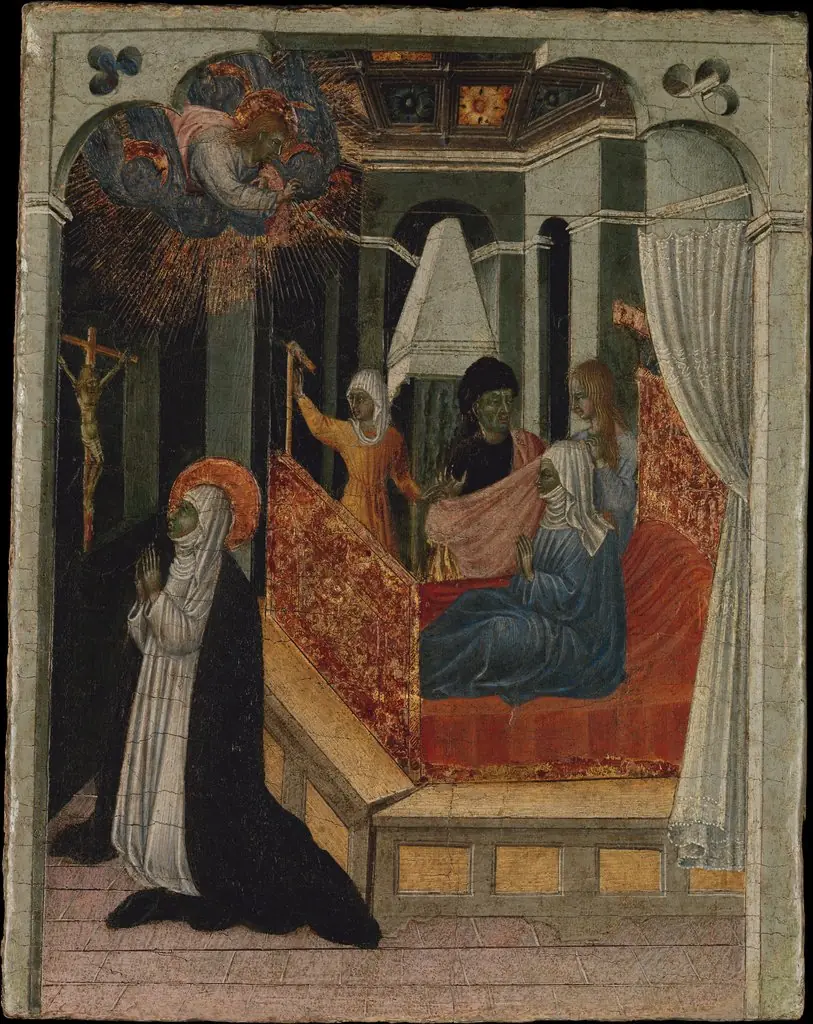 Saint Catherine of Siena Beseeching Christ to Resuscitate Her Mother
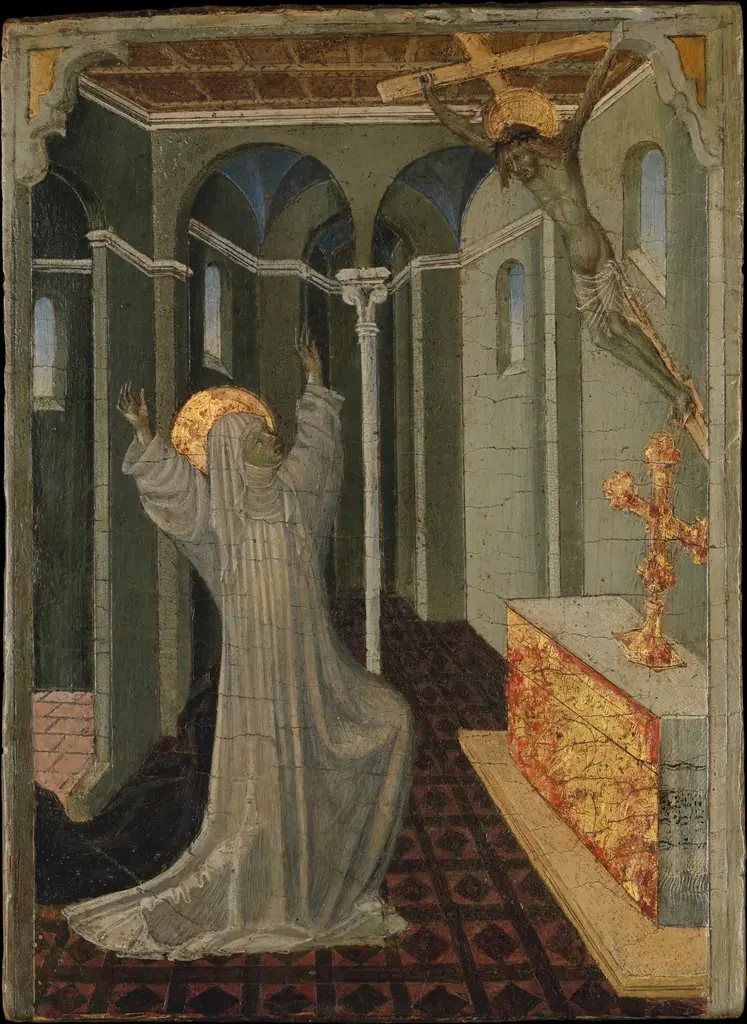 Saint Catherine of Siena Receiving the Stigmata
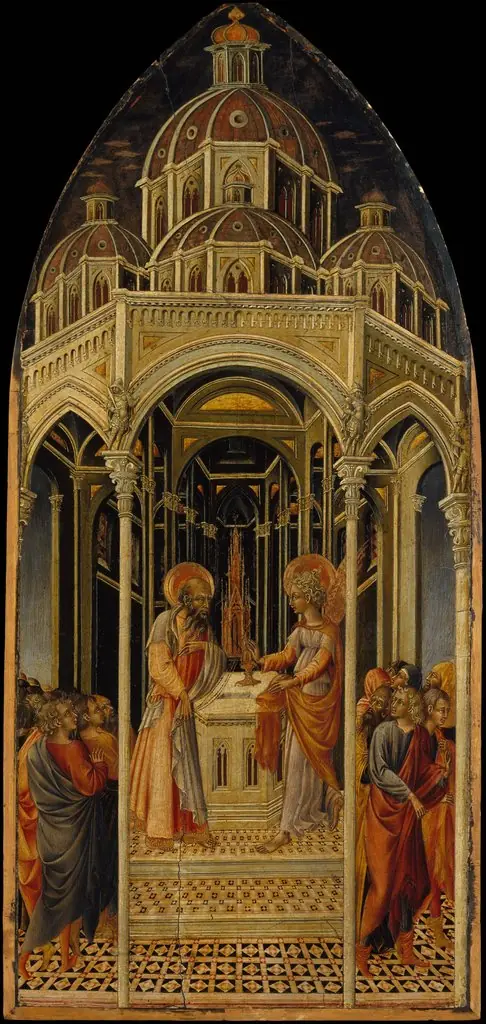 The Annunciation to Zacharias; (verso) The Angel of the Annunciation
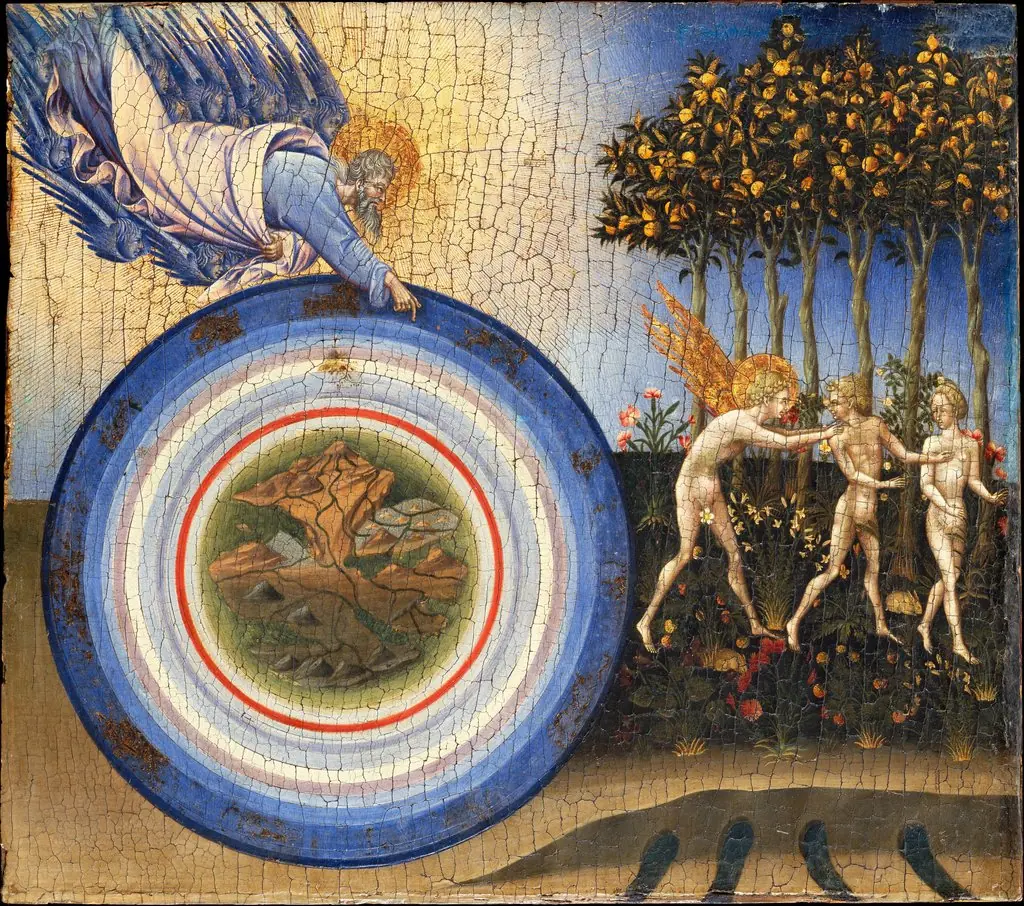 The Creation of the World and the Expulsion from Paradise