Artwork
The Adoration of the Magi
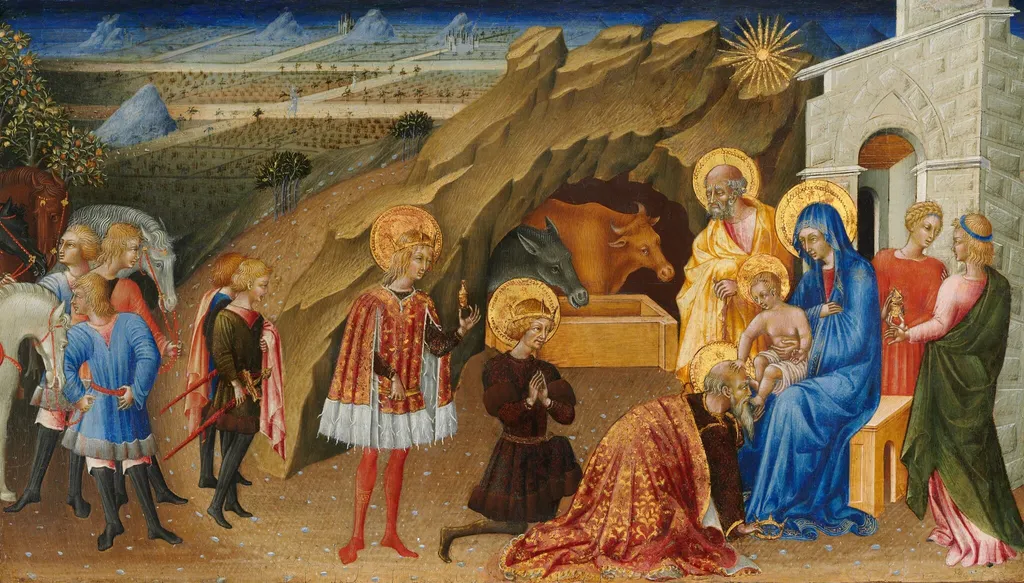
The Adoration of the Magi is a tempera painting by the Early Renaissance artist Giovanni di Paolo. It dates from 1450 and is held in the collection of the National Gallery of Art.
About this work
Subject & Meaning
The iconography concentrates on this moment of reverence, in keeping with established Christian themes of the period.
Created in 1450 by Giovanni di Paolo, this tempera panel illustrates the Adoration of the Magi. The composition centers on the Christ Child as the focus of devotion, visually representing the biblical episode in which the Magi pay homage to the newborn Jesus, a subject traditionally symbolizing the recognition of Christ's divinity by the Gentile world. The iconography concentrates on this moment of reverence, in keeping with established Christian themes of the period.
Technique & Style
The Adoration of the Magi is an early Renaissance religious painting executed in tempera on a wooden panel, measuring roughly 26.9 cm in height by 46.4 cm in width. It depicts the Magi adoring the infant Christ, with the Christ Child central to a devotional composition. As a panel painting, it reflects the practice of fifteenth-century Italian art, in which tempera was applied to a rigid support to achieve fine detail and luminous color, and its hierarchical arrangement of figures and rich iconography are characteristic of Giovanni di Paolo's style.
History & Provenance
Giovanni di Paolo's panel The Adoration of the Magi was executed in 1450 in tempera on panel. Its early ownership is unrecorded before it entered the collection of John Rushout, 2nd Baron Northwick, at Northwick Park and Thirlestane House, appearing as lot 973 in his estate sale on 10 August 1859, then attributed to Gentile da Fabriano. After passing through the London dealer Daniell, it was acquired by William Fuller Maitland of Stansted Hall, Essex, who held it until at least 1893.
It then passed through the dealer Robert Langton Douglas and entered the collection of Dr. Eduard Simon in Berlin by 1914, appearing in his 1929 estate sale. Duveen Brothers subsequently handled the panel, which The A.W. Mellon Educational and Charitable Trust purchased on 15 December 1936 and gave to the National Gallery of Art in Washington, D.C., in 1937. It carries the accession number 1937.1.13, within the Andrew W. Mellon collection.
Overview
Giovanni di Paolo's "The Adoration of the Magi," painted around 1450, is a tempera on panel artwork. This religious painting illustrates the biblical narrative of the Christ Child receiving homage from the Magi. Its composition is characterized by vibrant hues and intricate details, reflecting artistic conventions of its period.
The work's use of gold leaf further emphasizes the scene's significance and the status of the figures depicted.
Artist & collection

Artist
Giovanni di Paolo di Grazia was an Italian painter, working primarily in Siena, becoming a prolific painter and illustrator of manuscripts, including Dante's texts.

 The Adoration of the Magi
 The Presentation of Christ in the Temple
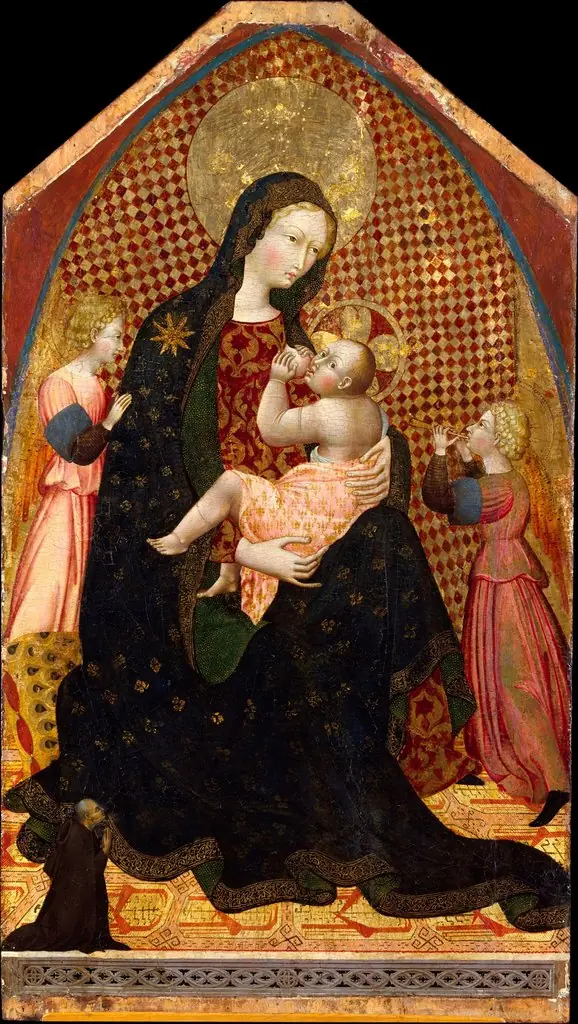 Madonna and Child with Two Angels and a Donor
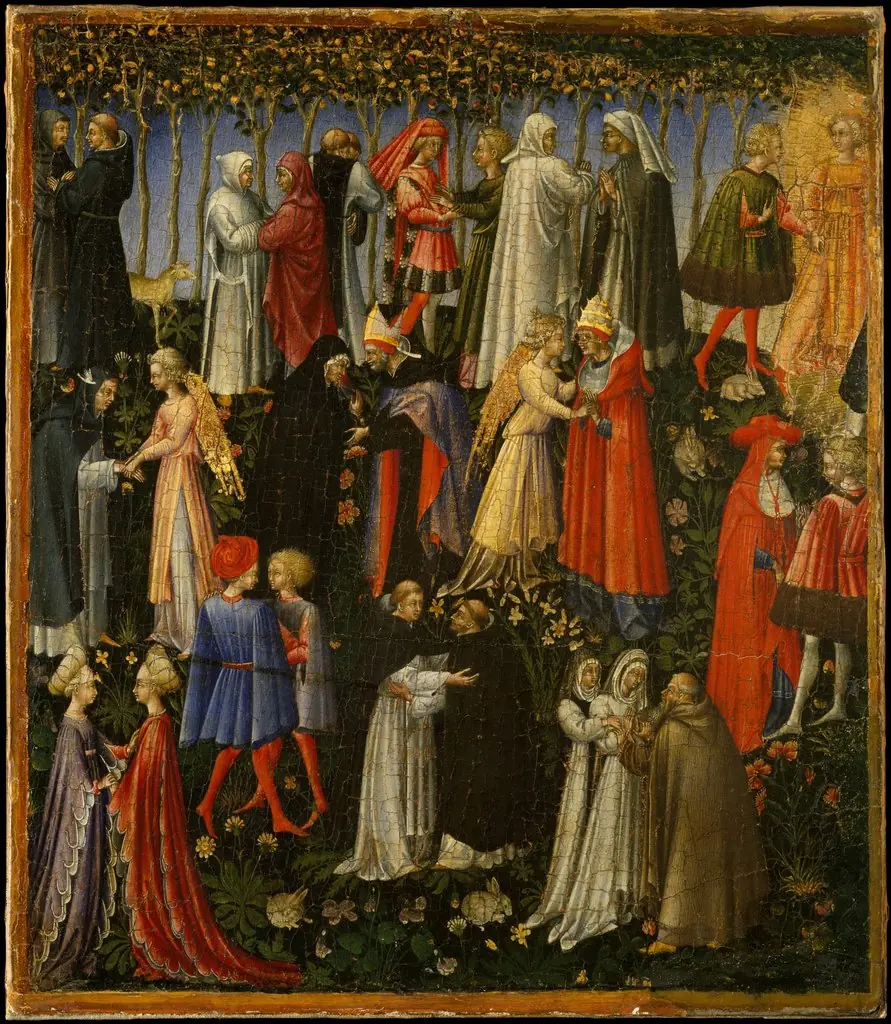 Paradise
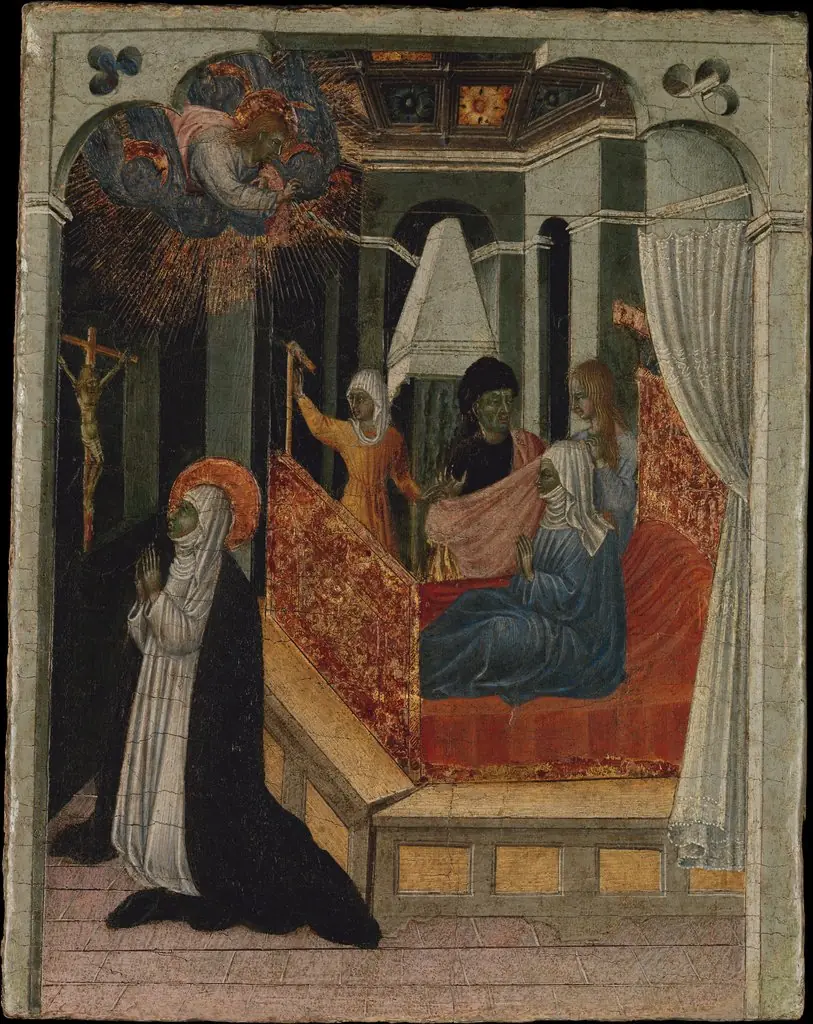 Saint Catherine of Siena Beseeching Christ to Resuscitate Her Mother
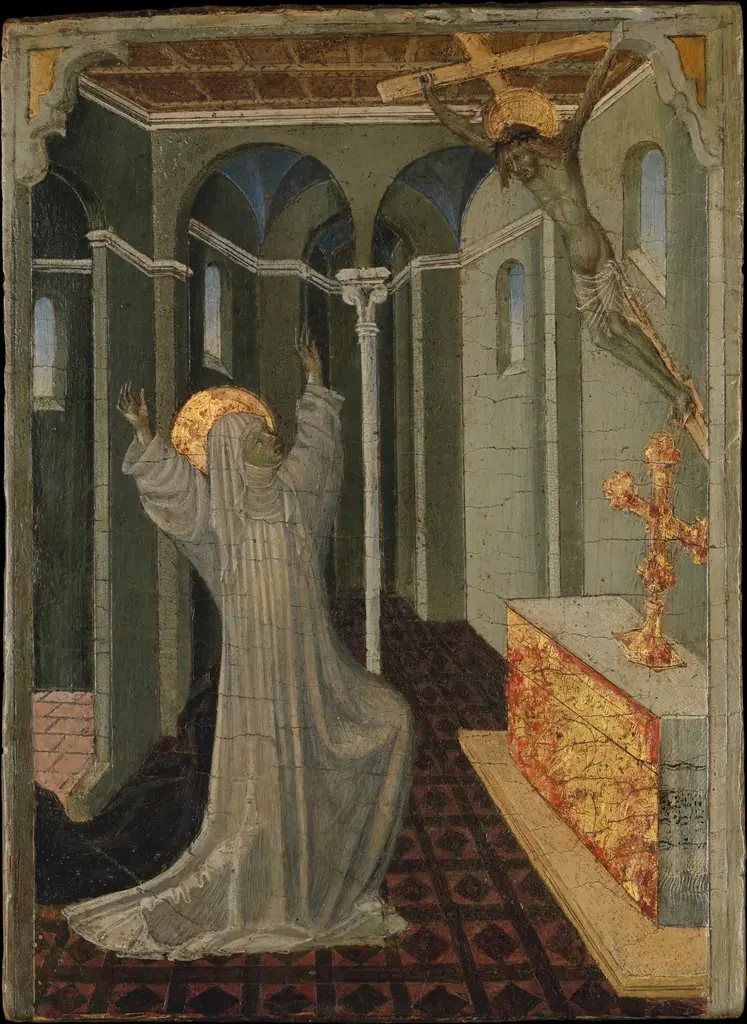 Saint Catherine of Siena Receiving the Stigmata
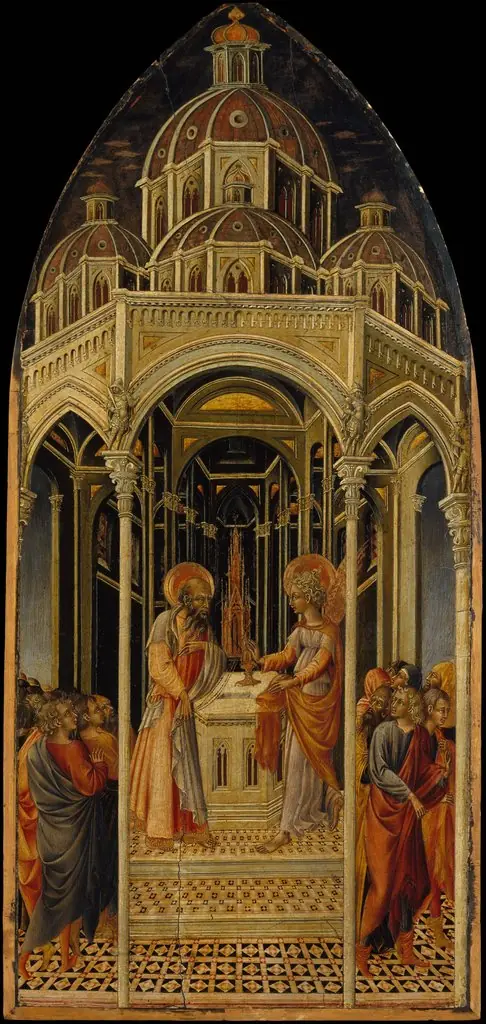 The Annunciation to Zacharias; (verso) The Angel of the Annunciation
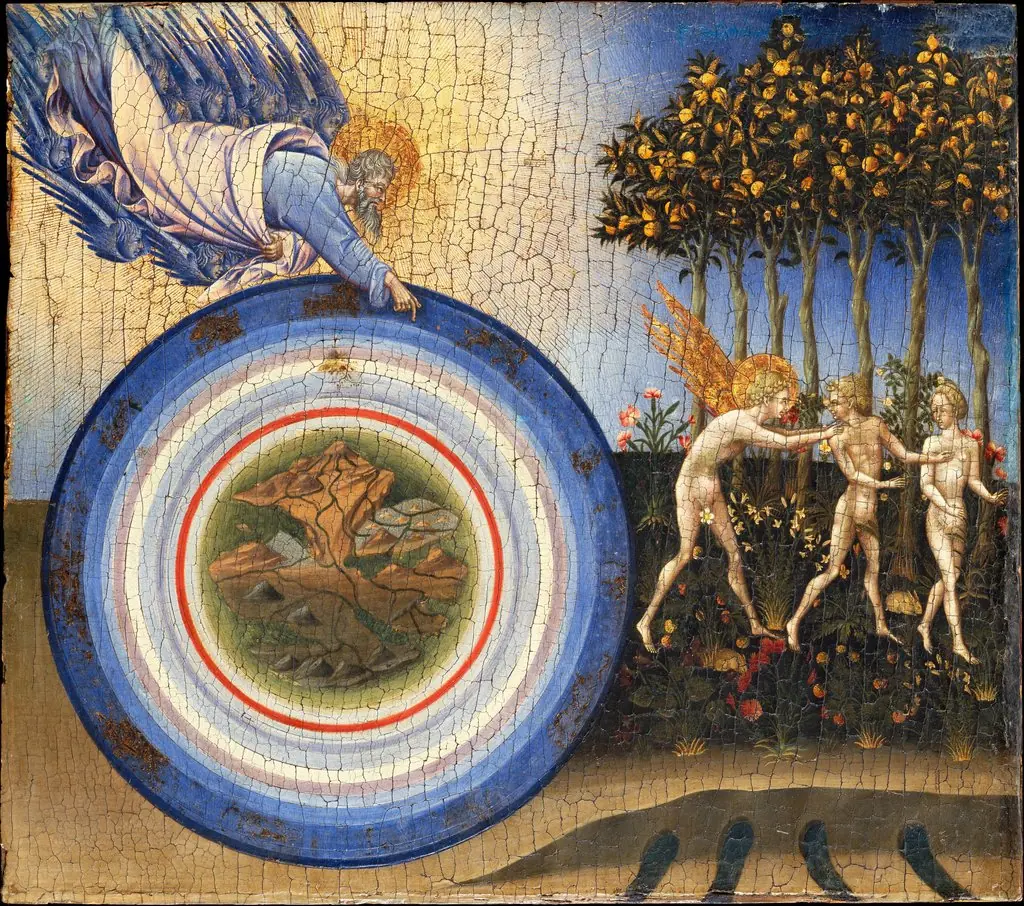 The Creation of the World and the Expulsion from Paradise
- The Adoration of the Magi
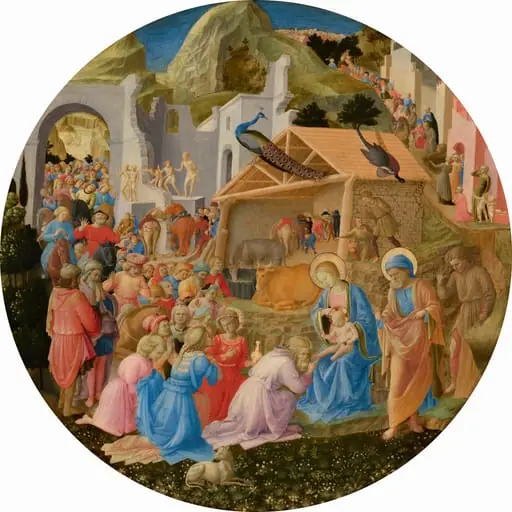 The Adoration of the Magi
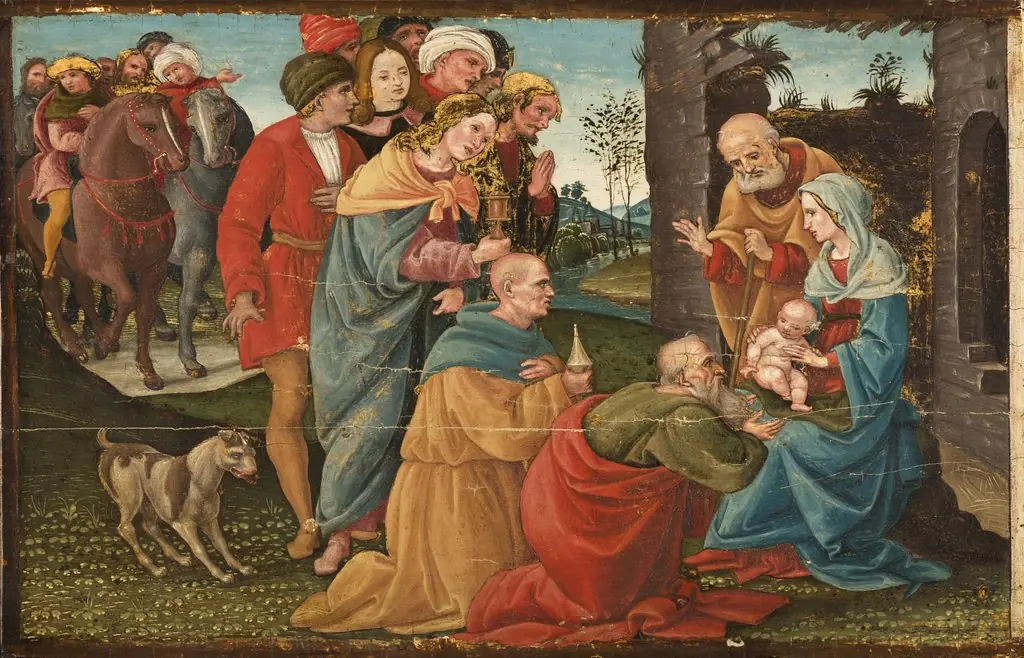 The Adoration of the Magi
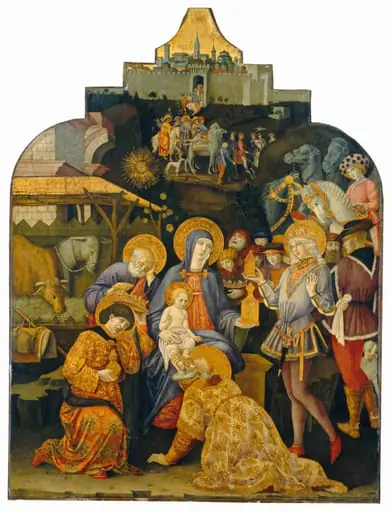 The Adoration of the Magi
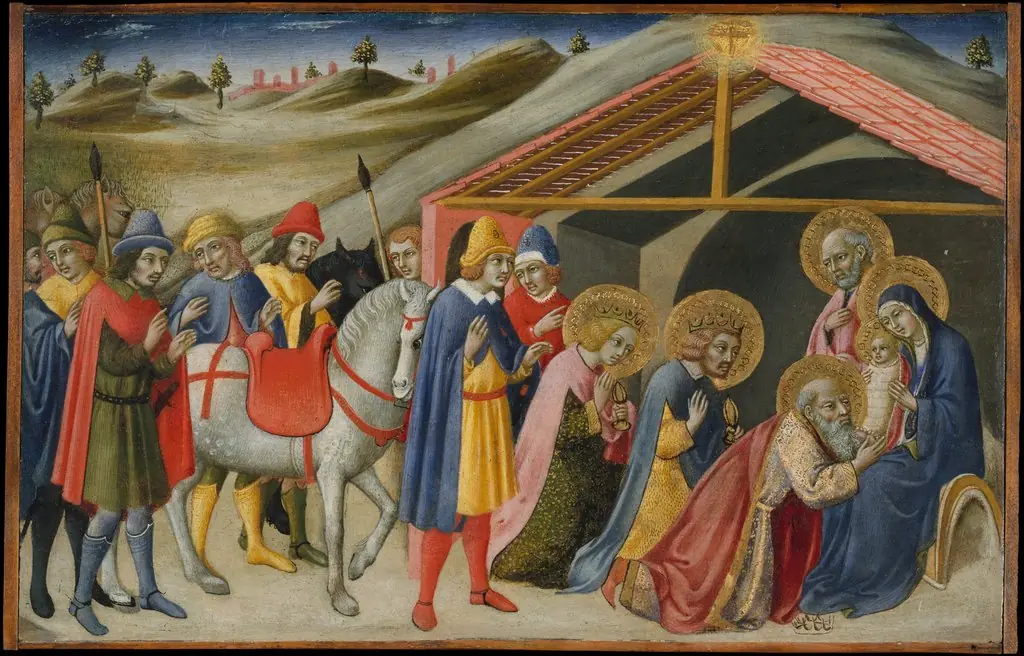 The Adoration of the Magi
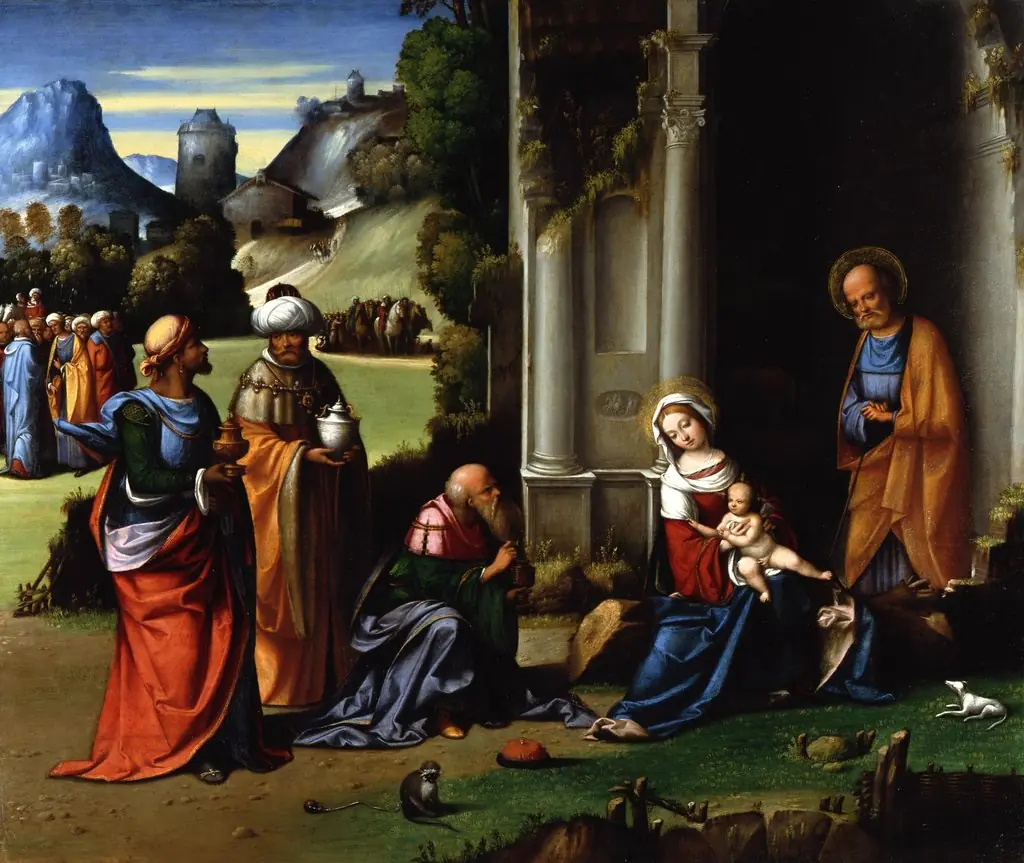 The Adoration of the Magi
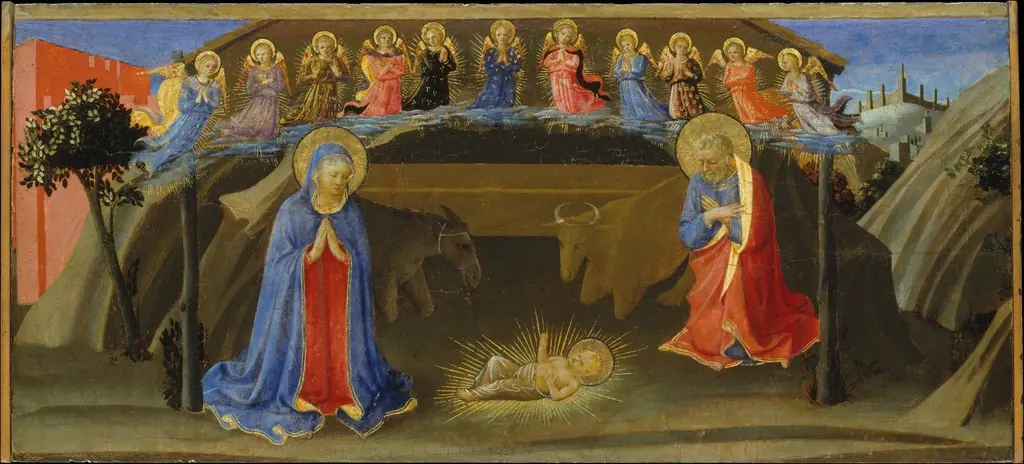 The Nativity
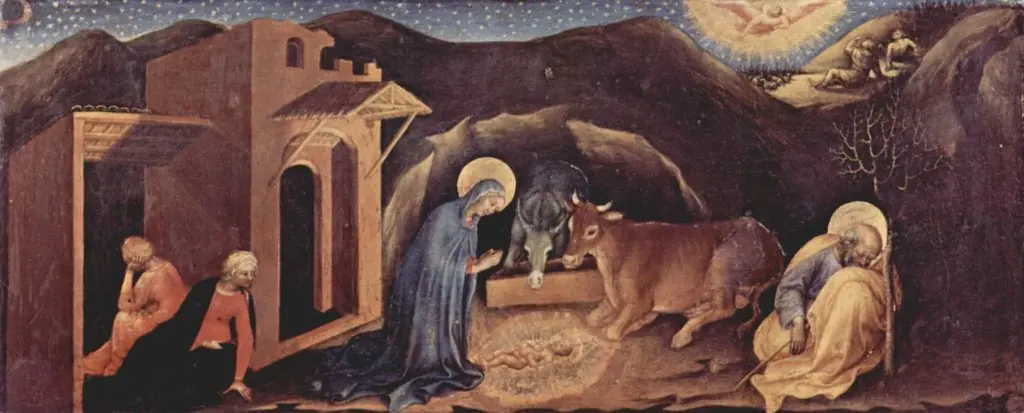 Adoration of the Three Kings - Birth of Christ
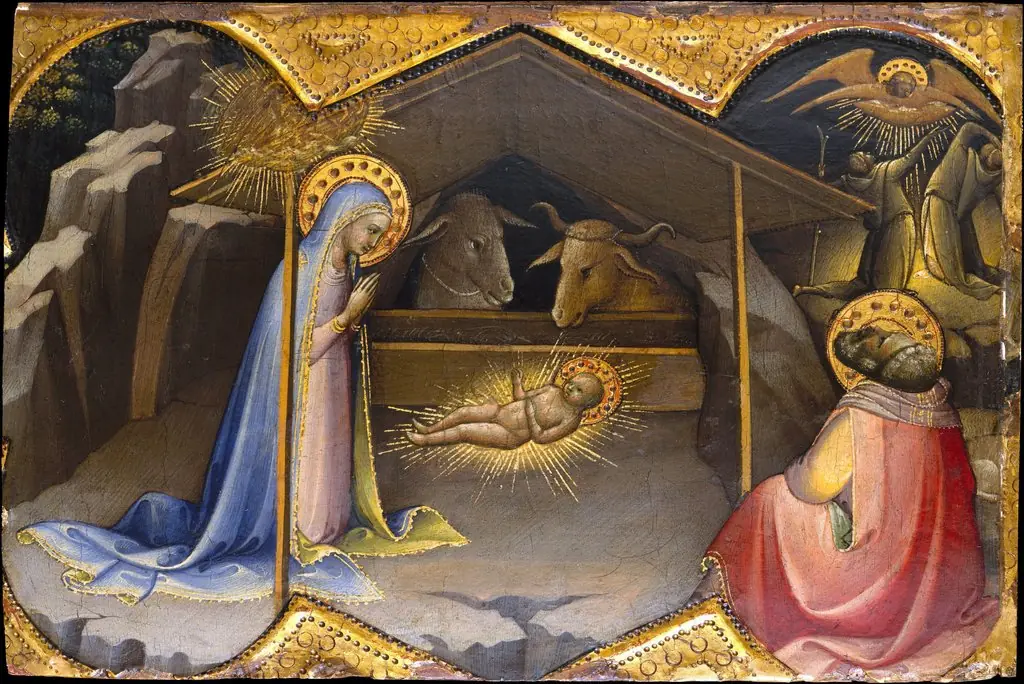 The Nativity
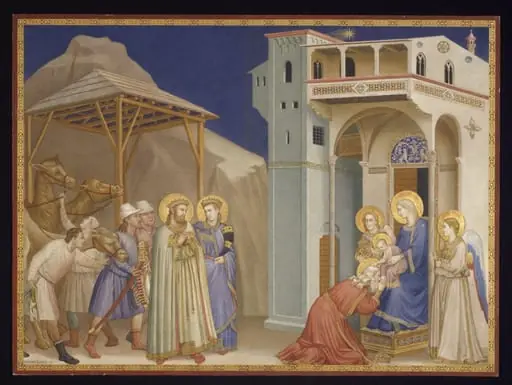 Copy after the painting Adoration of the Magi by Taddeo Gaddi in Lower Church, San Francesco, Assisi
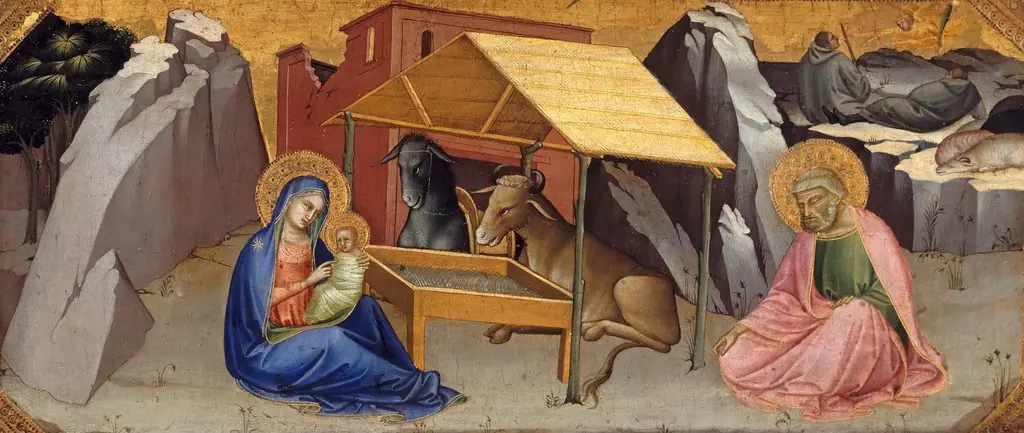 Nativity
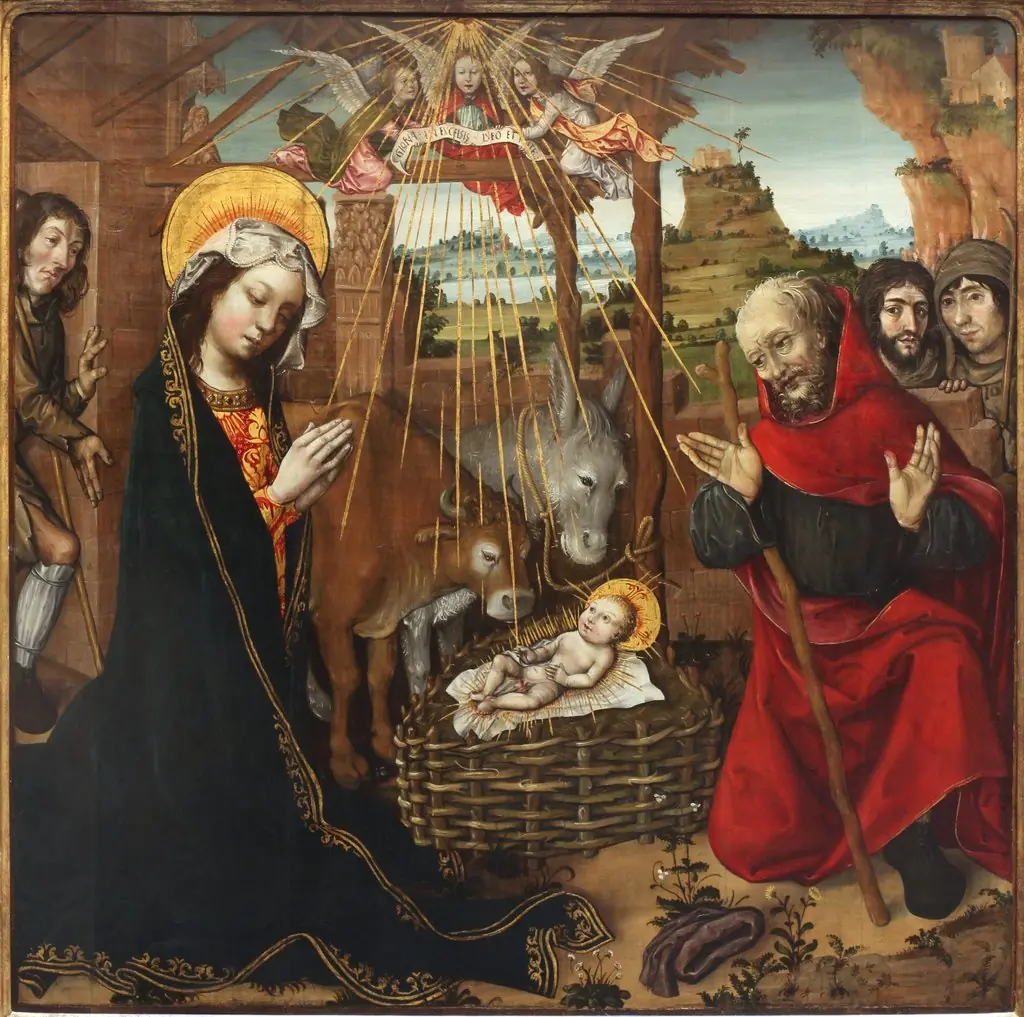 The adoration of the Child