Artwork
Lycaon Changed into a Wolf
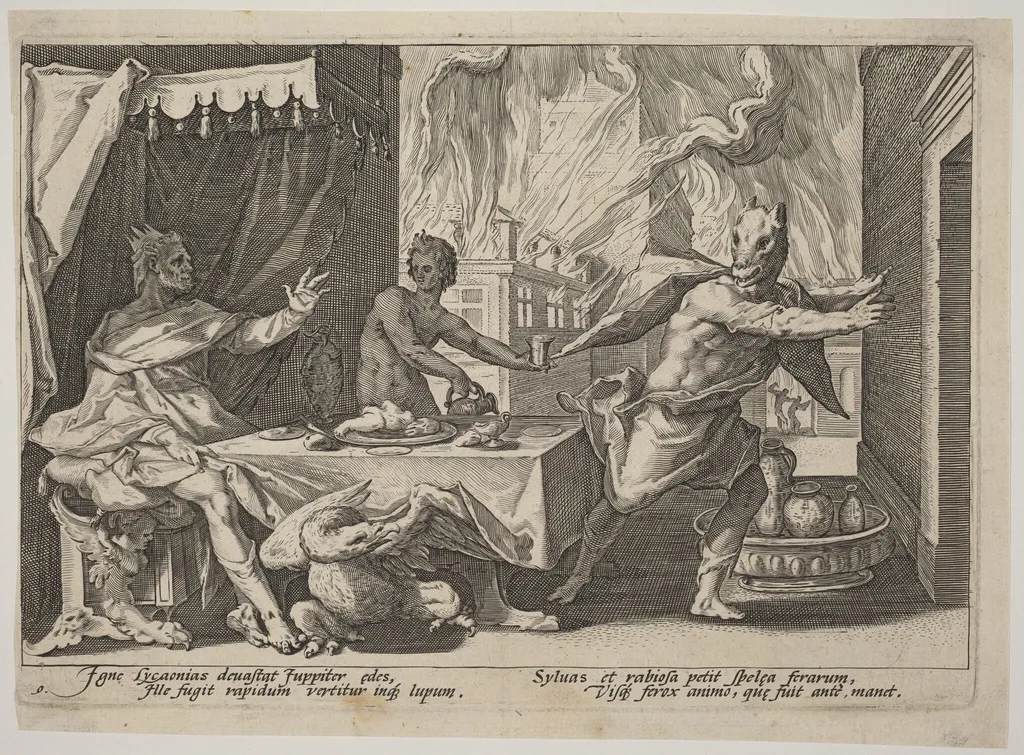
Lycaon Changed into a Wolf is an ink print by the Renaissance artist Hendrick Goltzius. It dates from 1589 and is held in the collection of the National Gallery of Art.
- Inscription
- Inscribed:in plate, across lower edge: Igne Lycaonias devastat Juppiter edes, / Ille fugit rapidum vertitur inq lupum / Sylvas et rabiosa petit spelea ferarum / Visq ferox animo, que fuit ante, Manet
About this work
Overview
Hendrick Goltzius’s 1589 engraving, Lycaon Changed into a Wolf, presents a dramatic moment from Ovid’s Metamorphoses. Executed on laid paper, the print captures the mythic king Lycaon in the throes of his transformation, his limbs twisted and fur sprouting as his human features give way to a canine snout. The composition balances the figure’s turmoil with a distant urban skyline.
Subject & Meaning
The work visualizes the punishment of Lycaon, who, according to the ancient narrative, was turned into a wolf for his impiety.
The work visualizes the punishment of Lycaon, who, according to the ancient narrative, was turned into a wolf for his impiety. Goltzius emphasizes the physical and psychological distress of the metamorphosis, suggesting themes of hubris, divine retribution, and the fragile boundary between civilization and animality. The juxtaposition of the transforming figure against a settled city underscores the intrusion of myth into everyday life.
Technique & Style
Goltzius employs dense cross‑hatching and fine line work to model flesh, fur, and architectural detail, achieving a rich tonal range on the laid paper substrate. The engraving reflects the Northern Mannerist penchant for intricate composition and exaggerated anatomy, while also anticipating early Baroque dynamism through the figure’s contorted posture and dramatic chiaroscuro.
History & Provenance
Created in the Dutch Republic during Goltzius’s mature period, the print was likely issued as part of a series of mythological engravings that circulated among collectors of the late sixteenth century. Surviving copies are documented in several European print collections, indicating a broad distribution that contributed to the artist’s reputation across the Low Countries and beyond.
Context
At the time of its production, Goltzius was recognized as the pre‑eminent Dutch engraver, renowned for his technical virtuosity and elaborate designs. The engraving aligns with contemporary humanist interests in classical literature, particularly Ovid, and reflects the period’s fascination with transformation motifs that resonated with emerging scientific and philosophical inquiries into nature and the human condition.
Own this work as a print
Artist & collection
Artist
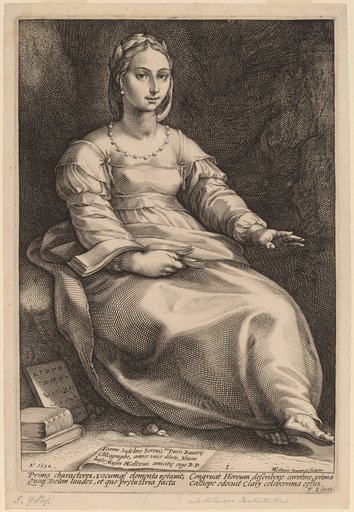
Hendrick Goltzius (German: , Dutch: ; né Goltz; January or February 1558 – 1 January 1617) was a German-born Dutch printmaker, draftsman, and painter.

 Pharaoh and the Plague of Frogs
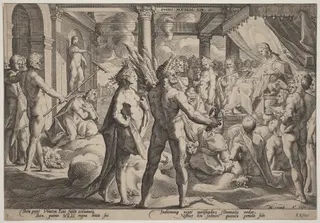 Phaeton Asking for the Chariot
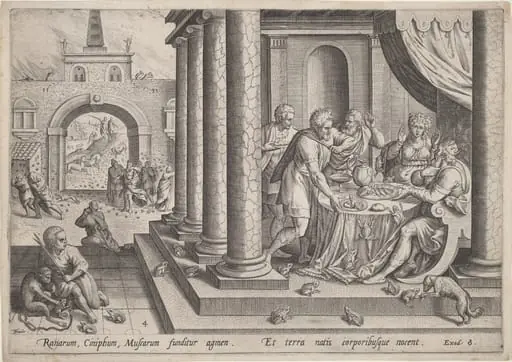 The Plague of Frogs
 The Prodigal Son Driven from the Tavern
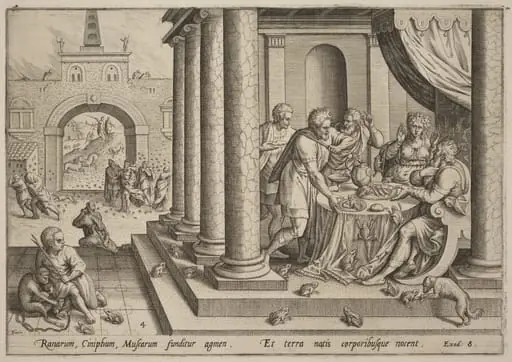 The Invasion of the Frogs
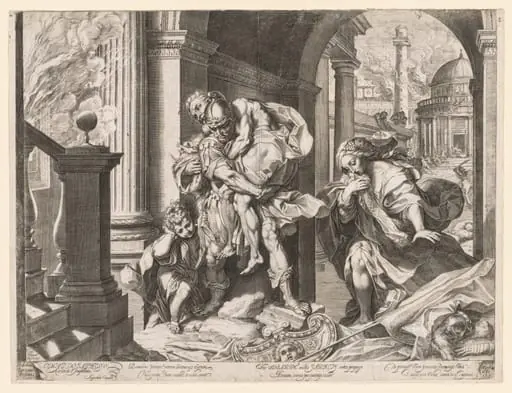 Aeneas and His Family Fleeing Troy
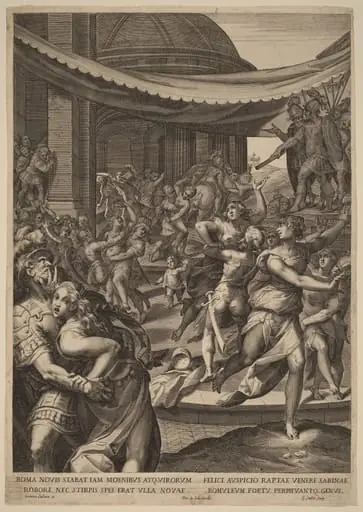 The Rape of the Sabines
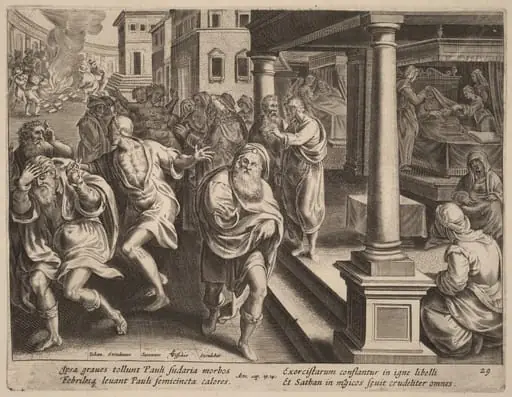 Saint Paul Driving Out Evil Spirits
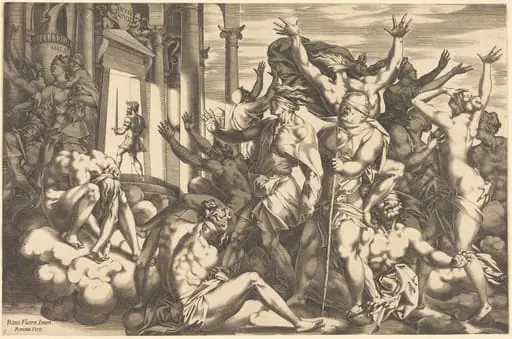 The Conquest of Ignorance
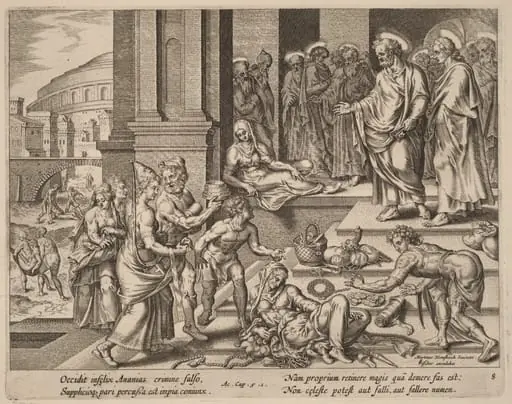 The Deaths of Ananias and Sapphira
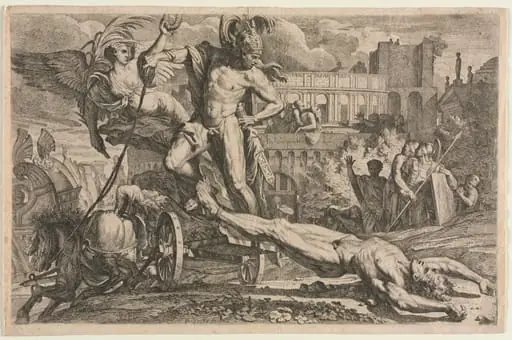 Achilles Dragging the Body of Hector
- Coronis Changed into a Crow