Artwork
Cupid spurning riches
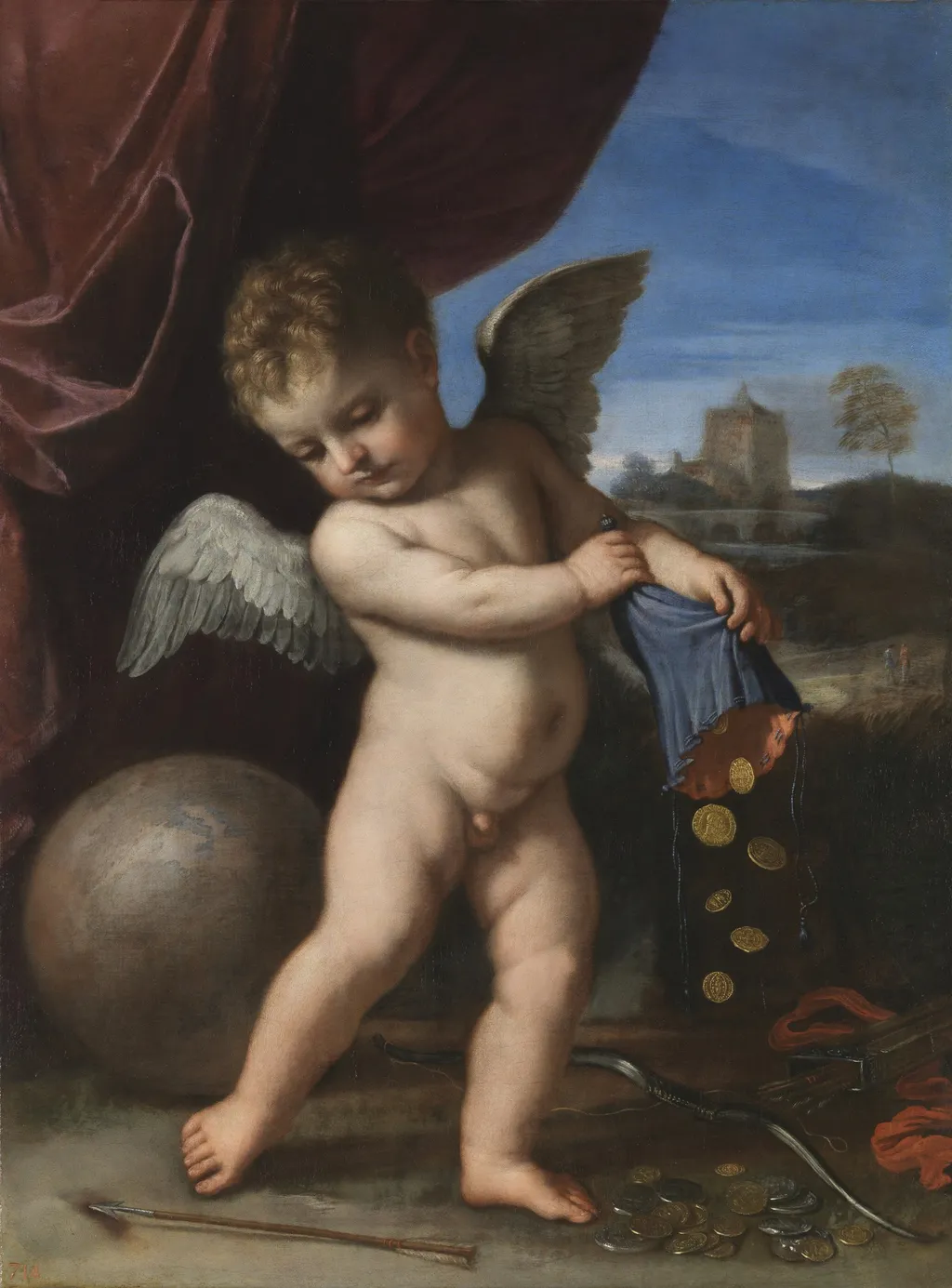
Cupid spurning riches is an oil painting by the Early Baroque Italian artist Guercino. It dates from 1654 and is held in the collection of the Museo del Prado.
About this work
Subject & Meaning
The scene conveys the moral theme of rejecting material wealth in favor of love or spiritual values, a common allegory in European art of the period.
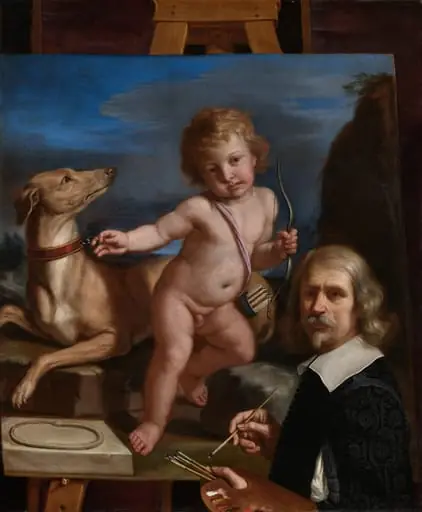
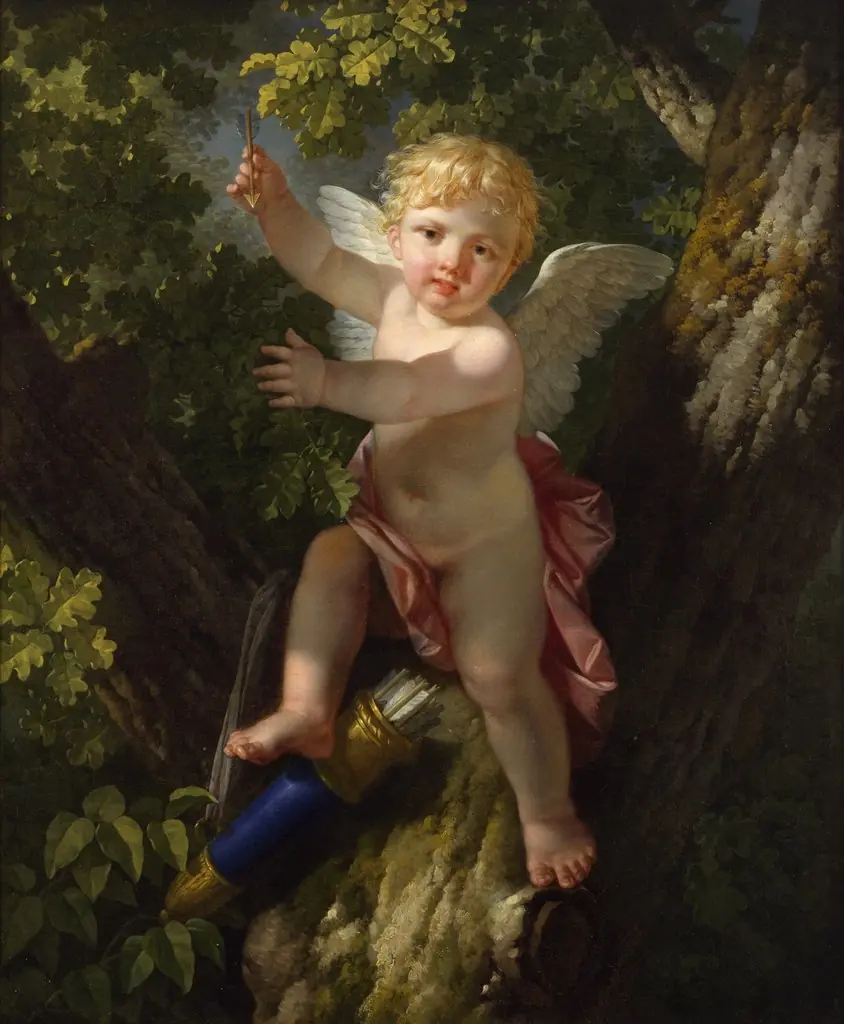
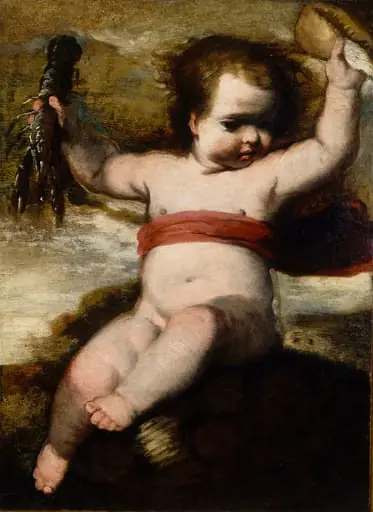
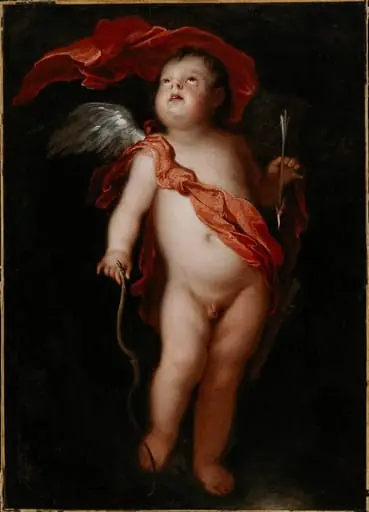
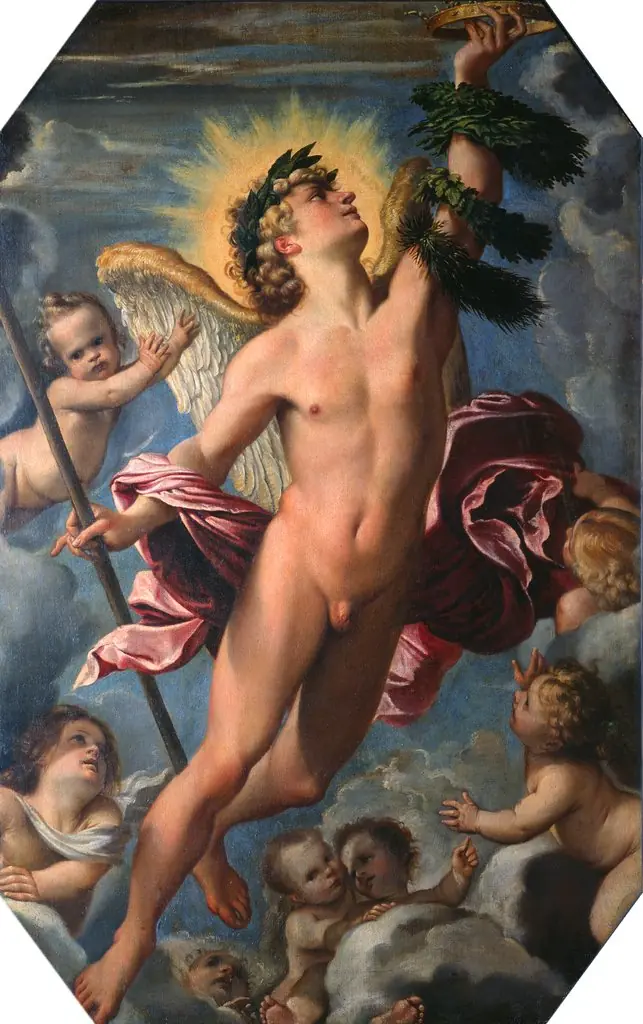
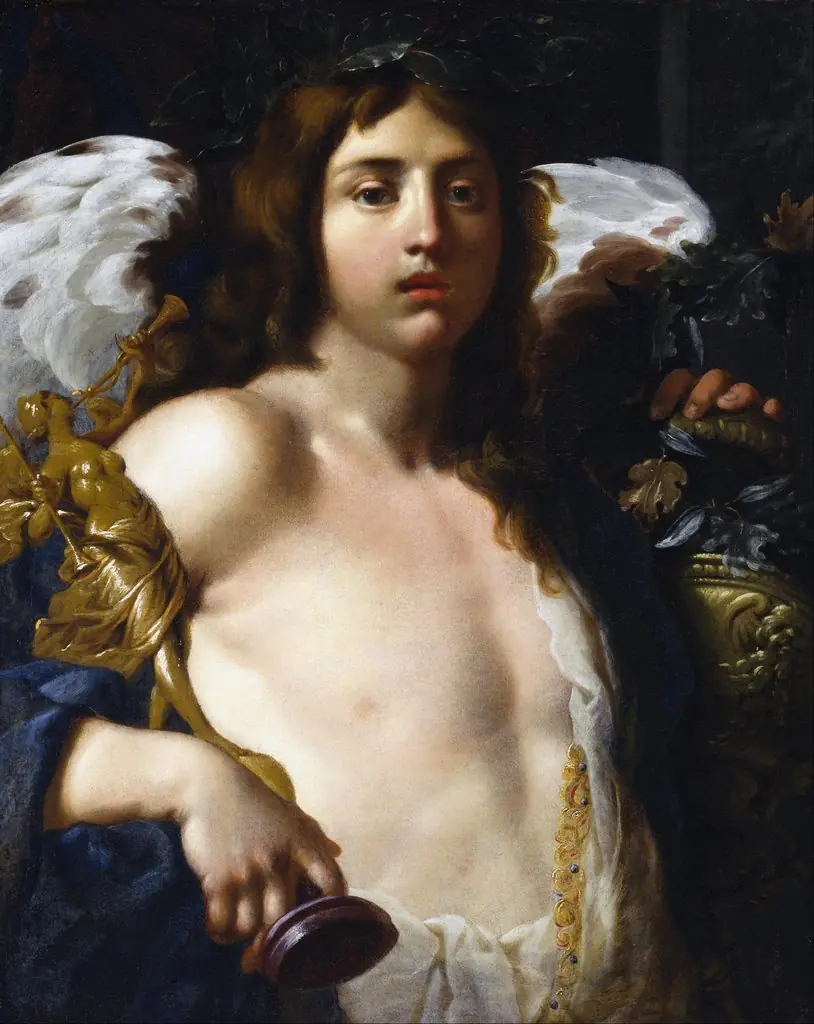
The painting depicts the classical figure of Cupid, the Roman god of desire, shown turning away from symbols of wealth: coins spilling from a purse, a coin, and a globe. The scene conveys the moral theme of rejecting material wealth in favor of love or spiritual values, a common allegory in European art of the period.
Guercino's composition emphasizes Cupid's indifference to riches through his averted gaze and relaxed posture, while the discarded symbols of wealth lie scattered at his feet. The inclusion of the orb suggests dominion over the world, underscoring the contrast between earthly power and the purity of love.
Technique & Style
Cupid spurning riches is an oil painting executed on canvas by Guercino in 1654. The work measures 99 cm in height and 75 cm in width. As a mythological painting, it depicts the figure of Cupid alongside symbols of wealth, including coins, a coin purse, and an orb.
History & Provenance
Cupid spurning riches is an oil on canvas executed in 1654 by the Italian Baroque artist Guercino. The composition was produced during Guercino's mature period. Following its creation the picture entered the Spanish royal collection, being recorded as owned by King Ferdinand VII.
The work was subsequently transferred to the Museo del Prado in Madrid, where it is presently held. Its dimensions measure 99 cm by 75 cm.
Overview
Guercino's Cupid Spurning Riches, completed in 1654, is an Italian Baroque oil painting. This work exemplifies the artist's mature phase, characterized by a balanced and classical approach. It depicts the mythological figure of Cupid amidst symbols of wealth, illustrating a narrative of rejection.
The piece is currently housed in the collection of the Museo del Prado, representing a key example of the artist's later output.
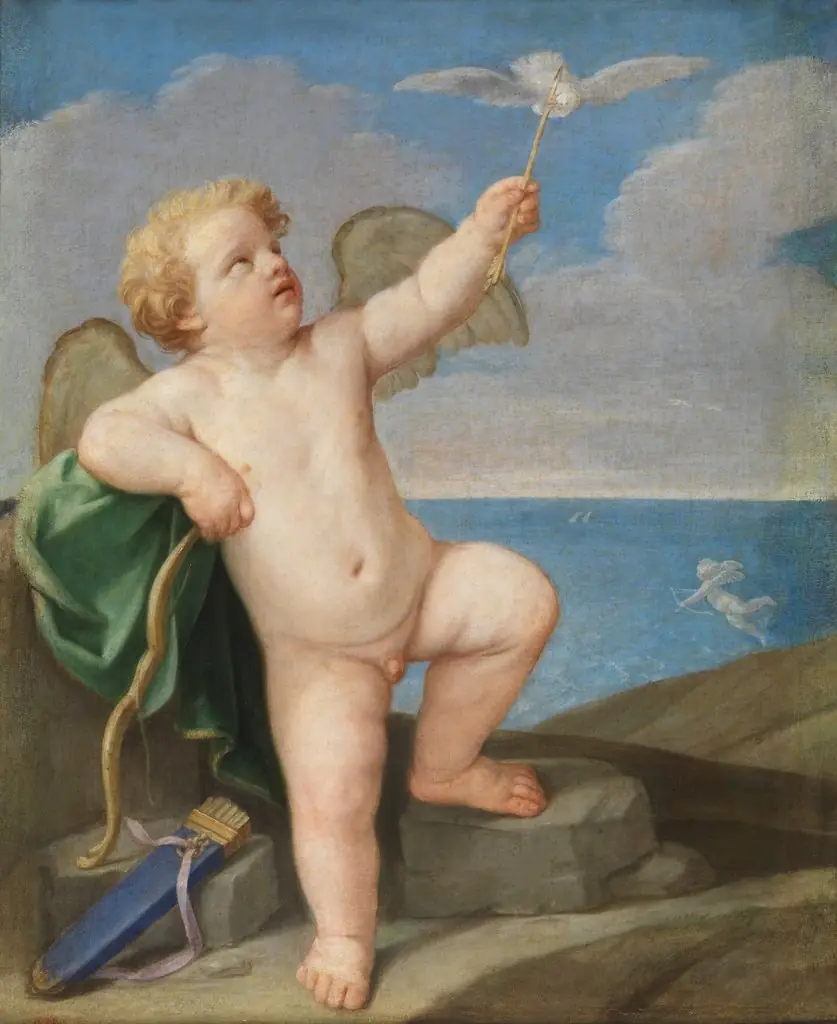
Own this work as a print
Artist & collection
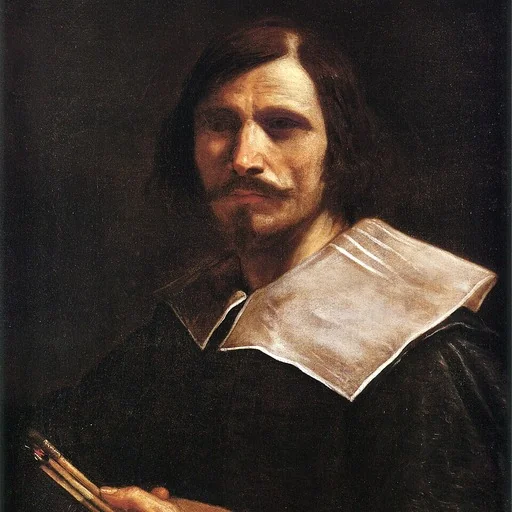
Artist
Giovanni Francesco Barbieri (8 February 1591 – 22 December 1666), better known as (il) Guercino (Italian pronunciation: ), was an Italian Baroque painter and draftsman from Cento in the Emilia region, who was active in Rome and Bologna.