Artwork
Personification of Justice
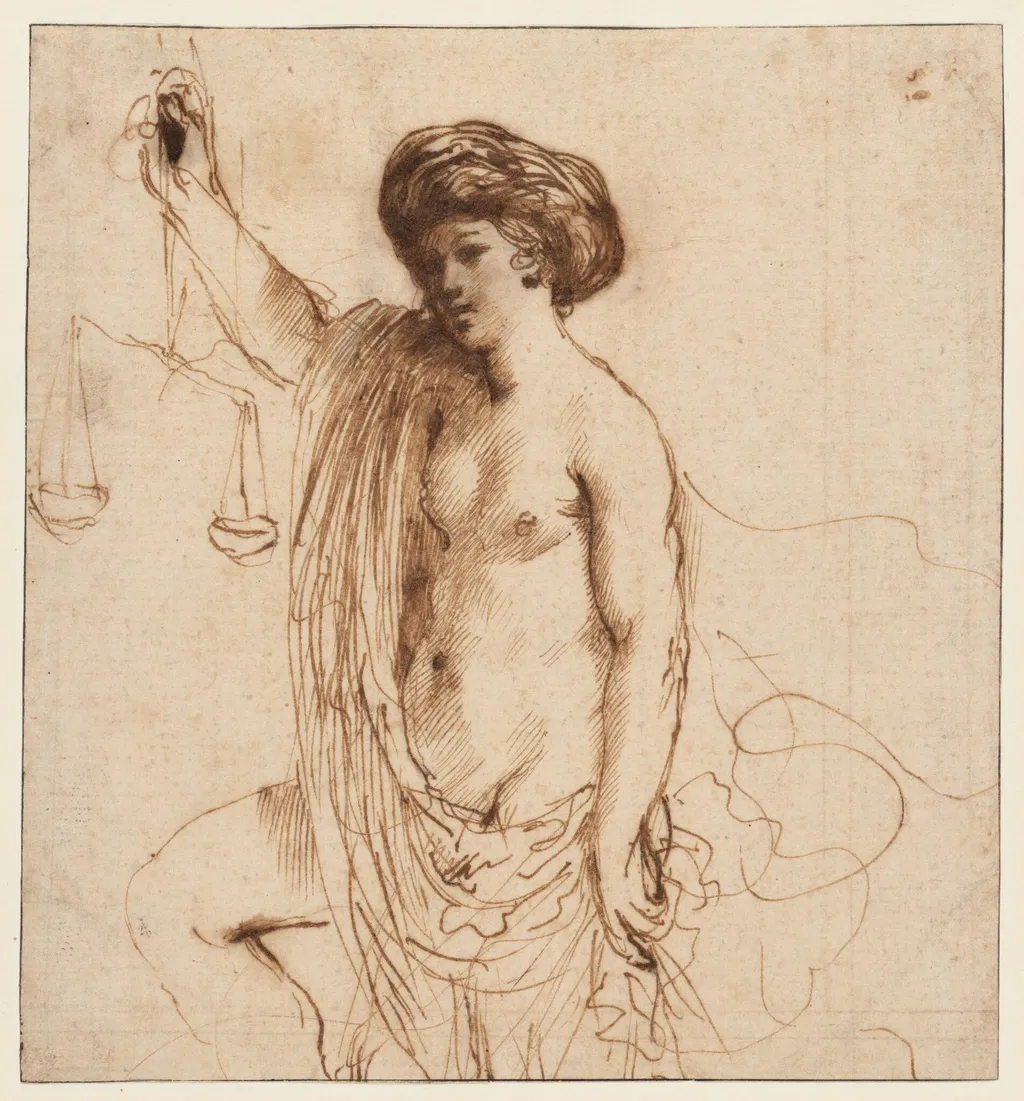
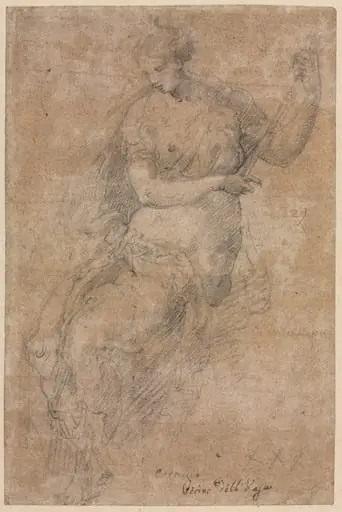
Personification of Justice is an ink drawing by the Baroque artist Guercino. It dates from 1640 and is held in the collection of the National Gallery of Art.
- Inscription
- Inscribed:by later hand, verso of mount in brown ink: Cholvic
About this work
Overview
Created circa 1640, this ink drawing by Guercino depicts a female figure embodying Justice. Executed in pen and brown ink on laid paper, it reflects the artist’s refined draftsmanship during his later years. The work belongs to a tradition of allegorical studies common among Baroque draftsmen, emphasizing clarity of form and expressive restraint over theatricality.
Subject & Meaning
The figure represents Justice as a calm, authoritative woman, holding balanced scales in her right hand and raising her left arm in a gesture of judgment. Her exposed breast alludes to the classical trope of nurturing impartiality, while her downcast gaze suggests thoughtful deliberation. The composition avoids aggression, instead conveying the quiet gravity of fair judgment.
Technique & Style
Guercino employs fluid, confident lines to define the drapery and anatomy, using varying ink density to suggest volume and light. The laid paper’s texture subtly enhances the tonal gradations, while the loose yet controlled strokes preserve a sense of immediacy. His approach merges naturalistic observation with classical poise, characteristic of his mature style.
History & Provenance
The drawing emerged from Guercino’s workshop in Bologna, where he produced numerous preparatory studies for larger commissions. Its survival as a standalone work suggests it was valued for its artistic merit rather than merely as a sketch. It entered public collections in the 19th century, where it has since been recognized for its technical finesse.
Context
In mid-17th-century Italy, allegorical figures like Justice were frequently commissioned for civic and legal spaces. Guercino’s version aligns with a broader trend of humanizing abstract virtues through serene, idealized forms. His shift from early dramatic intensity to balanced composition mirrors contemporary intellectual currents favoring reason over emotion.
Legacy
This drawing exemplifies Guercino’s influence on later draftsmen who sought to merge expressive line with classical restraint. Though not widely exhibited, it remains a key reference in studies of Baroque allegory and ink technique. Its quiet authority continues to inform interpretations of how visual art conveys moral ideals without overt rhetoric.
Own this work as a print
Artist & collection
Artist
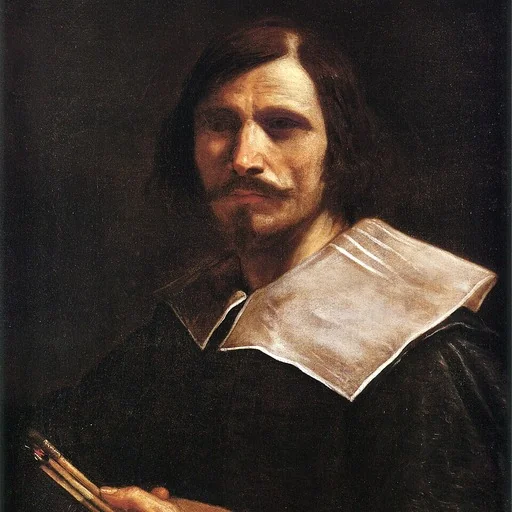
Giovanni Francesco Barbieri (8 February 1591 – 22 December 1666), better known as (il) Guercino (Italian pronunciation: ), was an Italian Baroque painter and draftsman from Cento in the Emilia region, who was active in Rome and Bologna.

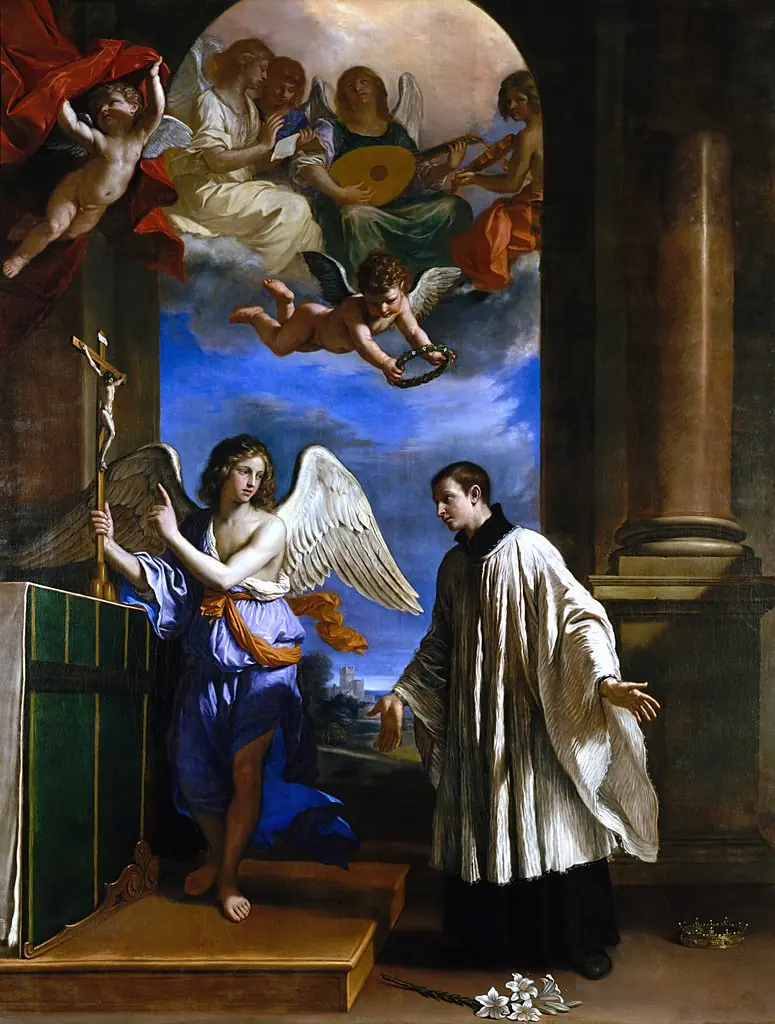
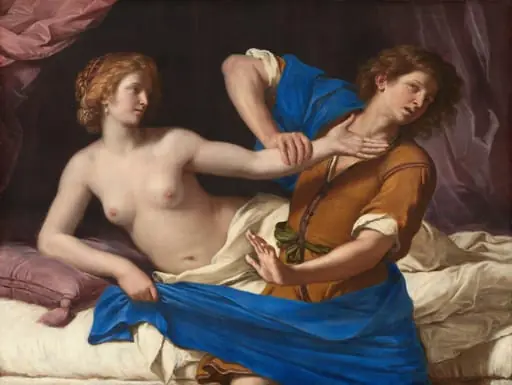
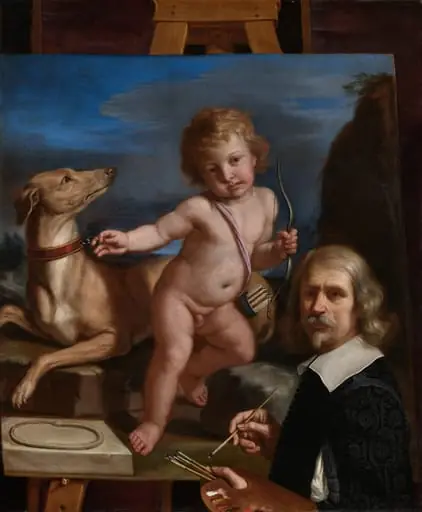
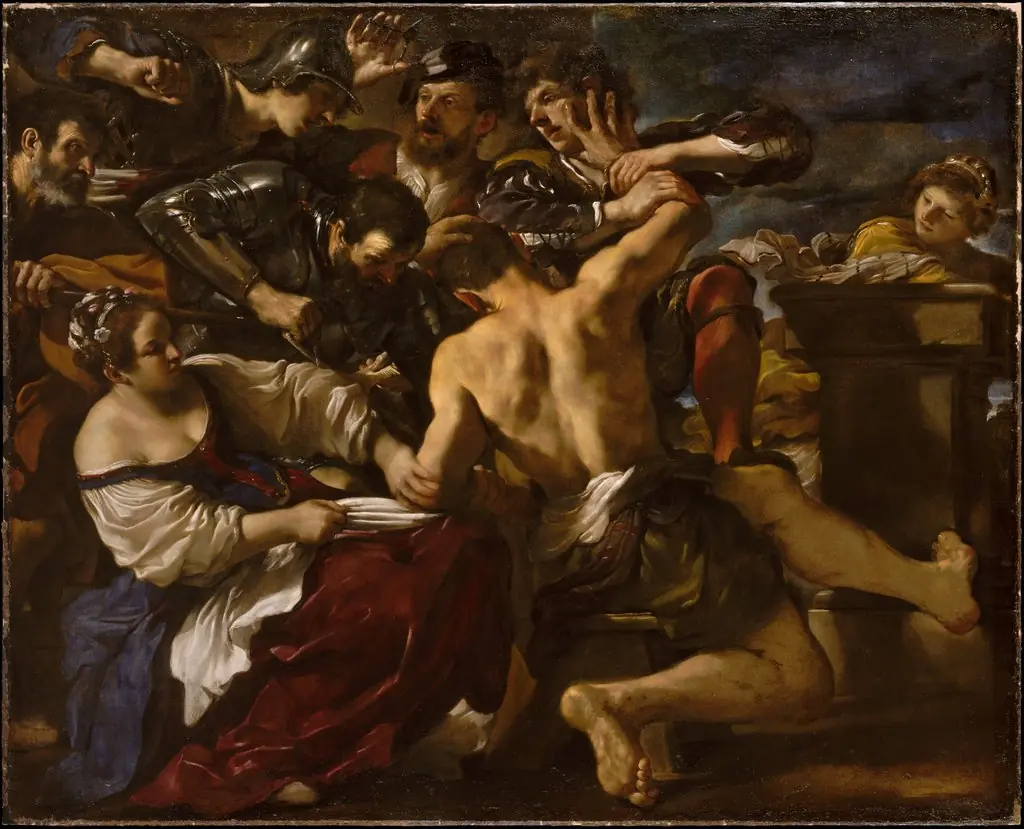
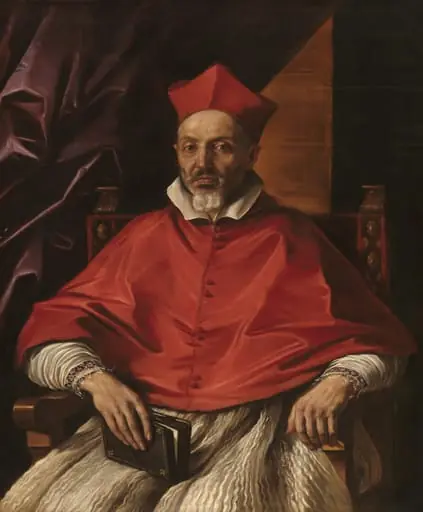
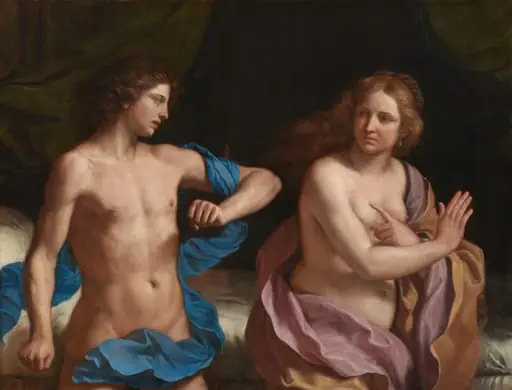
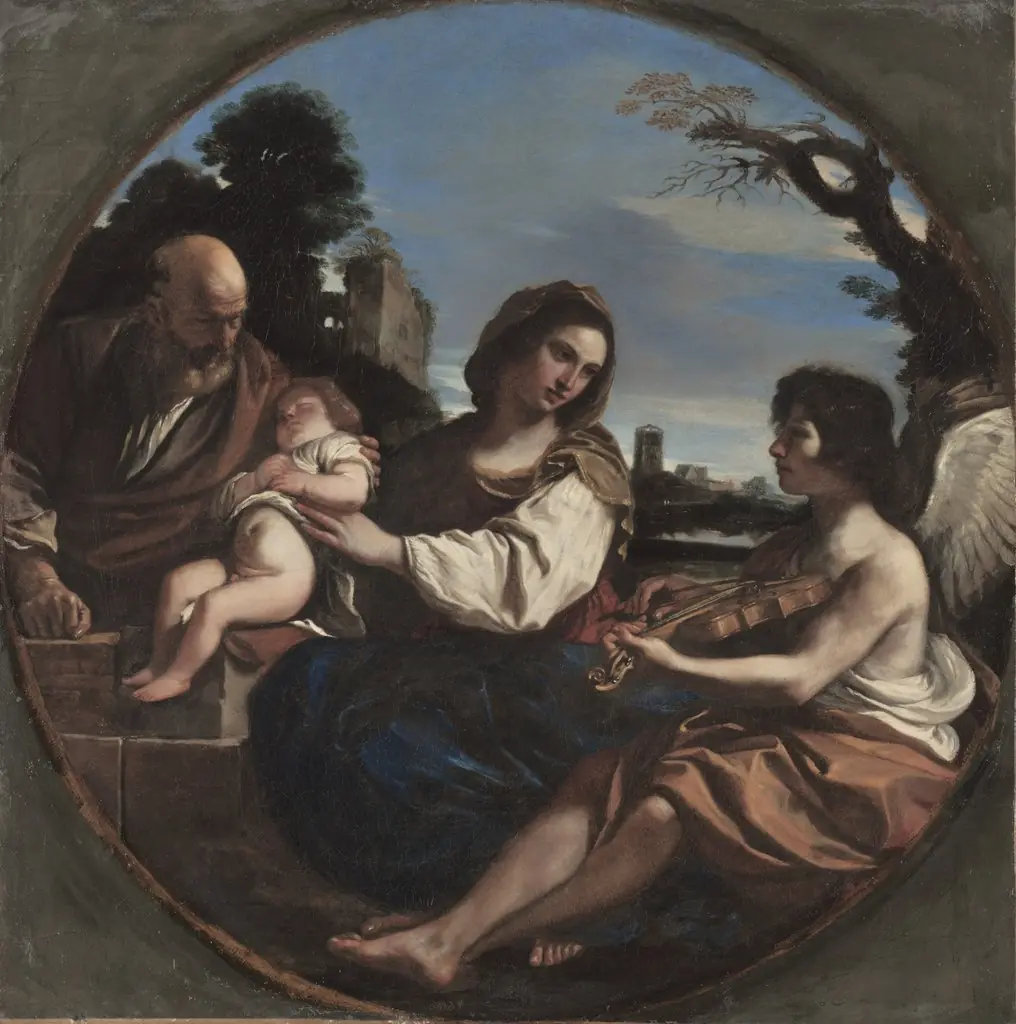
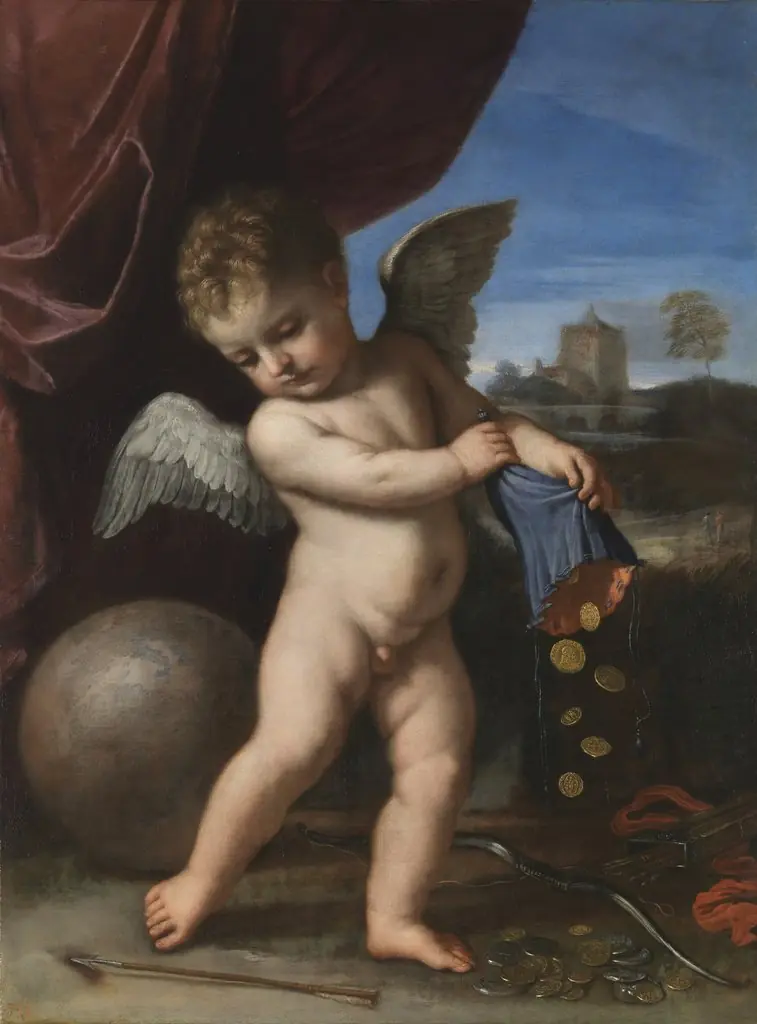
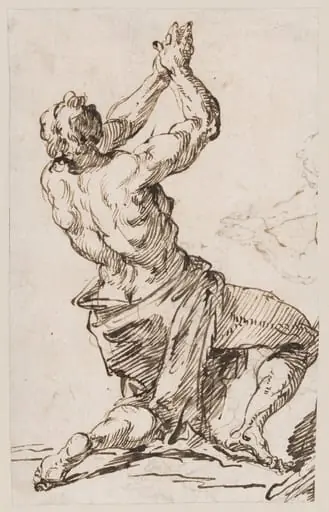 a) Study of a Man Kneeling, Looking Upward (recto); b) Studies of the Same Figure (verso)
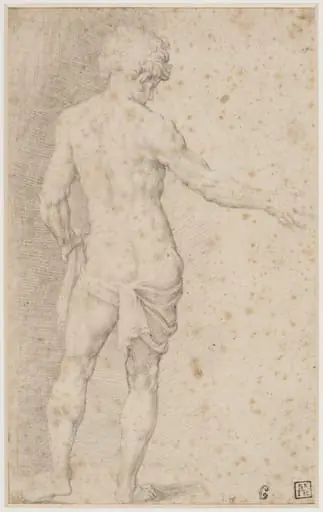 Standing Male Figure
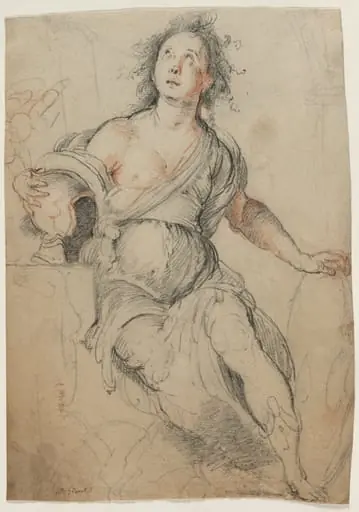 Allegorical Figure
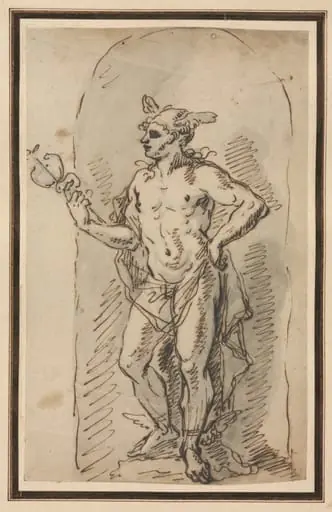 Mercury
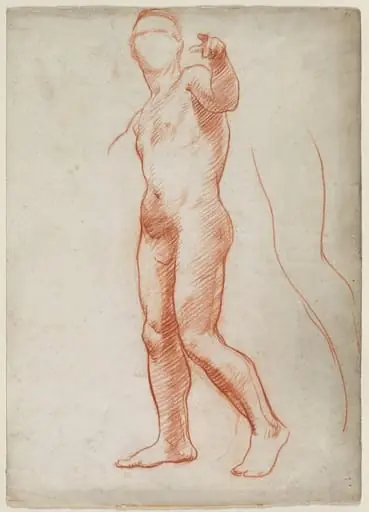 Standing Male Nude
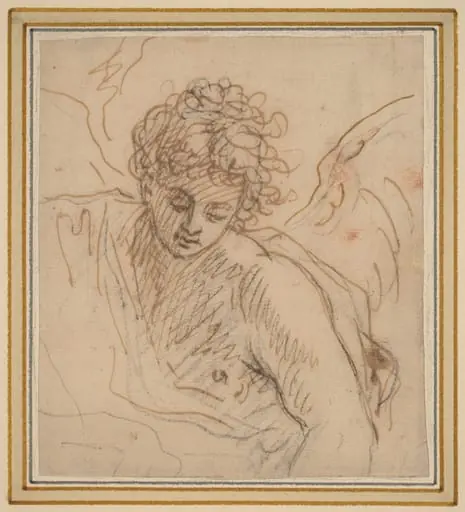 An Angel
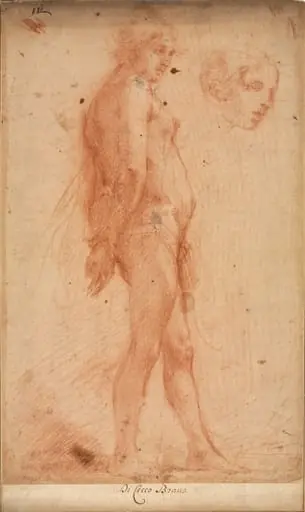 Study of a Standing Male Nude, with a Study of Head in Three-Quarter Profile
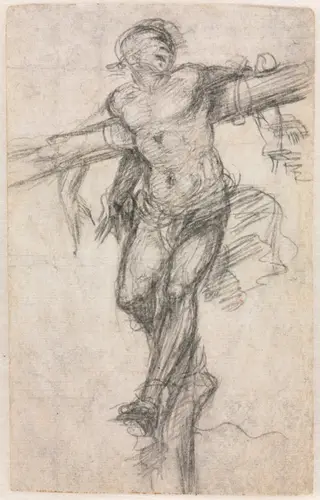 The Unrepentant Thief
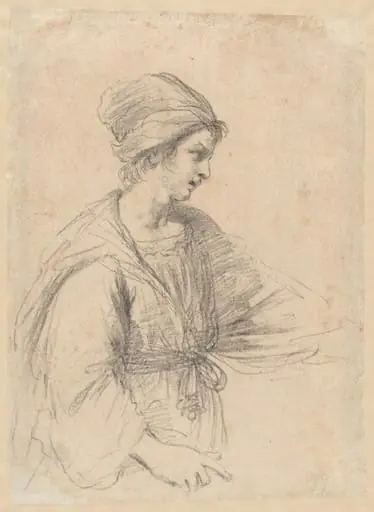 Young Man in a Soft Cap
 Allegorical Figure (recto)
 Study of a Nude Figure (Etude de figure nue)
- Justice