Artwork
Terminus, the Device of Erasmus
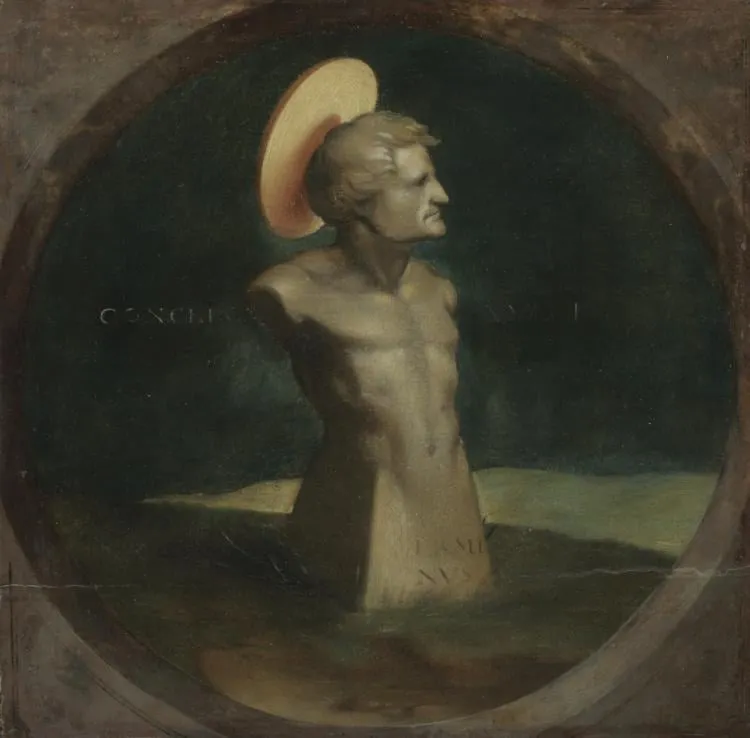
Terminus, the Device of Erasmus is an unspecified painting by the Northern Renaissance artist Hans Holbein the Younger. It dates from 1532 and is held in the collection of the Cleveland Museum of Art.
- Accession no.
- 1971.166
- Credit line
- Gift of Dr. and Mrs. Sherman E. Lee in memory of Milton S. Fox
About this work
Overview
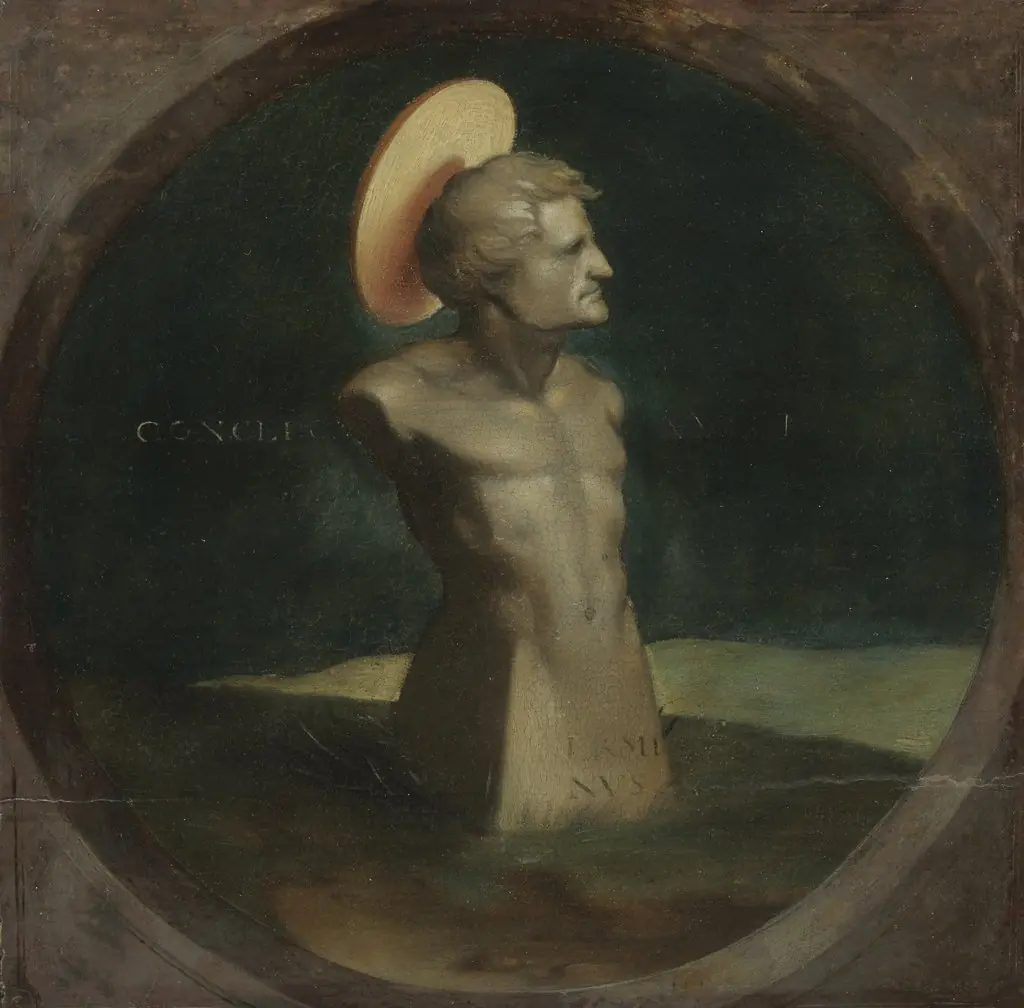
The work titled Terminus, the Device of Erasmus, is a painted image that merges a classical boundary deity with the likeness of the Dutch humanist Erasmus of Rotterdam. Rendered as a stone marker bearing a human face, the composition presents Erasmus’s features within the symbolic form of Terminus, the Roman god associated with borders and permanence.
Subject & Meaning
By uniting Erasmus’s portrait with Terminus, the image conveys the scholar’s self‑identification with the ancient god’s resolve. The accompanying motto, concedo nulli, “I concede to no one”, reinforces a declaration of intellectual independence, reflecting Erasmus’s adoption of classical moral themes and his commitment to steadfast principles.
Technique & Style
The painter employs a softened modeling of the facial features, reminiscent of the sfumato approach that blurs edges to achieve a more naturalistic effect. This technique lends the stone figure a subtle three‑dimensionality, allowing the portraiture to blend seamlessly with the sculptural, emblematic form of the boundary marker.
History & Provenance
Created as a personal emblem for Erasmus, the image functioned as a visual representation of his ideals. It was presented as a gift, likely by the artist to the scholar, and served as a portable symbol of Erasmus’s intellectual stance during the early sixteenth century.
Artist & collection
Artist
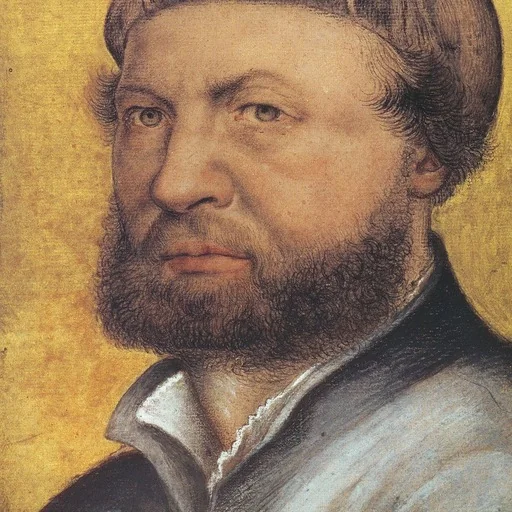
Hans Holbein the Younger (UK: HOL-byne, US: HOHL-byne, HAWL-; German: Hans Holbein der Jüngere; c.

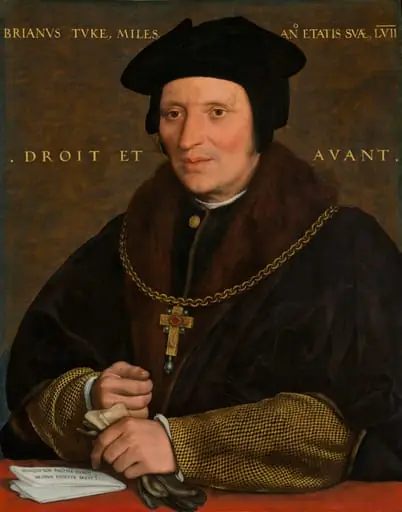
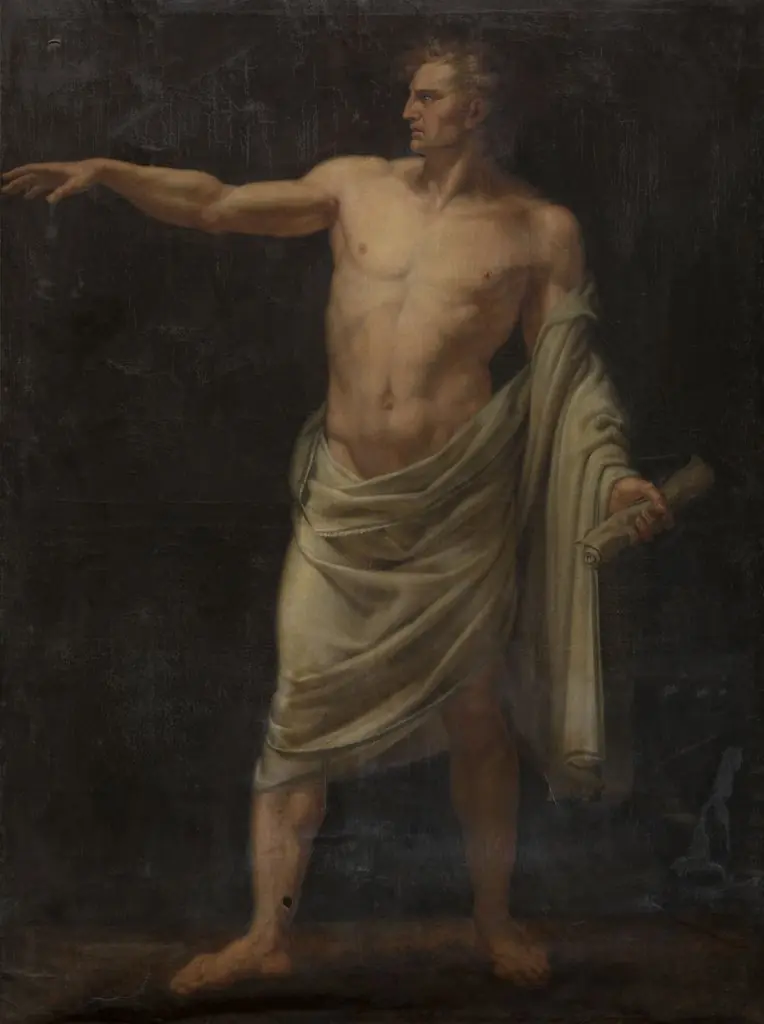 Roman Orator
 Der verlorene Sohn (2 Teile)
 Cabeza de San Pablo
 Satan über dem feurigen See, Beelzebub zu sich aufrufend
 Apollo with his Lyre
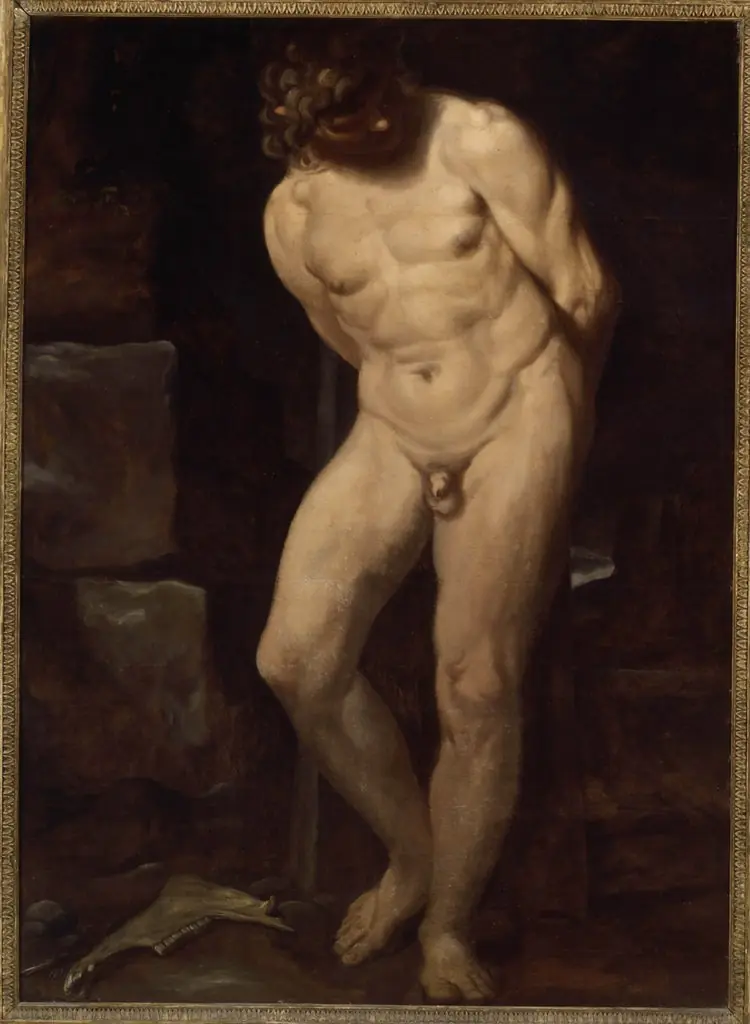 Samson in Chains
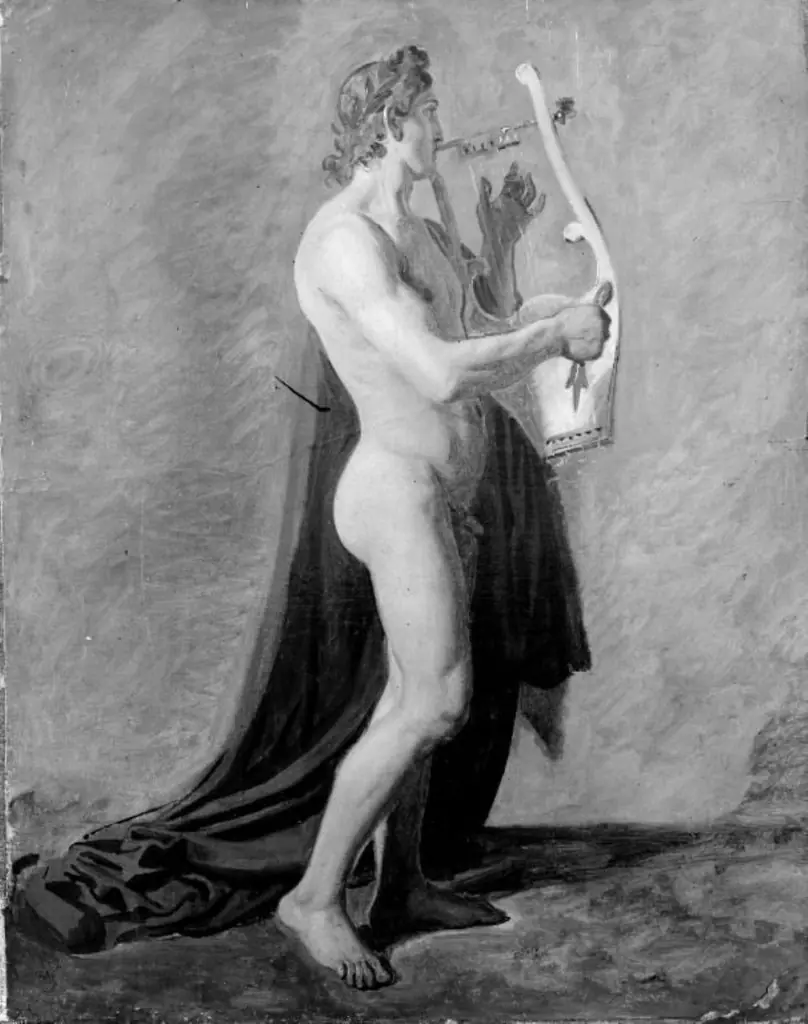 Apollo with his Lyre
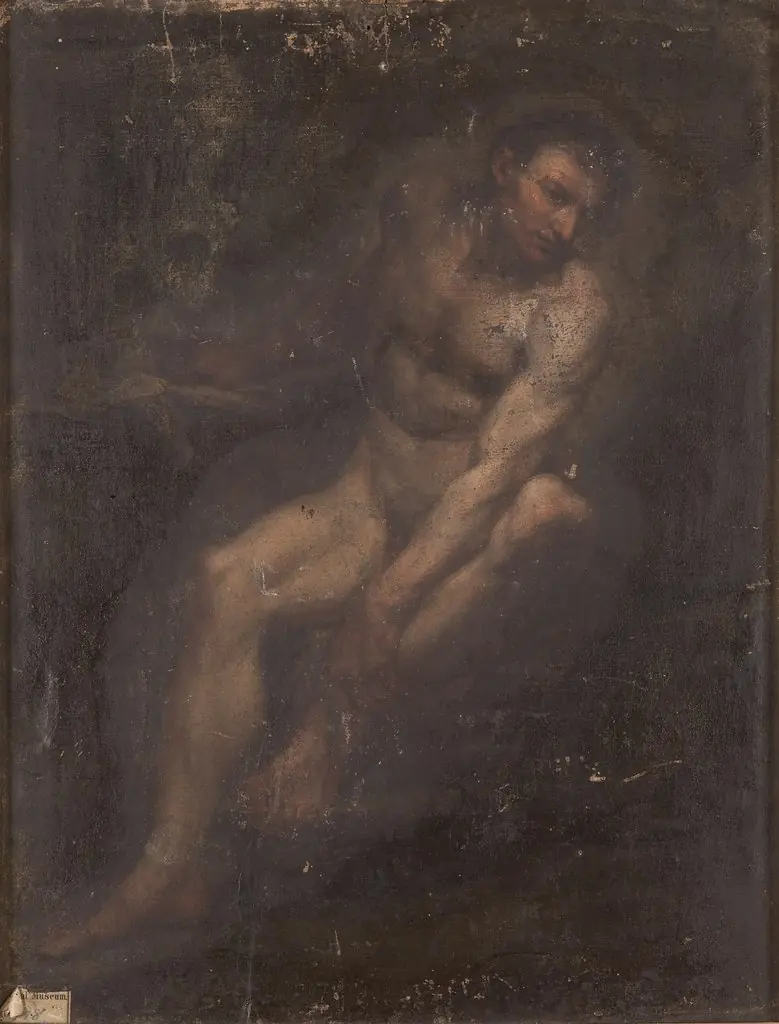 Figurstudie av sittande man
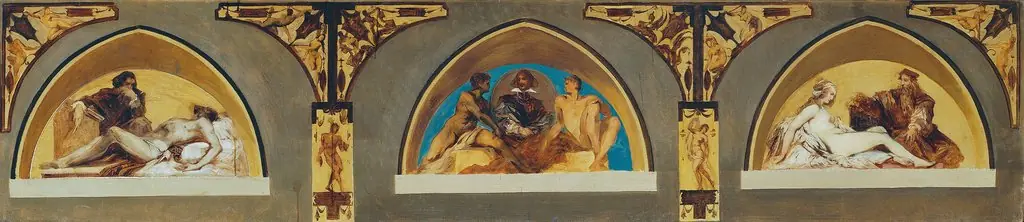 Murillo, Velázquez, Leonardo da Vinci
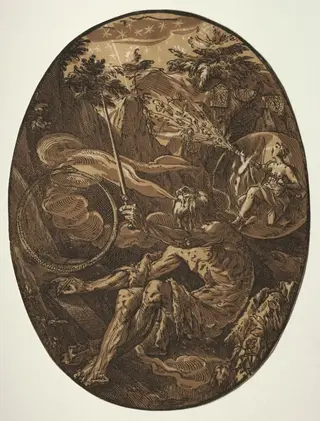 The Deities: Demogorgon in the Cave of Eternity
 Potopul
- Terminus, the Device of Erasmus