Artwork
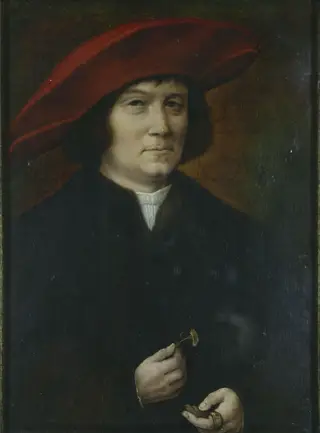
Portrait of an old man
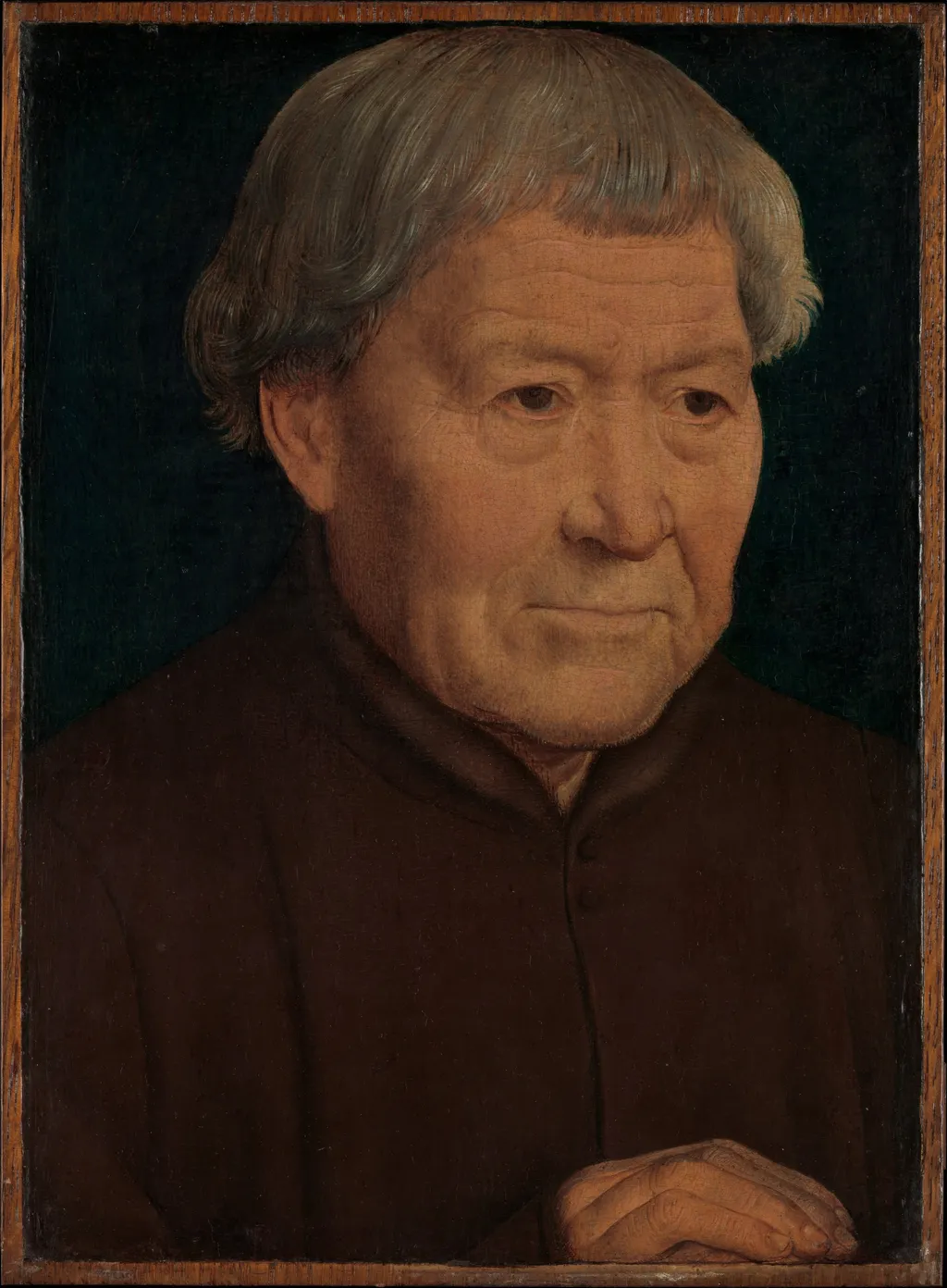
Portrait of an old man is an oil painting by the Northern Renaissance artist Hans Memling. It dates from 1475 and is held in the collection of the Metropolitan Museum of Art.
About this work
Subject & Meaning
Memling’s careful modeling of skin, hair and wrinkles conveys a gentle, peaceful character, embodying the dignity of old age (3).
The subject is an elderly man rendered in a small, almost square panel by Hans Memling, dated to the mid‑1470s (c. 1475–1480) (1,2,3). The figure fills the picture plane, his right hand resting on a shallow tablet that merges with the painted frame, a motif that recurs in Memling’s portraits and suggests contemplation (3). The work belongs to a pair with a similarly sized portrait of an old woman; radiographic study shows the man’s hand was originally exposed before being covered later (3).
Memling’s careful modeling of skin, hair and wrinkles conveys a gentle, peaceful character, embodying the dignity of old age (3).
Technique & Style
The portrait is executed in oil paint on a wood panel, a technique characteristic of Early Netherlandish painting. The panel has been trimmed on all four sides, leaving only a narrow strip of the original painted frame visible, and the work has subsequently been marouflaged (transferred to another support), which precludes dendrochronological examination of its wood. The composition is tightly cropped, with the sitter's face filling nearly the entire picture plane and his hand resting on a ledge that visually merges with the frame, a device Memling also used in other portraits.
Stylistically, the painting demonstrates Memling's refined handling of flesh tones, with meticulous rendering of wrinkles, hair, and the hands, conveying a benevolent and serene character. The small dimensions (approximately 25 × 18 cm) and the trimmed format match those of Memling's Portrait of an Old Woman, suggesting the two panels originally functioned as pendants, a hypothesis supported by X-ray analysis of the female pendant.
History & Provenance
Portrait of an old man by Hans Memling is held by the Metropolitan Museum of Art in New York. Its provenance traces through an English collection until 1895, then to the Cologne collection of Baron Albert von Oppenheim. It was sold to the dealer Kleinberger in 1912 and acquired by New York collector Benjamin Altman in 1913, who bequeathed it to the Metropolitan Museum the same year. The work has been exhibited at the Exposition des primitifs flamands à Bruges.
Context
The Portrait of an old man exemplifies Early Netherlandish portraiture and situates Hans Memling within the flourishing courtly milieu of late 15th‑century Flemish art. Scholars note its near‑total compositional occupancy and the characteristic placement of the sitter’s hand on an implied tablet, a motif also found in other Memling works such as the Lespinette family portrait. Radiographic and dendrochronological evidence has refined the dating debate, suggesting a creation around 1472–1480 and raising questions about whether the pair of portraits originally formed a pendant set.
Critical discourse shifted in the early 20th century from possible attribution to Jan van Eyck toward recognition of Memling’s distinctive rendering of flesh, hair, and delicate skin tones, a view reinforced by exhibitions like the Exposition des primitifs flamands à Bruges and inclusion in major collections such as the Metropolitan Museum of Art.
Overview
Painted in 1475 on wood panel, Hans Memling's Portrait of an Old Man exemplifies the refined naturalism of the Early Netherlandish school. The composition presents a half-length view of an elderly sitter with short gray hair and a beard, dressed in a dark, unadorned robe. He rests his hands upon a stone ledge, a common device in Memling's portraiture that creates a sense of physical presence and separation from the viewer.
The figure's gaze is direct and steady, conveying a demeanor of quiet dignity and introspection rather than overt emotion. Set against a flat, dark background, the work eliminates contextual distractions, focusing entirely on the psychological depth and individual character of the subject. Memling, active in Bruges during the late 15th century, was renowned for his ability to render textures and facial features with meticulous detail, a skill evident in the subtle modeling of the man's skin and the soft rendering of his hair.
This work reflects the artist's mature style, characterized by a harmonious balance between realistic observation and idealized serenity. It stands as a significant example of secular portraiture from the period, illustrating the shift toward depicting individual identity with a high degree of fidelity.
Own this work as a print
Artist & collection
Artist
Hans Memling was a German-Flemish painter who worked in the tradition of Early Netherlandish painting.

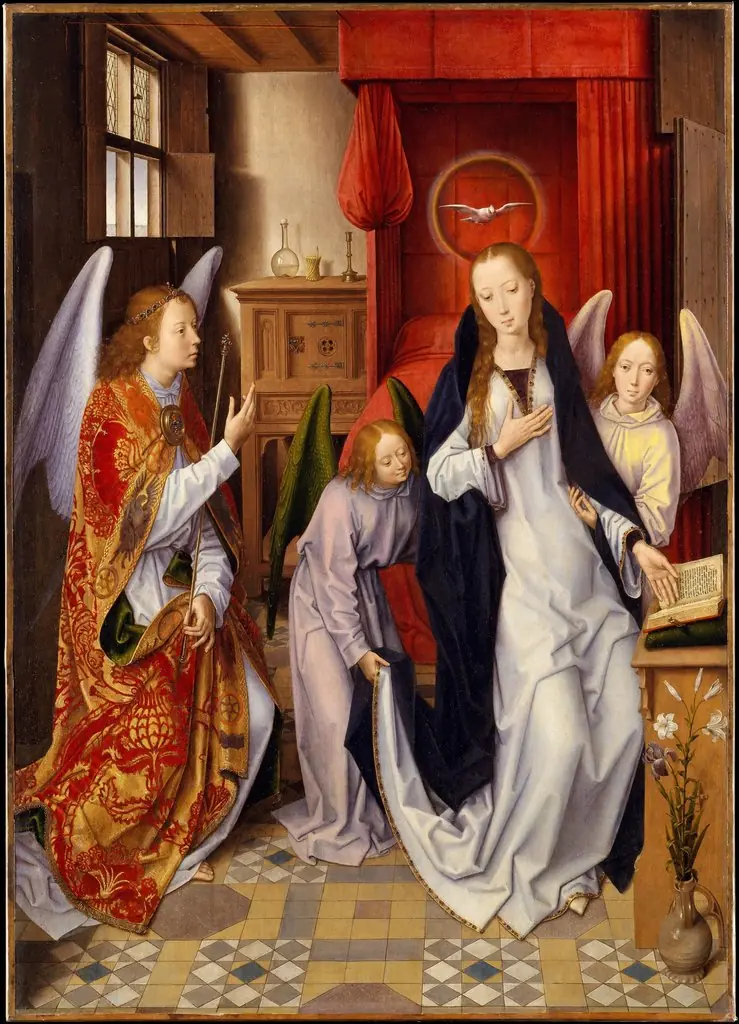
![Saint Veronica [obverse], by Hans Memling](https://artifactworldgallery.com/img/hans-memling--saint-veronica-obverse--5a649fd8b09c96b9-w320.webp)
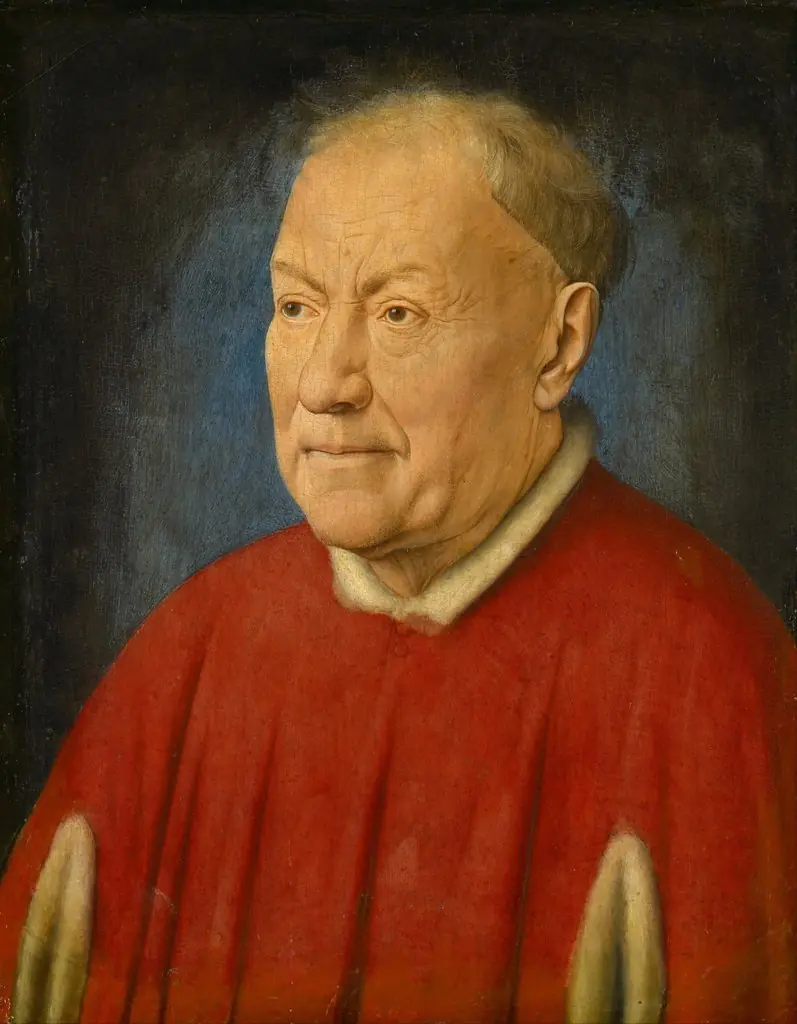 Portrait of Cardinal Niccolò Albergati
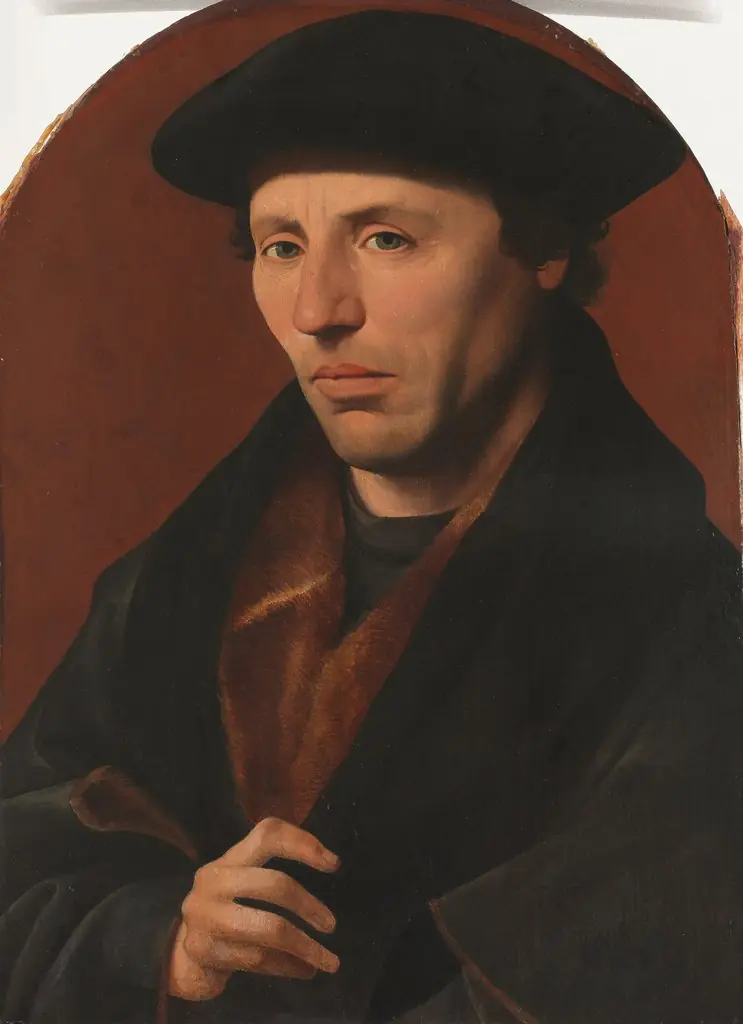 Portrait of a Haarlem Citizen
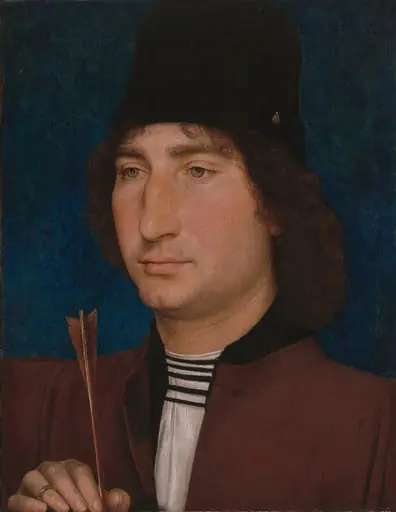
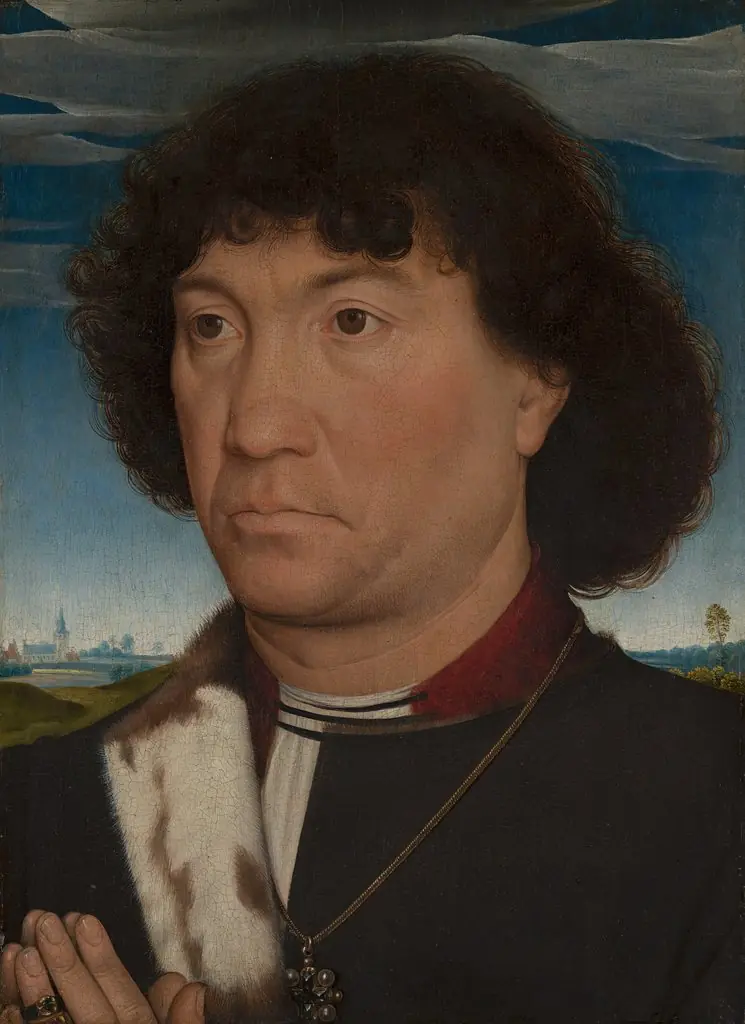 Portrait of a man of the family Lespinette
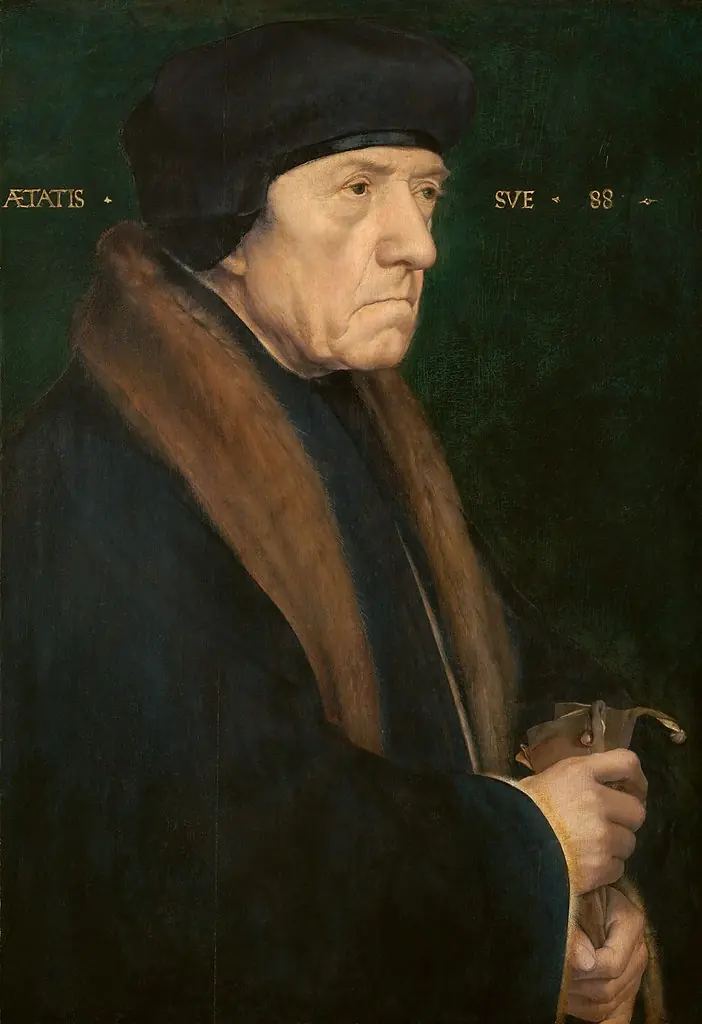 Portrait of John Chambers
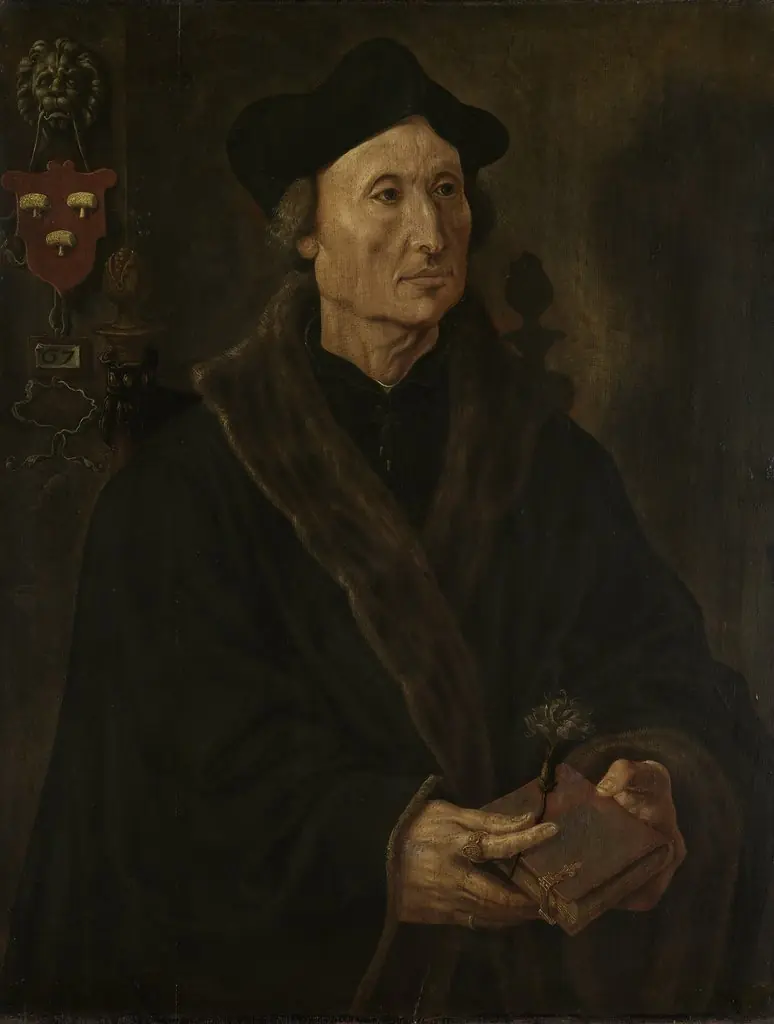 Portrait of Johannes Colmannus (1471-1538)
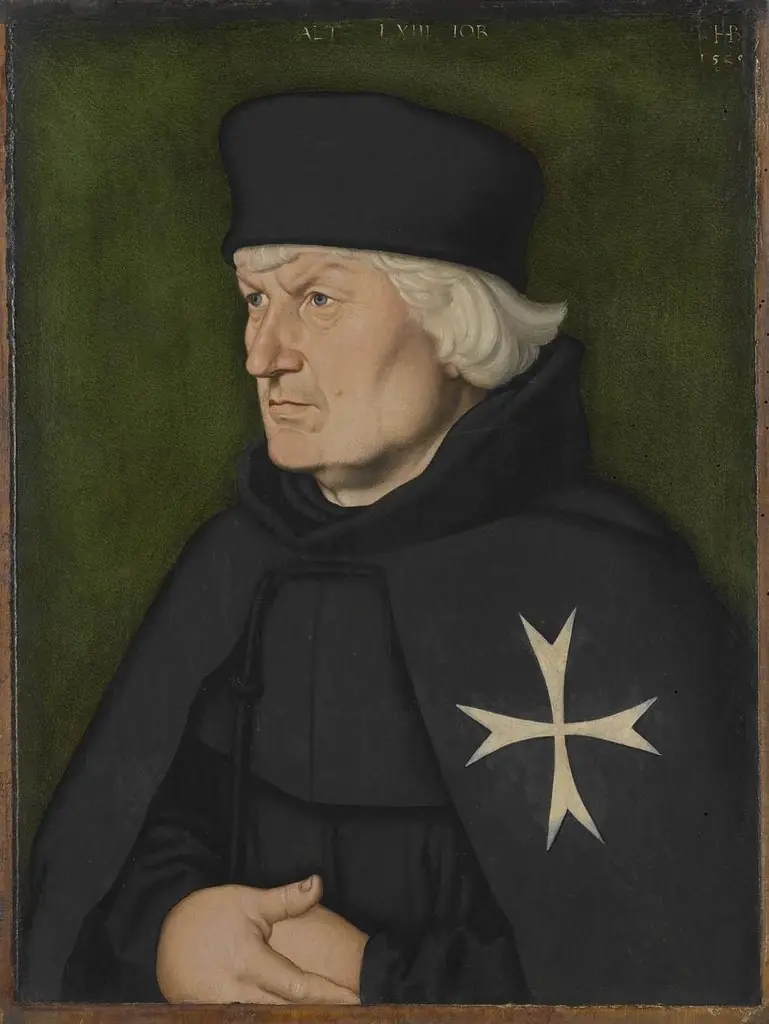 Bildnis des Straßburger Johanniterkomturs Balthasar Gerhardi
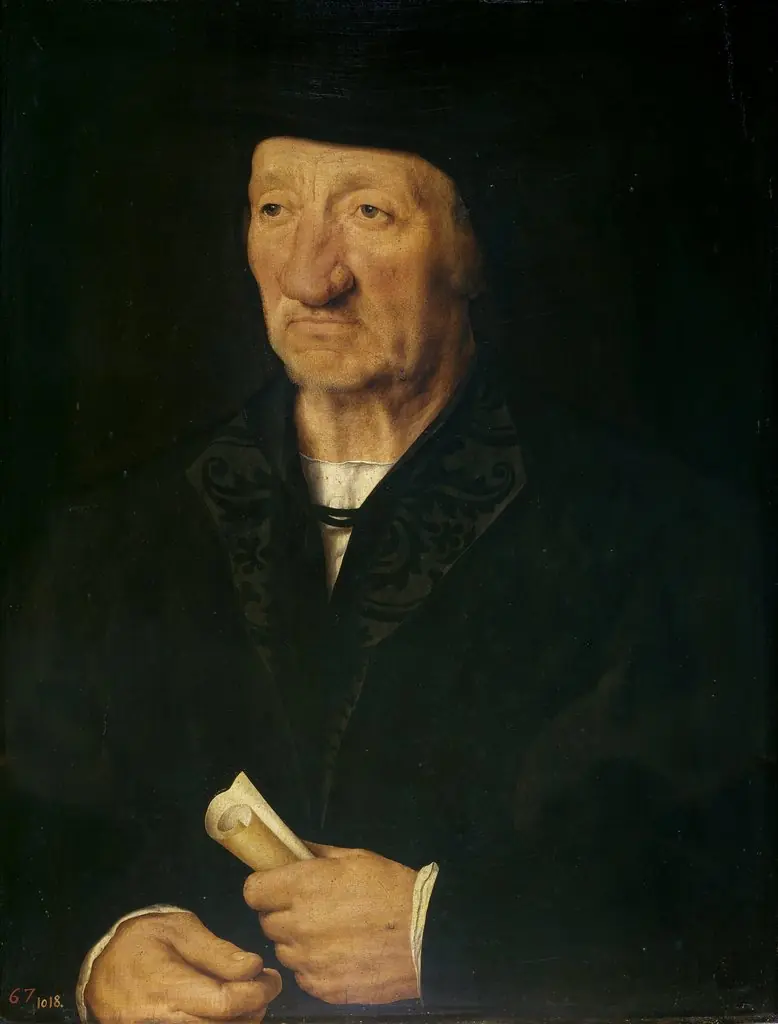
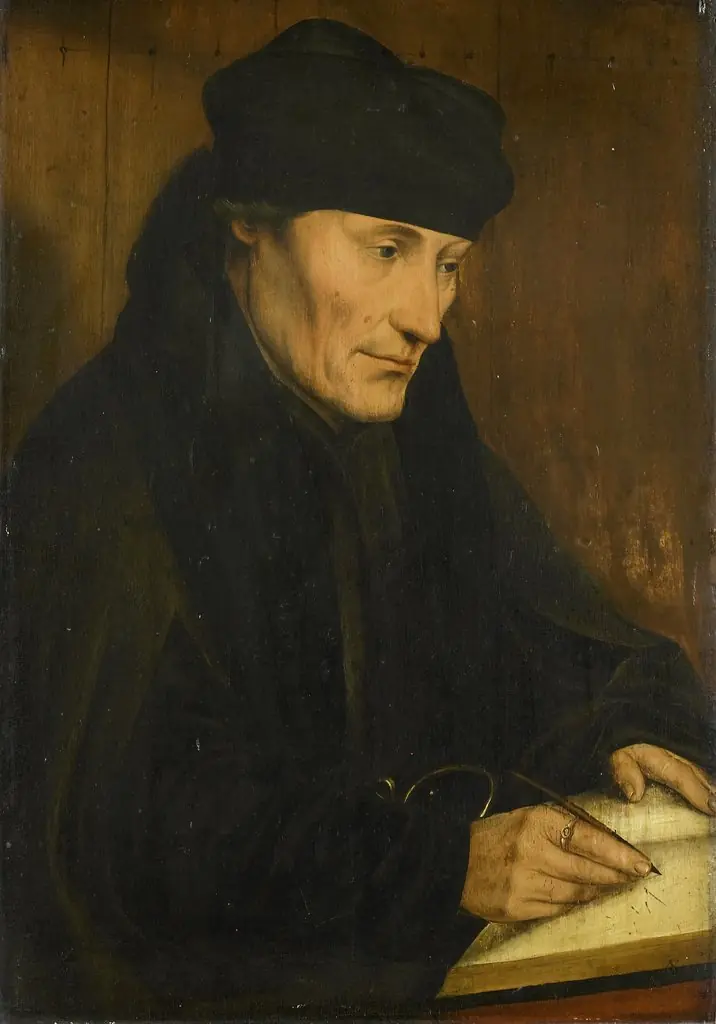 Portrait of Desiderius Erasmus (1469?-1536)
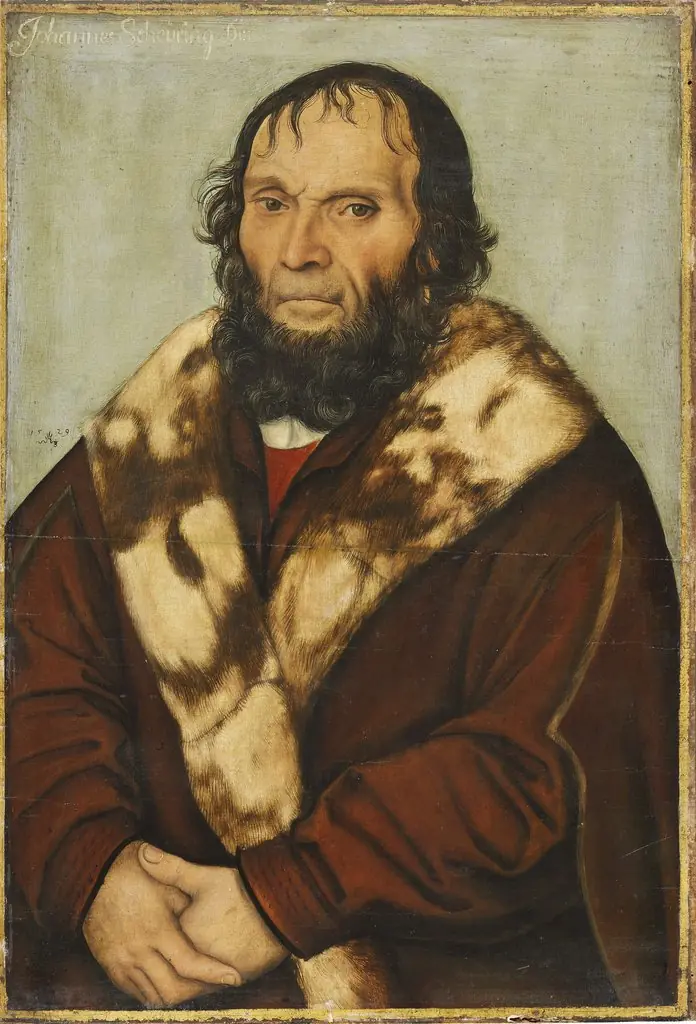 Posthumous Portrait of Dr. J. Scheyring
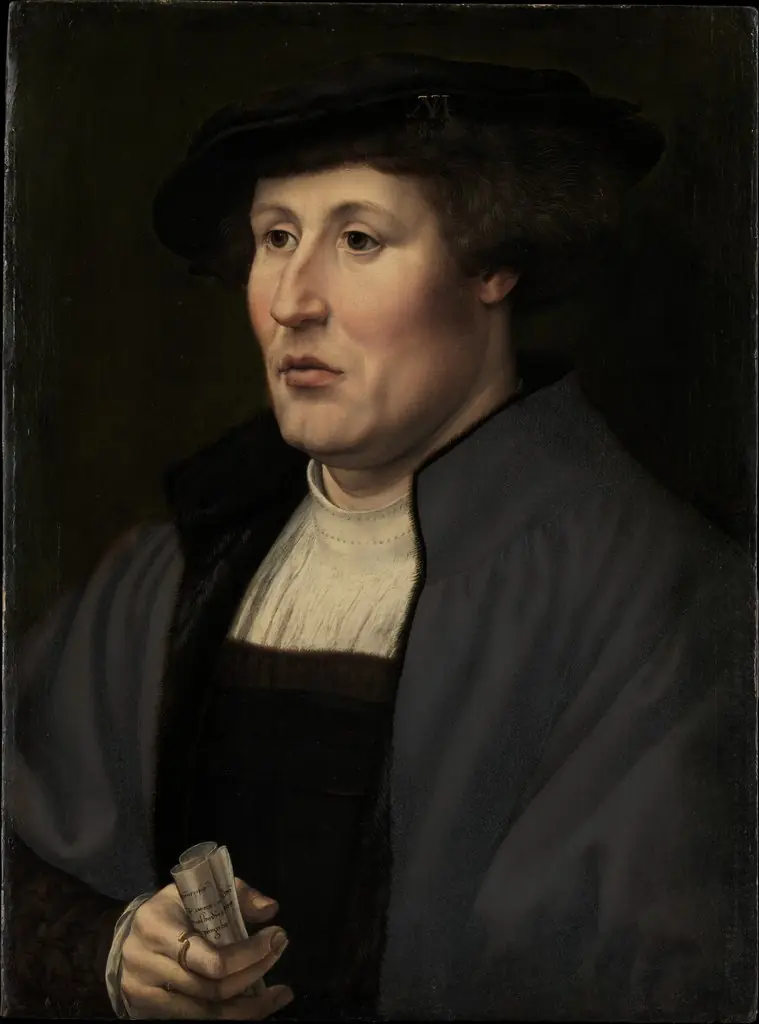 Portrait of a Man
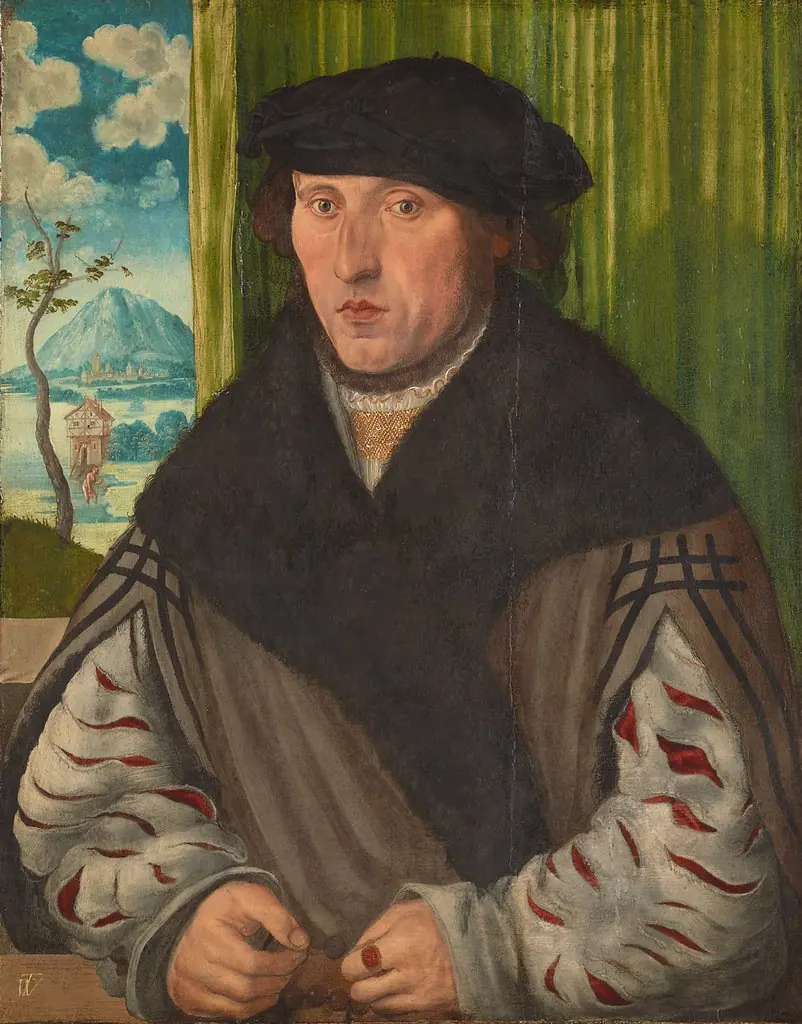 Männliches Bildnis
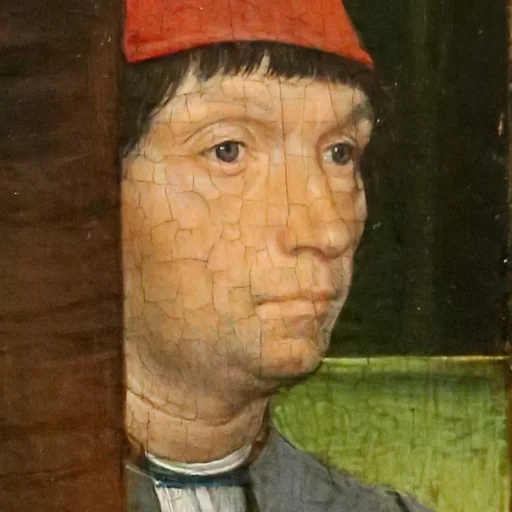
 A man in a red hat
- Portrait of an Old Man