Artwork
Portrait of Tommaso di Folco Portinari
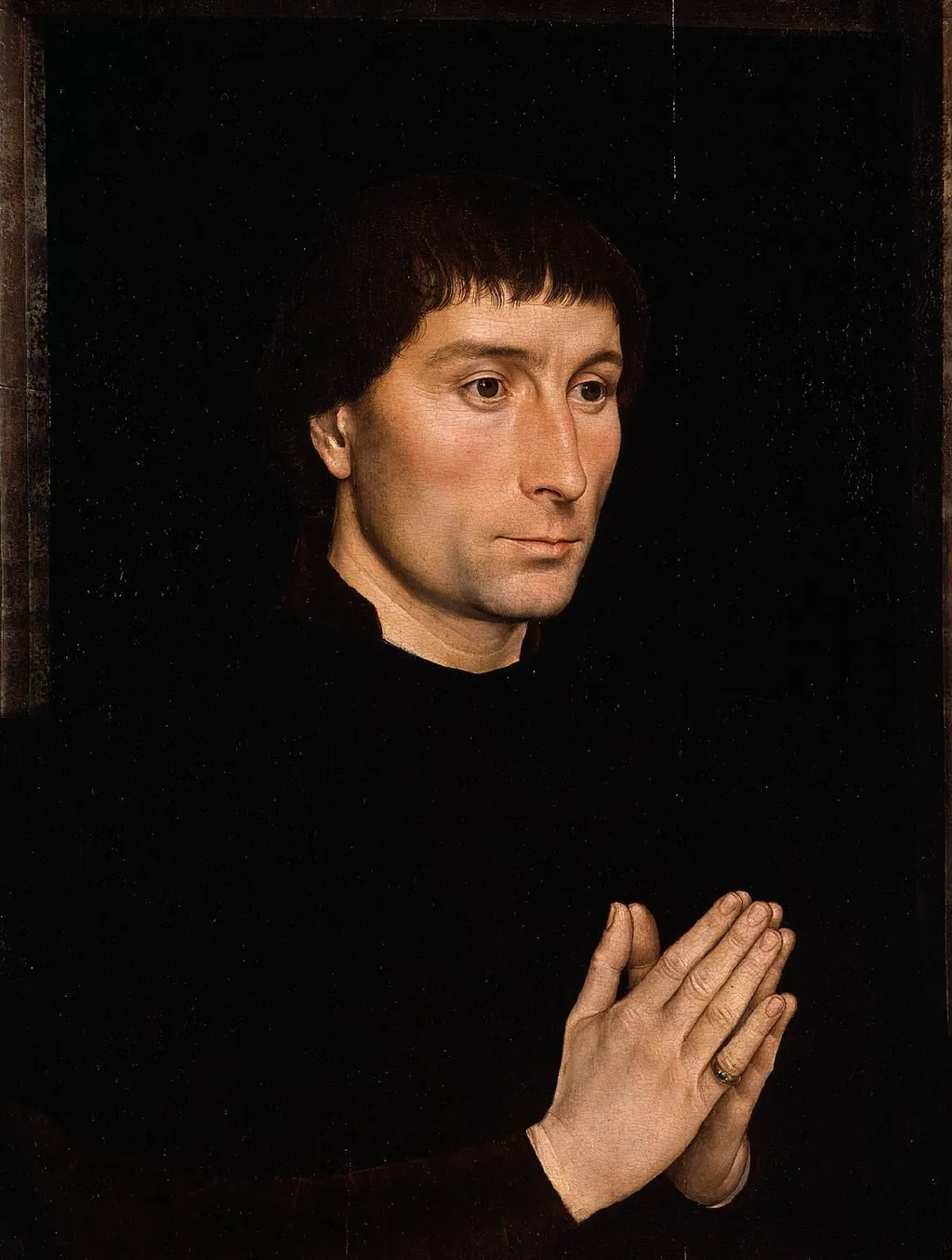
Portrait of Tommaso di Folco Portinari is an oil painting by the Northern Renaissance artist Hans Memling. It dates from 1470 and is held in the collection of the Metropolitan Museum of Art.
About this work
This is a portrait of Tommaso di Folco Portinari. It's a work by Hans Memling, an artist from the 15th century.
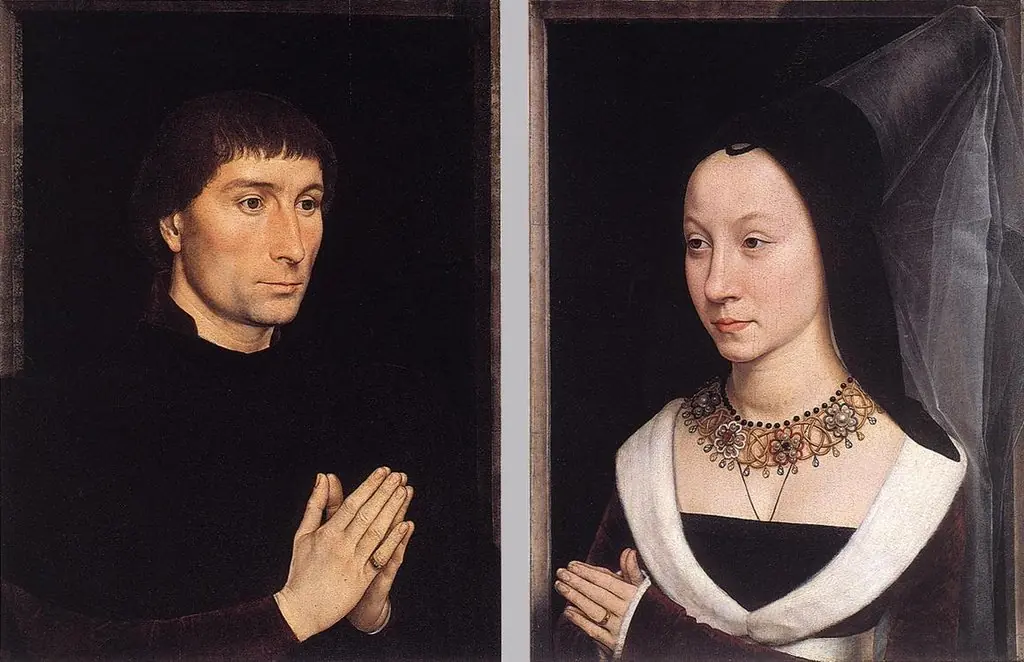
The painting was created around 1470. It was originally part of a triptych, which included another portrait and a central panel that has since been lost.
You can learn more about the artist who created this portrait, Hans Memling.
Subject & Meaning
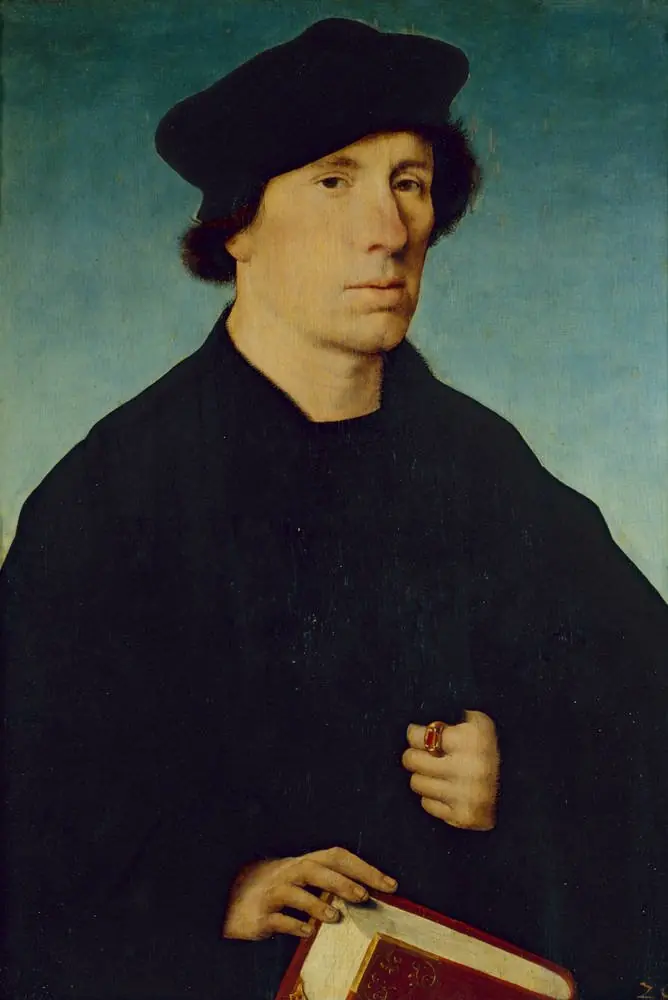
He is shown three‑quarter length, turned to the right, against a dark background, wearing a black cape over a dark robe typical of the upper middle class (3,4).
The portrait depicts Tommaso di Folco Portinari, a Florentine banker who managed the Medici branch in Bruges and was a patron of Memling (2,3,4). He is shown three‑quarter length, turned to the right, against a dark background, wearing a black cape over a dark robe typical of the upper middle class (3,4). His hands are clasped as if praying, resting on a parapet, a pose that conveys personal piety (3,4); a ring is visible on his hand (4).
The panel originally formed a wing of a triptych whose lost central panel showed the Madonna and Child, indicating the work’s devotional function alongside his wife’s portrait (3,4).
Technique & Style
The Portrait of Tommaso di Portinari is executed in oil on a wooden panel, measuring approximately 44 × 33 cm. It belongs to the Early Netherlandish tradition and was produced around 1470. The half‑length figure is rendered in three‑quarter view, turned to the right, against a dark background; he wears a black mantle with the collar and sleeves of a dark robe typical of the urban bourgeoisie. His hands are clasped in prayer, elbows resting on a low parapet, and underdrawing shows Memling altered their position.
The work originally formed the side wings of a now‑lost triptych, the central panel depicting a Madonna and Child. The surface retains its original paint layer, with only minor changes documented during preparation.
History & Provenance
Hans Memling created the Portrait of Tommaso Portinari around 1470 as one wing of a dismantled triptych, likely commissioned to celebrate Portinari's marriage to Maria. The central panel, depicting the Madonna and Child, is now lost. The work remained with the Portinari family in Florence after they returned from Bruges in 1497.
In 1544, Tommaso's son Francesco bequeathed the triptych to the Hospital of Santa Maria Nuova, where it stayed until the Napoleonic era. Following its dispersal, the panels were sold in 1870 for 6,000 francs with a misattribution to Dieric Bouts. The work subsequently passed through the collections of Elia Volpi in Rome, Thomas Agnew & Sons in London, and Léopold Goldschmidt in Paris.
In 1910, F. Kleinberger Galleries sold the pair to Benjamin Altman for $426,500, who bequeathed them to the Metropolitan Museum of Art upon his death in 1913.
The Portrait of Tommaso di Folco Portinari is housed in the Metropolitan Museum of Art in New York. It entered the museum in 1913 as a bequest from Benjamin Altman, who purchased the work in 1910 from F. Kleinberger Galleries. The painting was previously owned by Léopold Goldschmidt and before that by the Demidoff collection, and it had been sold in 1870 with an attribution to Dieric Bouts for 6,000 francs. Its exhibition history includes a showing at the Exposition des primitifs flamands in Bruges in 1902.
Context
Created circa 1470, this portrait exemplifies Early Netherlandish painting and originally functioned as the right wing of a triptych commissioned to celebrate Tommaso Portinari's marriage. The work situates Hans Memling within the sphere of Florentine patrons in Bruges, specifically the Medici bank network, where Portinari also commissioned Hugo van der Goes. Art historically, the piece illustrates the devotional practice of private worship through portraiture, with the subject depicted in prayer alongside a lost central Madonna.
Scholarship has clarified the work's trajectory from a Florentine hospital collection to its 1902 inclusion in the seminal 'Exposition des primitifs flamands' in Bruges, a key moment in re-evaluating Netherlandish art. Although briefly misattributed to Dieric Bouts during an 1870 sale, subsequent research confirmed Memling's authorship, cementing the panel's status within the artist's mature oeuvre.
Overview
This painting by Hans Memling depicts Tommaso di Folco Portinari, a prominent figure of his time. Executed around 1470, the work is rendered in oil on an oak panel, measuring 44.1 by 33.7 centimetres. It is currently housed in the Metropolitan Museum of Art in New York City, serving as a significant example of 15th-century Northern European portraiture.
Artist & collection
Artist
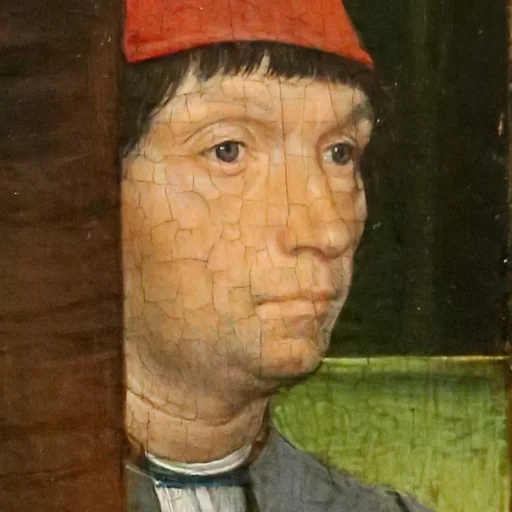
Hans Memling was a German-Flemish painter who worked in the tradition of Early Netherlandish painting.

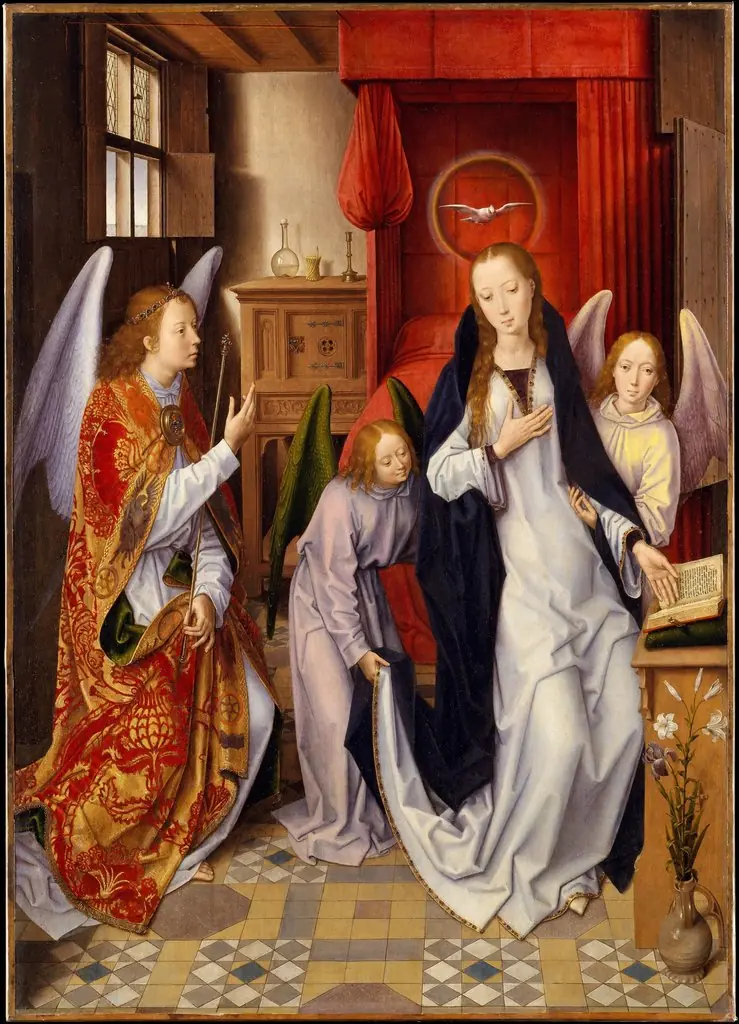
![Saint Veronica [obverse], by Hans Memling](https://artifactworldgallery.com/img/hans-memling--saint-veronica-obverse--5a649fd8b09c96b9-w320.webp)
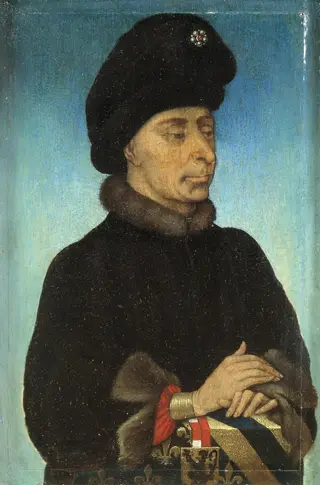 John the Fearless, Duke of Burgundy
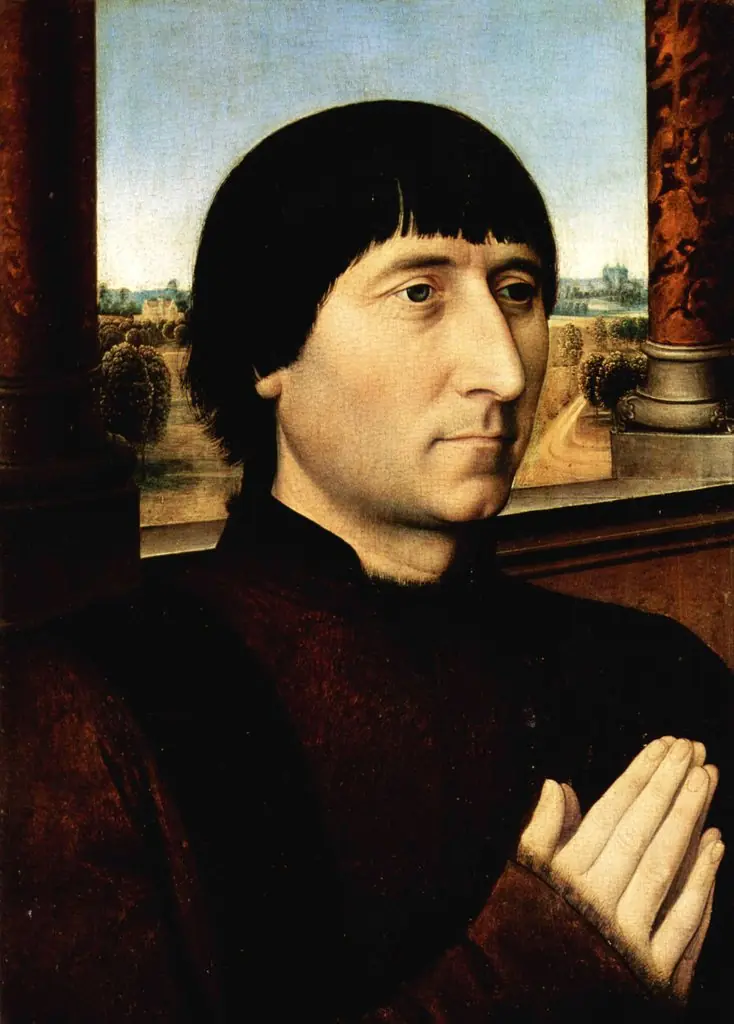 Portrait of Willem Moreel, husband of Barbara van Vlaendenbergh
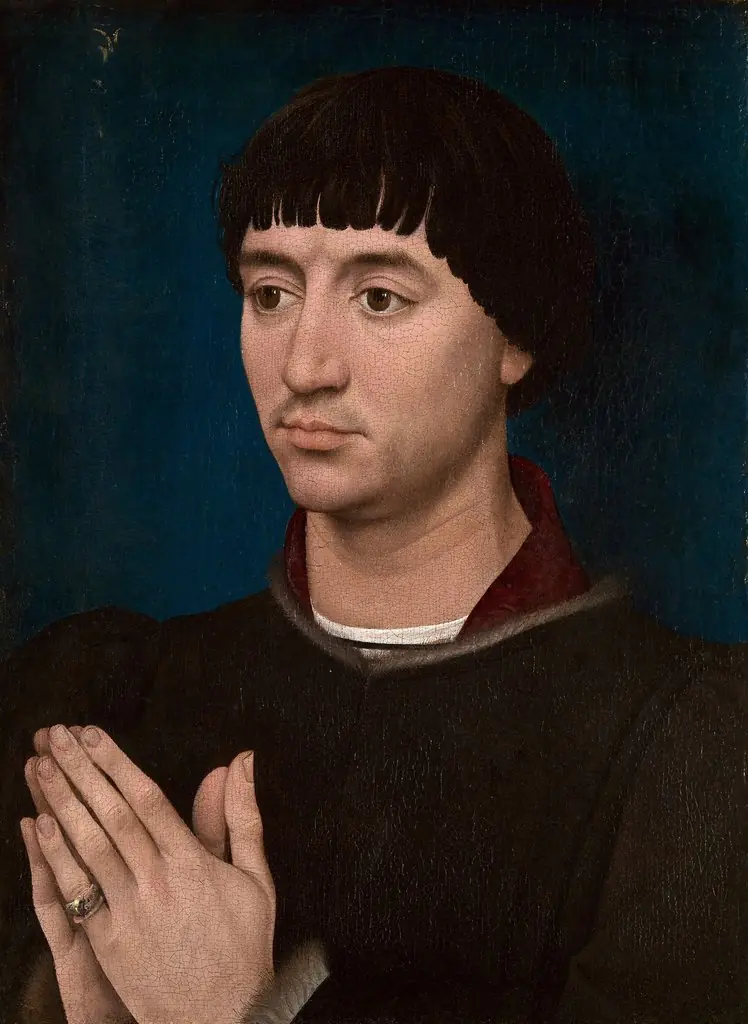 Portrait of Jean Gros
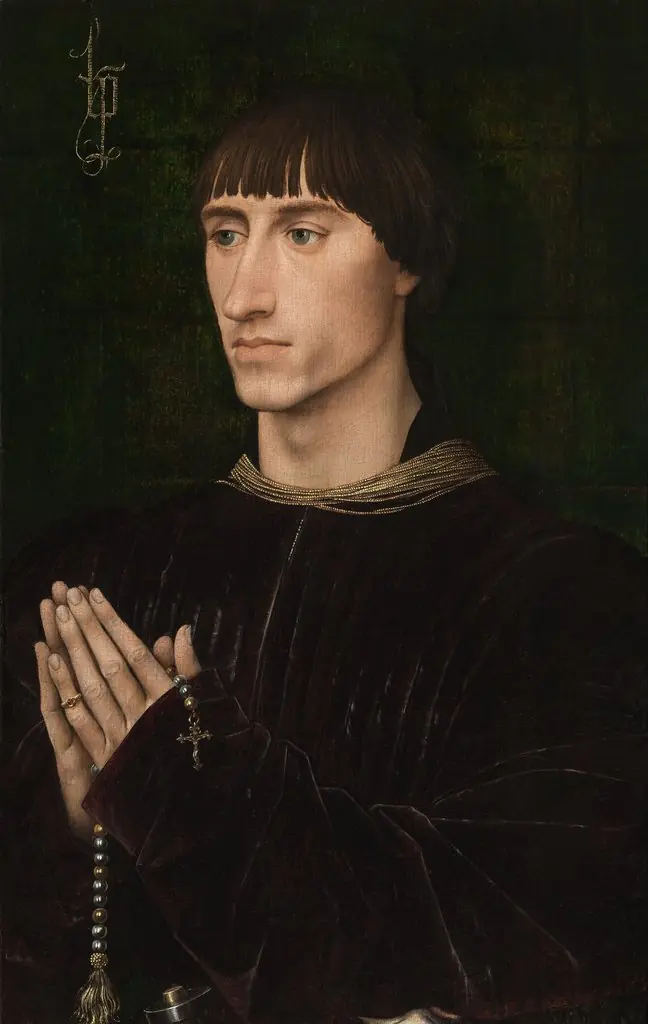 Portrait of Philippe de Croy
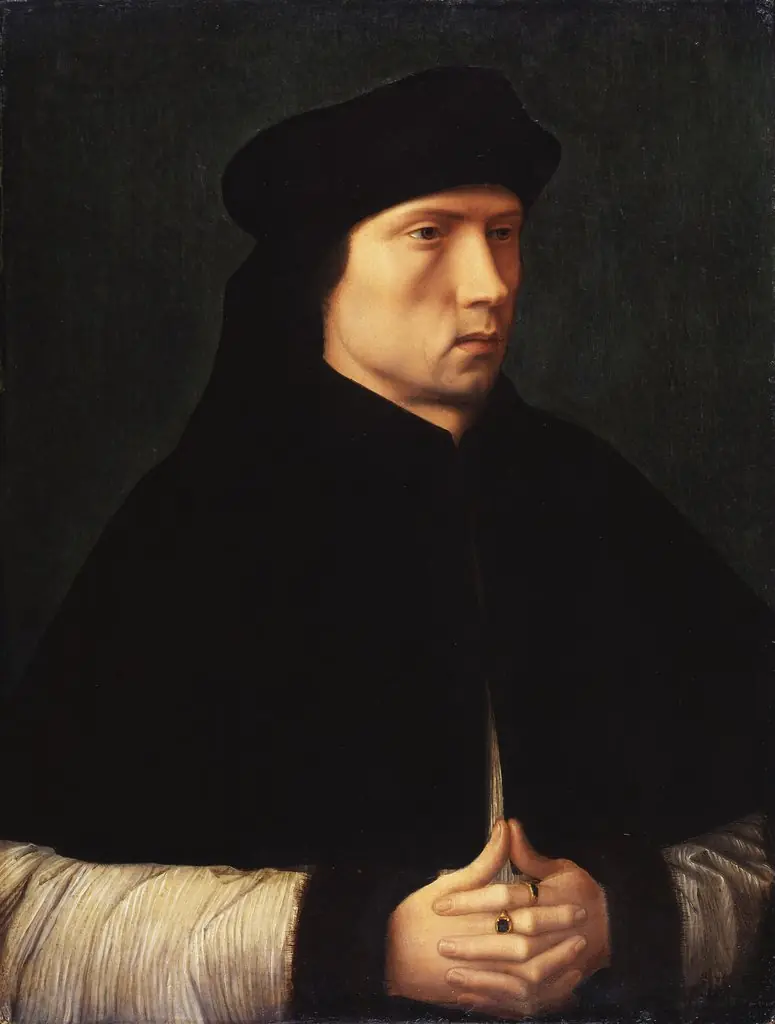 Portrait of a Theologian
 Portrait of Jean Gros (recto); Coat of Arms of Jean Gros (verso)
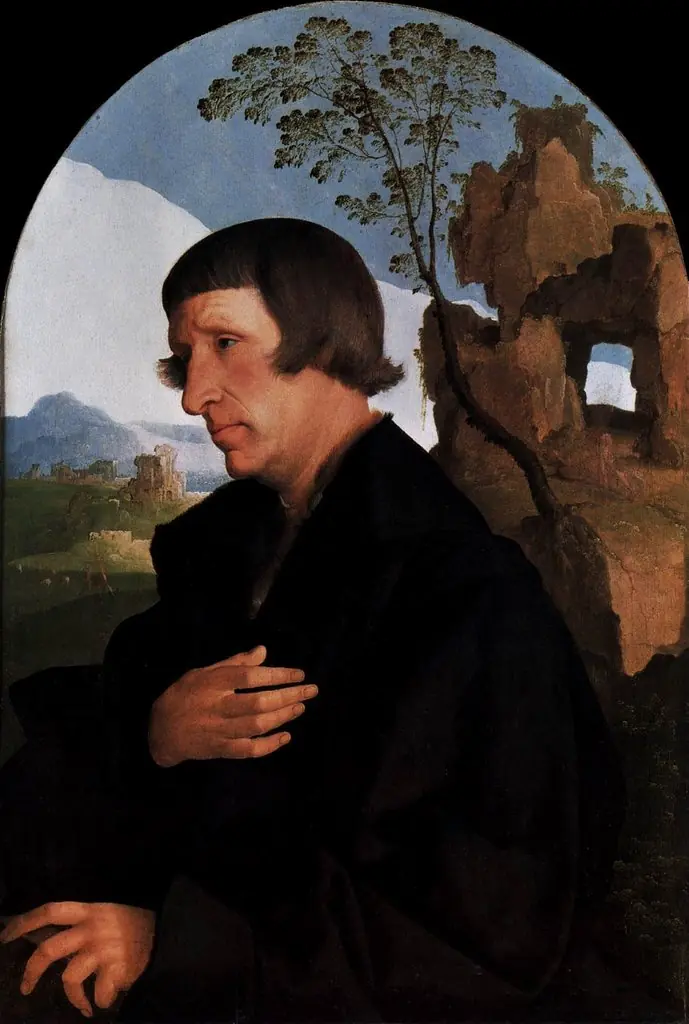 Portrait of a Man
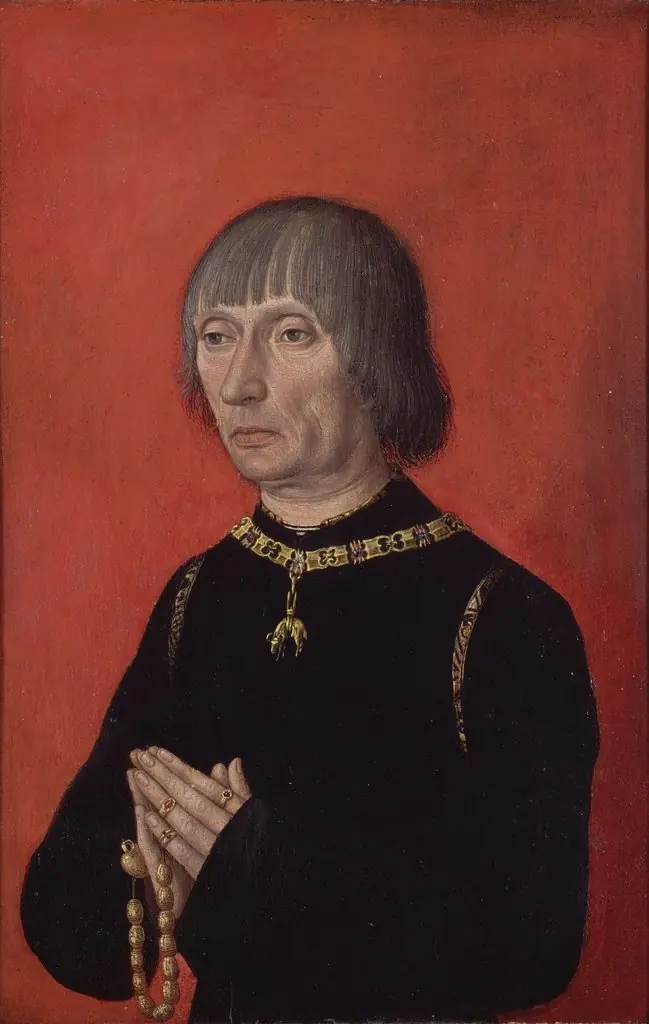 Portrait of Lodewijk van Gruuthuse
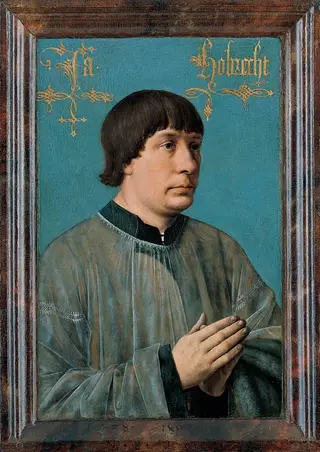 Portrait of Jacob Obrecht
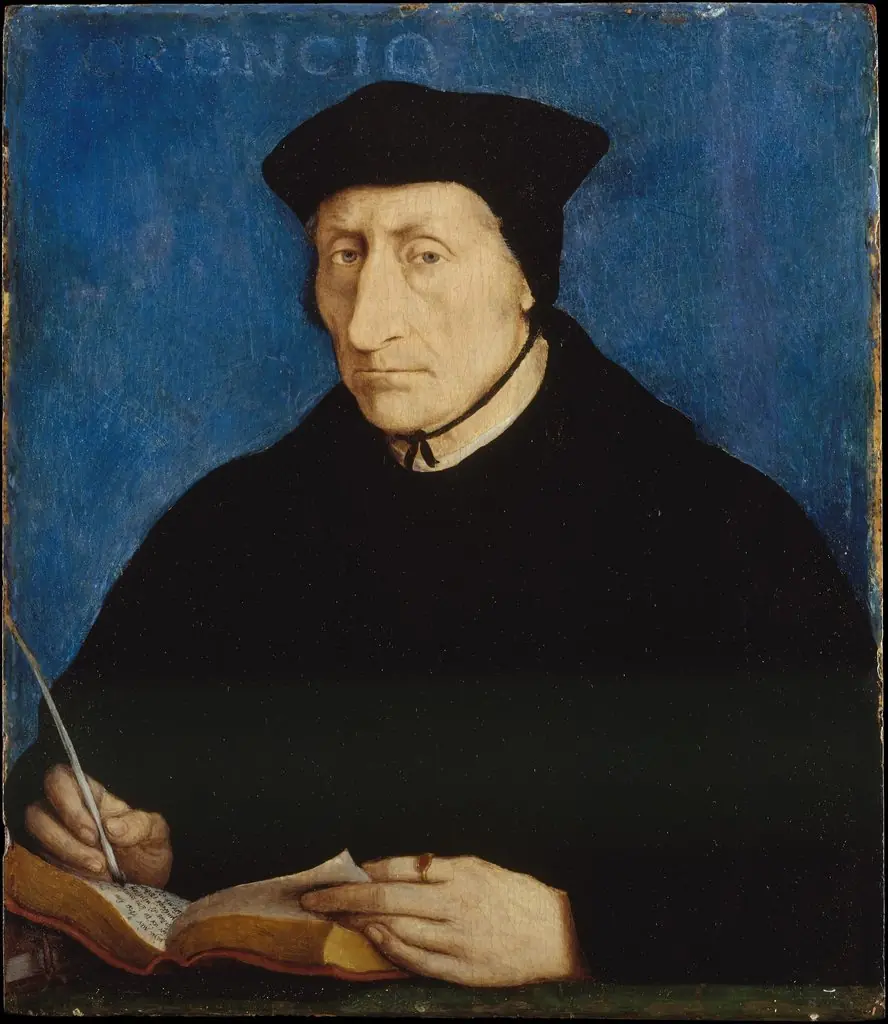 Guillaume Budé (1467–1540)
 Portrait of a Beardless Man
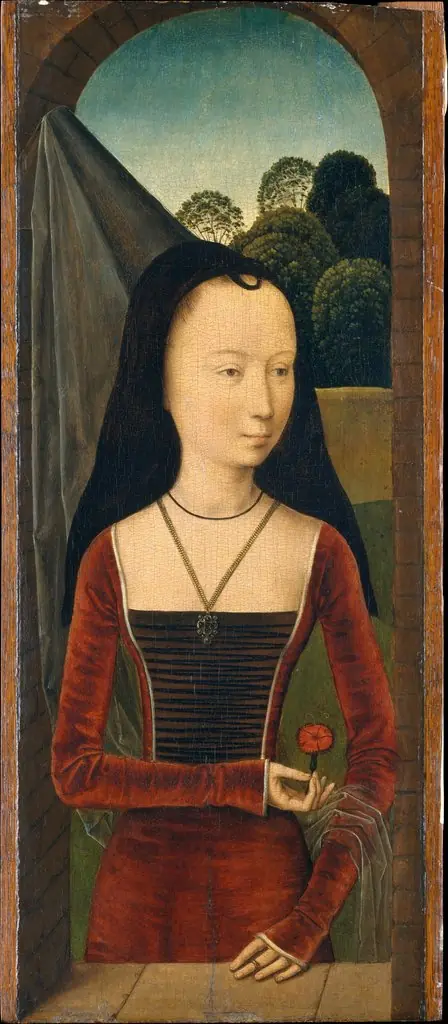
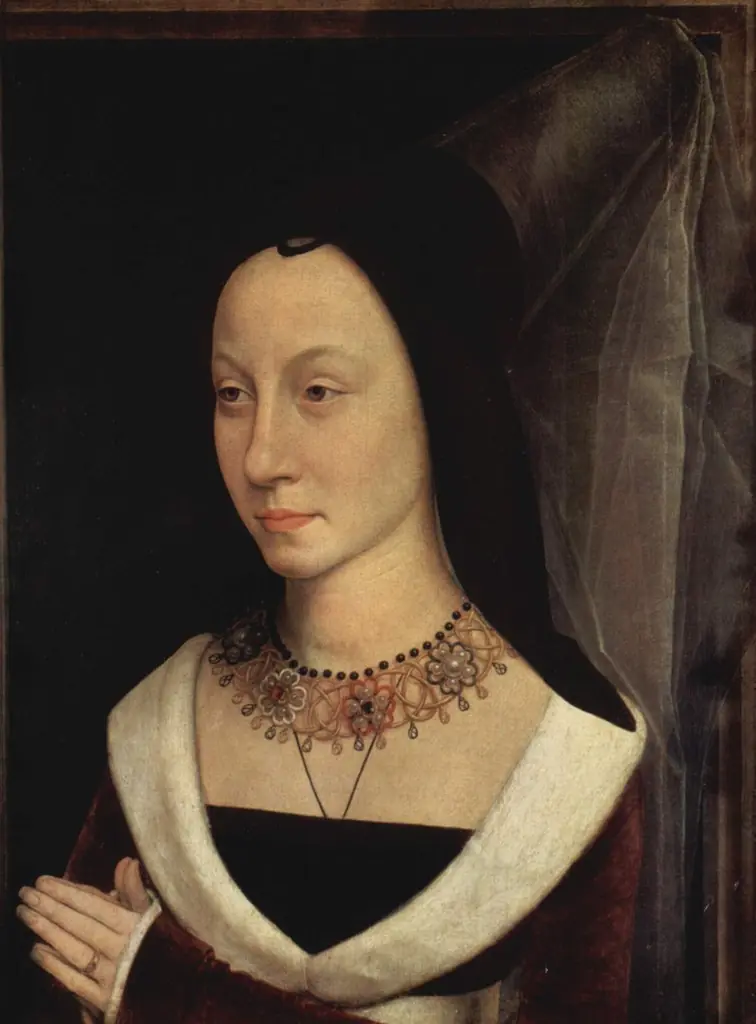
- Tommaso di Folco Portinari (1428–1501); Maria Portinari (Maria Maddalena Baroncelli, born 1456)