Artwork
Portrait of Philippe de Croy
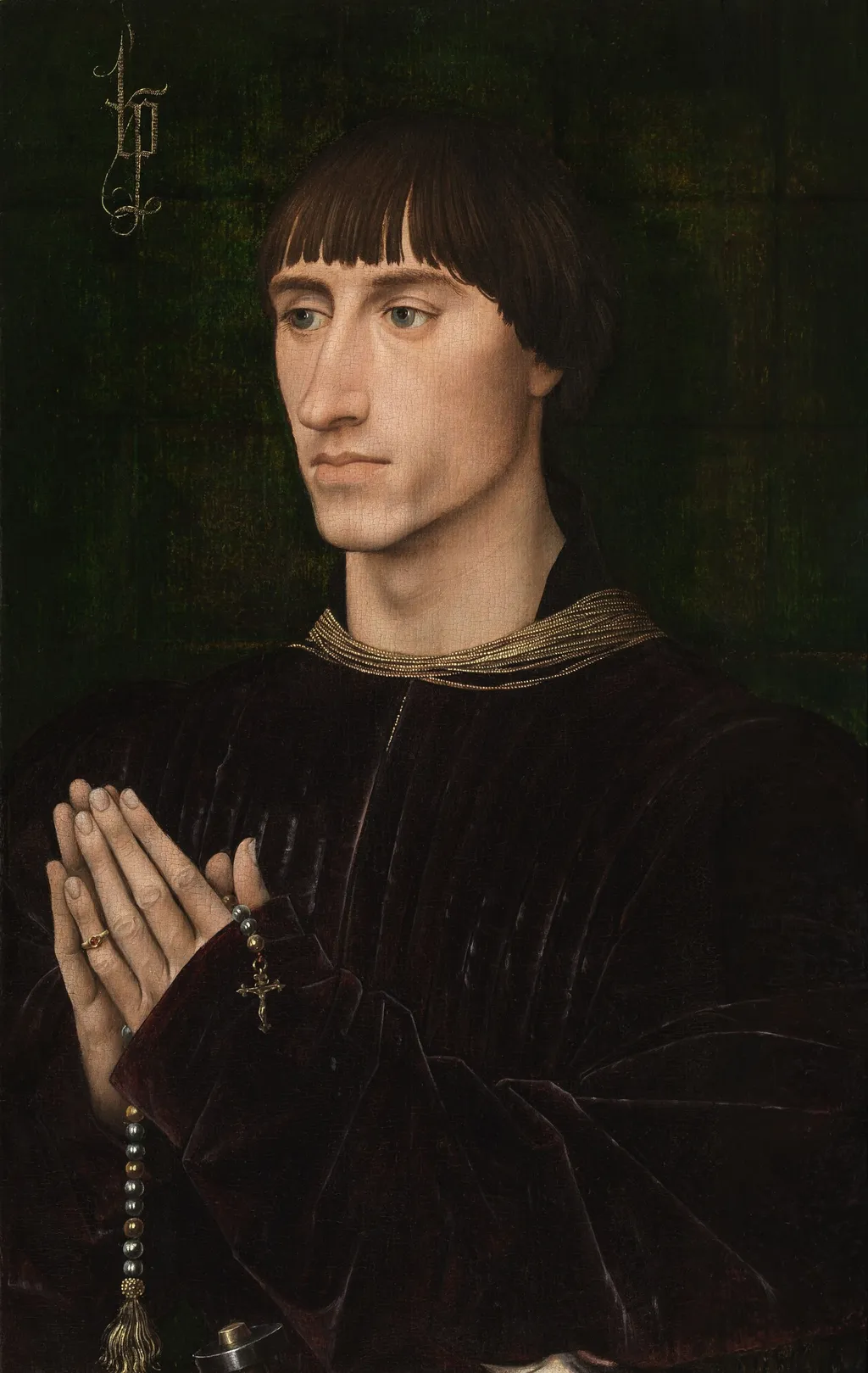
Portrait of Philippe de Croy is an oil painting by the Northern Renaissance artist Rogier van der Weyden. It dates from 1460 and is held in the collection of the Royal Museum of Fine Arts Antwerp.
About this work
Subject & Meaning
The Portrait of Philippe de Croy depicts the young nobleman as an idealized courtier, likely commissioned around 1460 when he served as chamberlain to Duke Philip the Good of Burgundy. Van der Weyden emphasizes refined elegance through elongated facial features and meticulously rendered hands, conventions in his noble portraiture that often softened unflattering natural traits such as de Croy’s pronounced nose and jaw.
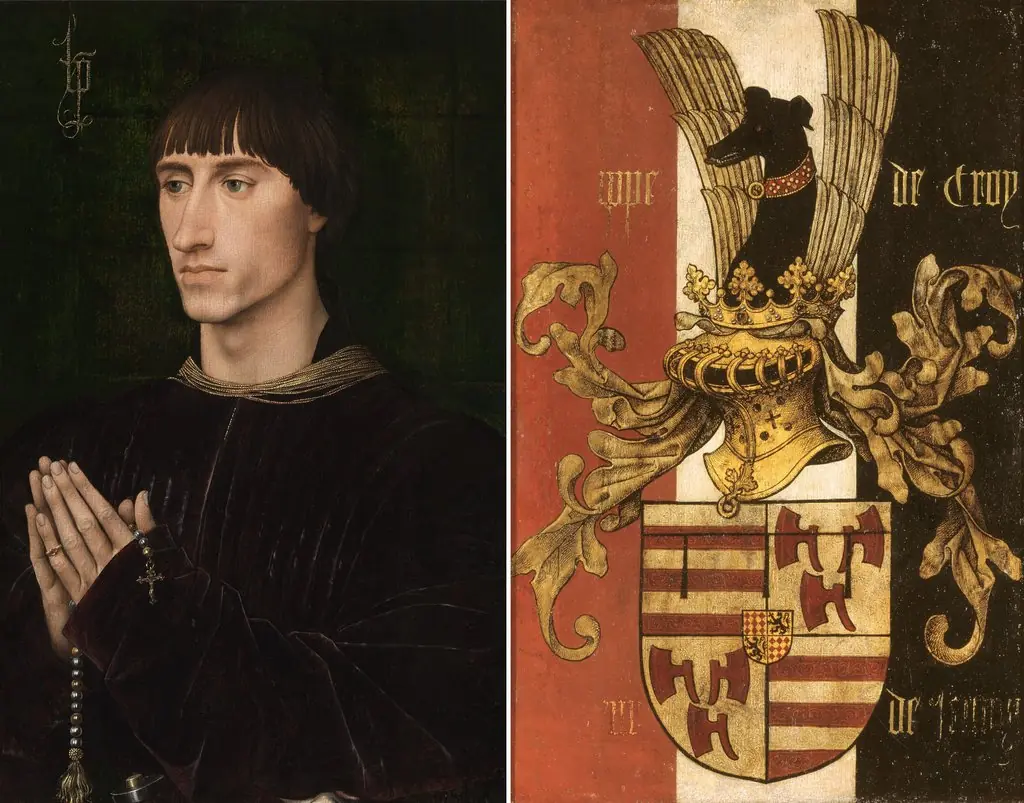
The reverse of the panel bears his heraldic arms and the inscription naming him as Philippe de Croy, alongside his title held between 1454 and 1461, reinforcing his identity and status. The portrait is plausibly one wing of a dispersed diptych, paired with a Virgin and Child now at the Huntington Library, aligning with contemporary inventories that describe matching works.
Technique & Style
Created around 1460, the work belongs to the Early Netherlandish painting movement and functions as the right wing of a dispersed diptych.
Executed in oil paint on a wooden panel, the portrait measures 49 cm in height and 30 cm in width. Created around 1460, the work belongs to the Early Netherlandish painting movement and functions as the right wing of a dispersed diptych. The reverse of the panel bears the sitter's coat of arms and his title held between 1454 and 1461.
Stylistically, Rogier van der Weyden employs idealization to flatter the patron, deliberately reducing the visual prominence of Philippe de Croy's historically noted long nose and prognathic jaw. Instead of strict realism, the artist presents a refined and pious figure, consistent with his tendency to elongate facial features and render fingers with meticulous detail in noble portraits. This approach transforms the subject's actual physical traits into a more aesthetically pleasing and dignified image.
History & Provenance
The Portrait of Philippe de Croy was commissioned by Philippe I de Croÿ, who served as chamberlain to Philip the Good, Duke of Burgundy. Created around 1460 by Rogier van der Weyden, the work depicts the sitter at approximately twenty-five years of age. The painting was executed on a panel after van der Weyden's appointment as the official city painter of Brussels in 1436.
It likely formed the right wing of a diptych, with the left wing potentially being a Virgin and Child currently held at the Huntington Library, though this connection relies on a contemporary inventory rather than physical evidence. The reverse of the panel bears the sitter's coat of arms and his title held between 1454 and 1461.
The portrait is held in the collection of the Royal Museum of Fine Arts Antwerp, which is part of the Flemish Art Collection. The work constitutes the right wing of a diptych depicting Philip I de Croÿ.
While the panel's reverse displays the subject's coat of arms and records his title held between 1454 and 1461, specific inventory or accession numbers are not provided in the available records. The text notes that the companion left wing, potentially a Virgin and Child, is located at the Huntington Library in San Marino, California, though the two panels are currently dispersed.
Context
The Portrait of Philippe de Croy received contemporary acclaim as a refined portrayal of Philip I de Croÿ, emphasizing aristocratic elegance over physical realism, a hallmark of Rogier van der Weyden's courtly style. Art historians note the work's role in documenting Early Netherlandish portraiture and its significance within van der Weyden's broader oeuvre, particularly his use of detailed facial features and symbolic elements such as the subject's coat of arms. The painting's creation coincides with van der Weyden's appointment as official painter of Brussels in 1436, reflecting the growing demand for portraiture among Burgundian nobility.
Scholarship emphasizes its connection to the dispersed diptych tradition, with the left panel potentially linked to the Virgin and Child in the Huntington Library collection, though this attribution remains unproven. The work is housed in the Royal Museum of Fine Arts Antwerp and is recognized as a key example of 15th-century Northern European portraiture.
Overview
Created around 1460 by Rogier van der Weyden, a prominent early Netherlandish painter, Portrait of Philippe de Croy is an oil painting on panel featuring Philip I de Croÿ, a member of the noble Croÿ family. The work is now part of the Royal Museum of Fine Arts Antwerp’s collection.
Legacy
Portrait of Philippe de Croy contributes to Van der Weyden’s reputation as a leading figure in early Netherlandish painting, influencing subsequent generations in portraiture techniques and the use of chiaroscuro for emotional depth. It remains a significant example of 15th-century noble portraiture.
Own this work as a print
Artist & collection
Artist
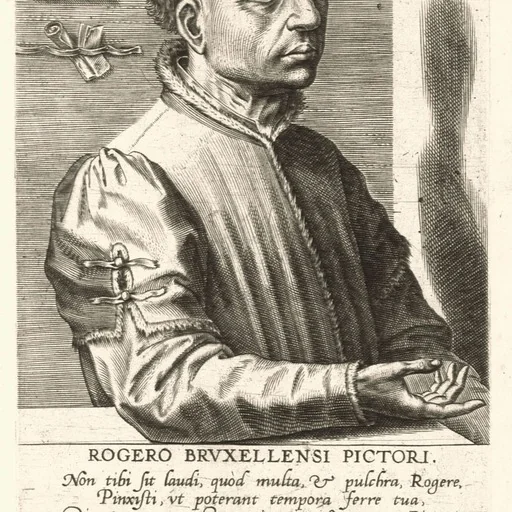
Rogier van der Weyden (Dutch:; 1399 or 1400 – 18 June 1464), initially known as Roger de la Pasture (French: ), was an early Netherlandish painter whose surviving works consist mainly of religious triptychs,…

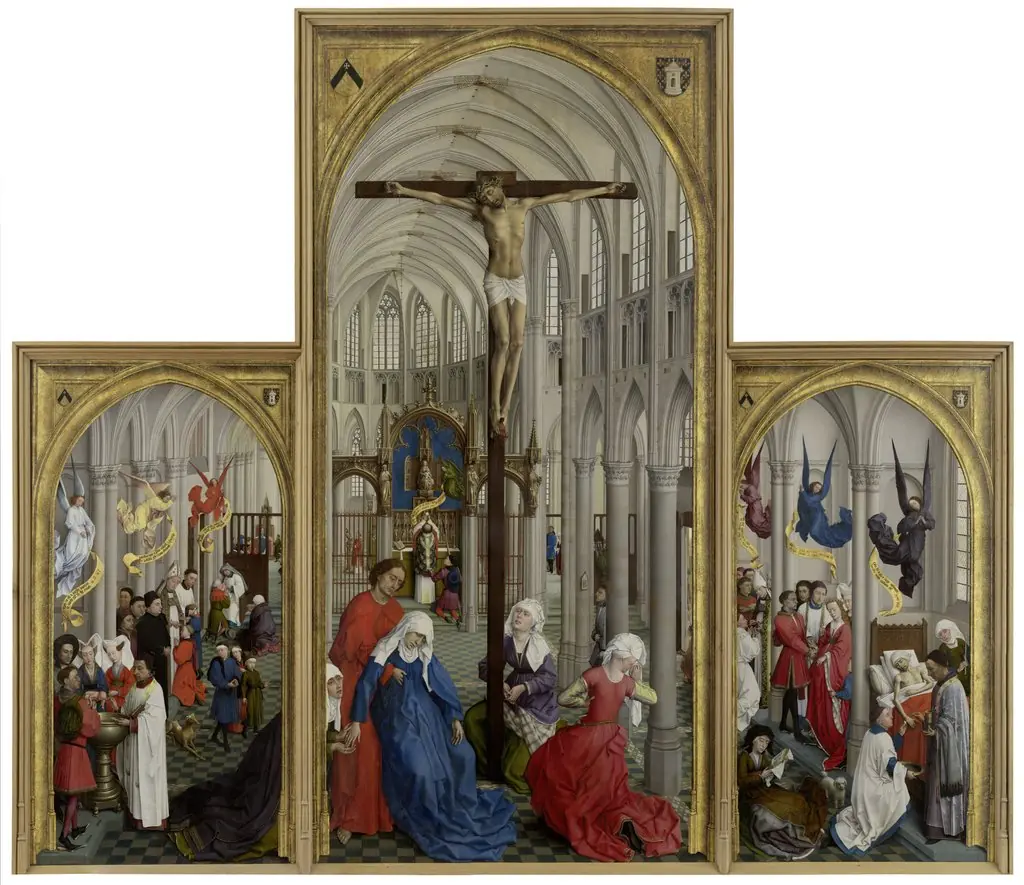
 Portrait of Jean Gros (recto); Coat of Arms of Jean Gros (verso)
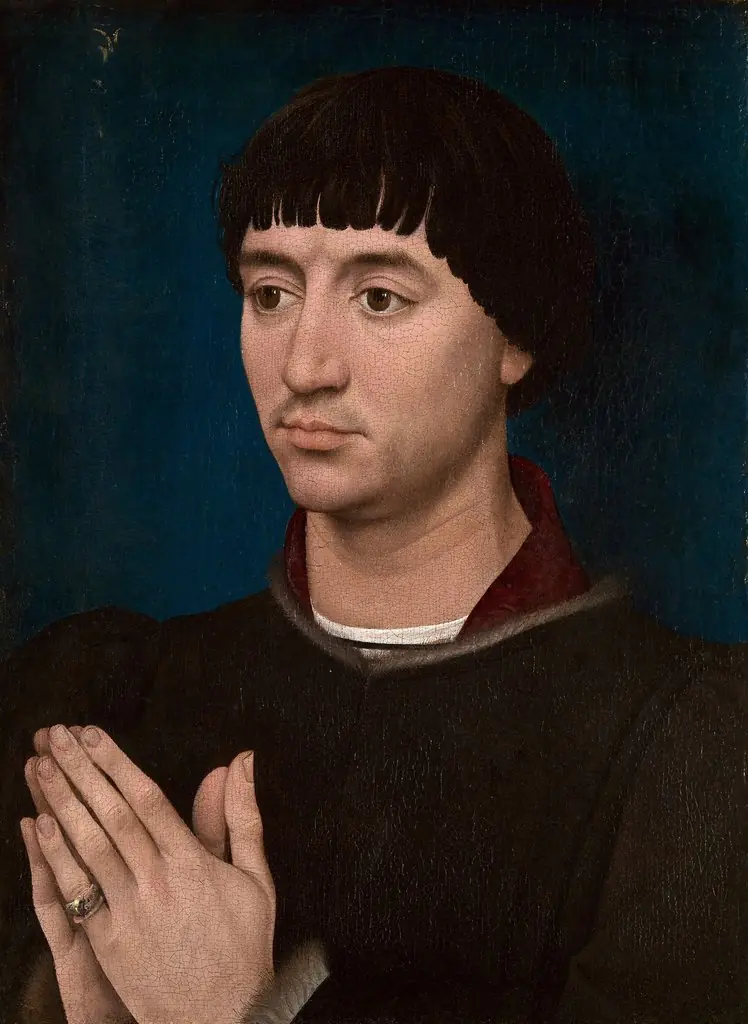 Portrait of Jean Gros
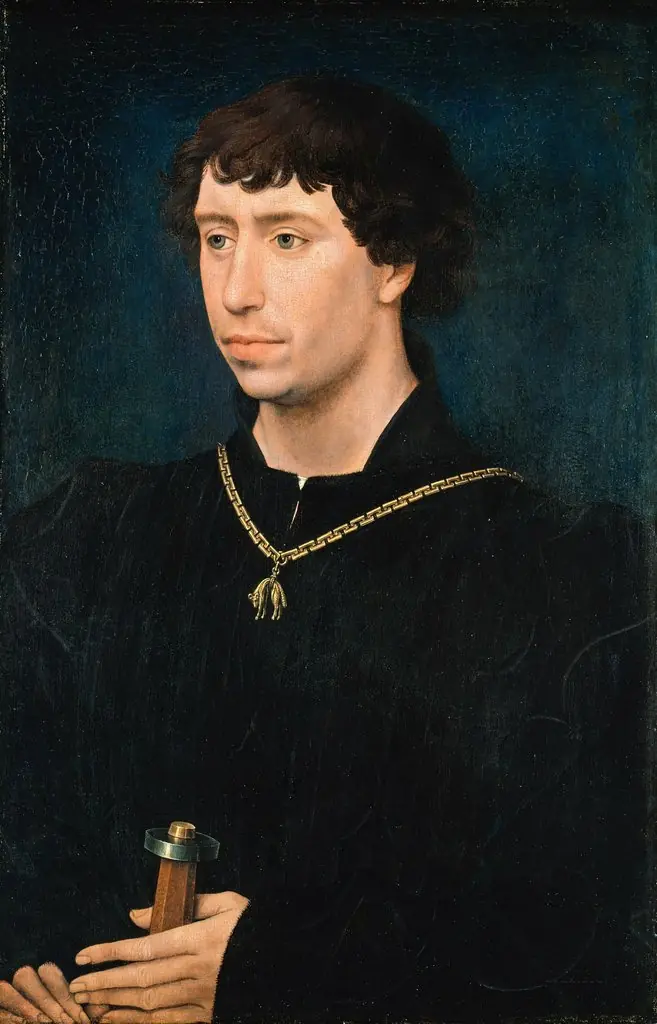 Portrait of Charles the Bold
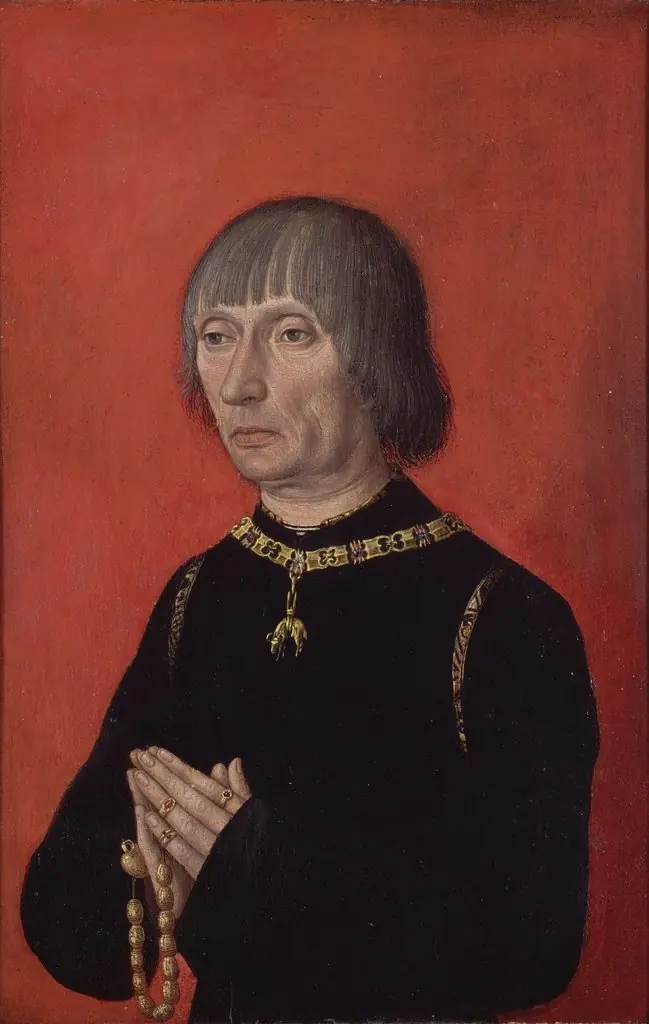 Portrait of Lodewijk van Gruuthuse
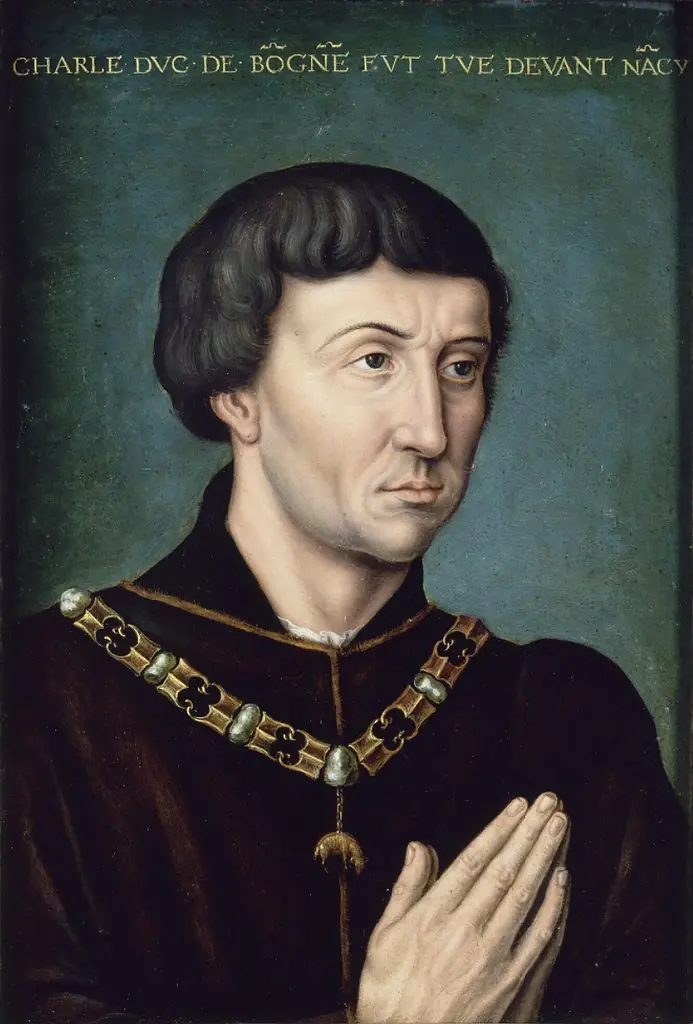 Portrait of Charles the Bold, Duke of Burgundy (1433-1477)
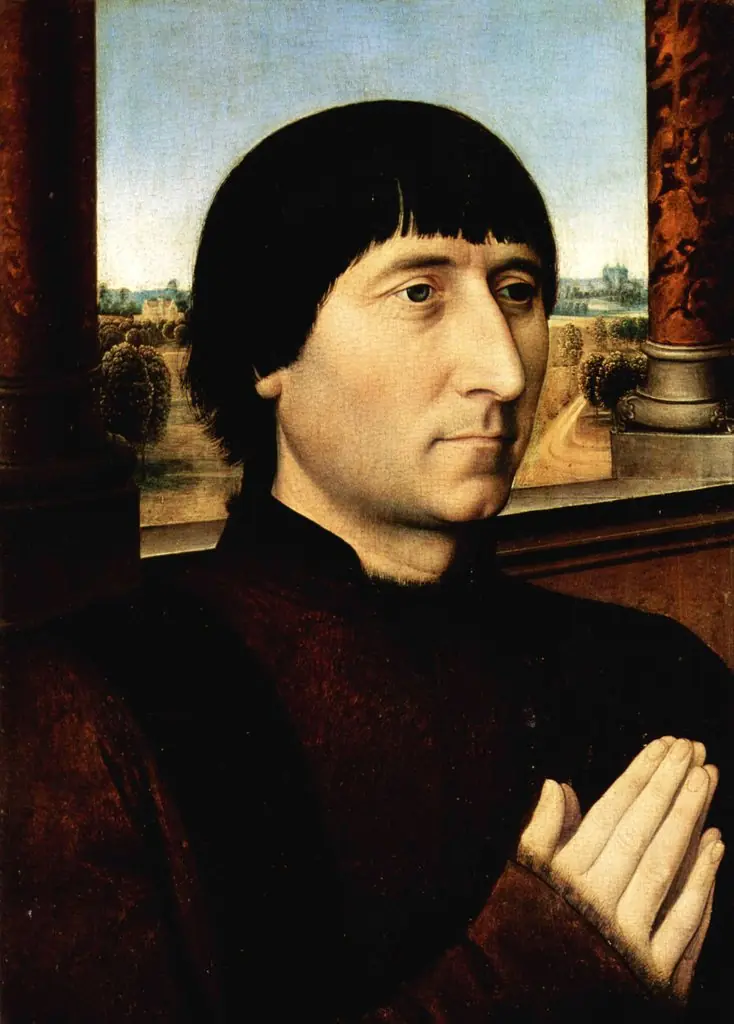 Portrait of Willem Moreel, husband of Barbara van Vlaendenbergh
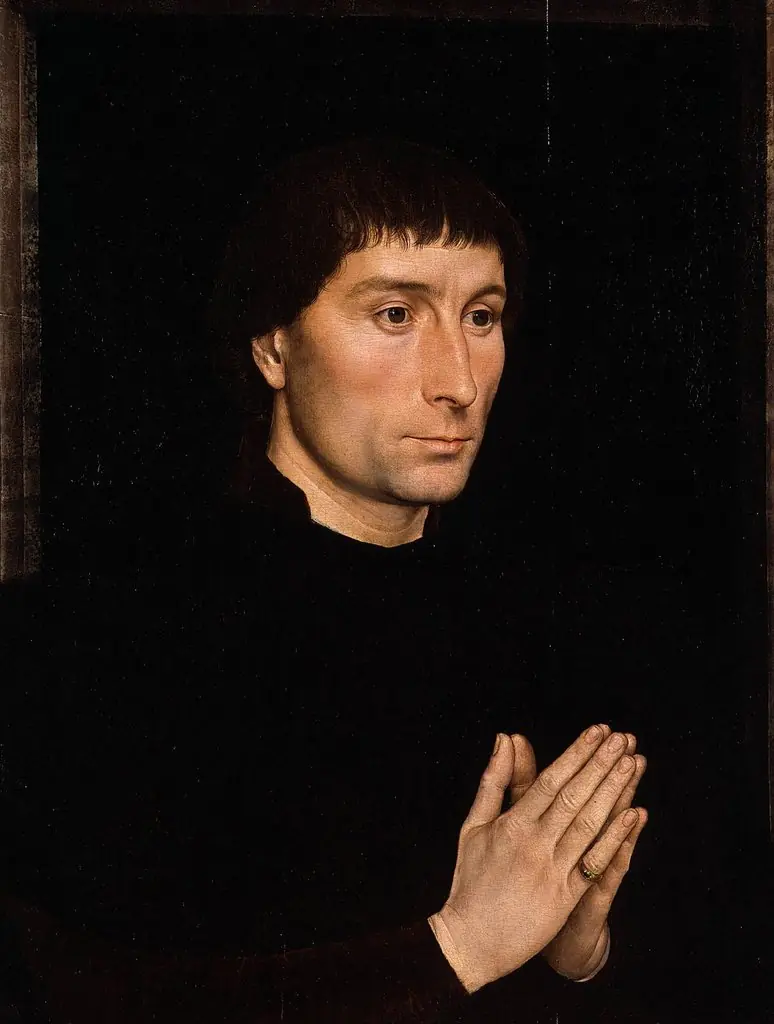 Portrait of Tommaso di Folco Portinari
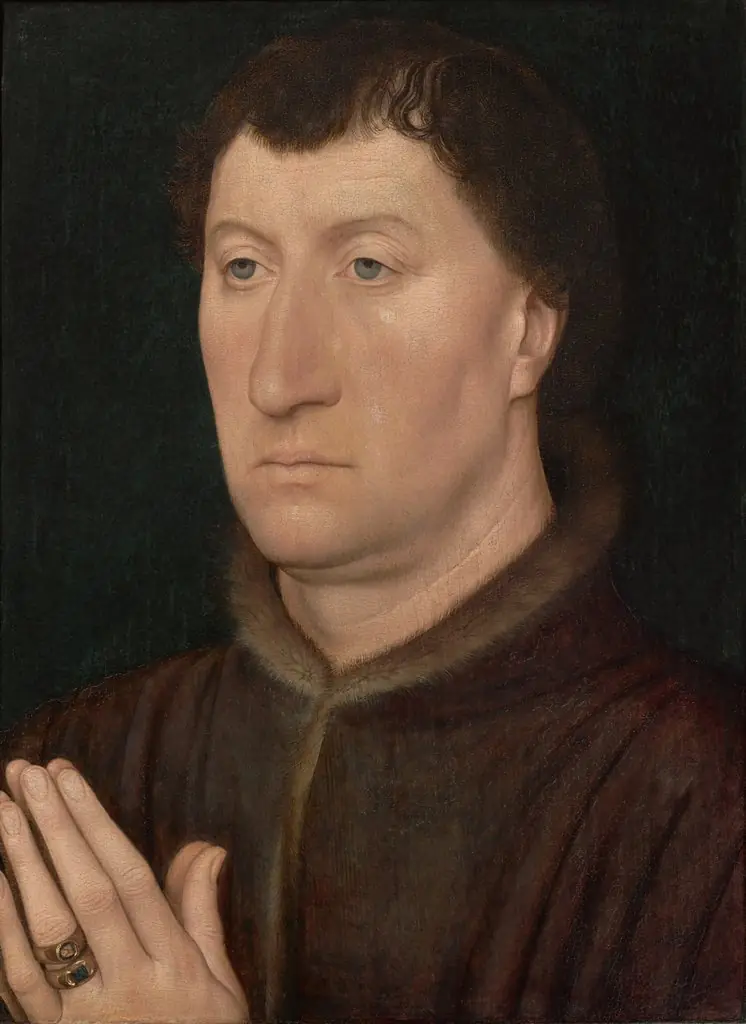 The Canon Gilles Joye
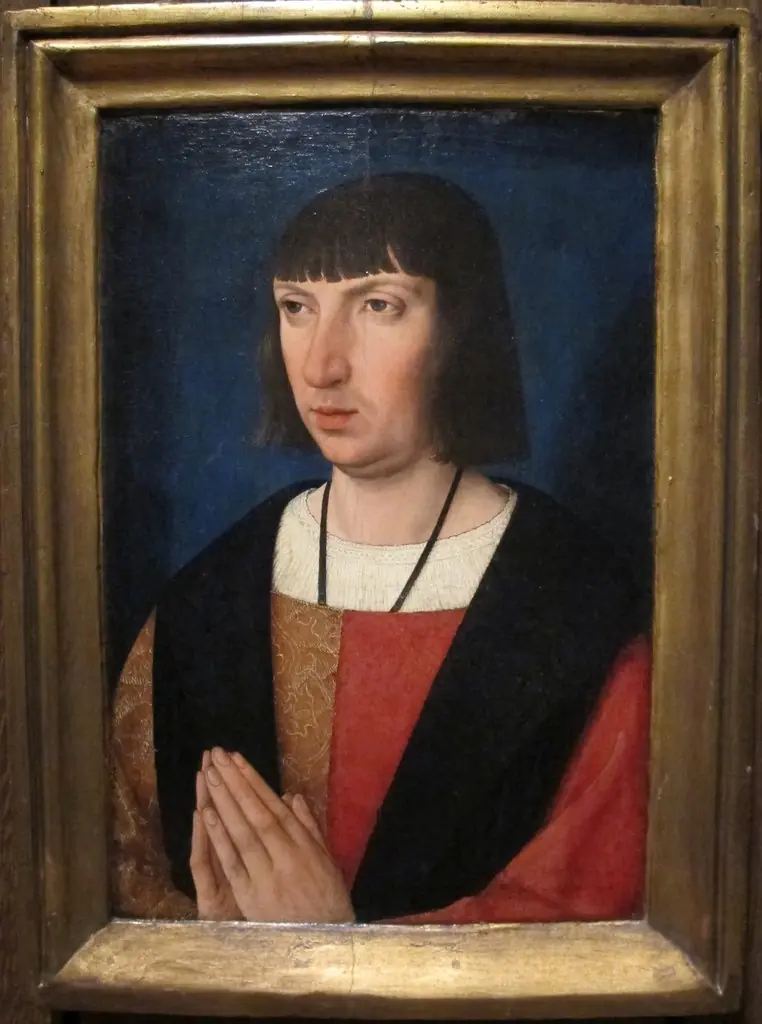 Portrait of a Man Praying