Subject
Chalice
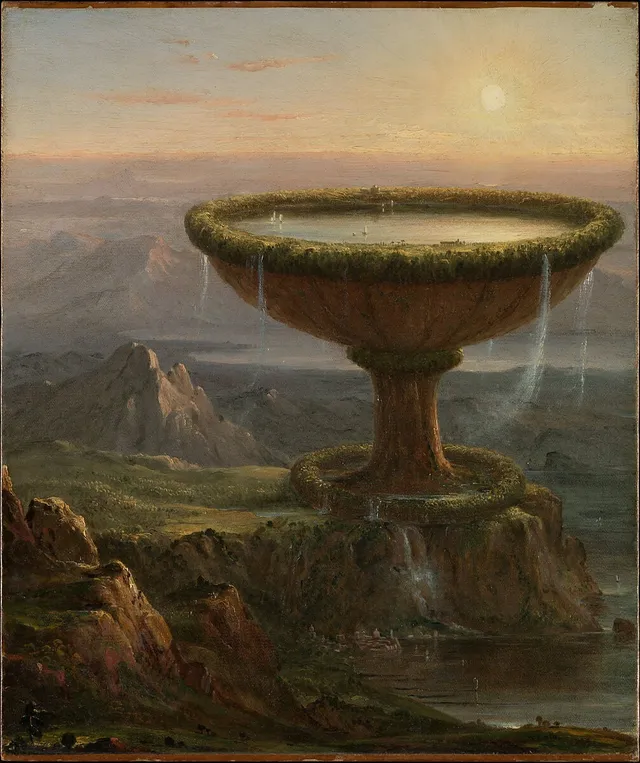
Chalice is a subject in art. The gallery holds 68 works in this subject in art, including works by Thomas Cole, Johannes Vermeer and El Greco.
A chalice (from Latin calix 'cup', taken from the Ancient Greek κύλιξ (kylix) 'cup') is a drinking cup raised on a stem with a foot or base. Although it is a technical archaeological term, in modern parlance the word is now used almost exclusively for the cups used in Christian liturgy as part of a service of the Eucharist, such as a Catholic mass.
Key artists
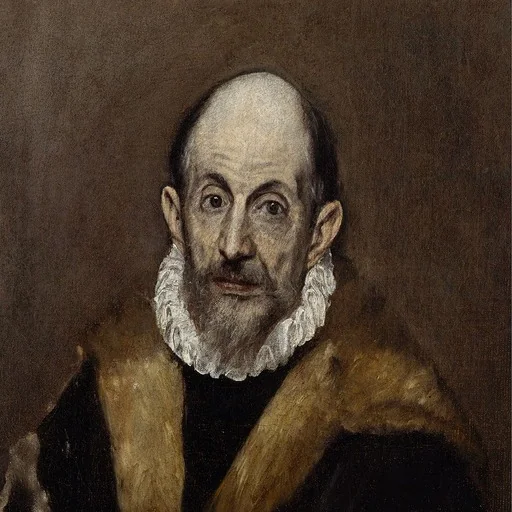
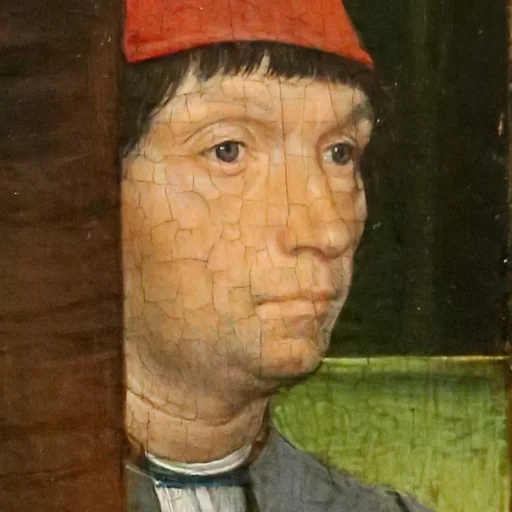
Overview
A chalice is a drinking cup raised on a stem with a foot or base, derived from the Latin calix and Ancient Greek kylix. In modern usage, the term refers almost exclusively to vessels employed in Christian liturgy for the Eucharist, though historically the same shape served elite secular purposes. The form consists of a bowl, a slender shaft typically featuring a central knop for gripping, and a spreading foot. In art, the chalice recurs as both a depicted object within religious scenes and as a symbolic motif carrying layered theological meaning. Its persistence across two millennia of visual culture stems from its role as the material focus of the Eucharistic rite, the ritual reenactment of Christ's Last Supper that lies at the heart of Christian worship.
Iconography & meaning
The chalice carries dense symbolic weight in Christian art and theology. As the vessel that holds the wine consecrated as Christ's blood, it represents the meeting point of heaven and earth, receiving the divine from above and transmitting grace to the faithful below. In pictorial tradition, it often appears paired with a host, the two together signifying the body and blood of Christ. The chalice also functions as an attribute of specific saints: in Netherlandish tradition, a chalice from which a snake emerges identifies Saint John the Evangelist, alluding to the legend of the poisoned cup. Angels in Passion scenes may collect Christ's blood in chalices, while the chalice borne by the angel of consolation in Gethsemane appears in depictions of Christ's agony. Beyond narrative contexts, the chalice's form itself conveys hierarchy, its elevation on a stem distinguishing the sacred from the profane and its precious materials signaling the inestimable value of its contents. Some theological interpretations draw parallels between the chalice and the Virgin Mary, both vessels set apart to contain Christ's presence.
Across movements & periods
The treatment of the chalice evolved considerably across artistic periods while maintaining core associations. Early Christian and Byzantine examples, such as the sixth-century Antioch "Chalice" now at The Metropolitan Museum of Art, display elaborate silver-gilt construction with figural programs of Christ, apostles, and classical philosophers amid grapevines. This piece, measuring 19.6 by 18 by 15.2 cm, demonstrates the prestige of early liturgical metalwork, though recent scholarship has questioned whether it functioned as a chalice or a standing oil lamp. Medieval Western European chalices, exemplified by the Ardagh Chalice of circa 750 CE, combined Late Antique form with Insular metalworking virtuosity, employing gold filigree, enamel studs, and rock crystal over a silver, copper, and bronze body. The Gothic period saw continued refinement, with chalices like the Bedingfeld Chalice of 1518-1519 exhibiting sophisticated craftsmanship that would be severely disrupted by the English Reformation's destruction of liturgical vessels. Post-medieval developments included Protestant simplification, with Reformed churches sometimes abandoning the stemmed form for plain beakers, and the later twentieth-century introduction of individual communion cups. A Southeastern European gilded silver chalice of 1462 at The Metropolitan Museum, incorporating filigree enamel and pearls, illustrates the International Gothic taste for opulent materials.
Notable depictions
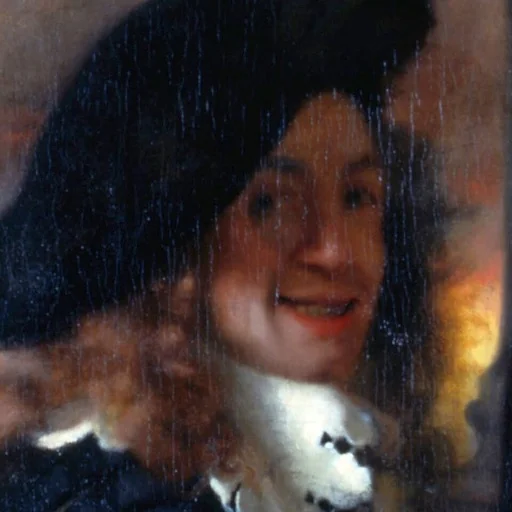
Among canonical representations, the Antioch "Chalice" stands as the most debated object, its identification as the Holy Grail promoted at the 1933 Chicago World's Fair but subsequently rejected by scholarship. Its twelve seated figures, two of Christ and ten variously identified as apostles or classical philosophers, occupy loops of a fruited grapevine inhabited by birds and animals. The Ardagh Chalice, discovered in 1868 in County Limerick, Ireland, represents the apex of early medieval Celtic metalwork with its 350 separate components and intricate filigree panels bearing the names of the Apostles and Saint Paul. For painted depictions, the collection includes Johannes Vermeer's Allegory of the Catholic Faith, where the chalice operates within a complex symbolic program, and Thomas Cole's The Titan's Goblet, which transforms the form into a fantastical landscape element. The Chalice of Saint John the Evangelist and the reverse of that medal demonstrate the motif's currency in small-scale metalwork and print culture.
Legacy
The chalice's cultural afterlife extends far beyond its liturgical function. The Holy Grail legend, rooted in the vessel of the Last Supper, generated one of the most enduring narrative cycles of medieval and modern literature, with the Antioch Chalice briefly enlisted in this mythology. The Protestant Reformation's transformation of Eucharistic practice, including the English "Chalice Disaster" that destroyed countless medieval vessels, demonstrates how political and theological upheaval could reshape the material culture of devotion. In modern times, the chalice has retained its symbolic potency while adapting to new contexts: the early twentieth-century German Kelchbewegung promoted individual communion cups, while the COVID-19 pandemic prompted renewed use of individual vessels. The form persists in heraldry, notably in the arms of Galicia, and in contemporary liturgical art where silversmiths continue to negotiate traditional symbolism with modern aesthetics. The chalice thus remains a nexus of theological meaning, artistic ambition, and cultural identity, its study illuminating intersections of craft, belief, and power across two thousand years.
Works
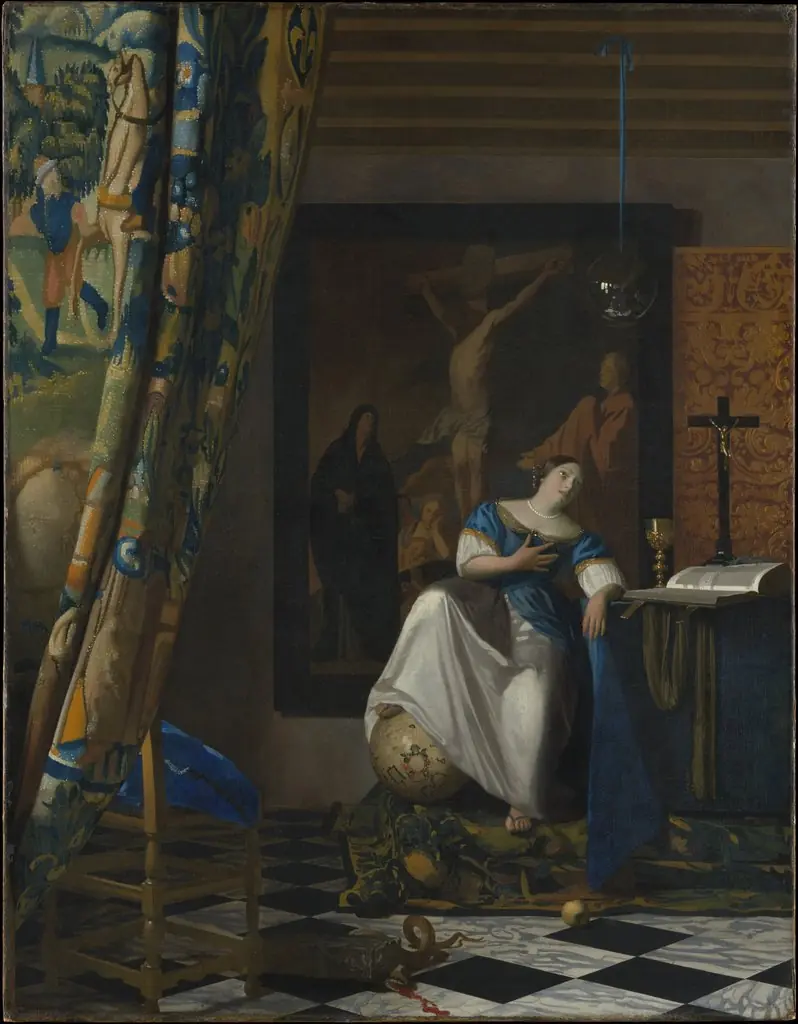 Allegory of the Catholic Faith
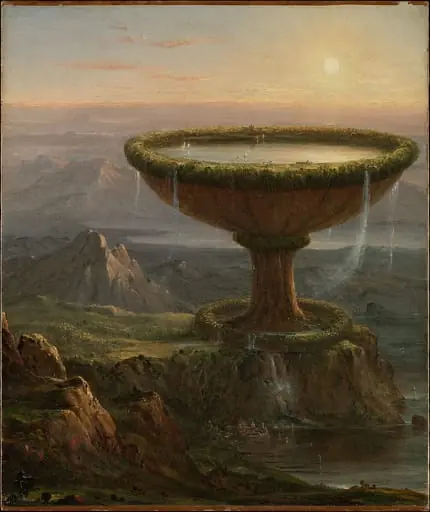 The Titan's Goblet
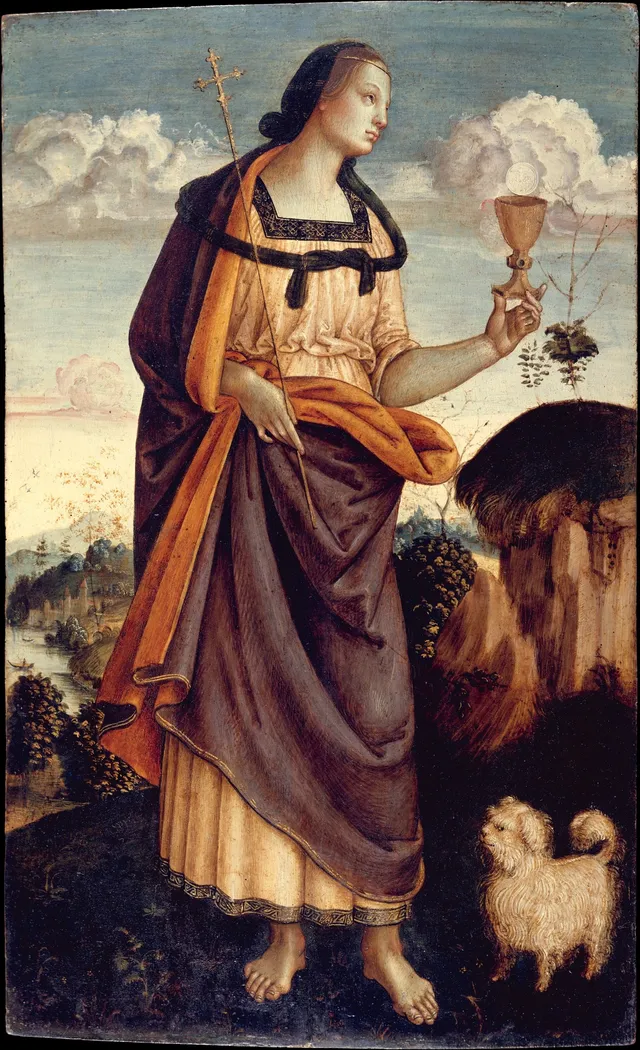
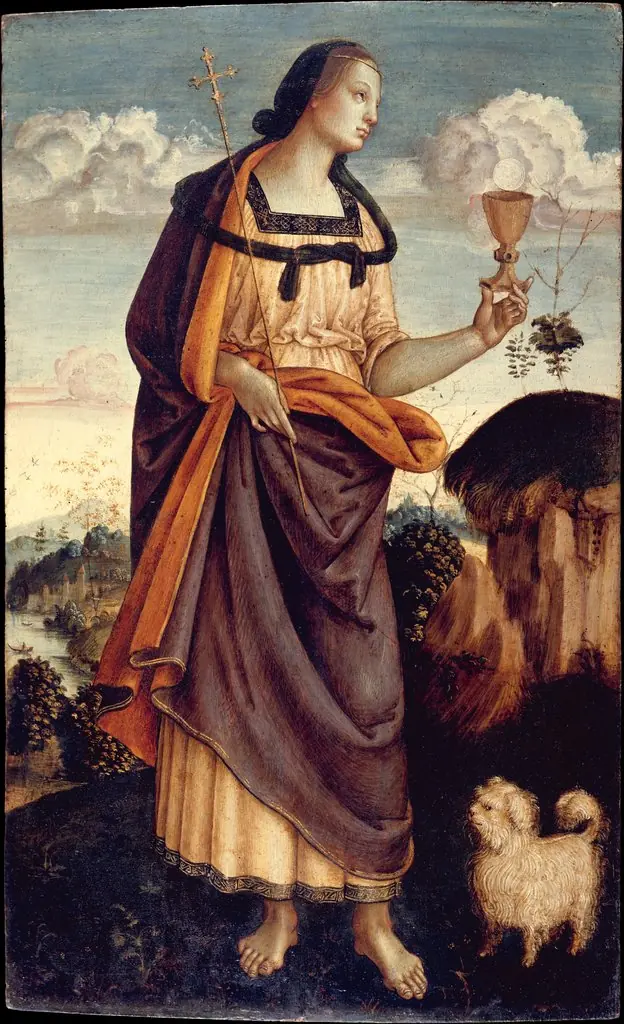 The Theological Virtues: Faith, Charity, Hope
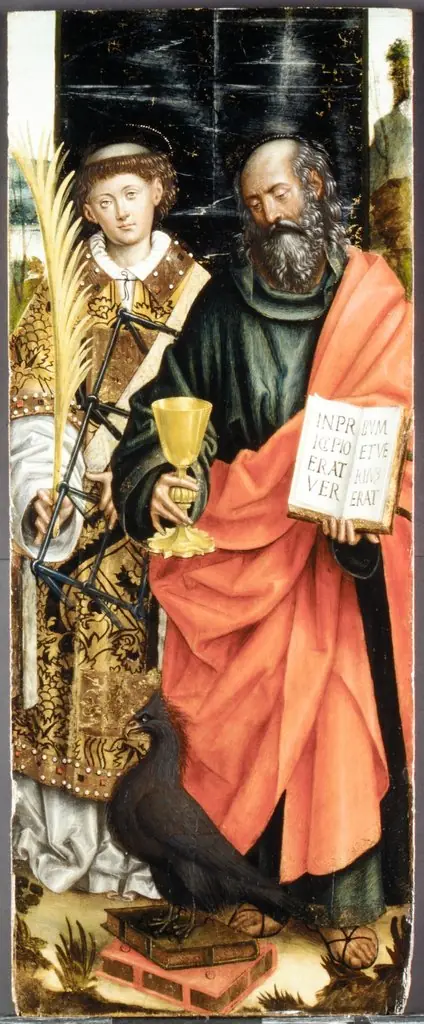 Saints John the Evangelist and Lawrence
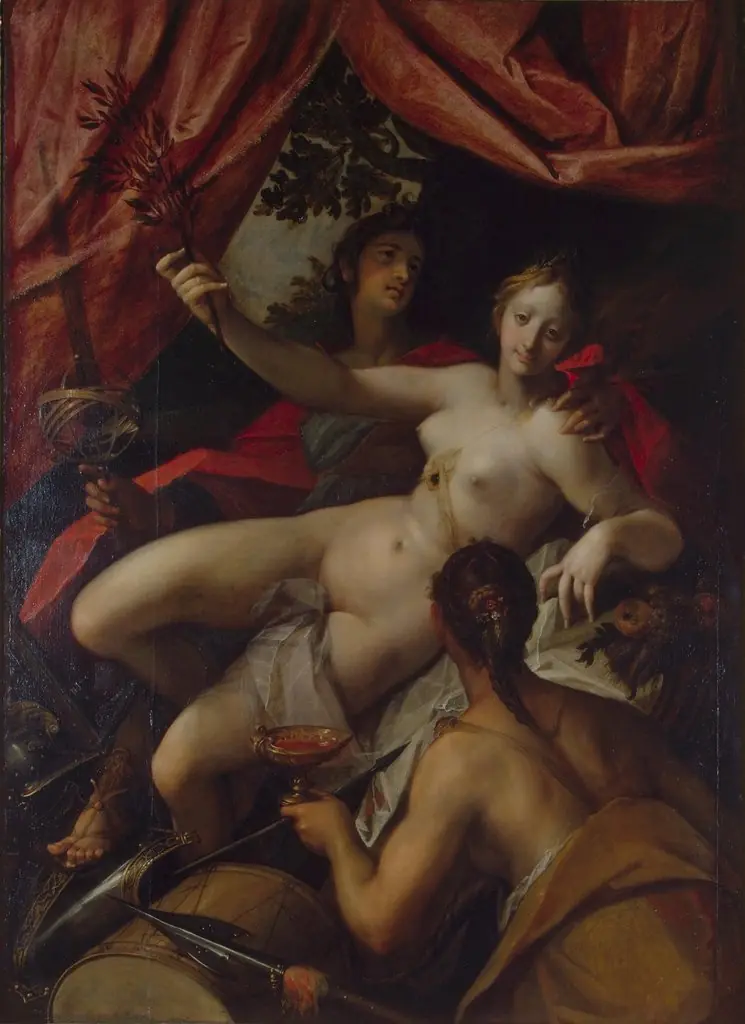 Allegory of Peace and Abundance
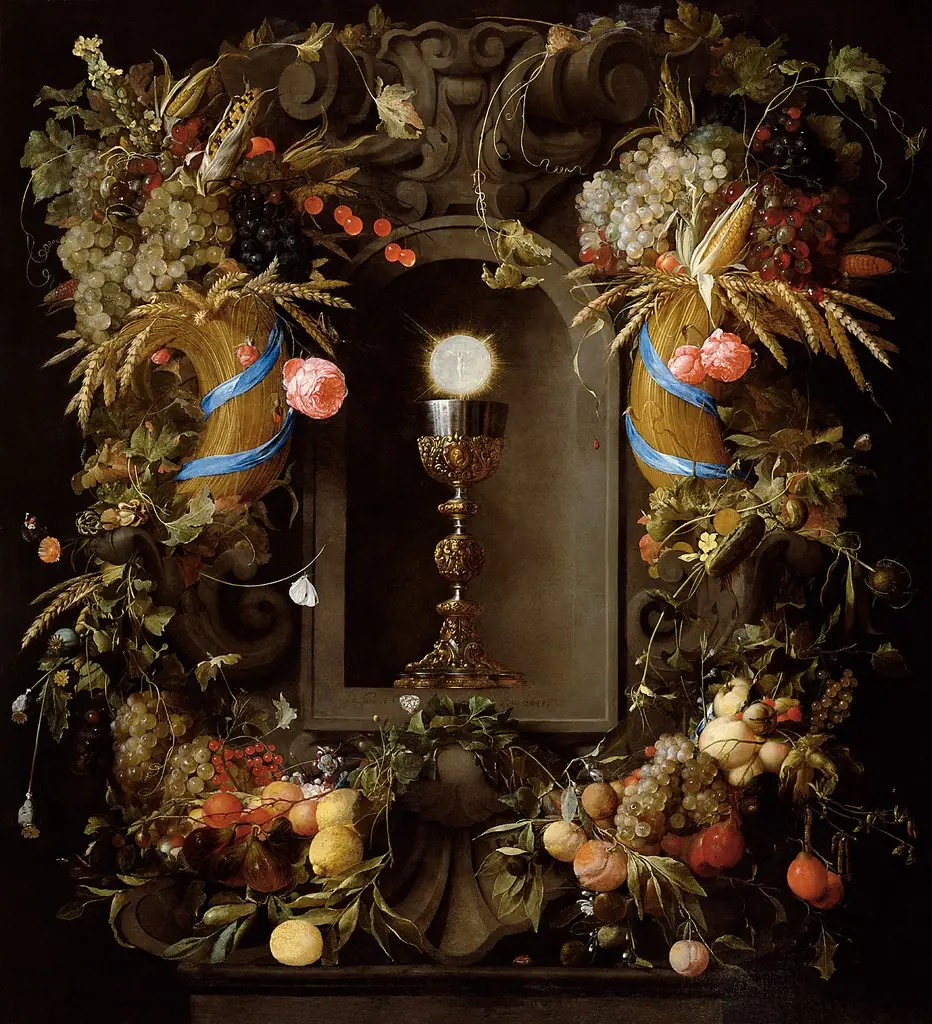 Chalice and Host in a Niche, within a Cartouche of Roses and Fruit
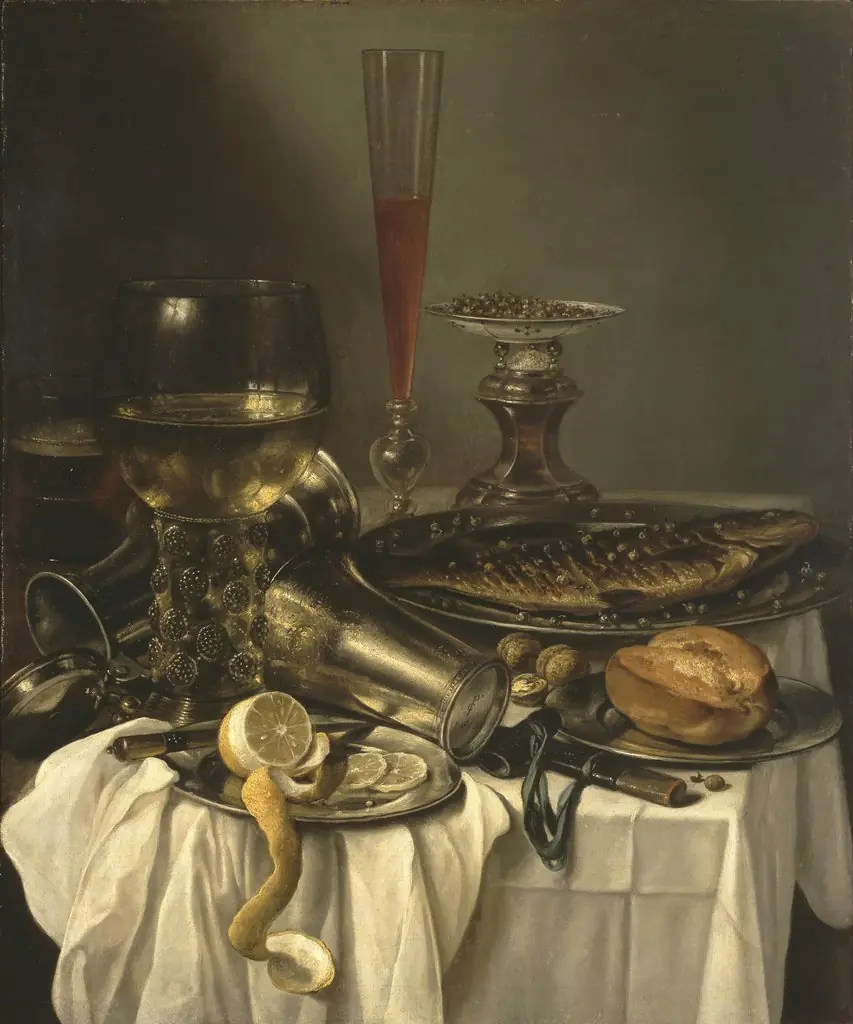 Breakfast with Fish
![Chalice of Saint John the Evangelist [reverse]](https://artifactworldgallery.com/img/hans-memling--chalice-of-saint-john-the-evangelist-reverse--580c913dda322f89-w320.webp) Chalice of Saint John the Evangelist [reverse]
Chalice of Saint John the Evangelist [reverse]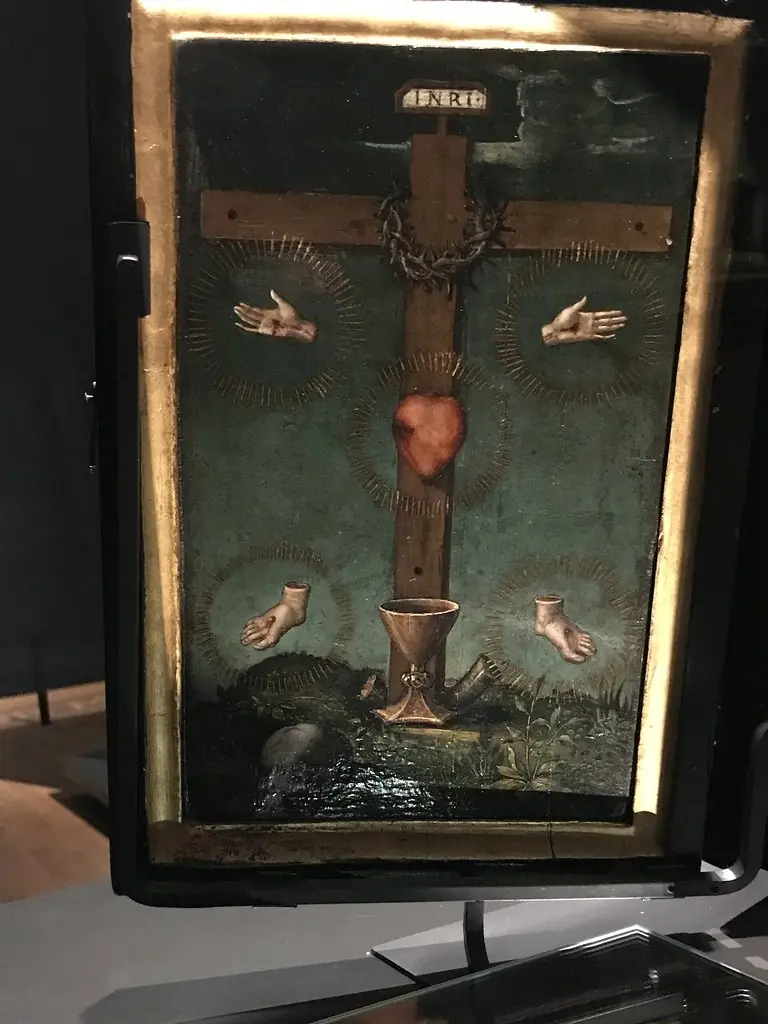 Crown of thorns on the Holy Cross, with the Five Holy Wounds surrounded by rays
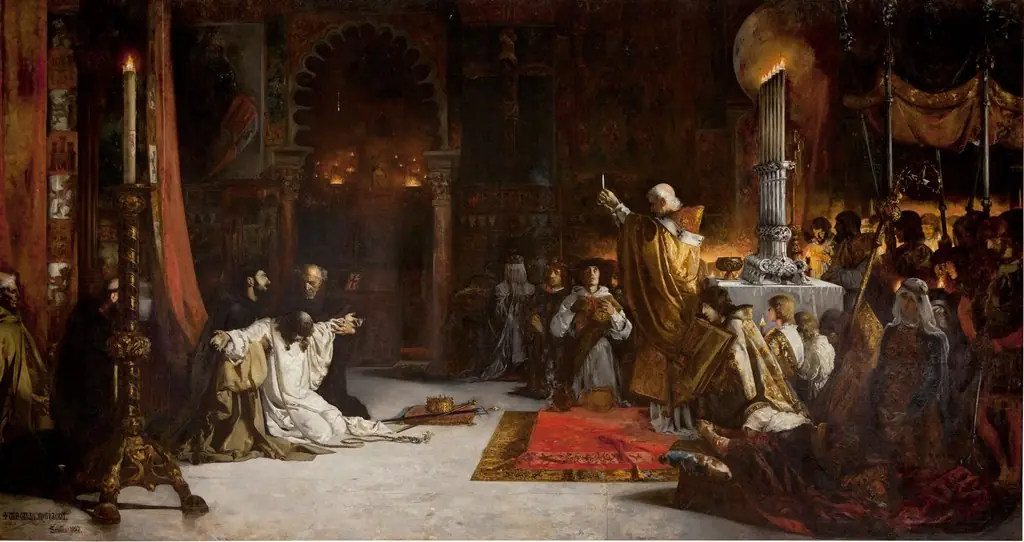 Las postrimerías de Fernando III el Santo
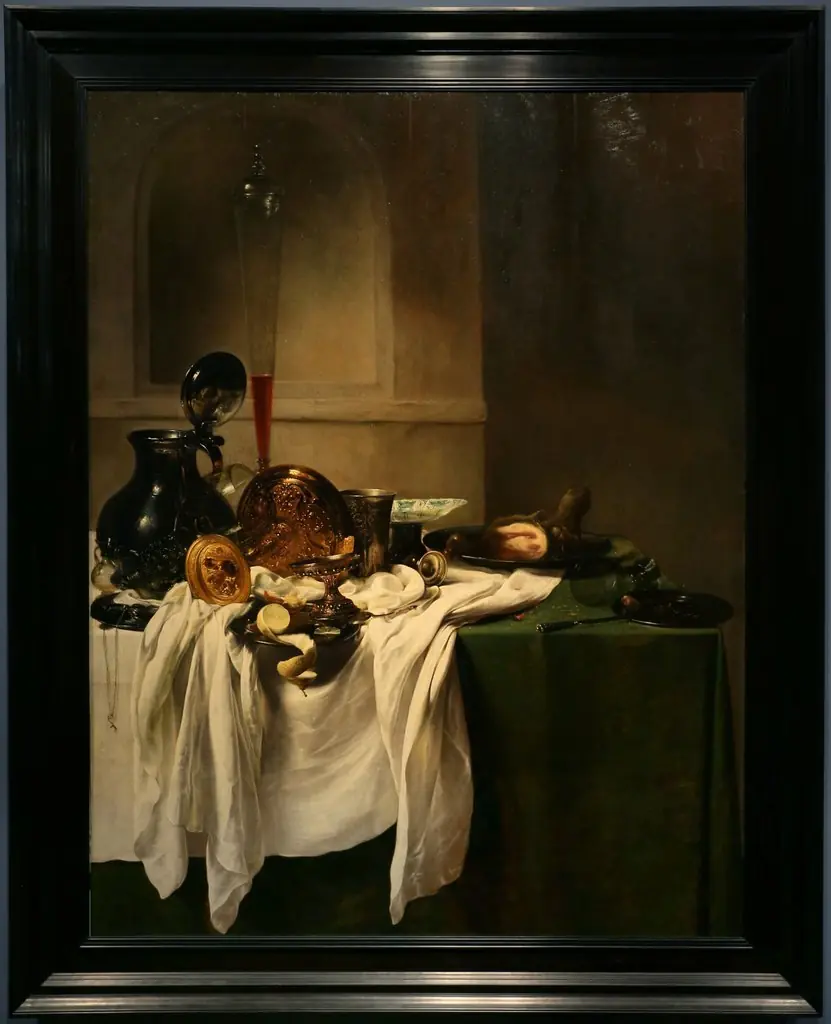 Still life of a laid table with ham and a view of a niche
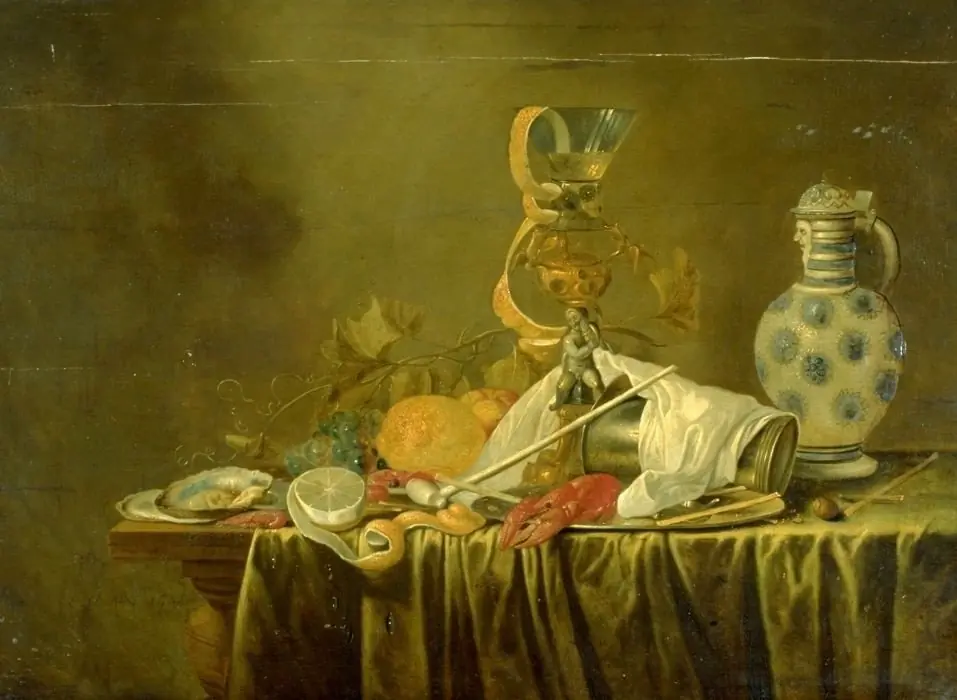 Still life with wine glass and stoneware jug
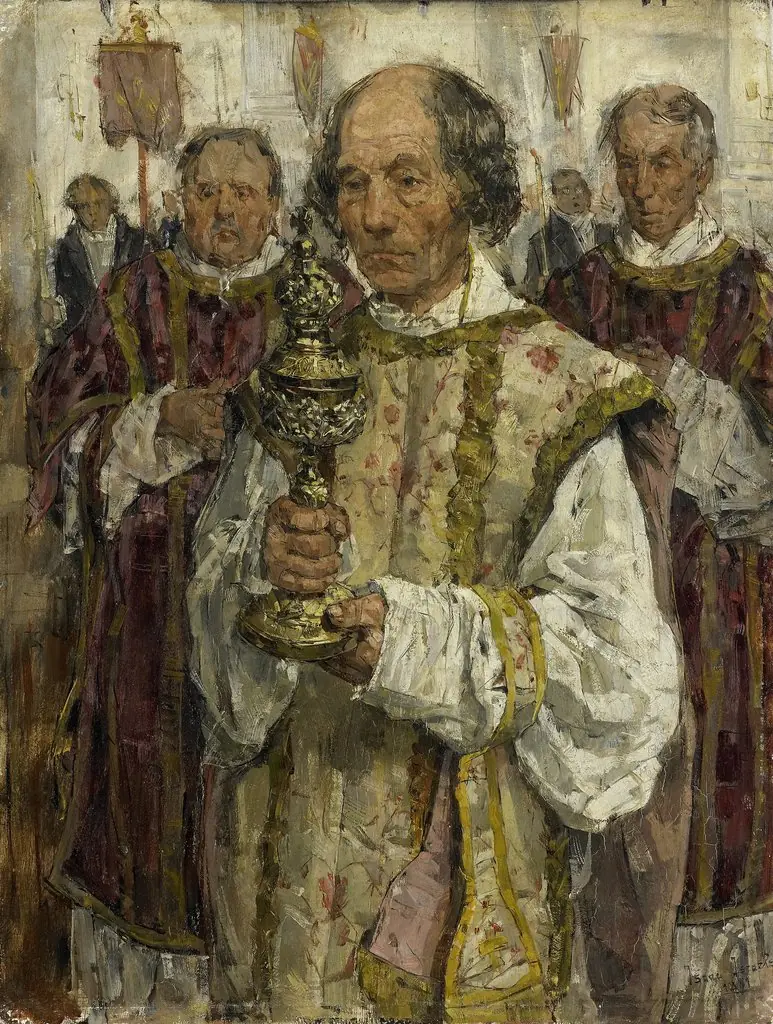 Procession in the Old Catholic Church in The Hague with priest Cornelis Hendrikus van Vlooten
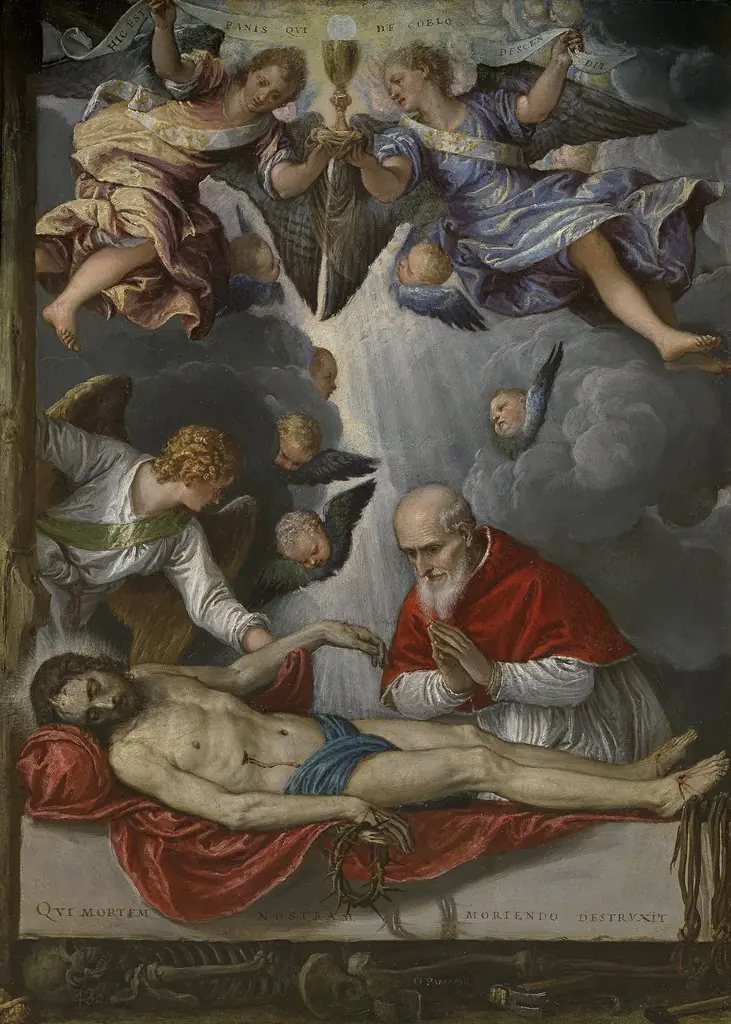 The dead Christ venerated by Pius V
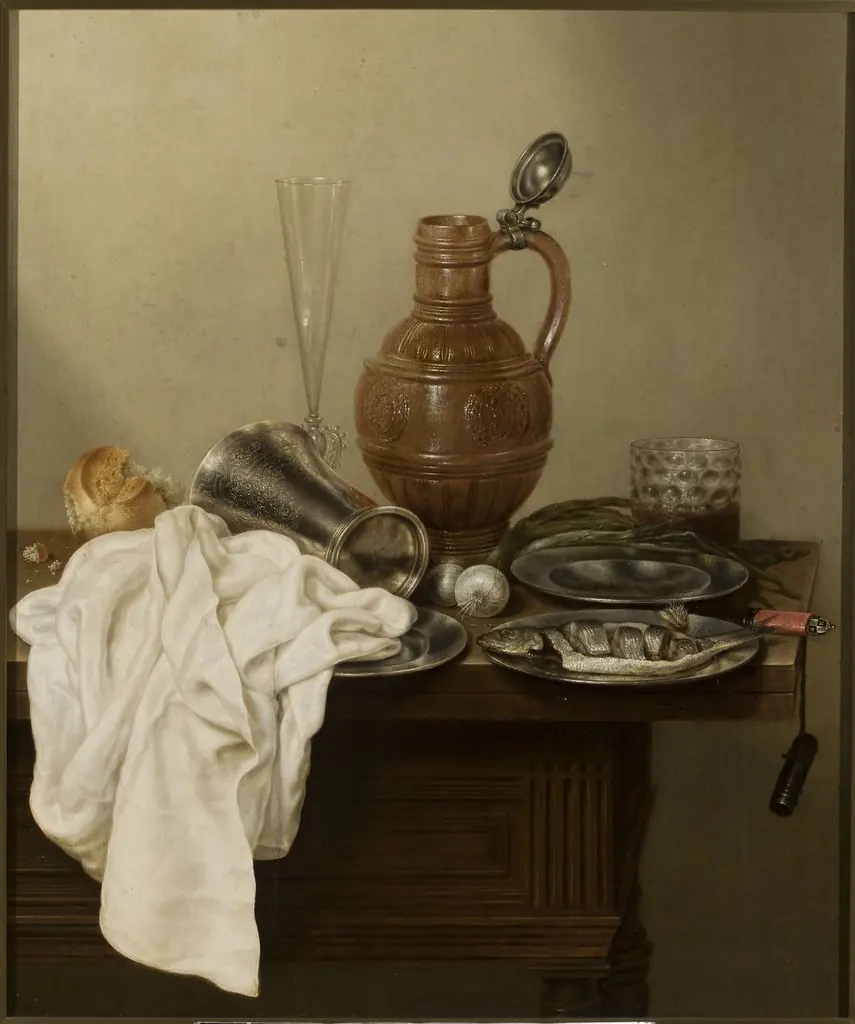 Still life with a herring
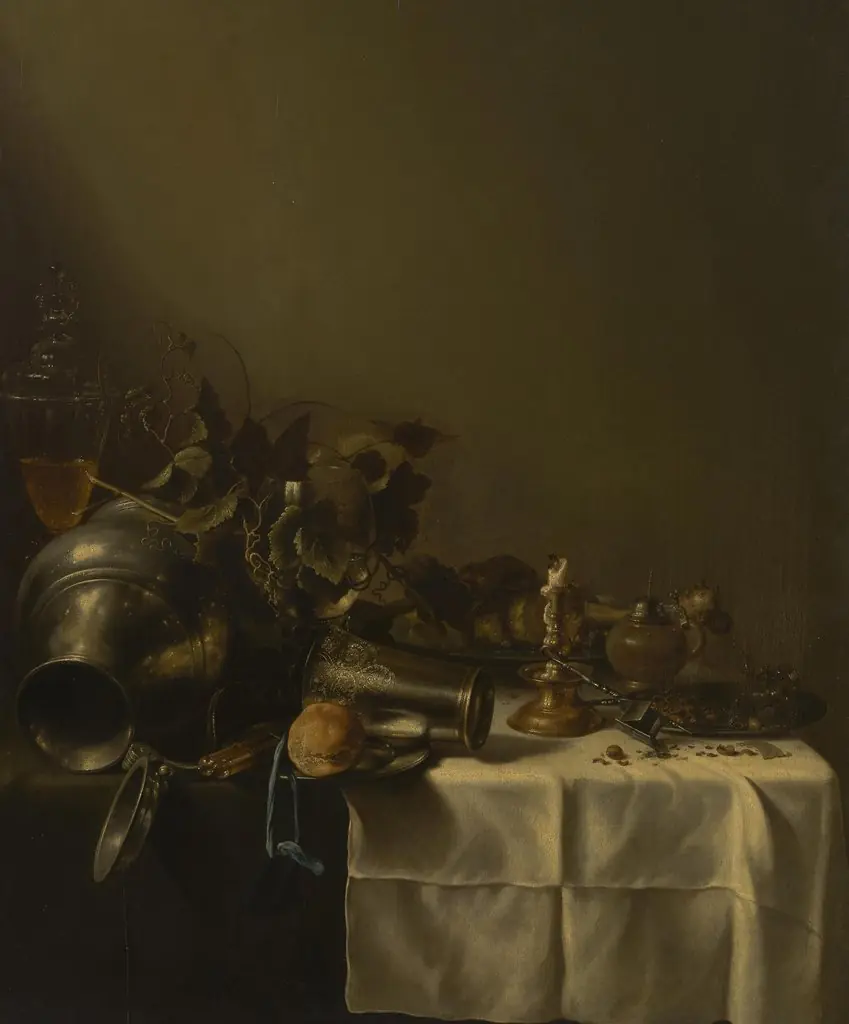 Overturned Jug and Other Items on the Tablecloth
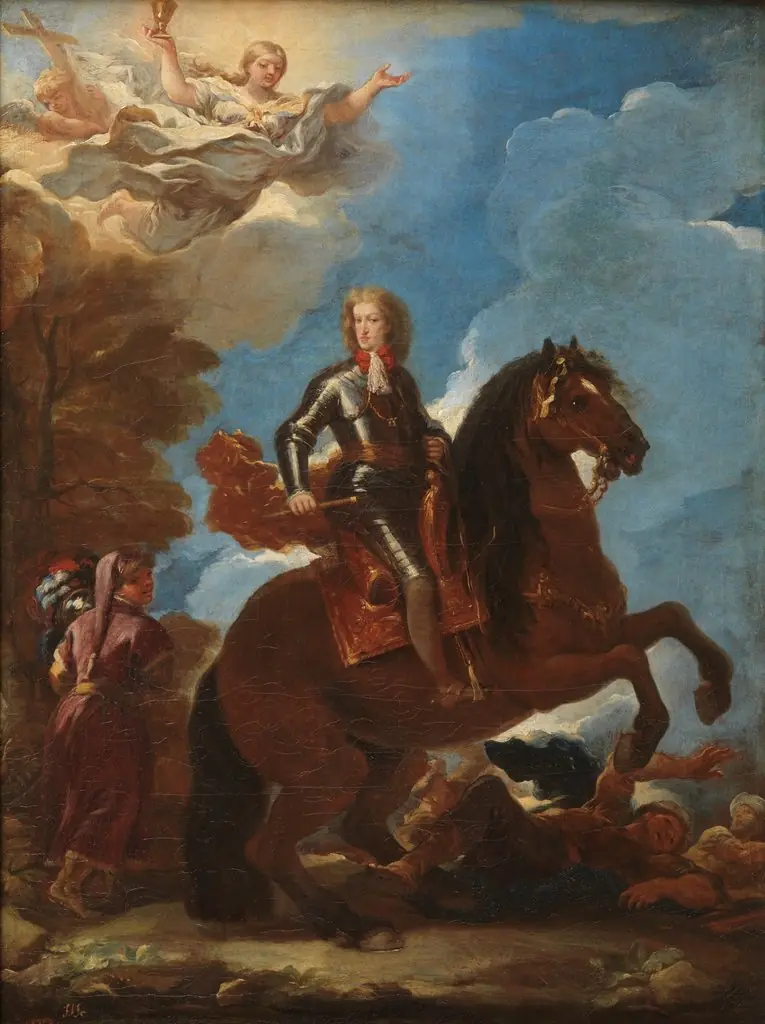 Charles II, King of Spain, on Horseback
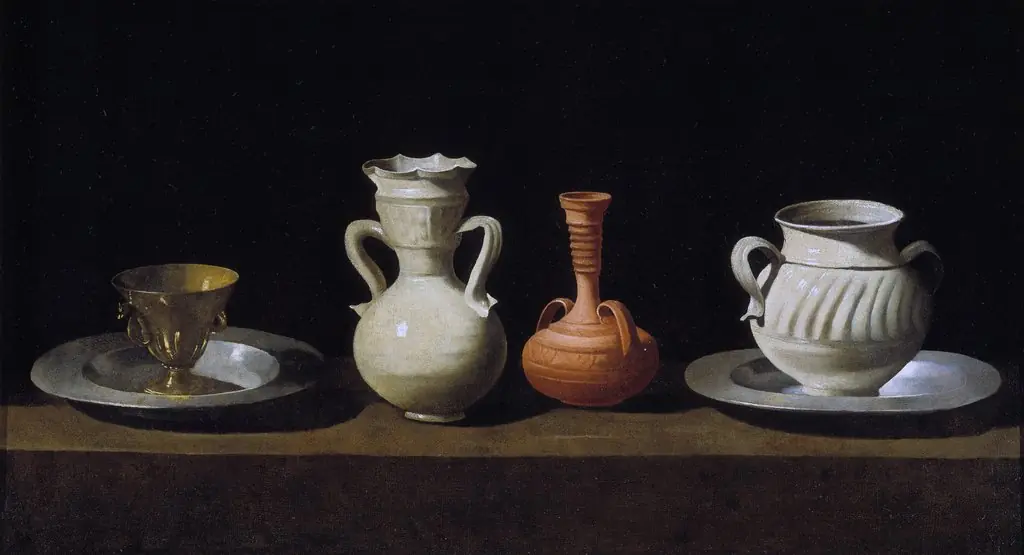 Still Life with Pots
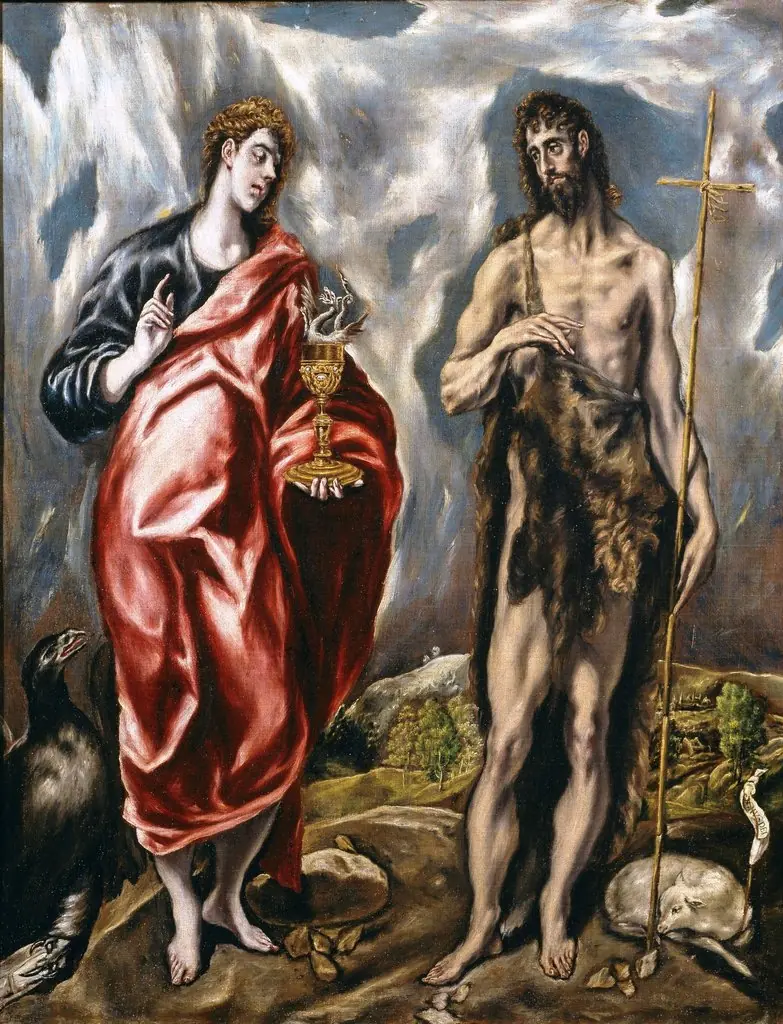 Saint John the Baptist and Saint John the Evangelist
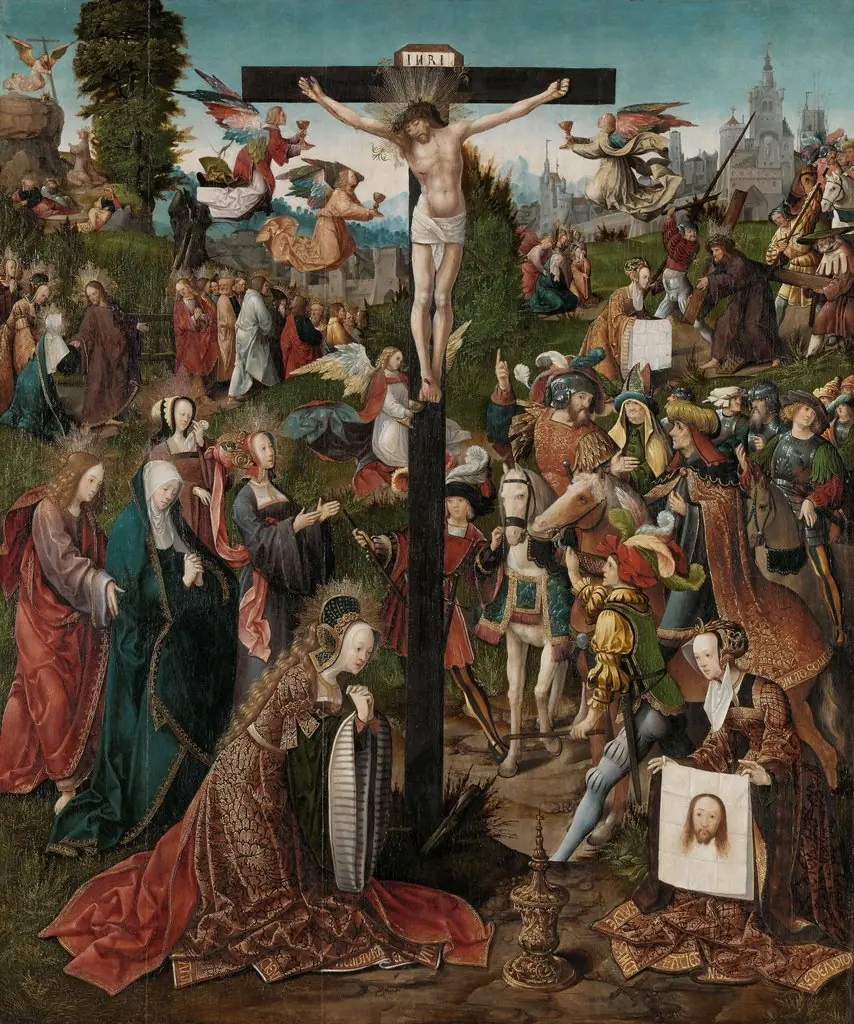 The Crucifixion
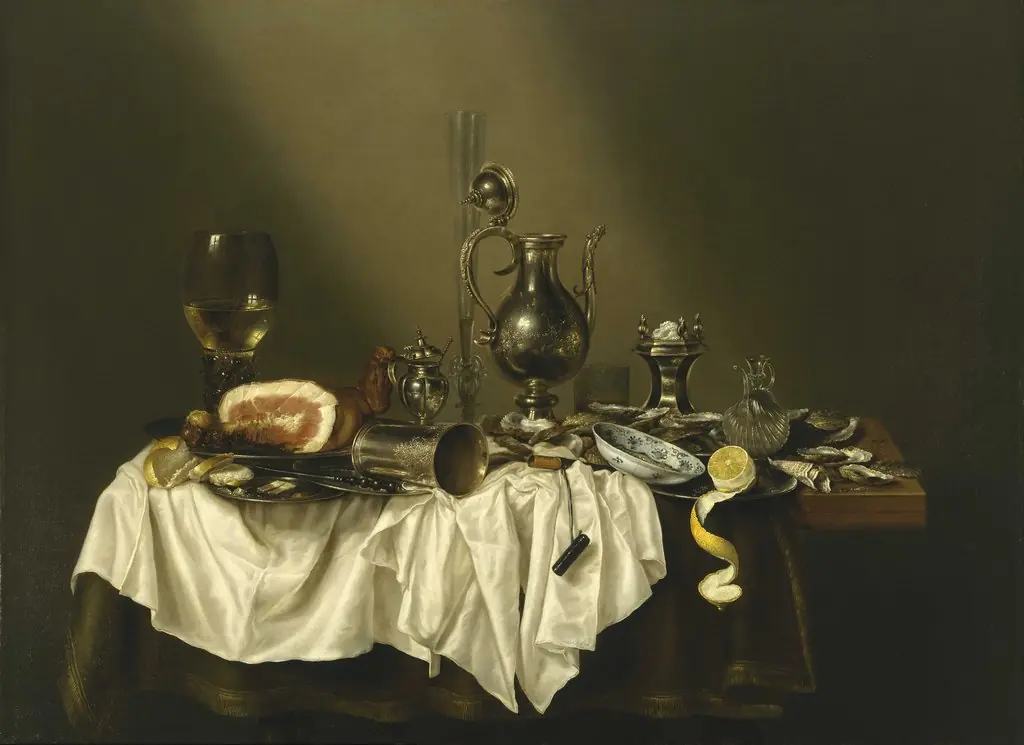 Banquet Piece with Ham
 Still life with ham and utensils
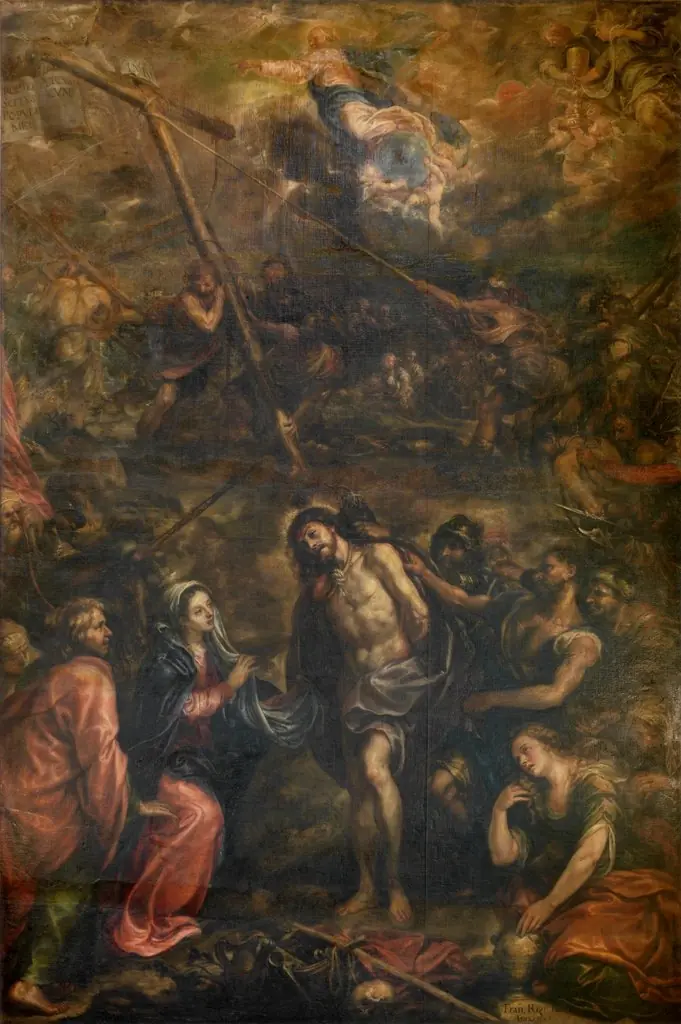 El expolio de Cristo
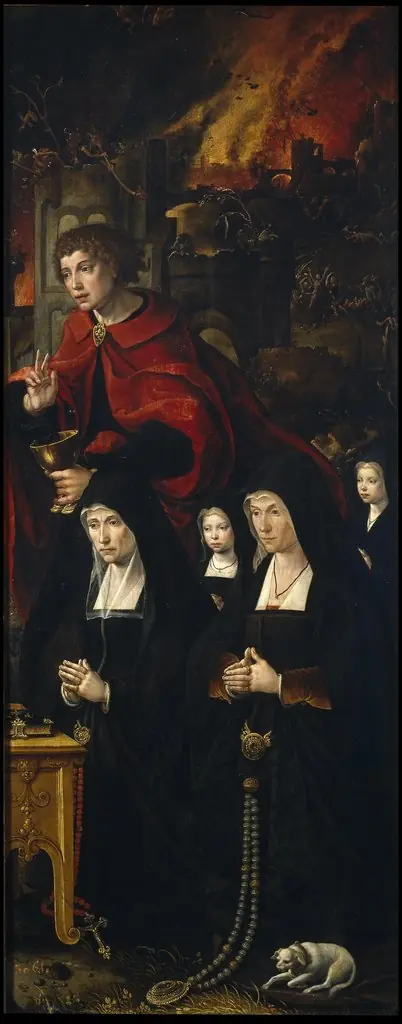 Saint John the Evangelist with Two Ladies and Two Girls (front). Saint Hadrian (reverse)
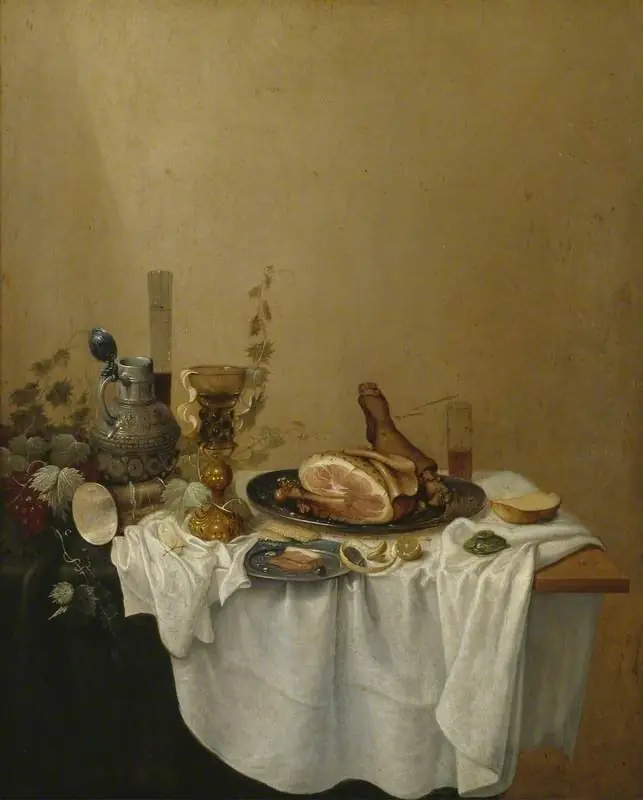 Still life with stoneware jug, bekerschroef, glassware and a leg of ham
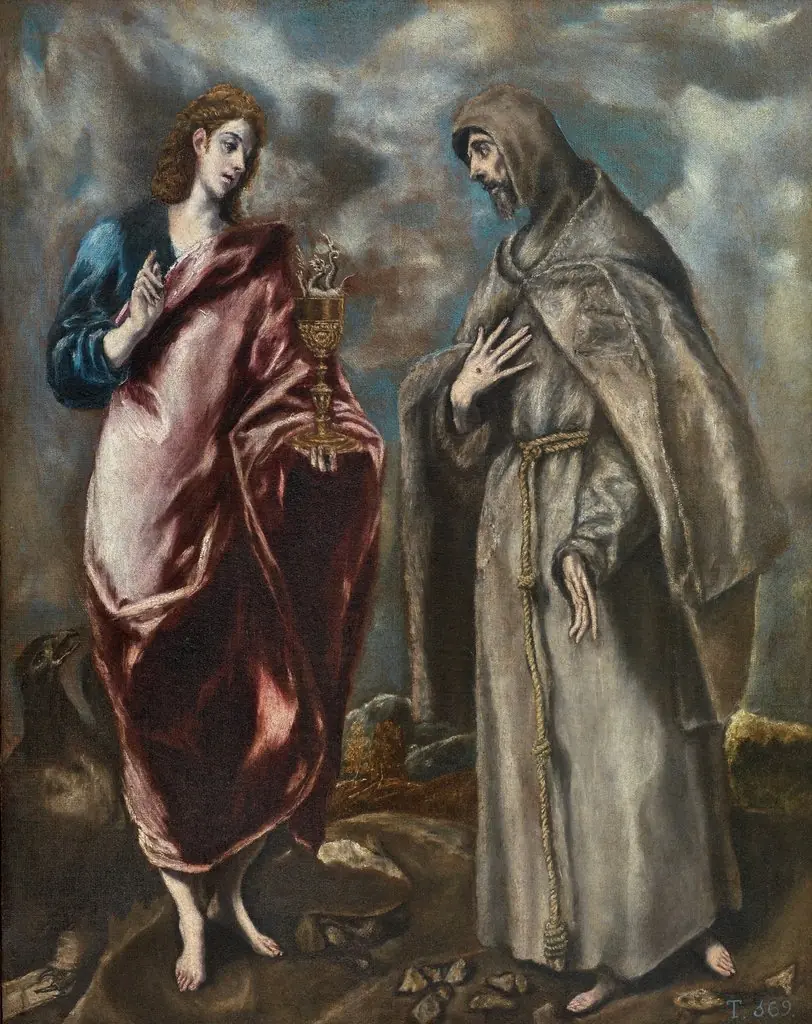 Saint John the Evangelist and Saint Francis of Assisi
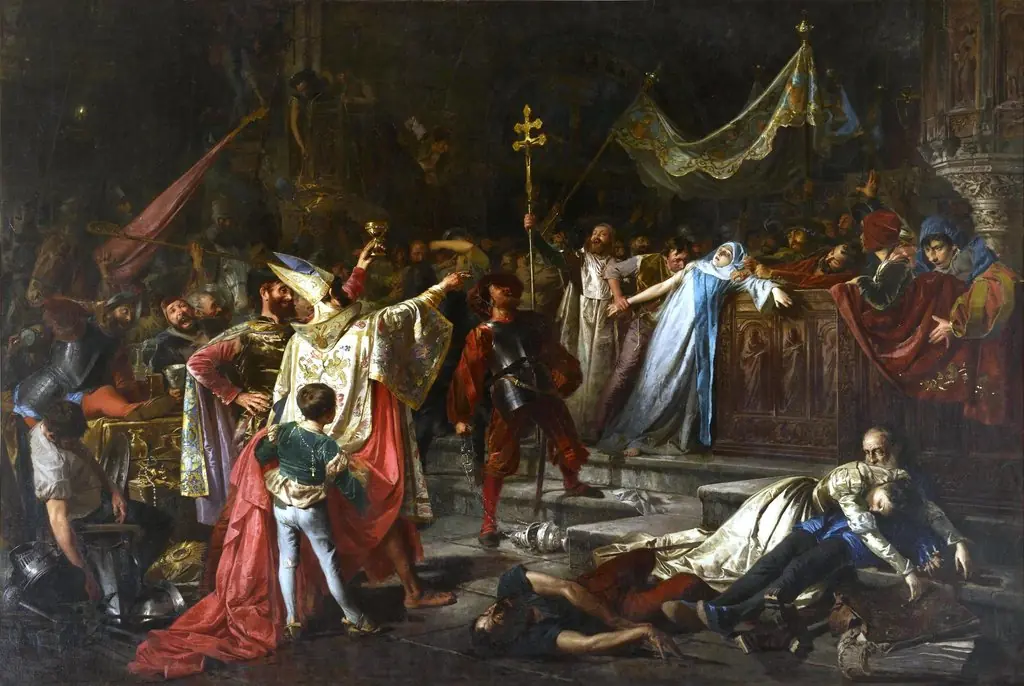 The Sack of Rome
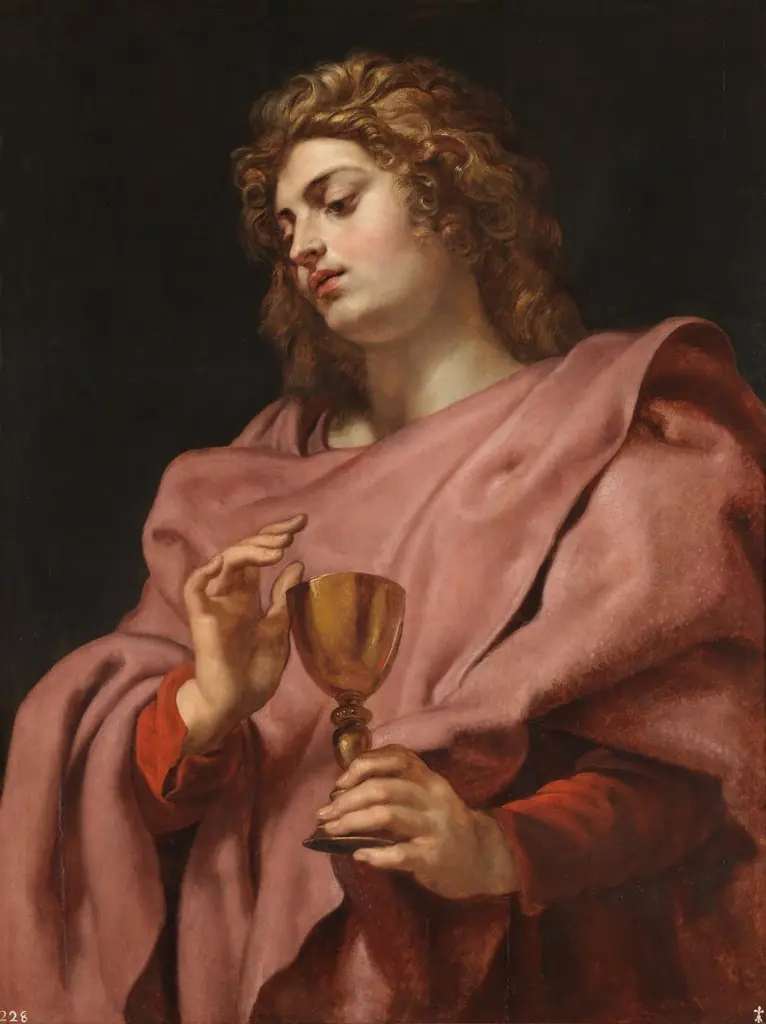 Saint John the Evangelist
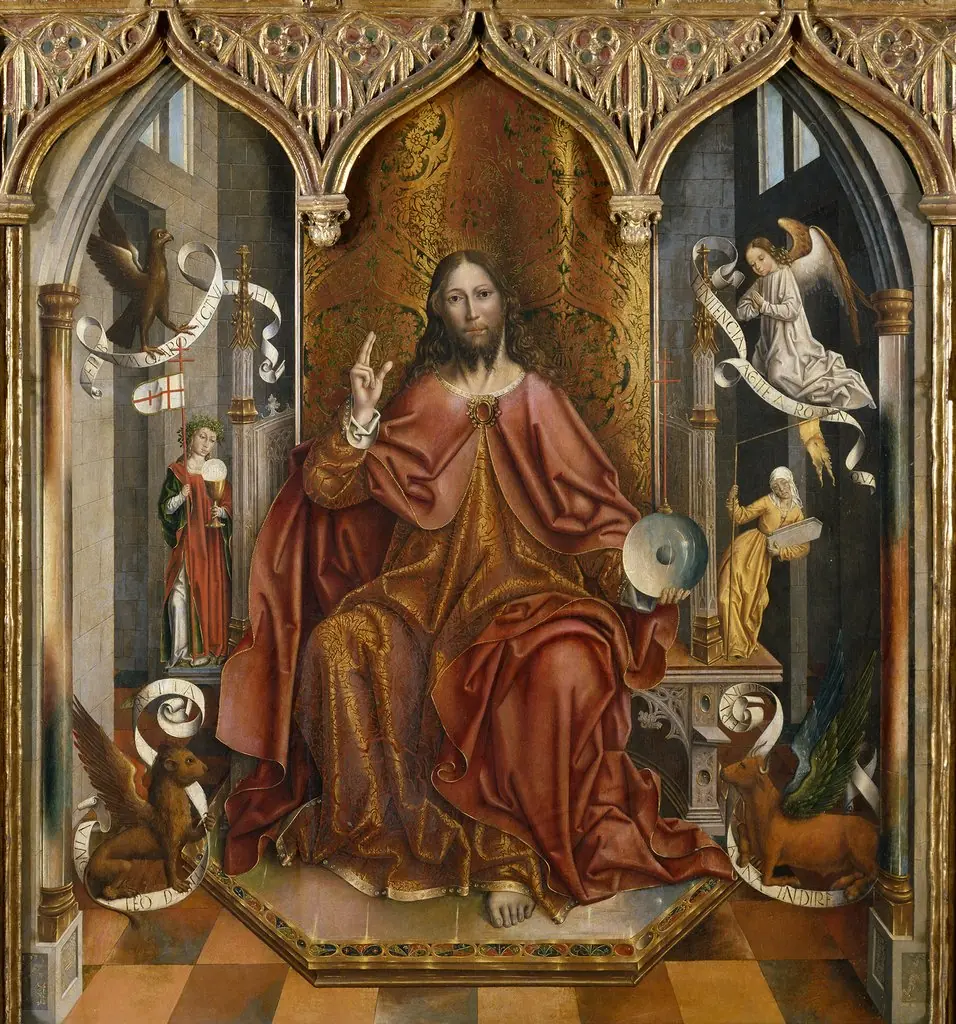 Christ Blessing
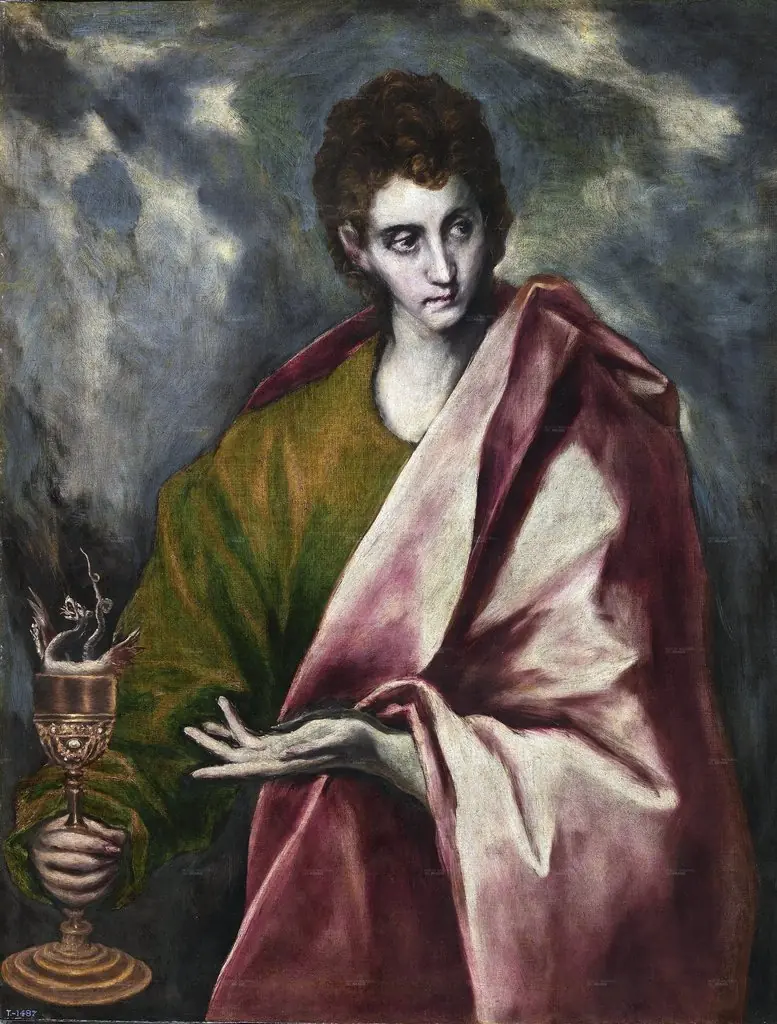 St John the Evangelist
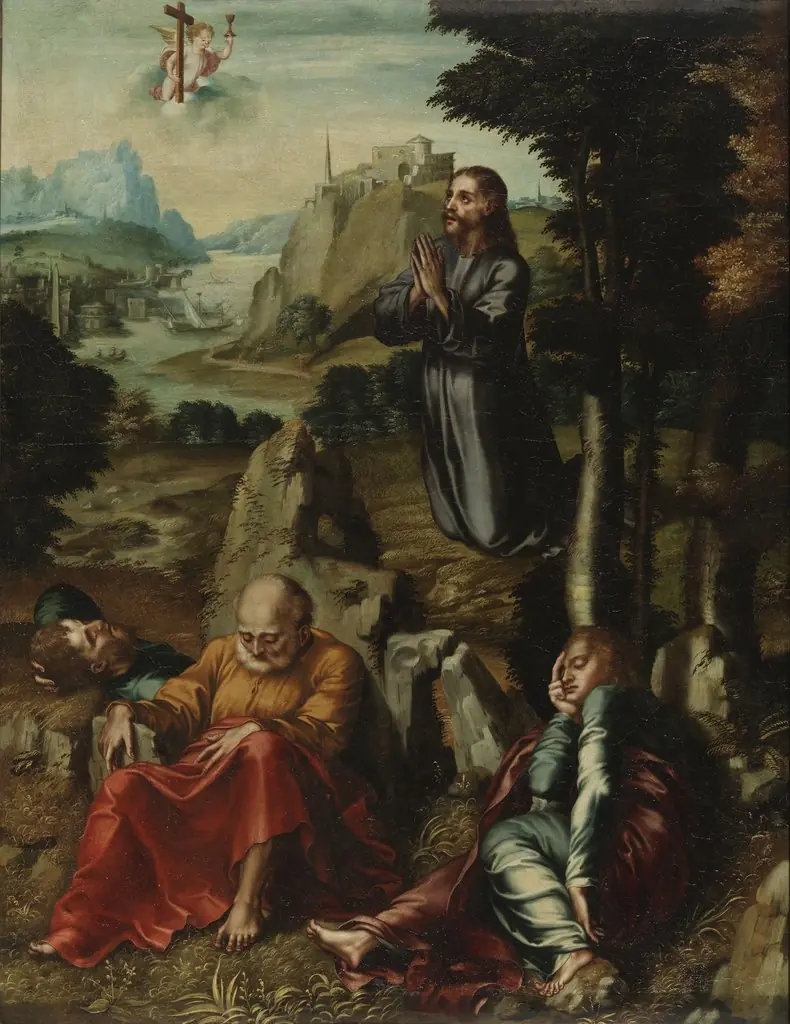 The Agony in the Garden
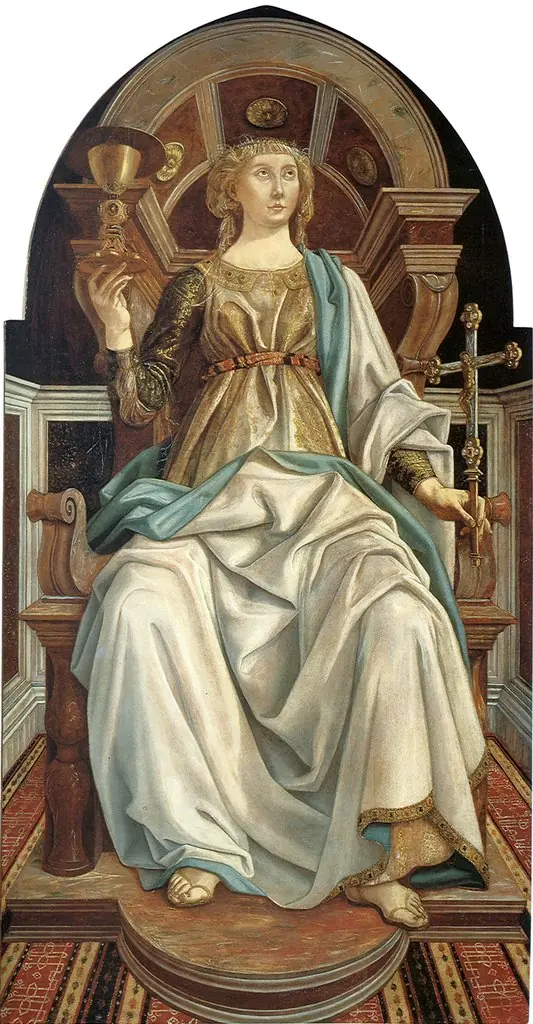 Faith
Faith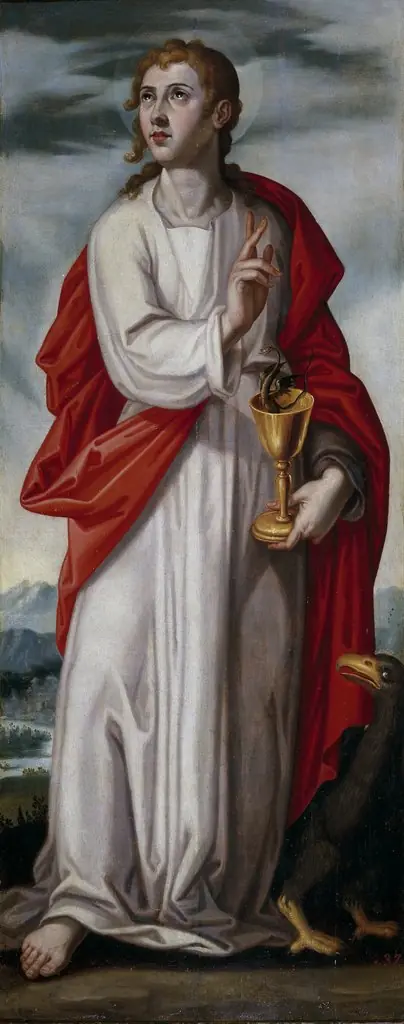 San Juan Evangelista
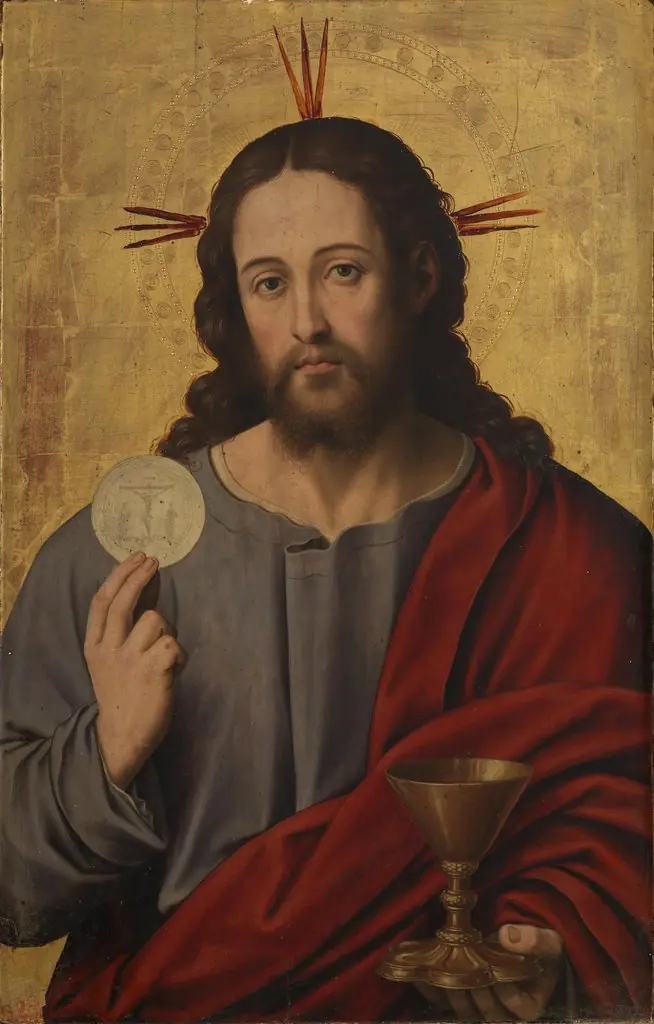 Christ the Saviour with the Eucharist
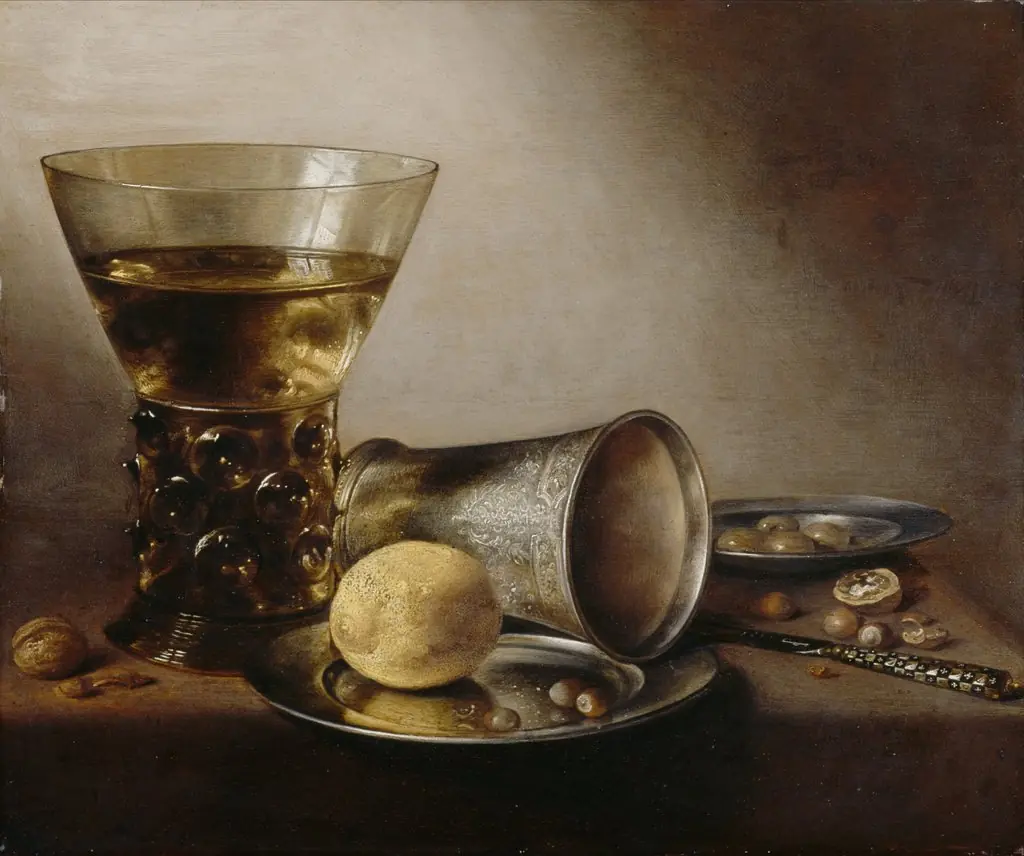 Still Life with Roemer
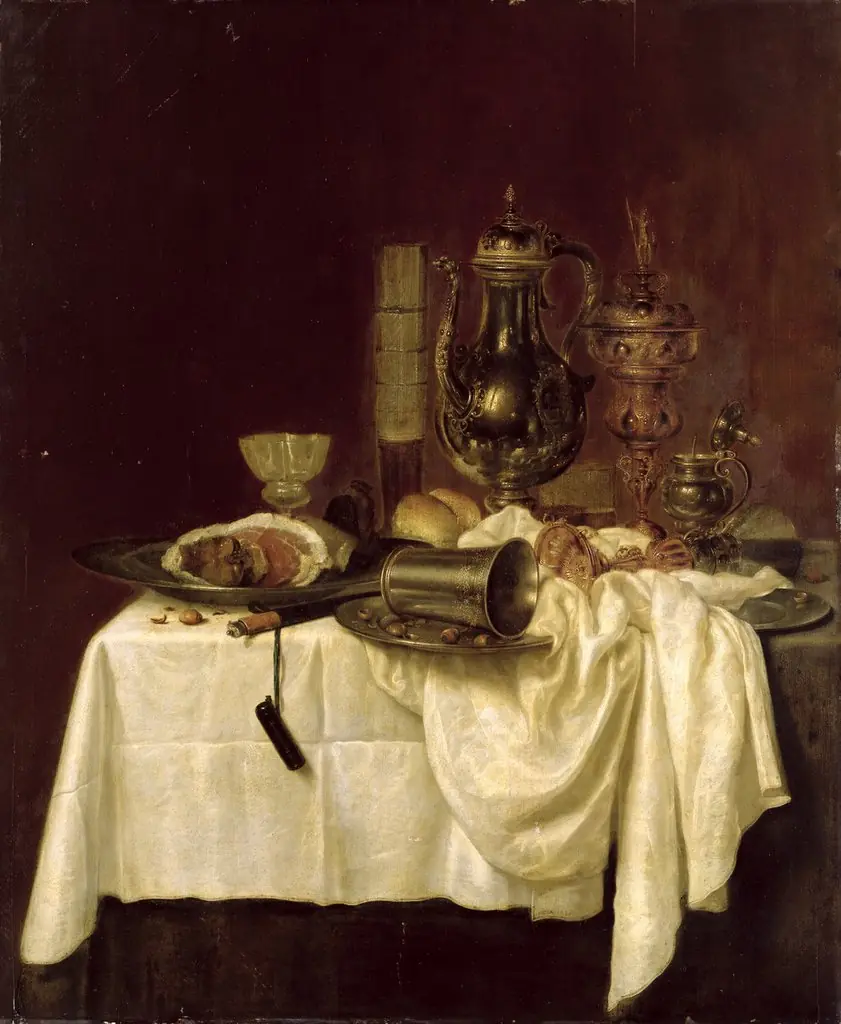 Still life with ham, decanter, columbine cup and passglass on a laid table
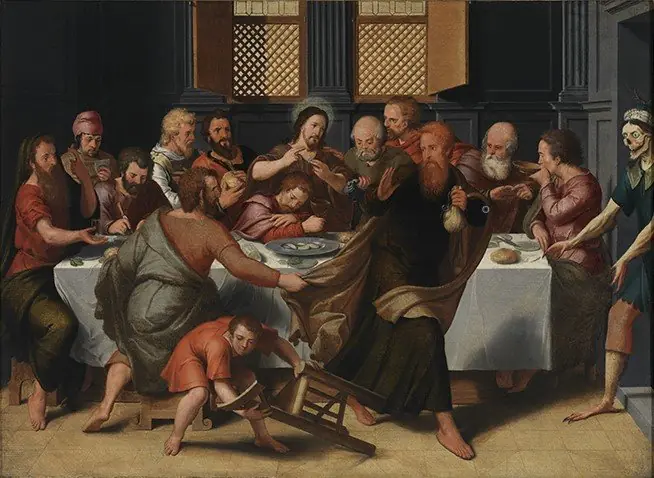 Last Supper
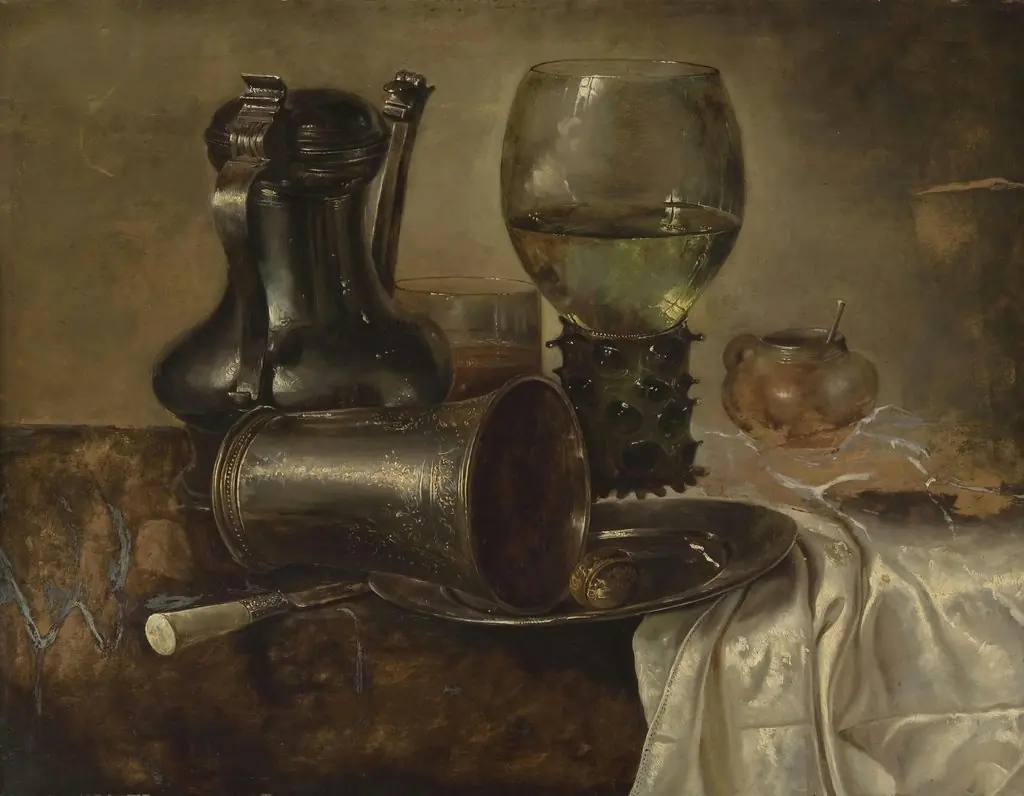 Still Life with a Roemer, a Covered Flagon, and a Beaker
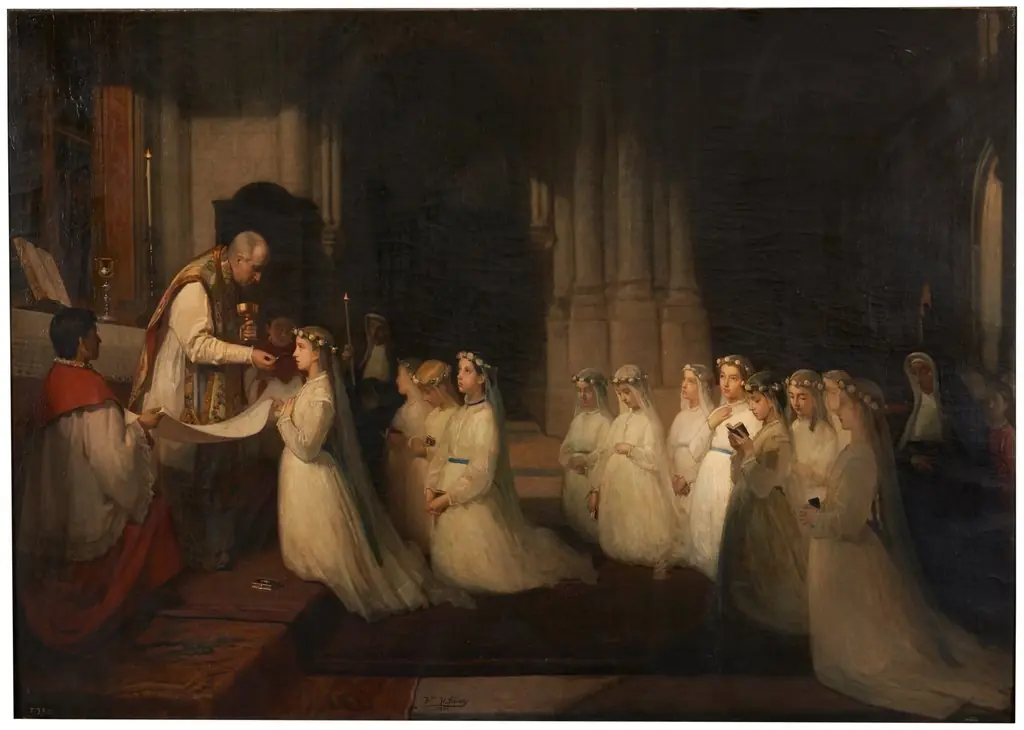 La primera comunión
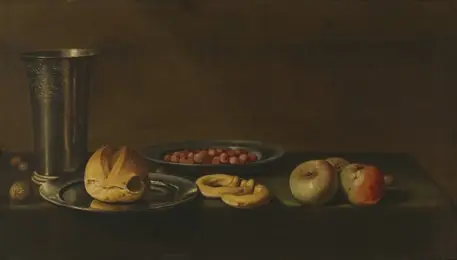 Still life with berries
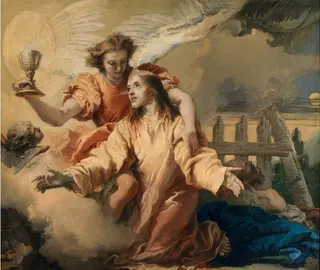 The Agony in the Garden
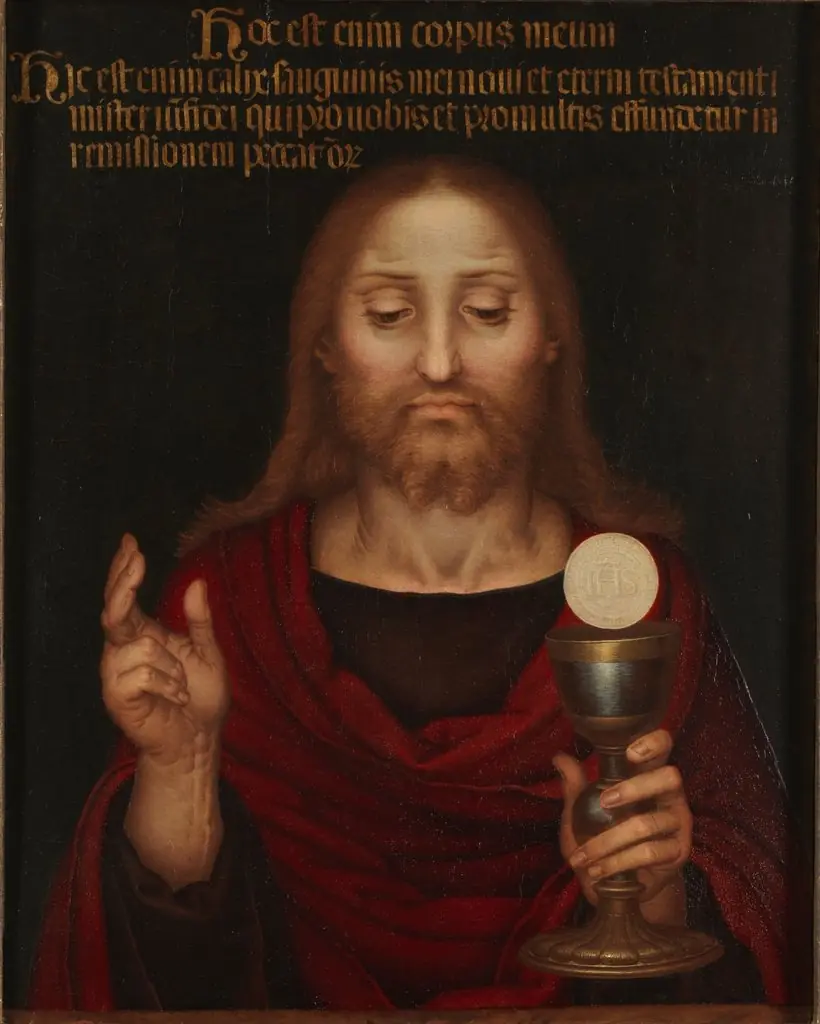 The Eucharistic Christ
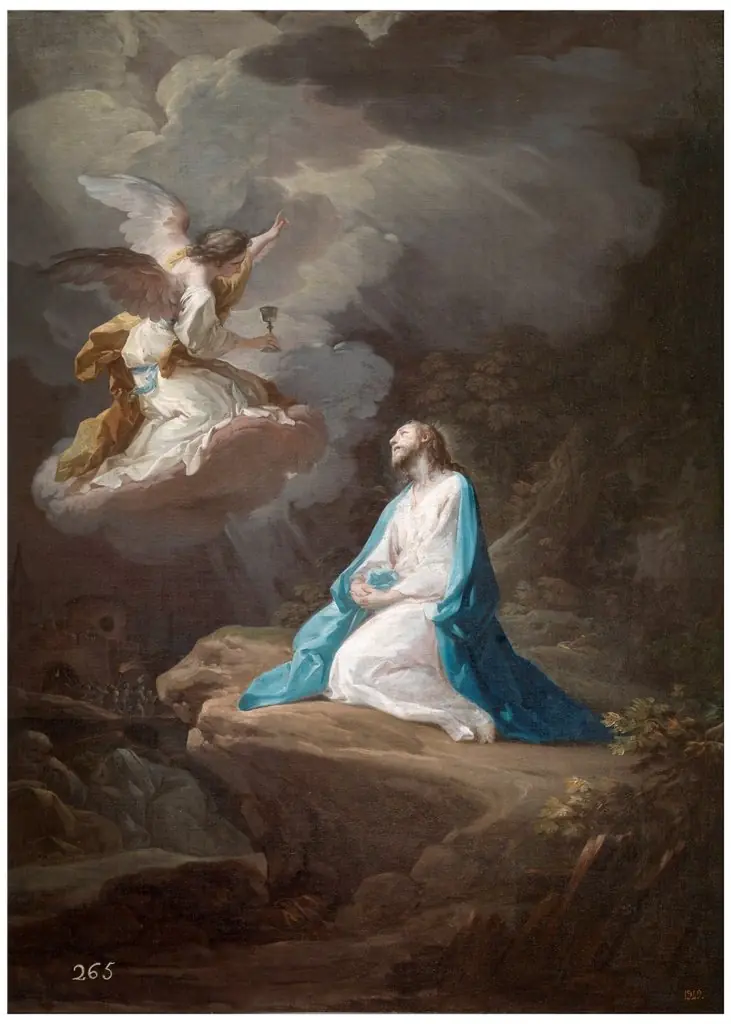 The Agony in the Garden
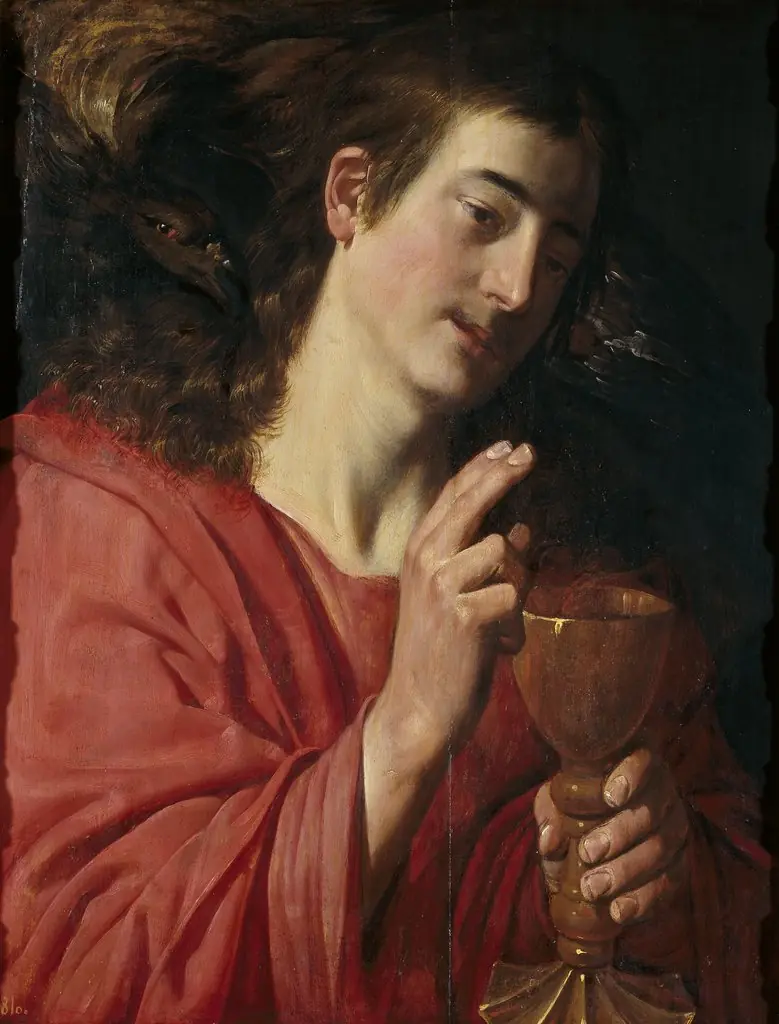 The evangelist John
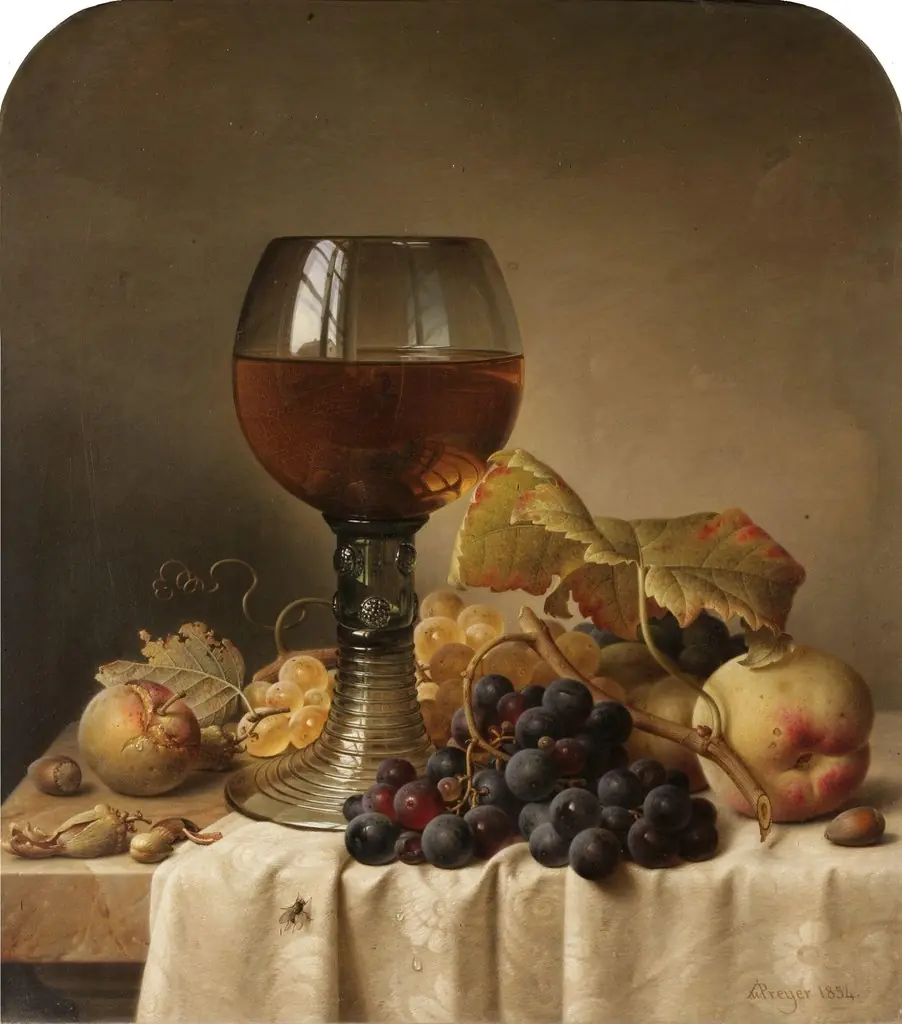 Fruit and a Goblet
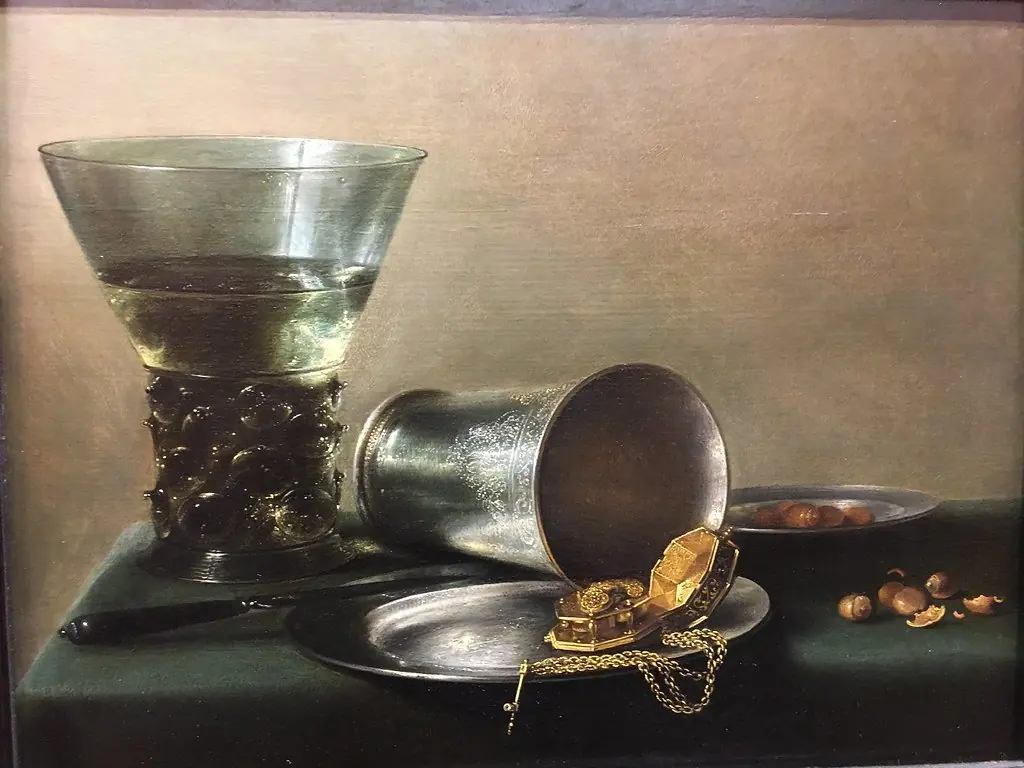 Still life with a large berkemeyer, silver chalice and a gold pocket watch
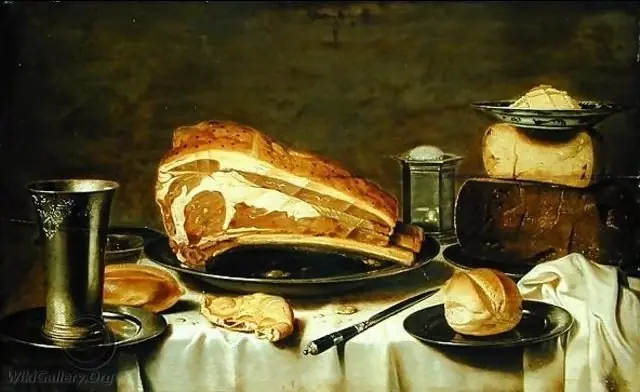 Still life of a laid table with cheese, meat and bread
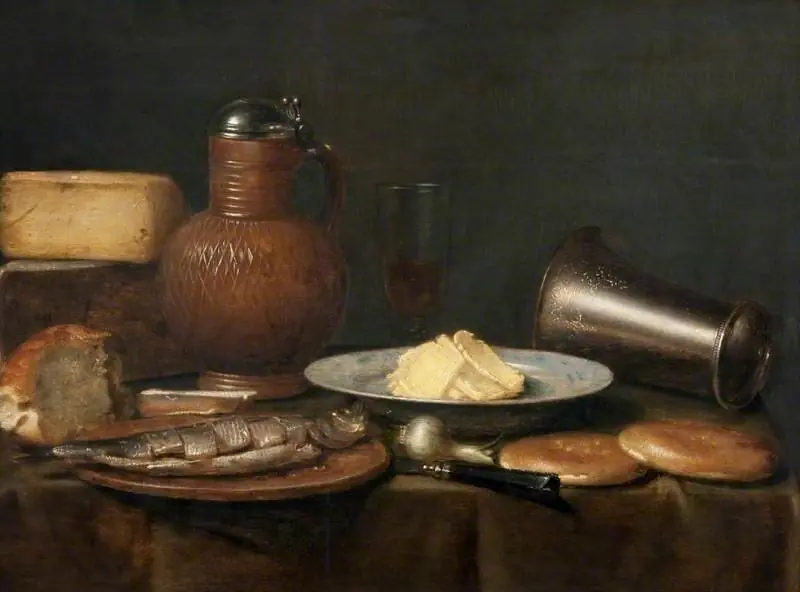 Still Life, a Breakfast Piece
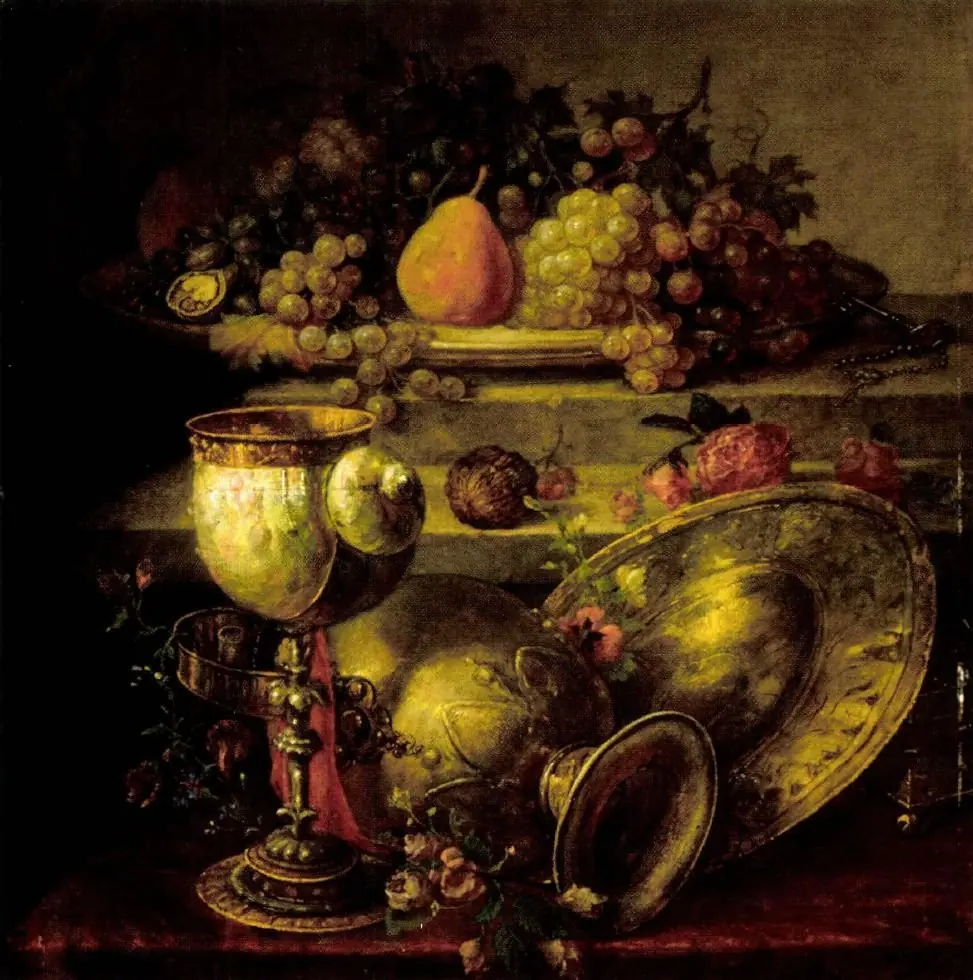 Still Life
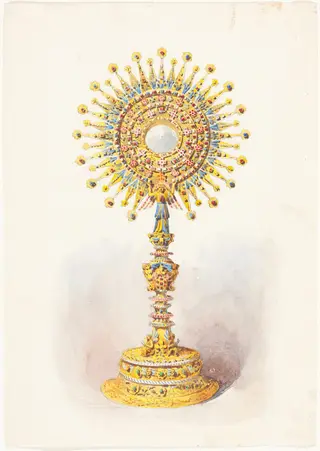 A Monstrance
![Sheet of Studies [recto and verso]](https://artifactworldgallery.com/img/john-flaxman--sheet-of-studies-recto-and-verso--af37285108779a00-w320.webp) Sheet of Studies [recto and verso]
Sheet of Studies [recto and verso]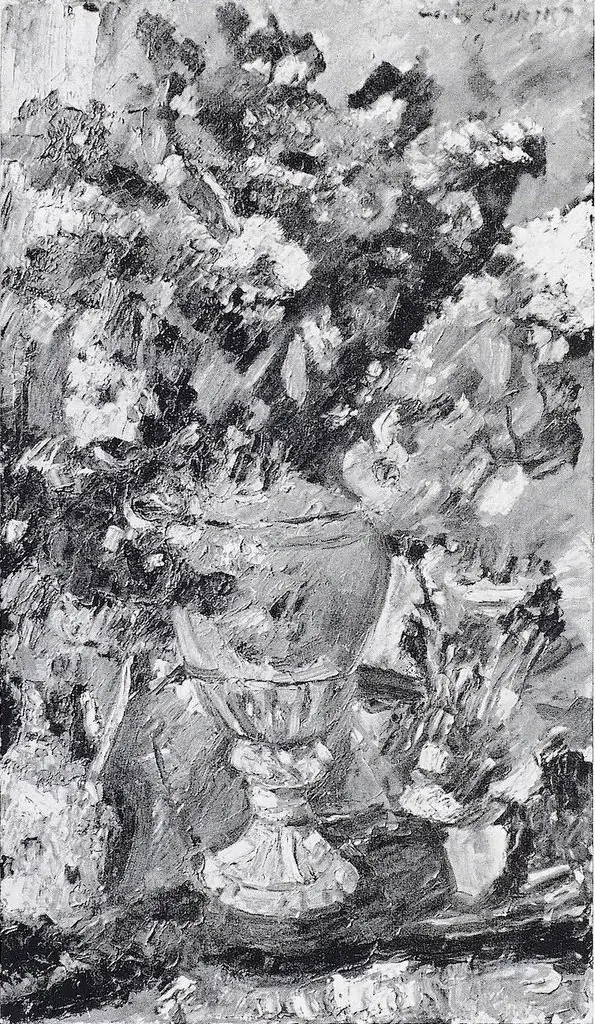 Flieder in Meißner Vase
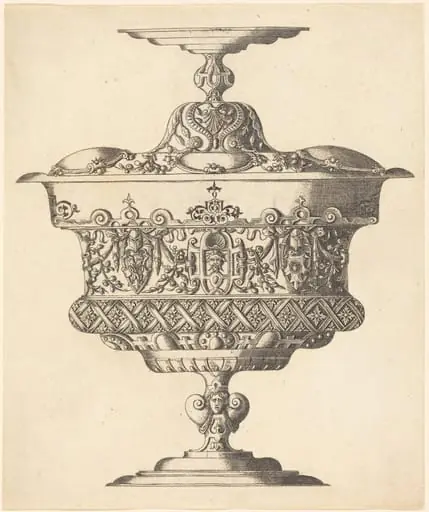 Cup
Cup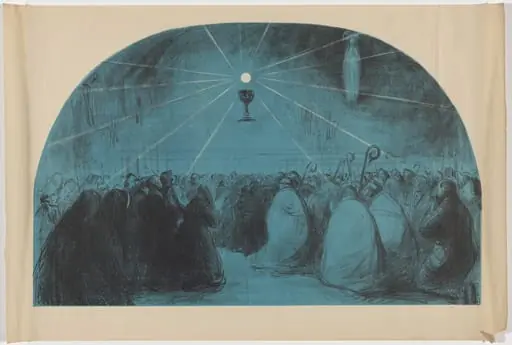 Lourdes, 1914, 25th International Eucharistic Congress
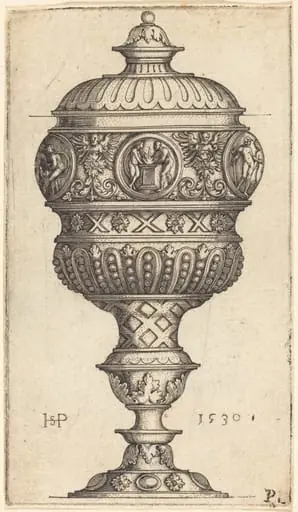 Goblet with Medallions
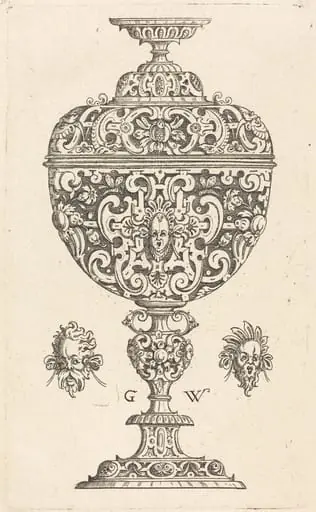 Goblet decorated with a masque with open mouth
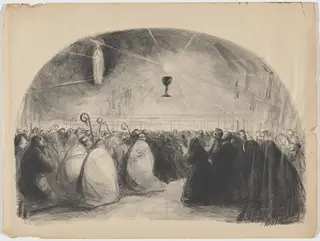 Lourdes, 1914, 25th International Eucharistic Congress
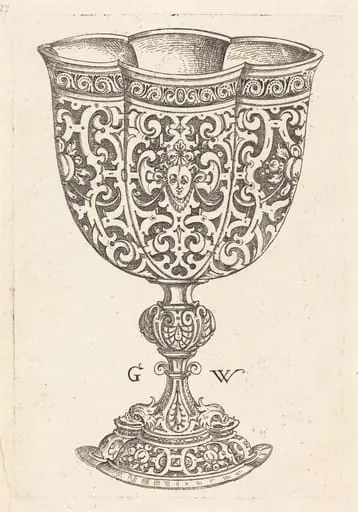 Chalice with six embossings, base decorated with two dolphins
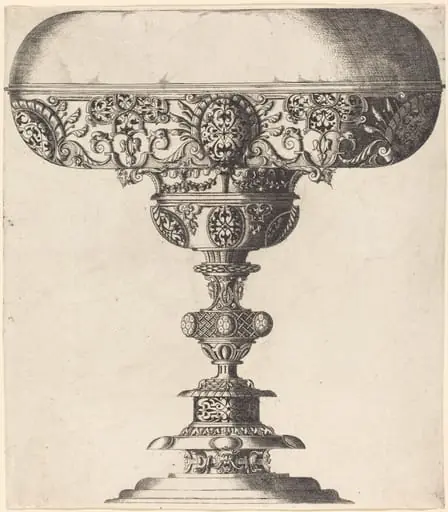 Cup
Cup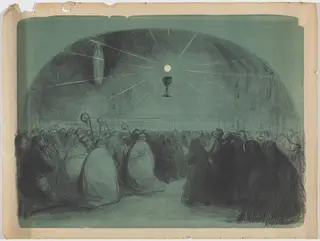 Lourdes, 1914, 25th International Eucharistic Congress
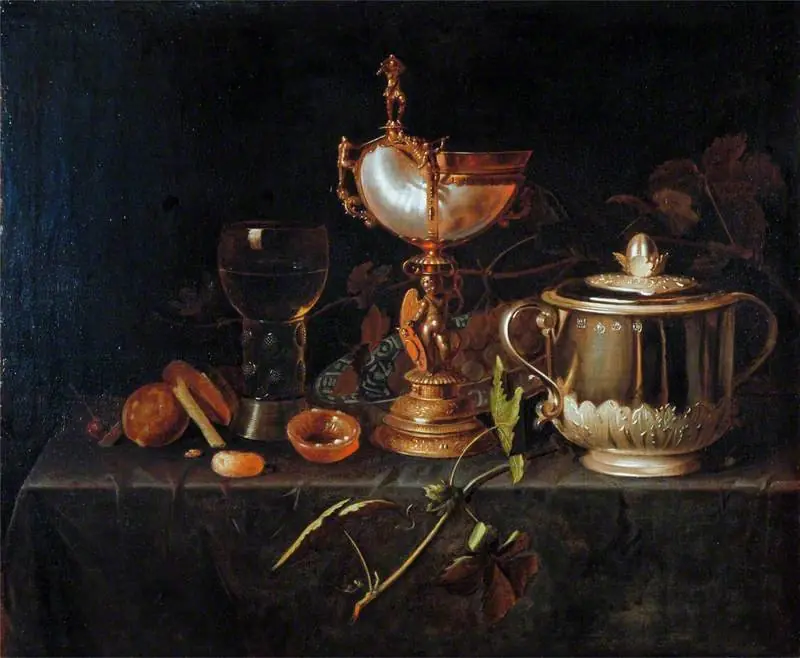 Porringer and Nautilus Cup
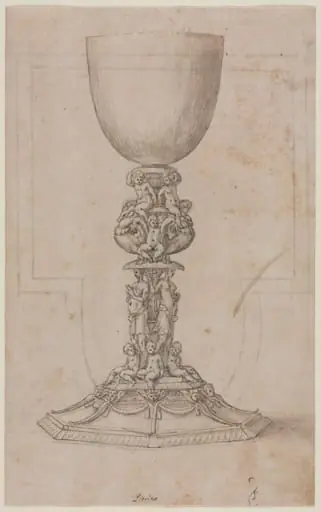 Design for a Chalice (recto)
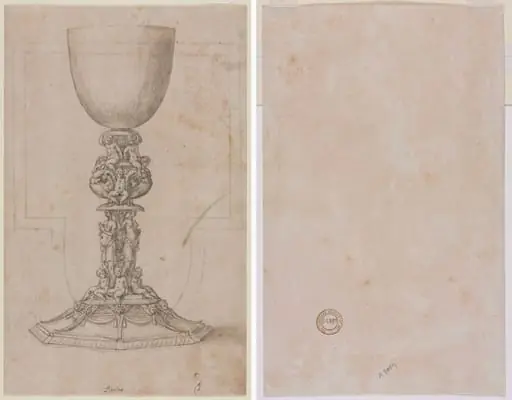 Design for a Chalice (recto) Architectural Plan (verso)
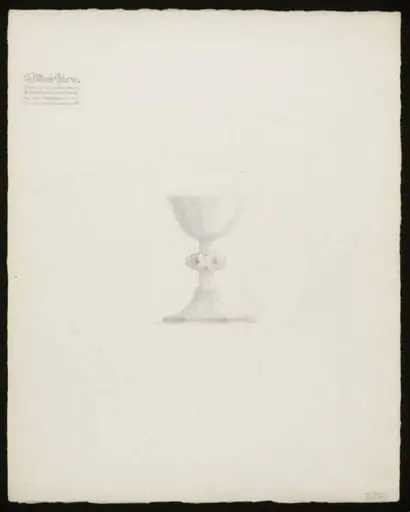 The Nettlecombe Chalice
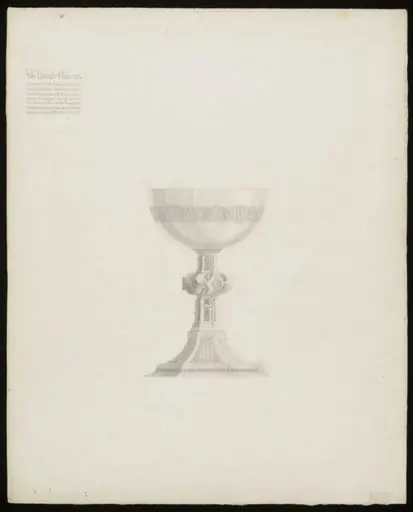 The Leominster Chalice
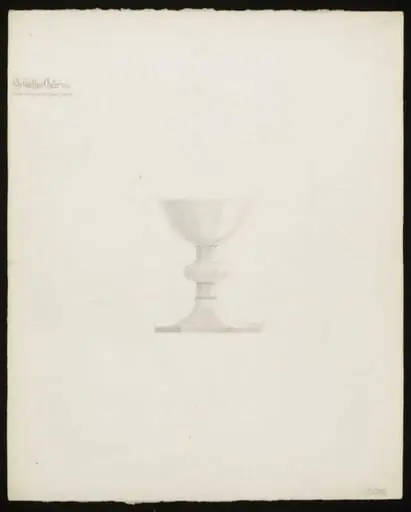 The Goathland Chalice
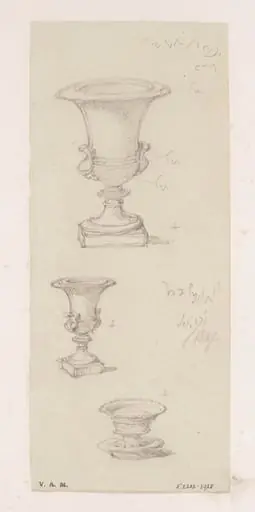 Studies of vases
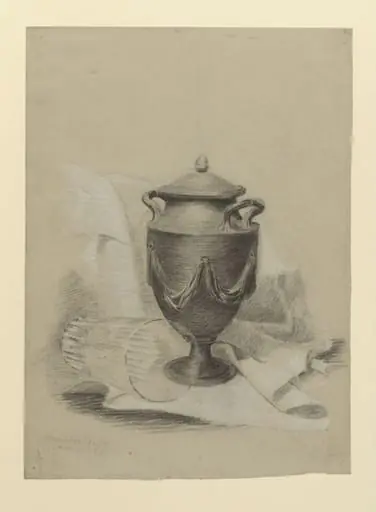 Drawing of a swagged urn (black basalt ware) and a glass tumbler
Frequently asked questions
What is Chalice?
Chalice is a subject in art. A chalice (from Latin calix 'cup', taken from the Ancient Greek κύλιξ (kylix) 'cup') is a drinking cup raised on a stem with a foot or base.
How many Chalice works does Artifact World Gallery have?
Artifact World Gallery holds 68 public-domain Chalice works, all free to view and download.
Who are the key Chalice artists?
Key Chalice artists in the collection include Thomas Cole, Johannes Vermeer and El Greco.
Where can I see Chalice works?
Chalice works in the collection are held by Museo del Prado, National Gallery of Art and Victoria and Albert Museum.