Artwork
The Fall of Phaeton
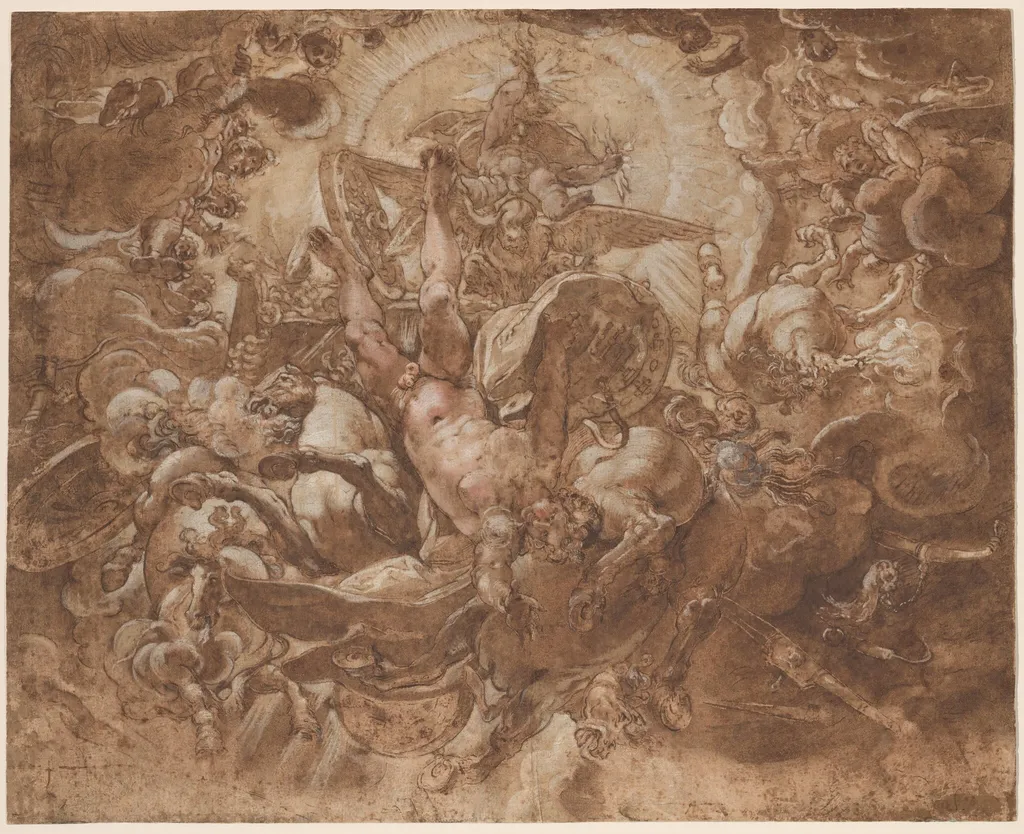
The Fall of Phaeton is an ink drawing by the Renaissance artist Joseph Heintz the Elder. It dates from 1591 and is held in the collection of the National Gallery of Art.
About this work
Overview
Created around 1591 by Joseph Heintz the Elder, this drawing depicts the mythological collapse of Phaeton, who lost control of the sun chariot.
Created around 1591 by Joseph Heintz the Elder, this drawing depicts the mythological collapse of Phaeton, who lost control of the sun chariot. Executed in pen and brown ink with washes over black chalk, it employs white heightening and incised lines to suggest light and texture. The composition is densely layered, with agitated brushwork and overlapping figures conveying violent motion. The work survives as a preparatory study, likely intended for a larger painting or print.
Subject & Meaning
The scene illustrates the downfall of Phaeton, the mortal son of Helios, who attempted to drive the sun chariot and was struck down by Zeus to prevent cosmic disaster. Figures swirl in chaotic descent, their bodies entangled in turbulent clouds, symbolizing divine retribution and human overreach. Though the central figure is ambiguous, the composition emphasizes collective collapse rather than individual heroism, reinforcing the myth’s moral warning against hubris.
Technique & Style
Heintz used rapid pen strokes, layered brown and red washes, and black chalk underdrawing to build depth and movement. Cross-hatching defines shadow and volume, while white pigment highlights limbs and drapery, contrasting against the dark ground. Indented lines, made by pressing a stylus through the paper, suggest a transfer method for reproduction. The technique prioritizes expressive energy over precision, aligning with Mannerist tendencies of the period.
History & Provenance
The drawing is documented as part of Heintz’s early output during his time in Italy, where he absorbed the influence of Michelangelo and Mannerist draftsmanship. It entered a private collection in the 17th century and later passed through European institutional holdings. Its survival as a single sheet, rather than a finished painting, suggests it was valued for its compositional experimentation rather than as a final product.
Context
Created during the late Renaissance, the drawing reflects the era’s fascination with classical myths and dramatic narrative. Artists like Heintz, trained in Italy, adapted Mannerist conventions, elongated forms, compressed space, and emotional intensity, to convey mythological turmoil. The use of ink and wash for preparatory studies was common among Northern European artists working in Italian traditions, bridging draftsmanship and painted composition.
Legacy
Though not widely exhibited, the drawing remains a significant example of Heintz’s graphic work and the broader practice of preparatory drawing in late 16th-century Europe. Its dynamic energy and technical experimentation influenced later generations of draftsmen interested in motion and mythic drama. It stands as a testament to the role of drawing as a laboratory for narrative and form before the advent of printmaking or painting.
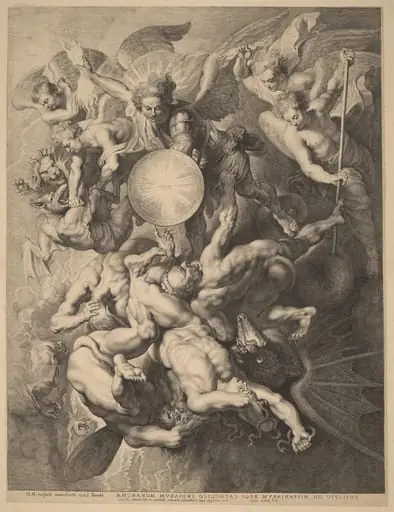
Own this work as a print
Artist & collection

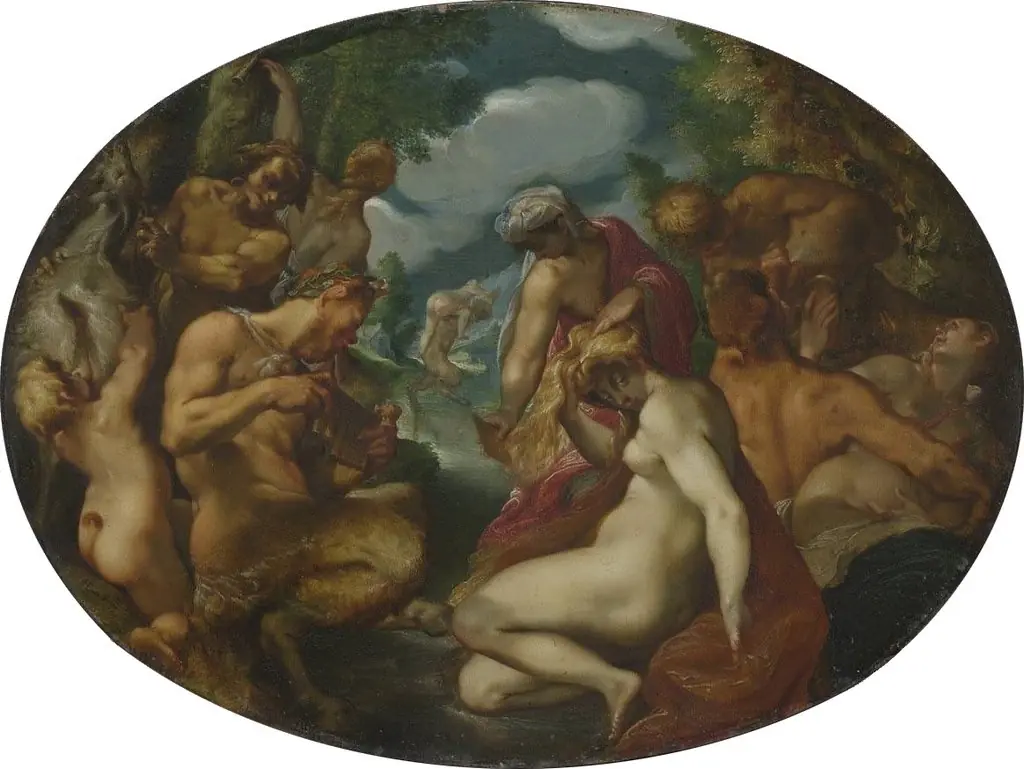 Satyrs and nymphs
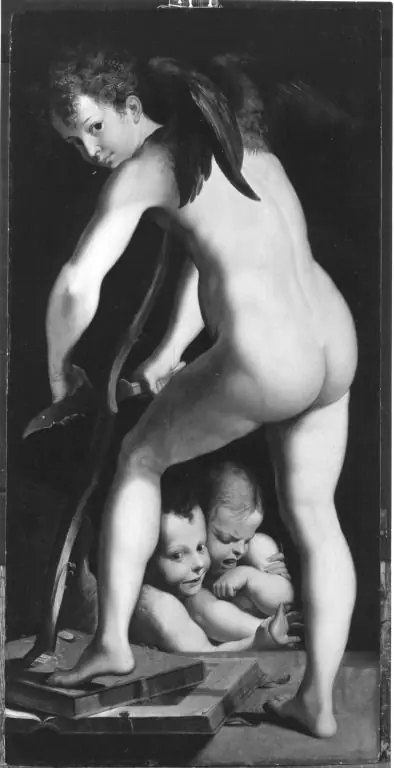 Cupid carves the bow
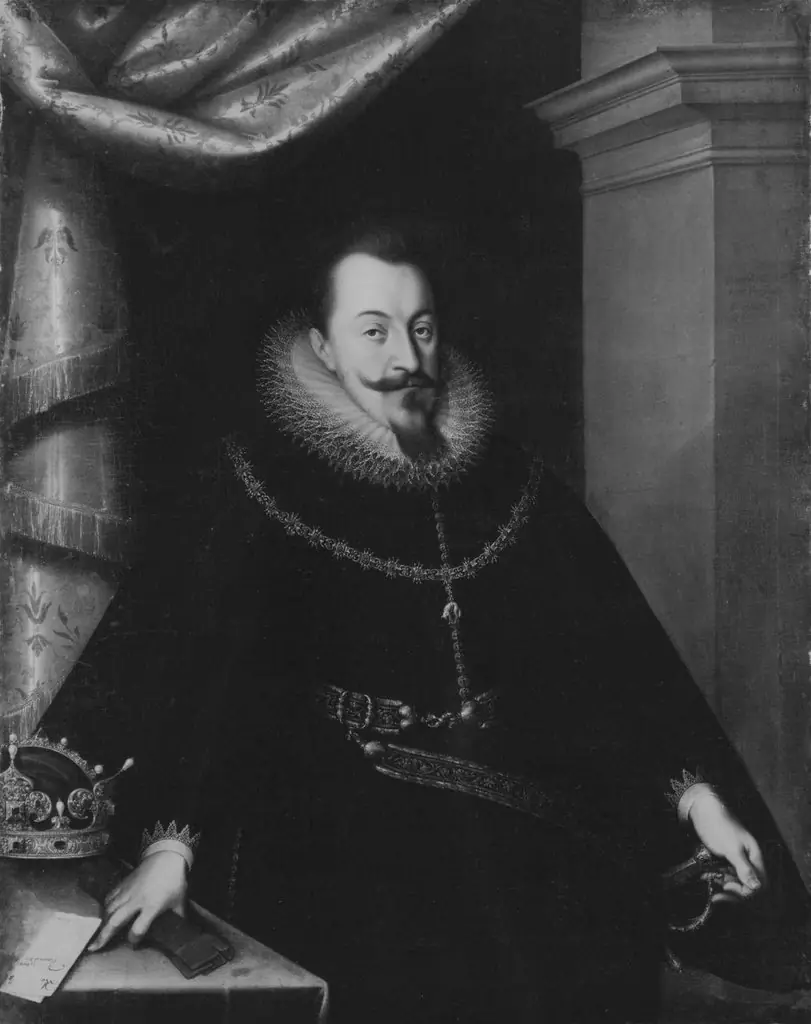 Bildnis des Königs Sigismund III. Vara von Polen und Schweden
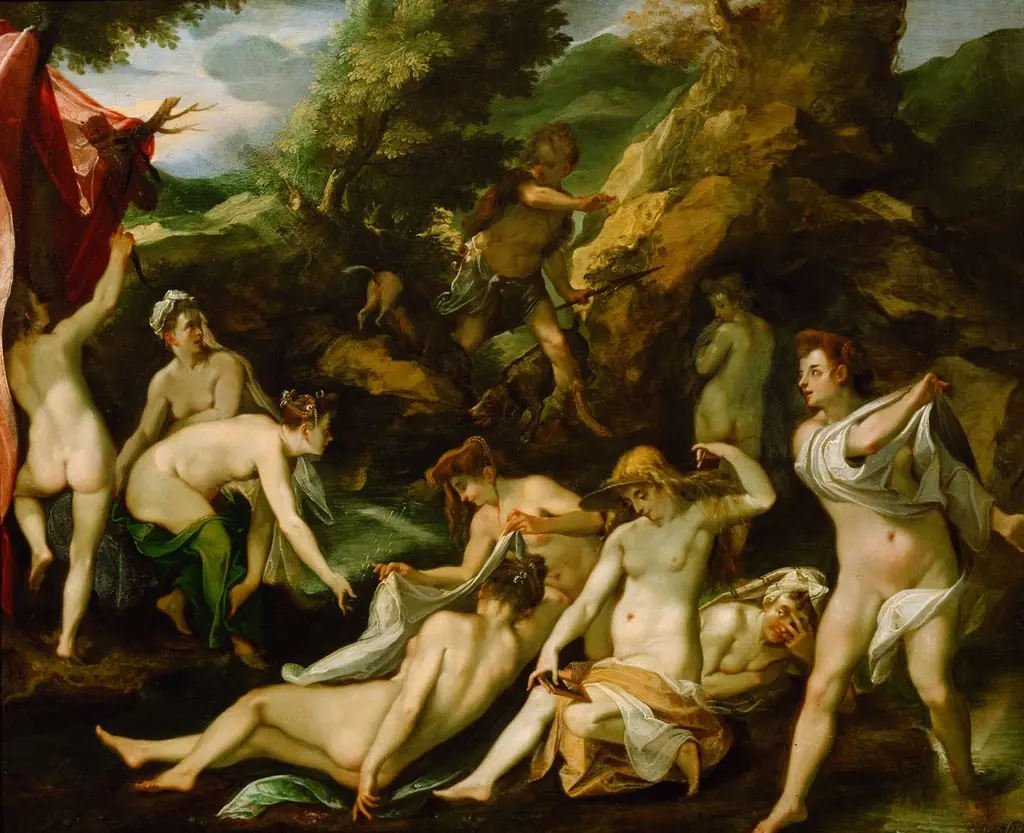 Diana and Actaeon
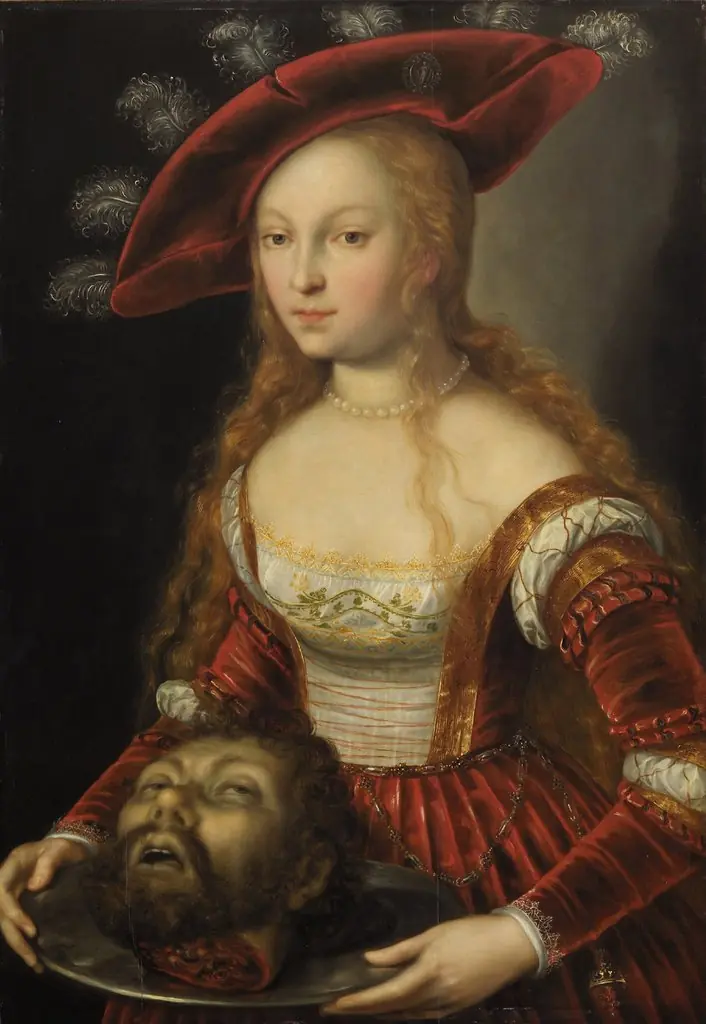 Salome with the head of John the Baptist
 Archduke Leopold V (1586-1632) in the Spiritual Garment
 Emperor Ferdinand II (1578-1637) in Full Figure with a Court Dwarf
 Porträt des Kaisers Rudolf II.
- The Fall of the Rebel Angels
 The Coronation of the Virgin
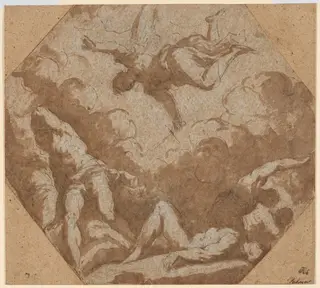 The Fall of the Rebel Angels
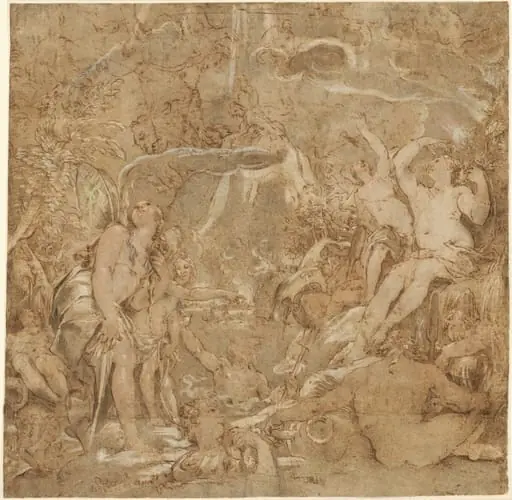 The Daughters of the Po with River Gods
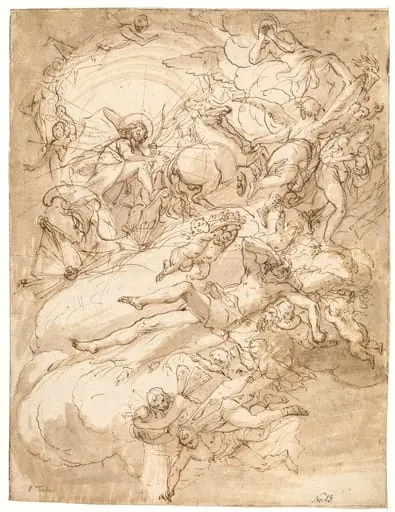 Apollo in his chariot, design for a ceiling painting
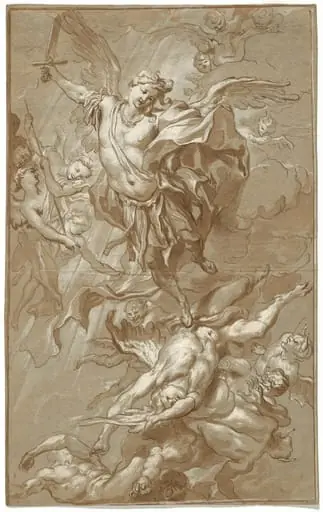 Saint Michael and the Rebel Angels
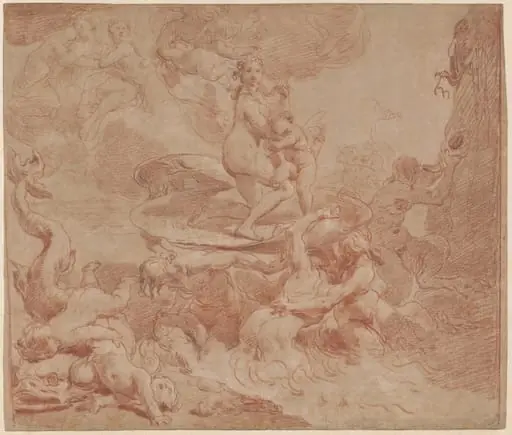 The Birth of Venus
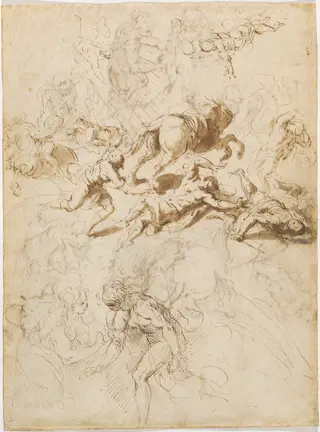 The Conversion of Saint Paul; Adam and Eve
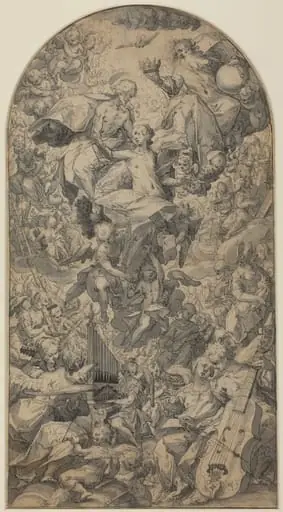 The Coronation of the Virgin with Angel Musicians and All Saints
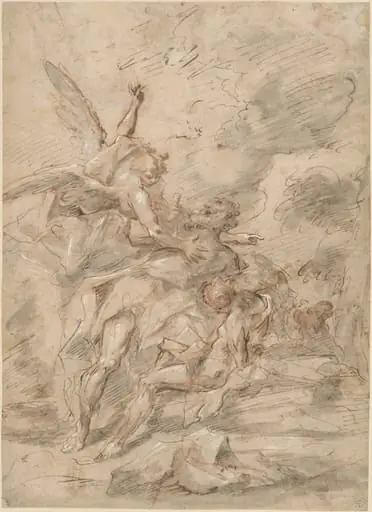 The Sacrifice of Isaac
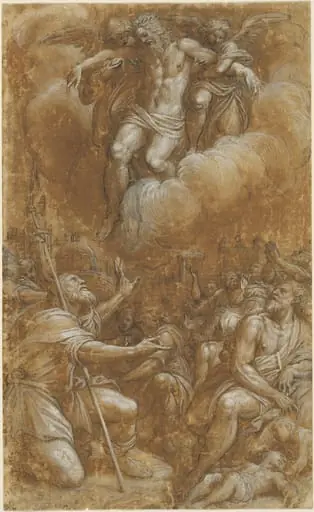 Saint Roch Interceding on Behalf of Plague Victims
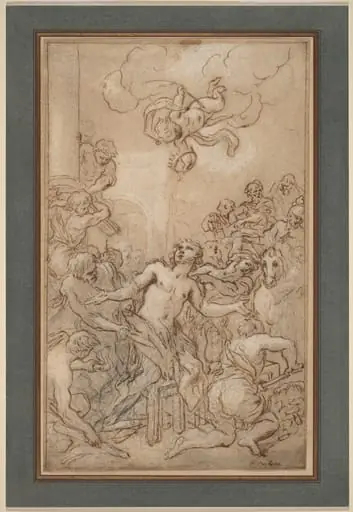 The Martyrdom of Saint Lawrence