Artwork
Heraclitus
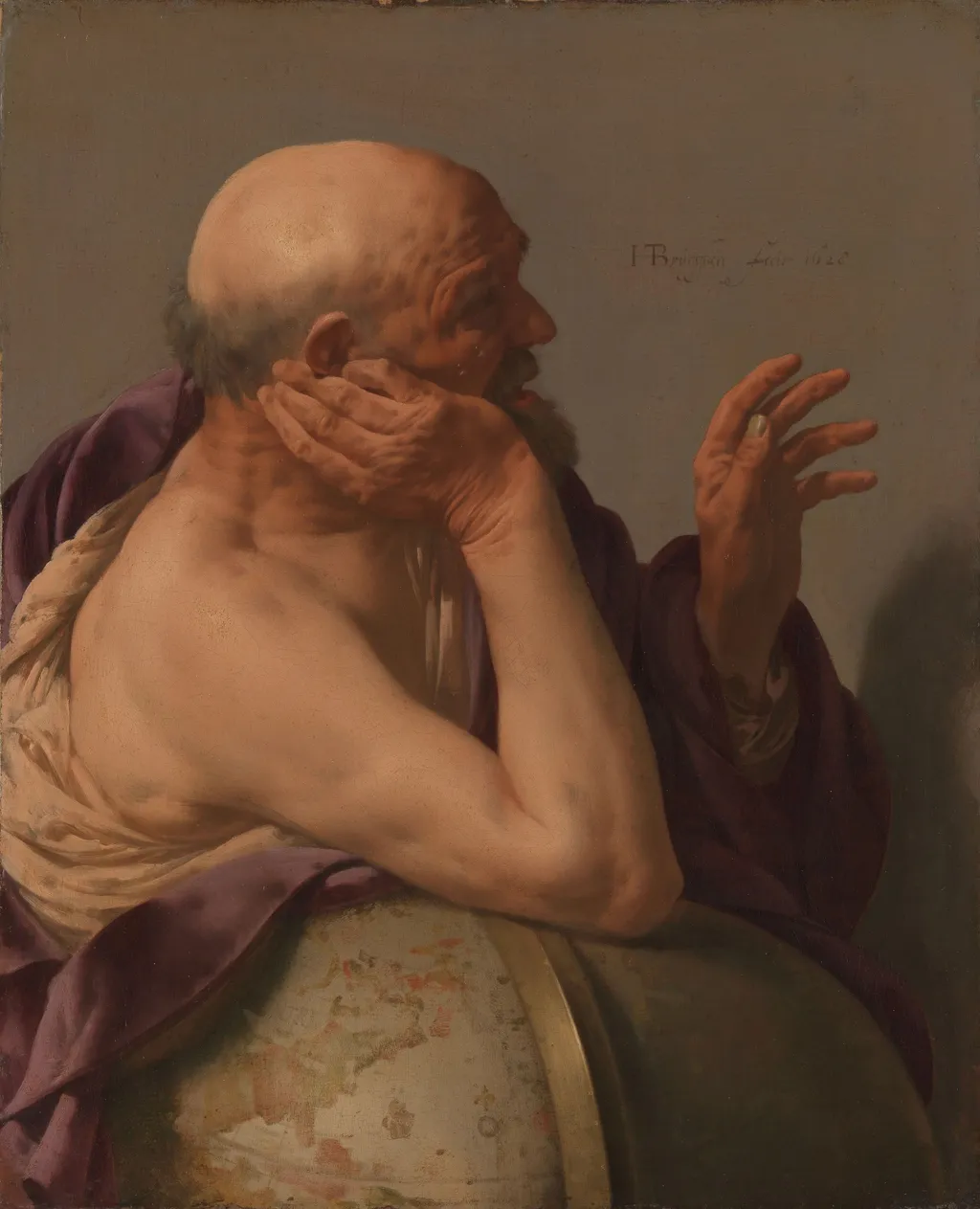
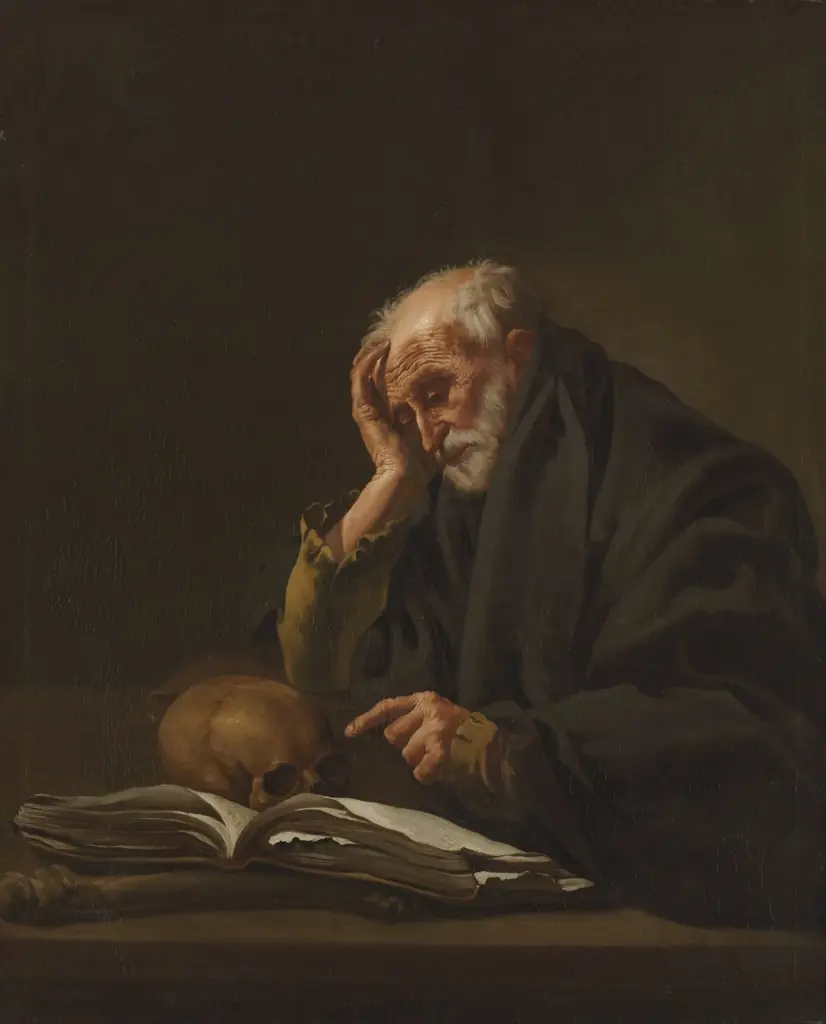
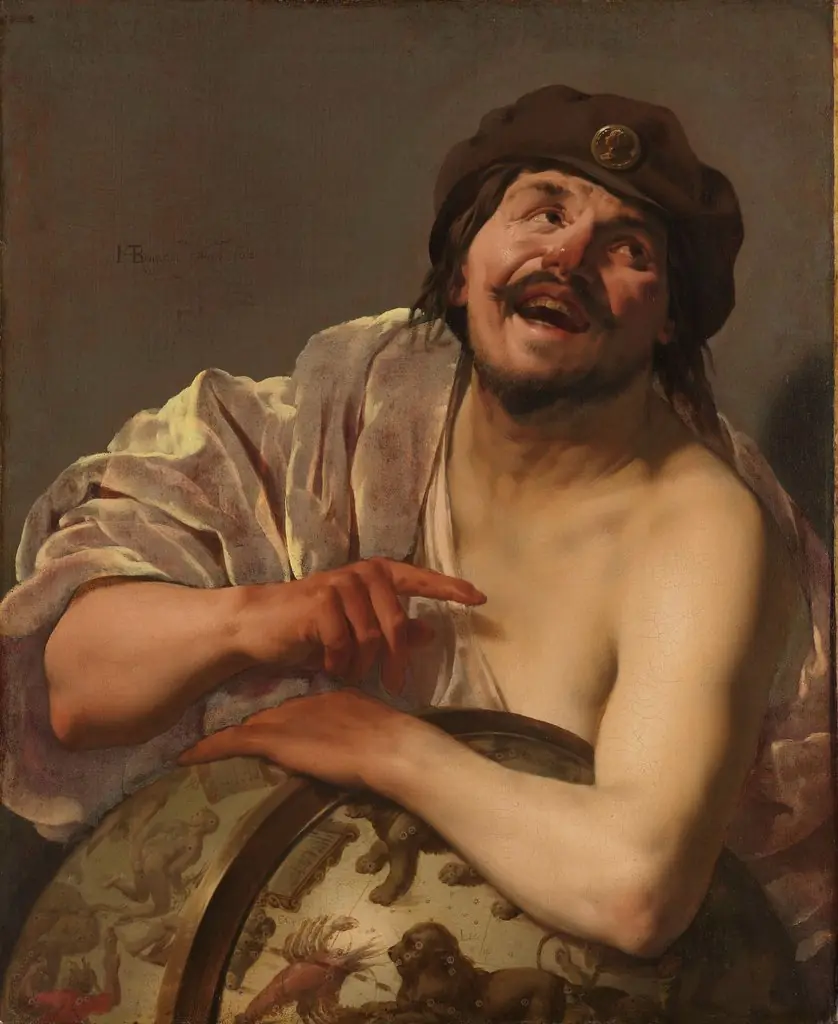
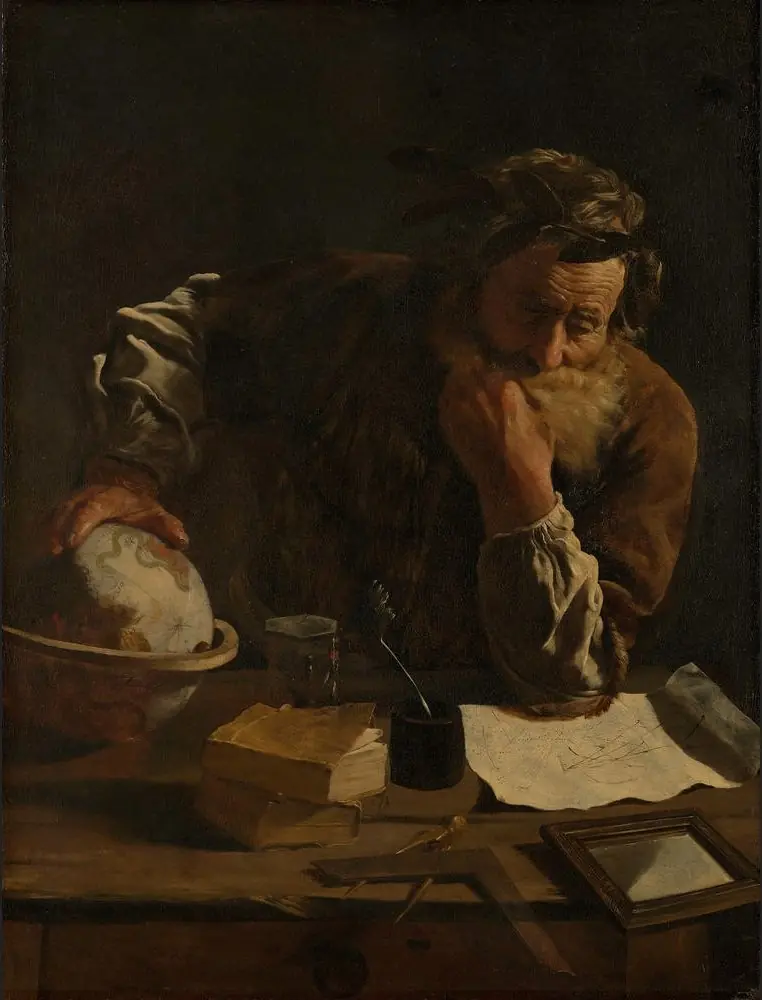
Heraclitus is an oil painting by the Caravaggisti artist Hendrick ter Brugghen. It dates from 1628 and is held in the collection of the Rijksmuseum.
About this work
Subject & Meaning
The depiction focuses on the individual identity of the philosopher rather than illustrating specific mythological narratives or allegorical scenes.
The painting depicts a single male figure, identified by the work's title as the ancient Greek philosopher Heraclitus. Rendered in oil on canvas, the subject is presented as a solitary man, consistent with the traditional iconography of the philosopher known for his melancholic temperament and solitary nature. The work serves as a portrait of this historical thinker, capturing his likeness within the context of 17th-century Dutch art.
The depiction focuses on the individual identity of the philosopher rather than illustrating specific mythological narratives or allegorical scenes.
Technique & Style
Hendrick ter Brugghen's Heraclitus is an oil painting executed on canvas in 1628. The work measures 85.5 cm in height and 70 cm in width. As a product of the Utrecht Caravaggisti, the painting employs the medium of oil paint to render a male figure, utilizing the material support of canvas typical of the period. The piece is currently held within the Rijksmuseum collection.
History & Provenance
The painting Heraclitus was created in 1628 by Hendrick ter Brugghen, who both painted and signed the work as documented in its catalog records. It entered the collection of the Rijksmuseum, where it remains on display in hall 2.1, and was featured in the exhibition "Rijksmuseum on the Scheldt. Masterpieces from the treasure-house of the Netherlands".
Context
Hendrick ter Brugghen's Heraclitus (1628) occupies a pivotal position in Dutch Golden Age painting, reflecting the era's fascination with philosophical subjects rendered as single figure studies. The work, housed at the Rijksmuseum in Amsterdam (hall 2.1), exemplifies the Utrecht school's influence on ter Brugghen, particularly the dramatic chiaroscuro and psychological intensity pioneered by Caravaggio, which he adapted to biblical and allegorical themes. Its depiction of a brooding philosopher aligns with contemporary 17th-century interpretations of the pre-Socratic thinker as a symbol of contemplative wisdom, distinct from later Romantic or modern philosophical readings.
The painting's significance was notably reinforced by its inclusion in the Rijksmuseum's 19th-century exhibition 'Rijksmuseum on the Scheldt. Masterpieces from the treasure-house of the Netherlands,' cementing its status within the national artistic canon.
Overview
Hendrick ter Brugghen’s 1628 oil painting titled Heraclitus presents a solitary, elderly figure rendered in a stark light against a dark background. The composition is dominated by the man’s contemplative pose, his chin resting on a hand, while a partially visible globe rests before him. The work exemplifies the Utrecht Caravaggisti’s engagement with dramatic illumination and psychological intensity.
Own this work as a print
Artist & collection
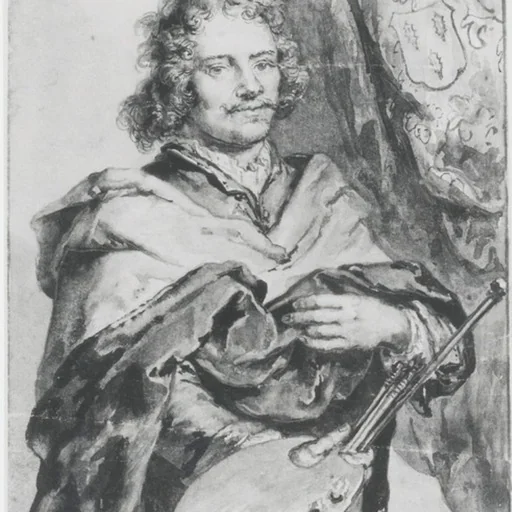
Artist
Hendrick Jansz ter Brugghen (or Terbrugghen; 1588 – 1 November 1629) was a Dutch painter of genre scenes and religious subjects.