Artwork
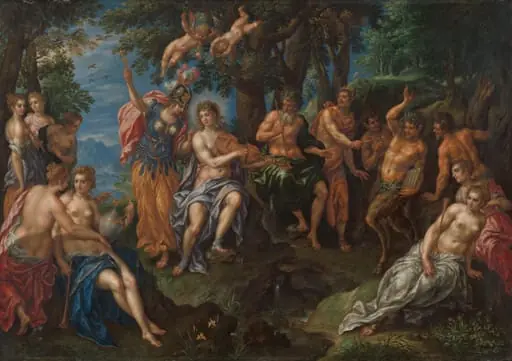
Diana Offered Wine and Fruit by the Young Bacchus and his Retinue
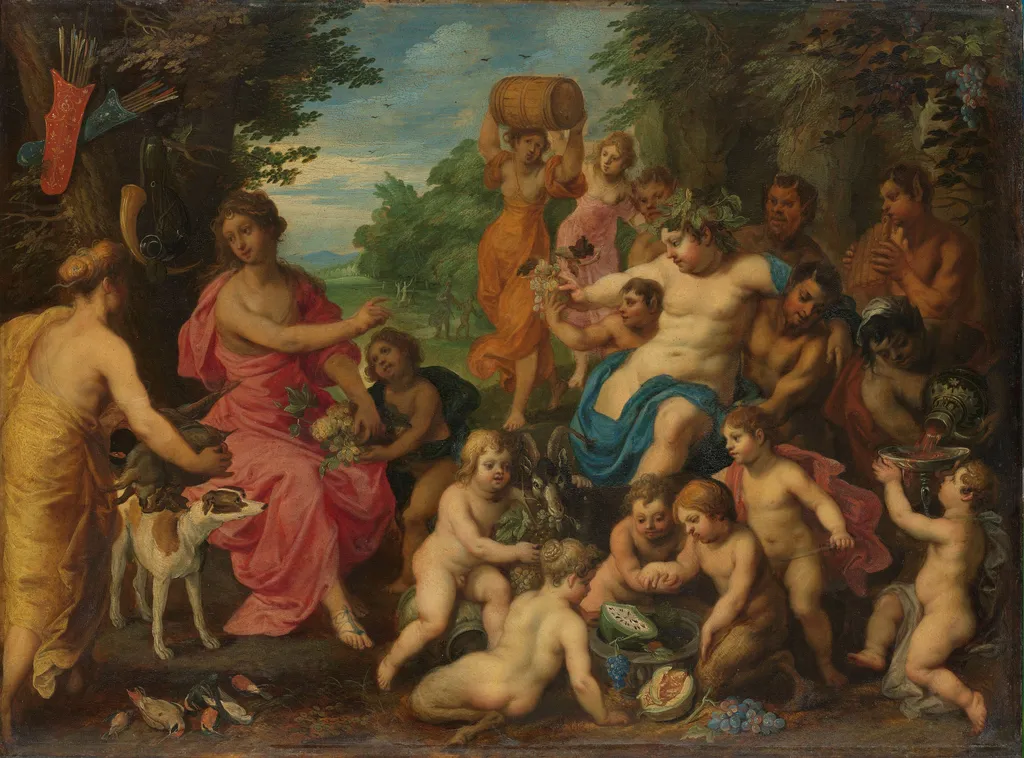
Diana Offered Wine and Fruit by the Young Bacchus and his Retinue is an oil painting by the Flemish Baroque painting artist Hendrick van Balen the Elder. It dates from 1632 and is held in the collection of the Rijksmuseum.
About this work
Subject & Meaning
Diana is recognized by the moon crescent on her head and her hunting gear, quivers and a horn, hung on a tree, while Bacchus wears a crown of grapevines.
The painting shows Diana, the Roman huntress goddess, and Bacchus, the god of wine, together with their retinues. Diana is recognized by the moon crescent on her head and her hunting gear, quivers and a horn, hung on a tree, while Bacchus wears a crown of grapevines. Around them sit satyrs, fauns, and putti engaged in drinking, music-making, and one satyr vomiting from excess; a putto offers grapes to a goat and another places a bunch on Diana’s lap.
Diana’s nymphs bring game such as a rabbit and a pheasant, and in the background nymphs carry a wine barrel. The scene juxtaposes Diana’s chaste, vigorous hunt with Bacchus’s indulgent, lustful nature, suggesting an allegorical tension between temperance and excess, or a playful, non‑narrative meeting of opposites that was a popular motif among early‑17th‑century Southern Netherlands nobility.
Technique & Style
The painting is executed in oil paint on a panel support, a common combination for cabinet pictures in the early 17th century. The composition is densely packed with figures, including satyrs, fauns, and putti, arranged in a frieze-like manner across the foreground. Van Balen’s handling is precise and detailed, with careful attention to the rendering of textures such as the fur of the animals, the foliage, and the translucent grapes.
The color palette is rich, with warm earth tones and vibrant accents of red and green, characteristic of the Antwerp school. The work is not signed or dated, but is attributed to Van Balen on stylistic grounds. Its small scale (39.5 × 52 cm) and intricate finish suggest it was intended for a private collector’s cabinet.
History & Provenance
Diana Offered Wine and Fruit by the Young Bacchus and his Retinue is an oil painting on panel created in 1632 by Hendrick van Balen the Elder. The work is not signed or dated by the artist; its attribution to Van Balen and its specific date are established on stylistic grounds. It is considered a collaborative effort or work after Jan Brueghel the Elder, depicting mythological figures in a setting that contrasts the goddess Diana with the god Bacchus and his retinue.
The painting's provenance traces back to the Kabinet Van Heteren Gevers, a private collection owned by Adriaan Leonard van Heteren Gevers. On June 8, 1809, this entire collection was acquired by the Rijksmuseum in Amsterdam, bringing the artwork into the public domain. While the Rijksmuseum holds the work, it is currently located in the Bonnefanten Museum as part of the Kabinet van Heteren Gevers collection.
The painting is held in the collection of the Bonnefanten Museum, where it is listed under inventory number 1987.001. It entered the collection through the purchase of the Kabinet van Heteren Gevers on 8 June 1809 by the Rijksmuseum, which subsequently transferred it to the Bonnefanten Museum.
The work is attributed to Hendrick van Balen the Elder and was created in 1632. It was acquired by the Rijksmuseum from the Kabinet van Heteren Gevers collection on 8 June 1809.
Context
Scholars attribute this unsigned panel to Hendrick van Balen the Elder based on stylistic analysis, dating the work to 1632. The painting reflects the early seventeenth-century popularity of mythological hunting scenes among the South Netherlandish nobility, a genre also explored by Peter Paul Rubens. Art historical comparison notes strong compositional parallels between this work and Rubens's 'The Return of Diana from the Hunt,' particularly in the depiction of a non-aggressive encounter between Diana and Bacchus's retinue.
Unlike narratives detailing specific mythological conflicts, such as the story of Aura, this composition appears to be an invented festive scene rather than an illustration of a known classical text. The work entered the Rijksmuseum collection in 1809 as part of the Van Heteren Gevers cabinet.
Overview
Hendrick van Balen the Elder created the oil‑on‑copper composition titled Diana Offered Wine and Fruit by the Young Bacchus and his Retinue in 1632. Executed for a small cabinet setting, the work now belongs to the Rijksmuseum’s collection. It presents a mythological encounter between the Roman deities Bacchus and Diana, rendered in the characteristic Flemish Baroque style of the early seventeenth century.
Own this work as a print
Artist & collection
Artist
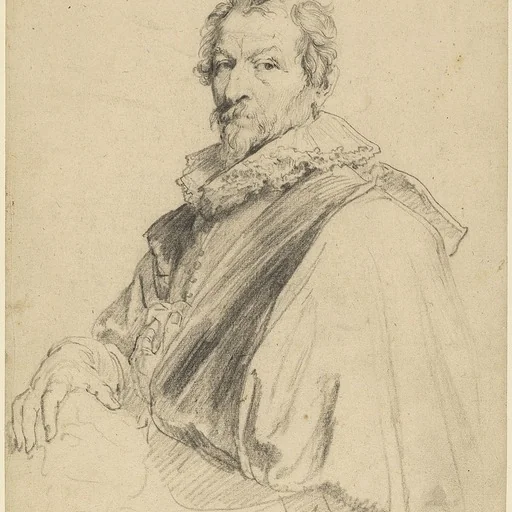
Hendrick van Balen or Hendrick van Balen I (c. 1573–1575 – 17 July 1632) was a Flemish Baroque painter and stained glass designer. Hendrick van Balen specialised in small cabinet pictures often painted on a copper…

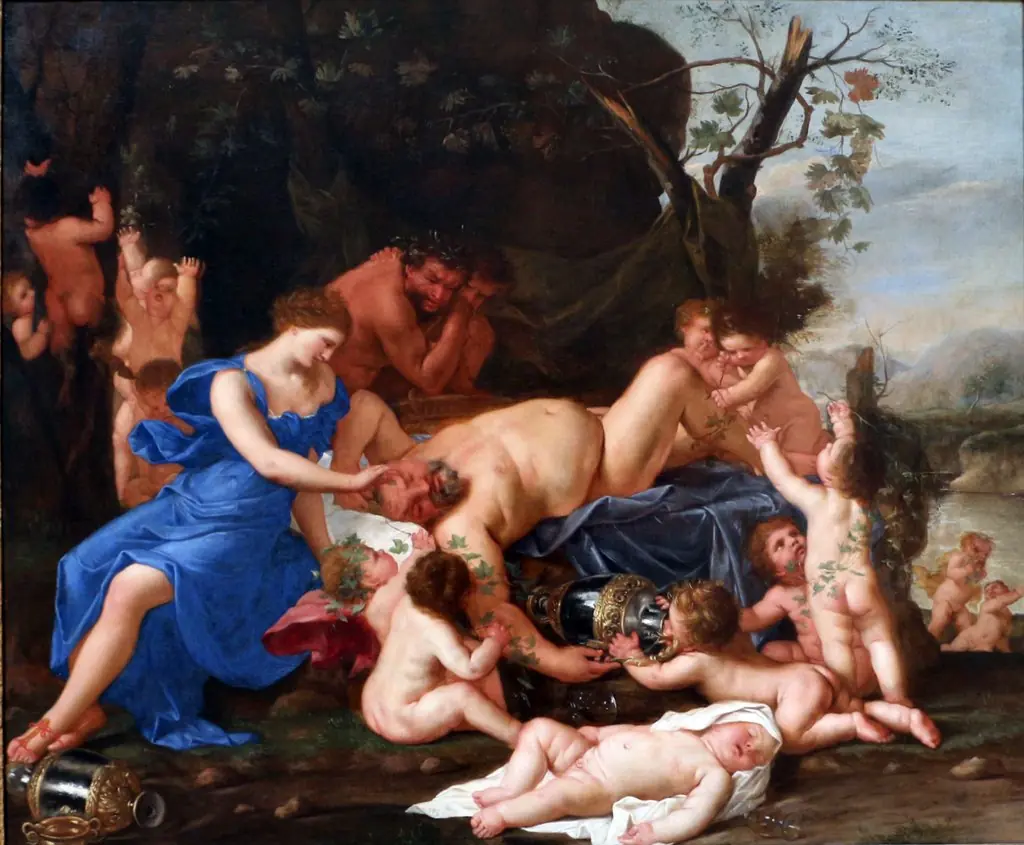 The drunken Silenus tied up in his sleep by the nymph Aegle and putti
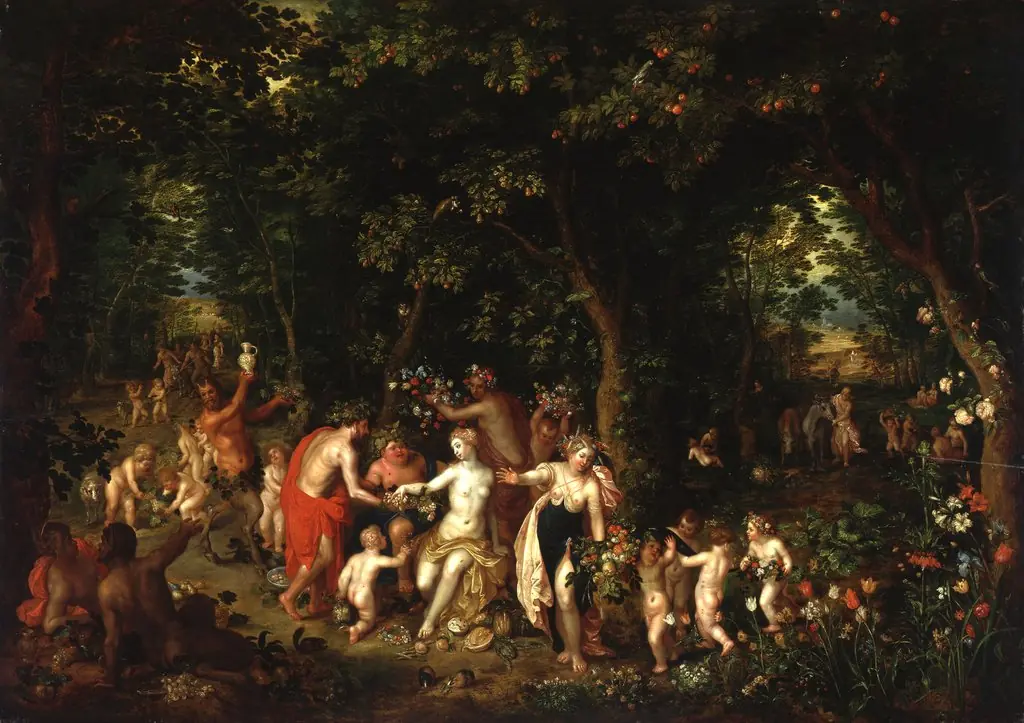 The Feast of Bacchus
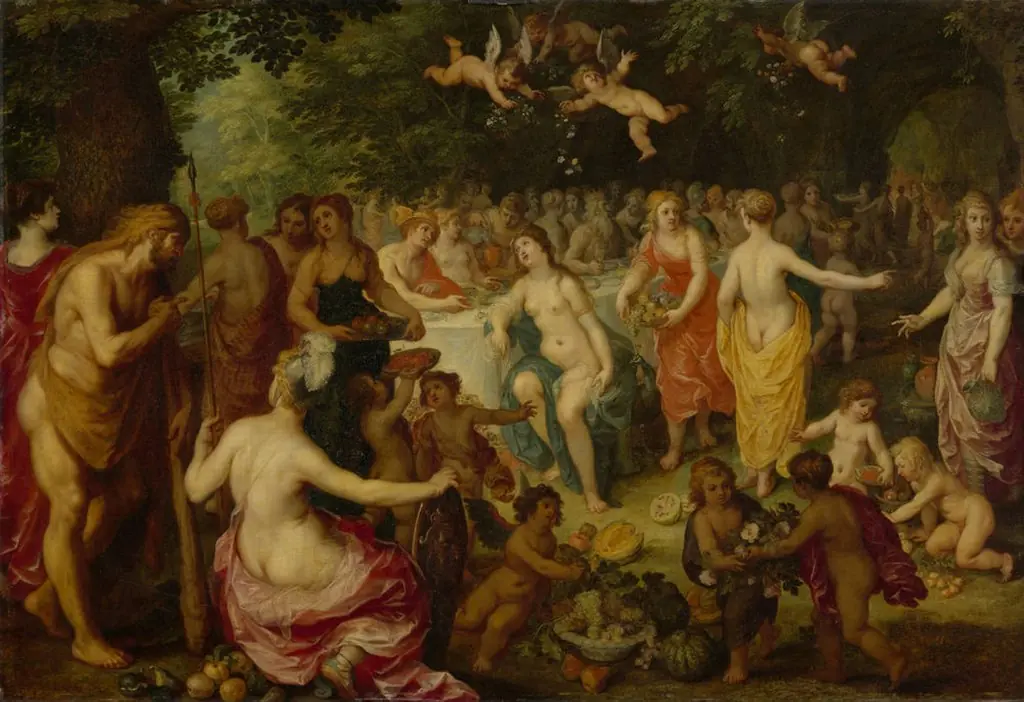 The Feast of the Gods
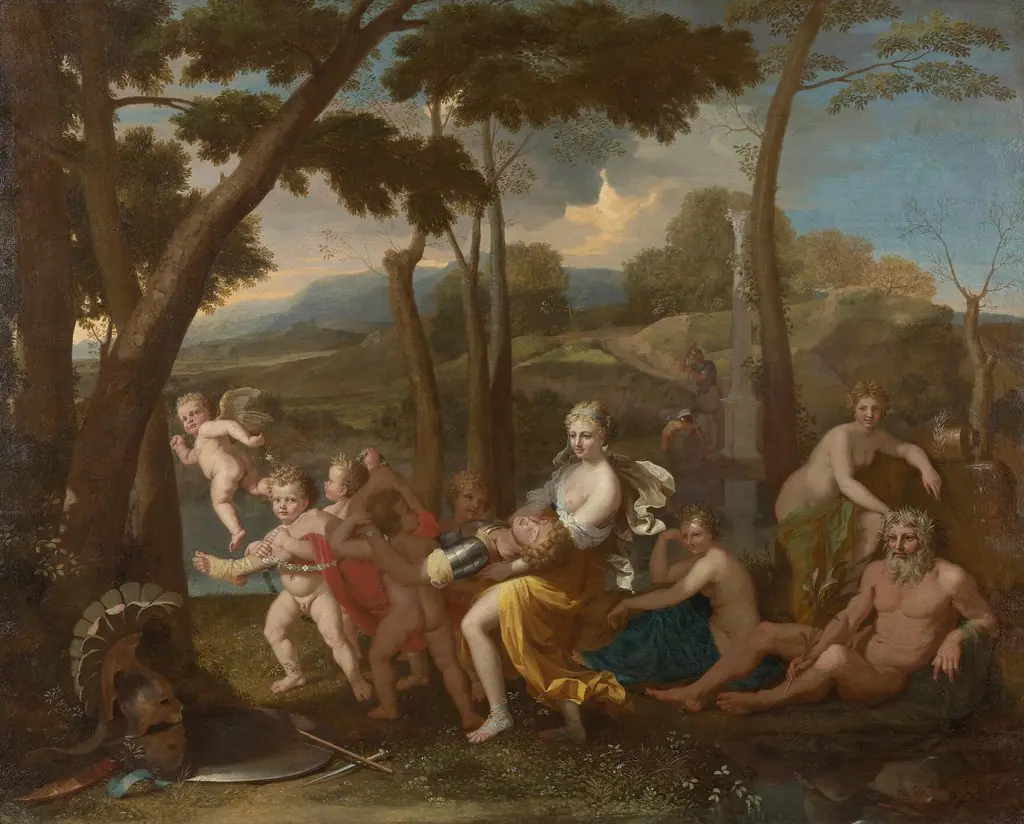 The Abduction of the Euthanized Rinaldo
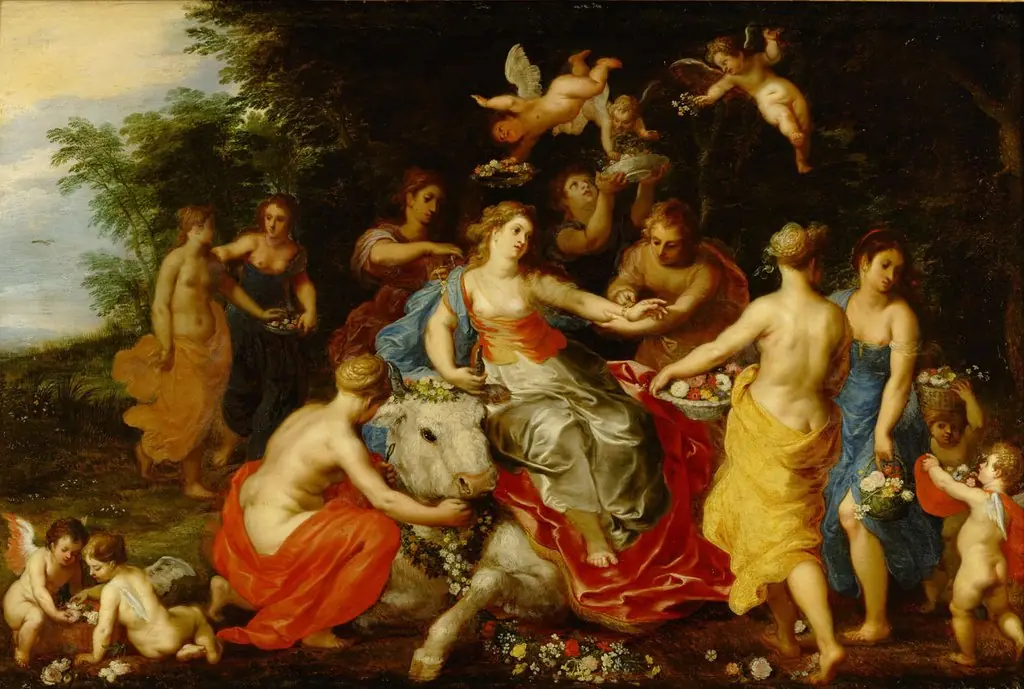 Europa riding the bull
 Untitled
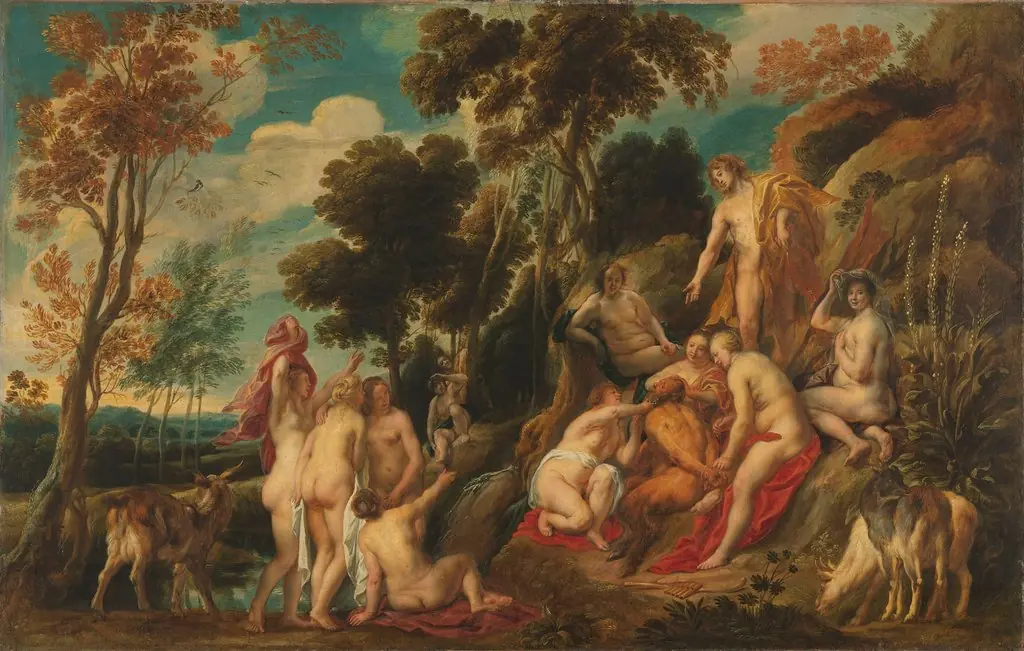 Marsyas punished by the Muses
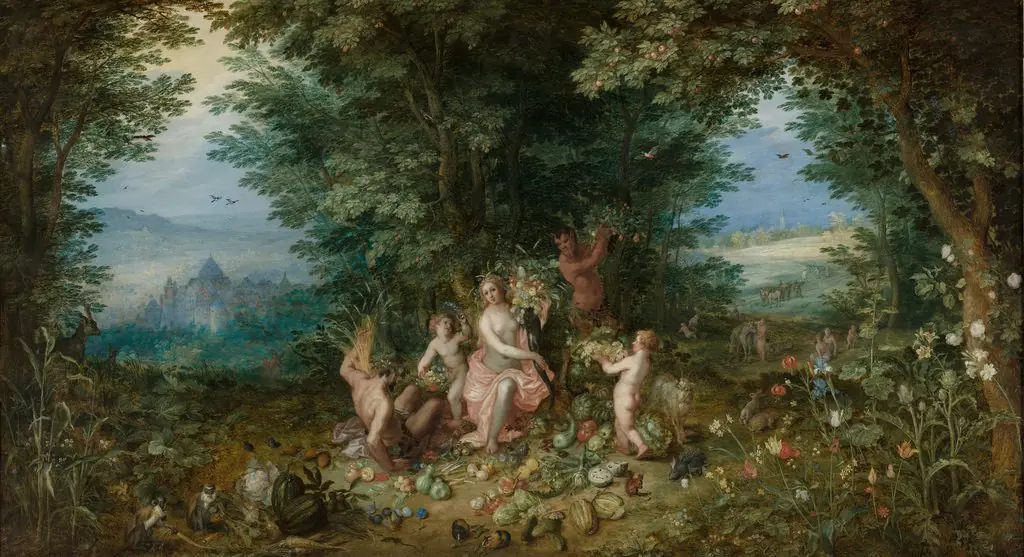 The Earth
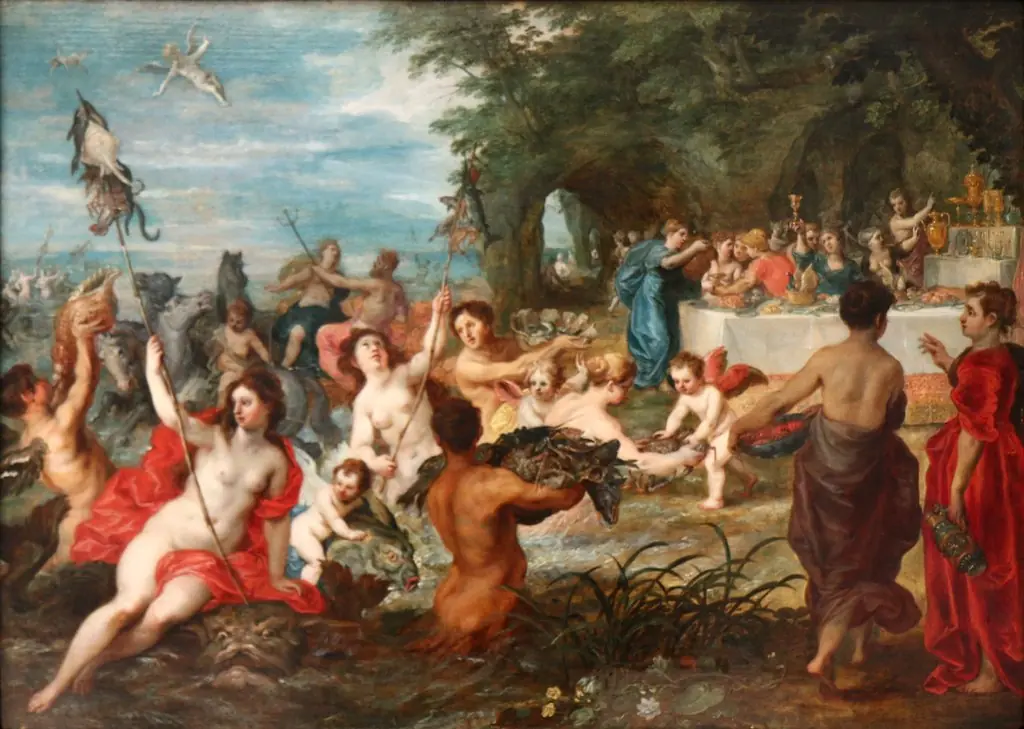 The wedding of Thetis and Peleus
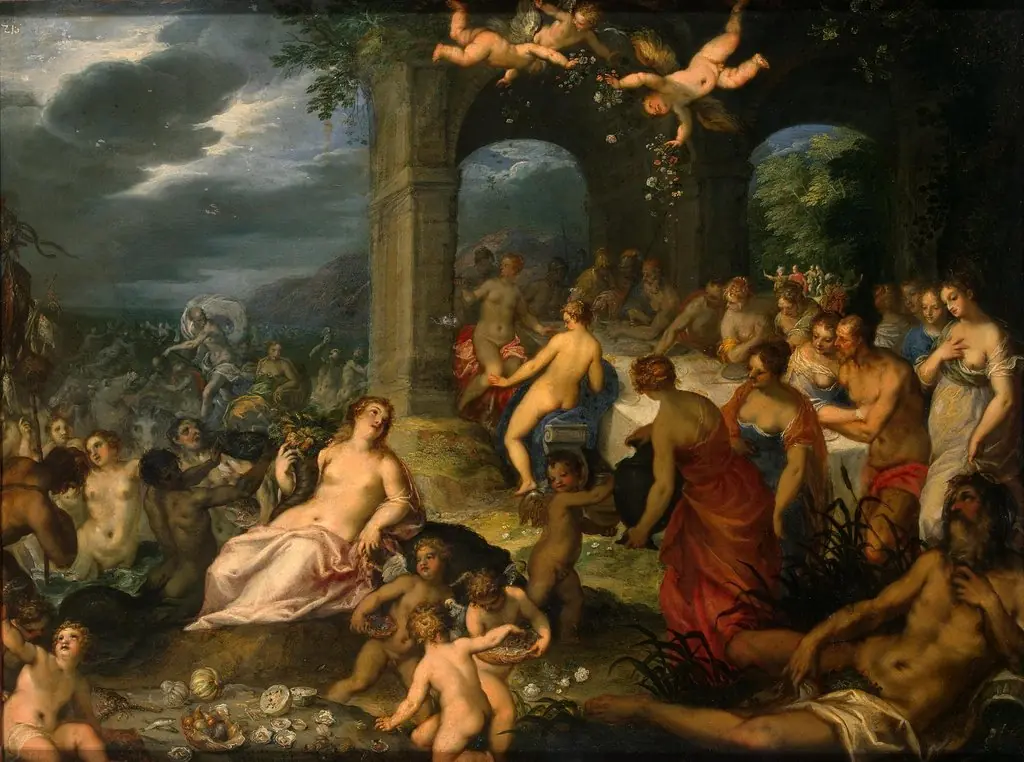 Feast of the Gods (The Marriage of Peleus and Thetis)
 The Contest between Apollo and Pan
- Diana Offered Wine and Fruit by Bacchus and his Retinue