Artwork
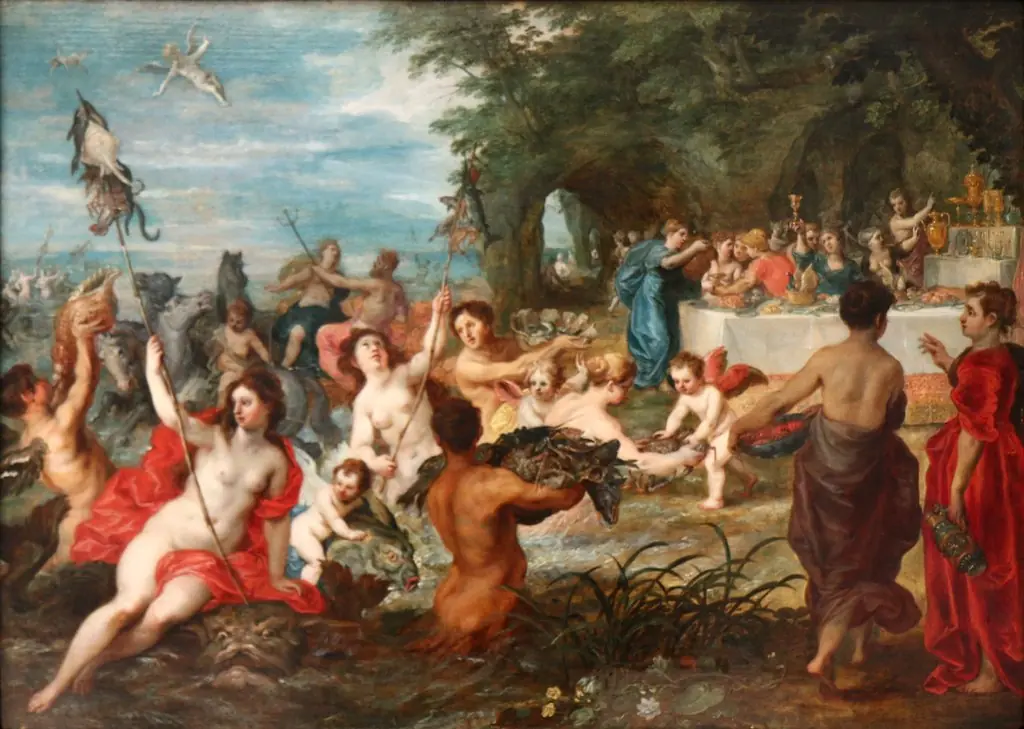
Diana Offered Wine and Fruit by Bacchus and his Retinue
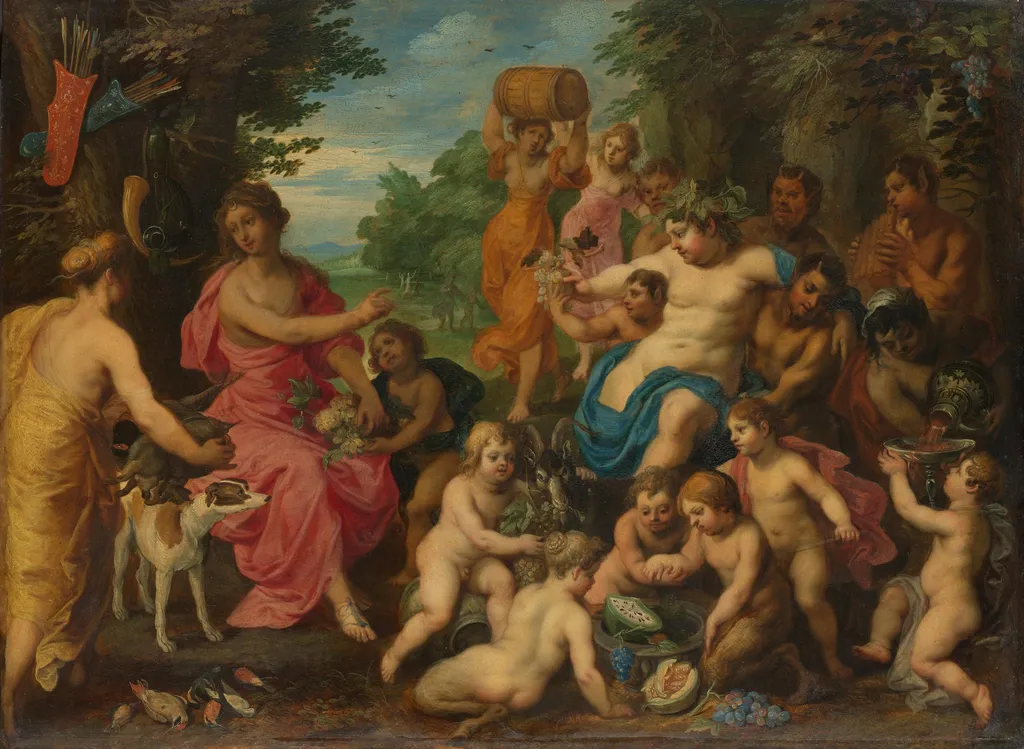
Diana Offered Wine and Fruit by Bacchus and his Retinue is an unspecified painting by the Baroque artist Hendrick van Balen the Elder. It dates from 1621 and is held in the collection of the Rijksmuseum.
About this work
Technique & Style
Stylistically, the work aligns with the Flemish Baroque movement, reflecting the artist's focus on rich and subtle palettes that developed later in his career.
Hendrik van Balen specialized in small cabinet pictures, frequently utilizing copper plates as a support for his mythological and allegorical works. This medium choice was characteristic of his career, particularly for scenes featuring nude figures set within idyllic environments. The painting *Diana Offered Wine and Fruit by Bacchus and his Retinue* falls within this tradition of oil-on-copper production. Stylistically, the work aligns with the Flemish Baroque movement, reflecting the artist's focus on rich and subtle palettes that developed later in his career. His handling of the subject matter typically involves placing figures in a paradise-like setting, a recurring formal quality in his oeuvre. While he initially produced large altarpieces influenced by Adam van Noort, his mature style favored these smaller, intricate compositions often painted on metal supports.
History & Provenance
The work Diana Offered Wine and Fruit by Bacchus and his Retinue is attributed to Hendrick van Balen and dates to circa 1617-1625, a period during which he was active in Antwerp producing mythological scenes on copper. According to the sources, van Balen specialized in small cabinet pictures, often painted on copper, with mythological subjects, and this painting exemplifies that focus. It was likely created during his mature period, after his travels in Italy and his integration into the Antwerp Guild of Romanists, and reflects his collaboration with artists such as Jan Brueghel the Elder, though the specific ownership chain and commissioning details are not documented in the provided sources.
Context
Hendrik van Balen was a pivotal figure in the renewal of early 17th-century Flemish Baroque painting, specializing in small cabinet pictures often executed on copper supports. His artistic development was shaped by training under Adam van Noort and possible studies with Maerten de Vos, followed by a formative journey to Italy between 1595 and 1602. This exposure to Italian art, potentially including contact with Hans Rottenhammer, informed his idyllic mythological scenes featuring nude figures.
Van Balen's historical significance is underscored by his role as a teacher to major artists such as Anthony van Dyck and Frans Snyders. He frequently collaborated with contemporaries like Jan Brueghel the Elder and Joos de Momper, contributing to the development of genres such as garland paintings. His work bridges the transition from late Mannerist altarpieces to the refined palette and intimate scale characteristic of the Antwerp school during the Rubens era.
Own this work as a print
Artist & collection
Artist
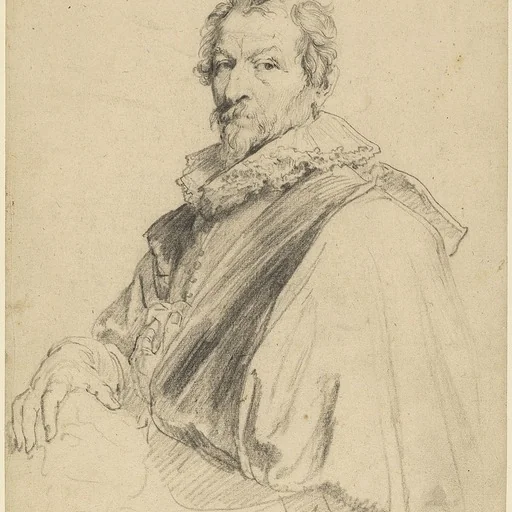
Hendrick van Balen or Hendrick van Balen I (c. 1573–1575 – 17 July 1632) was a Flemish Baroque painter and stained glass designer. Hendrick van Balen specialised in small cabinet pictures often painted on a copper…

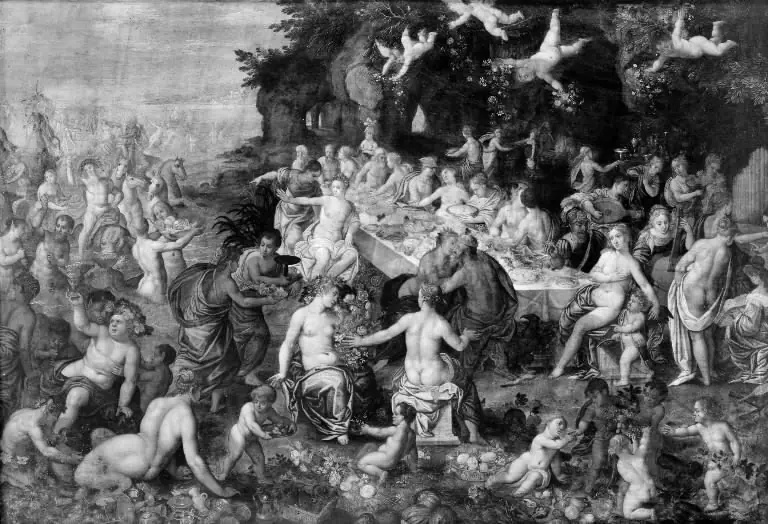
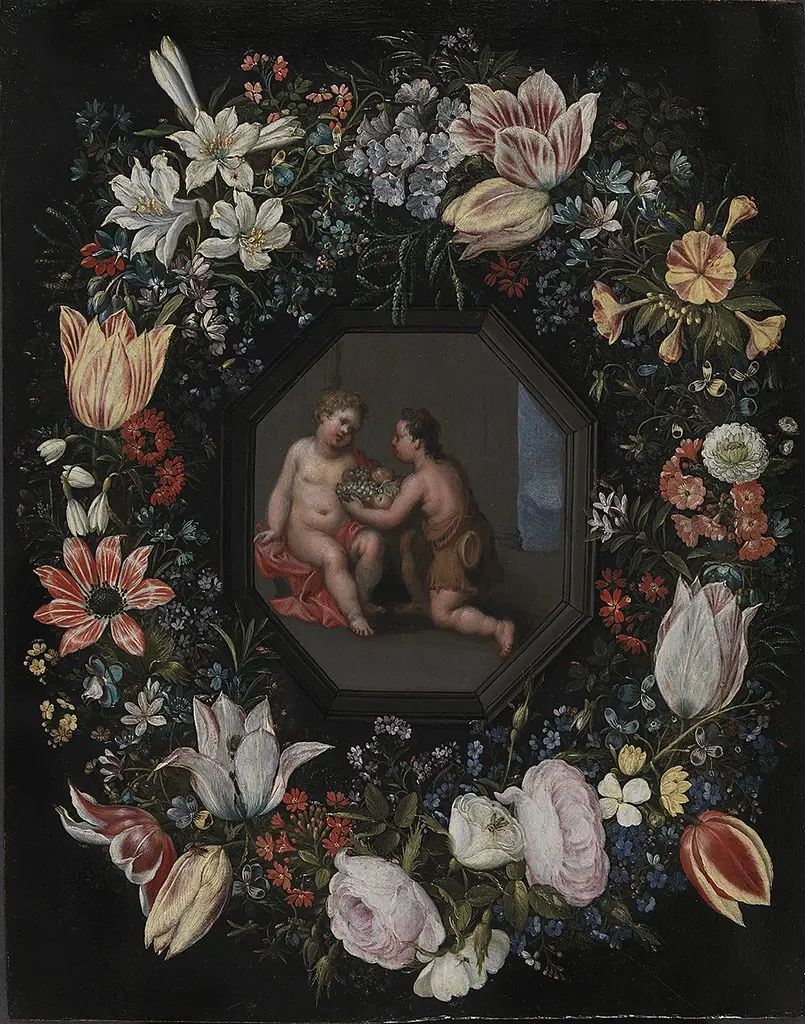
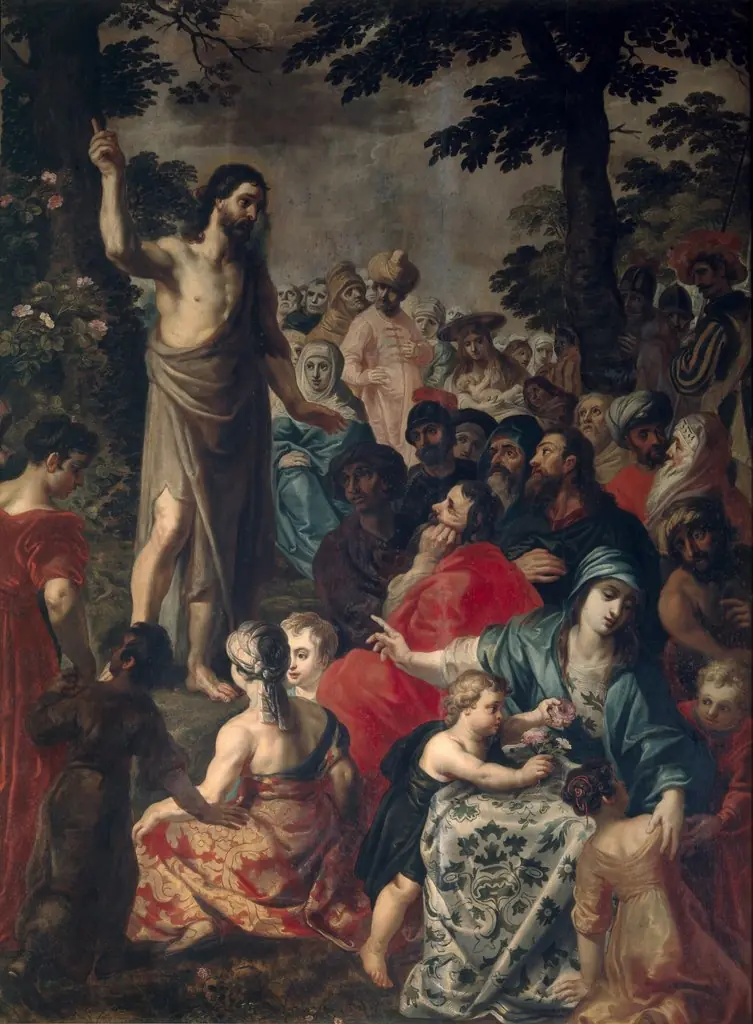
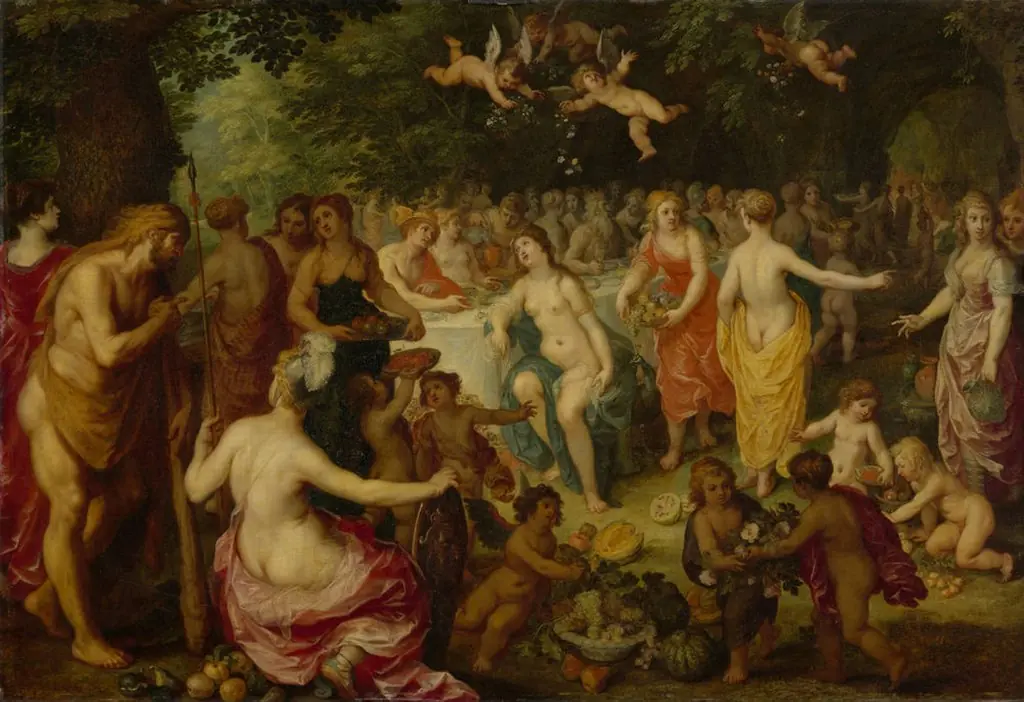 The Feast of the Gods
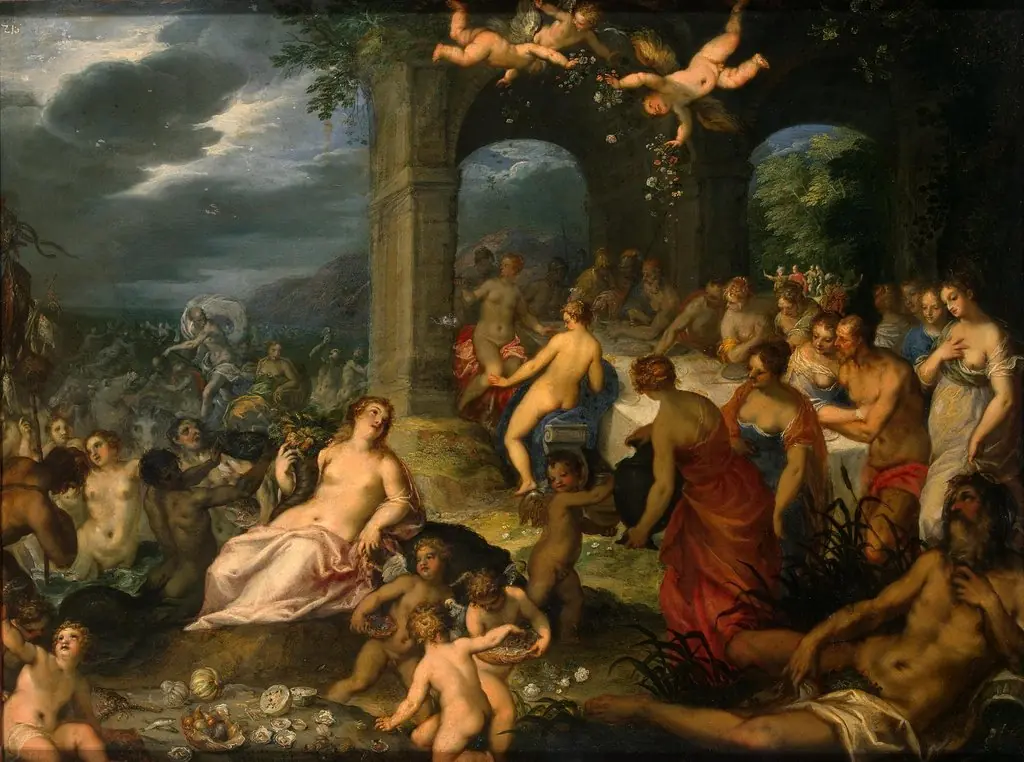 Feast of the Gods (The Marriage of Peleus and Thetis)
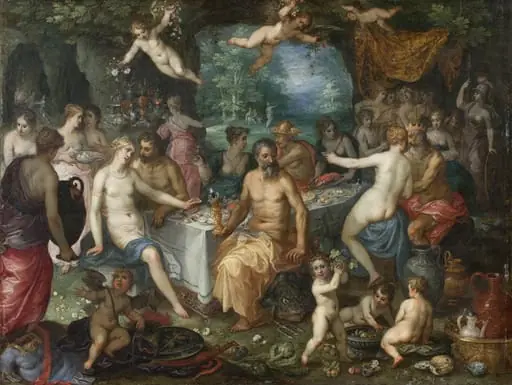 The Feast of the Gods. The Wedding of Peleus and Thetis
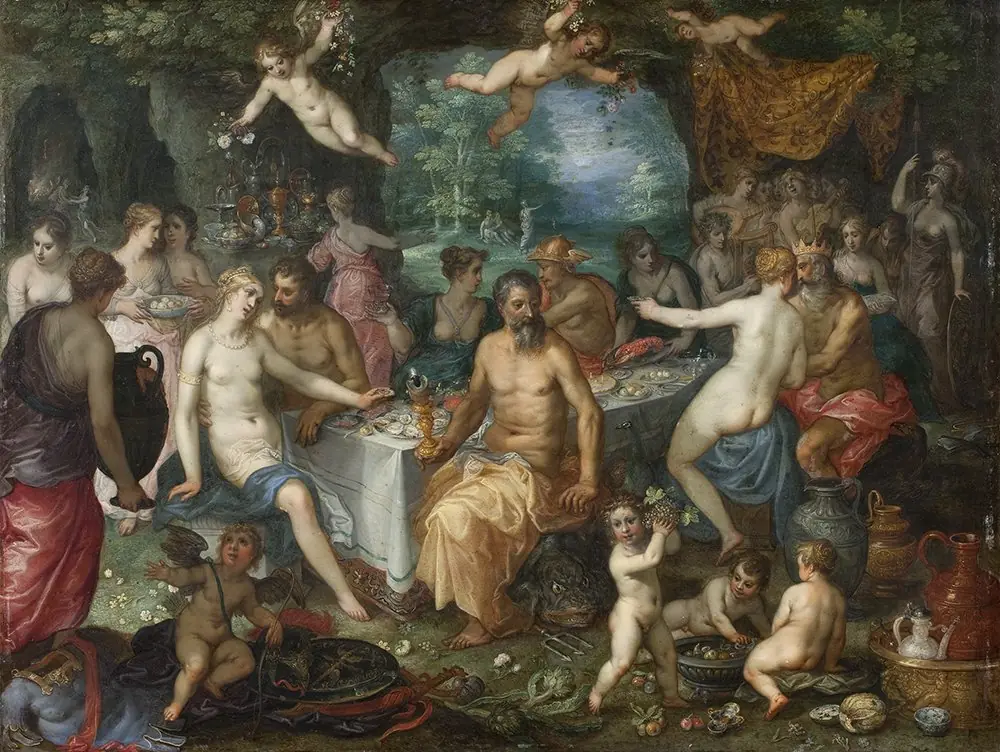 The Feast of the Gods. The Wedding of Peleus and Thetis
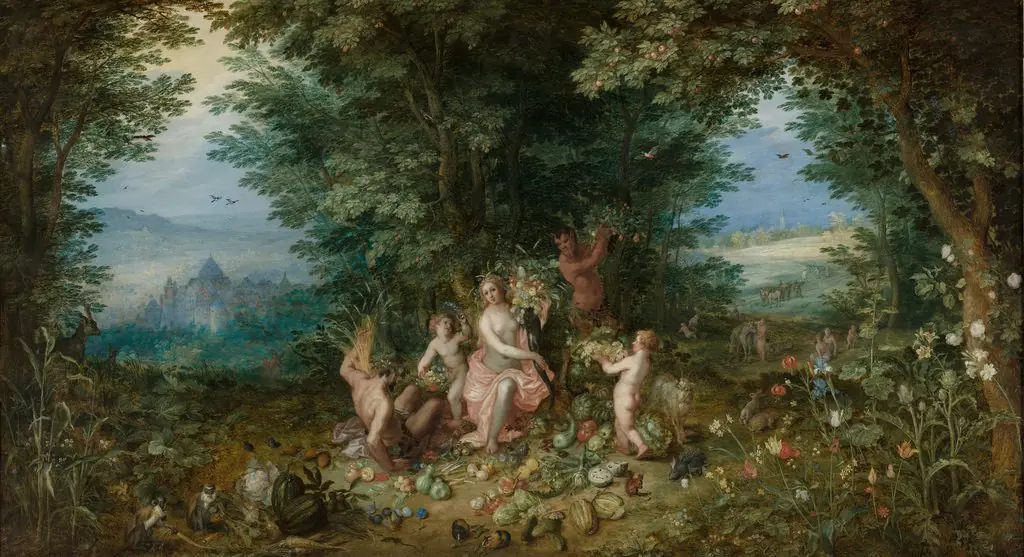 The Earth
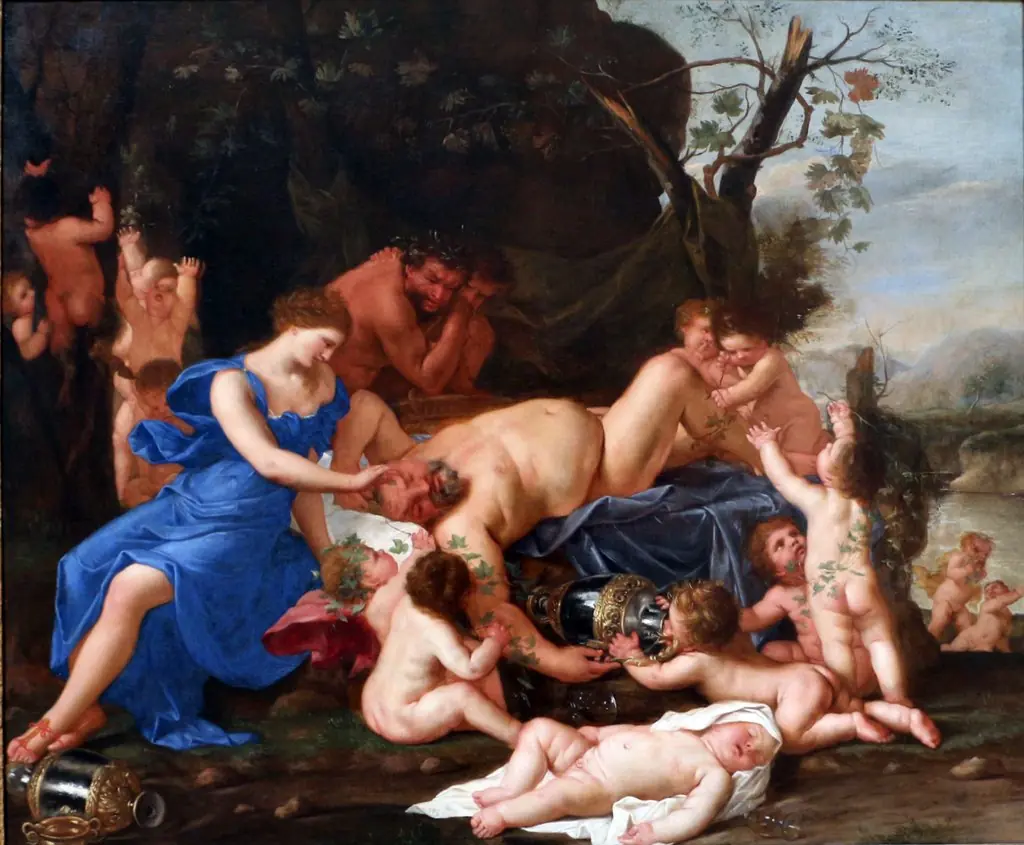 The drunken Silenus tied up in his sleep by the nymph Aegle and putti
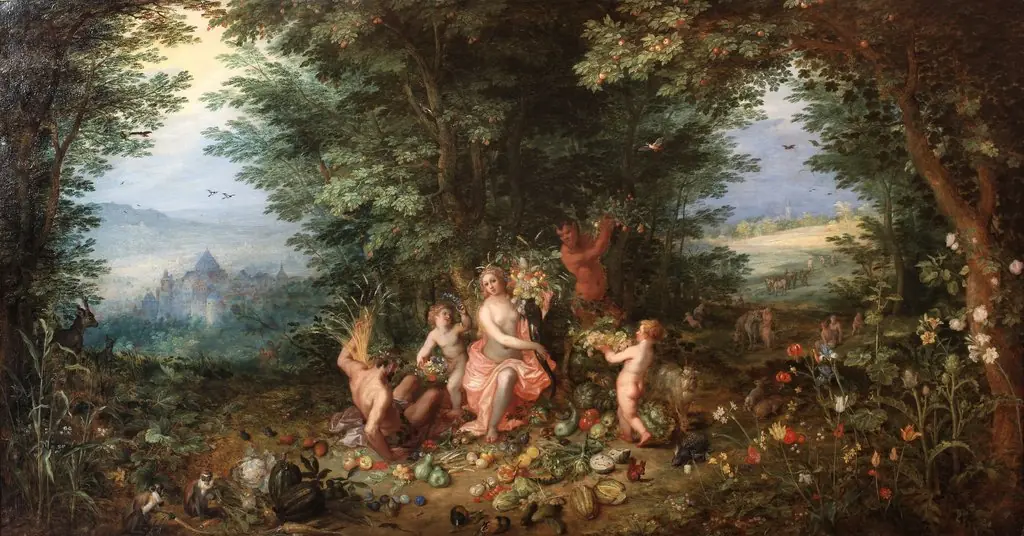 Earth
Earth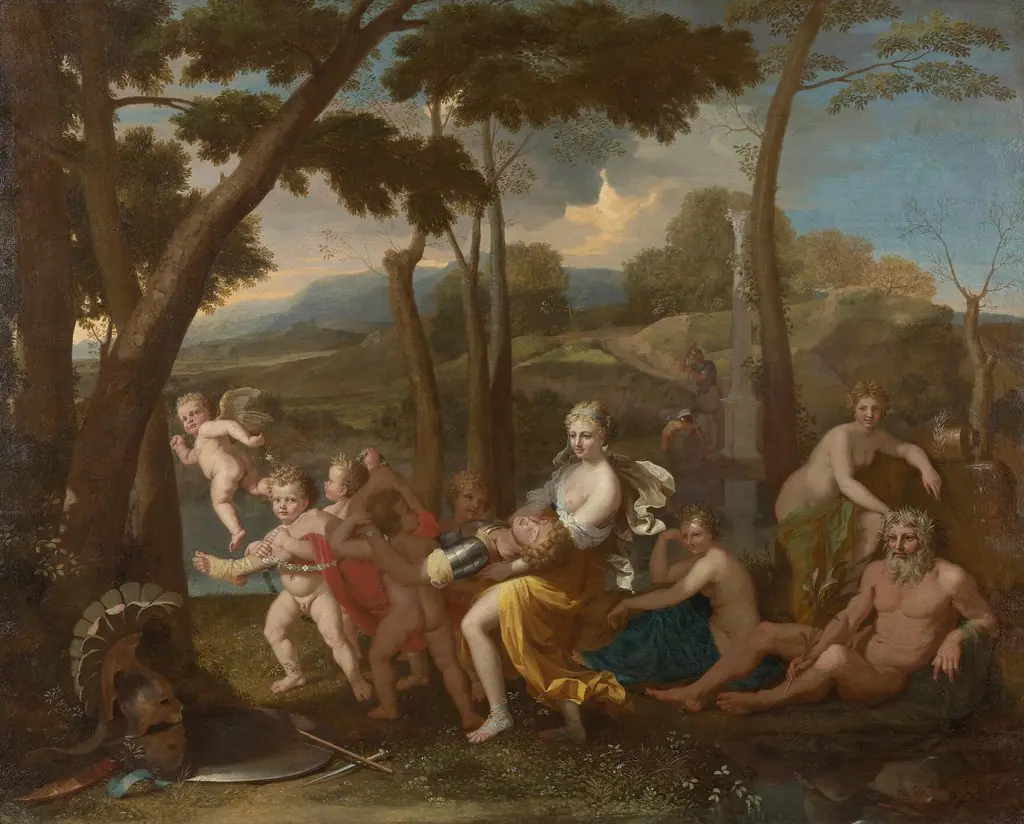 The Abduction of the Euthanized Rinaldo