Artwork
The Game of Cards
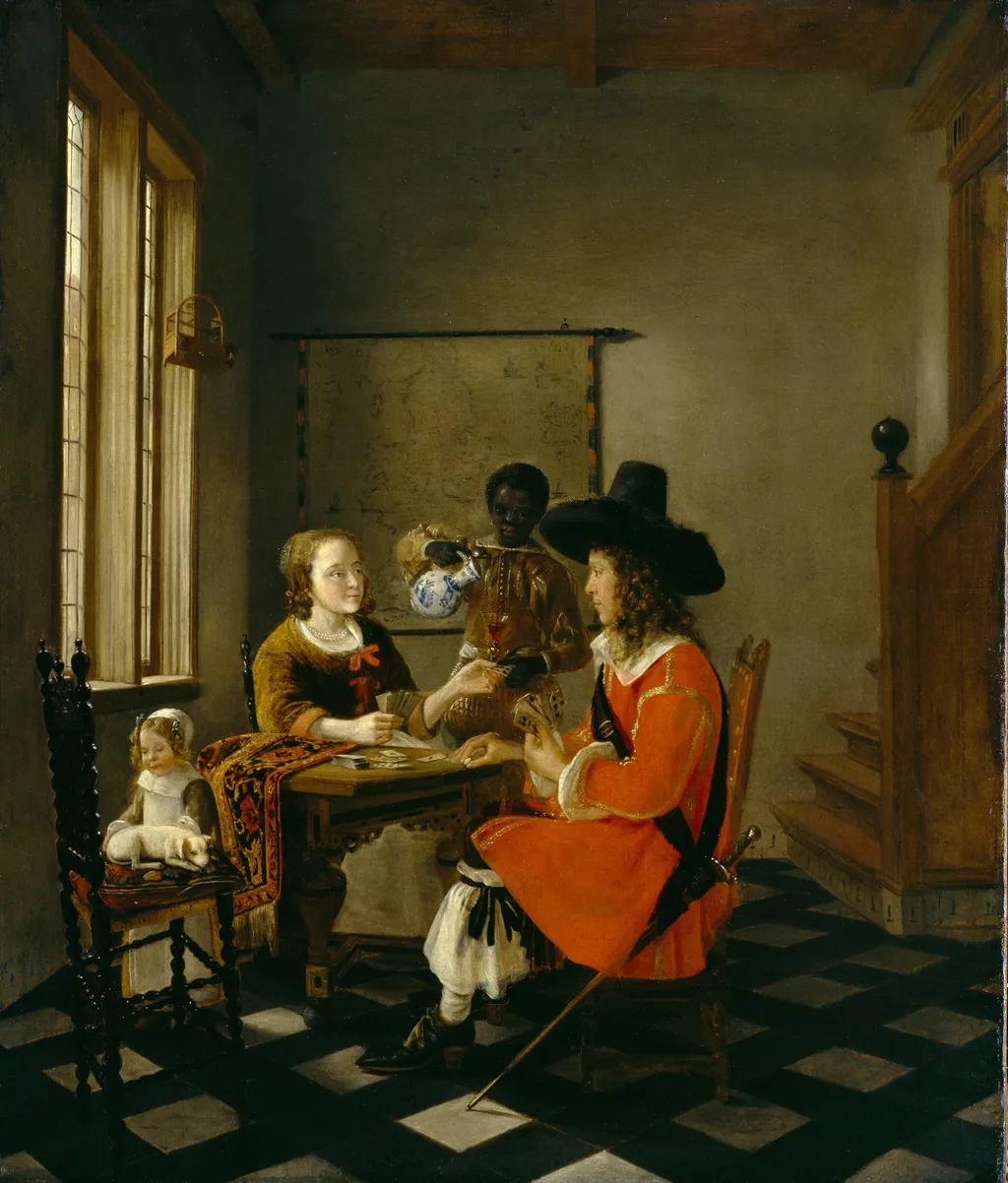
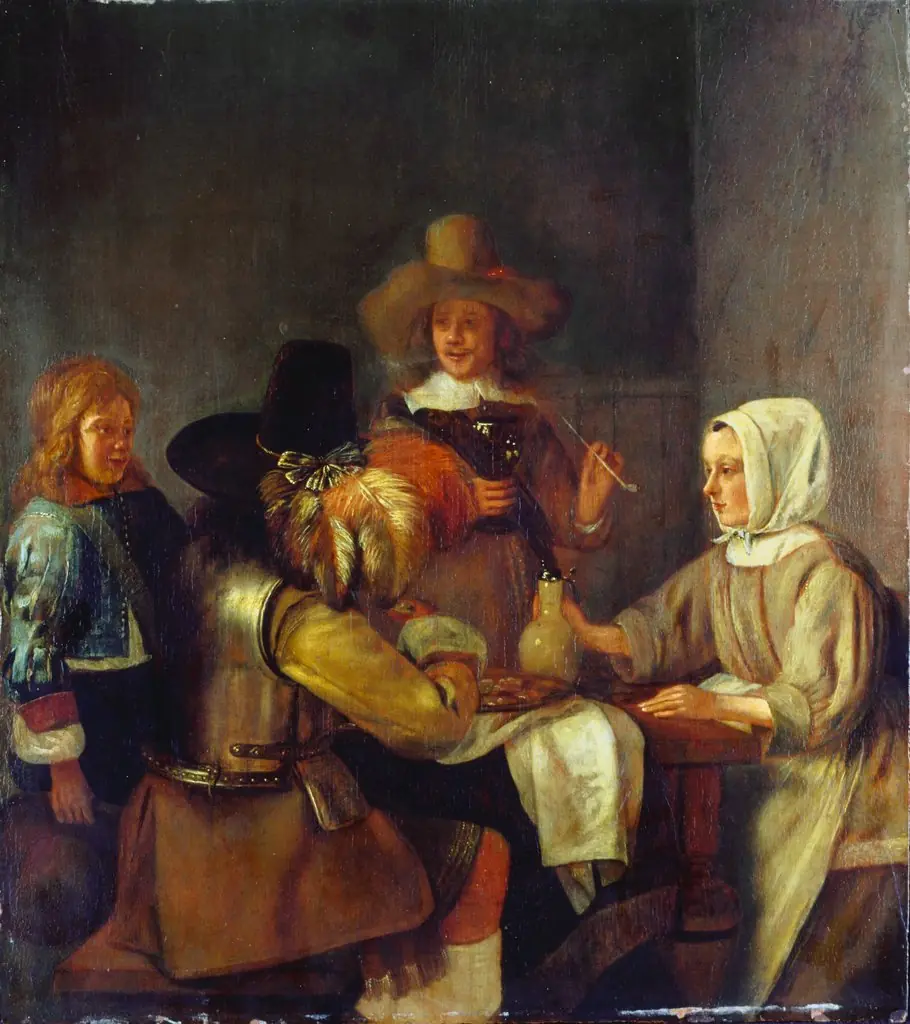
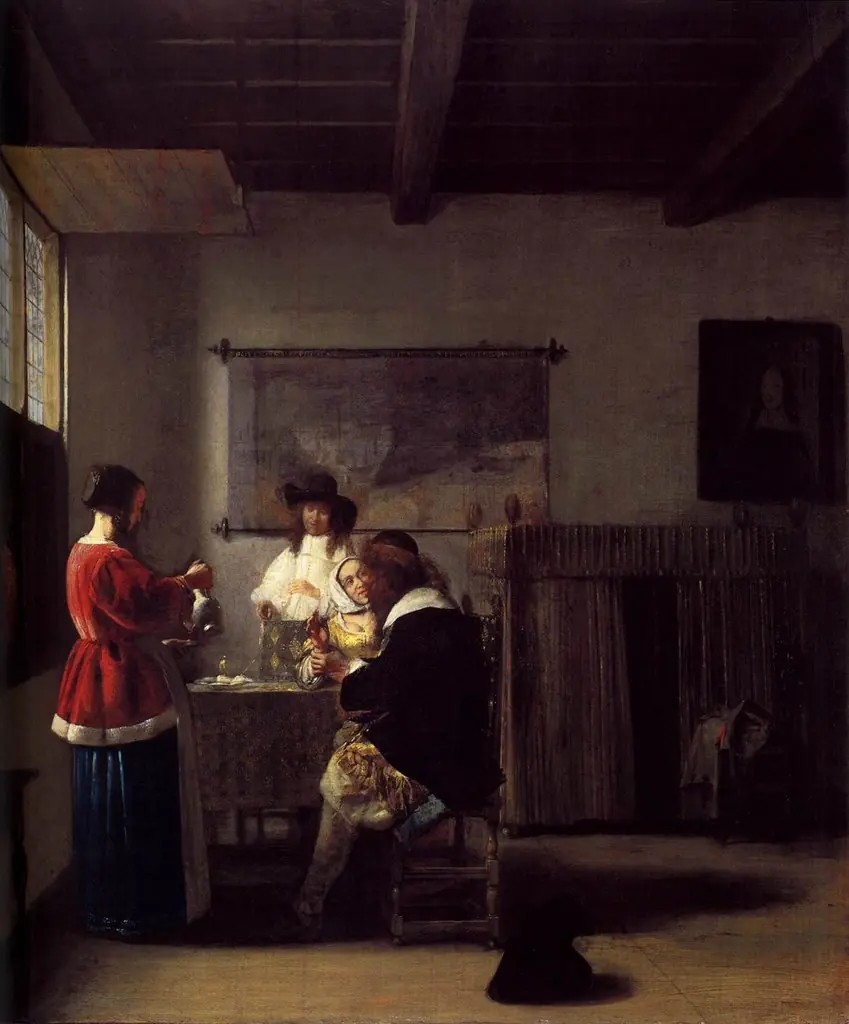
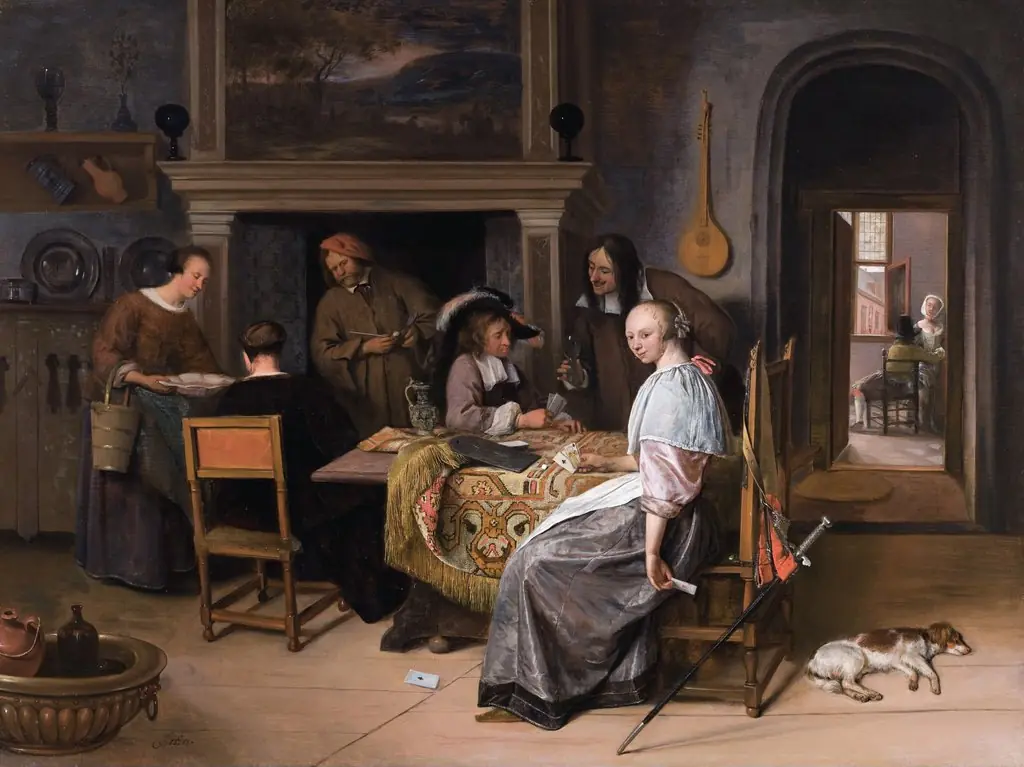
The Game of Cards is an oil painting by the Dutch Golden Age artist Hendrick van der Burgh. It dates from 1660 and is held in the collection of the Detroit Institute of Arts.
About this work
Overview
Characterized by its use of chiaroscuro, the painting creates a sense of depth and invites the viewer into the quiet, focused atmosphere of the scene.
The Game of Cards is a 1660 oil painting by Hendrick van der Burgh, a Dutch Golden Age artist associated with the Delft School. The work depicts a serene, intimate gathering of four individuals engaged in a card game, set within a dimly lit room illuminated by a single window. Characterized by its use of chiaroscuro, the painting creates a sense of depth and invites the viewer into the quiet, focused atmosphere of the scene.
Subject & Meaning
The painting captures a moment of everyday social interaction, reflecting van der Burgh’s penchant for genre scenes. The composition conveys a sense of quiet concentration among the players, with attention drawn to the contrast between the central figures and the peripheral presence of a servant and a child. The scene suggests a domestic, possibly middle-class setting, emphasizing the mundane yet engaging nature of leisure activities.
Technique & Style
Van der Burgh employed chiaroscuro to achieve a three-dimensional effect, with a single window on the left casting a warm, directional light that highlights the players and creates deep shadows. This lighting technique, coupled with the muted color palette (except for the vibrant red coat), contributes to the painting’s sense of intimacy and visual depth. The style aligns with the Delft School’s emphasis on capturing everyday life with realism and warmth.
History & Provenance
Created in 1660, The Game of Cards is part of the limited surviving body of work by van der Burgh, who also produced prints and portraits, often signed with the monogram 'HVB'. The painting is currently held in the collection of the Detroit Institute of Arts.
Context
As a member of the Delft School and stepbrother to Pieter de Hooch (through family ties), van der Burgh’s work reflects the broader Dutch Golden Age interest in domestic genre scenes. His association with this school and family connection place The Game of Cards within a tradition of depicting everyday Dutch life with precision and warmth.
Legacy
While van der Burgh’s overall output is not extensive, The Game of Cards stands as a representative example of the Delft School’s genre painting, highlighting the artist’s ability to capture the tranquility and engagement of domestic leisure activities. Its presence in the Detroit Institute of Arts contributes to the global visibility of lesser-known Dutch Golden Age painters.
Own this work as a print
Artist & collection
Artist
Hendrick van der Burgh (also spelled "van der Burch"; baptised 27 June 1627 – after 1665), was a Dutch Golden Age painter known for his genre scenes.