Artwork
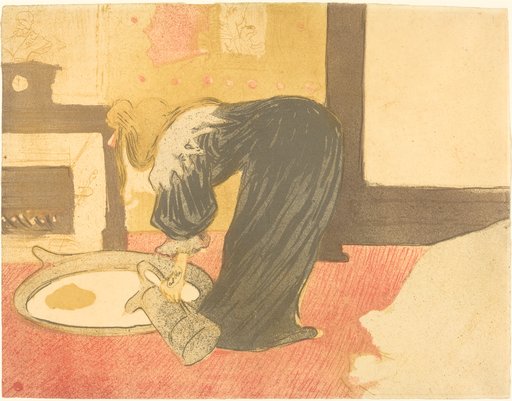
Elles: Woman at the Tub
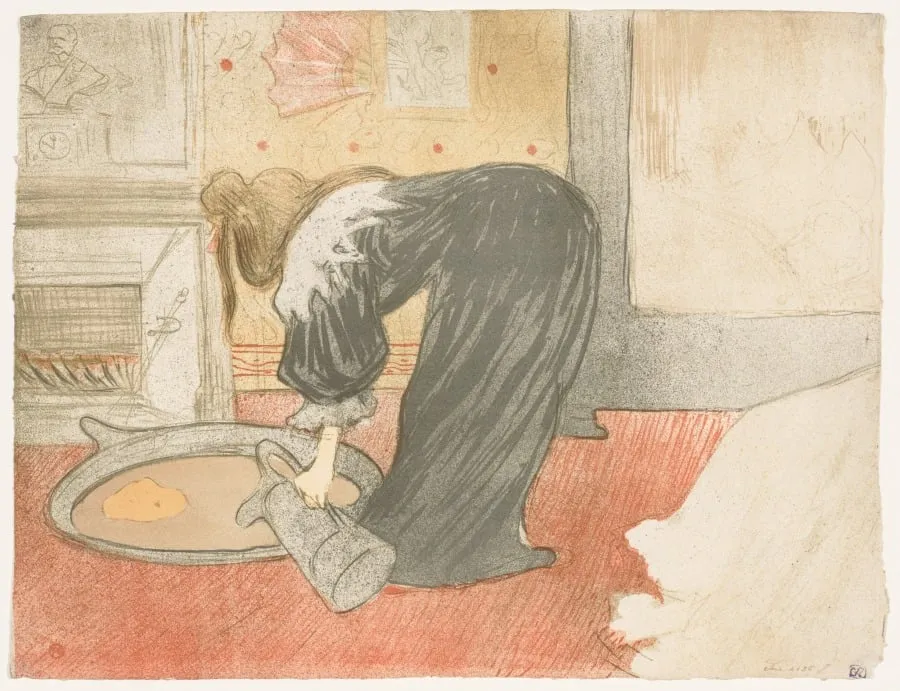
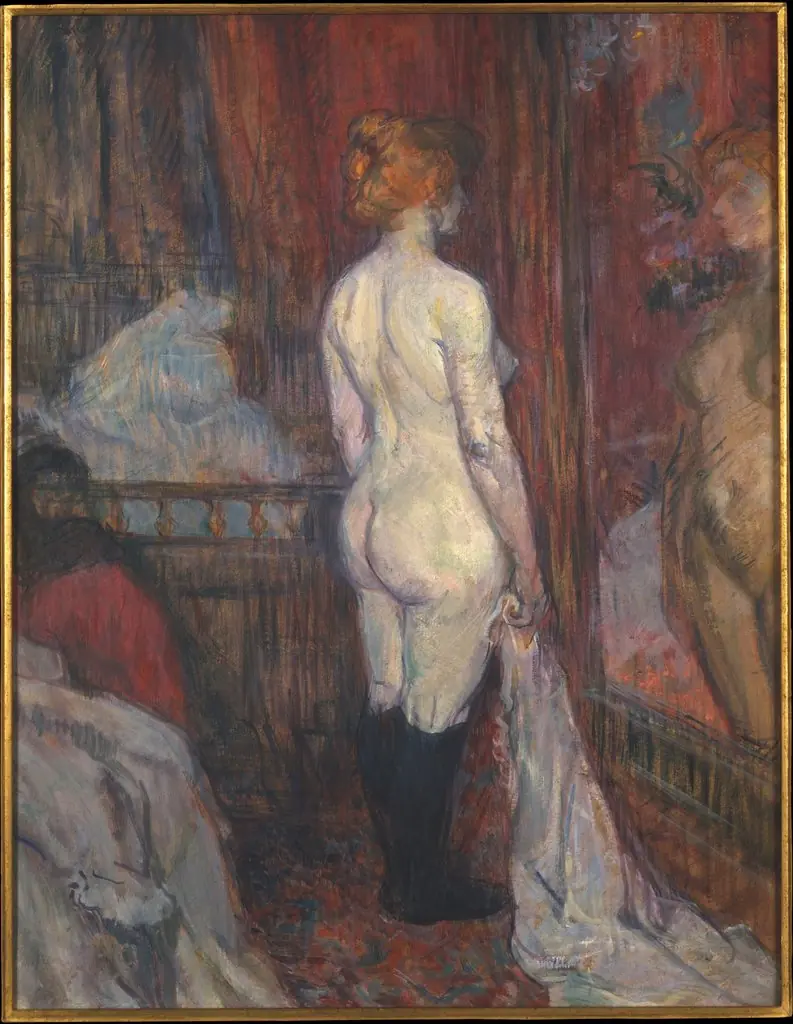
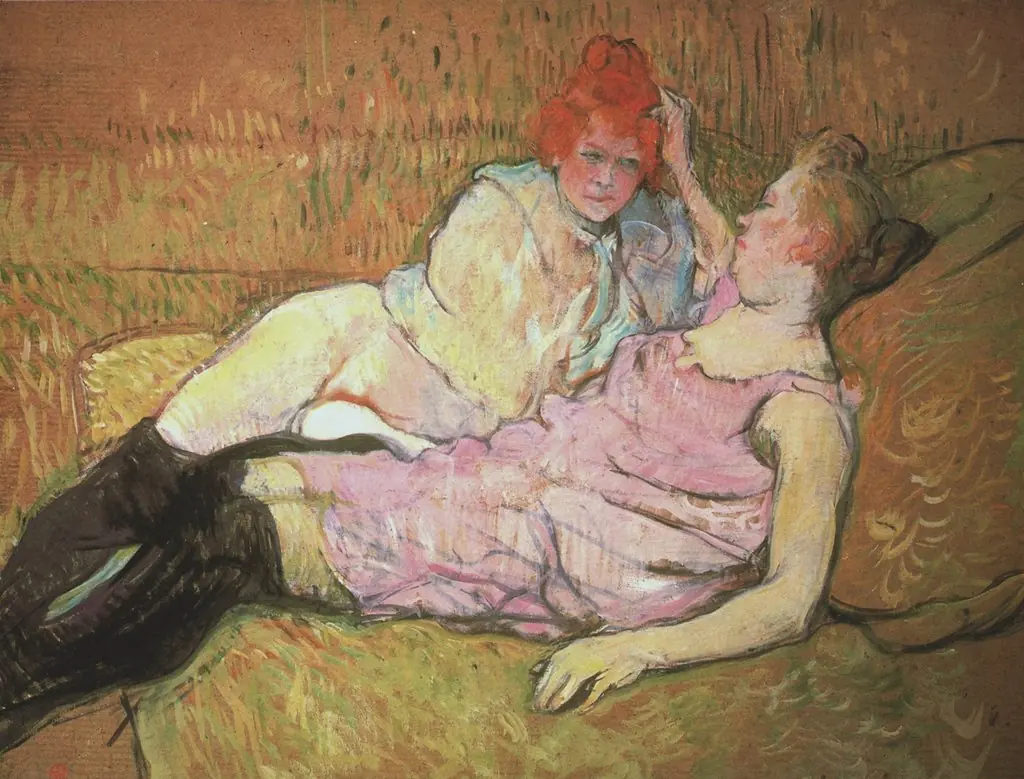
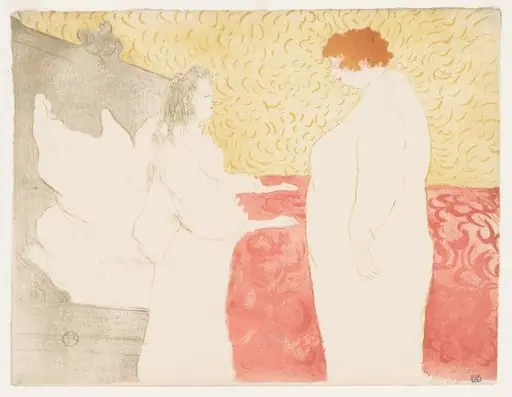
Elles: Woman at the Tub is a print by the Impressionist artist Henri de Toulouse-Lautrec. It dates from 1896 and is held in the collection of the Cleveland Museum of Art.
- Accession no.
- 1925.1204.5
- Credit line
- Gift of Ralph King
About this work
Overview
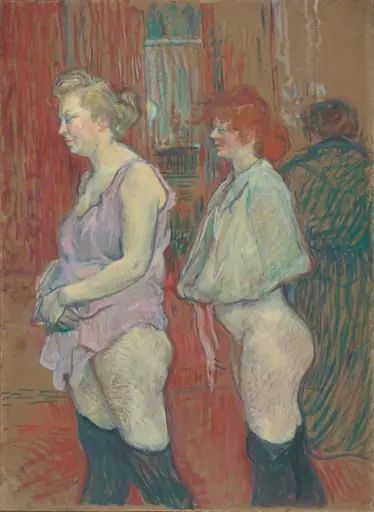
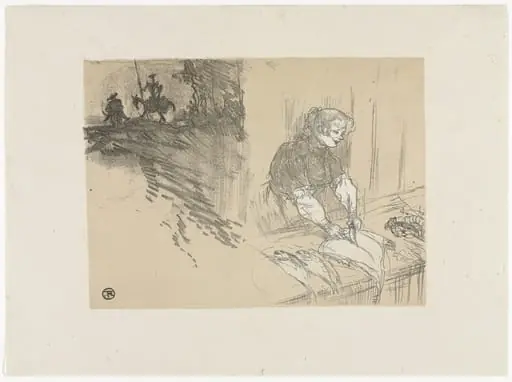
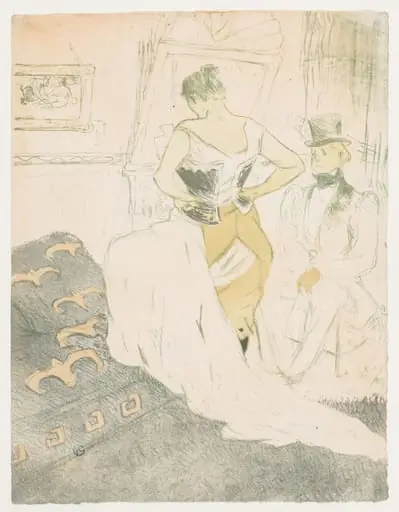
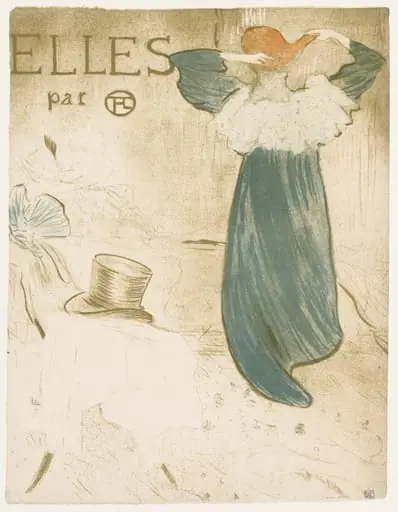
In the early 1890s, Henri de Toulouse‑Lautrec created a series of color lithographs for the Parisian publisher Gustave Pellet that depicted the interior lives of women working in brothels. The set comprised ten individual prints, a frontispiece and a cover, and was intended to broaden Pellet’s market by offering a novel subject matter.
Subject & Meaning
The images focus on ordinary moments, women bathing, combing hair, sharing meals, or caring for children, rather than on erotic spectacle. Lautrec’s familiarity with the houses, gained from extended stays, allowed him to render scenes of routine, fatigue, and quiet companionship, granting the figures a sense of humanity often denied in contemporary portrayals.
Technique & Style
Executed in color lithography, the prints combine bold outlines with subtle washes of hue, achieving a balance between graphic clarity and atmospheric softness. Lautrec’s line work captures the relaxed poses of the subjects, while his limited palette emphasizes the modest interiors and the textures of wood, wallpaper, and water.
History & Provenance
Published by Pellet in 1892–1895, the series was initially a commercial disappointment, likely because its unromanticized content conflicted with public expectations of erotic imagery. Despite the lukewarm reception, the prints later entered museum collections and scholarly studies as early examples of socially aware French printmaking.
Context
At a time when prostitution was a visible yet stigmatized element of Parisian life, Lautrec was among the first successful artists to treat the subject with direct observation rather than sensationalism. His work aligns with the broader fin-de‑siècle interest in urban realism and the lives of marginalized groups.
Legacy
The lithographs are now regarded as significant contributions to late‑nineteenth‑century French color printing, influencing later artists who sought to document everyday life with empathy and stylistic restraint.
Artist & collection
Artist
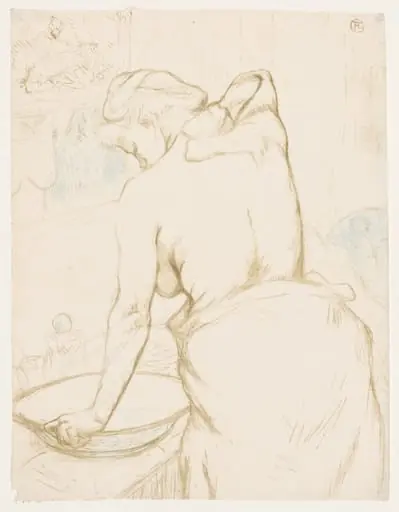
Comte Henri Marie Raymond de Toulouse-Lautrec-Montfa (24 November 1864 – 9 September 1901), known as Toulouse-Lautrec (French: ), was a French painter, printmaker, draughtsman, caricaturist, and illustrator.