Artwork
Young Woman Looking at the Sea, Stormy Weather
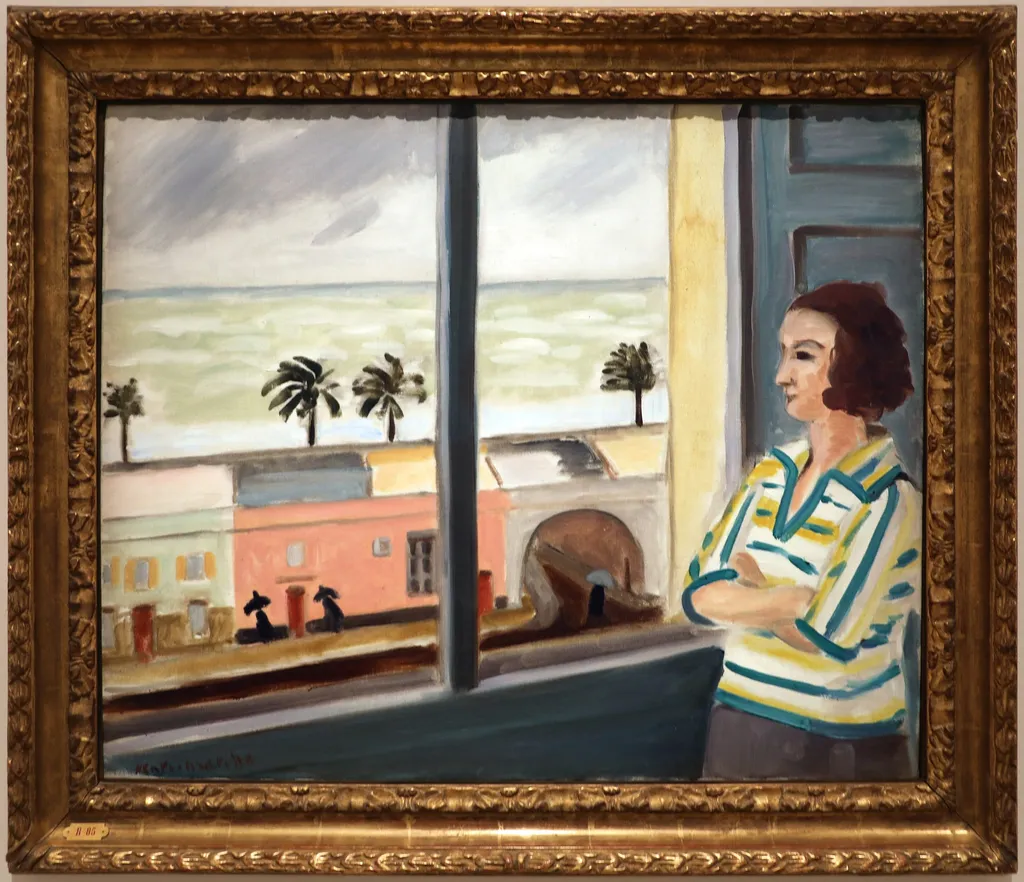
Young Woman Looking at the Sea, Stormy Weather is an oil painting by the Post-Impressionist artist Henri Matisse. It dates from 1923 and is held in the collection of the Statens Museum for Kunst.
About this work
Overview
Young Woman Looking at the Sea, Stormy Weather is a 1923 oil painting by French artist Henri Matisse. It depicts a serene indoor scene juxtaposed with a turbulent outdoor landscape, characterized by expressive brushwork and a distinctive color palette.
Subject & Meaning
The painting shows a young woman in a striped shirt, arms crossed, contemplatively gazing out a window at a stormy sea. Her calm demeanor contrasts with the tempestuous weather, suggesting a moment of introspection.
Technique & Style
Matisse's post-impressionist approach is evident in the visible, textured brushstrokes and the bold, vibrant color scheme (featuring blues, greens, and yellows). The composition's division (by the window's black frame) adds to the work's visual tension.
History & Provenance
Created in 1923, the painting is part of the collection at Statens Museum for Kunst. As a key figure in early 20th-century modern art, Matisse's work influenced developments in painting and sculpture, often in dialogue with contemporaries like Pablo Picasso.
Context
This work reflects Matisse's exploration of the relationship between interior and exterior spaces, as well as his signature emphasis on color and expressive form. The contrast between the woman's tranquility and the storm outside underscores themes of inner peace and external turmoil.
Legacy
Young Woman Looking at the Sea, Stormy Weather contributes to Matisse's legacy of pushing the boundaries of color and composition in modern art. Its themes and style continue to inspire artists exploring the interplay between calmness, contemplation, and the expressive potential of paint.
Artist & collection
Artist
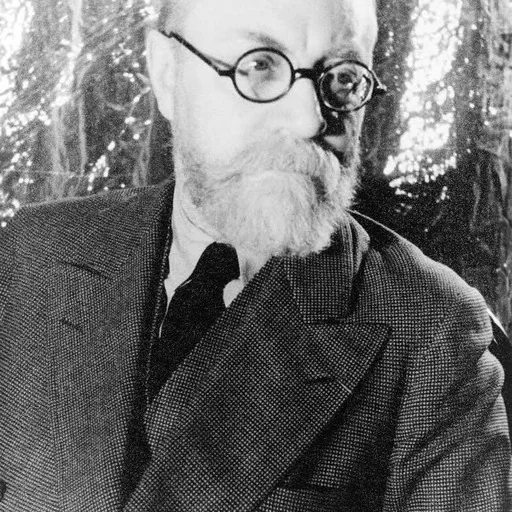
Henri Émile Benoît Matisse (French:; 31 December 1869 – 3 November 1954) was a French visual artist, known for both his use of colour and his fluid and original draughtsmanship.

- Odalisque
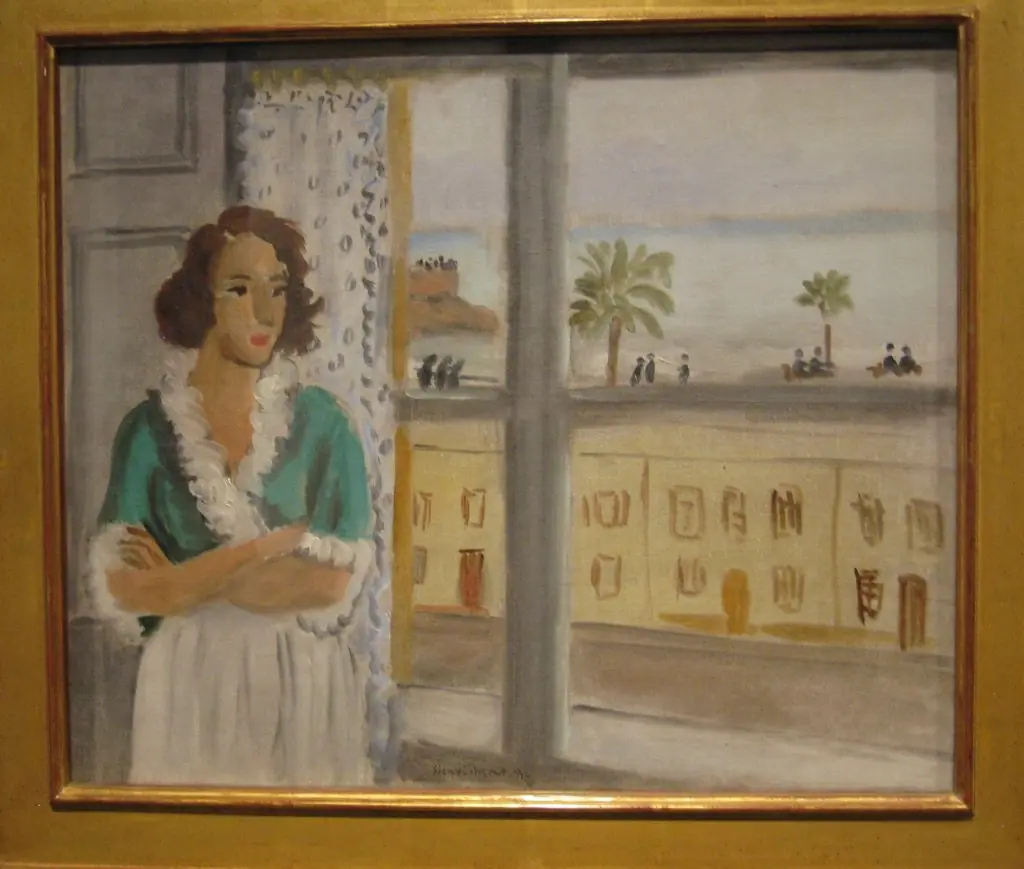 Girl by a Window
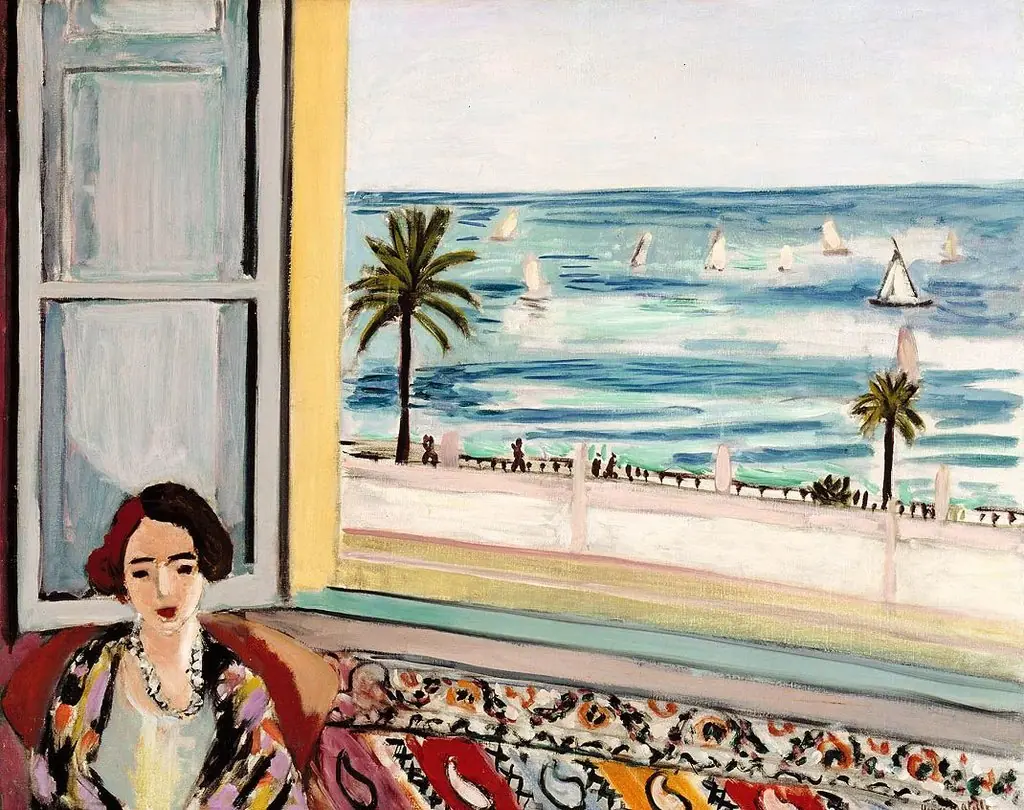 Seated Woman, Back Turned to the Open Window
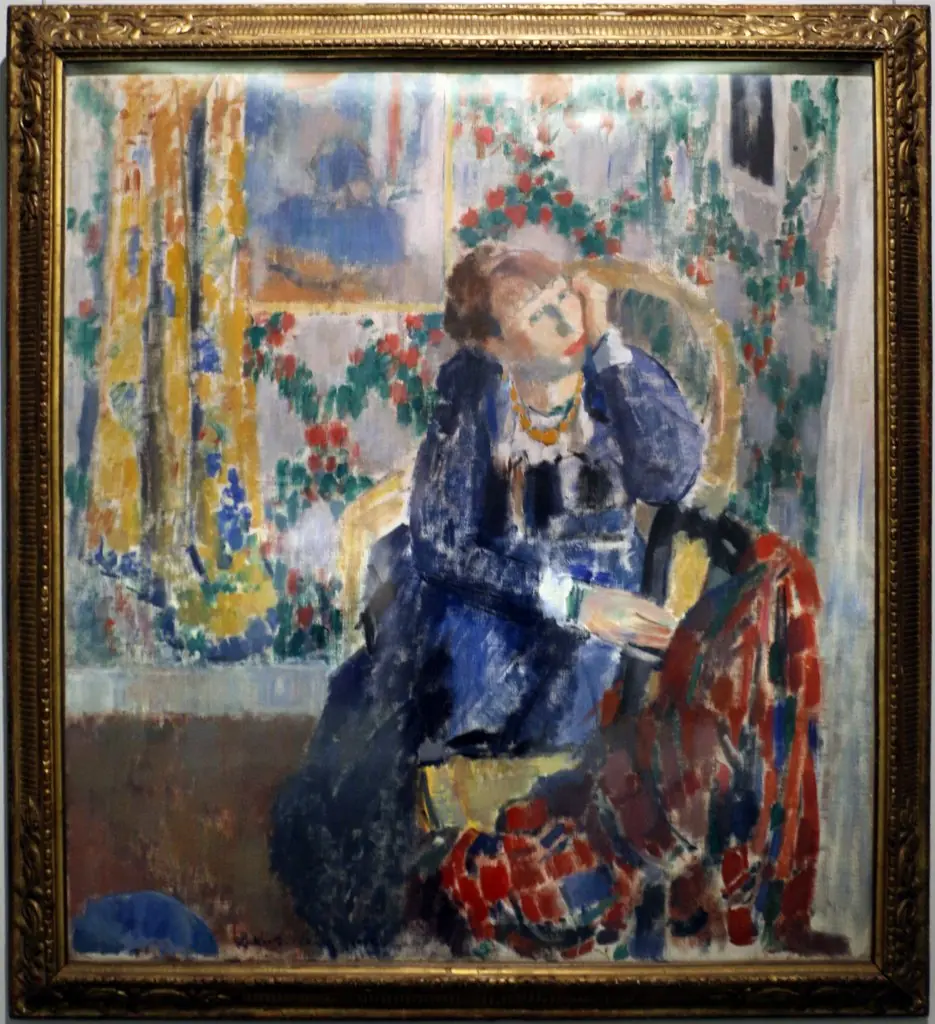 The lady with the yellow necklace; interior D
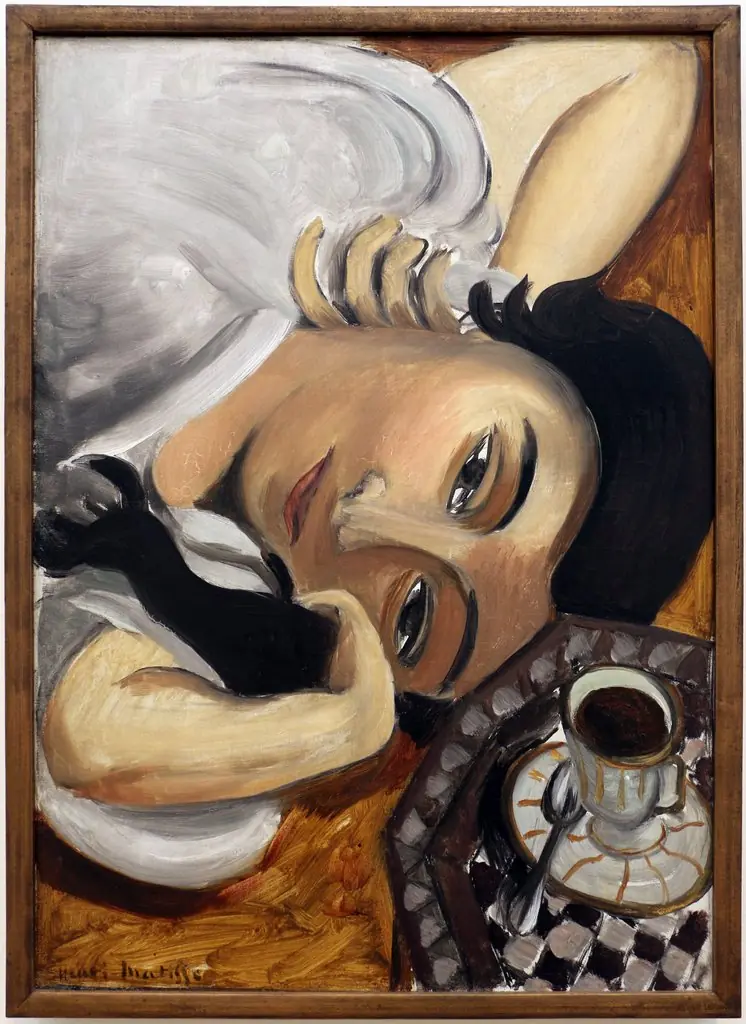 Lorette with Cup of Coffee
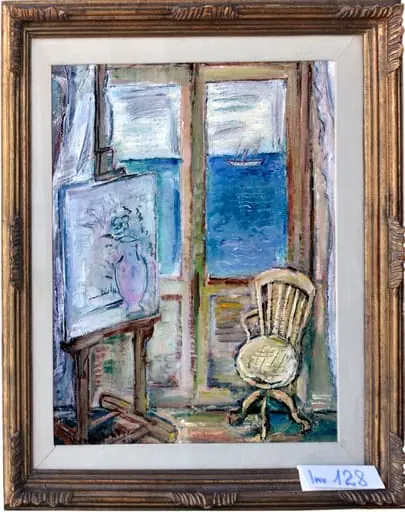 Atelier în Balcic cu vedere spre mare
 Femeie în șezlong
 Anetuța
 L'Estaque
 The Girl from Nordland
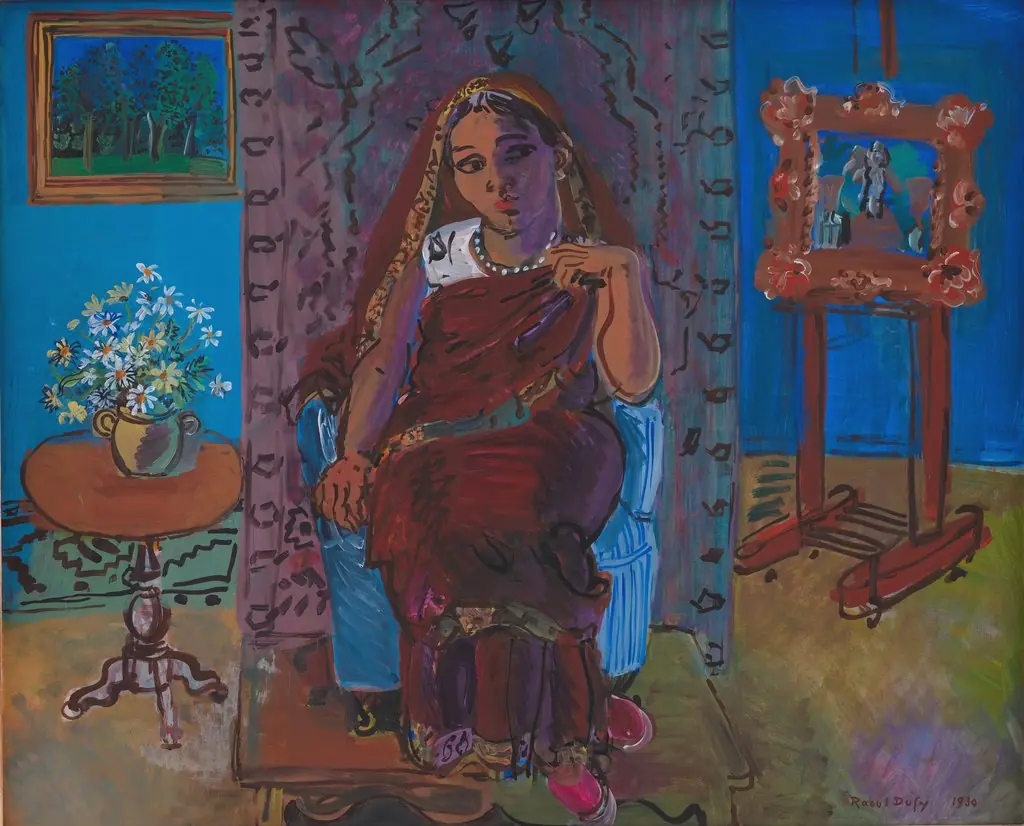 Interiør med indisk kvinde
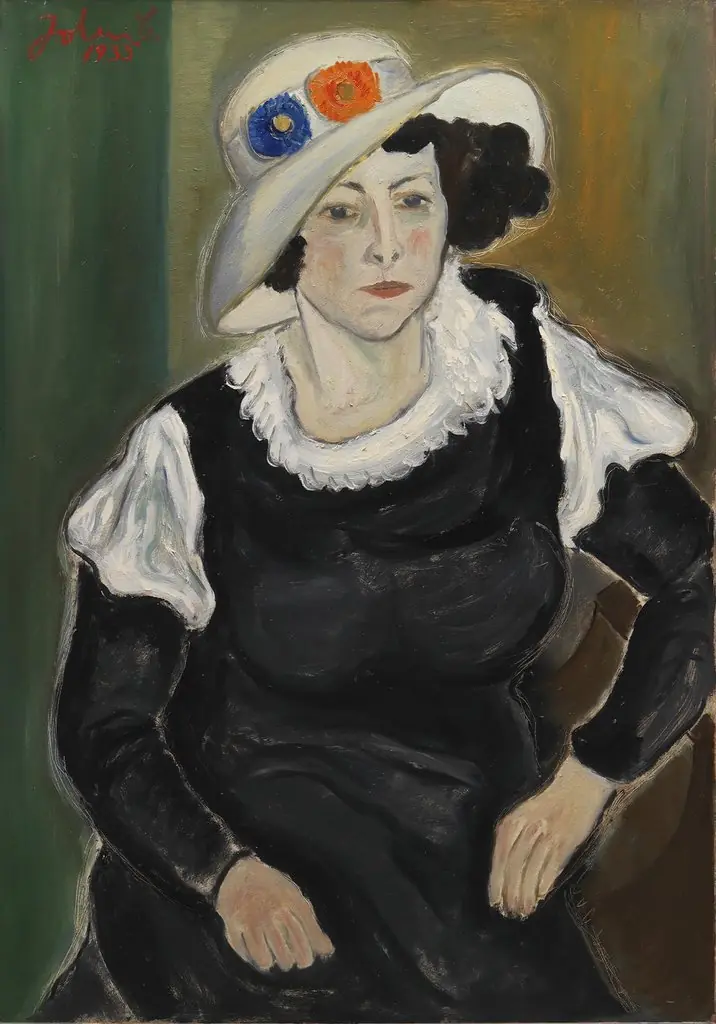 A Lady Wearing a Hat. The Artist's Wife, Dagny Marie Christensen