Artwork
Pierre Bacot
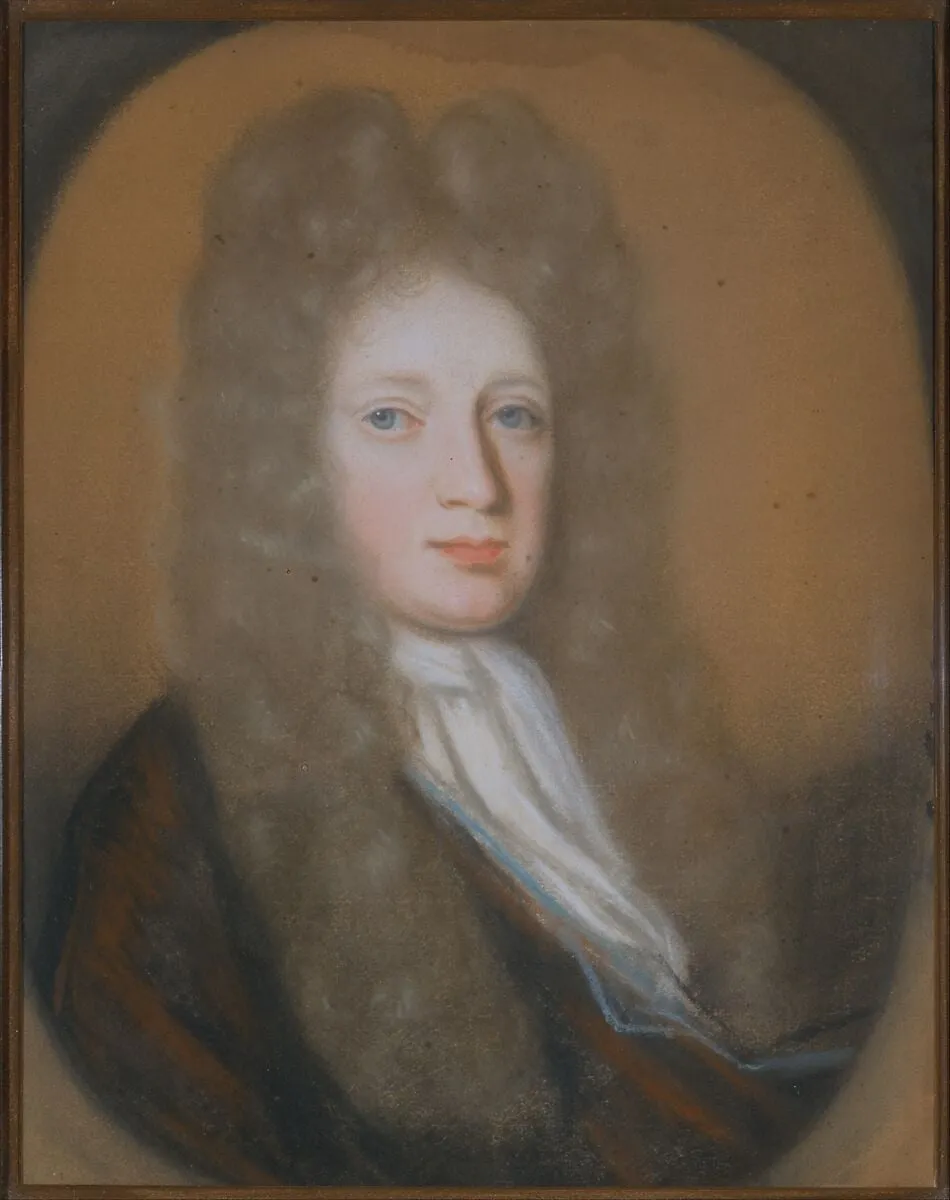
Pierre Bacot is a pastel drawing by the Baroque artist Henrietta Johnston. It dates from 1709 and is held in the collection of the Metropolitan Museum of Art.
About this work
Subject & Meaning
The portrait shows Pierre Bacot wearing a cravat, identifying him as a man in a formal pose.
The portrait shows Pierre Bacot wearing a cravat, identifying him as a man in a formal pose. This depiction emphasizes his status and identity within early colonial society, reflecting the importance of portraiture for status affirmation in the 18th century. The work was created by Henrietta Johnston using pastel and red chalk on paper in 1708, a medium and date confirmed by the Metropolitan Museum of Art's collection record.
Technique & Style
The portrait of Pierre Bacot is executed in pastel combined with red chalk on off-white laid paper, a mixed dry-medium technique typical of early eighteenth-century pastel practice. The work is a small-format portrait, measuring 29.5 cm in height by 22.9 cm in width, with the off-white laid paper serving as both support and tonal ground for the chalk and pastel pigments. The medium allows for soft, blended modeling of the sitter's features while the red chalk contributes to the linear definition of the likeness.
Stylistically, the work is a formal portrait of a man, with the depiction centered on the sitter's head and shoulders, including the rendering of a cravat at the neck. The combination of pastel and red chalk on laid paper places the technique within the conventions of refined portrait drawing of the period, emphasizing delicate surface handling over heavy impasto.
History & Provenance
The work is dated to 1708 based on the artist’s practice and the inscription on the support, aligning with Henrietta Johnston’s early pastel portraits in the American colonies. Pierre Bacot, a Huguenot merchant in Charleston, South Carolina, is depicted in a three-quarter pose with a cravat. The portrait entered the Metropolitan Museum of Art’s collection as part of its holdings of Johnston’s pastels, where it remains located.
The pastel portrait of Pierre Bacot, created by Henrietta Johnston in 1708, is held in the collection of the Metropolitan Museum of Art. Classified within the American Wing, the work is executed in pastel and red chalk on off-white laid paper. While the specific inventory or accession number is not provided in the available records, the museum lists the piece with dimensions of 29.5 cm in height and 22.9 cm in width. The artwork depicts the sitter wearing a cravat and remains part of the institution's permanent holdings.
Context
Henrietta Johnston created a pastel portrait of Pierre Bacot in 1708, depicting him in a cravat as a man's portrait, now part of The American Wing's collection at the Metropolitan Museum of Art. This work exemplifies early colonial American portraiture and reflects the stylistic conventions of 18th-century European drawing practices adapted in the New World. Its significance lies in representing one of the earliest known uses of pastel in colonial America, bridging European artistic traditions and emerging American identity.
Scholarship highlights the piece as a key example of Johnston's pioneering role as a female artist in the American colonies, with its delicate rendering and compositional detail underscoring the technical sophistication of the medium during that period. The portrait remains a cornerstone for understanding artistic exchange between Europe and colonial America, frequently cited in studies of early American art and women's contributions to the field.
Overview
Henrietta Johnston’s portrait of Pierre Bacet, executed around 1709, is a small work on off‑white laid paper combining pastel and red chalk. The figure is rendered against an unadorned background, his dark coat and cravat standing out against the soft illumination of his face. The portrait belongs to the American Wing collection and exemplifies early colonial portraiture in the United States.
Artist & collection


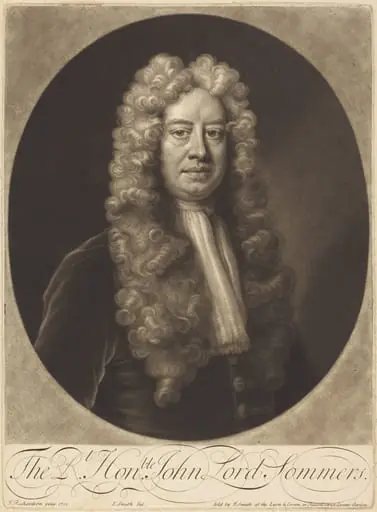
- John Lord Sommers
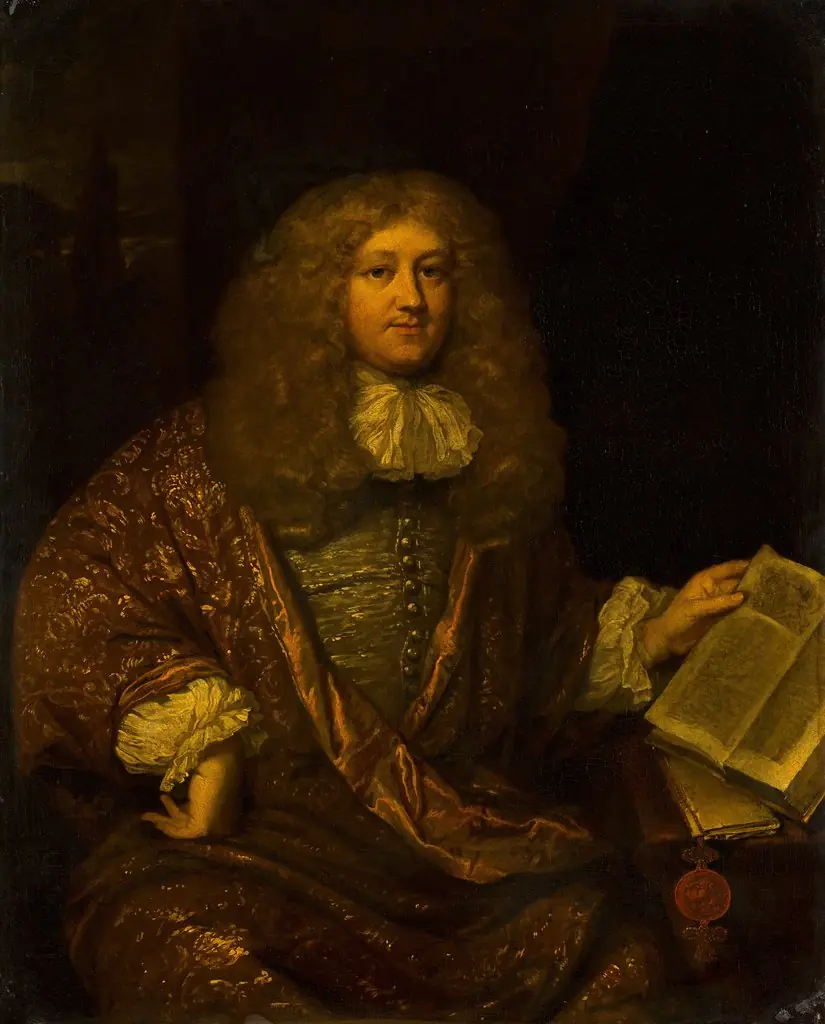 Portrait of Michiel ten Hove (1640-1689)
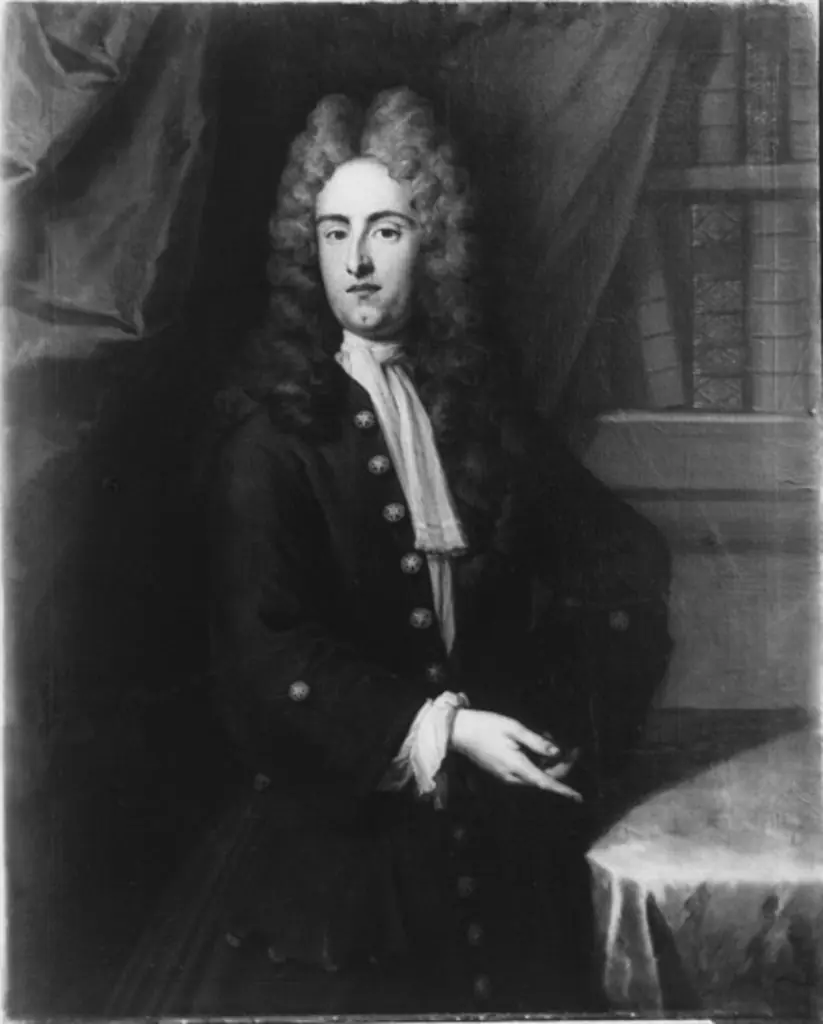 Dr. med. Rudolf Lavater in seiner Bibliothek
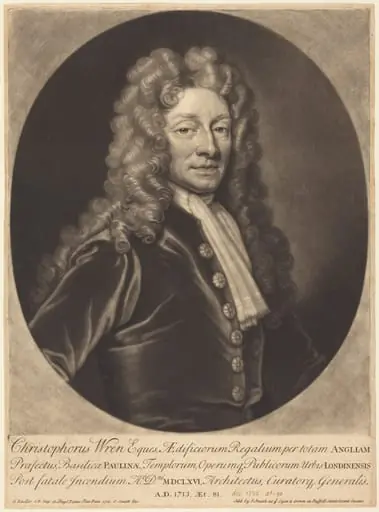 Sir Christopher Wren
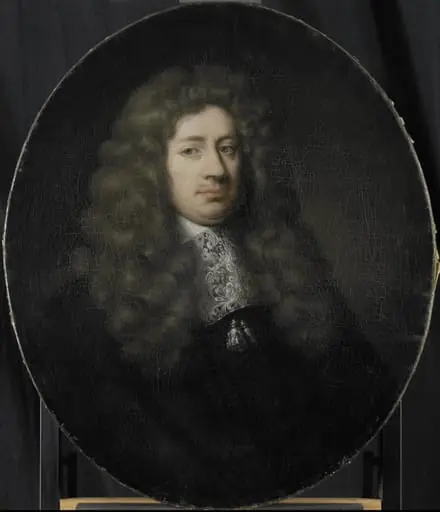 Portrait of Dominicus Rosmale, Director of the Rotterdam Chamber of the Dutch East India Company, elected 1677
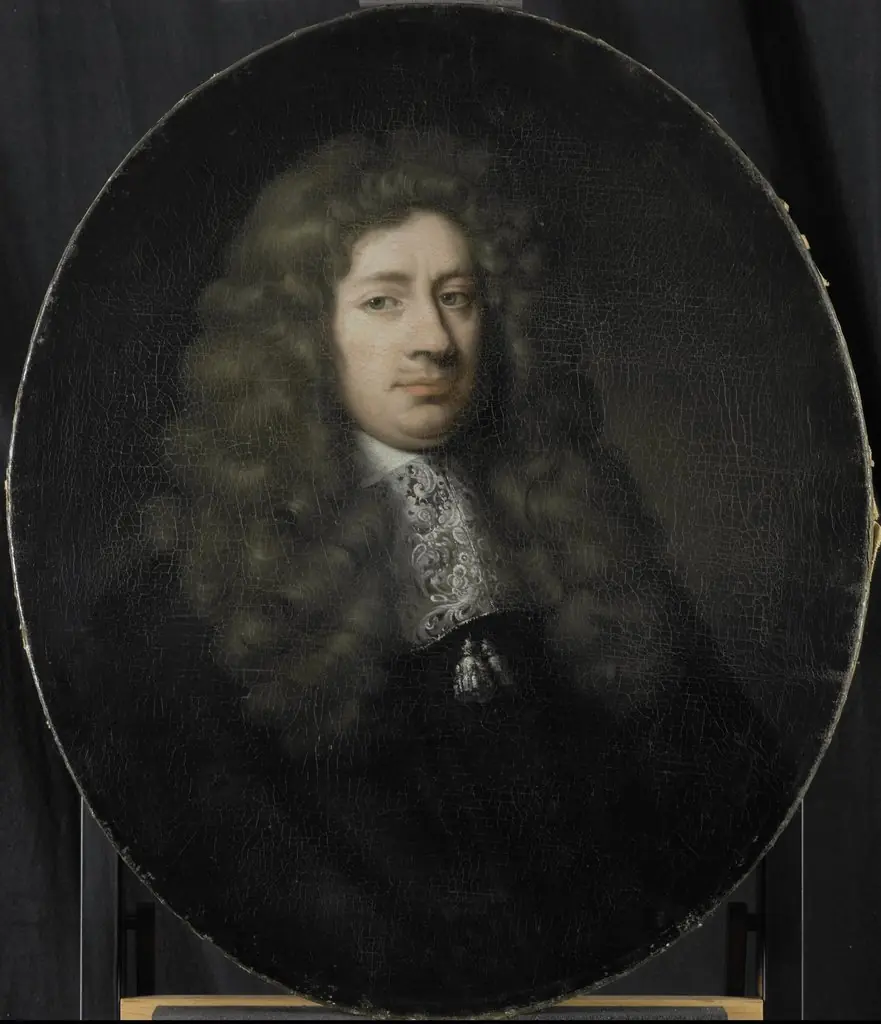 Portrait of Dominicus Rosmale, Director of the Rotterdam Chamber of the Dutch East India Company, elected 1677
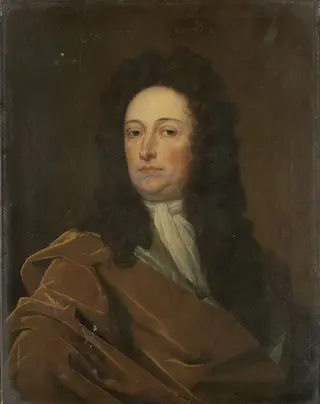 Aernout van Citters (1633-96), Ambassador of the Dutch Republic in London
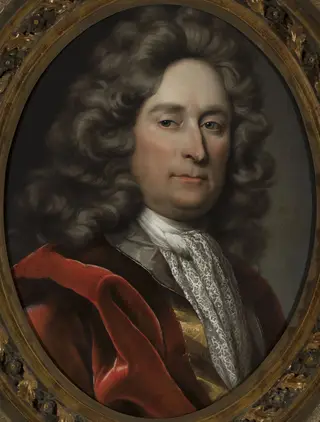 Portrait of a man in a grey wig
 Portrait of a Man
 Portrait of a Gentleman
 Francisco Cornaro
 Portrait of a Man