Artwork
Plate 10: Gray Crowned Crane and Helmeted Curassow
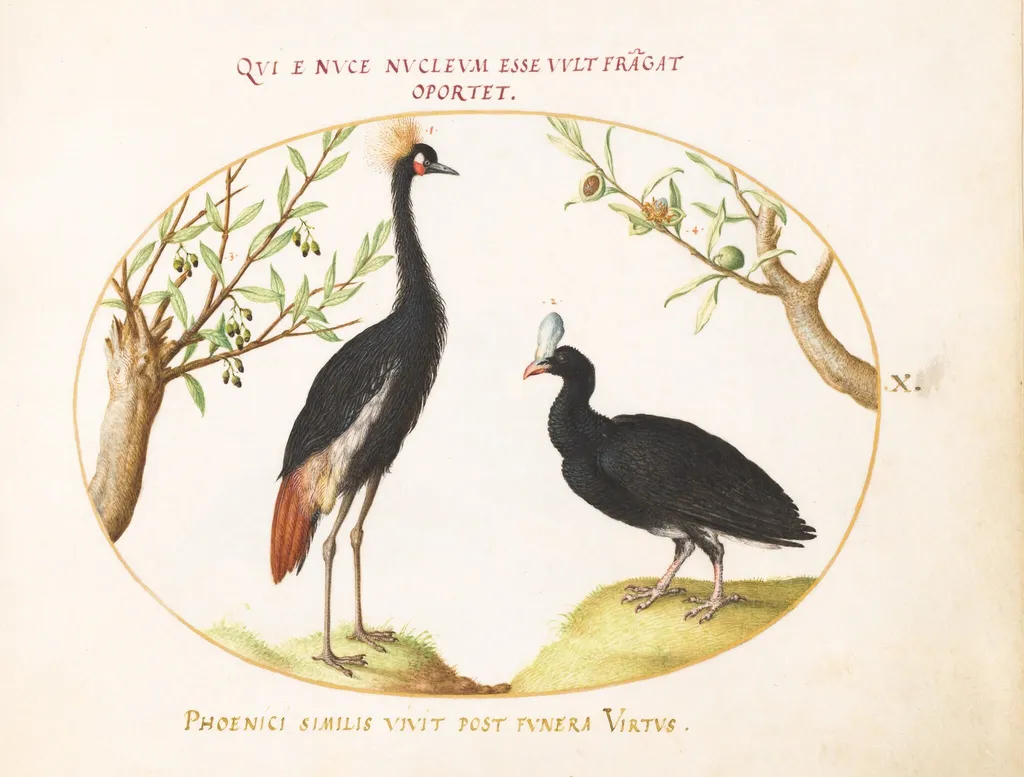
Plate 10: Gray Crowned Crane and Helmeted Curassow is a gouache drawing by the Renaissance artist Joris Hoefnagel. It dates from 1594 and is held in the collection of the National Gallery of Art.
- Inscription
- Inscribed:Upper center in violet ink: QVI E NVCE NVCLEVM ESSE VVLT FRA[N]GAT / OPORTET. (“He who wants to eat the inside of the walnut breaks the shell [on the nut].” Erasmus, _Adages_, 2.9.35) (trans. Vignau-Wilberg 1994, 81); center right in (gold?): X.; birds in image numbered .1. and .2., in red ink; trees in image numbered .3. and .4., in red ink; lower center in (gold?): PHOENICI SIMILIS VIVIT POST FVNERA VIRTVS. Facing page: Upper center in black ink: Et vinax phoenix unica semper avis.; lower center in black ink: En renovata suo vinit fuligine PHOENIX. / Et sua mox volucris (mirum) post busta resurgit.
About this work
Overview
Plate 10: Gray Crowned Crane and Helmeted Curassow is a watercolor and gold paint drawing on parchment created by Joris Hoefnagel around 1594.
Technique & Style
The work showcases Hoefnagel's skill as a manuscript illuminator, using watercolor and gold paint to achieve a high level of detail. His precise rendering reflects a scientific approach to depicting natural subjects.
Subject & Meaning
The drawing features a Gray Crowned Crane and a Helmeted Curassow, exemplifying Hoefnagel's focus on natural history illustration. The level of detail suggests a commitment to accurately representing the natural world.
Context
This piece is part of a broader trend in late 16th-century art towards detailed natural studies, and Hoefnagel's work contributed to the development of floral still-life painting as a distinct genre in northern Europe.
Own this work as a print
Artist & collection

Artist
Joris Hoefnagel or Georg Hoefnagel (1542 – 24 July 1601) was a Flemish painter, printmaker, miniaturist, draftsman and merchant.

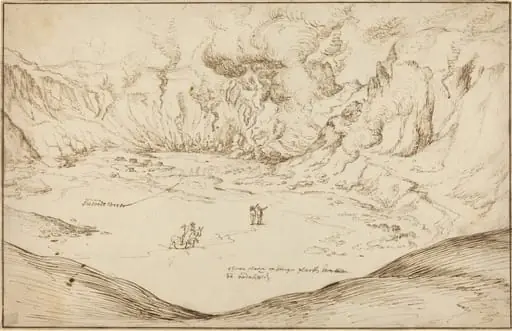 Forum Vulcani: The Hot Springs at Pozzuoli
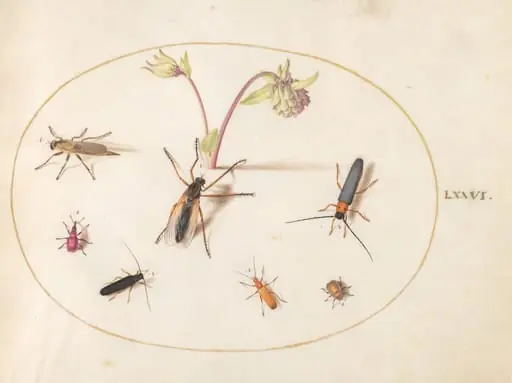 Plate 76: Insects with a Pink and Cream Columbine
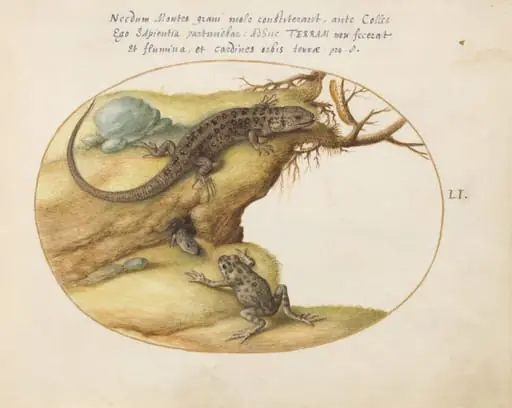 Plate 51: Two Sand Lizards, a Common Parsley Frog(?), and a Caterpillar
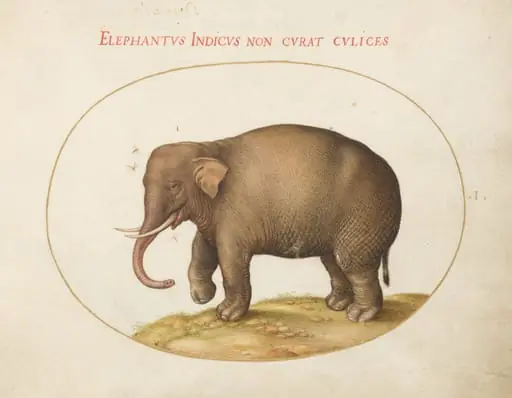 Plate 1: Elephant with Insects
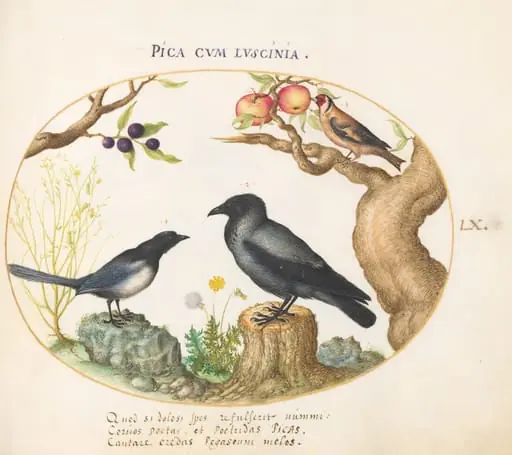 Plate 60: Magpie, Crow, and Goldfinch
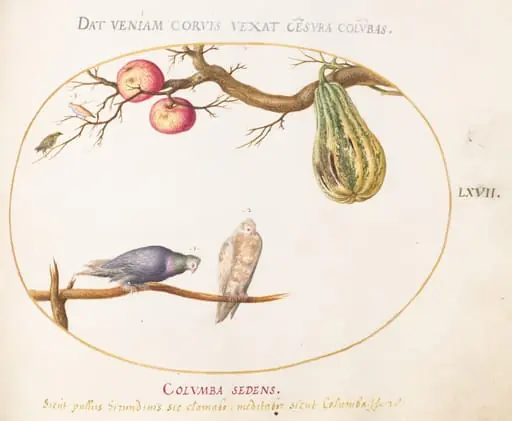 Plate 67: Two Doves beneath a Gourd and Apples
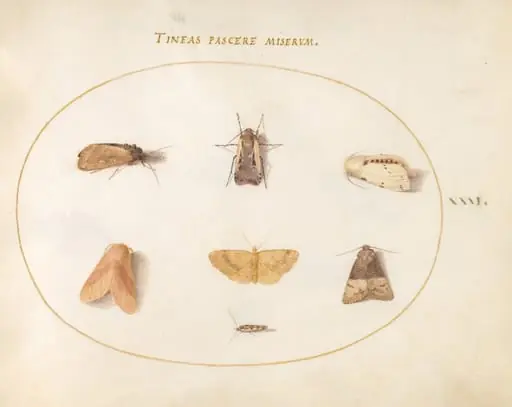 Plate 31: Seven Moths
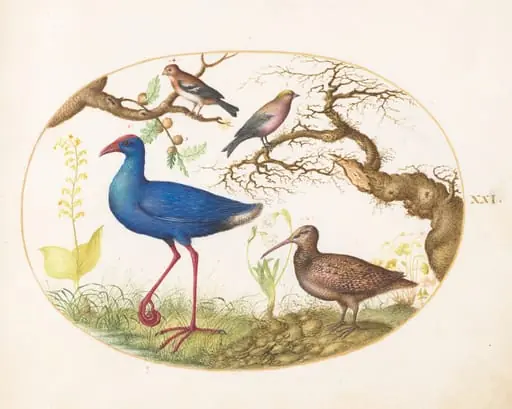 Plate 21: Swamp Hen and Woodcock with a Streaked Rosefinch, a Finch, and Oak Galls
- Plate 15: Common Crane and Bittern(?)
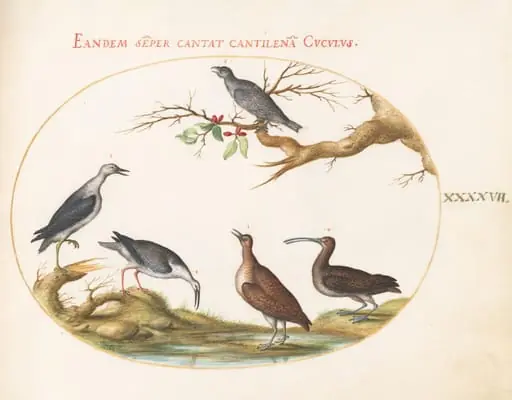 Plate 47: Shore Birds with a Perching Bird
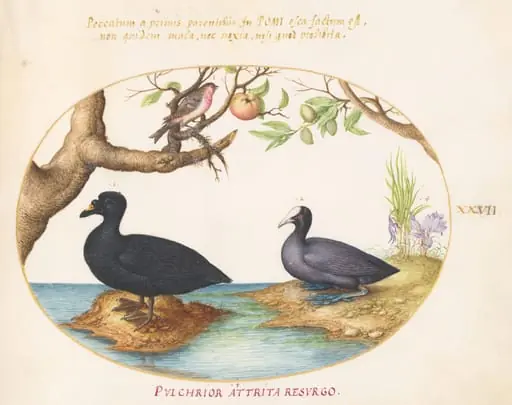 Plate 27: A Common Scoter, a Eurasian Coot, and a Rosefinch(?)
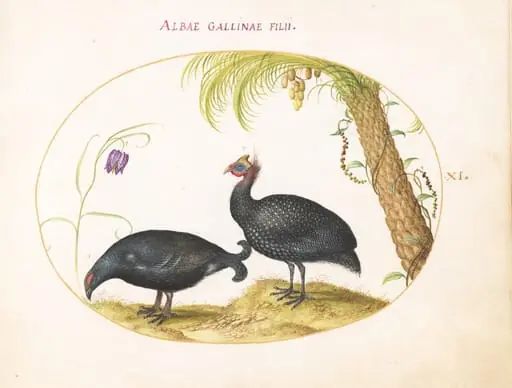 Plate 11: A Caucasian Grouse and a Helmeted Guineafowl
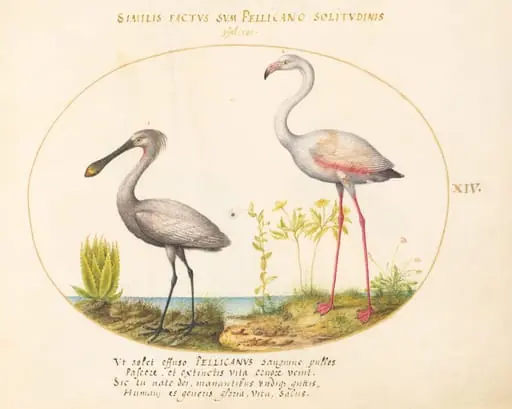 Plate 14: Spoonbill Crane and Flamingo
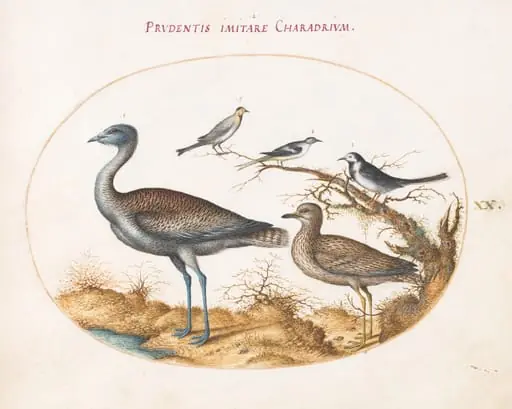 Plate 20: A Plover with Four Other Birds
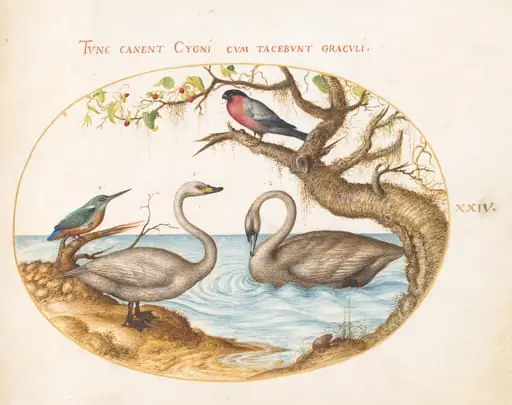 Plate 24: Two Swans, a Kingfisher, and a Bullfinch
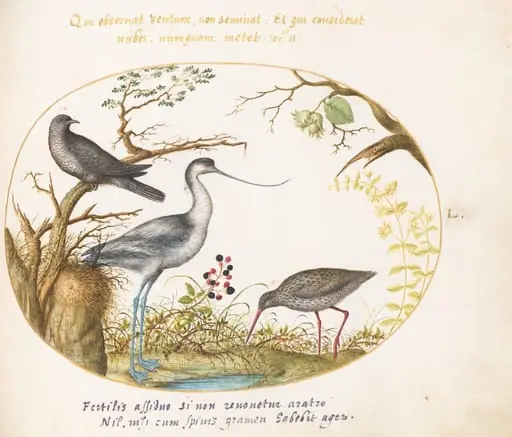 Plate 50: An Avocet with Two Other Birds
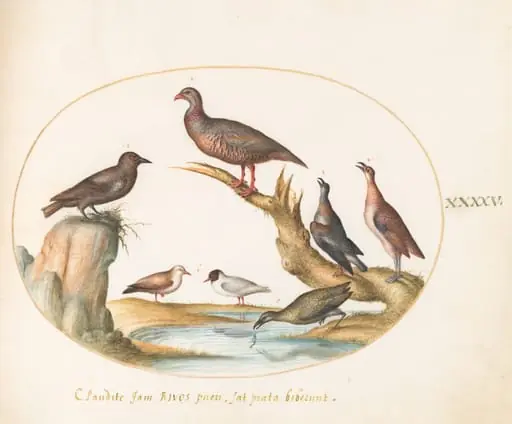 Plate 45: Spotted Nutcracker and Shore Birds
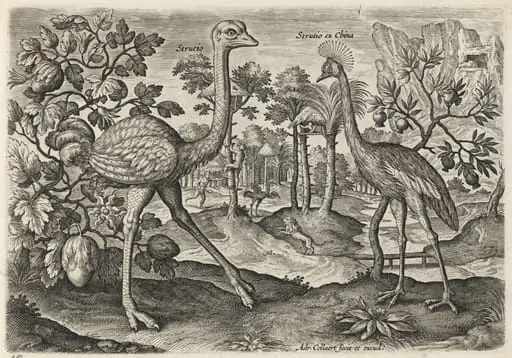 Ostrich and Crowned Crane
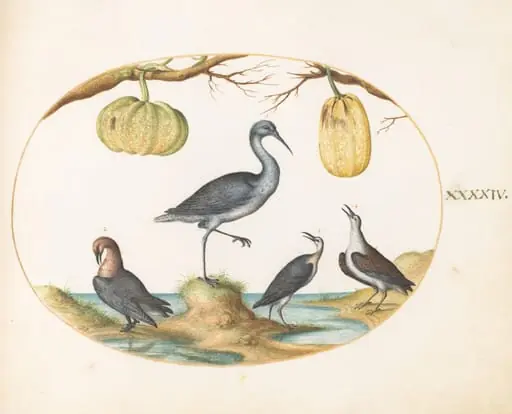 Plate 44: Godwit(?) and Sandpipers with Two Gourds