Artwork
A Prince of Saxony
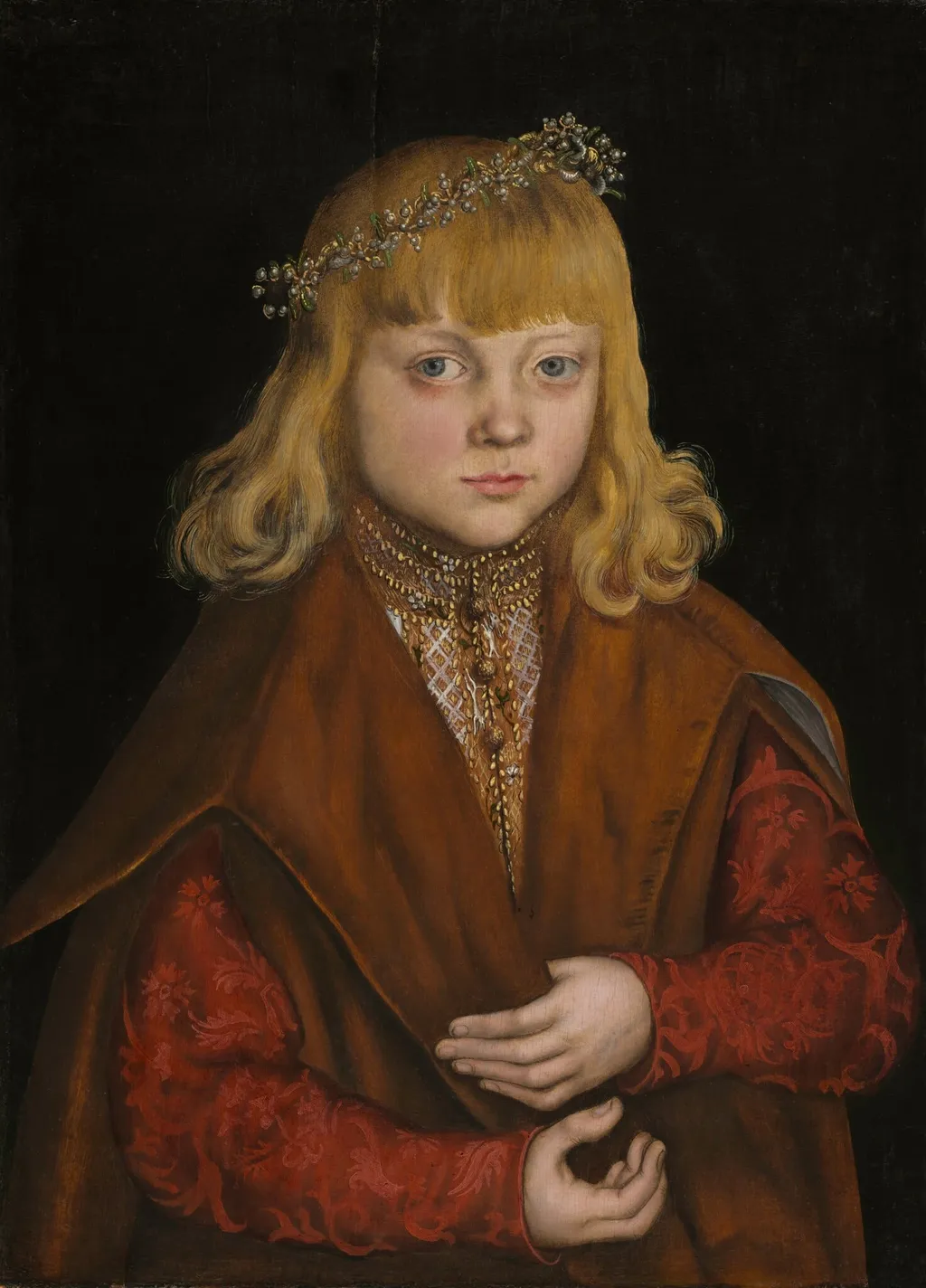
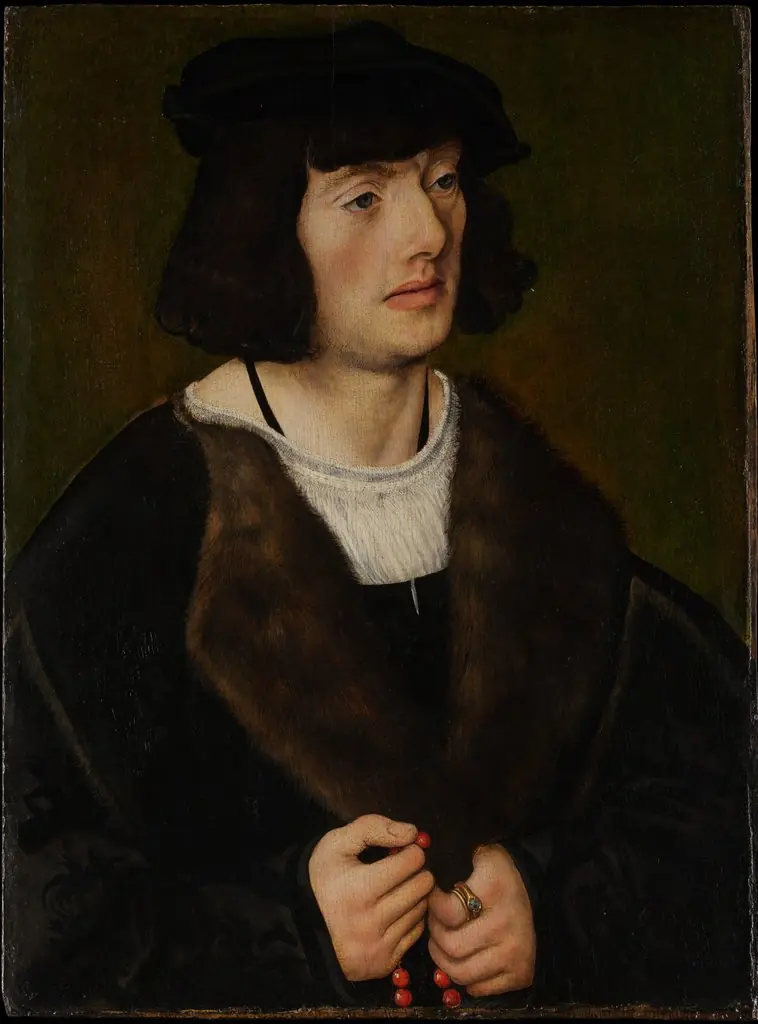
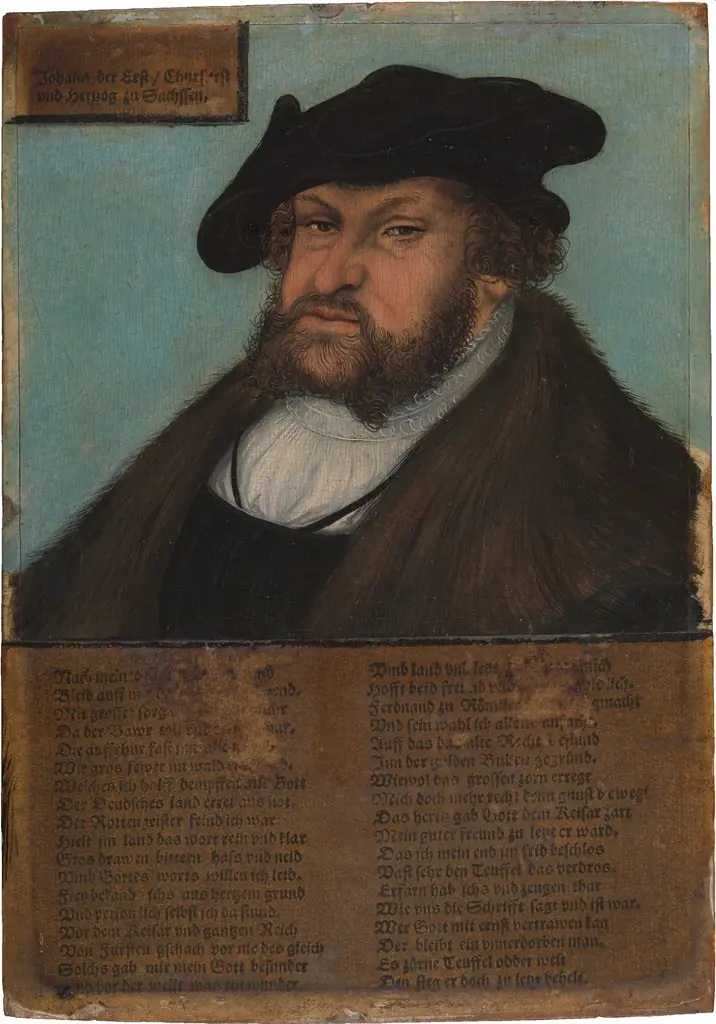
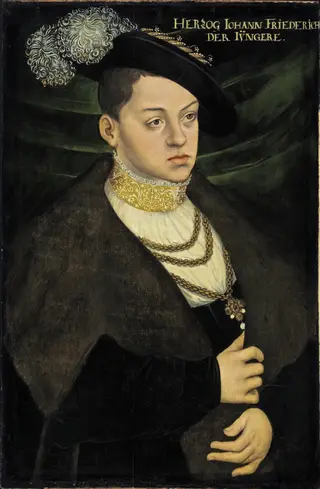
A Prince of Saxony is an oil painting by the Northern Renaissance artist Lucas Cranach the Elder. It dates from 1517 and is held in the collection of the National Gallery of Art.
About this work
Technique & Style
As a portrait genre piece, the painting relies on the durable nature of the panel to preserve the sitter's likeness and the artist's detailed brushwork.
Created in 1517, A Prince of Saxony is executed in oil paint on a lime wood panel. This support material and medium are characteristic of Lucas Cranach the Elder's workshop practices during this period. The work measures 43.7 cm in height and 34.4 cm in width, presenting a compact yet formal portrait format.
As a portrait genre piece, the painting relies on the durable nature of the panel to preserve the sitter's likeness and the artist's detailed brushwork.
History & Provenance
A Prince of Saxony is a portrait painted by Lucas Cranach the Elder in 1517 on a lime panel in oil. According to the work's provenance, it was held jointly by the Munich dealer Julius Böhler and the Dresden collector August Salomon, arranged through the Berlin dealer Paul Cassirer, before being acquired in August 1925 by Ralph Harman Booth and his wife Mary Batterman Booth of Grosse Pointe, Michigan. The Booths donated the painting to the National Gallery of Art in Washington, D.C., in 1947.
The sources do not record any specific commission for the piece. The work's documented exhibition history includes the show "Remember Me."
Legacy
The painting entered the National Gallery of Art in 1947 after being acquired in 1925 by Ralph Harman Booth and Mary Batterman Booth from dealers Julius Böhler, August Salomon and Paul Cassirer, securing its place in a major public collection. Its continued relevance is reflected in its inclusion in the NGA’s 'Remember Me' exhibition, which highlighted portraits of personal and historical identity. This provenance and exhibition history underscore the work’s enduring reputation and legacy within Cranach studies and American museum collections.
Overview
Lucas Cranach the Elder created A Prince of Saxony, an oil-on-panel portrait, around 1517. This work exemplifies the Northern Renaissance style, characterized by its meticulous detail and focus on individual representation. As court painter to the Electors of Saxony, Cranach frequently depicted members of the German nobility and figures associated with the burgeoning Protestant Reformation, reflecting his significant role in the era's artistic and political landscape.
Subject & Meaning
The painting presents a young boy, likely of noble or royal lineage, indicated by his elaborate floral crown and luxurious attire. He wears a richly patterned red shirt beneath a brown cloak, his long blonde hair framing a direct gaze. His hands are clasped before him, conveying a sense of youthful solemnity.
This portrayal aligns with Cranach's practice of documenting prominent figures within the Saxon court and the broader German aristocracy.
Context
As the esteemed court painter for the Electors of Saxony, Lucas Cranach the Elder was strategically positioned to create portraits of influential figures. His artistic output often served to document and elevate the German princes and leaders who were central to the political and religious shifts of the early 16th century. Cranach's personal support for the Protestant Reformation further informed his choice of subjects, making his portraits significant historical records.
Own this work as a print
Artist & collection
Artist
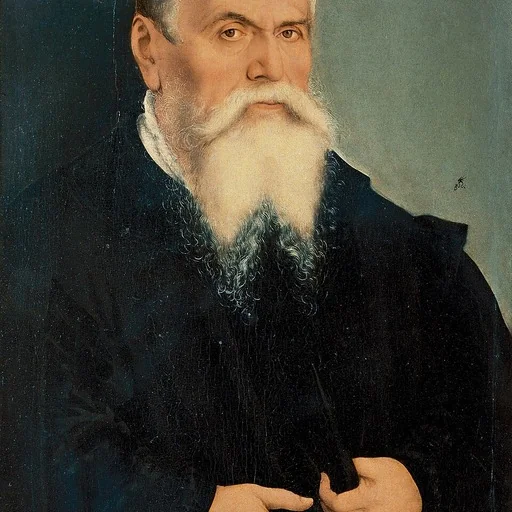
Lucas Cranach the Elder was a German Renaissance painter and printmaker in woodcut and engraving.

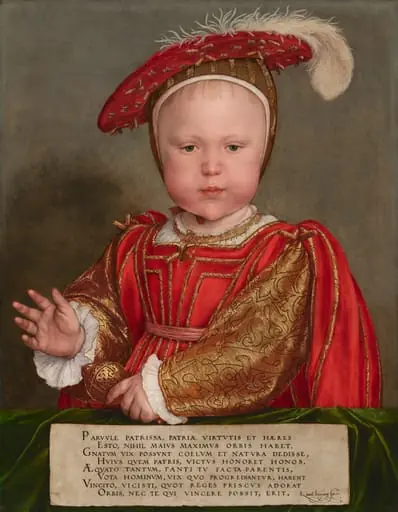 Edward VI as a Child
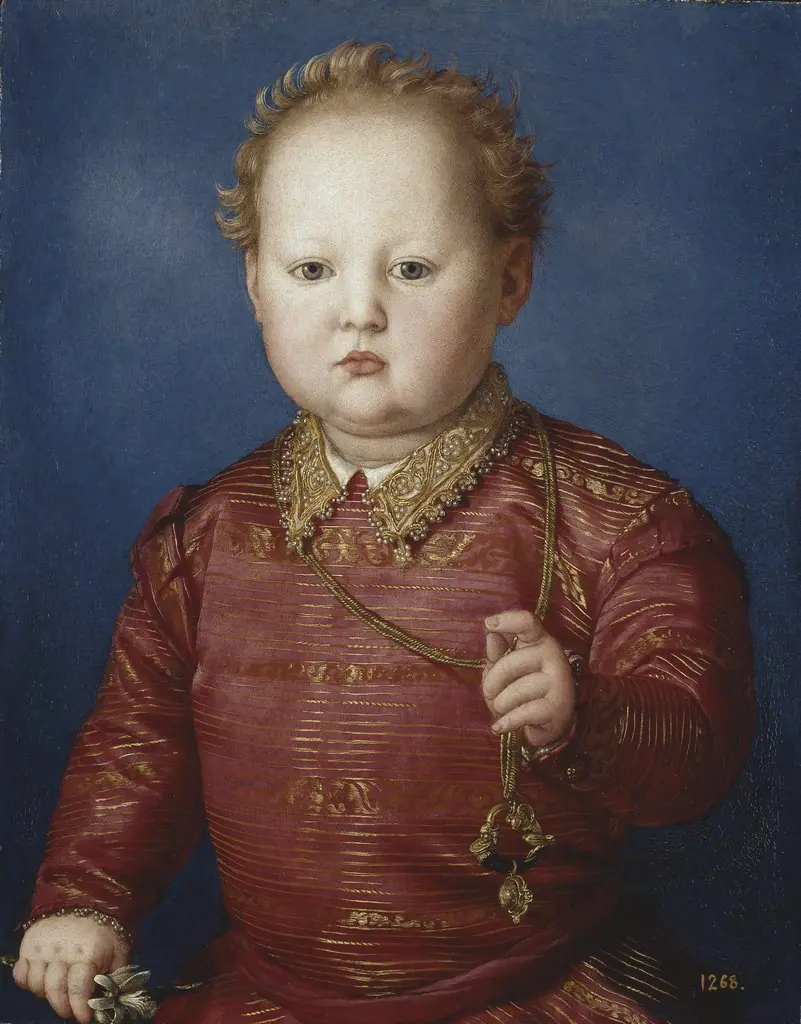 Garzia de' Medici
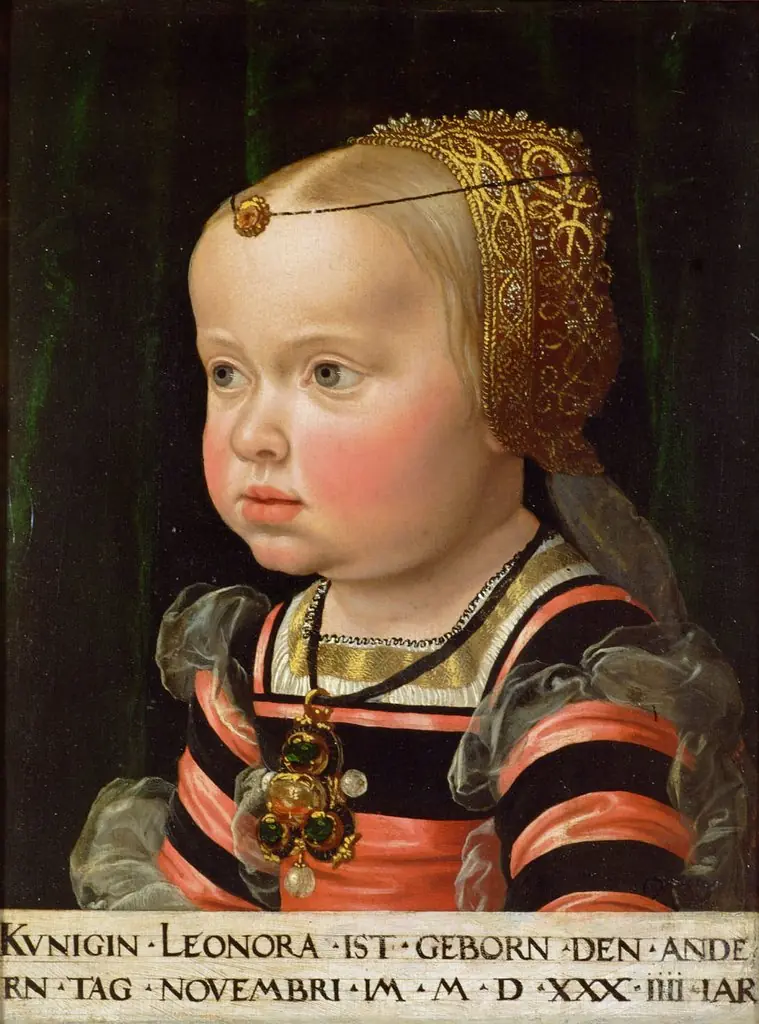 Erzherzogin Eleonore (1534-1594), Herzogin von Mantua als Zweijährige
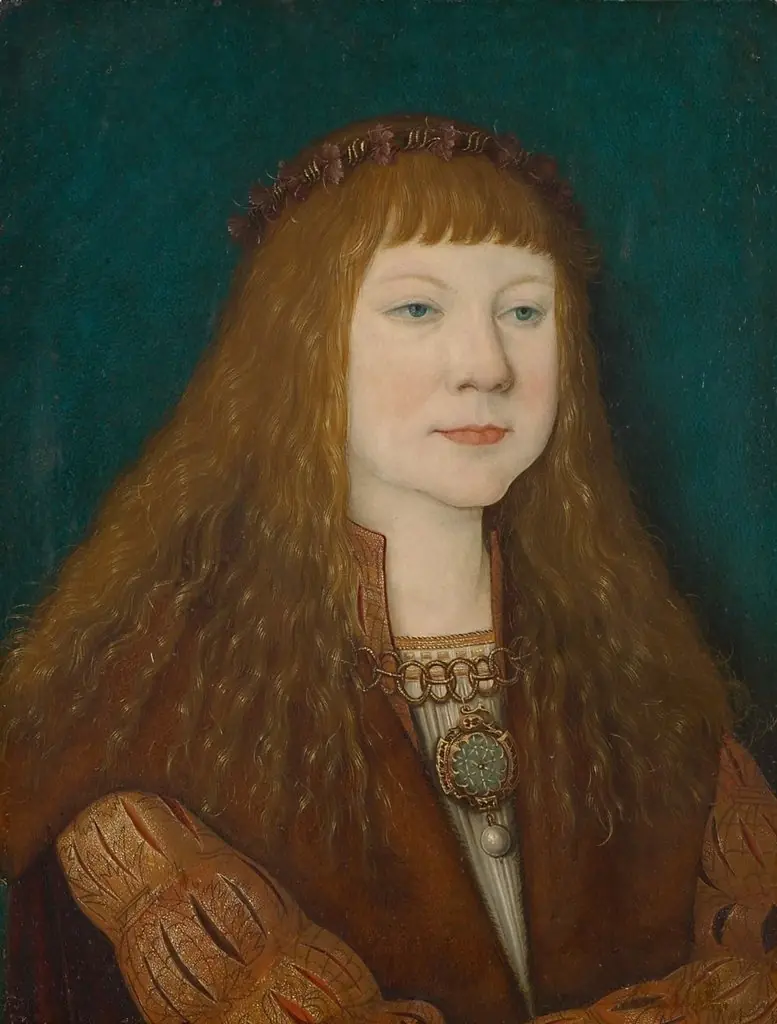 King Ludwig II of Hungary as a boy
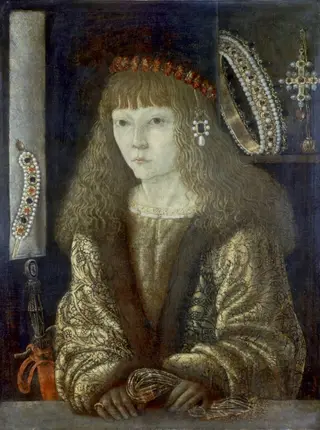 A young János Corvinus in 1486.
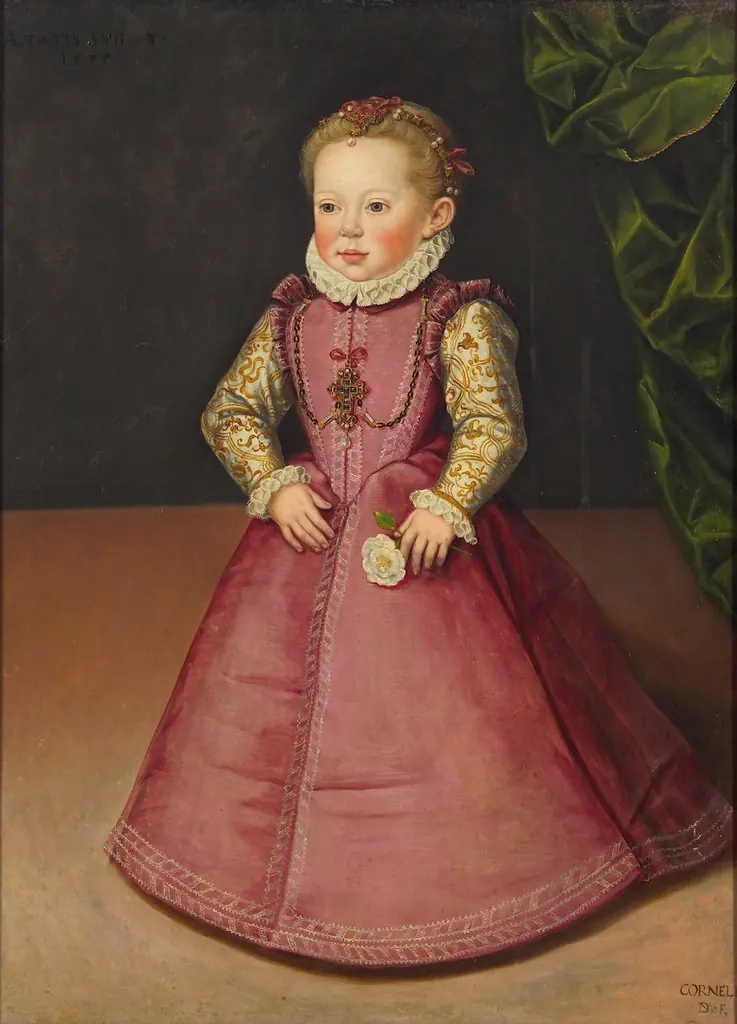 Erzherzogin Maria Christierna (1574-1621) im Alter von drei Jahren, in ganzer Figur
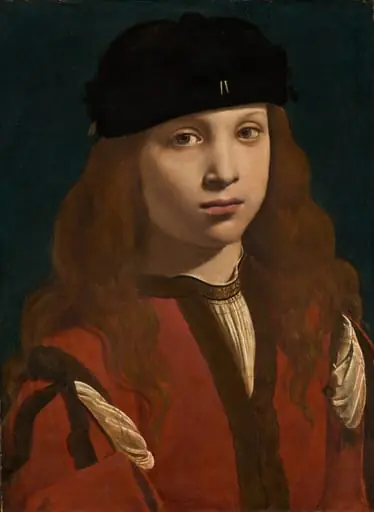 Portrait of a Youth
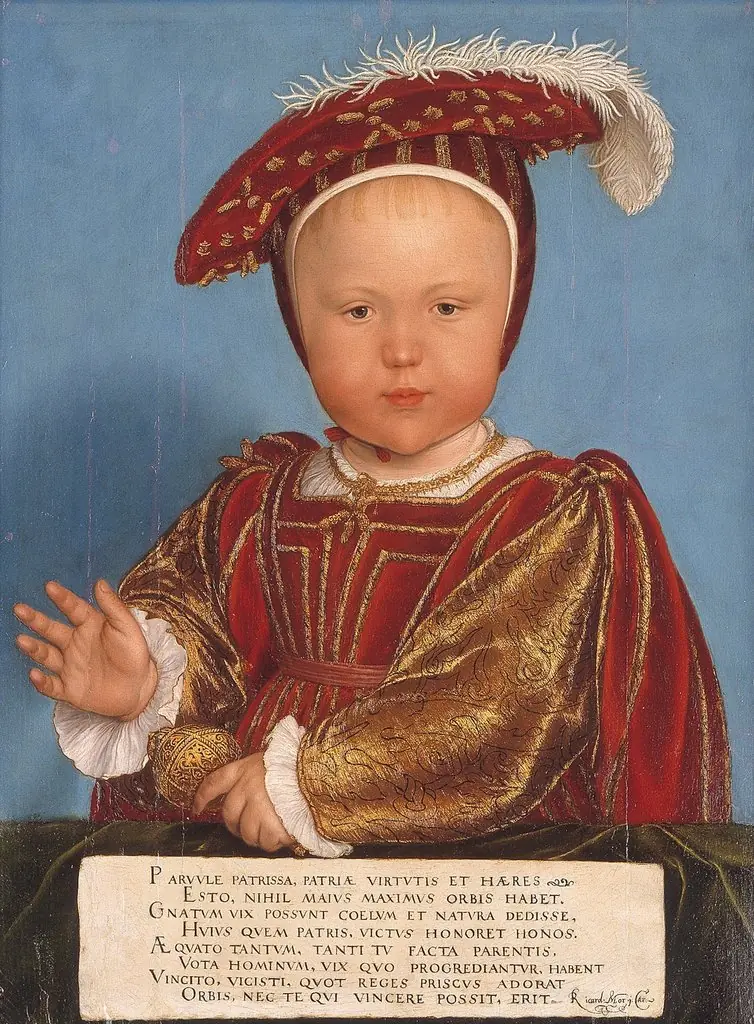 Edward, Prince of Wales, later King Edward VI
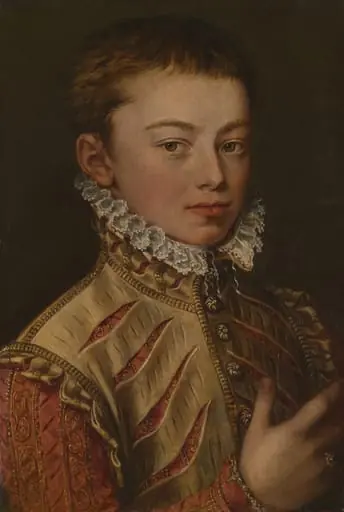 Portrait of Don Juan of Austria
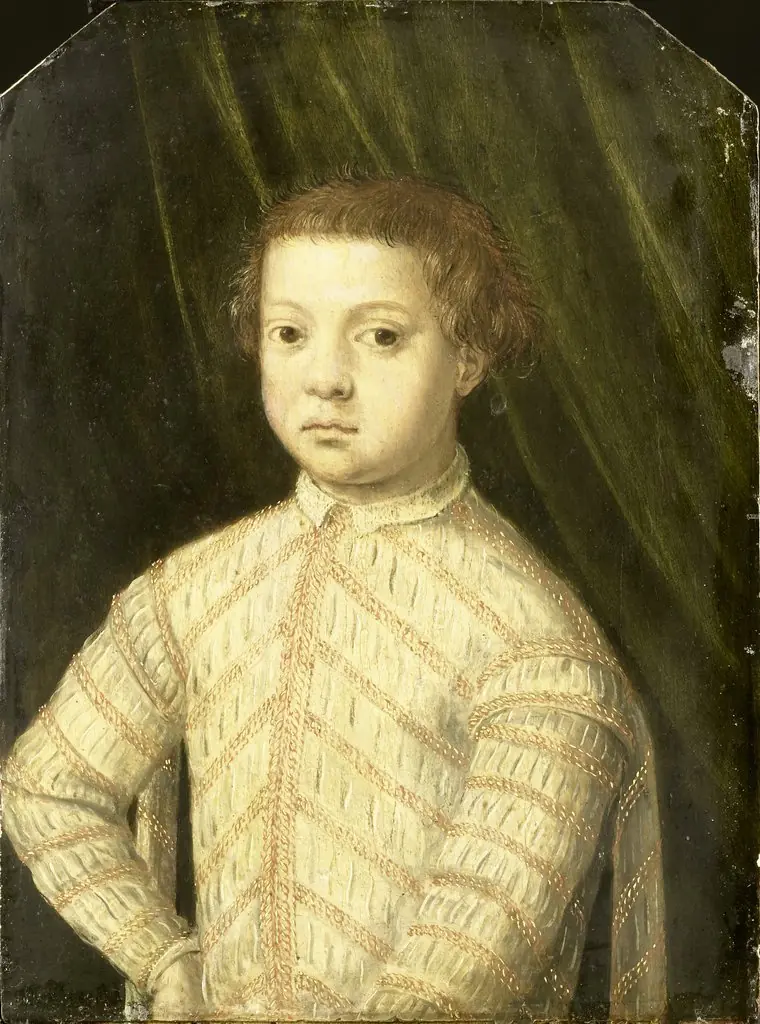 Portrait of a Boy, thought to be Giovanni de' Medici (1543-1562)
 Johann Ernst, Duke of Saxe-Coburg