Artwork
School Time
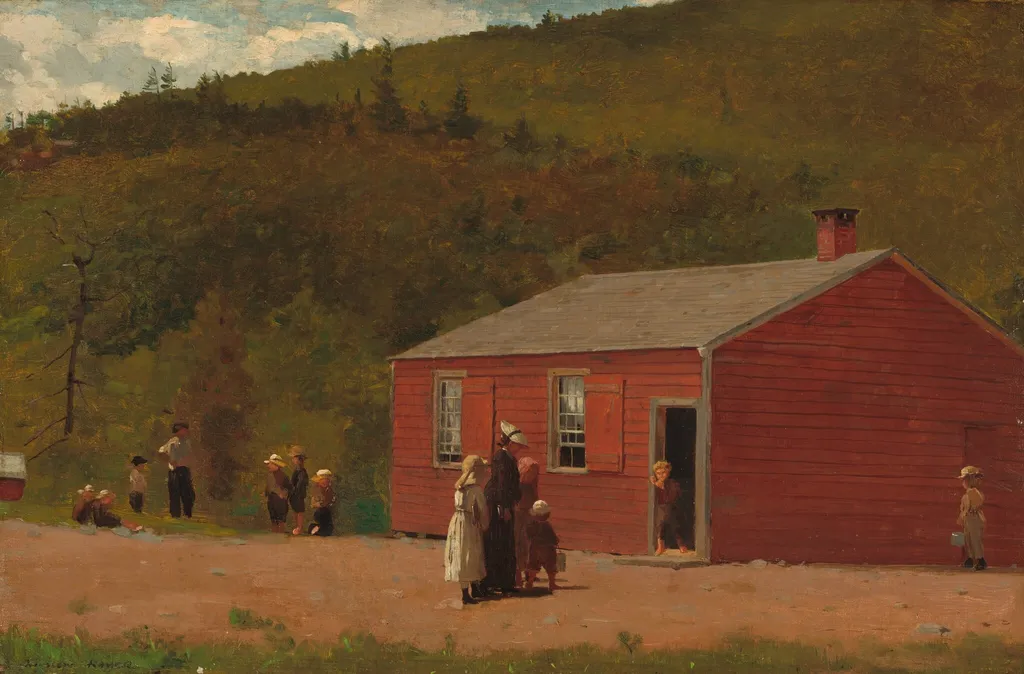
School Time is an oil painting by the American Impressionist artist Winslow Homer. It dates from 1874 and is held in the collection of the National Gallery of Art.
- Inscription
- Inscribed:lower left: WINSLOW HOMER; lower center left, being painted on the building by the child: W H
About this work
Technique & Style
The painting belongs to the broader category of easel painting and is classified as a painting within the collection.
School Time is an oil on canvas painting, executed in the medium of oil paint on a canvas support. The work measures 31.75 cm in height by 48.9 cm in width, indicating a modest, horizontally oriented format suited to its intimate subject matter. The painting belongs to the broader category of easel painting and is classified as a painting within the collection.
Its modest dimensions and oil-on-canvas construction are consistent with Winslow Homer's mid-1870s practice of producing compact, carefully observed genre scenes.
History & Provenance
The painting School Time was created by Winslow Homer in 1874. Its early ownership is documented with John Pomeroy Townsend of New York, who held the work before it entered the art market. In January 1960, Wildenstein & Co.
Inc. in New York facilitated its purchase by Paul Mellon, who later bequeathed it to the National Gallery of Art (NGA) in Washington, D.C., in 1999. Mellon’s wife, Rachel Lambert Mellon, held a life interest in the work until her death in 2014, after which it became part of the NGA’s permanent collection.
The painting is held by the National Gallery of Art, Washington, D.C., where it entered the collection as part of the bequest of Paul Mellon in 1999. It is recorded with the accession number 1999.14.1. The work’s exhibition history is not documented in the provided sources.
Overview
Winslow Homer's School Time, painted around 1874, is an oil on canvas work that captures a tranquil rural landscape. This early painting by Homer presents a quiet winter scene, featuring a small schoolhouse nestled among trees. The composition emphasizes the simple, unadorned beauty of the American countryside, characteristic of the artist's developing style during this period.
Subject & Meaning
The painting portrays a solitary red schoolhouse, its structure stark against the backdrop of bare winter trees. A second dwelling subtly emerges from behind, bathed in the gentle glow of what appears to be evening light. This depiction evokes a sense of quietude and introspection, reflecting the unassuming nature of rural life in 19th-century America. The winter setting further underscores the scene's serene, almost contemplative atmosphere.
Context
School Time represents an important example from Winslow Homer's formative years as a painter. During this period, Homer frequently turned to straightforward, everyday subjects, finding artistic merit in the unpretentious aspects of American life. This preference for plain scenes, rendered without idealization, established a foundational element of his artistic vision that would continue to evolve throughout his distinguished career.
Own this work as a print
Artist & collection
Artist
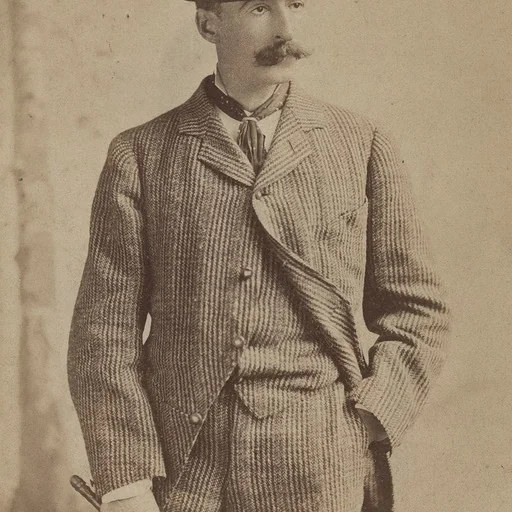
Winslow Homer (February 24, 1836 – September 29, 1910) was an American landscape painter and illustrator, best known for his marine subjects.




- Meetinghouse Hill, Roxbury, Massachusetts
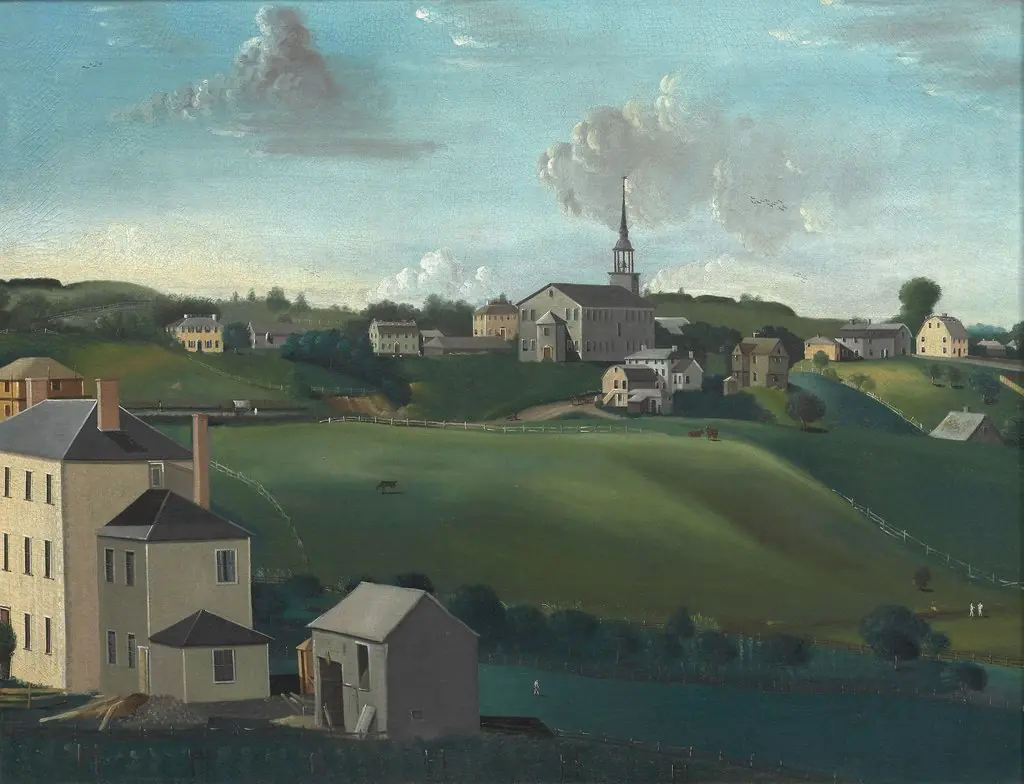 Meetinghouse Hill, Roxbury, Massachusetts
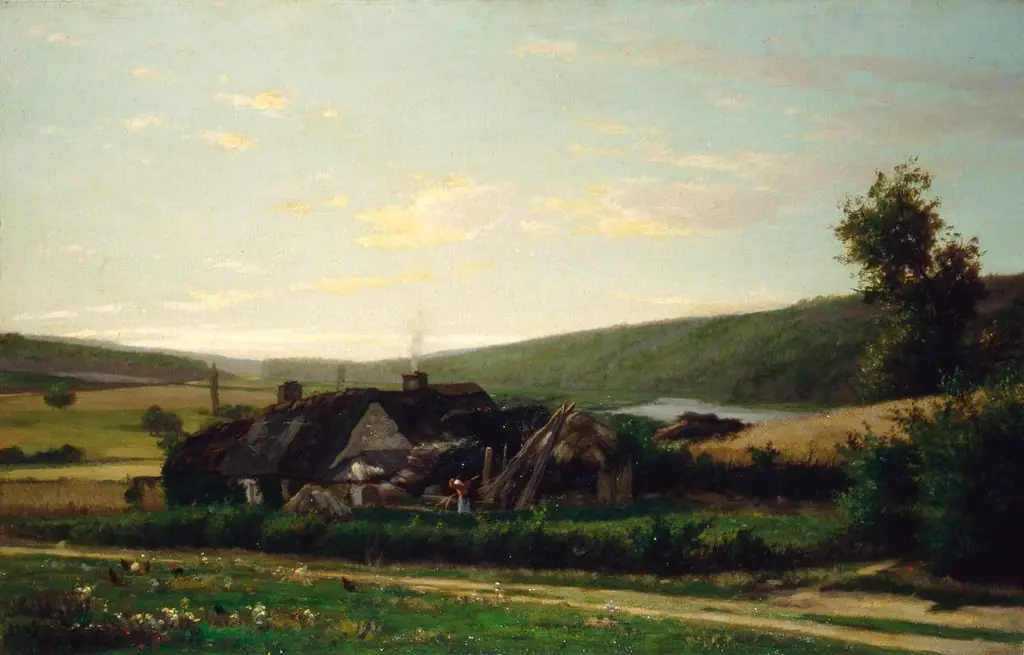 Valley of the Rambouillet, France
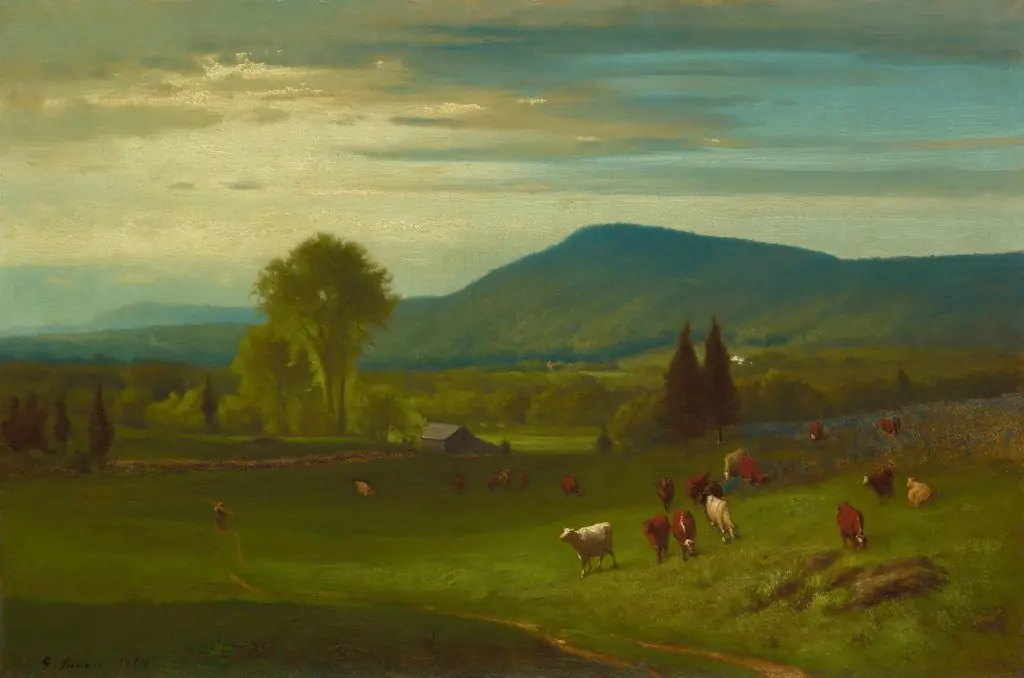 Summer in the Catskills
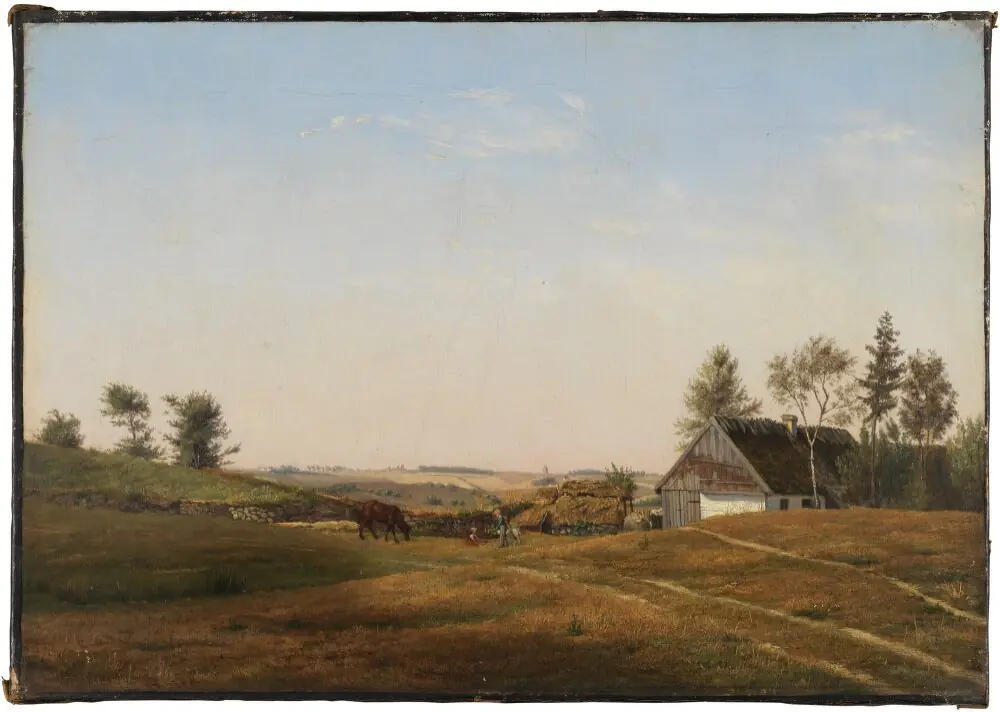 Landscape with a Farm
 A Coffee Party at a Gamekeeper's House
 Long Island Farmhouses
 Cider Making
 Pioneer's Home, Eagle Cliff, White Mountains
 Old Homestead by the Sea
 Sketch of a Cottage Yard
 The Lackawanna Valley