Artwork
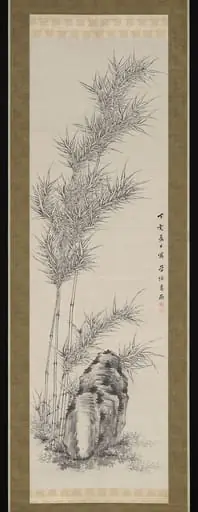
Bamboo in Snow
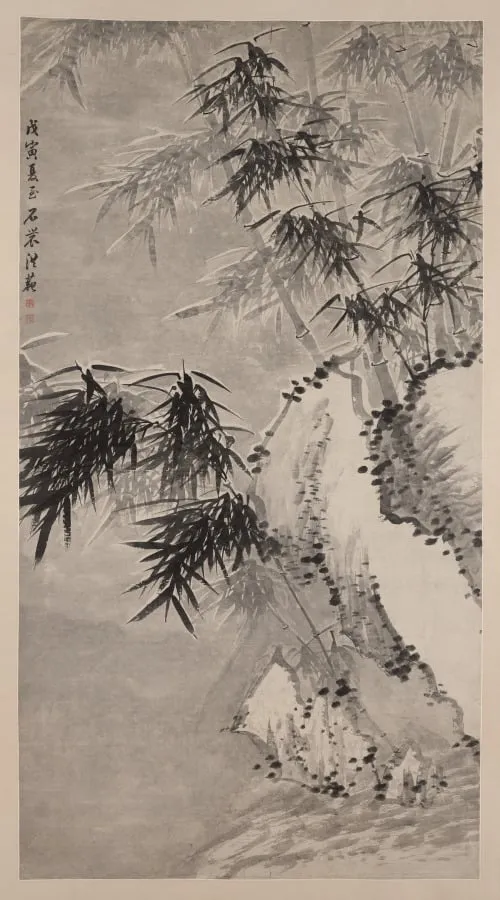
Bamboo in Snow is an unspecified painting by the Qing dynasty painting artist Hong Fan. It is held in the collection of the Cleveland Museum of Art.
- Accession no.
- 2023.161
- Credit line
- Severance and Greta Millikin Purchase Fund
About this work
If you like this, look up china, qing dynasty (1644–1911) to see more paintings with the same calm strength.
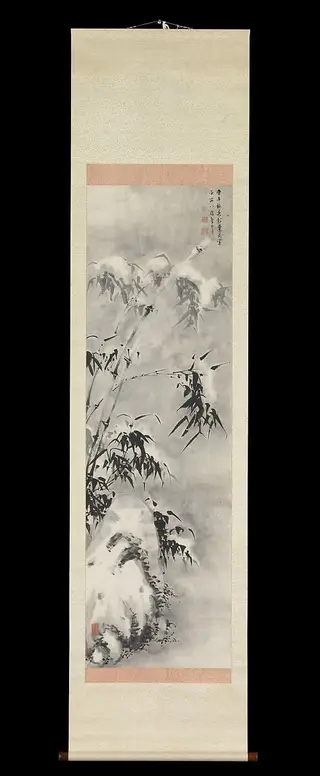
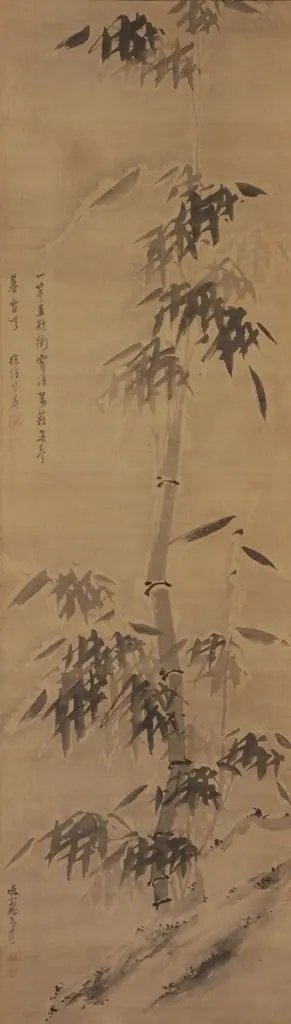
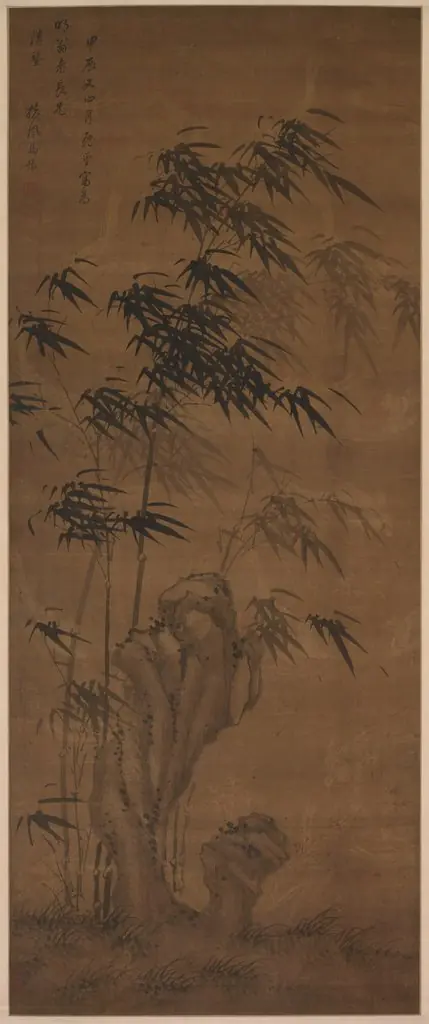
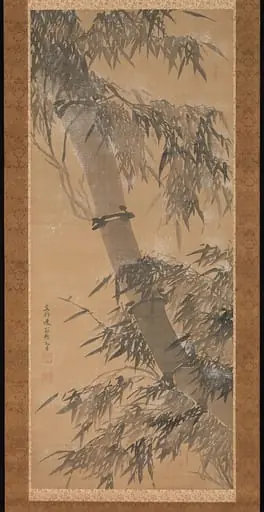
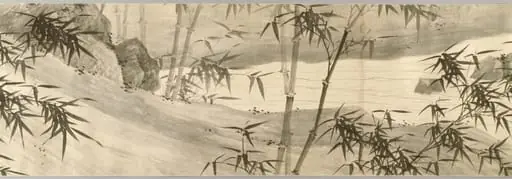
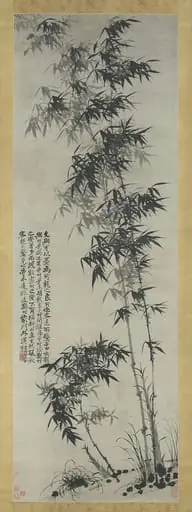
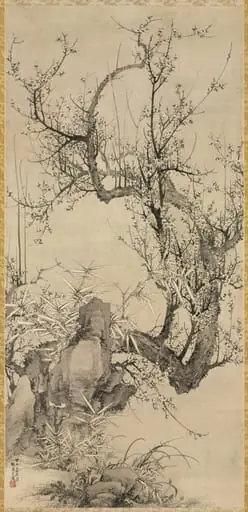
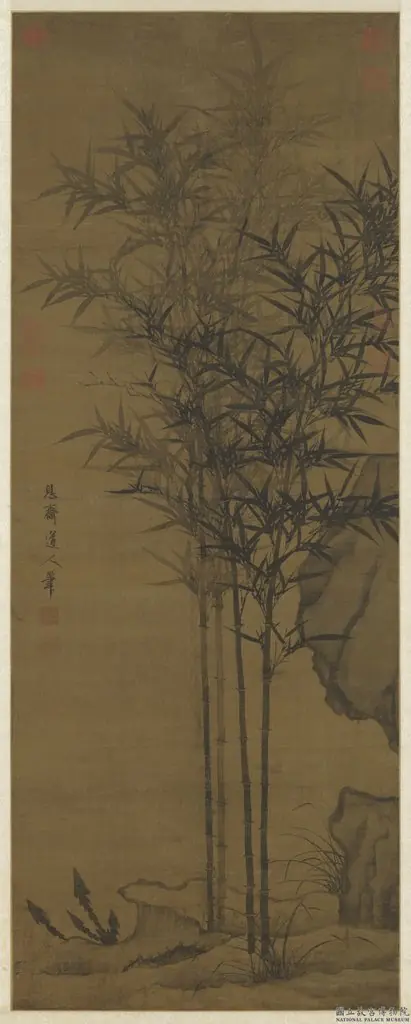
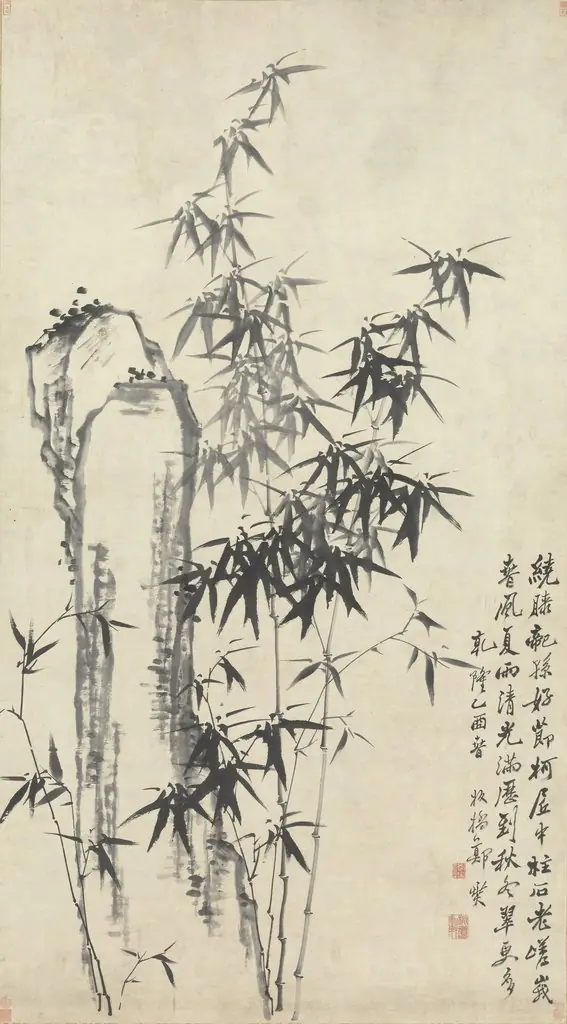
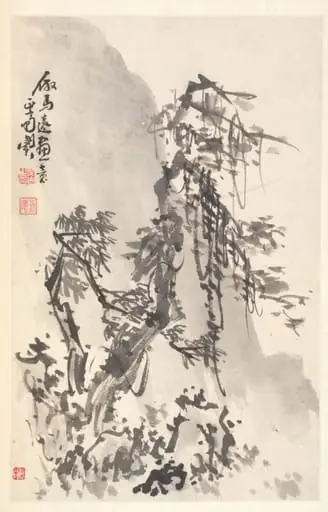
Thin black bamboo stalks curve over pale rocks, their leaves dusted with white ink like snow. The background is almost blank, just faint gray washes for mist.
Hong Fan painted this in 1818, but he was copying a much older idea. A poet from 700 years earlier saw bamboo as a symbol of resilience, it bends but doesn’t break. The brushstrokes themselves look like calligraphy, turning a simple plant into a quiet lesson.
If you like this, look up china, qing dynasty (1644–1911) to see more paintings with the same calm strength.
Overview
Painted in 1818 by Hong Fan during the Qing dynasty, this ink-on-paper work depicts bamboo growing among weathered rocks under a light snowfall. The composition is spare, with minimal detail and muted tones, emphasizing atmosphere over realism. The painting draws from a long-standing tradition in Chinese art that associates bamboo with moral endurance, rendered here through subtle brushwork and restrained ink washes.
Subject & Meaning
Bamboo, bent but unbroken under snow, serves as a metaphor for the resilient scholar-official who maintains integrity amid hardship. The plant’s flexibility symbolizes quiet strength rather than rigid defiance. This interpretation, rooted in the writings of Su Shi from the Song dynasty, was widely adopted by later artists as a visual expression of Confucian virtue, transforming a natural form into a moral emblem.
Technique & Style
Hong Fan employed thin, calligraphic brushstrokes to render the bamboo stalks, echoing the rhythm and precision of Chinese script. Delicate gray washes suggest drifting mist, while white pigment lightly dusts the leaves to mimic snow. The background remains largely empty, enhancing the sense of stillness and isolation. The technique prioritizes expressive line and tonal suggestion over detailed representation, aligning with literati painting ideals.
History & Provenance
Though painted in 1818, the composition reflects a visual language established centuries earlier, particularly through the influence of Su Shi, who elevated bamboo as a subject for scholarly expression. Hong Fan’s work is not an original invention but a deliberate revival of a classical theme, common among Qing-era literati who looked to Song dynasty models for artistic and philosophical authority.
Context
During the Qing dynasty, many painters turned to earlier Song and Yuan traditions as a means of cultural continuity amid political change. Bamboo paintings, especially those invoking Su Shi’s legacy, became a way for scholars to assert intellectual identity through art. This work fits within a broader trend of reviving classical motifs to convey personal and ethical values in a time of social transformation.
Legacy
Hong Fan’s painting exemplifies how traditional Chinese motifs were sustained across centuries through reinterpretation rather than innovation. Its quiet aesthetic and symbolic depth influenced later literati artists who valued restraint and moral resonance over spectacle. The work remains a quiet testament to the enduring power of bamboo as a cultural symbol in East Asian art.
Artist & collection