Artwork
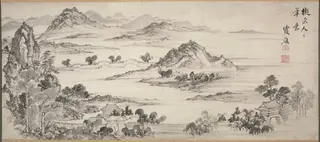
清 傳弘仁 寺橋山色圖 卷|River Scene in Winter
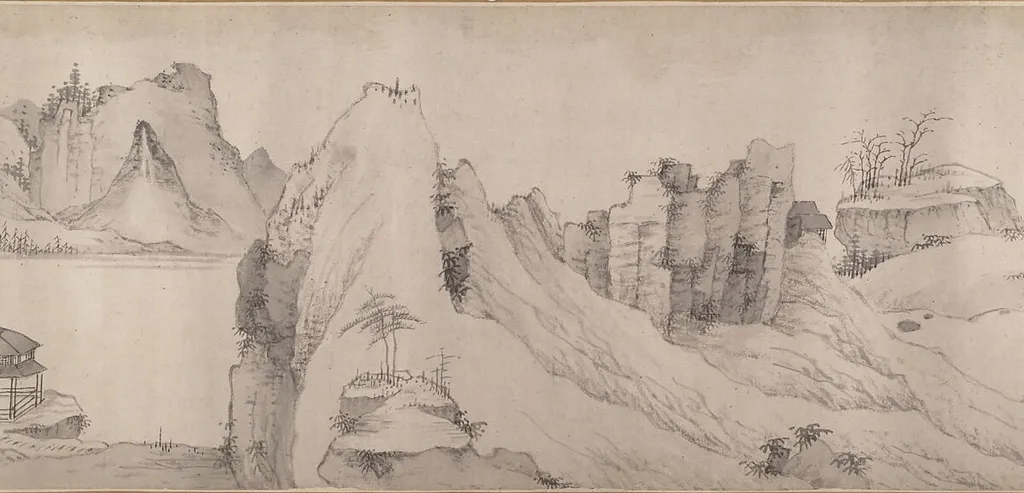
清 傳弘仁 寺橋山色圖 卷|River Scene in Winter is an ink painting by the Baroque artist Hongren. It dates from 1661 and is held in the collection of the Metropolitan Museum of Art.
About this work
A long, narrow scroll in ink: a frozen river winds between bare hills, crossed by a single wooden bridge. Hongren painted it in 1661, just after the fall of the Ming dynasty, and the empty hills carry that quiet, almost lonely mood. The ink is so pale it reads like mist lifting off the water.
Overview
The work exemplifies the artist's distinctive style and reflects the contemplative mood prevalent during a period of significant historical transition in China.
"River Scene in Winter" is a handscroll painting by Hongren, executed in ink on paper. This long, narrow composition depicts a serene, desolate landscape. It features a frozen river winding through bare hills, crossed by a solitary wooden bridge.
The work exemplifies the artist's distinctive style and reflects the contemplative mood prevalent during a period of significant historical transition in China.
Subject & Meaning
The painting portrays a stark winter landscape, characterized by its quiet emptiness. Bare hills and a frozen river evoke a sense of isolation and profound stillness. This austere depiction is often interpreted as a reflection of the artist's personal feelings and the broader societal changes following the collapse of the Ming dynasty, suggesting a world in transition or a retreat from worldly concerns.
Technique & Style
Executed in ink on paper, the handscroll demonstrates Hongren's refined brushwork. The artist employs a delicate application of ink, creating washes so subtle they suggest a misty atmosphere rising from the water. This minimalist approach, characterized by its sparse yet evocative detail, contributes to the painting's overall sense of tranquility and emphasizes the stark beauty of the winter scene.
Context
Hongren created "River Scene in Winter" in 1661, a period immediately following the collapse of the Ming dynasty and the establishment of the Qing. As a Ming loyalist, Hongren, like many literati artists of his time, retreated from official life. His landscapes often express a profound sense of solitude and detachment, reflecting the political upheaval and personal displacement experienced by intellectuals during this era of dynastic change.
Artist & collection

- 清 柳堉 幽谷深林圖 卷|Remote Valleys and Deep Forests
 明 張瑞圖 後赤壁賦圖 卷|Illustration of Su Shi’s “Second Ode on Red Cliff”
 Spring Landscape
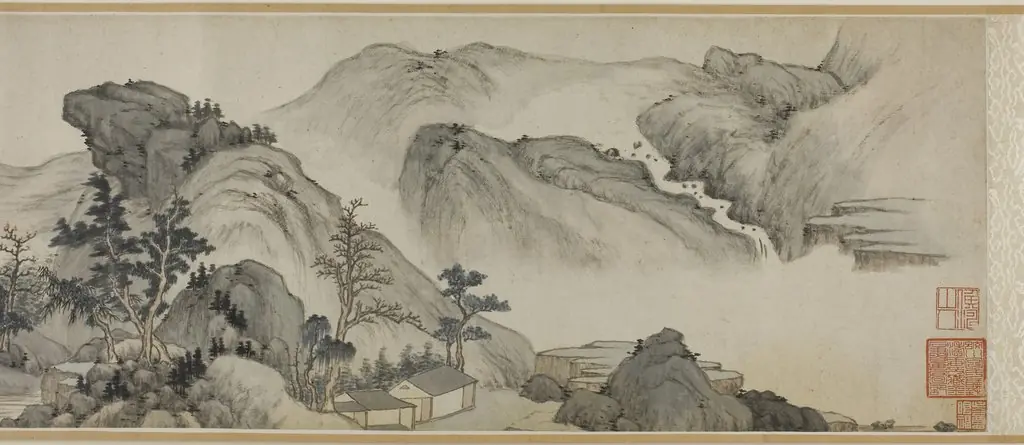 Recluse Dwellings in the Autumn Mountains
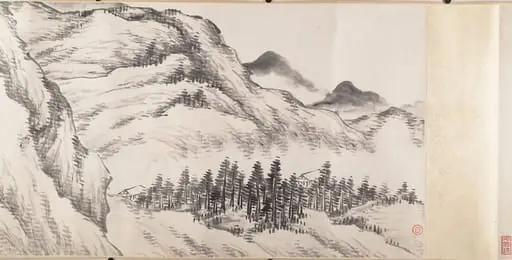 清 松年 山水 手卷|Landscape
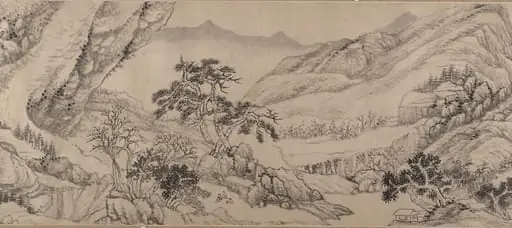 清 柳堉 山水圖 卷|Traveling Amid Streams and Mountains
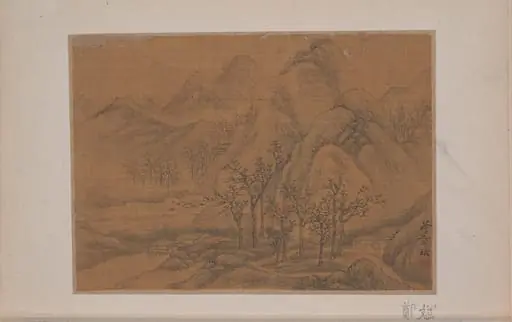 Untitled
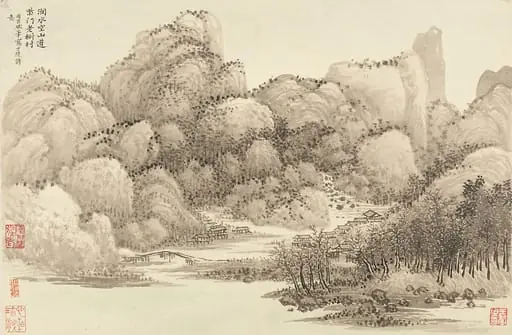 清 王翬、王時敏 仿古山水圖 冊|Landscapes after old masters
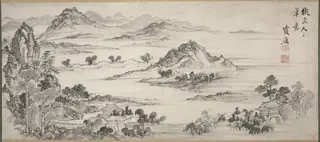 West Lake
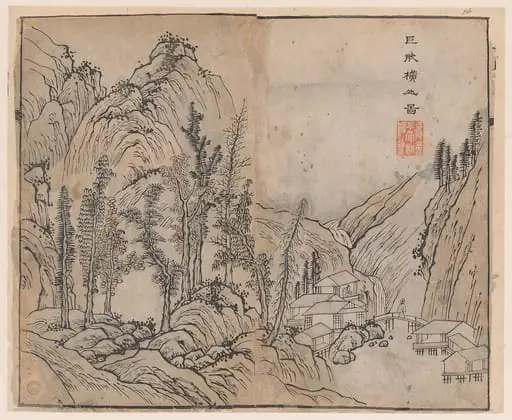 清 王槩 設計,李漁出版 芥子園畫傳 版本|Mt. Heng, after Juran (active ca. 960–965), from the Mustard Seed Garden Manual of Painting
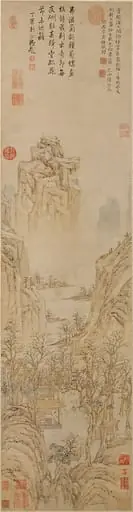 明 陸治 種菊圖 軸|Planting Chrysanthemums
 West Lake