Artwork
Self-Portrait
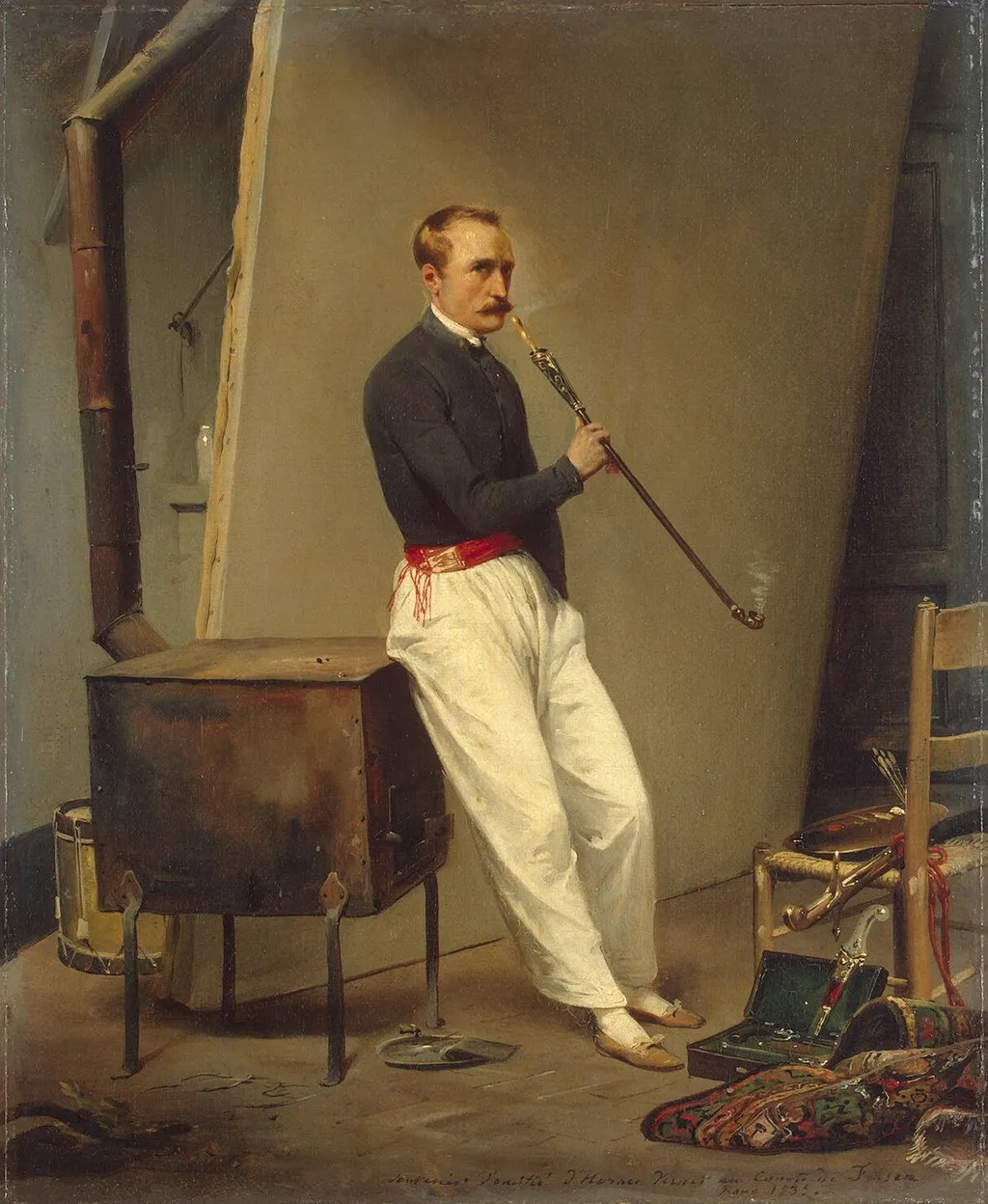
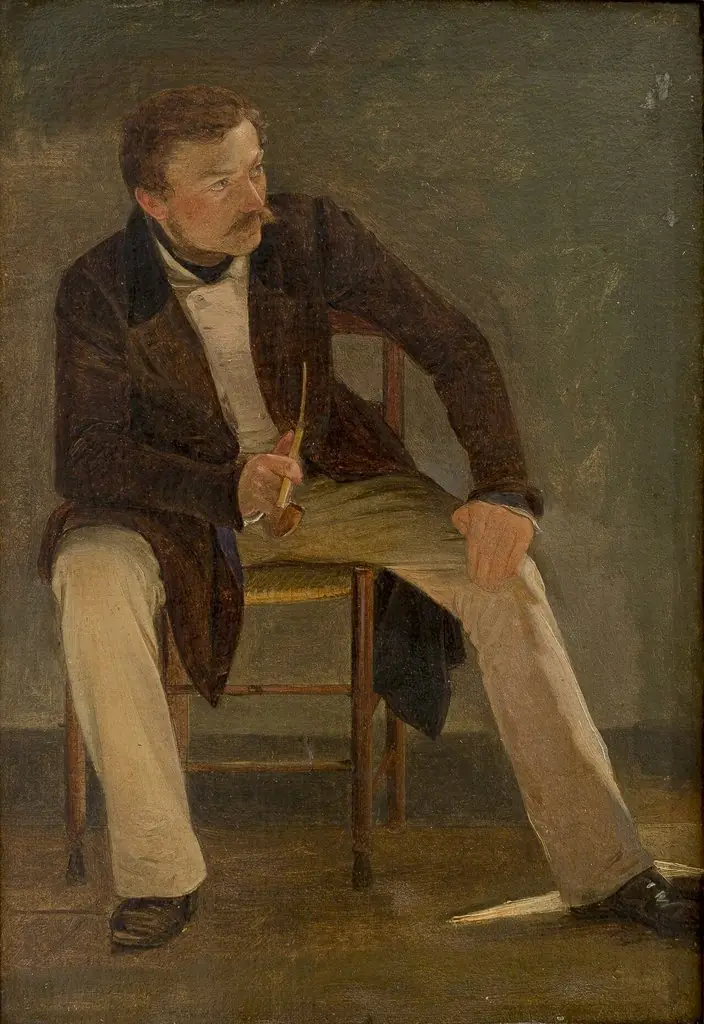
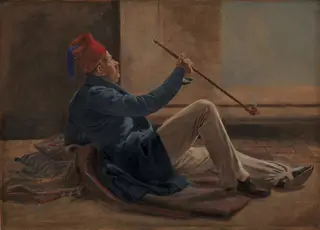
Self-Portrait is an oil painting by the French Romanticist artist Horace Vernet. It dates from 1835 and is held in the collection of the Hermitage Museum.
About this work
Subject & Meaning
The iconography centers on the artist’s identity, with no additional symbols or attributes introduced to complicate the reading.
The subject depicted is Horace Vernet himself, rendered in a frontal pose as the sole figure in the composition. The painting emphasizes the artist’s direct gaze and neutral expression, which underscores the work’s function as a self-representation rather than a narrative scene.
The iconography centers on the artist’s identity, with no additional symbols or attributes introduced to complicate the reading. The choice of a straightforward portrait format aligns with the conventions of self-portraiture in the period, focusing attention on the individual’s presence and role as creator.
Technique & Style
Executed in 1835, this self-portrait by Horace Vernet is an oil painting on canvas. The work measures 39 cm in height and 47 cm in width. Created in France, the piece functions as a portrait depicting the artist himself.
The medium and support align with standard nineteenth-century European painting practices, utilizing oil pigments applied to a woven fabric ground. The composition focuses strictly on the figure of the man, consistent with the genre of self-portraiture held within the Hermitage Museum collection.
History & Provenance
Horace Vernet created this oil on canvas self-portrait in 1835 while working in France. The work depicts the artist himself and measures 39 by 47 centimeters. Following its creation, the painting entered the collection of the Hermitage Museum, where it remains held today.
Held in the Hermitage Museum, the Self-Portrait by Horace Vernet (1835) is catalogued under the museum's inventory system as a painting accessioned within the collection. Executed in oil on canvas, the work measures 39 cm by 47 cm and was created in France. Its exhibition history includes displays within the Hermitage's permanent galleries, reflecting its ongoing presence in the museum's collection.
Context
Horace Vernet's 1835 Self-Portrait, an oil on canvas measuring 39 by 47 centimeters, is housed in the Hermitage Museum in St. Petersburg. The work presents the artist in a dignified, almost theatrical manner, reflecting his engagement with Romantic portraiture and the evolving identity of the artist as public figure in early 19th-century France. Contemporary scholarship highlights its significance as both a personal statement and a stylistic bridge between Neoclassicism and Romanticism, situating Vernet within the broader trajectory of French portraiture that emphasized psychological depth and individuality.
The painting's provenance and display context in a major imperial collection underscore its institutional recognition and enduring relevance in art historical narratives of the period.
Overview
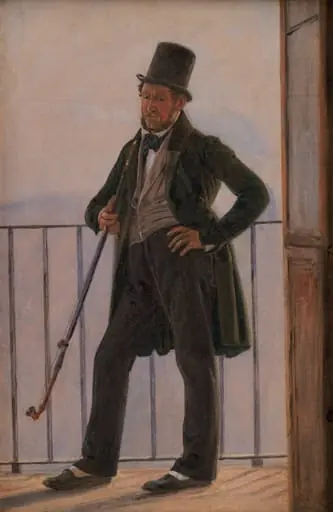
Émile Jean‑Horace Vernet’s self‑portrait, executed in oil in 1835, presents the artist in a relaxed stance. He is dressed in a dark coat with contrasting white trousers, a red sash visible beneath, and holds a walking stick and pipe while leaning on a simple wooden stool. The composition is set against an unadorned backdrop that emphasizes the figure’s attire and posture.
Artist & collection
Artist
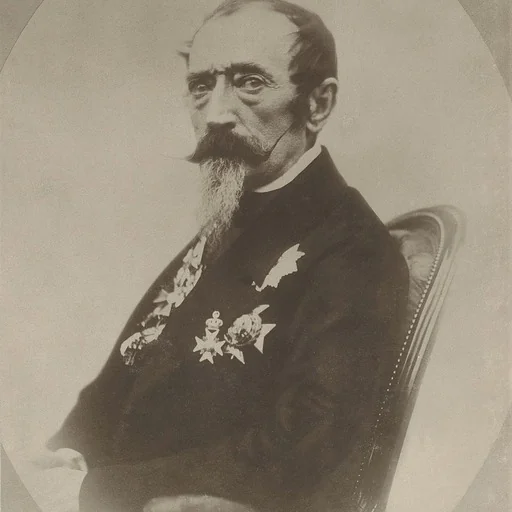
Émile Jean-Horace Vernet (French pronunciation:; 30 June 1789 – 17 January 1863), better known as Horace Vernet, was a French painter of battles, portraits, and Orientalist subjects.

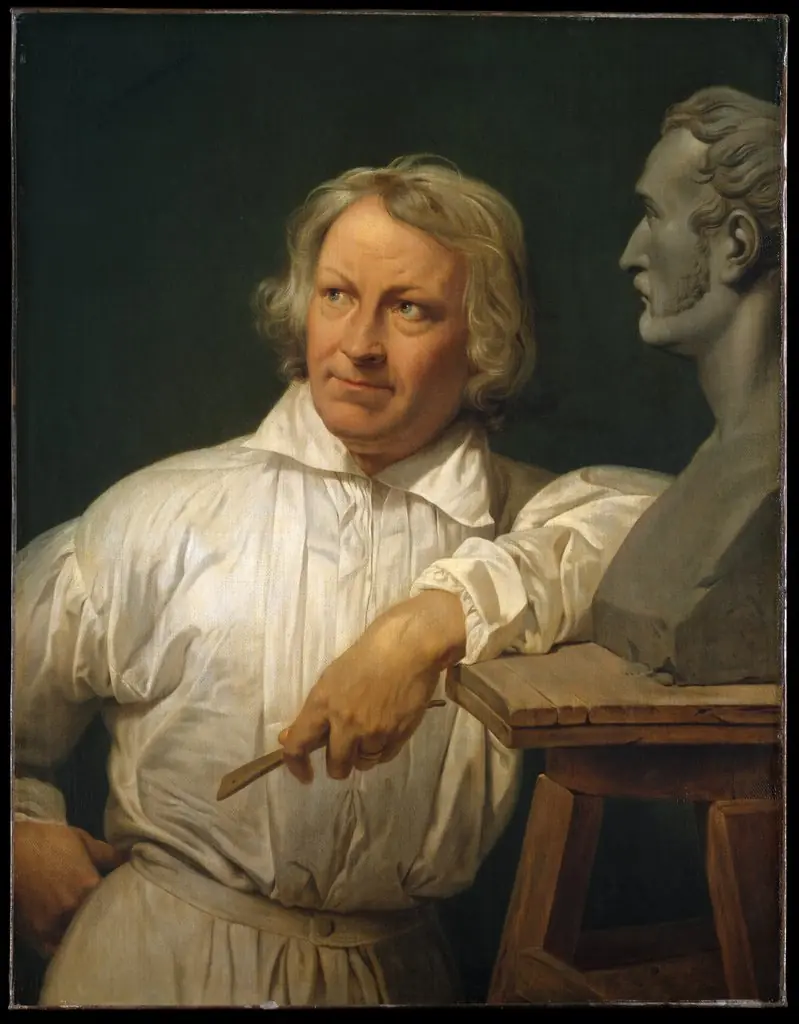 Bertel Thorvaldsen (1768–1844) with the Bust of Horace Vernet
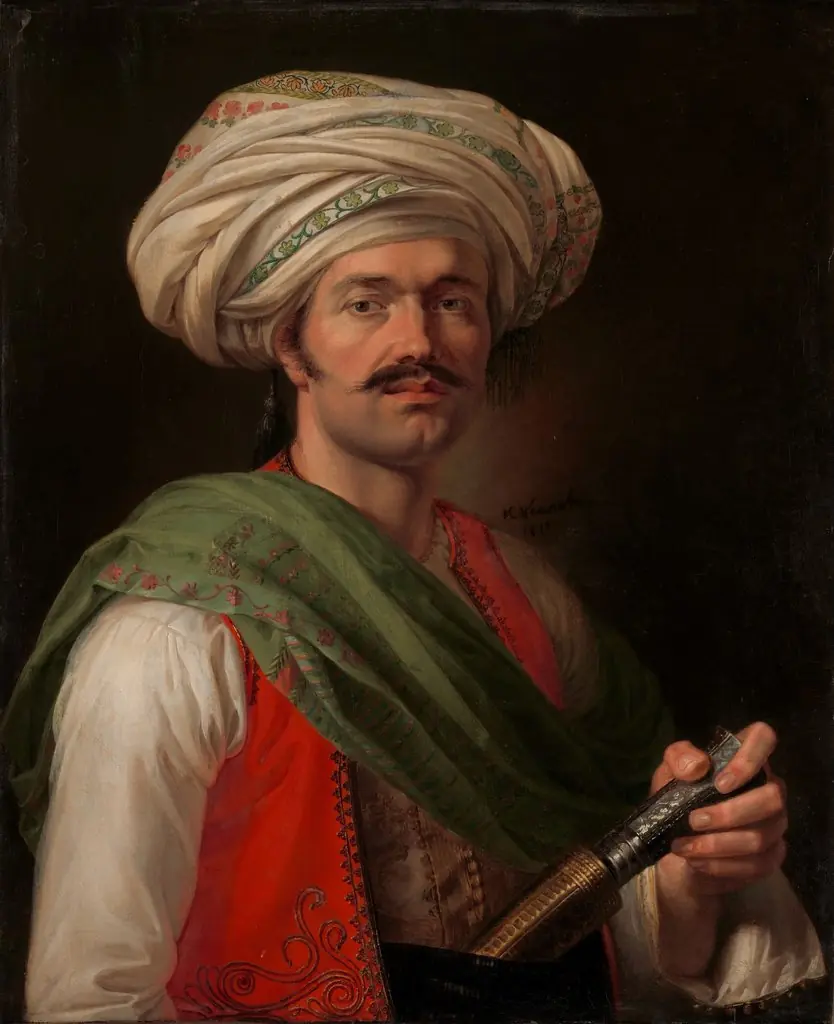 Portrait of a Mameluke, said to be Roustam Raza
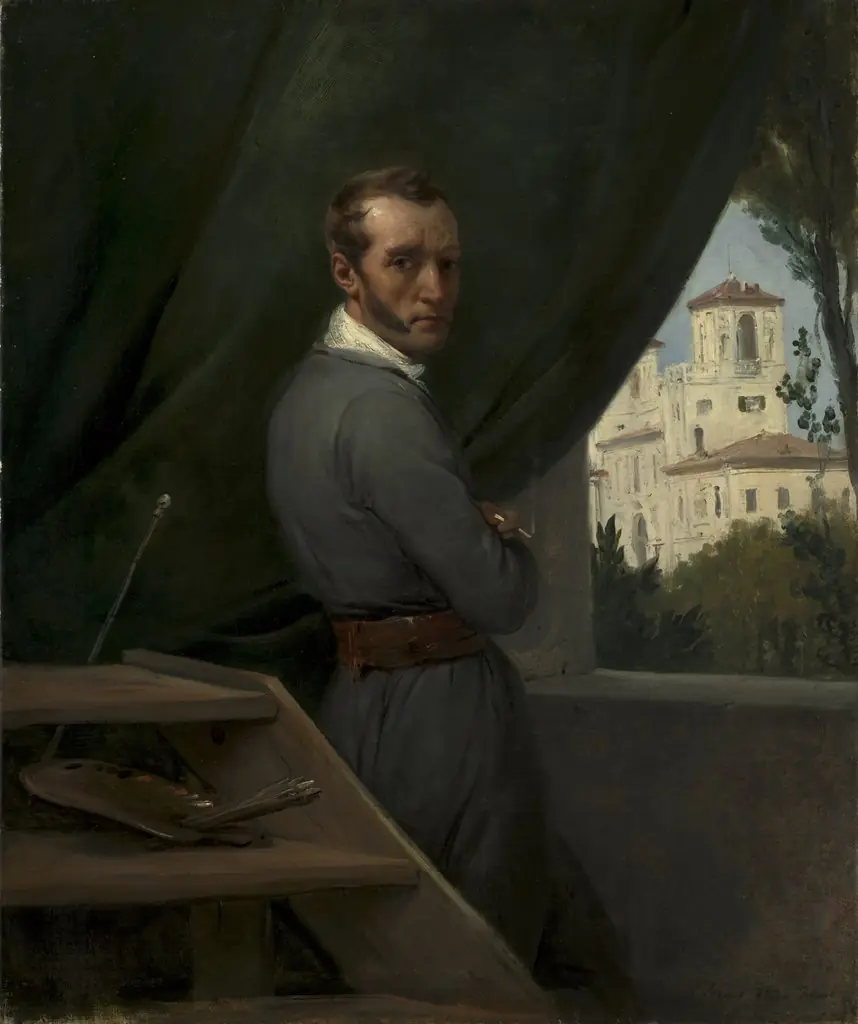 Self-Portrait in Rome
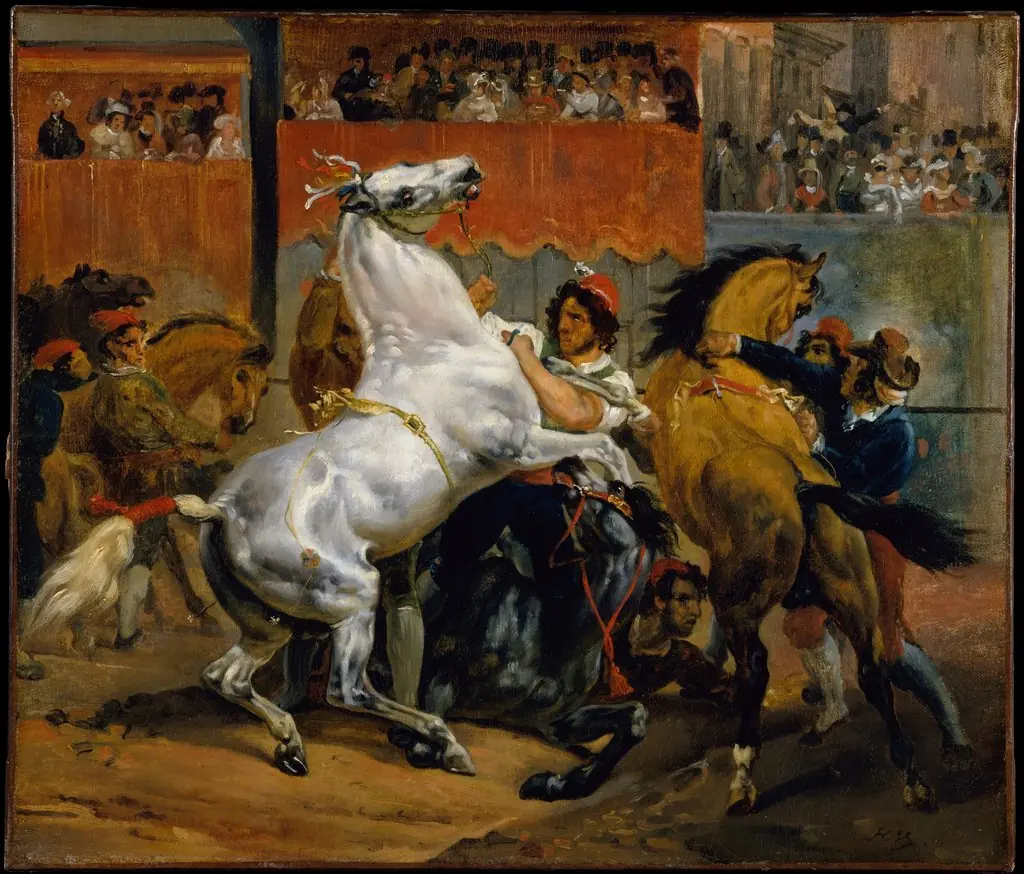 The Start of the Race of the Riderless Horses
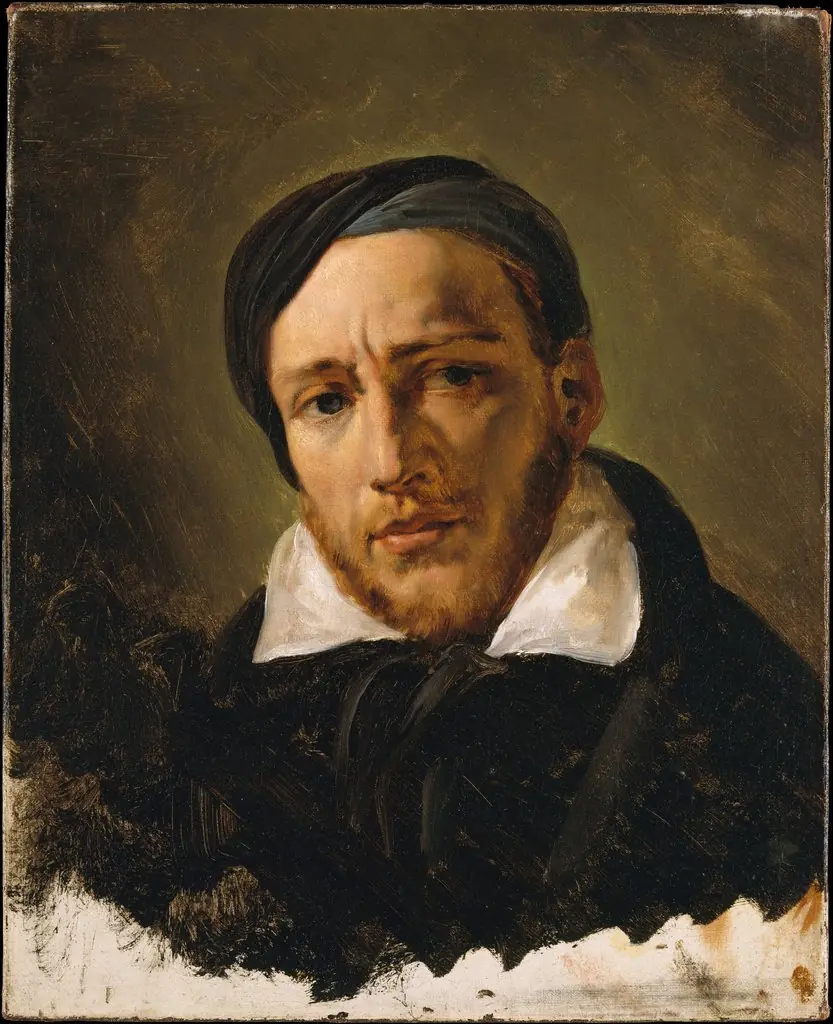 Jean-Louis-André-Théodore Gericault (1791–1824)
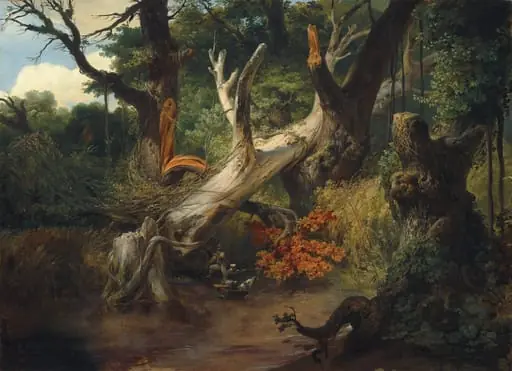 Hunting in the Pontine Marshes
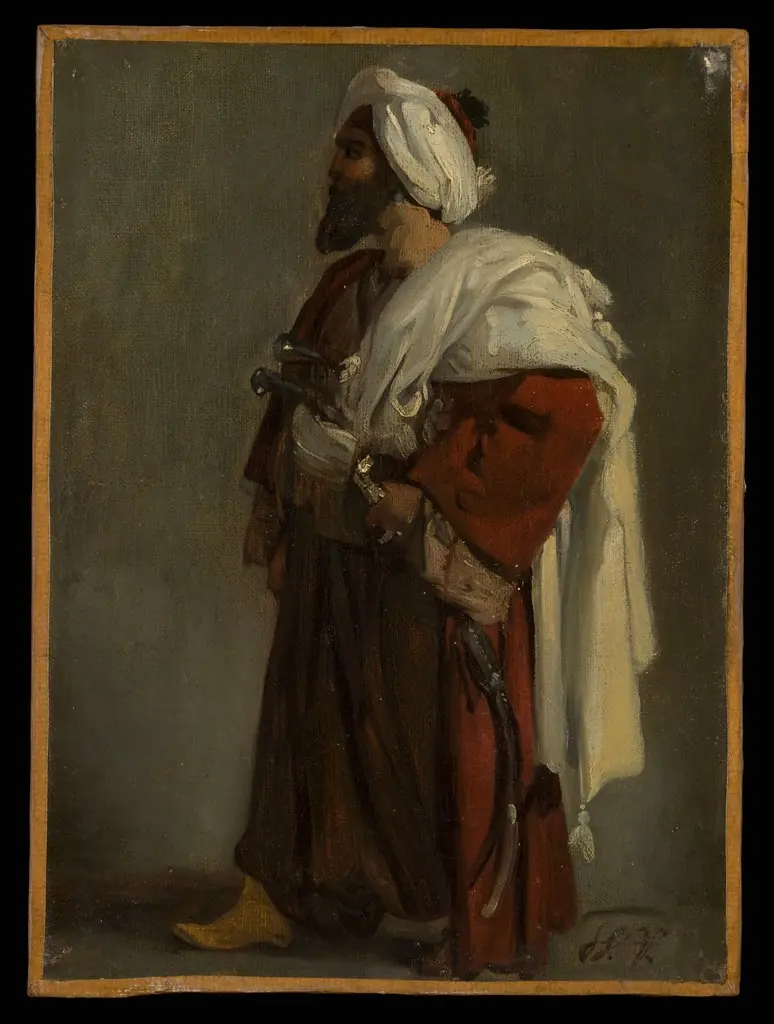 Arab Warrior
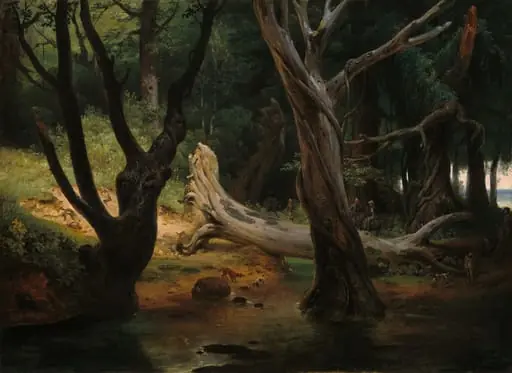 Departure for the Hunt in the Pontine Marshes