Artwork
Album of Landscape Paintings Illustrating Old Poems: Man Resting under Bamboo
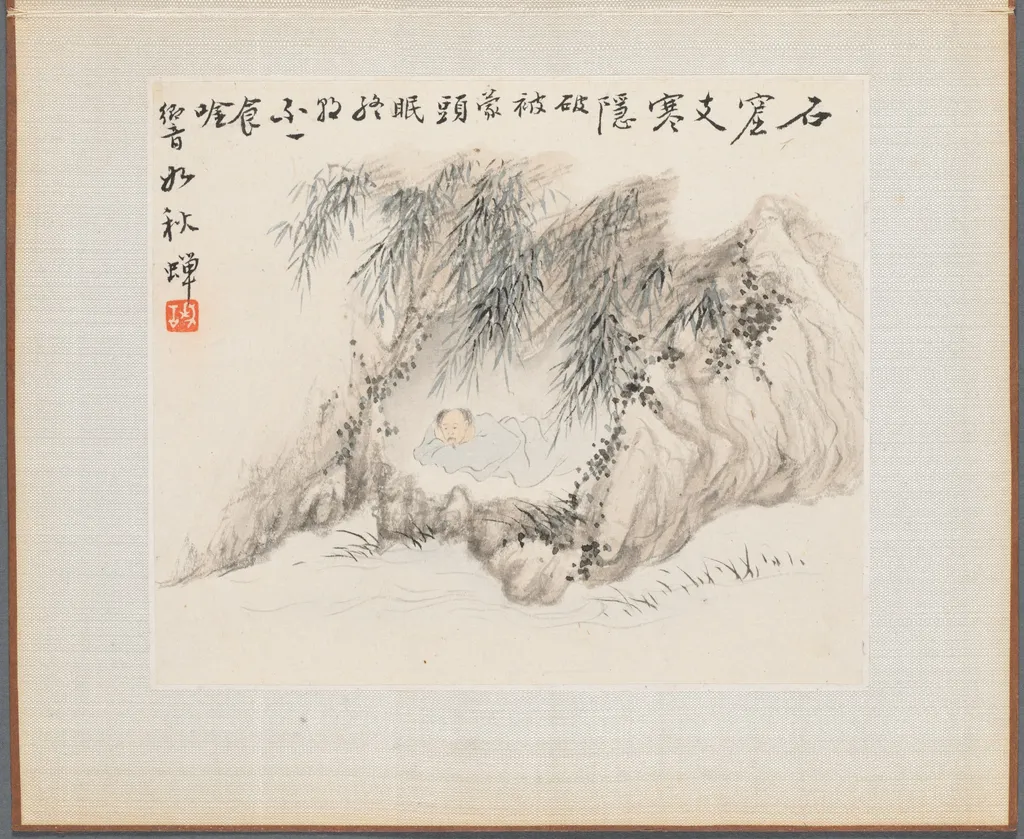
Album of Landscape Paintings Illustrating Old Poems: Man Resting under Bamboo is an unspecified painting by the Chinese Orthodox School artist Hua Yan. It dates from 1745 and is held in the collection of the Cleveland Museum of Art.
About this work
The overall mood of the painting is one of tranquility and contemplation, inviting the viewer to step into the peaceful world of the painting.
This painting depicts a serene scene of a man resting under a bamboo tree, surrounded by rocks and grass. The man is dressed in traditional Chinese attire, reclining on his side with his head resting on his arm. The bamboo tree's long, slender leaves are painted in shades of green and brown, while the rocks and grass are rendered in earthy tones.
The painting's style is characterized by delicate brushstrokes and subtle color gradations, creating a sense of depth and texture. The overall mood of the painting is one of tranquility and contemplation, inviting the viewer to step into the peaceful world of the painting.
To explore more works by this artist, look up Hua Yan (Chinese, 1682–c. 1765).
History & Provenance
Created in 1745 by the Chinese artist Hua Yan, this landscape painting forms part of an album illustrating old poems. The work, titled Man Resting under Bamboo, was produced in China during the mid-18th century. It currently resides in the collection of the Cleveland Museum of Art, where it is cataloged under the accession number 1982.68.5. The museum acquired the piece in 1982, marking its entry into the institution's holdings.
The artwork is held in the collection of the Cleveland Museum of Art, located in Cleveland. It is identified within the museum's records by the accession number 1982.68.5. The provided sources confirm the institution's ownership and the specific inventory designation assigned to this 1745 landscape painting by Hua Yan.
Legacy
The album of landscape paintings illustrating old poems, titled "Man Resting under Bamboo", was created by Hua Yan in 1745 and entered the collection of the Cleveland Museum of Art. Its presence in a prominent public museum signals scholarly recognition of the work as an exemplar of Qing-era landscape painting that merges poetic text with visual composition. As part of the museum’s holdings, the piece is frequently referenced in studies of 18th-century Chinese art, underscoring its lasting relevance to the understanding of the period’s artistic practices.
Overview
Created in 1745, 'Man Resting under Bamboo' is a page from Hua Yan's album of landscape paintings illustrating old poems. The work depicts a solitary figure reclining in repose beneath a cluster of bamboo, surrounded by rugged rocks and sparse grass. Hua Yan, a prominent member of the Yangzhou school, executes the composition with a distinctive blend of literati expressiveness and decorative precision.
The figure, dressed in traditional robes, rests on his side with his head supported by his arm, conveying a mood of quiet contemplation and retreat from worldly affairs. The bamboo is rendered with fluid, calligraphic strokes, utilizing varied shades of green and brown to suggest texture and movement against the static forms of the rocks. This piece exemplifies Hua Yan's mature style, where he synthesizes the poetic allusion of the title with a vibrant, individualistic approach to nature.
The album as a whole reflects the artist's engagement with classical literary themes while asserting his unique visual voice within the 18th-century Chinese art scene. The work stands as a testament to Hua Yan's ability to capture both the physical presence of the natural world and the introspective spirit of the scholar-official ideal.
Subject & Meaning
The painting portrays a tranquil moment, featuring a man in traditional attire reclining beneath a bamboo tree. His head rests on his arm, suggesting a state of relaxation or contemplation. He is situated among rocks and grass, emphasizing his integration with the natural environment.
This depiction evokes a sense of peace and withdrawal from worldly concerns, inviting viewers to share in the quietude of the scene.
Technique & Style
Hua Yan employed delicate brushwork and nuanced color transitions to render this landscape. The slender bamboo leaves are depicted in varying shades of green and brown, contrasting with the earthy hues of the surrounding rocks and grass. These subtle gradations create visual depth and texture, contributing to the painting's overall serene atmosphere. The artistic choices collectively foster a mood of tranquility and introspection.
Context
As indicated by its full title, Album of Landscape Paintings Illustrating Old Poems, this work belongs to a series designed to visually interpret classical Chinese poetry. While the specific poem inspiring Man Resting under Bamboo is not identified, the practice of pairing visual art with literary themes was a well-established tradition. Such albums offered viewers a multi-sensory experience, connecting visual aesthetics with poetic sentiment.
Own this work as a print
Artist & collection

Artist
Hua Yan simplified Chinese: 华嵒; traditional Chinese: 華嵒; pinyin: Huà Yán; Wade–Giles: Hua Yen; courtesy name Qiu Yue (秋岳), sobriquets Xinluo Shanren (新罗山人), Dong Yuan Sheng (东园生), Buyi Sheng (布衣生), Ligou Jushi (离垢居士)and…

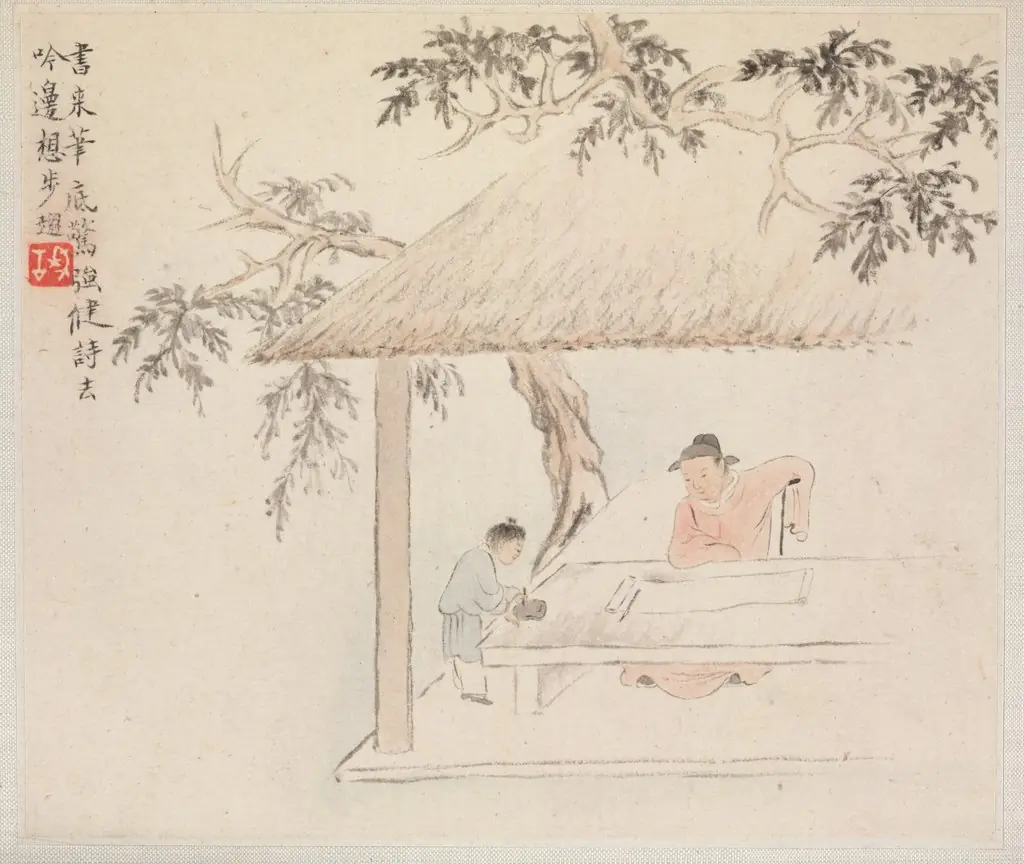 Album of Landscape Paintings Illustrating Old Poems: A Scholar at a Table with a Servant aside Preparing the Ink
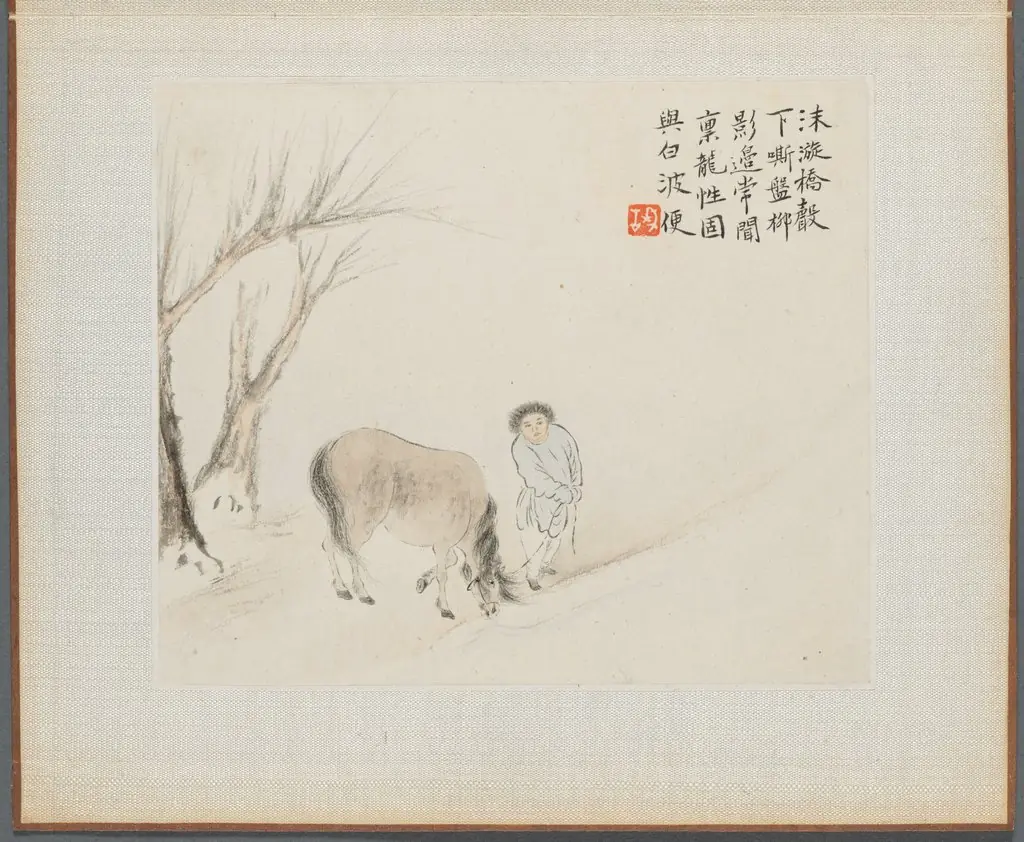 Album of Landscape Paintings Illustrating Old Poems: Boy Holding a Horse
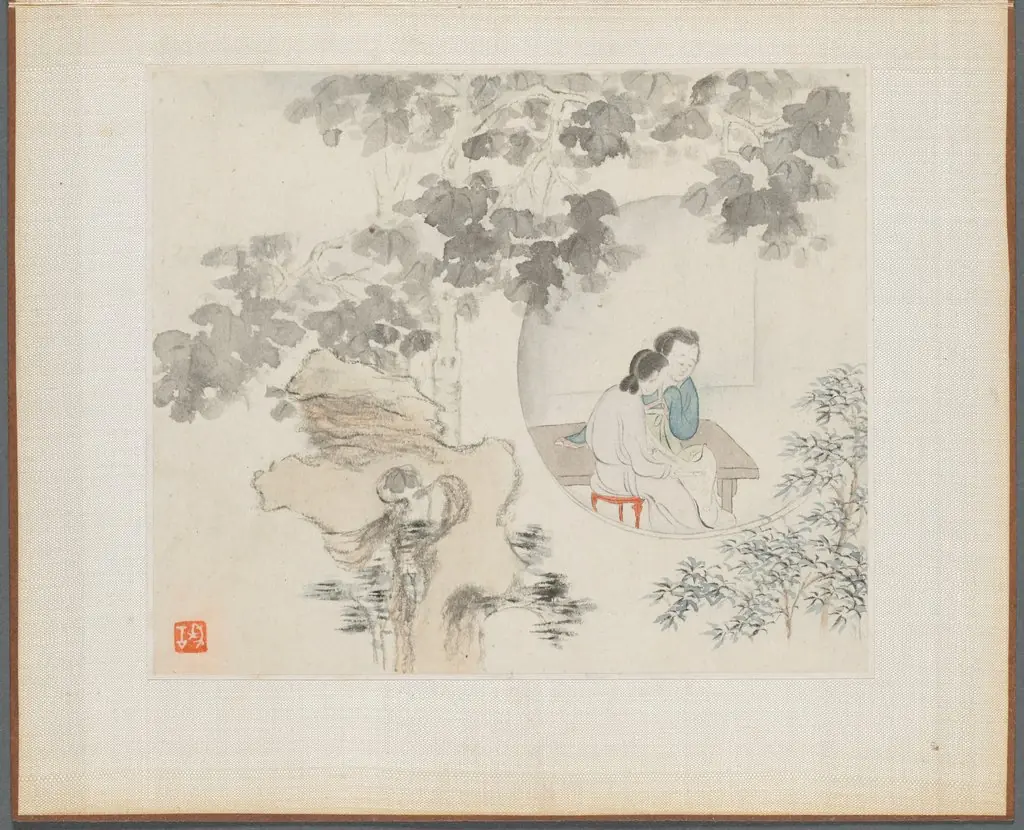 Album of Landscape Paintings Illustrating Old Poems: Two Women with Needlework in a Garden
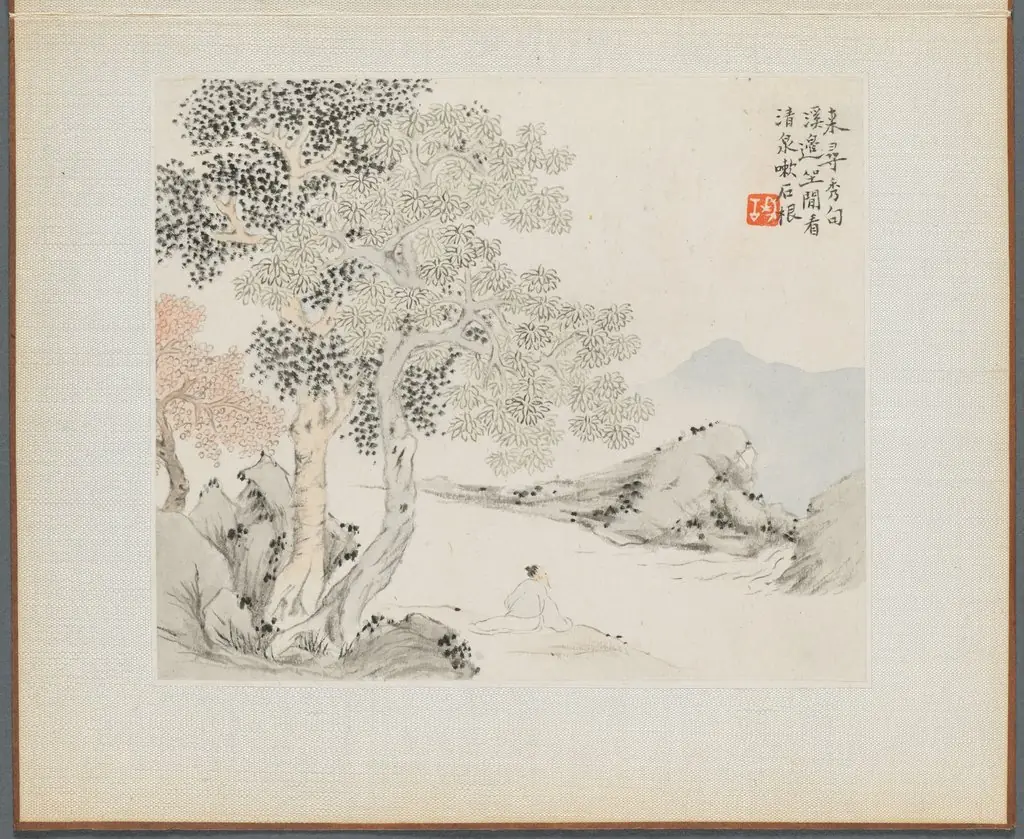
- Album of Landscape Paintings Illustrating Old Poems: Three Big Trees, a Stream with an Old Man Sitting on the Bank
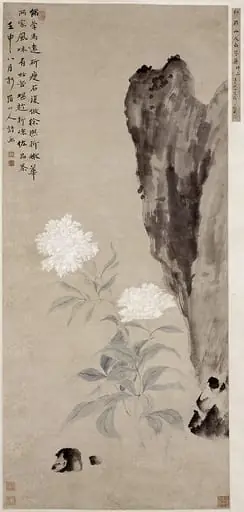 清 華喦 白芍藥圖 軸|White Peony and Rocks
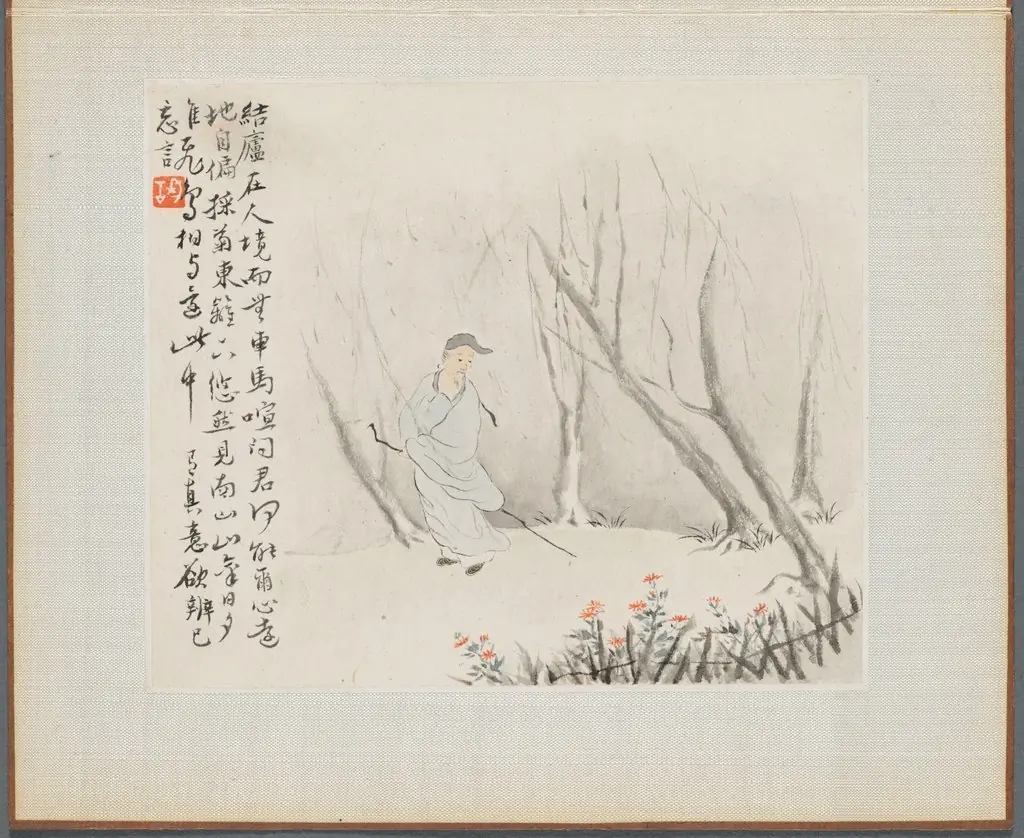 Album of Landscape Paintings Illustrating Old Poems: Man with a Staff Admires Chrysanthemums at a Fence
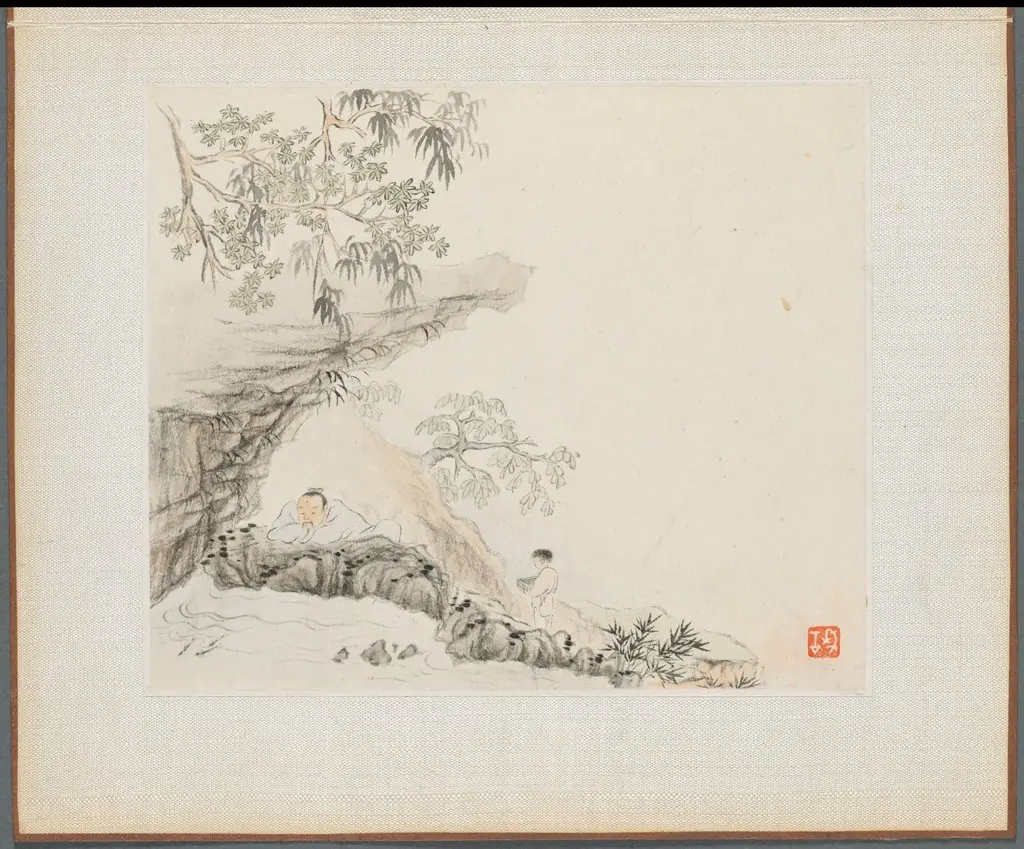 Album of Landscape Paintings Illustrating Old Poems: Scholar watching Fish
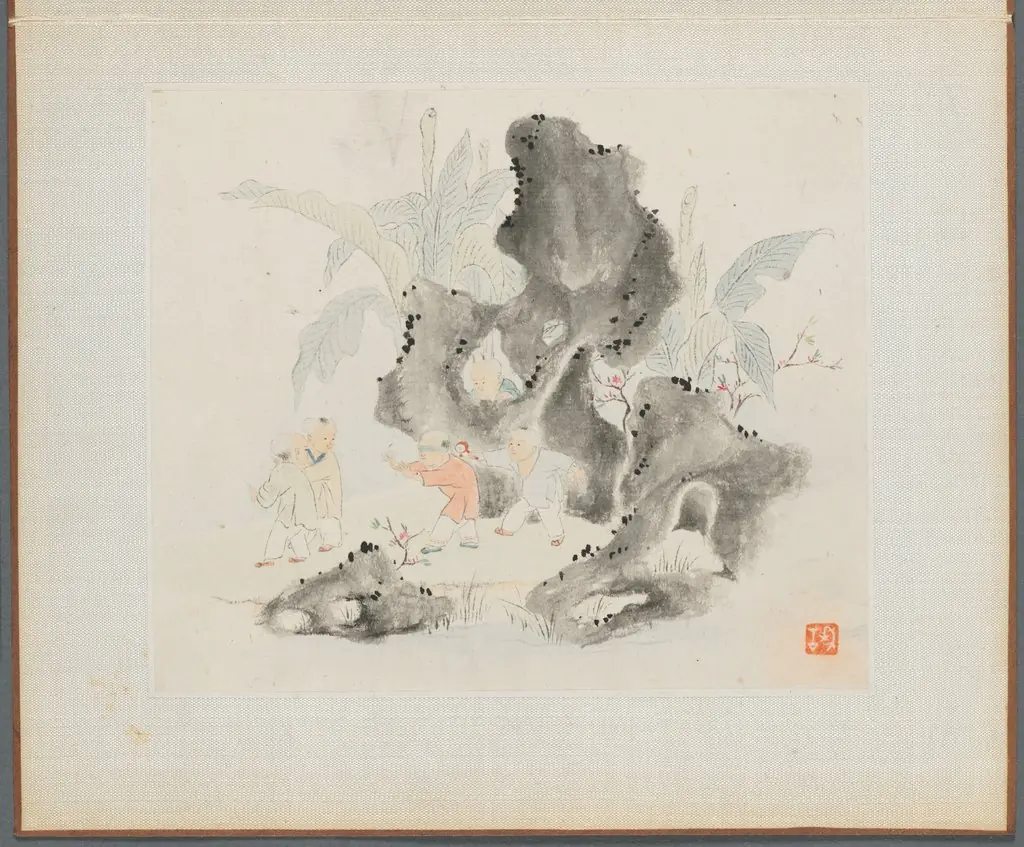 Album of Landscape Paintings Illustrating Old Poems: Children Playing Blindman's Buff in a Garden
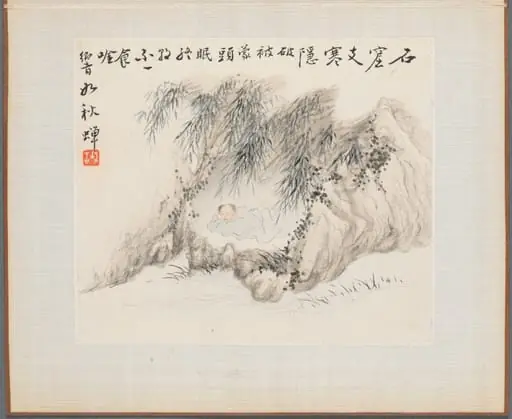 Album of Landscape Paintings Illustrating Old Poems: Man Resting under Bamboo
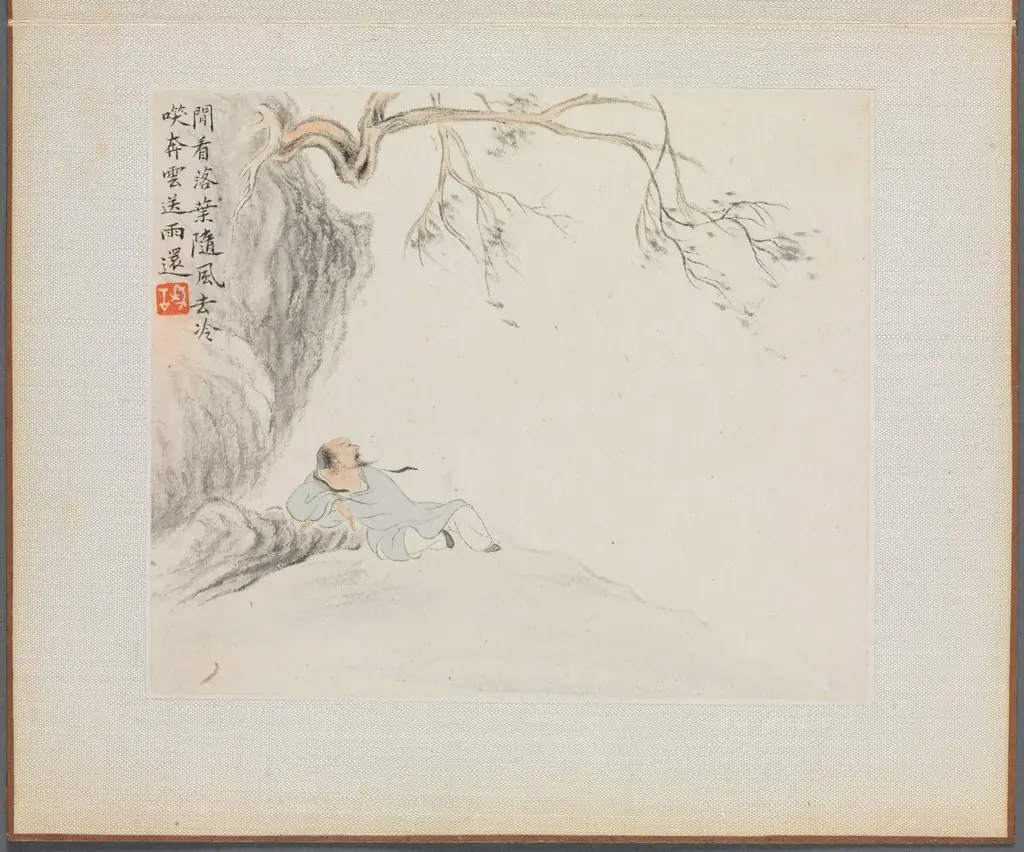 Album of Landscape Paintings Illustrating Old Poems: A Man Reclining and Enjoying the View
 Album of Landscape Paintings Illustrating Old Poems: A Man Reclining and Enjoying the View
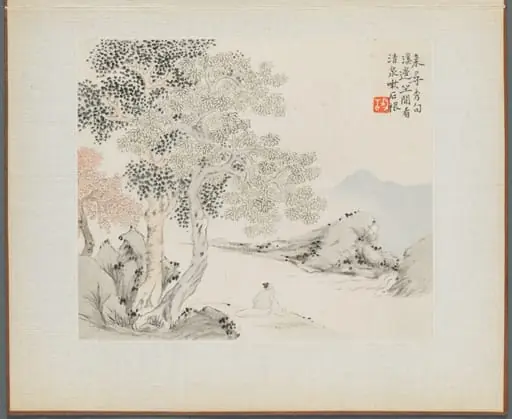 Album of Landscape Paintings Illustrating Old Poems: Three Big Trees, a Stream with an Old Man Sitting on the Bank
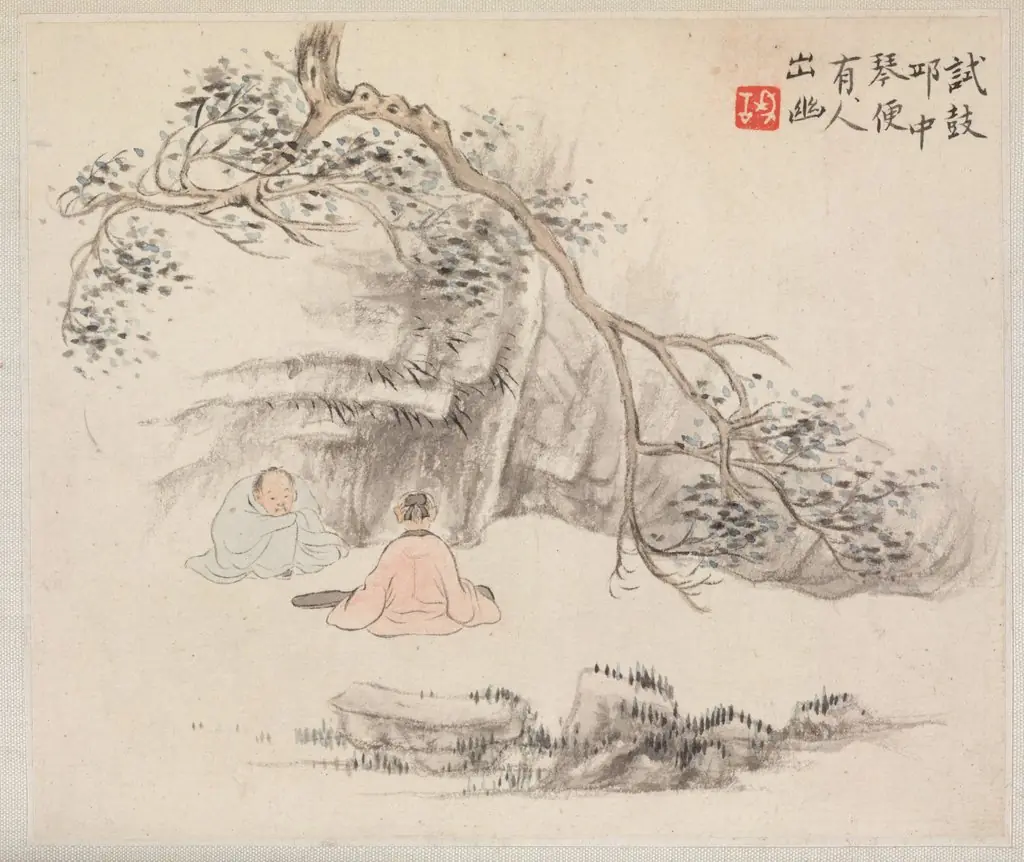 Album of Landscape Paintings Illustrating Old Poems: Listening to the Qin
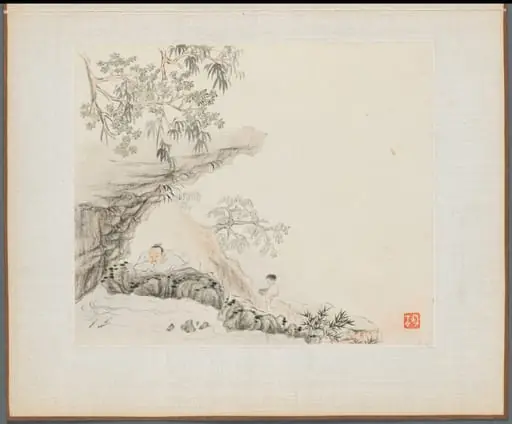 Album of Landscape Paintings Illustrating Old Poems: Scholar watching Fish
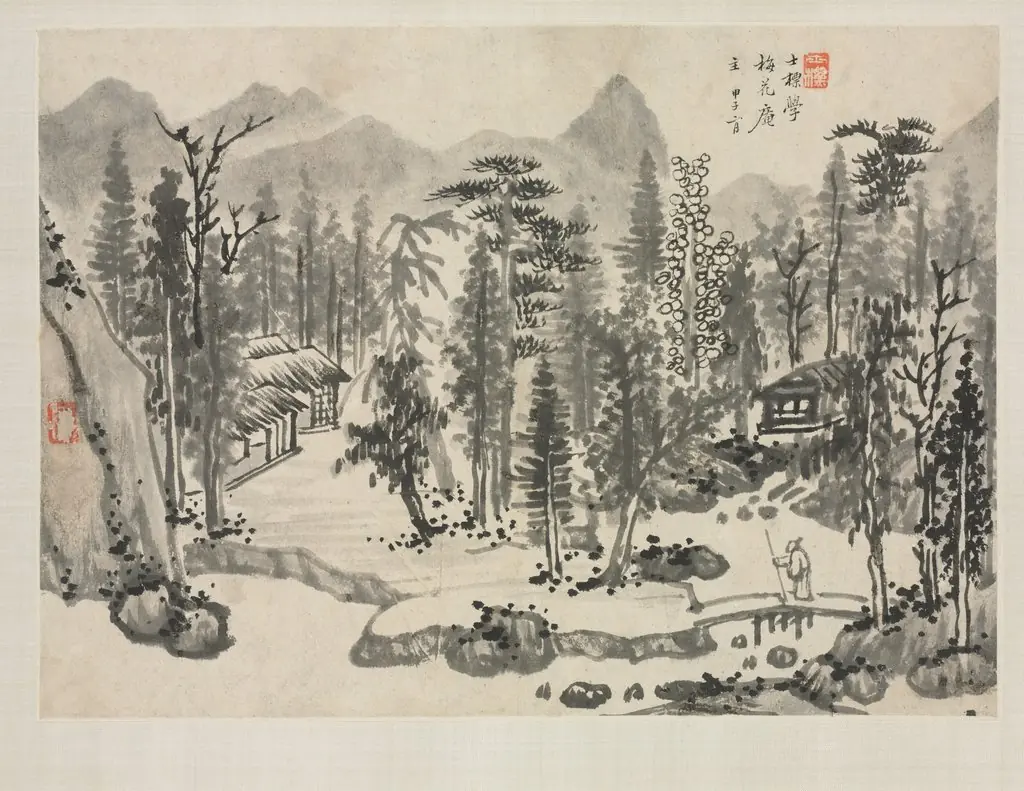 Landscape Album in Various Styles: Landscape after Wu Zhen