Artwork
Portrait of Philips Denijs (1604-66)
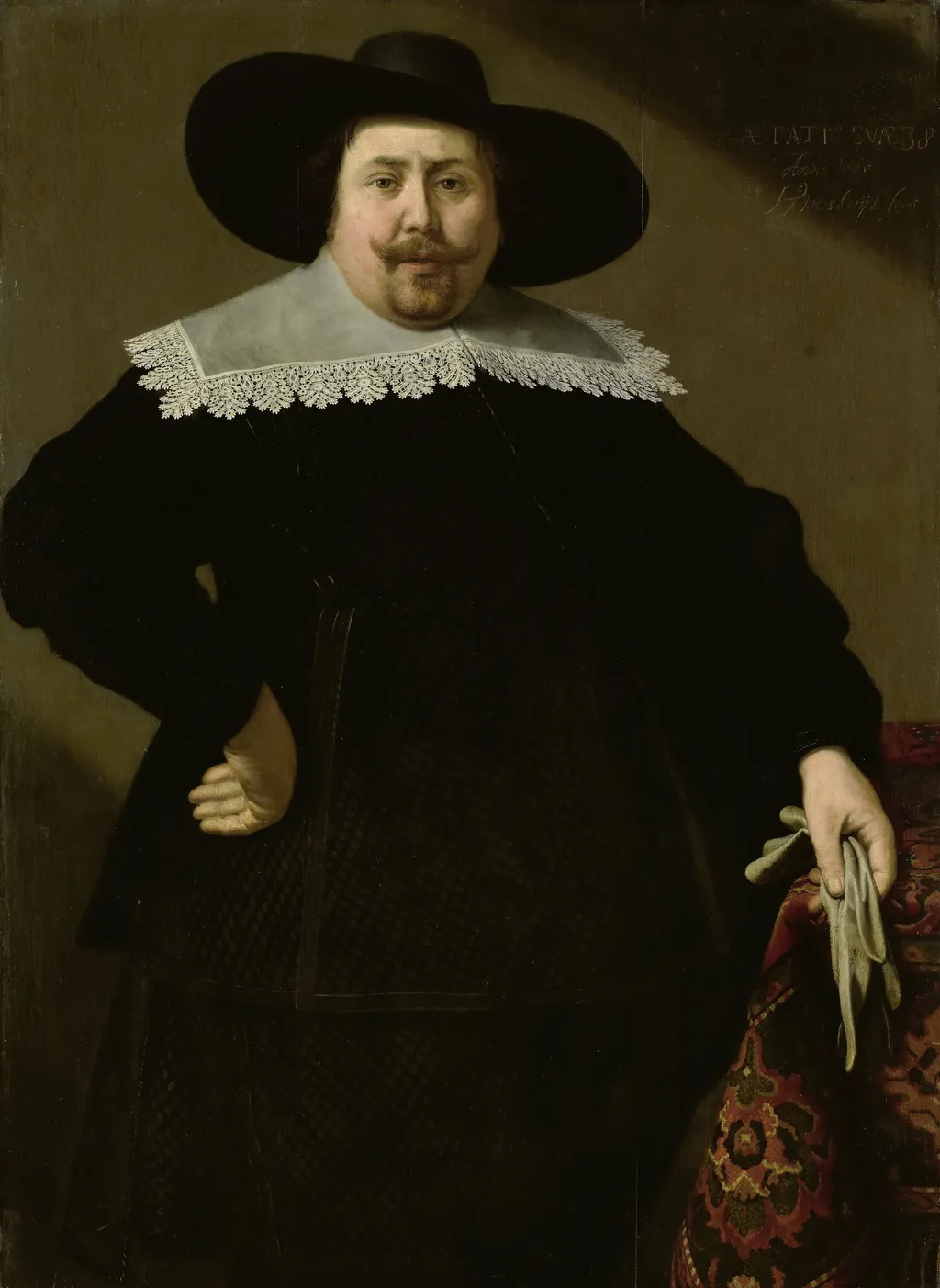
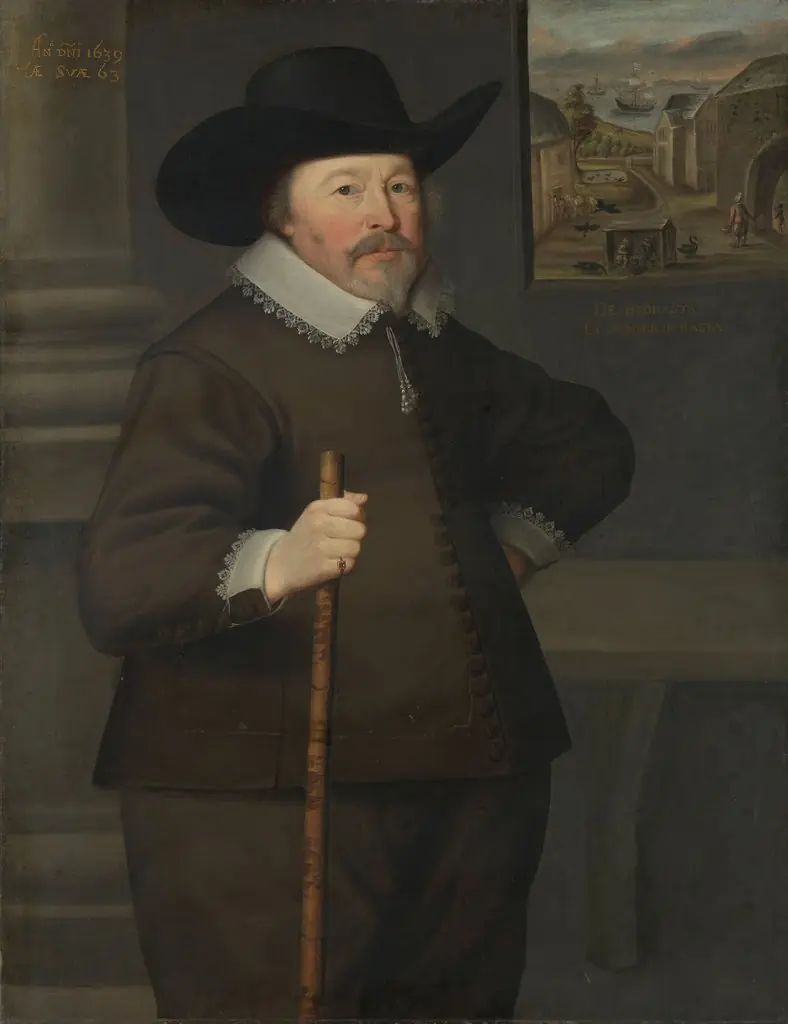
Portrait of Philips Denijs (1604-66) is an oil painting by the Dutch Golden Age artist Huijgh Pietersz Voskuijl. It dates from 1640 and is held in the collection of the Rijksmuseum.
About this work
Subject & Meaning
The work belongs to the portrait genre and is part of the Rijksmuseum collection, reflecting the status of the sitter within the Dutch Golden Age elite.
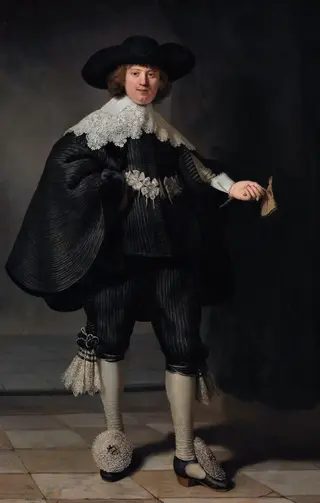
The painting shows Philips Denijs, a prominent Amsterdam merchant and regent, rendered in 1640 by Huygh Pietersz Voskuijl. He wears a dark coat with a high collar and holds a document, symbolizing his civic authority and mercantile role in 17th‑century Dutch society. The work belongs to the portrait genre and is part of the Rijksmuseum collection, reflecting the status of the sitter within the Dutch Golden Age elite.
Technique & Style
The work is an oil painting created on a wooden panel, as indicated by its material specification. Executed in 1640, it exemplifies the portrait genre through its lifelike rendering and careful handling of light and texture. The composition demonstrates the formal qualities typical of 17th-century Dutch portraiture, with restrained brushwork and a focus on the sitter's presence.
The painting measures 121.5 cm in height and 89 cm in width, reflecting its substantial scale within the portrait format.
History & Provenance
Portrait of Philips Denijs (1604-66) was painted by Huijgh Pietersz Voskuijl in 1640 as an oil on panel portrait. It entered the collection of the Rijksmuseum in Amsterdam, where it remains on view.
The work was commissioned by Philips Denijs, a prominent Amsterdam merchant, to commemorate his family status. It has been part of the Rijksmuseum's holdings since its acquisition, reflecting continuous ownership by the museum since at least the early 20th century.
Context
The 1640 portrait of Philips Denijs, painted by Huygh Pietersz. Voskuijl, exemplifies the Dutch Golden Age's focus on individual likeness within the burgeoning merchant class. Its presence in the Rijksmuseum's collection underscores its significance as a representative work of the era's portraiture, reflecting both artistic technique and social context.
Scholarship emphasizes its role in understanding the transition from religious to secular subjects in 17th-century Dutch art, with the work housed at the Rijksmuseum in Amsterdam.
Legacy
The painting's legacy is anchored in its attribution to Huygh Pietersz Voskuijl and its presence in the Rijksmuseum collection since acquisition. Its status as a 17th-century portrait exemplifies Dutch Golden Age techniques in oil on panel, with dimensions of 121.5 cm by 89 cm established through archival records. The work's scholarly recognition stems from its detailed inscription and role in understanding early modern Dutch portraiture, as documented in museum catalogues.
Overview
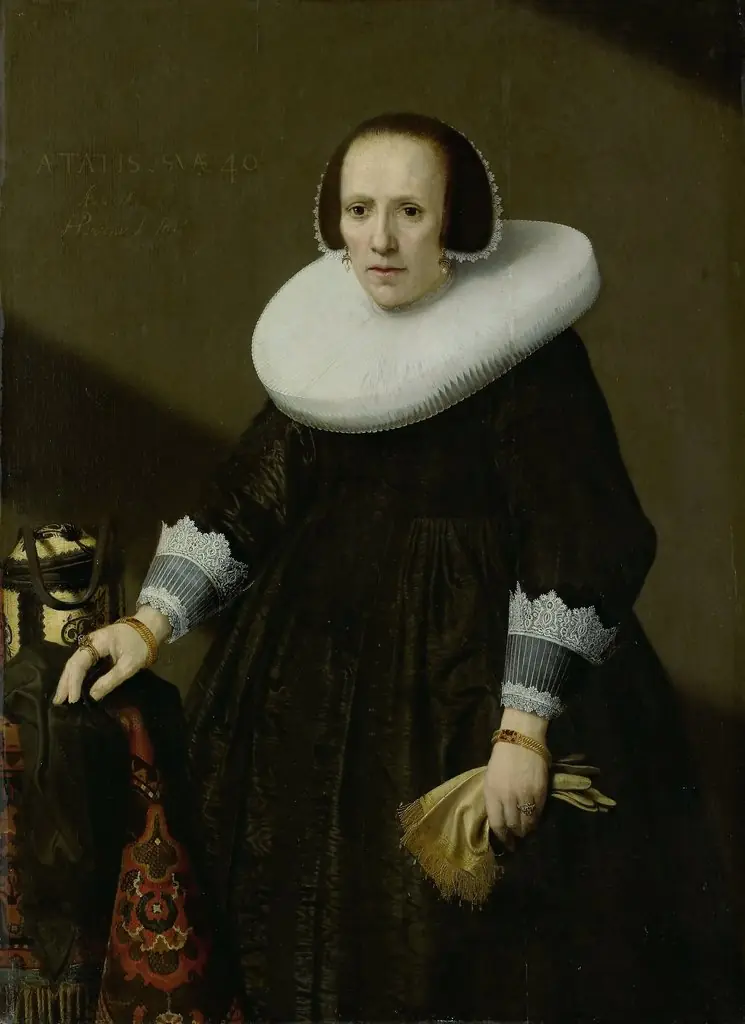
Huijgh Pietersz Voskuijl, a Dutch painter active in the mid-17th century, completed the portrait of Philips Denijs in 1640. Executed in oil on canvas, the work is one of two companion pieces depicting Denijs and his wife, Geertruyd Reael. Voskuijl, trained under Pieter Isaacsz and based in Amsterdam, belonged to a generation of portraitists who captured the quiet dignity of the urban elite during the Dutch Golden Age.
Own this work as a print
Artist & collection
Artist
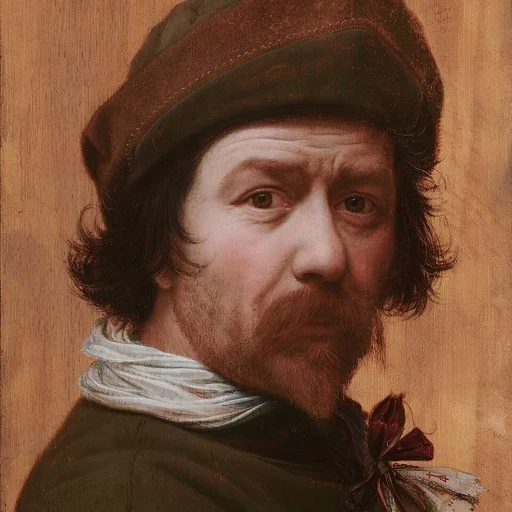
Huijgh Pietersz Voskuijl or Huygh Pietersz. Voskuyl (1591 – 1665) was a Dutch painter. Voskuijl was born in Amsterdam and became a pupil of Pieter Isaacsz. His works have previously been attributed to Bartholomeus van…

 Portrait of a Man
 Portrait of a man
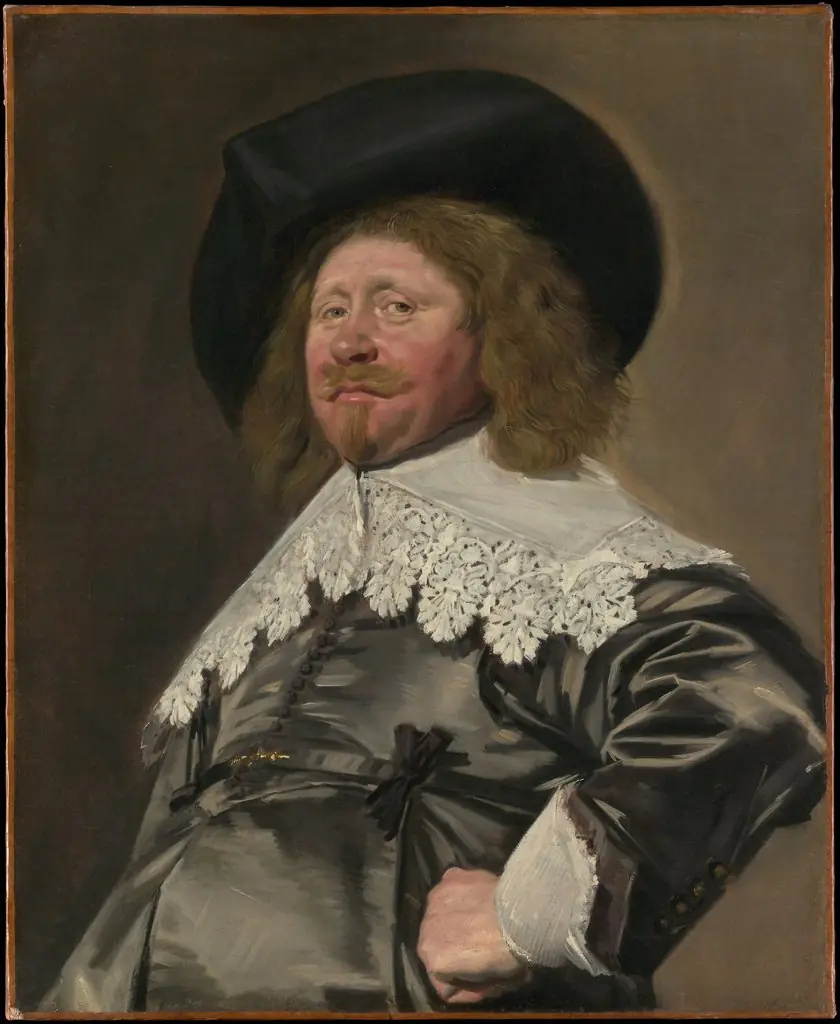 Portrait of Claes Duyst van Voorhout
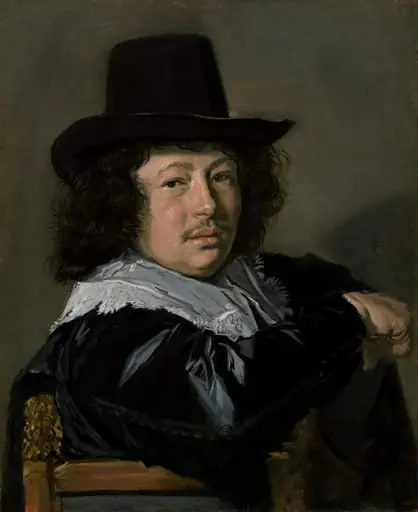 Portrait of a Young Man
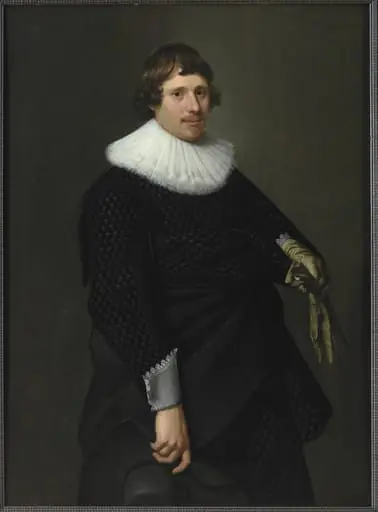 Portrait of a Man
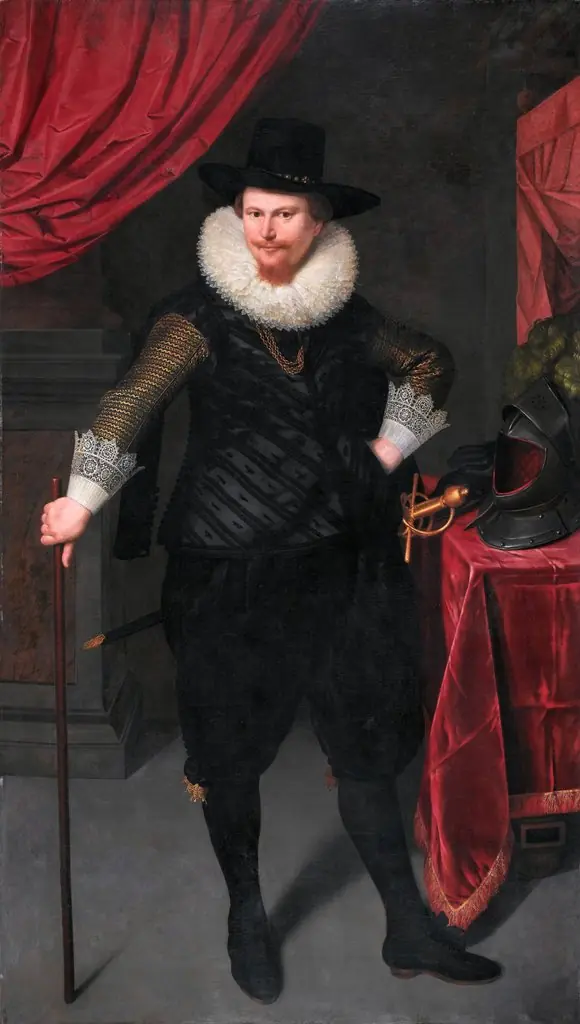 Portrait of Laurens Reael
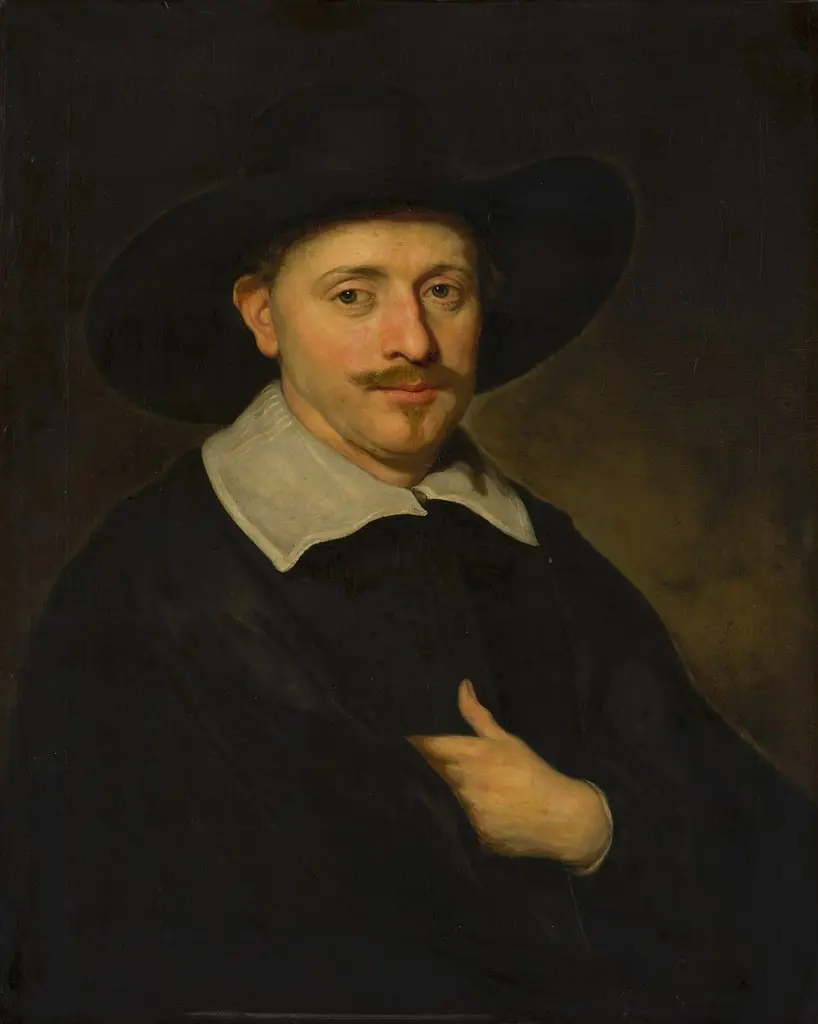 Portrait of a man
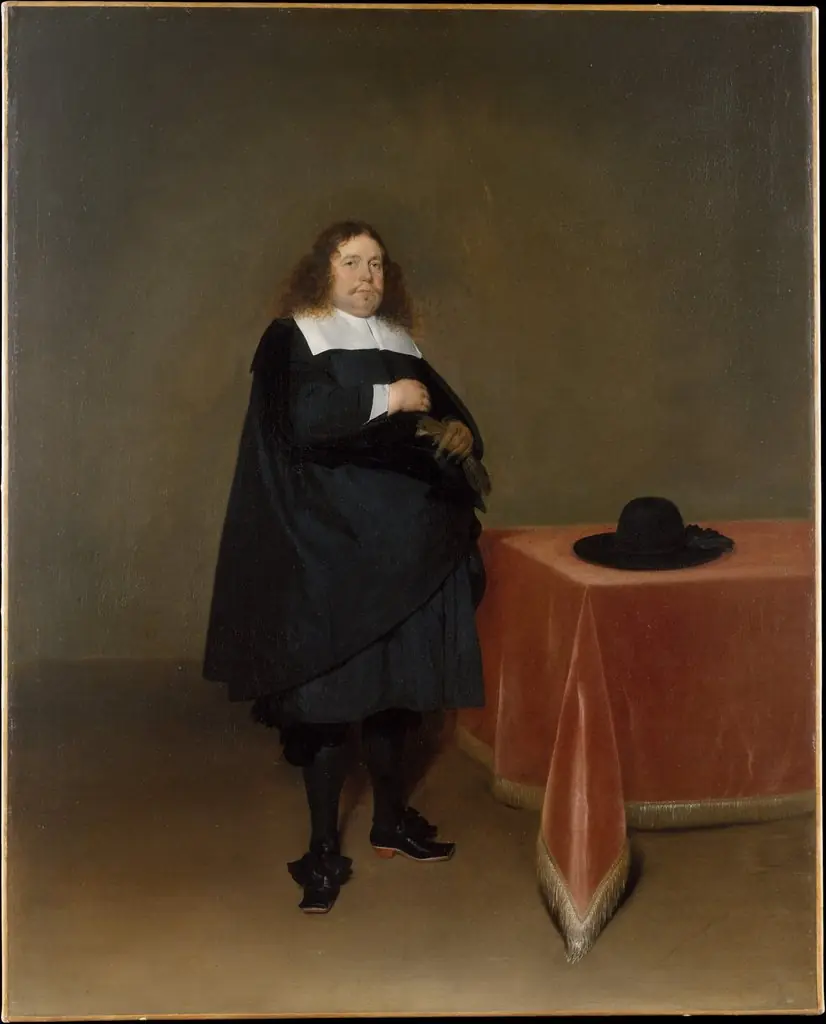 Burgomaster Jan van Duren (1613–1687)
 Portrait of Laurens Reael
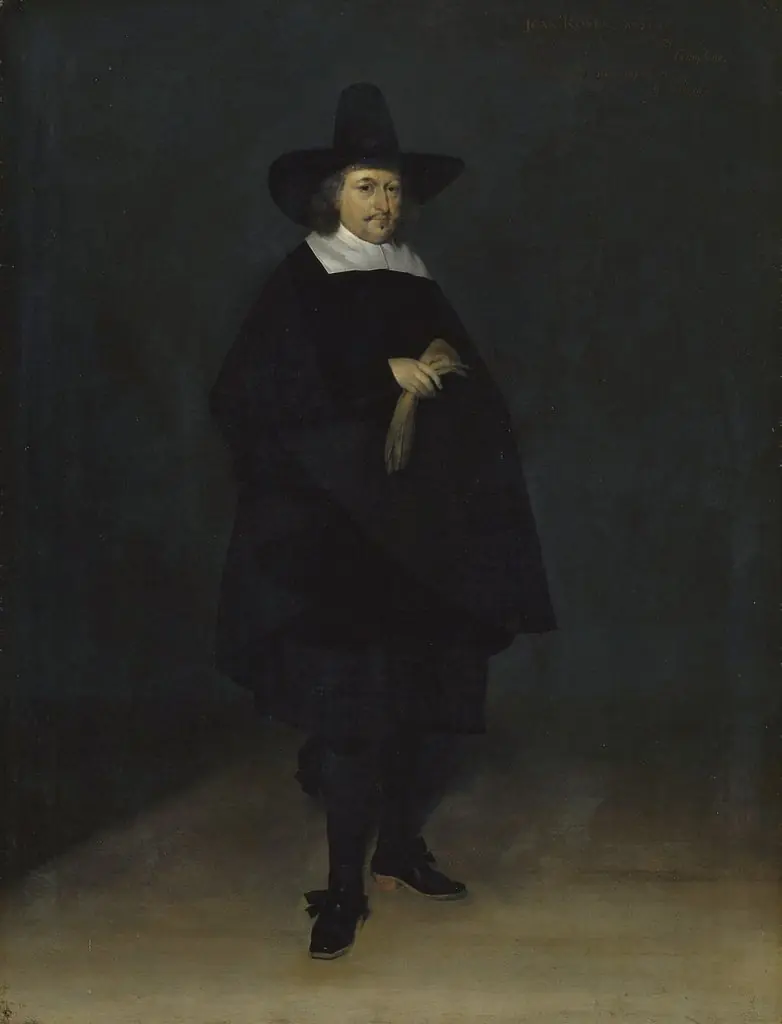 Jan Roever, Mayor of Deventer
 Portrait of Maerten Soolmans
- Portrait of Cornelis de Graeff