Artwork
Saint Ivo of Brittany
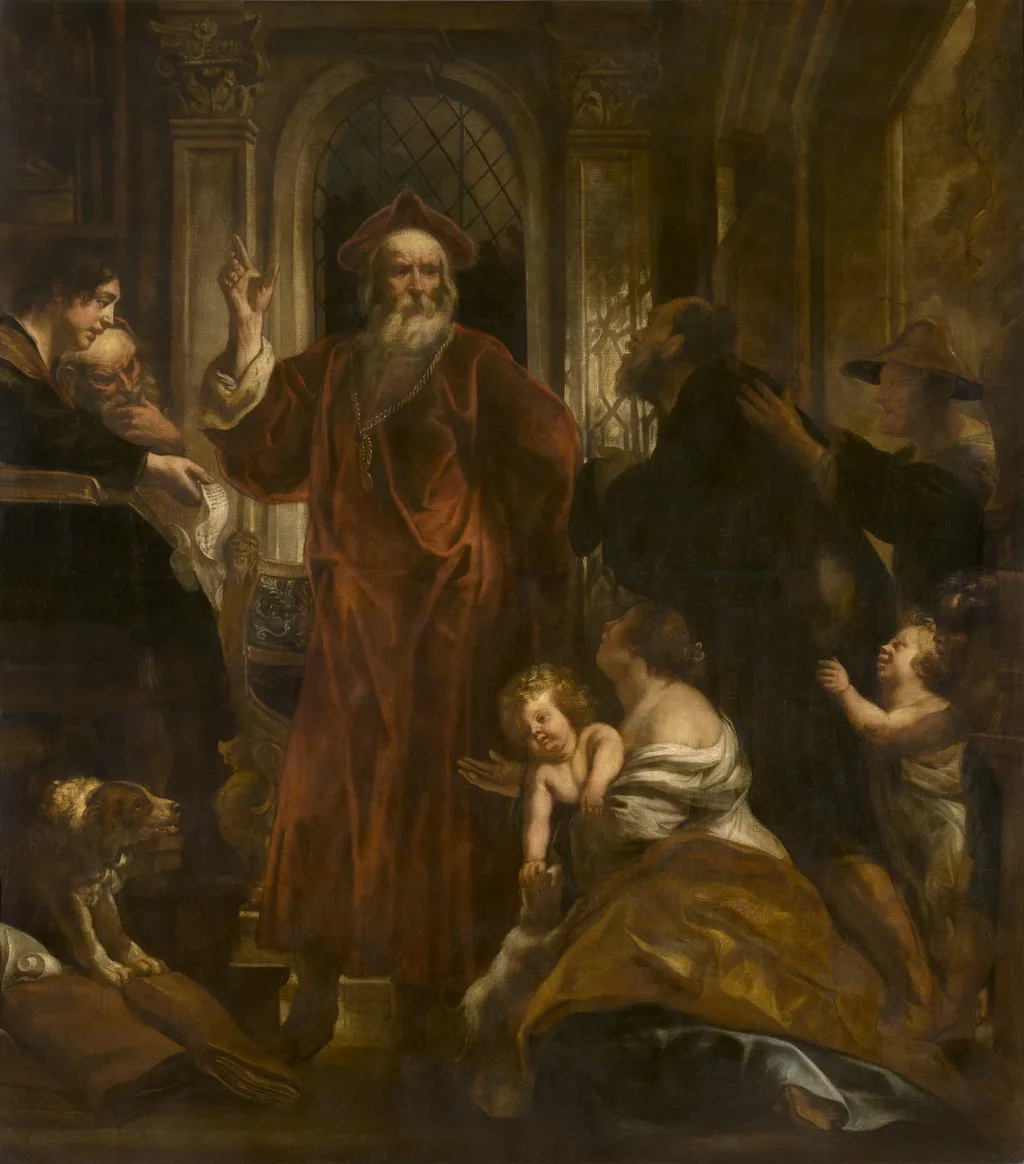
Saint Ivo of Brittany is an oil painting by Jacob Jordaens. It dates from 1657 and is held in the collection of the Royal Museum of Fine Arts Antwerp.
About this work
Overview
Painted in 1657 by Jacob Jordaens, this oil-on-canvas work portrays Saint Ivo of Brittany, a 13th-century canonized lawyer and patron of the poor.
Painted in 1657 by Jacob Jordaens, this oil-on-canvas work portrays Saint Ivo of Brittany, a 13th-century canonized lawyer and patron of the poor. Jordaens, then the leading Flemish painter following Rubens and van Dyck, rendered the scene with a focus on human presence and moral gravity. The painting resides in the Royal Museum of Fine Arts Antwerp, where it remains a key example of mid-17th-century religious portraiture in the Southern Netherlands.
Subject & Meaning
Saint Ivo is depicted as a protector of the marginalized, shown in the act of offering legal counsel. The woman and child at his feet represent those seeking justice, while the dog symbolizes loyalty and fidelity, qualities associated with righteous judgment. The man behind them may signify a witness or petitioner.
The paper in Ivo’s hand suggests legal documents, reinforcing his role as a defender of the oppressed, aligning with his historical reputation as a patron saint of lawyers and the destitute.
Technique & Style
Jordaens employed rich oil pigments to model forms with strong chiaroscuro, enhancing the three-dimensionality of the figures and their textures. The red robe of Saint Ivo contrasts with the muted tones of the background, directing focus to his gesture and expression. The arched window behind him introduces natural light, subtly illuminating the scene without disrupting the intimate, grounded atmosphere. Brushwork is confident yet restrained, emphasizing realism over theatricality.
History & Provenance
Commissioned during Jordaens’s mature period, the painting entered the collection of the Royal Museum of Fine Arts Antwerp in the 19th century. It was likely created for a religious or civic institution in Flanders, given the saint’s local significance. No early documentation of its original placement survives, but its composition and scale suggest it was intended for public veneration rather than private devotion.
Context
In mid-17th-century Flanders, religious imagery remained central to artistic production despite the Protestant Reformation’s influence. Jordaens continued the tradition of humanizing saints through everyday gestures and settings, distinguishing his work from the more idealized styles of earlier generations. Saint Ivo’s depiction reflects a broader cultural emphasis on justice and charity, values upheld by both the Church and civic authorities in Antwerp.
Legacy
The painting stands as a testament to Jordaens’s ability to merge devotional themes with psychological realism. While less widely known than his mythological scenes, this work exemplifies his commitment to portraying moral authority through accessible, grounded figures. It continues to inform scholarly understanding of how religious identity was visually constructed in post-Reformation Flanders.
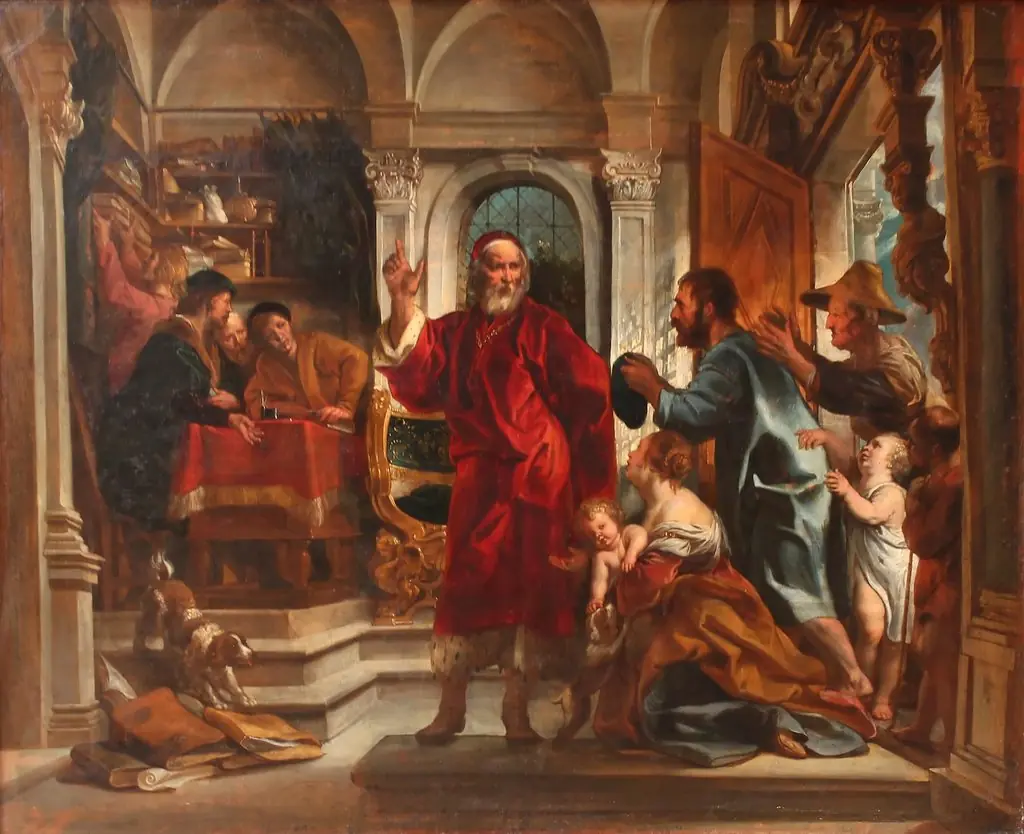
Own this work as a print
Artist & collection
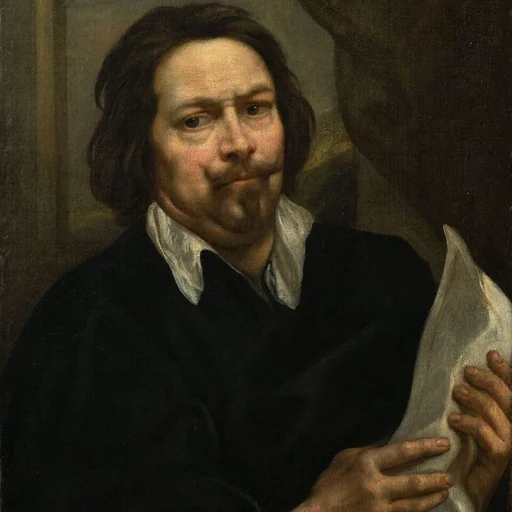
Artist
Jacques (Jacob) Jordaens (19 May 1593 – 18 October 1678) was a Flemish painter, draughtsman and a designer of tapestries and prints.

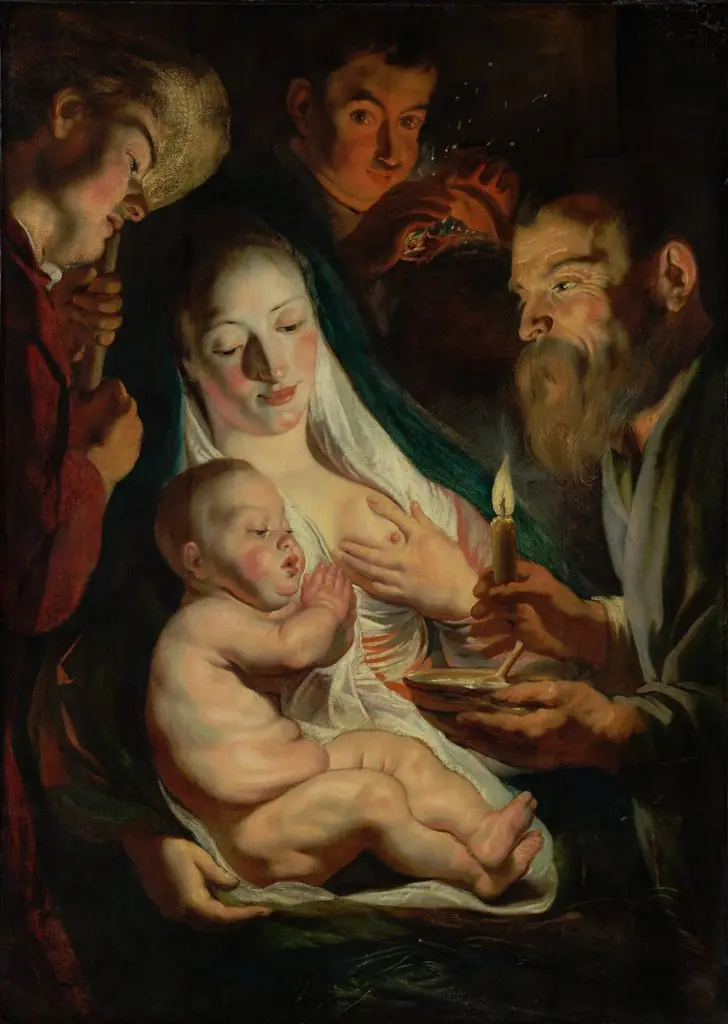 The Holy Family with Shepherds
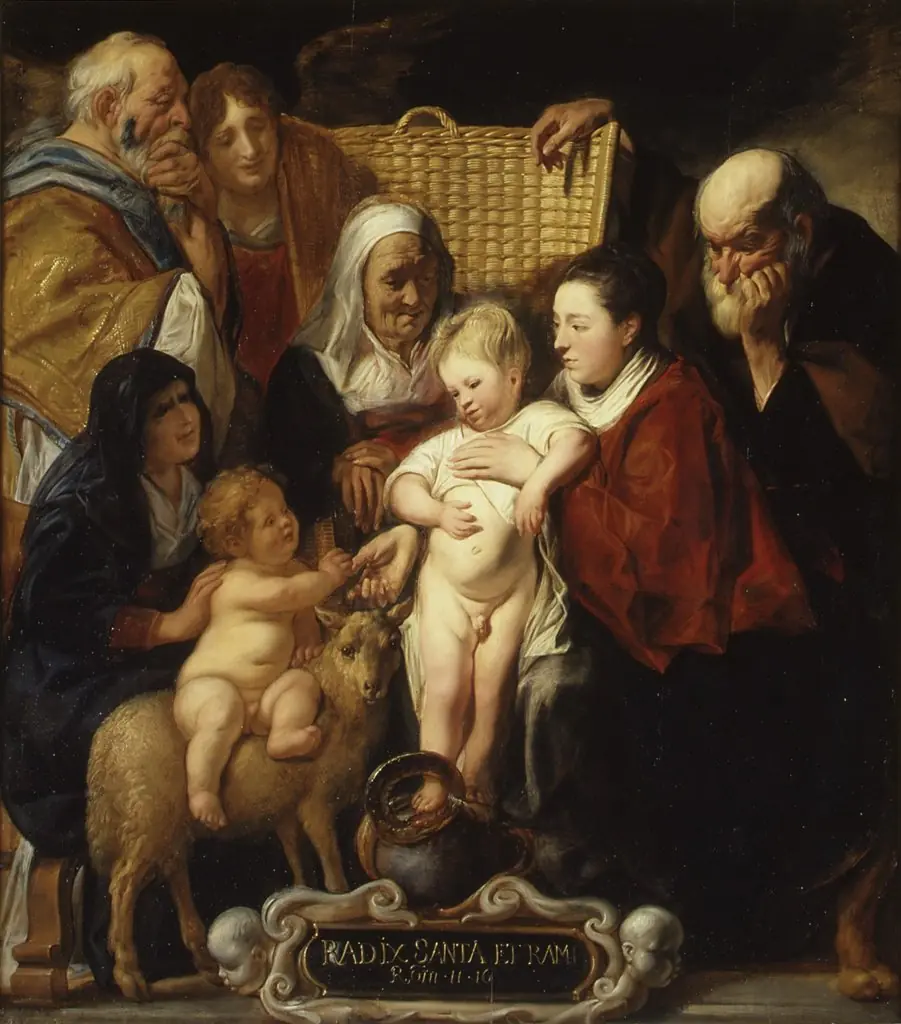 The Holy Family with Saint Anne and the Young Baptist and His Parents
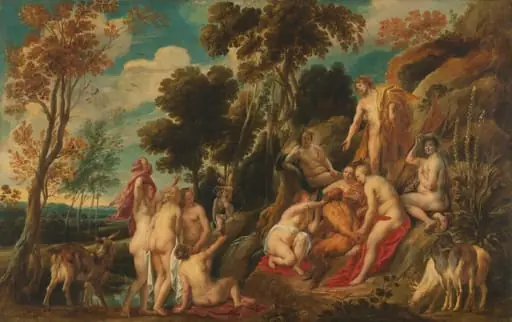 Untitled
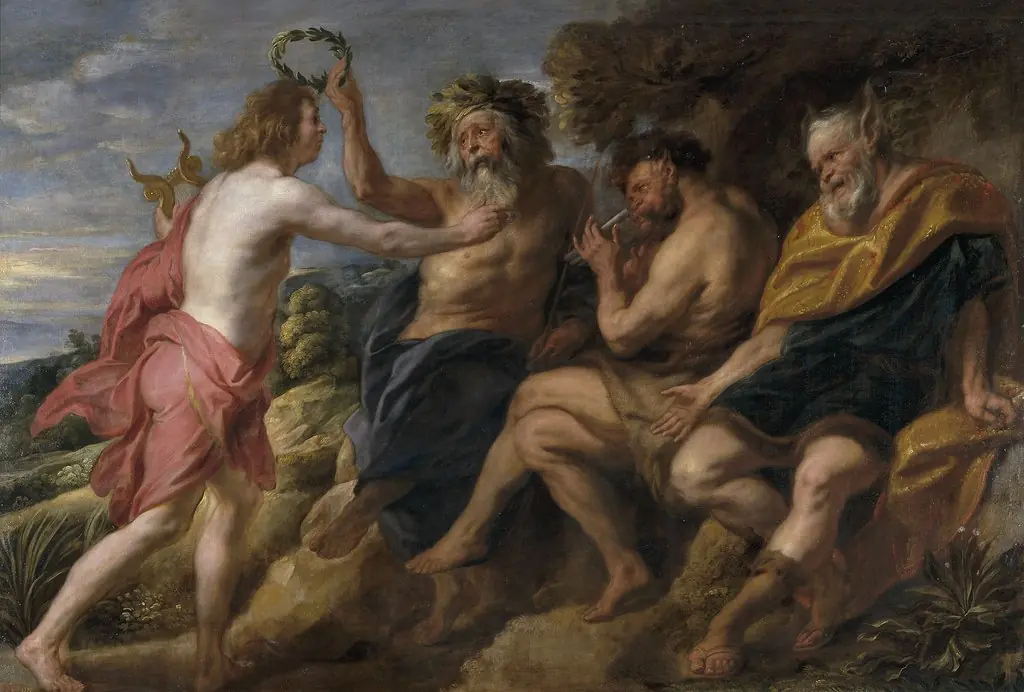 Apollo as Victor over Pan
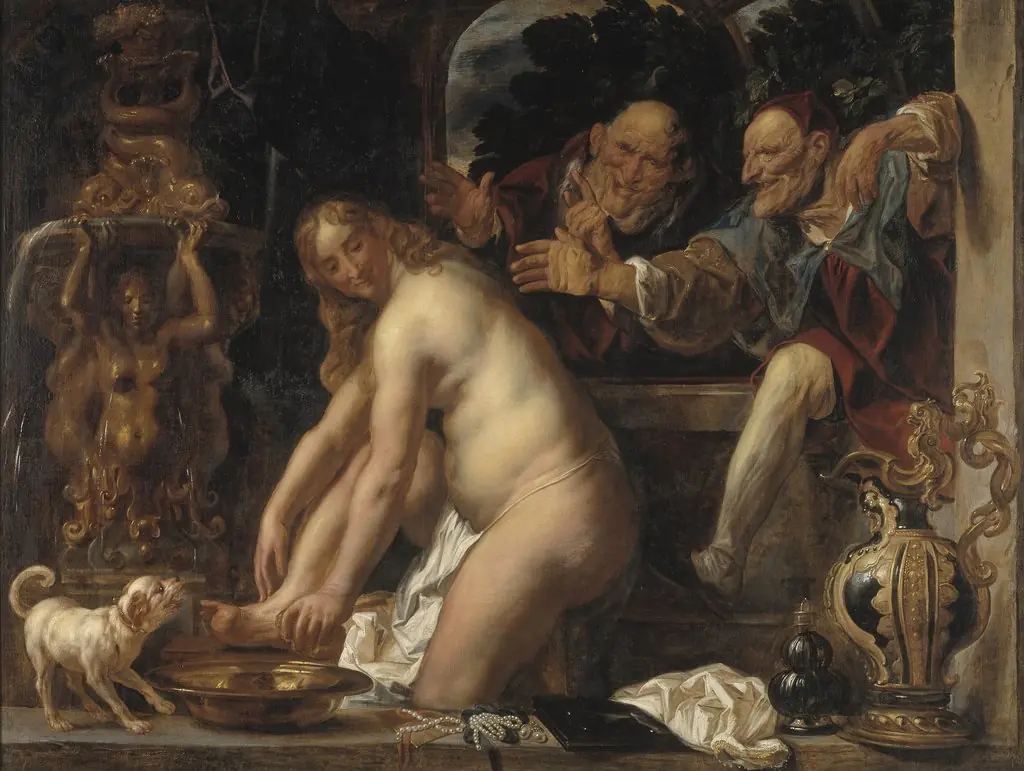 Susanna and the Elders
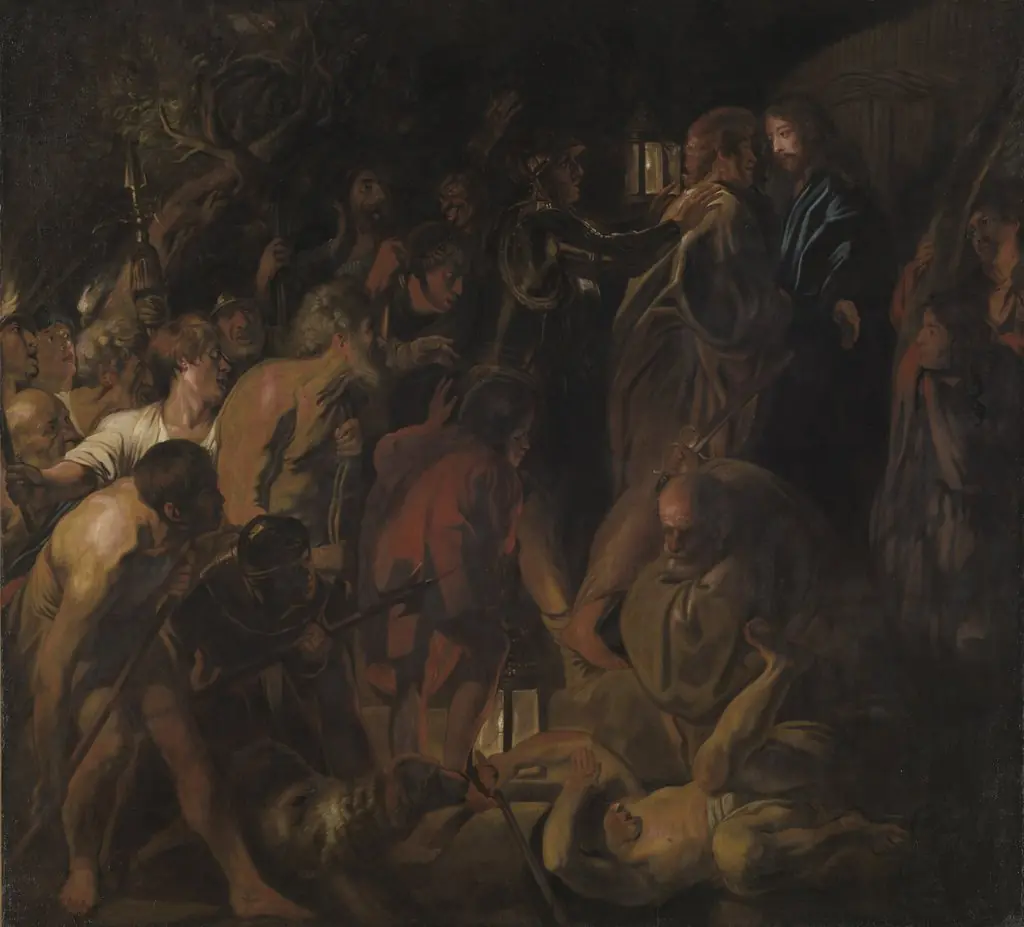 The Betrayal of Christ
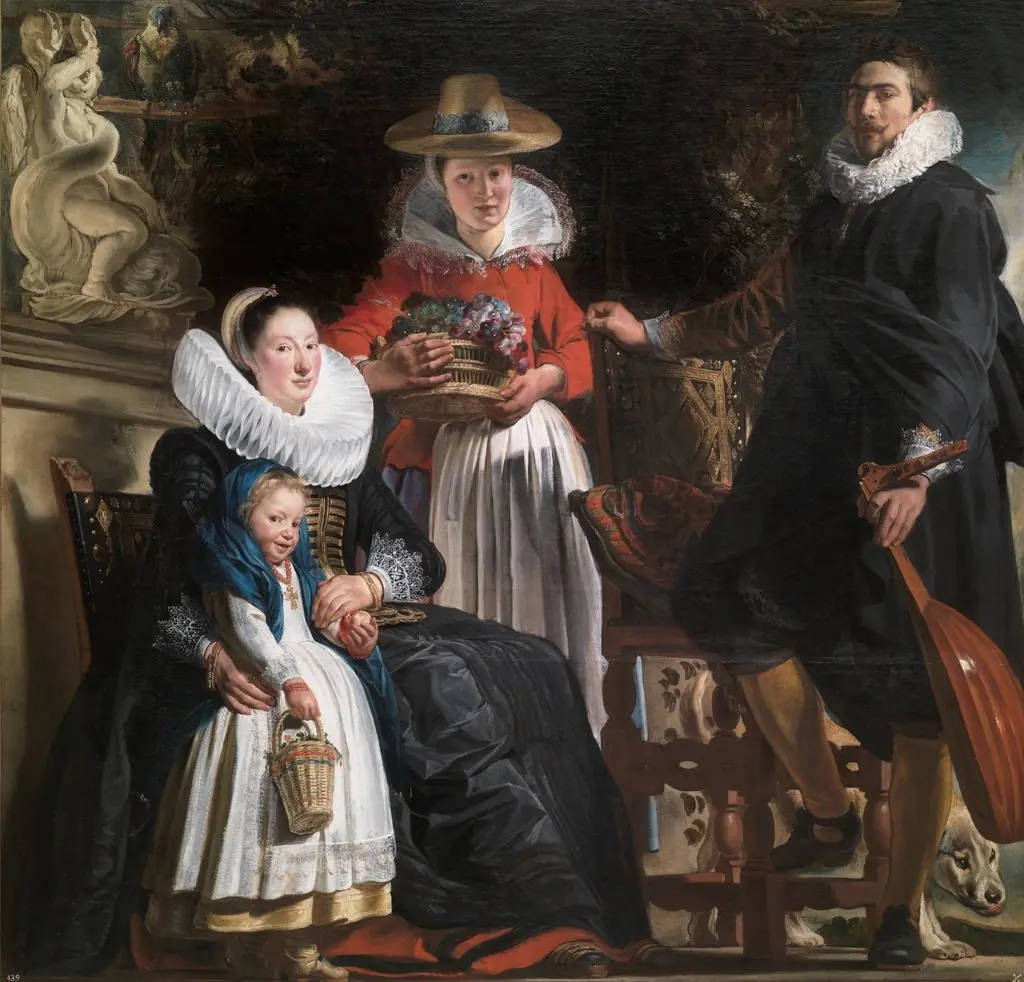 Portrait of the artist with his family
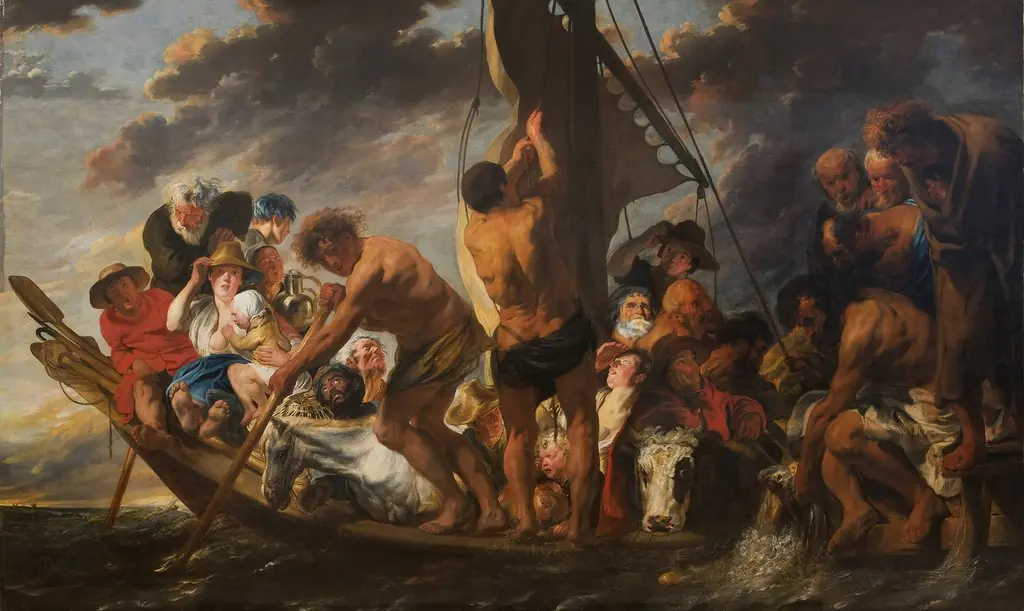 The Tribute Money. Peter Finding the Silver Coin in the Mouth of the Fish. Also called "The Ferry Boat to Antwerp"
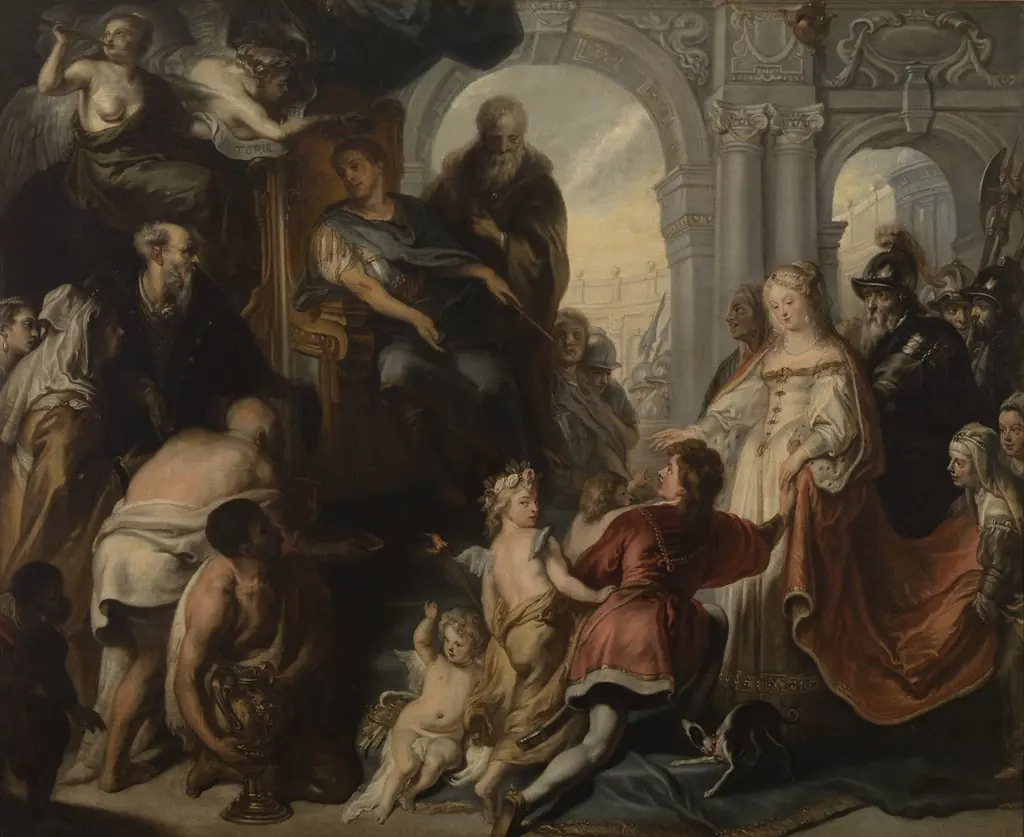 The Continence of Scipio Africanus
 La Presentación de la Virgen en el Templo
 Esther and Ahasuerus
 The Magnanimity of Scipio Africanus
 Granting of Privileges to Academy of Krakow
 The Italian Comedians (copy)
 Untitled
 The Virgin and Child Enthroned with Saints by Peter Paul Rubens
 Saint Martin of Tours Healing the Servant of Tetrodius
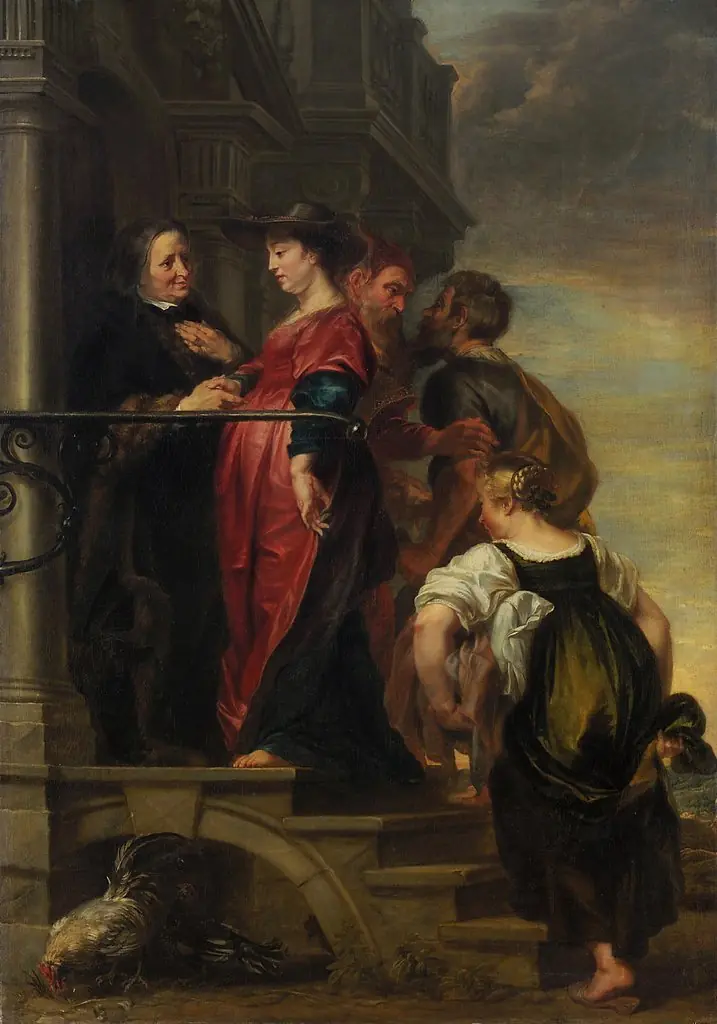 The Visitation
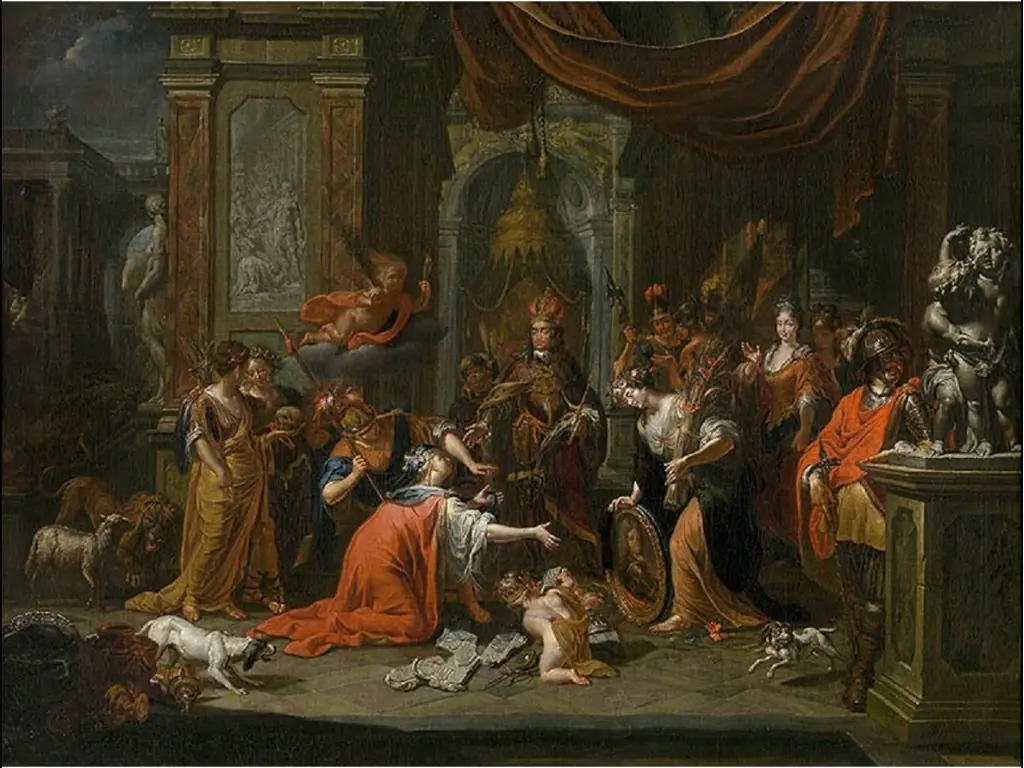 The City of Antwerp pay tribute to the Austrian dynasty
- Saint Ivo of Kermartin helping the poor