Artwork
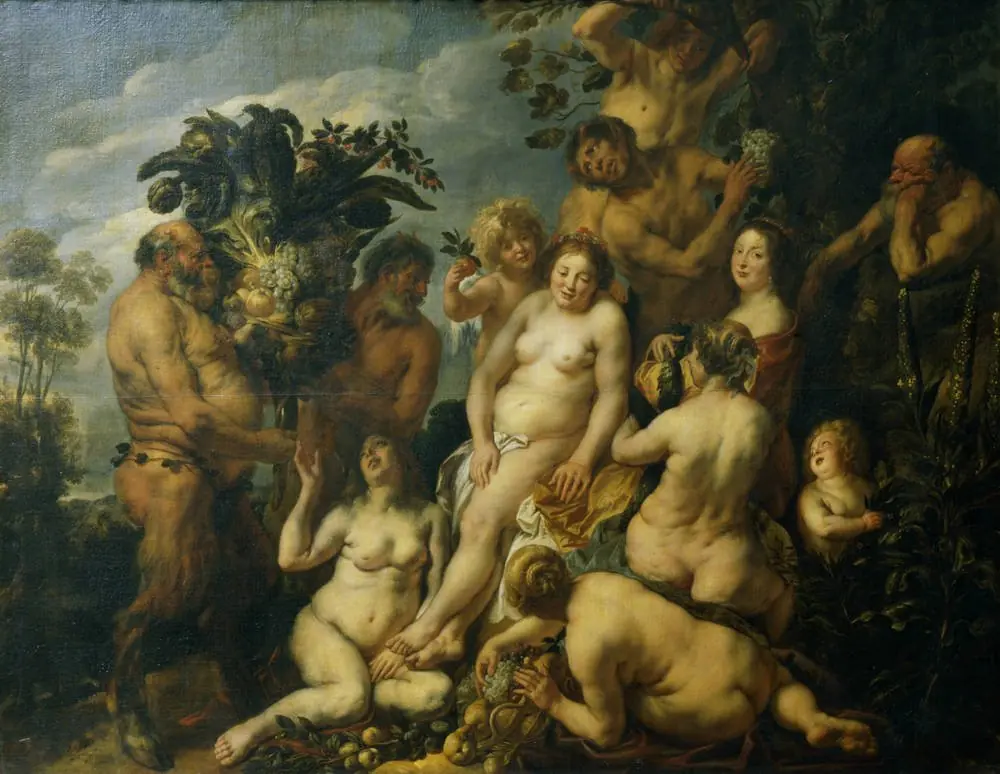
The Daughters of Cecrops Finding the Child Erichthonius
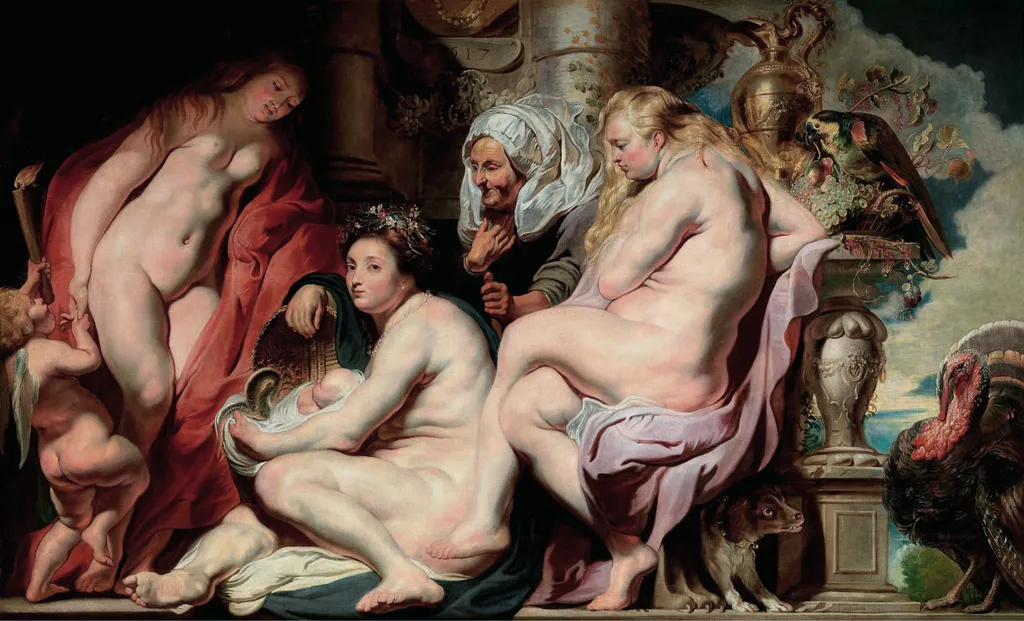
The Daughters of Cecrops Finding the Child Erichthonius is an oil painting by the Flemish Baroque painting artist Jacob Jordaens. It dates from 1617 and is held in the collection of the Royal Museum of Fine Arts Antwerp.
About this work
Subject & Meaning
Herse stands nude at the left, a red toga draped over her shoulder in allusion to her future love affair with Mercury, accompanied by Cupid.
The painting depicts the moment when the daughters of Cecrops I, first king of Athens, discover the infant Erichthonius, whose body terminates in a serpent's tail. According to the myth, Erichthonius was the offspring of Hephaestus, conceived when Athena, wishing to preserve her virginity, cast the god's seed onto the ground with a woolen cloth. Athena placed the child in a wicker basket and entrusted it to Cecrops's daughters, Herse, Pandrosus, and Aglaulus, priestesses of the Erechtheion, forbidding them to open it.
The scene captures the instant when Aglaulus, overcome by curiosity, lifts the lid and recoils at the serpentine form within, while Herse and Pandrosus keep the secret.
Jordaens visualizes these distinctions through contrasting figures: the blonde, full-bodied Pandrosus is shown nude in profile, while the dark-haired Aglaulus, crowned with flowers and wearing a pearl necklace, sits with one leg drawn up as she uncovers the child. Herse stands nude at the left, a red toga draped over her shoulder in allusion to her future love affair with Mercury, accompanied by Cupid. Behind them, an old nurse in a white coif registers astonishment, the only figure to do so, a contrast between youth and old age that Jordaens, like Rubens before him, used to structure the composition.
Technique & Style
The work is an oil-on-canvas painting executed in 1617, when Jordaens was twenty-four and still strongly influenced by Peter Paul Rubens, whose own treatment of the same subject had appeared the previous year. The composition is a large-scale mythological canvas, with recorded dimensions of approximately 172 by 283 cm (and a slightly differing pair of 169 by 279 cm), and is held at the Royal Museum of Fine Arts in Antwerp. Stylistically, Jordaens adopts a Rubensian arrangement of monumental female nudes, including the blonde, full-bodied Pandrose shown nude in profile, the seated dark-haired Aglaure crowned with flowers and wearing a pearl necklace, and the standing Herse draped with a red toga, set against an older nurse in a white coif, a juxtaposition of youth and age that mirrors the earlier Rubens version now in the Liechtenstein Museum.
A small Cupid stands beside Herse, and the figures are grouped around the discovery of the serpent-tailed infant Erichthonius in an osier basket, in keeping with the Ovidian account.
History & Provenance
The painting was executed by Jacob Jordaens in 1617, when he was twenty-four years old, and remains influenced by the style of Peter Paul Rubens, who had depicted the same subject the previous year.
It has been in the collection of the Royal Museum of Fine Arts Antwerp since at least the early twentieth century, where it is currently held by the Vlaamse Kunstcollectie.
The painting is held in the collection of the Royal Museum of Fine Arts Antwerp (part of the Vlaamse Kunstcollectie) in Antwerp, Belgium. While the provided sources confirm the museum's ownership, they do not list a specific inventory or accession number for the work.
Regarding its exhibition history, the artwork was featured in the retrospective titled "Jordaens, la gloire d'Anvers." This exhibition took place at the Petit Palais in Paris, running from September 2013 to January 2014.
Context
Painted in 1617 when Jacob Jordaens was only twenty-four, this work reflects the artist's early career phase while heavily influenced by Peter Paul Rubens. Jordaens adopted the same mythological subject that Rubens had treated in 1616, drawing the narrative from Ovid's Metamorphoses and the Library of Pseudo-Apollodorus. The composition highlights a thematic contrast between youth and old age, a motif also present in Rubens' version of the scene.
Jordaens returned to this specific subject decades later, creating a second interpretation in 1640 now held in Vienna. The painting was featured in the major retrospective 'Jordaens, la gloire d'Anvers' held at the Petit Palais in Paris from September 2013 to January 2014.
Legacy
Jacob Jordaens revisited the mythological theme of Erichthonius's discovery in 1640, producing a second version now housed in Vienna's Kunsthistorisches Museum, which revisited the narrative with a different visual emphasis compared to his 1617 masterpiece. The 1617 painting, created when Jordaens was twenty-four and still markedly influenced by Peter Paul Rubens, established his interpretation of the myth drawn from Ovid's Metamorphoses and Pseudo-Apollodorus's Bibliotheca, depicting the Athenian king's daughters uncovering the serpent-child Erichthonius. The work's composition and narrative details, including the portrayal of the daughters, Herse, Pandrosus, and Aglaurus, and symbolic elements such as Cupid's presence and the nurse's reaction, have been analyzed in scholarly retrospectives, including the 2013–2014 exhibition at the Petit Palais in Paris that highlighted Jordaens's engagement with Antwerp's artistic legacy.
This legacy is further underscored by the painting's inclusion in major institutional collections, such as the Royal Museum of Fine Arts Antwerp, where it remains part of the Vlaamse Kunstcollectie.
Overview
Jacob Jordaens’ 1617 oil painting, titled The Daughters of Cecrops Finding the Child Erichthonius, depicts a mythological scene from ancient Greek legend. Executed when the artist was twenty‑four, the work is part of the collection of the Royal Museum of Fine Arts in Antwerp.
Artist & collection
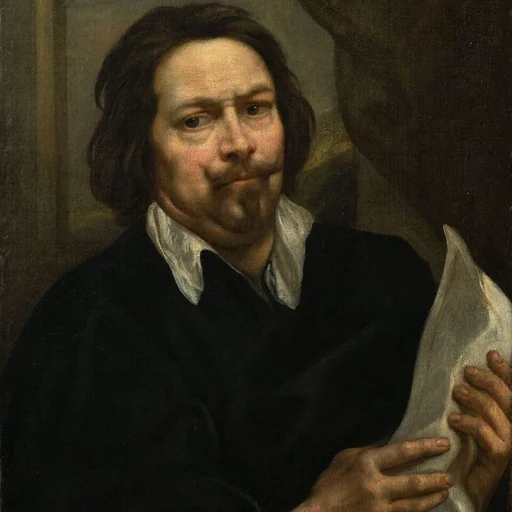
Artist
Jacques (Jacob) Jordaens (19 May 1593 – 18 October 1678) was a Flemish painter, draughtsman and a designer of tapestries and prints.

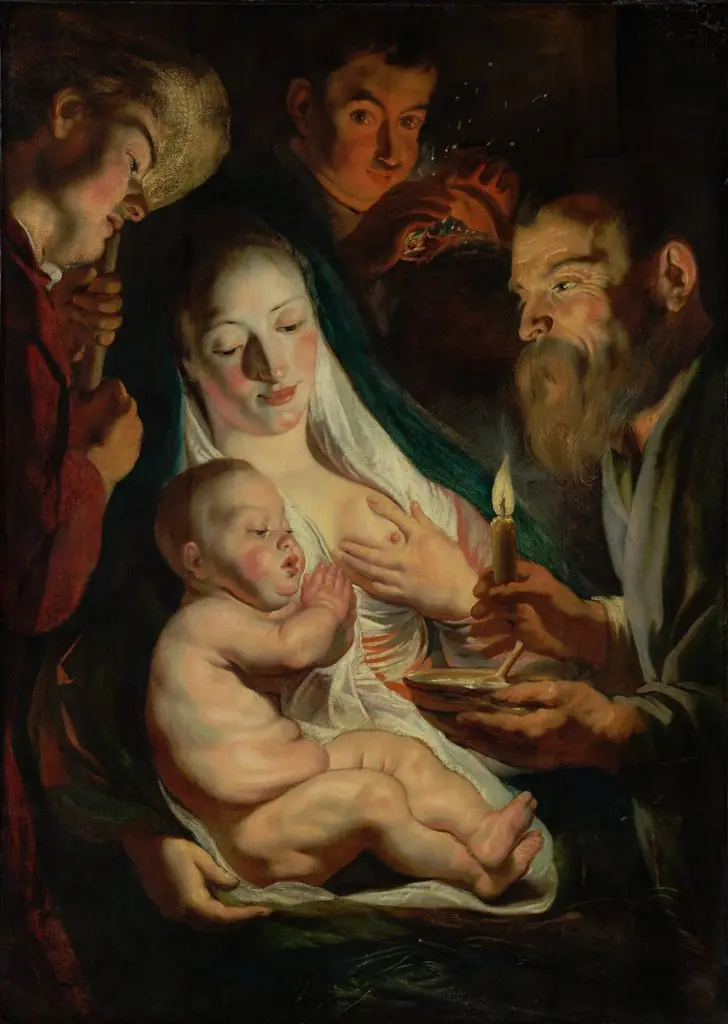 The Holy Family with Shepherds
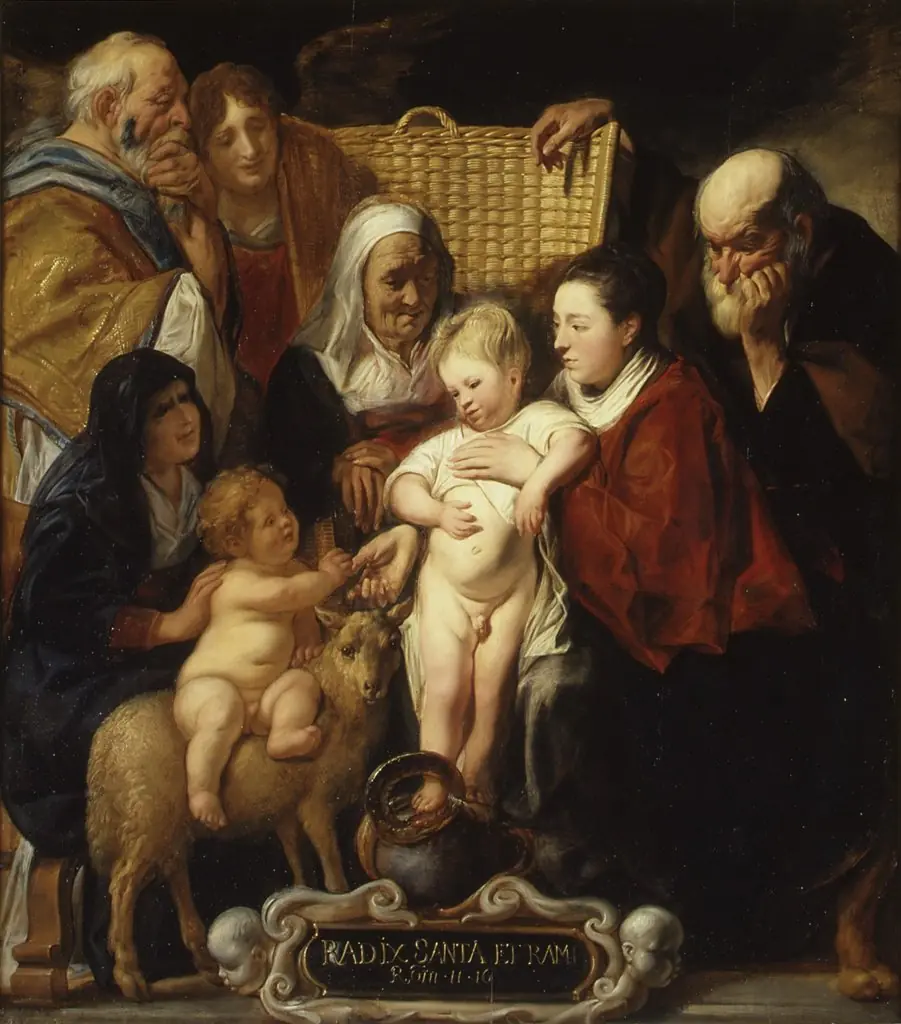 The Holy Family with Saint Anne and the Young Baptist and His Parents
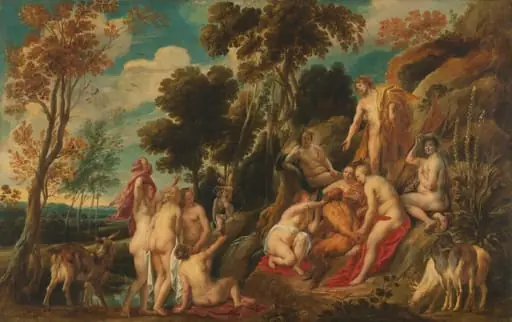 Untitled
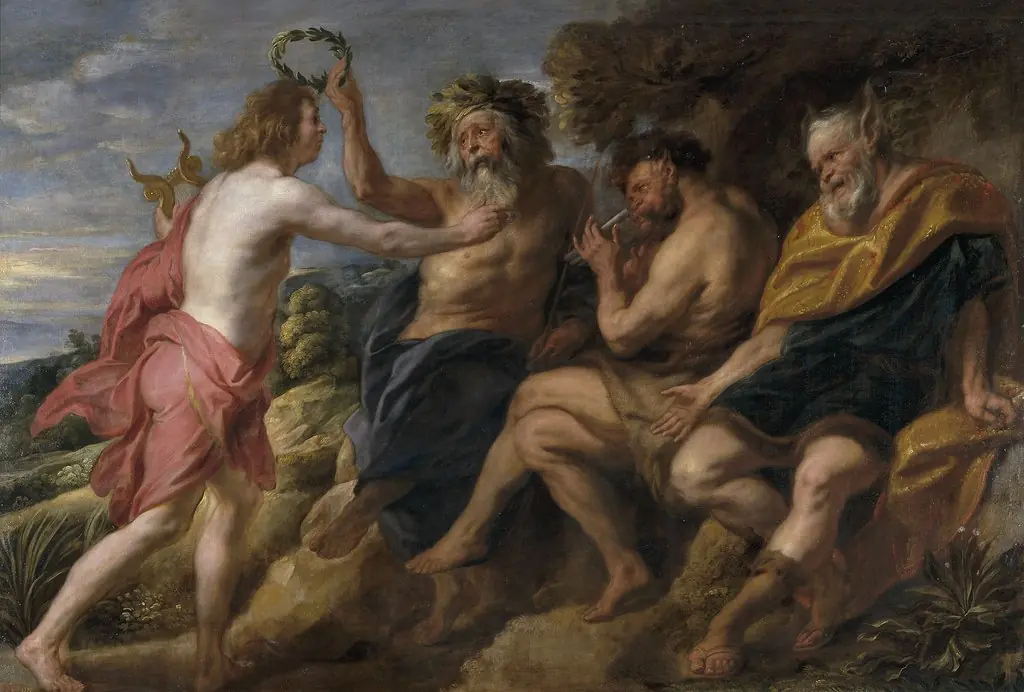 Apollo as Victor over Pan
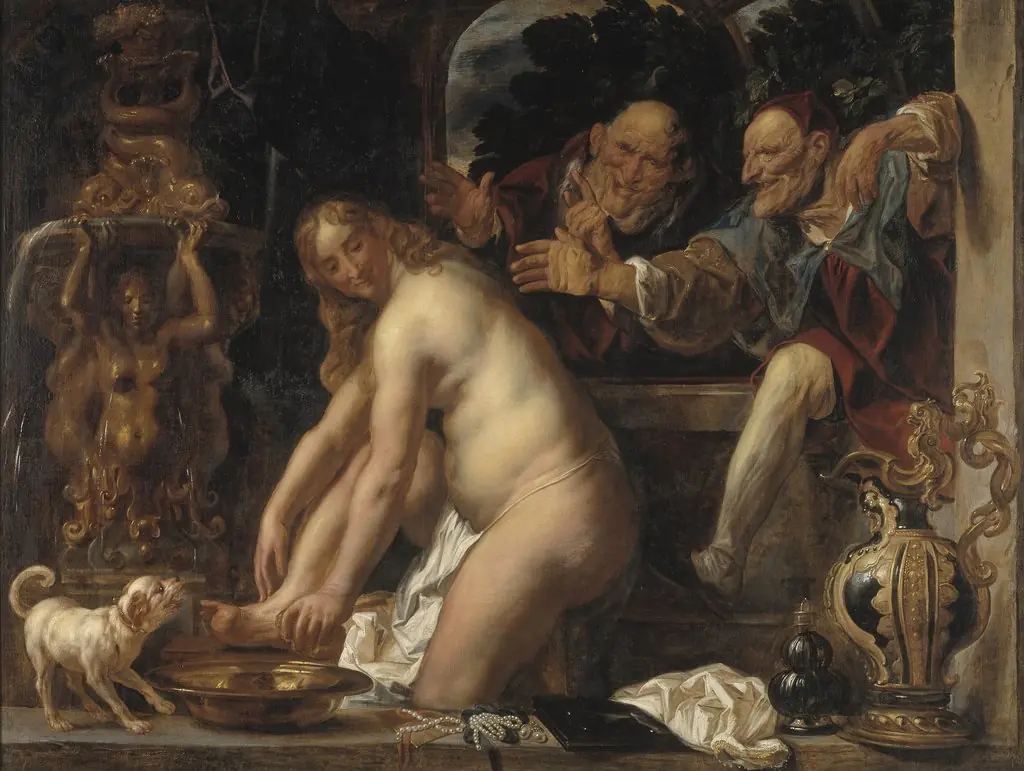 Susanna and the Elders
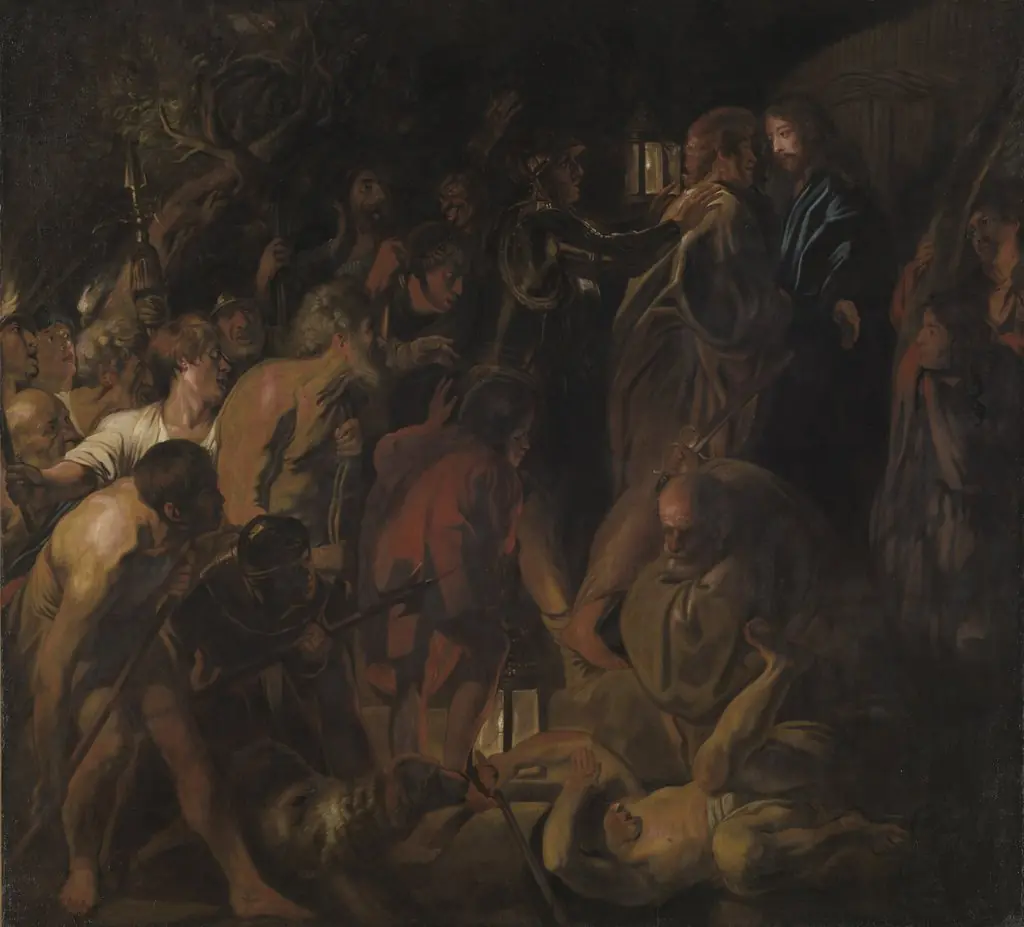 The Betrayal of Christ
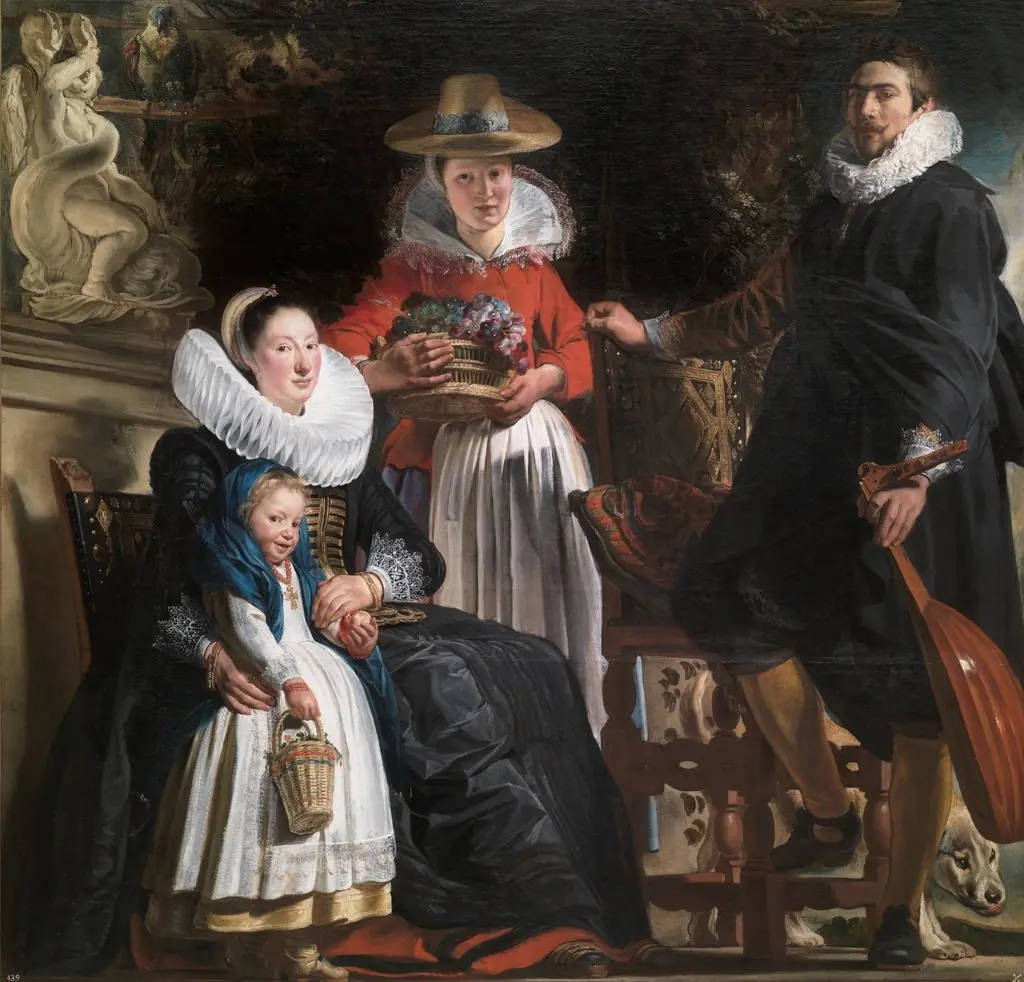 Portrait of the artist with his family
 The Tribute Money. Peter Finding the Silver Coin in the Mouth of the Fish. Also called "The Ferry Boat to Antwerp"