Artwork
Christ with the Adulterous Woman
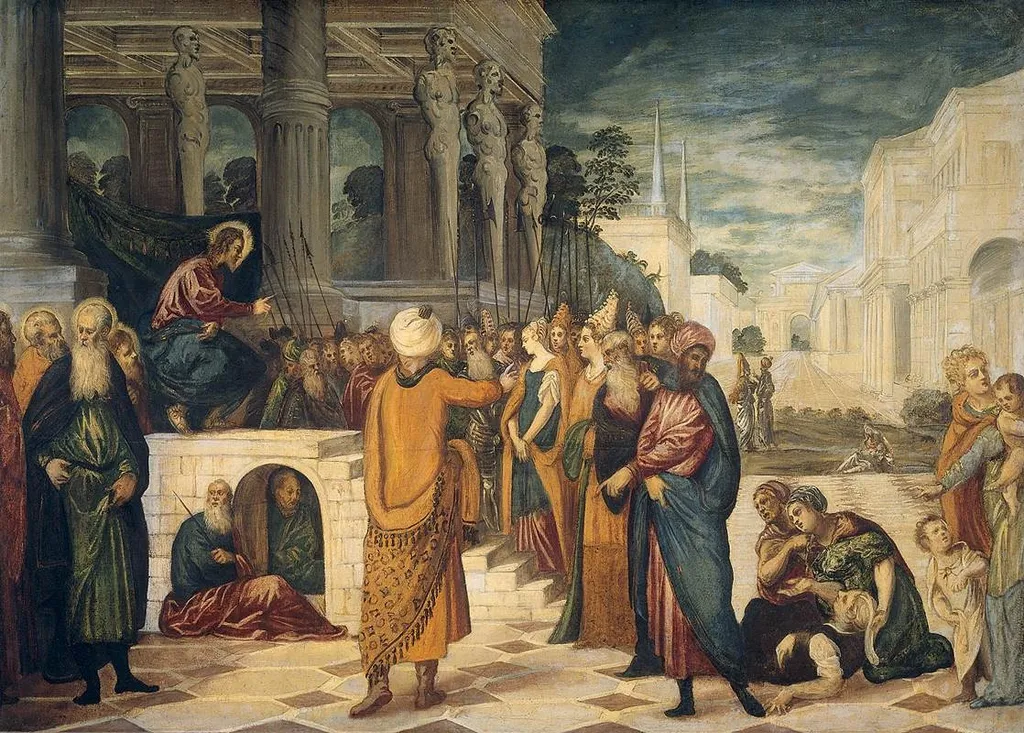
Christ with the Adulterous Woman is an oil painting by the Mannerist artist Jacopo Tintoretto. It dates from 1550 and is held in the collection of the Rijksmuseum.
About this work
Technique & Style
Executed in 1550, this religious painting by Jacopo Tintoretto utilizes oil paint applied to a canvas support. The work measures 160 cm in height and 225 cm in width. As a depiction of Jesus and the woman taken in adultery, the piece employs the artist's characteristic medium to render the biblical narrative within a large-scale format typical of the period.
History & Provenance
The painting measures 160 cm in height and 225 cm in width and is classified as a religious work depicting Jesus and the woman taken in adultery.
The work titled Christ with the Adulterous Woman was created by Jacopo Tintoretto in 1550 using oil paint on canvas. It entered the collection of Julius Wilhelm Edwin vom Rath before being acquired by the Rijksmuseum, where it remains on display. The painting measures 160 cm in height and 225 cm in width and is classified as a religious work depicting Jesus and the woman taken in adultery.
The painting is part of the Rijksmuseum collection in Amsterdam and is accessioned under the inventory number SK-A-1365. It was acquired from Julius Wilhelm Edwin vom Rath. The work has been exhibited in various shows at the Rijksmuseum focusing on 16th-century religious art and Tintoretto's oeuvre.
Context
The painting depicts Jesus intervening on behalf of a woman accused of adultery, a biblical narrative drawn from John 8:1-11. Executed in oil on canvas in 1550, it measures 160 by 225 centimeters and belongs to the religious genre. The work was painted by Jacopo Tintoretto, a leading figure of the Venetian school known for his dynamic compositions and expressive use of color.
Its subject aligns with Counter-Reformation themes emphasizing mercy and divine justice, reflecting broader theological concerns of the period. The painting entered the collection of Julius Wilhelm Edwin vom Rath, later finding a permanent home at the Rijksmuseum, where it remains part of the Dutch national heritage.
Overview
Jacopo Tintoretto’s early‑mid sixteenth‑century canvas portrays the moment from the Gospel of John when Jesus confronts a hostile assembly that has brought a woman accused of adultery before him. The composition centers on the figure of Christ, who stands amid a crowd, while the woman kneels at his feet, embodying the narrative’s tension and resolution.
Subject & Meaning
The work visualises the biblical episode in which Jesus challenges the accusers, famously declaring, “Let him who is without sin cast the first stone.” By placing the woman at Christ’s base and surrounding her with pointing onlookers, Tintoretto underscores themes of mercy, judgment, and the contrast between human condemnation and divine compassion.
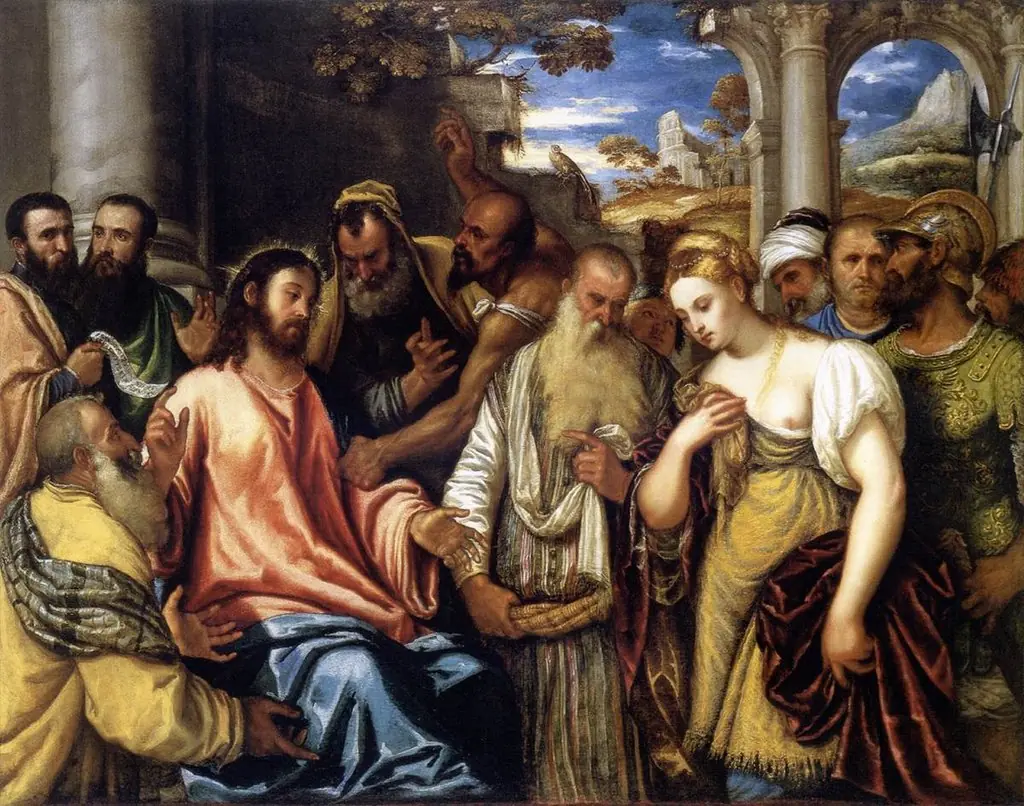
Artist & collection
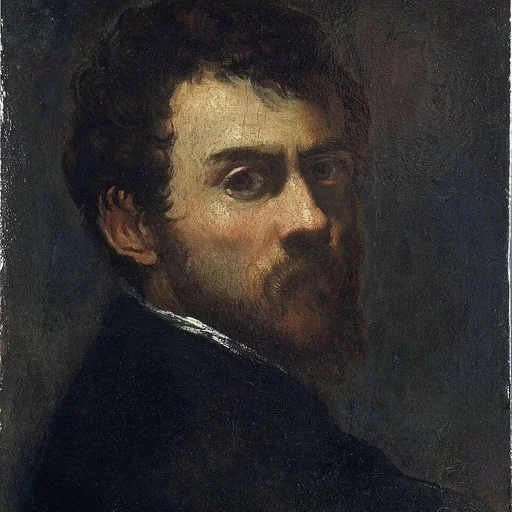
Artist
Jacopo Robusti (late September or early October 1518 – 31 May 1594), best known as Tintoretto ( TIN-tə-RET-oh; Italian:; Venetian: ), was an Italian Renaissance painter of the Venetian school.

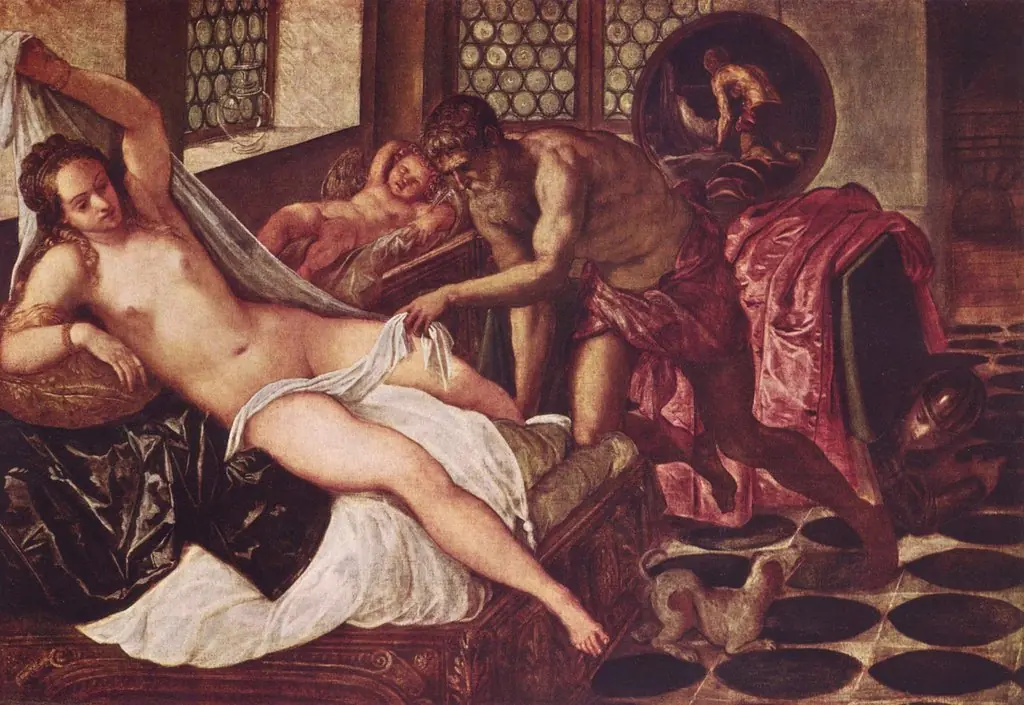
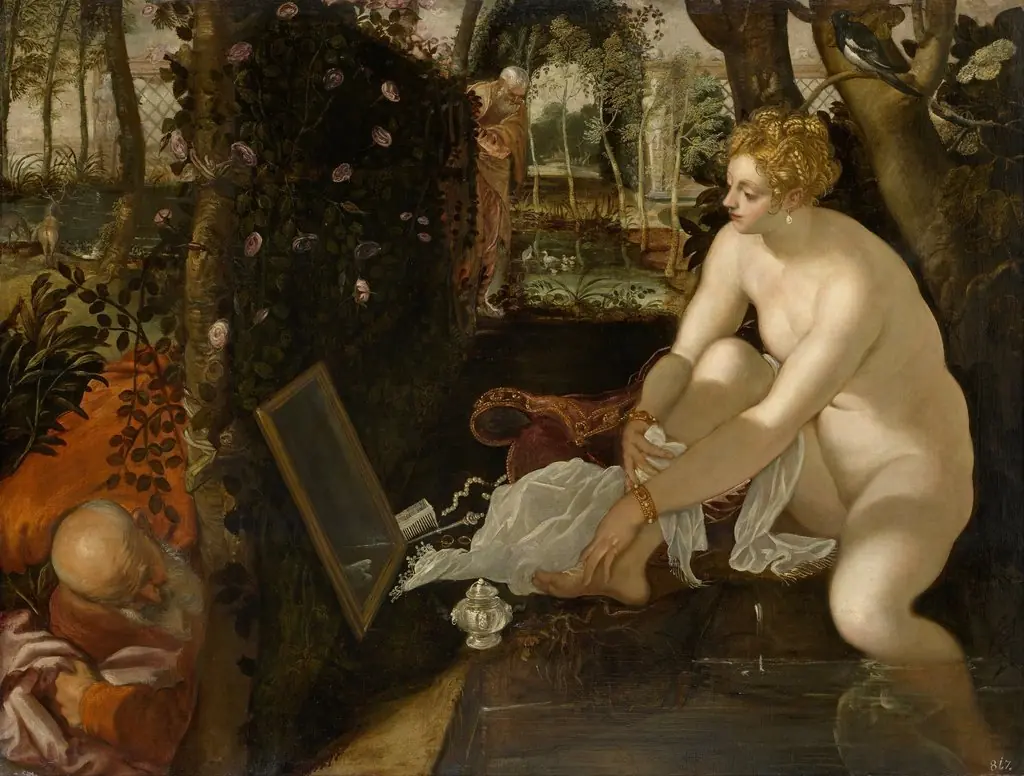
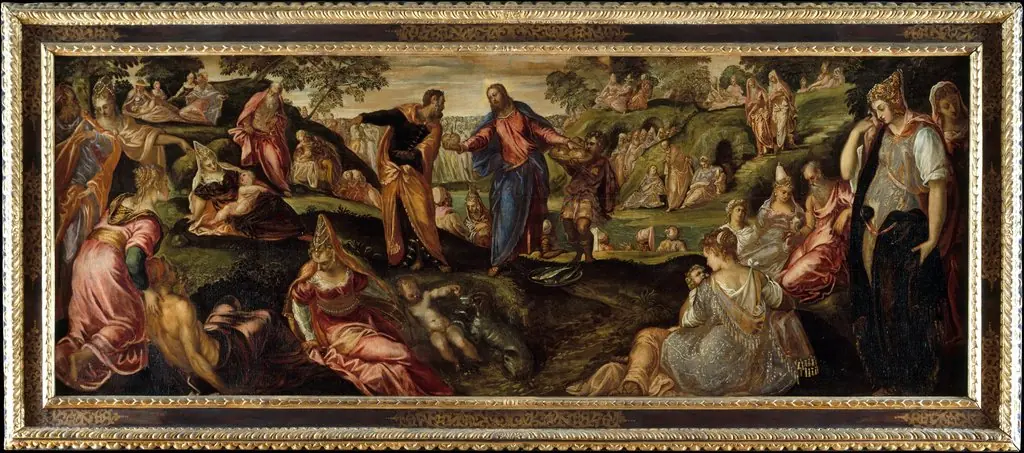
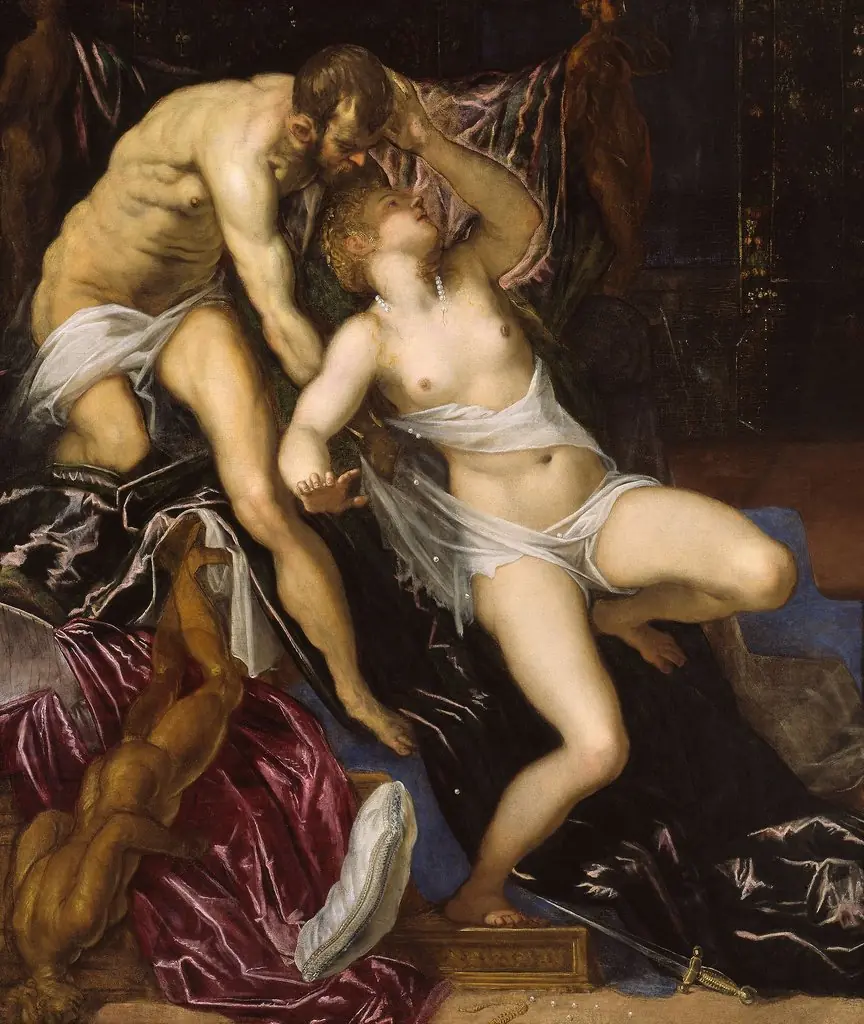

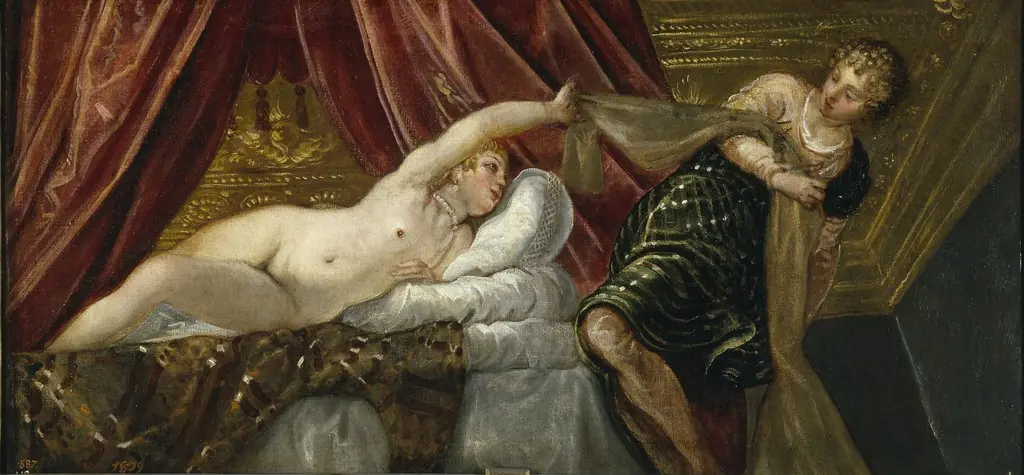
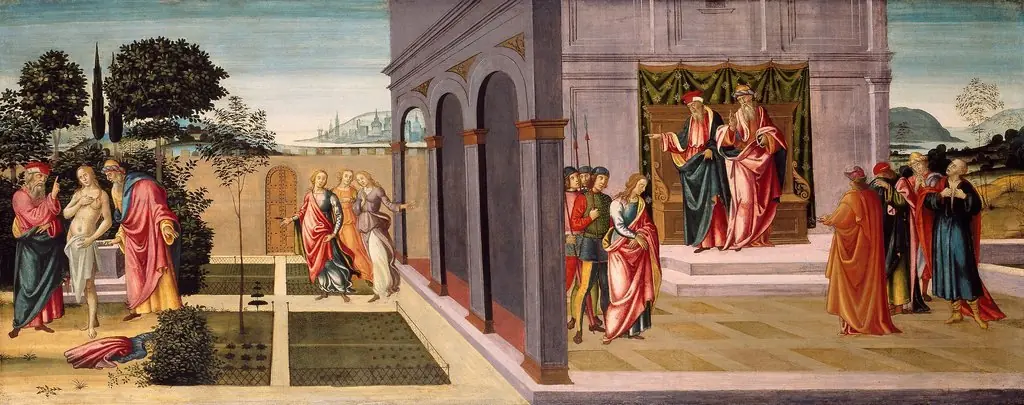 Susanna and the Elders in the Garden, and the Trial of Susanna before the Elders
 Susanna and the Elders in the Garden, and the Trial of Susanna before the Elders
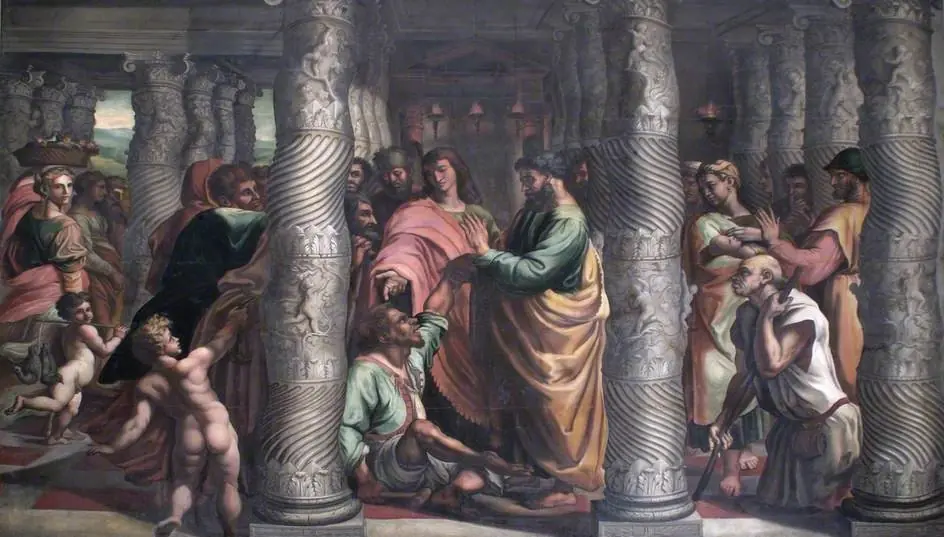 Sts Peter and John at the beautiful Gate
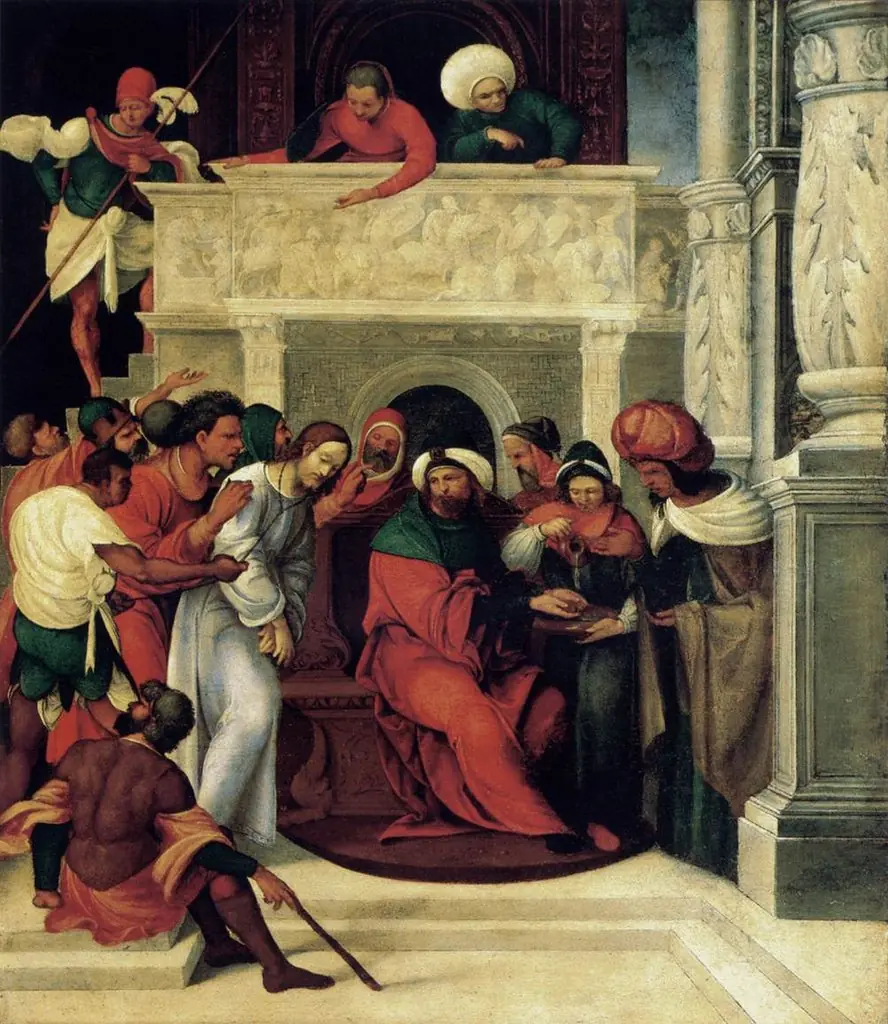 Christ before Pilate
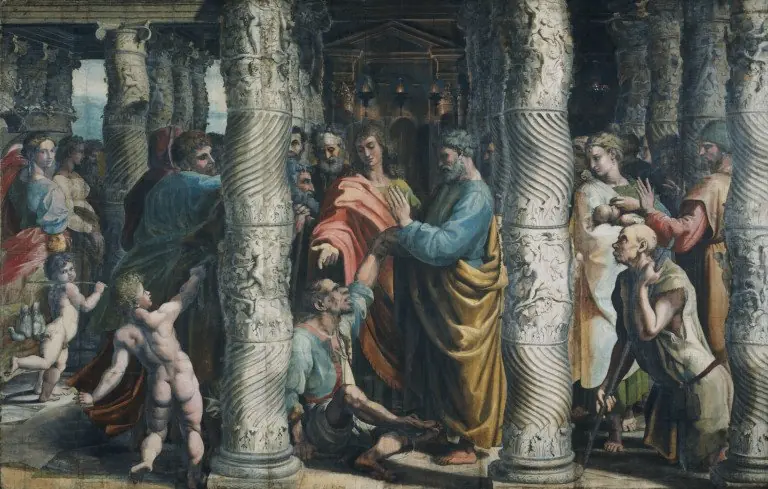 The Healing of the Lame Man
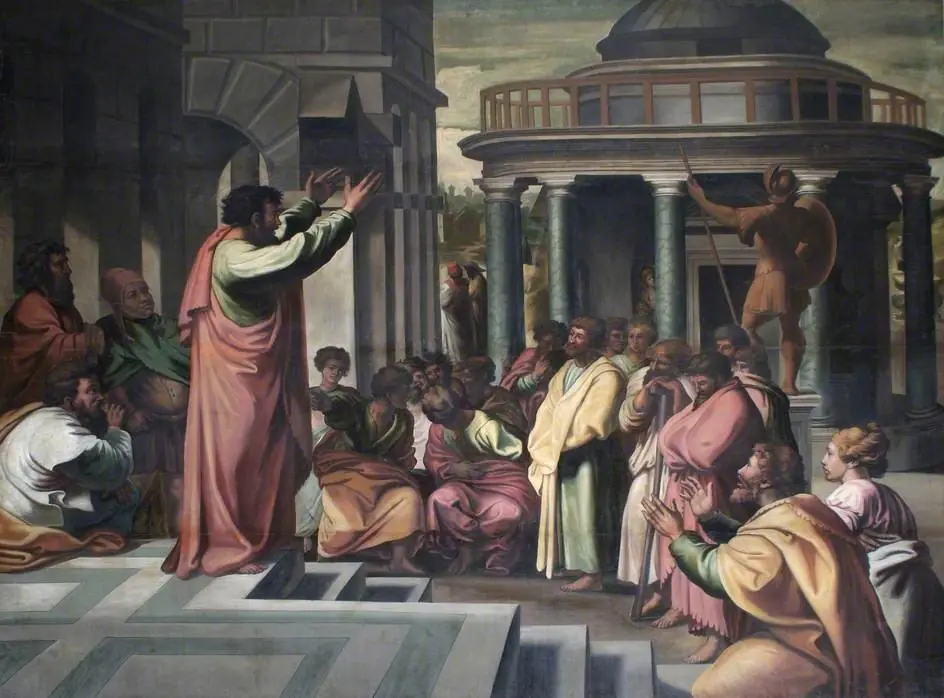 St Paul preaching at Athens
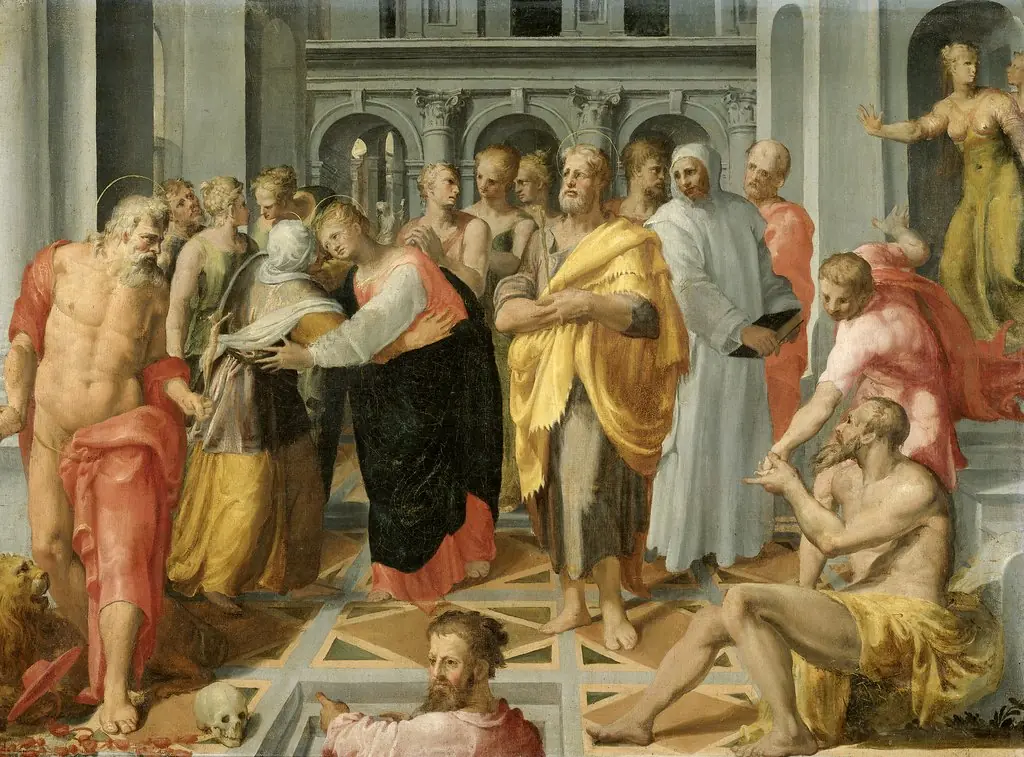 Visitation (Meeting of Mary and Elizabeth in the Presence of Saints Joseph and Jerome)
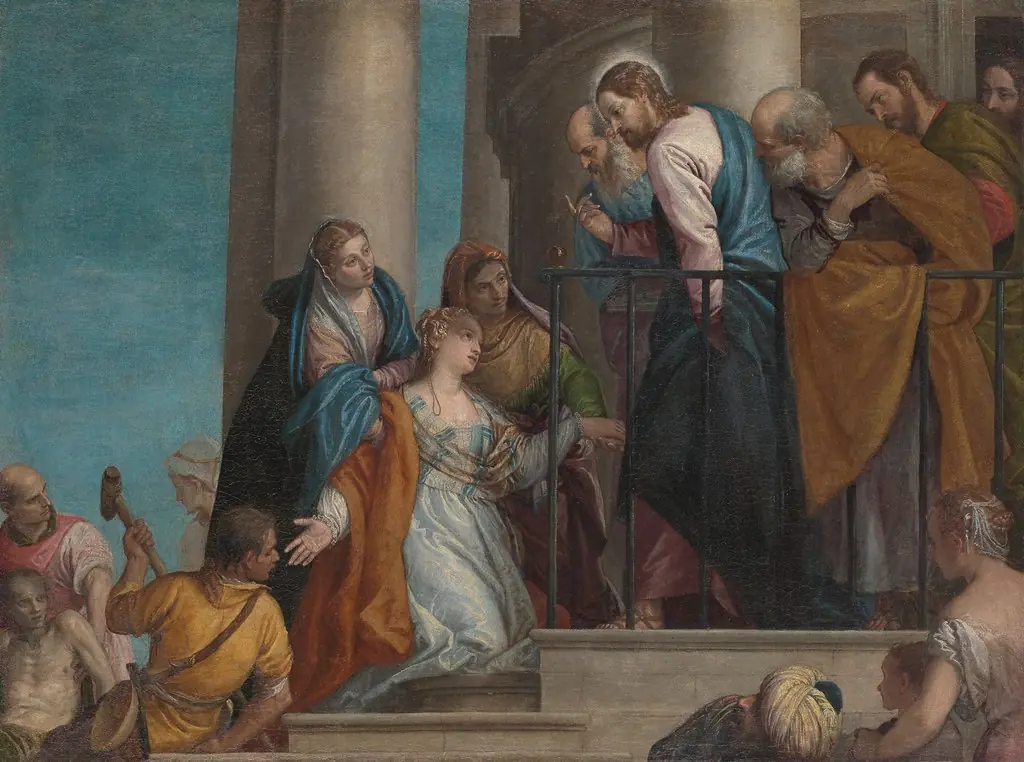 Raising the Young Man of Nain