Artwork
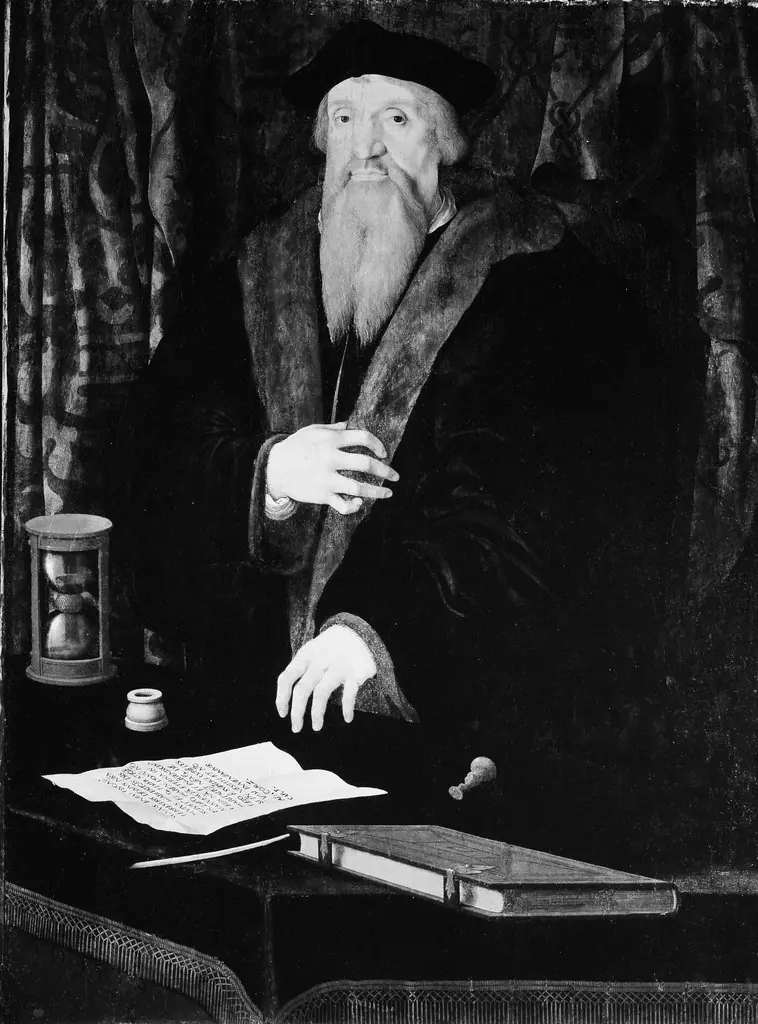
Portrait of a Man
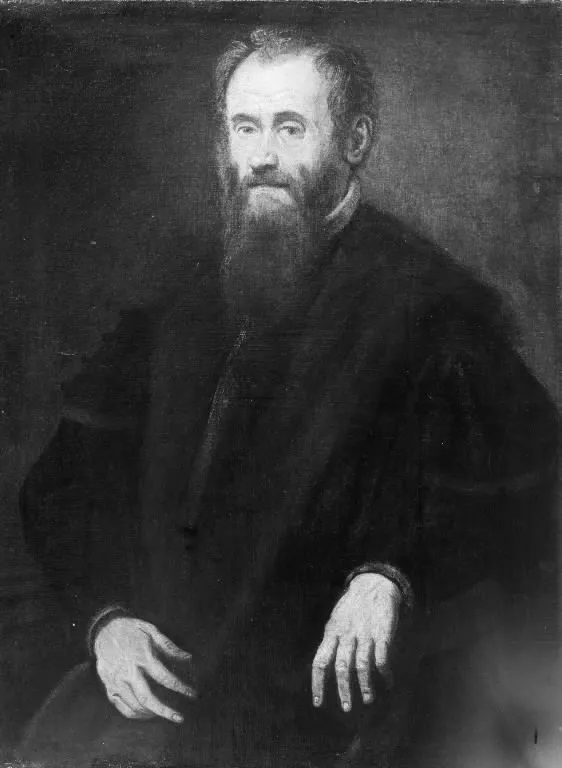
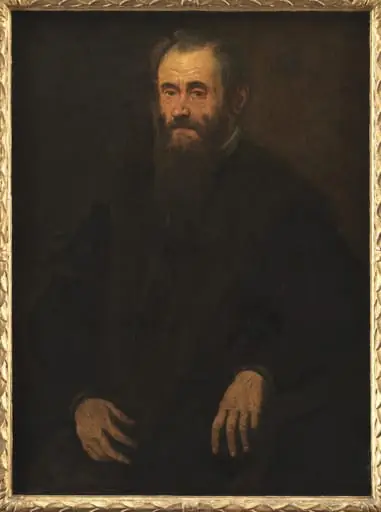
Portrait of a Man is an oil painting by the Mannerist artist Jacopo Tintoretto. It dates from 1563 and is held in the collection of the Statens Museum for Kunst.
About this work
Subject & Meaning
The canvas, executed in oil paint, isolates the male sitter as the sole figure of interest, consistent with Tintoretto's portrait practice of the period.
The painting depicts a man, as indicated by its title and the documented main subject. Painted by Jacopo Tintoretto in 1563, the work belongs to the portrait genre, framing its subject as the central focus of representation. The canvas, executed in oil paint, isolates the male sitter as the sole figure of interest, consistent with Tintoretto's portrait practice of the period.
The work is held by the Statens Museum for Kunst in Denmark, where the sitter is preserved as the principal subject of the composition. Beyond the identification of the figure as a man, the available sources do not specify the individual's identity, social role, profession, or any symbolic attributes such as costume details, emblems, or objects that might clarify his status or the portrait's intended meaning.
Technique & Style
The work is an oil painting on canvas, created in 1563 by Jacopo Tintoretto. Executed in the Venetian school's characteristic loose brushwork and dramatic chiaroscuro, the portrait depicts a man with a dark garment, rendered with fluid modeling and a restrained palette that emphasizes facial expression and psychological presence. The surface shows typical craquelure from age, but the paint layer remains largely intact without significant flaking or loss.
History & Provenance
The work titled Portrait of a Man was painted by Jacopo Tintoretto in 1563. It is an oil on canvas portrait depicting a man. The painting entered the collection of the Statens Museum for Kunst, where it remains on view.
Portrait of a Man is an oil on canvas portrait painted by Jacopo Tintoretto in 1563. It is part of the collection of the Statens Museum for Kunst, where it is catalogued under the accession number for the work’s inclusion in the museum’s holdings. The painting has been displayed in exhibitions at the Statens Museum for Kunst, including a showcase of Tintoretto’s portraits.
Context
The Portrait of a Man painted by Jacopo Tintoretto in 1563 exemplifies his mature portraiture, blending Venetian colorism with dynamic brushwork characteristic of late Renaissance art. Scholarship emphasizes its significance within Tintoretto's oeuvre as a study of psychological depth and aristocratic representation, situating it amid the bustling workshop environment of Venice where he produced numerous commissions for elite patrons. The work's placement in the Statens Museum for Kunst collection underscores its recognized cultural value, though critical reception has largely focused on its technical mastery rather than iconographic novelty, reflecting broader scholarly trends that prioritize formal analysis over interpretive narratives.
Overview
Created in 1563, this oil on canvas portrait is attributed to Jacopo Robusti, known as Tintoretto, a prominent figure of the Italian Mannerist phase of the Renaissance. The work presents a solitary male sitter, rendered with the dramatic lighting and compositional focus typical of the period, and is presently part of the collection at the Statens Museum for Kunst.
Artist & collection
Artist
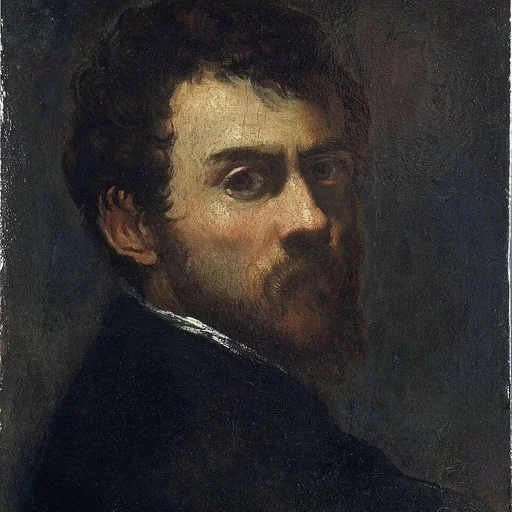
Jacopo Robusti (late September or early October 1518 – 31 May 1594), best known as Tintoretto ( TIN-tə-RET-oh; Italian:; Venetian: ), was an Italian Renaissance painter of the Venetian school.


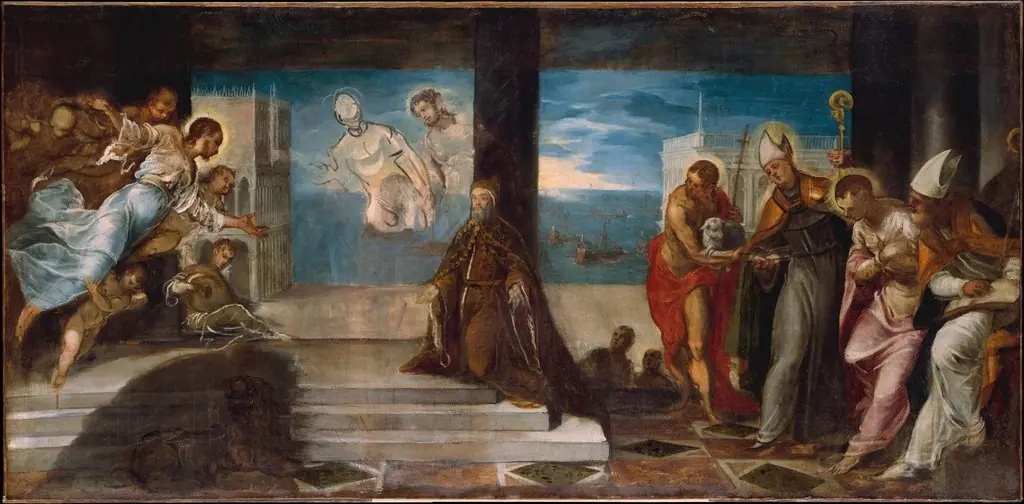
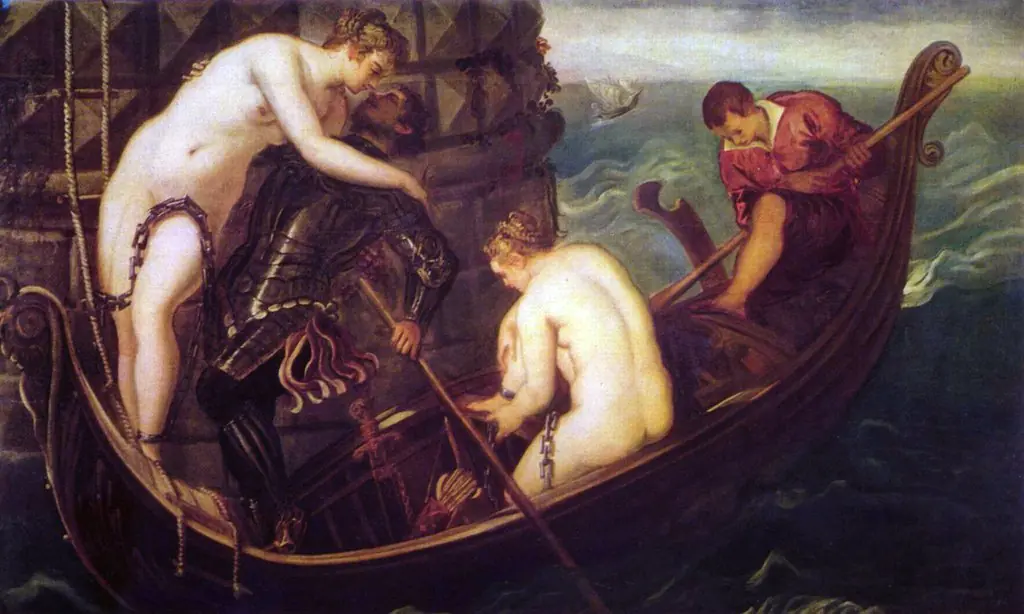
- Portrait of a Man
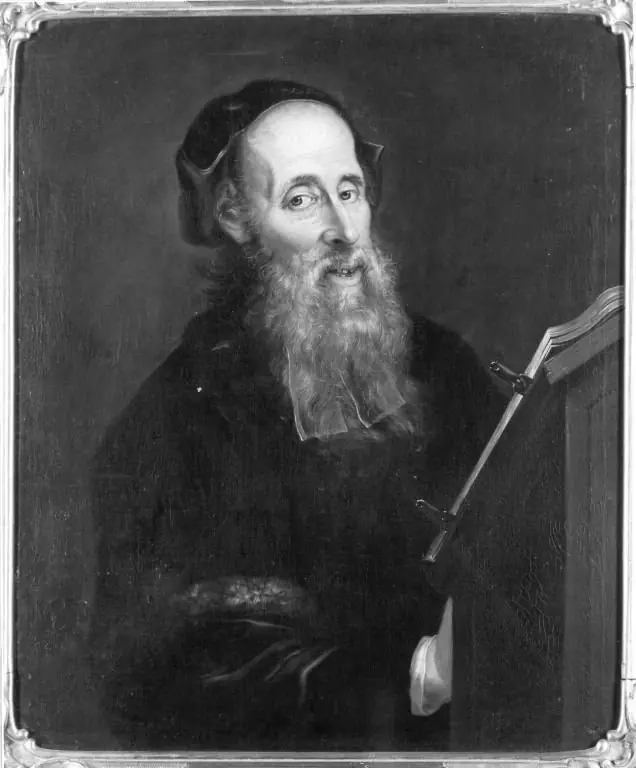 Ein Heiliger
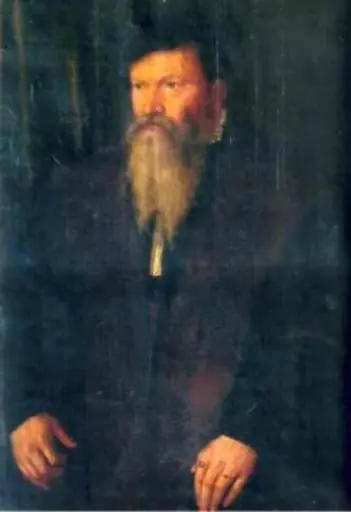 Portret de bărbat cu barbă
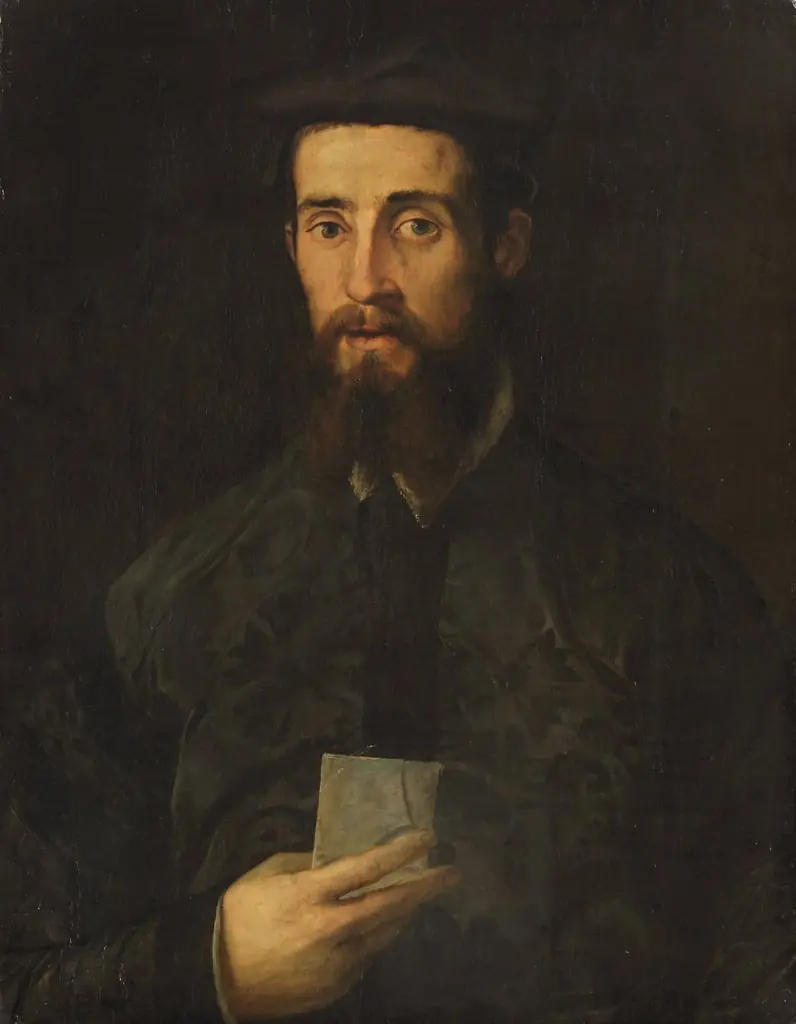 Giovanni della Casa (1503-1556)
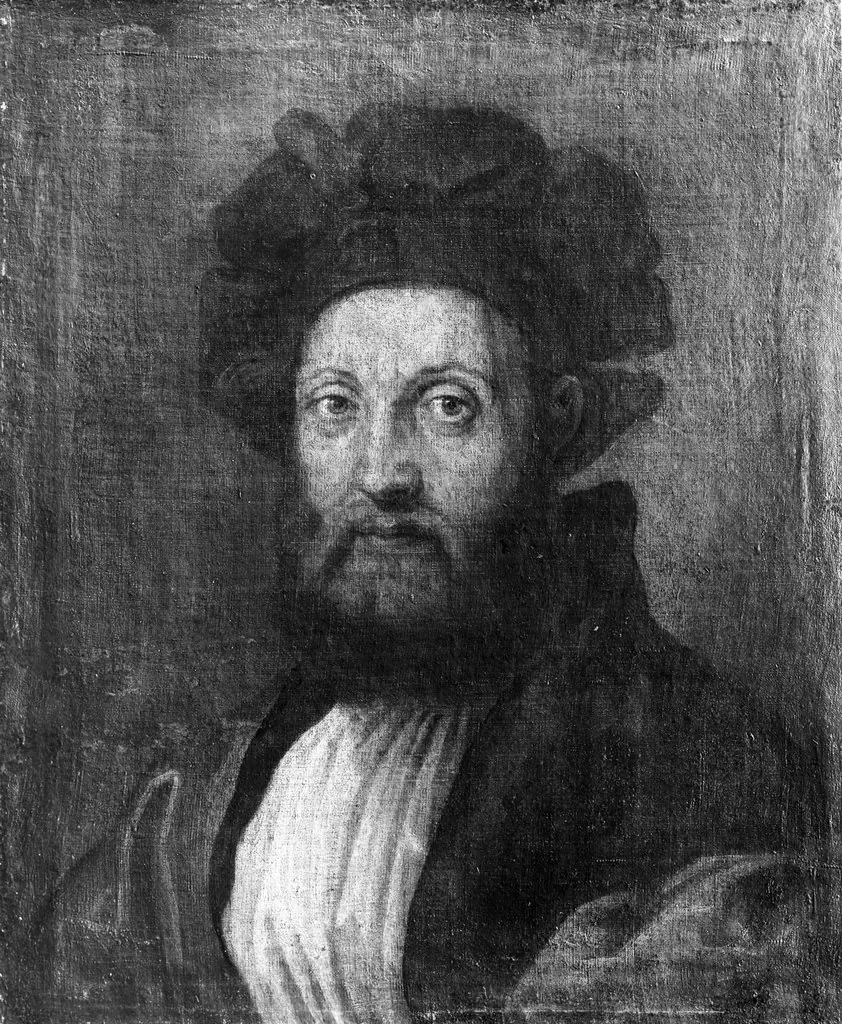 Portrait of Count Baldassare Castiglione
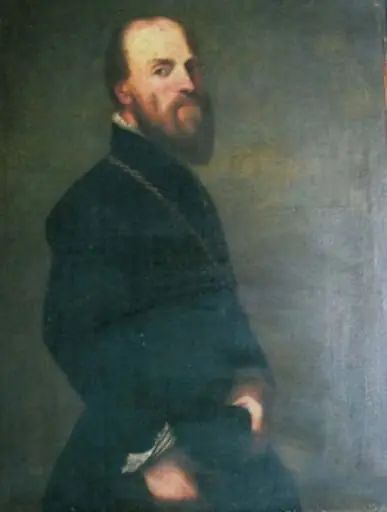 Portret de bărbat cu barbă
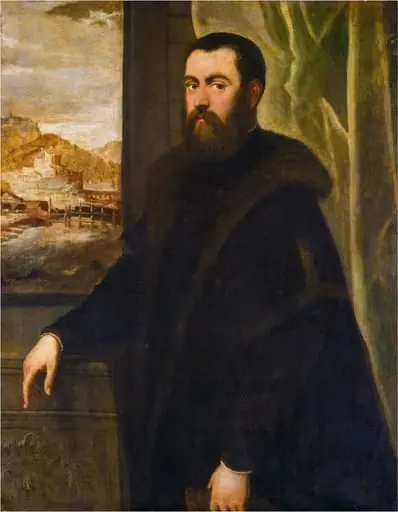 Portrait of a Man with a Landscape View
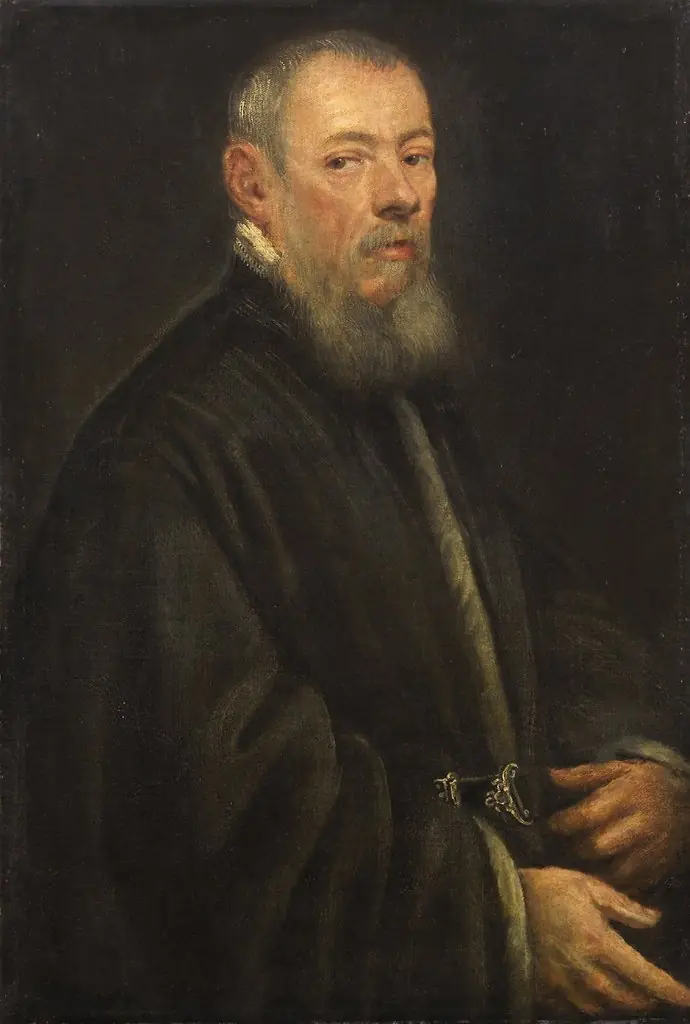 Portrait of a man with a gray beard
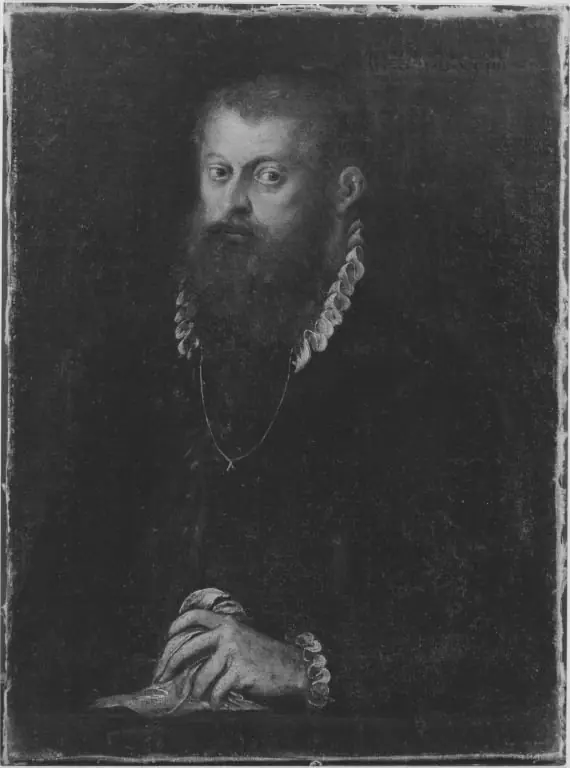 Bildnis eines unbekannten Mannes
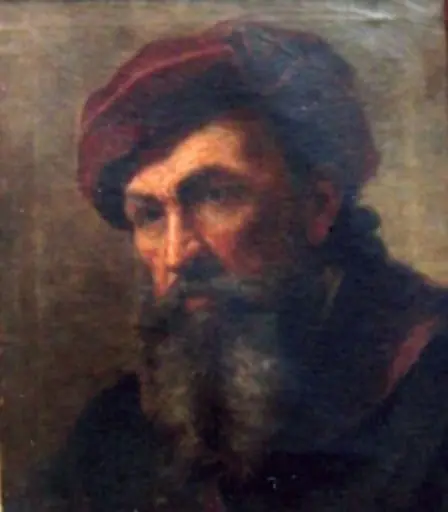 Cap de bărbat
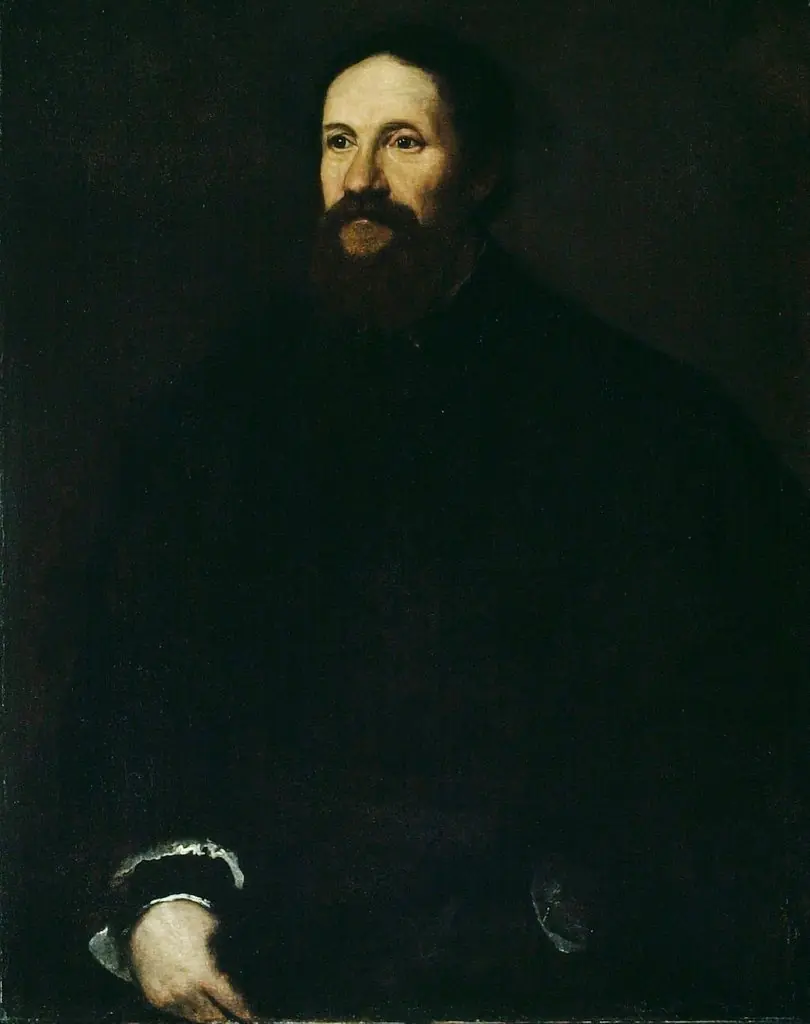 Portrait of a Gentleman
 Portrait of a Man, Possibly Jean de Langeac (died 1541), Bishop of Limoges