Artwork
Portrait of a Man, Possibly Jean de Langeac (died 1541), Bishop of Limoges
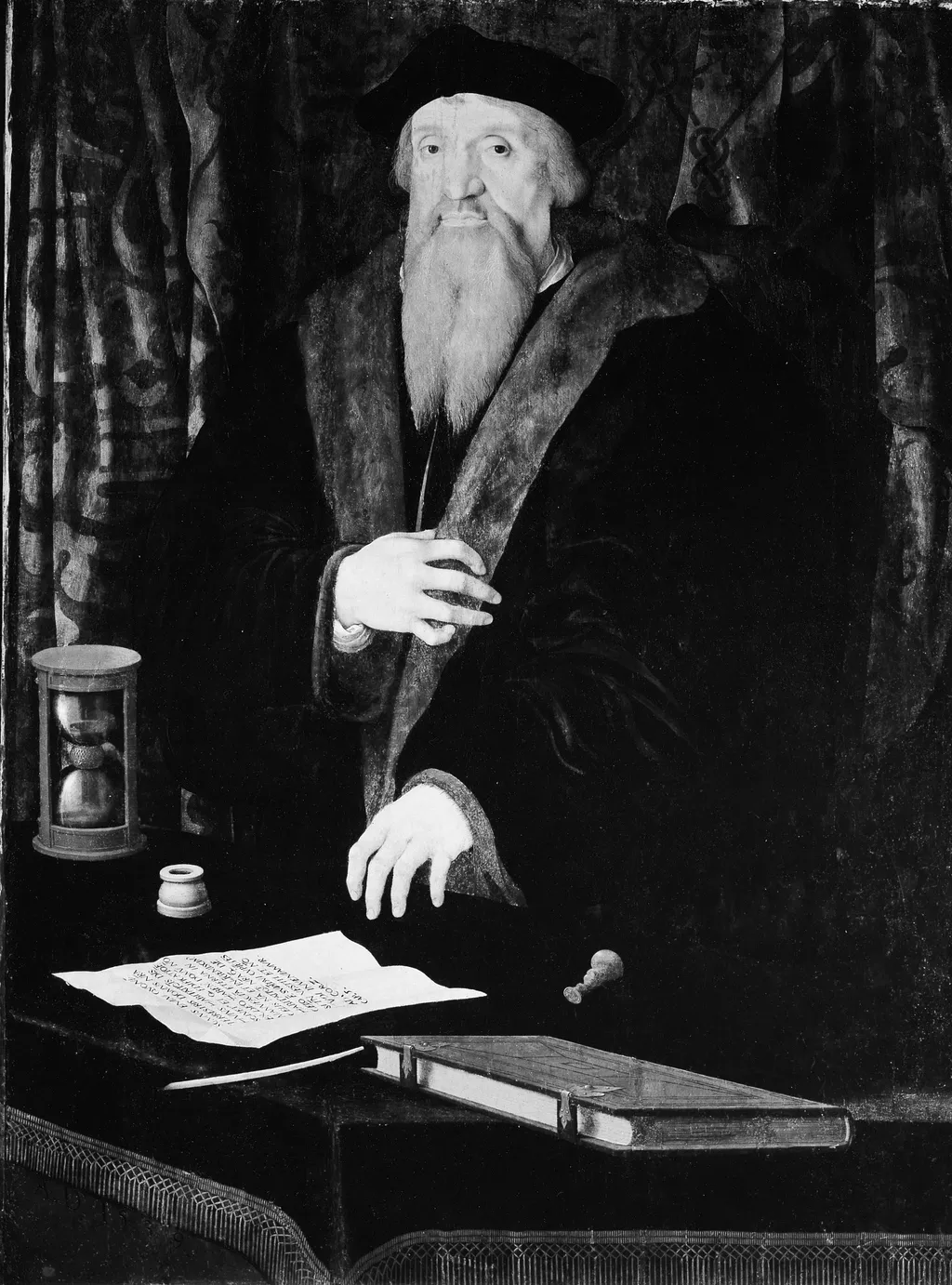
Portrait of a Man, Possibly Jean de Langeac (died 1541), Bishop of Limoges is an oil painting. It dates from 1539 and is held in the collection of the Metropolitan Museum of Art.
About this work
Technique & Style
As a genre painting, it adheres to the conventions of portraiture through its detailed rendering of the sitter and associated attributes.
Created in 1539 by an anonymous Netherlandish artist, this portrait is executed in oil paint on a wooden panel support. The work measures 120 cm in height and 87.6 cm in width. Stylistically, the composition focuses on a male figure characterized by facial hair, specifically a beard.
The subject is depicted alongside symbolic objects, including an hourglass and a book, which are integrated into the formal arrangement. As a genre painting, it adheres to the conventions of portraiture through its detailed rendering of the sitter and associated attributes.
History & Provenance
Portrait of a Man, Possibly Jean de Langeac (died 1541), Bishop of Limoges is an oil painting on panel dated to 1539. It measures 120 × 87.6 cm and is housed in the Metropolitan Museum of Art in New York. The attribution to an anonymous Netherlandish painter is based on stylistic analysis, and the sitter is tentatively identified as Jean de Langeac, a bishop who died in 1541, though no documentary record of the commission survives.
The composition depicts a bearded man holding an hourglass and a book. No accession number or exhibition history appears in the available documentation.
Overview
This oil painting, titled "Portrait of a Man, Possibly Jean de Langeac (died 1541), Bishop of Limoges," presents a solemn depiction of an elderly gentleman. The subject, rendered with a long white beard and dark attire, is seated with one hand resting gently on a table. The composition emphasizes his presence through a focused, direct portrayal, characteristic of portraiture from the period.
Subject & Meaning
The sitter, identified speculatively as Jean de Langeac, Bishop of Limoges, is surrounded by objects that hint at his intellectual and temporal concerns. A book, a piece of paper, and an inkwell on the table suggest his scholarly or administrative roles. The small hourglass positioned nearby serves as a traditional memento mori, subtly reminding the viewer of the passage of time and the transient nature of life.
Artist & collection

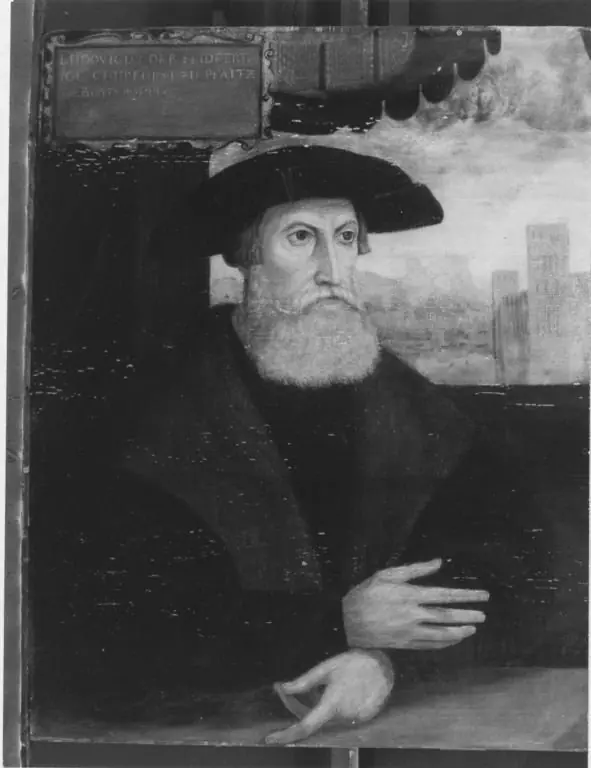
- Portrait of Elector Ludwig V von der Pfalz, the Peacefull
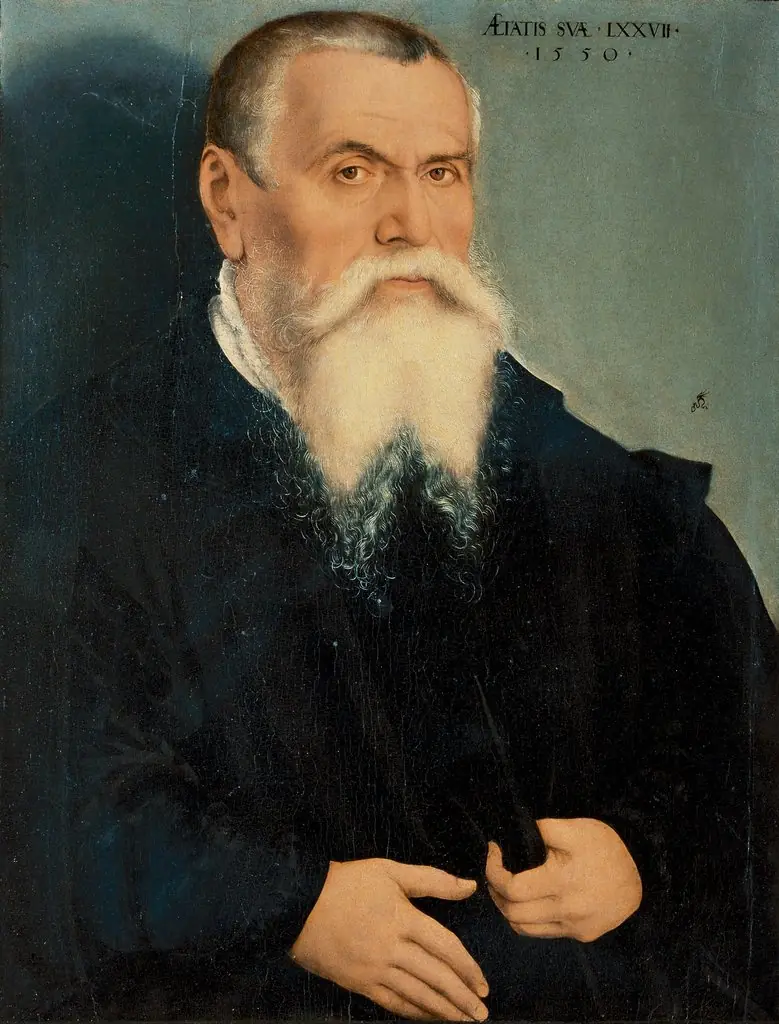 Portrait of Lucas Cranach the Elder
 Portret de bărbat cu barbă
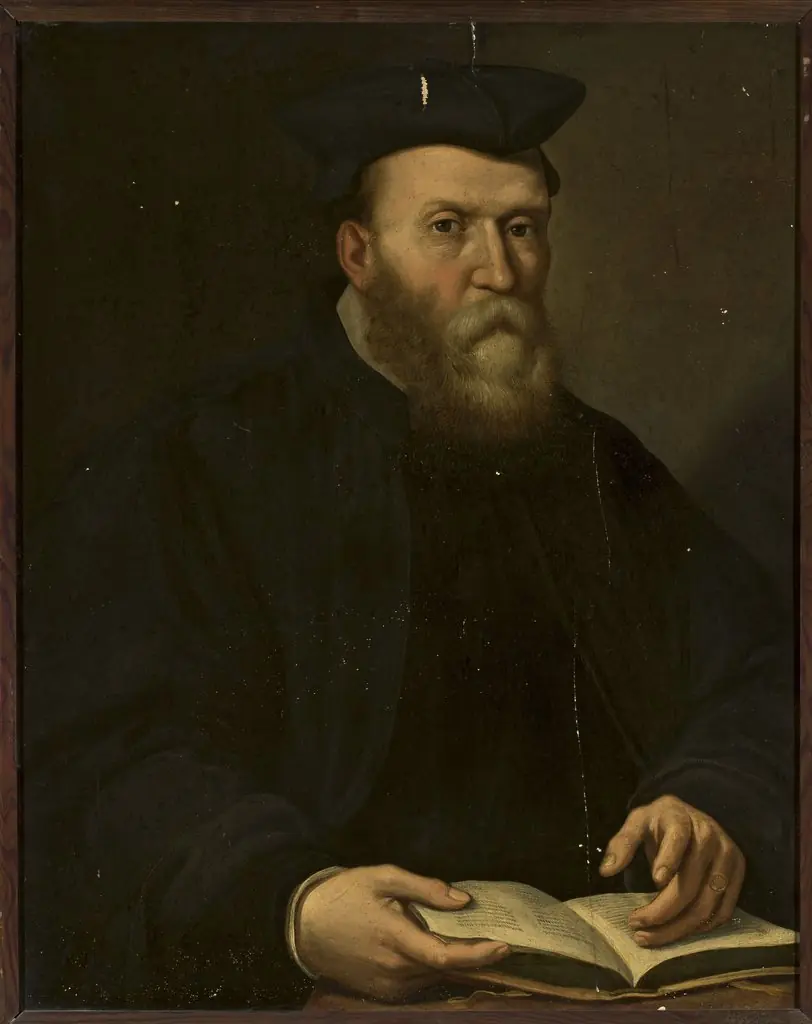 Portrait of a clergyman
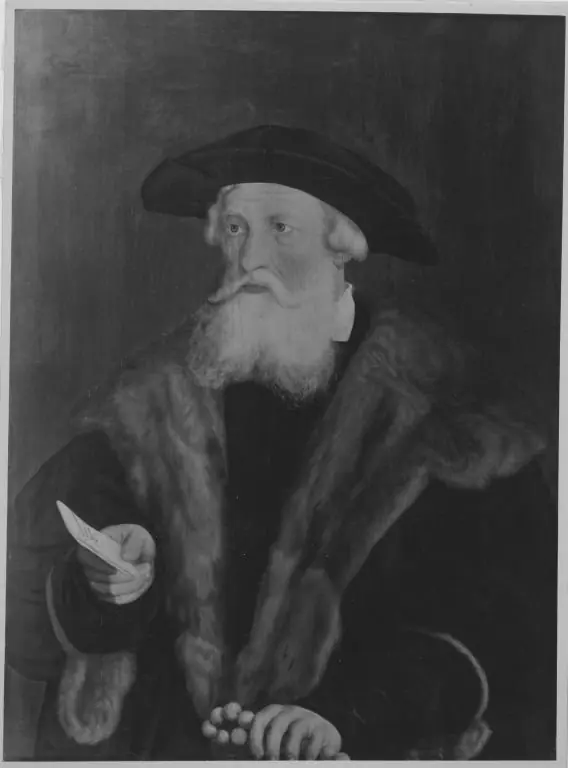 Kurfürst Ludwig V. der Friedfertige, Pfalzgraf bei Rhein
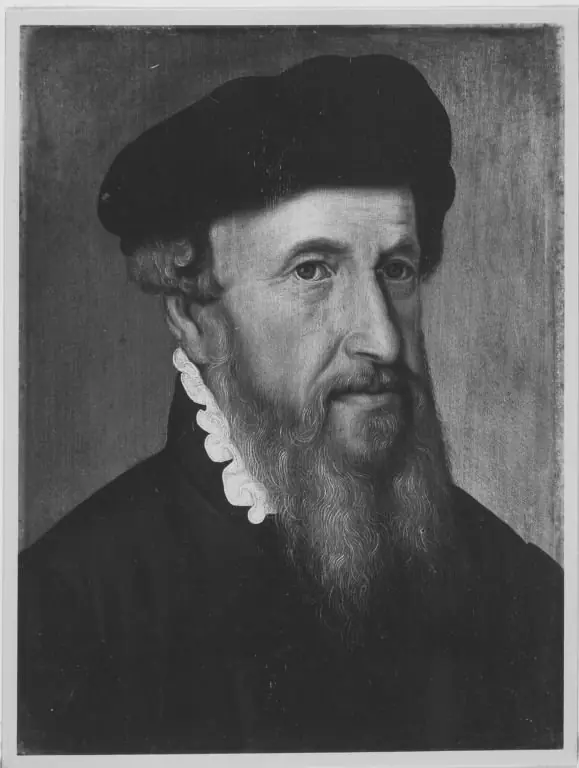 Self portrait
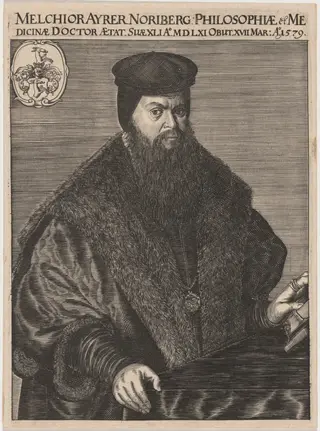 Melchior Ayrer, Philosopher and Doctor
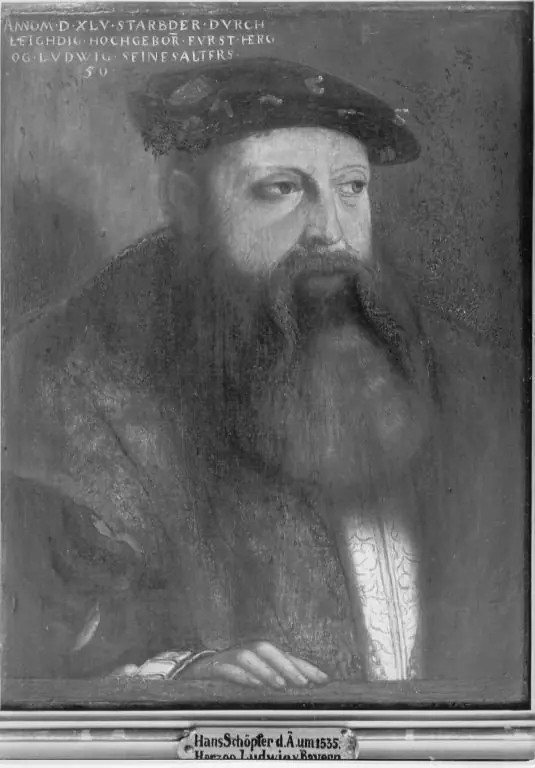 Herzog Ludwig X. von Bayern
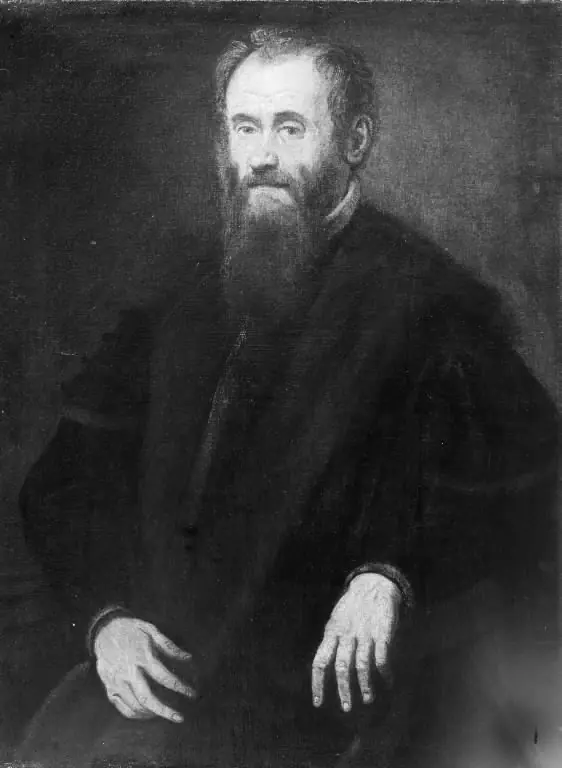 Portrait of a Man
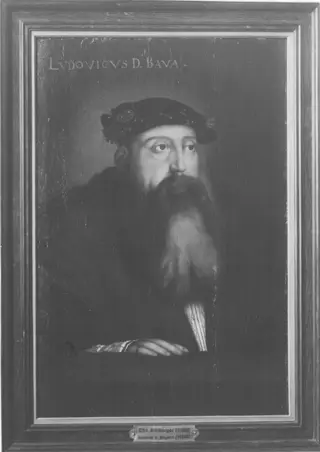 Portrait of Duke Ludwig X von Landshut (1495-1545)
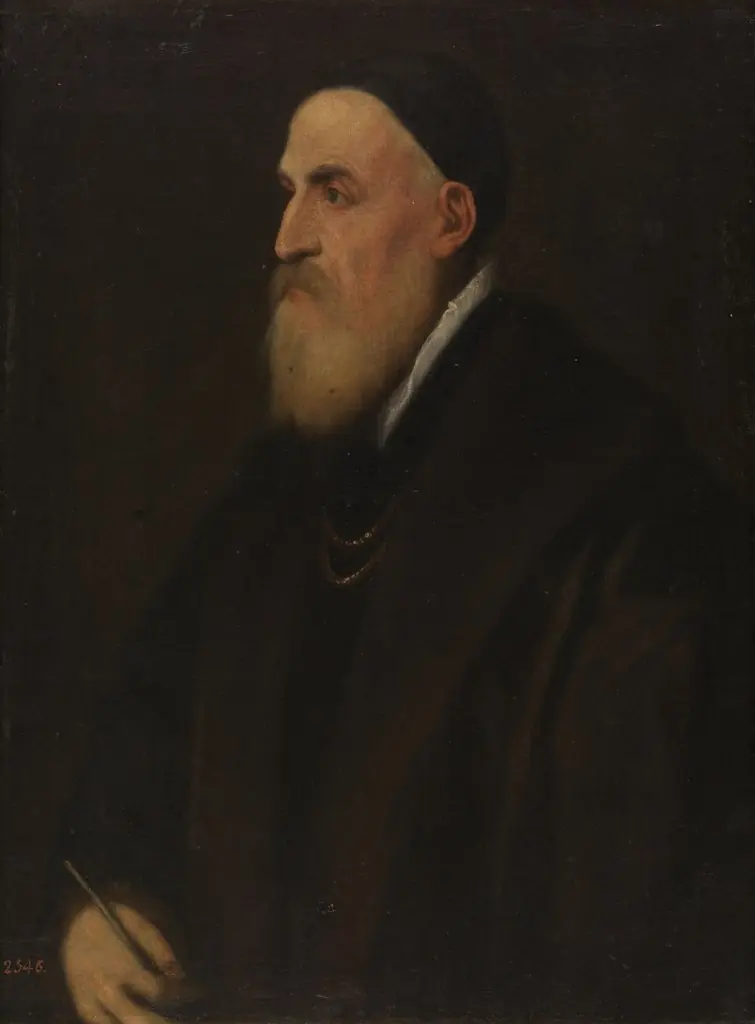 Self-portrait of Titian
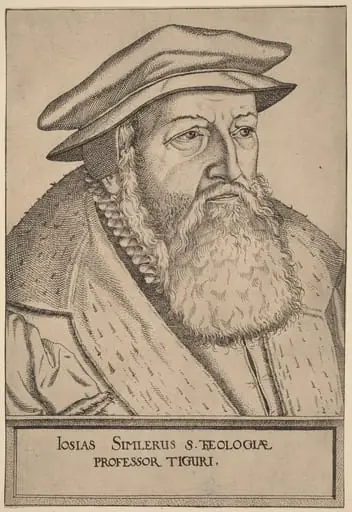 Josias Simler