Artwork
Nocturne
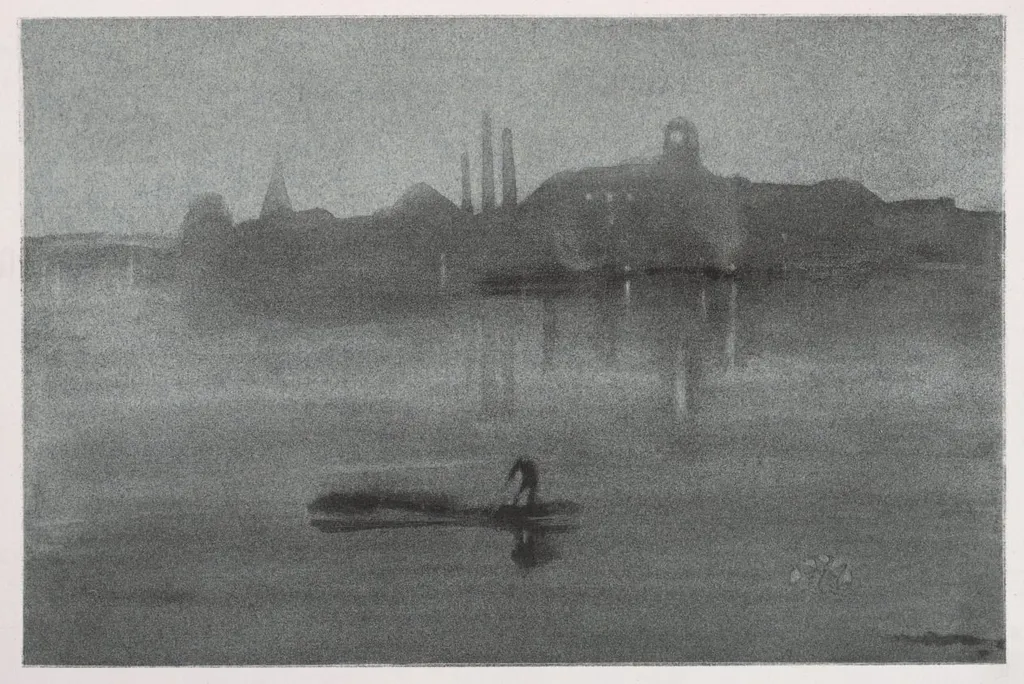
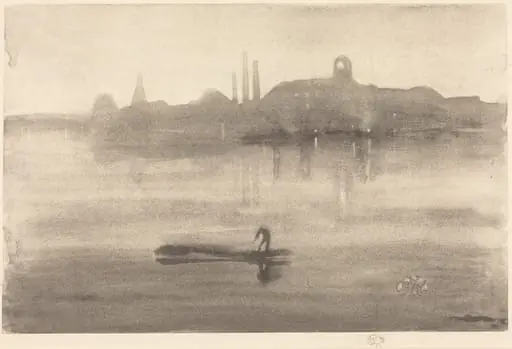
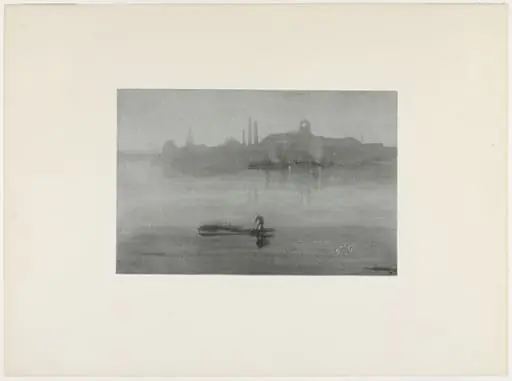
Nocturne is a print by the Impressionist artist James McNeill Whistler. It dates from 1878 and is held in the collection of the Cleveland Museum of Art.
- Accession no.
- 1941.89
- Credit line
- Bequest of Charles T. Brooks
About this work
Overview
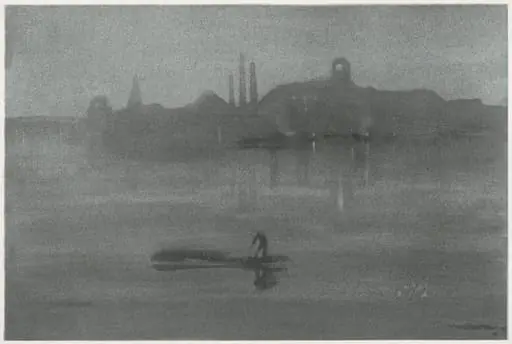
Nocturne is a print by Whistler, exemplifying his innovative approach to art. The work depicts a nighttime scene with a dark riverbank and smoky sky.
Subject & Meaning
The print shows a nocturnal landscape with faint lights reflected in the water. Whistler's use of a nighttime setting emphasizes mood over representation, inviting the viewer to experience the scene emotionally.
Technique & Style
Whistler's Nocturne showcases his mastery of capturing subtle light effects. The artist's use of chiaroscuro creates a sense of depth and atmosphere, drawing the viewer's attention to the interplay between light and darkness.
Context
The title Nocturne was suggested by Frederick Leyland, an amateur pianist and Whistler's patron. Leyland's fondness for Chopin's nocturnes likely influenced Whistler's choice, reflecting a shared appreciation for the evocative qualities of both music and art.
Artist & collection
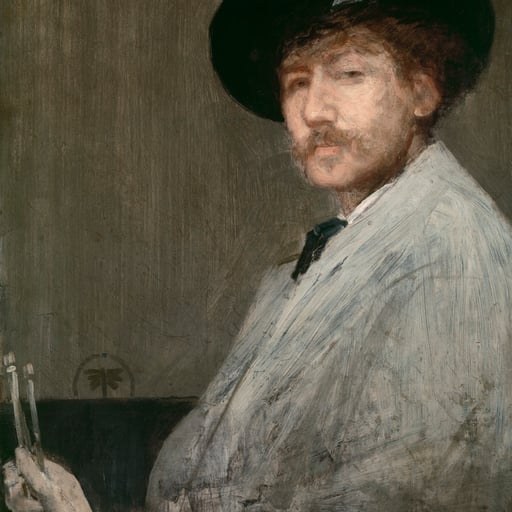
Artist
James Abbott McNeill Whistler (; July 10, 1834 – July 17, 1903) was an American painter in oils and watercolor, and printmaker, active during the American Gilded Age and based primarily in the United Kingdom.

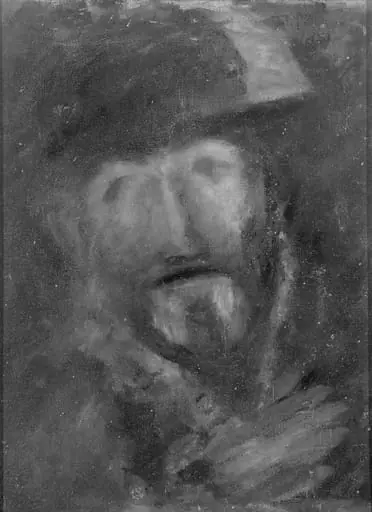
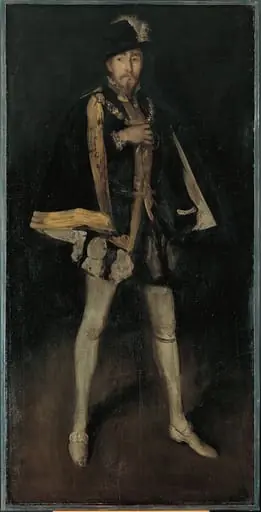 Arrangement in Black, No. 3: Sir Henry Irving as Philip II of Spain
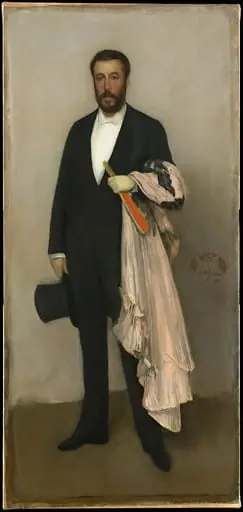 Arrangement in Flesh Colour and Black: Portrait of Theodore Duret
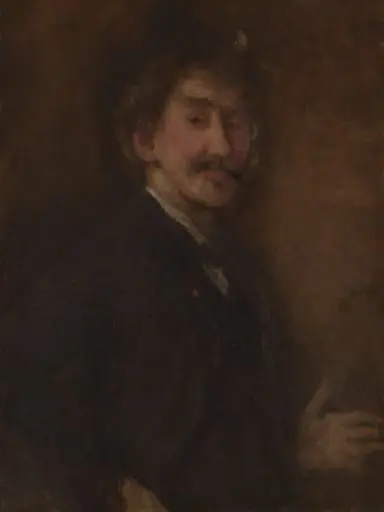 Gold and Brown: Self-Portrait
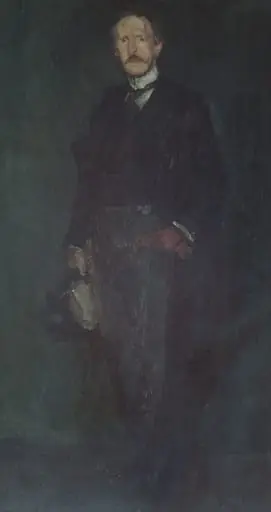 Edward Guthrie Kennedy
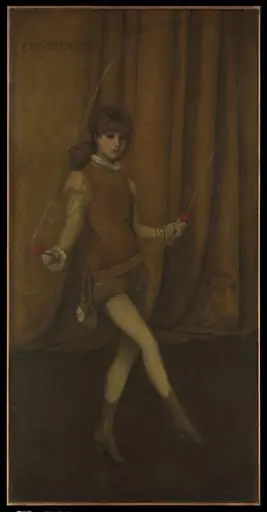 Harmony in Yellow and Gold: The Gold Girl—Connie Gilchrist
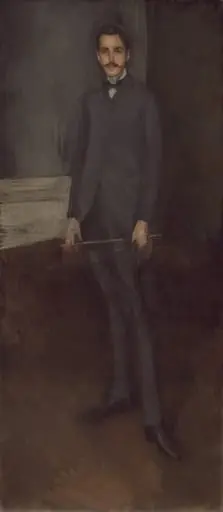 George W. Vanderbilt
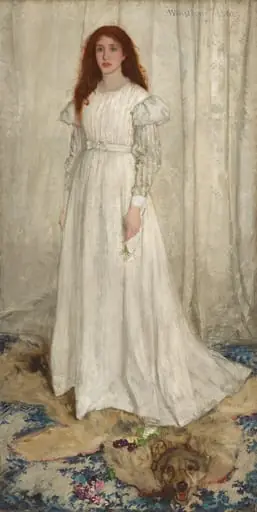 Symphony in White, No. 1: The White Girl
 Henry Irving as Philip II of Spain