Artwork
The Widower
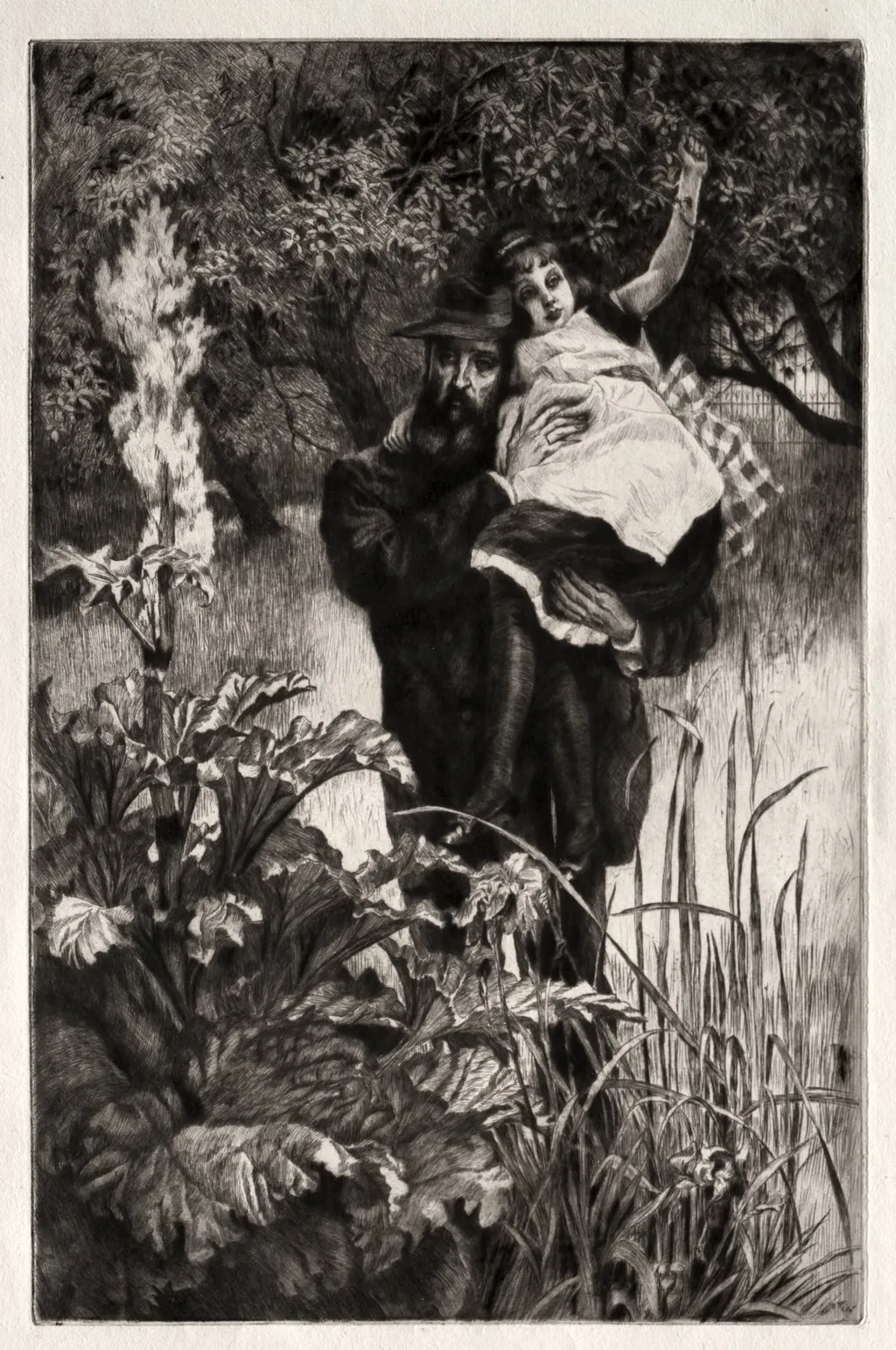
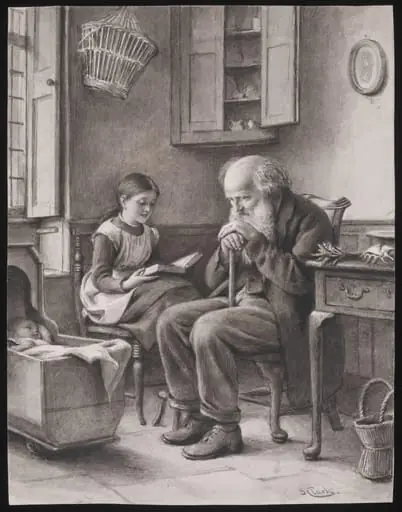
The Widower is a print by the Impressionist artist James Tissot. It dates from 1877 and is held in the collection of the Cleveland Museum of Art.
- Accession no.
- 1972.261
- Credit line
- Mr. and Mrs. Charles G. Prasse Collection
About this work
Overview
James Tissot created The Widower in 1877 as a painted print, capturing a quiet moment between a grieving man and a young girl.
James Tissot created The Widower in 1877 as a painted print, capturing a quiet moment between a grieving man and a young girl. Though trained in France and active in both painting and illustration, Tissot’s work bridges academic precision with the observational tendencies of modern life. This piece reflects his interest in domestic emotion and social nuance, rendered with careful attention to texture and atmosphere rather than dramatic narrative.
Subject & Meaning
The painting portrays a man in full mourning dress, holding a child in a garden setting. Their silent interaction suggests a bond formed through loss, perhaps father and daughter, or guardian and ward. The child’s upward gaze and the man’s downcast expression convey unspoken grief and tenderness.
No overt symbols of death appear; meaning emerges through posture, clothing, and the stillness of the environment, inviting contemplation rather than explanation.
Technique & Style
Tissot employs a refined realism with subtle chiaroscuro to model form and depth, emphasizing the figures against the softly blurred foliage. His brushwork captures the weight of woolen mourning garments and the delicate fabric of the girl’s dress with precision. The garden’s tall grasses and dappled light suggest an impressionistic influence, yet the composition remains tightly controlled, reflecting his academic training and commitment to narrative clarity.
History & Provenance
Created during Tissot’s period of success in London, The Widower entered the Cleveland Museum of Art’s collection in the 20th century. While its early ownership is not fully documented, its inclusion in major institutional holdings reflects its recognition as a representative example of late 19th-century genre painting. The work has remained relatively undisturbed in public view, preserving its original condition and intent.
Context
In the 1870s, European art increasingly turned to intimate, everyday scenes as alternatives to historical or mythological subjects. Tissot, living amid London’s upper-middle-class society, observed its rituals of grief and domestic life with detached empathy. The Widower aligns with this shift, portraying private sorrow without melodrama, mirroring contemporary literary realism and the growing interest in psychological depth within visual art.
Legacy
Though less celebrated than his society portraits, The Widower endures as a quiet testament to Tissot’s ability to convey emotional nuance through detail and composition. It exemplifies his unique synthesis of French academic discipline and British genre sensibility. The work continues to be studied for its understated portrayal of mourning and intergenerational connection in Victorian-era visual culture.
Own this work as a print
Artist & collection
Artist
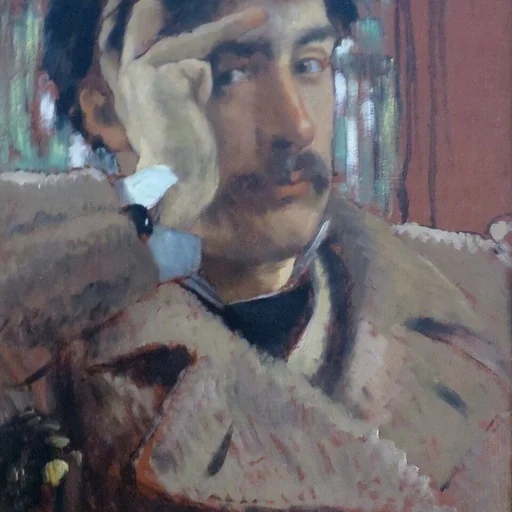
Jacques Joseph Tissot (French:; 15 October 1836 – 8 August 1902), better known as James Tissot (UK: TISS-oh, US: tee-SOH), was a French painter, illustrator, and caricaturist.

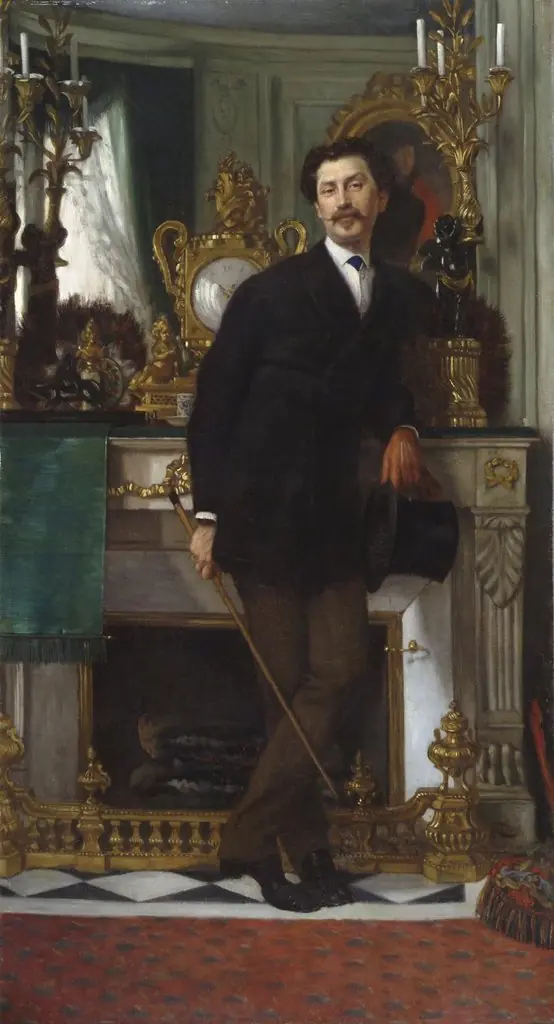
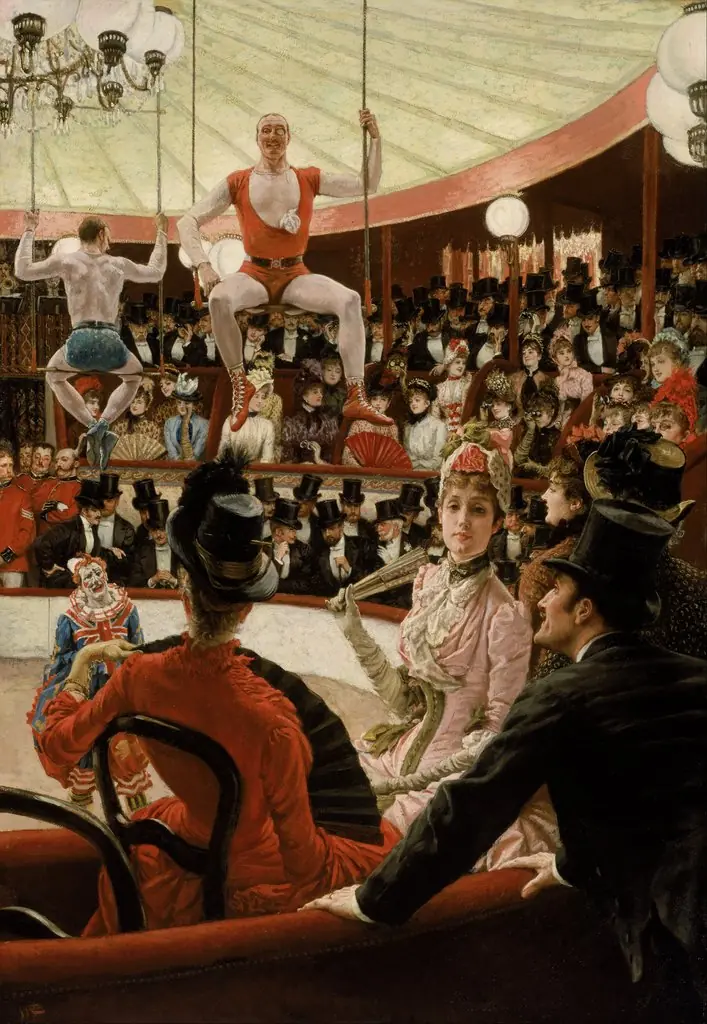
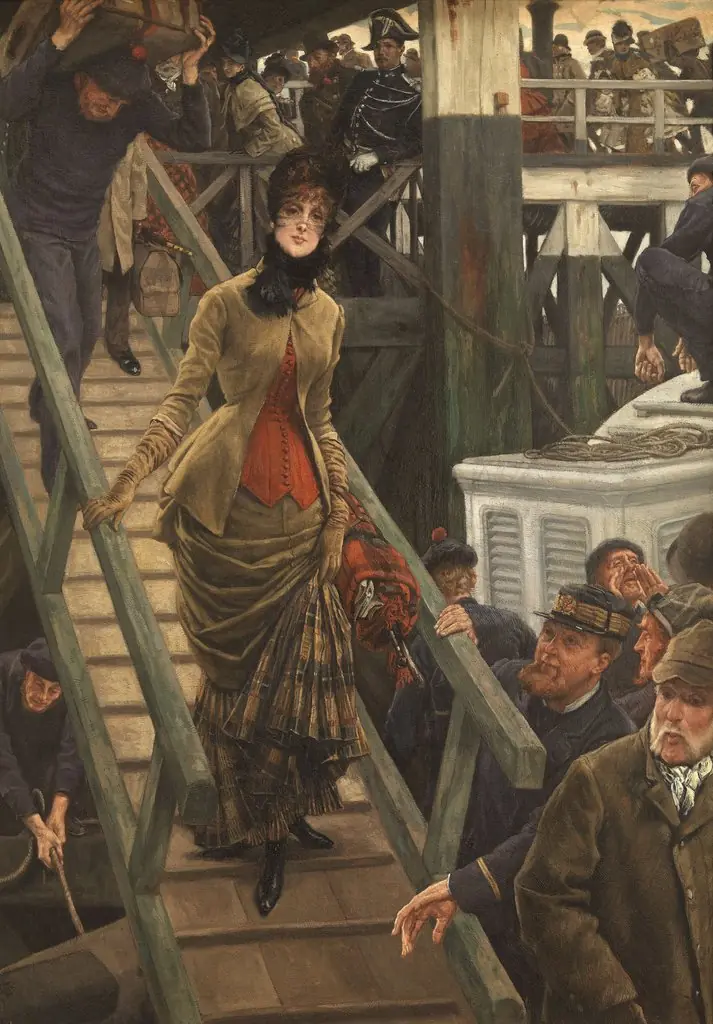
- Stroll of the Convalescent (La promenade du convalescent)
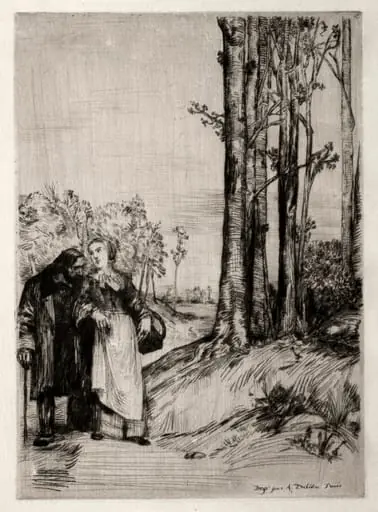 Le Promenade du convalescent
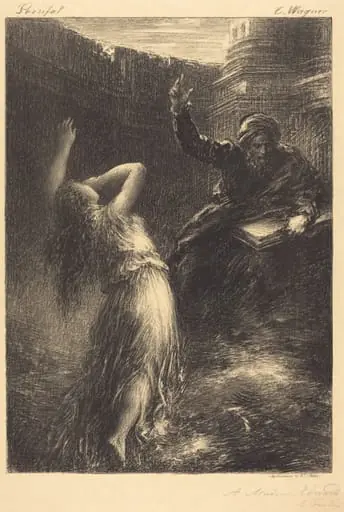 Evocation of Kundry (2nd plate)
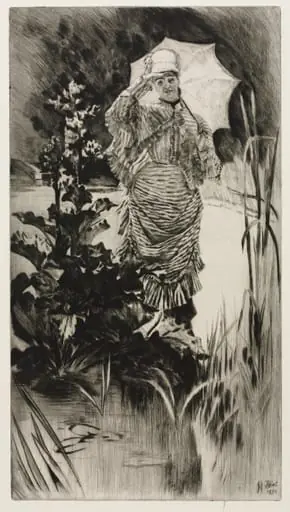 Spring Morning
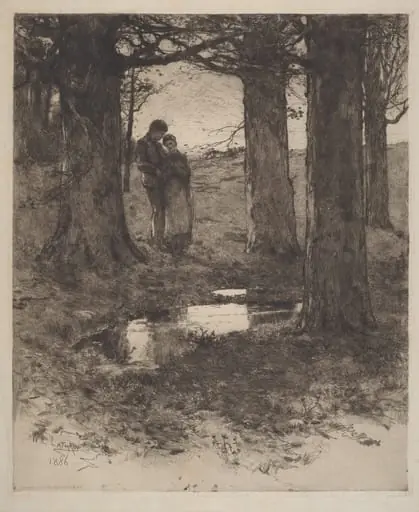 An Evening Walk
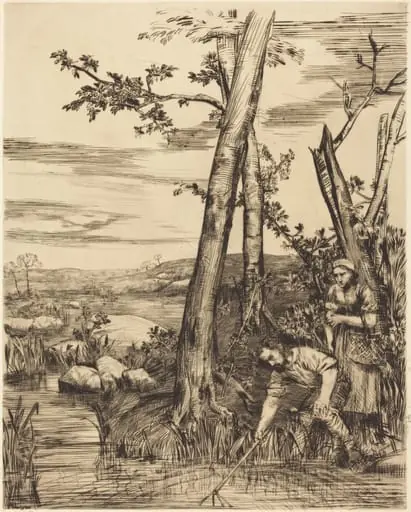 Fishing for Crayfish (Les pecheurs d'ecrevisses)
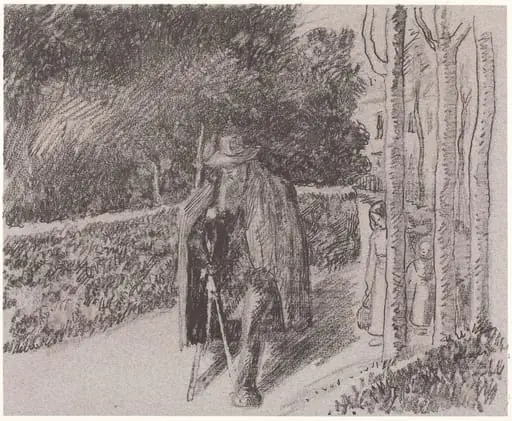 Beggar with a Crutch (Mendiant a la bequille)
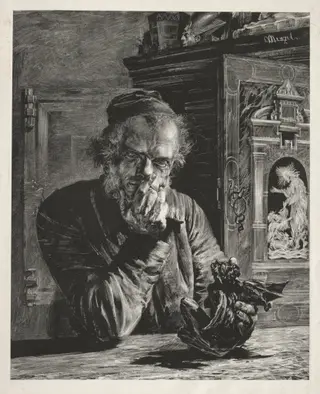 The Antiquary - Self-Portrait
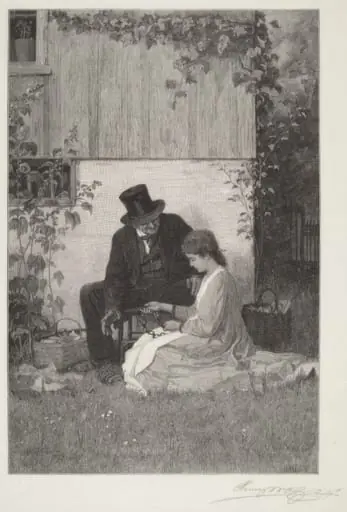 A New England Peddler
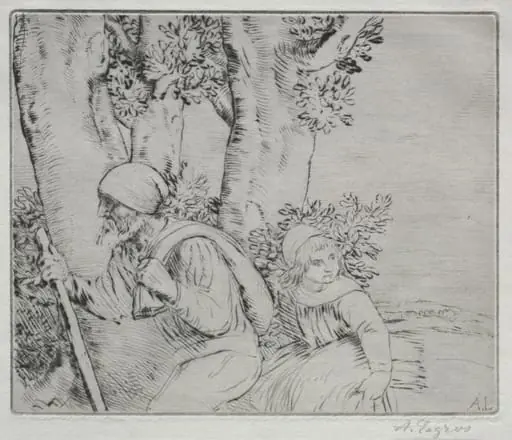 Return from the Field (2nd plate)
 Sketch for oil painting 'The Word of Life'
 Original drawing for an illustration to "Persephone," in "Poems by Jean Ingelow"