Artwork
Landscape
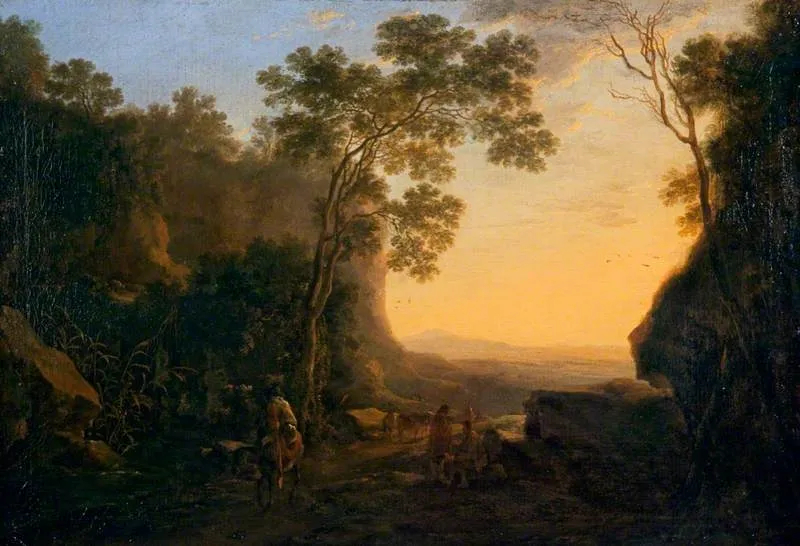
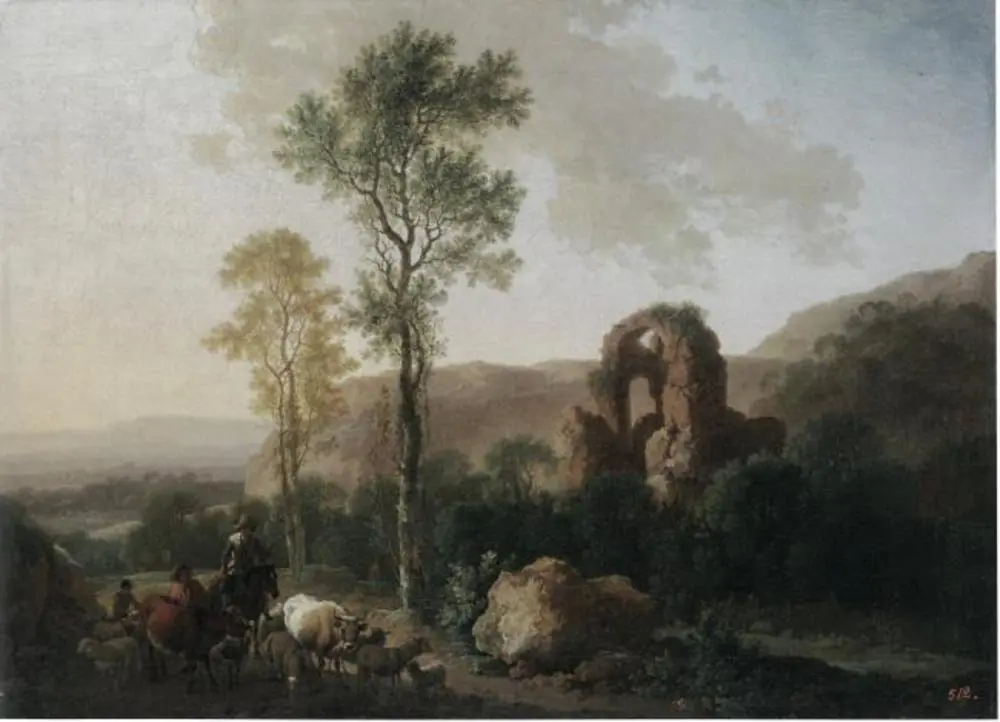
Landscape is an oil painting by the Dutch Golden Age artist Jan Both. It dates from 1640 and is held in the collection of the National Galleries Scotland.
About this work
Technique & Style
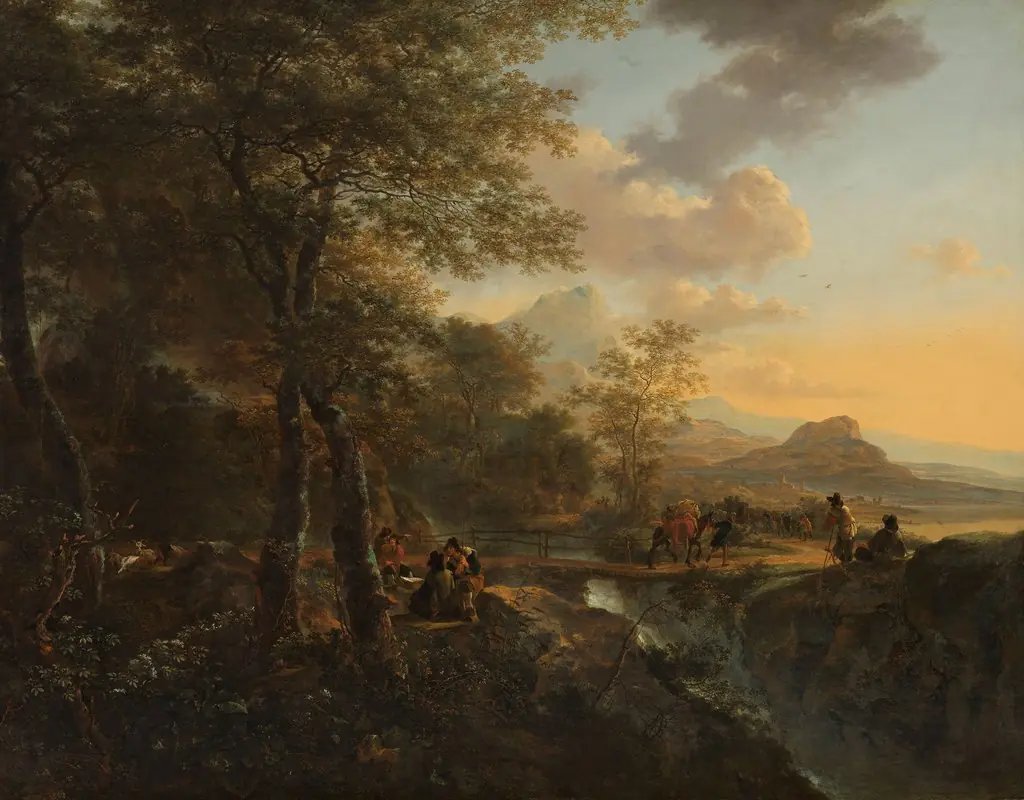
The composition depicts a rugged terrain featuring cliffs and mountains under a sunset sky, populated by a muleteer and other figures.
Executed in oil on canvas, this landscape measures 49.9 by 73.2 cm. The composition depicts a rugged terrain featuring cliffs and mountains under a sunset sky, populated by a muleteer and other figures. Stylistically, the work aligns with the mid-17th century period, with creation estimates ranging specifically from 1638 to 1644, though some records pinpoint the year 1640. The handling of light emphasizes the atmospheric effects of the setting sun against the dramatic topography.
History & Provenance
Jan Both executed the oil painting Landscape on canvas around 1640, though some records estimate the creation period between 1638 and 1644. The work entered the collection of the Royal Institution in 1831 through purchase. In 1859, the painting was transferred from the Royal Institution to the National Galleries Scotland, where it remains housed at the Scottish National Gallery under the accession number NG 13.
The painting is held in the collection of National Galleries Scotland and is on display at the Scottish National Gallery. It carries the accession number NG 13. The work entered the collection after being purchased by the Royal Institution in 1831, followed by a transfer to the gallery in 1859.
Context
Jan Both's 1640 landscape painting, created in oil on canvas, depicts a muleteer against a backdrop of cliffs, mountains, and a setting sun, reflecting the artist's role in introducing Italianate landscape aesthetics to 17th-century Dutch collectors. The work is held in the National Galleries Scotland collection at the Scottish National Gallery and was acquired through purchase by the Royal Institution in 1831, later transferred in 1859. Its dimensions of 49.9 cm in height and 73.2 cm in width establish it as a significant example of early Dutch landscape painting within the broader context of European art history.
Scholarly analysis of the piece emphasizes its contribution to the evolution of landscape as a genre, situating Both's work within the trajectory of Dutch Golden Age innovations that influenced later artists such as Willem van Aelst and the development of 19th-century British landscape painting through artists like Thomas Girtin.
The painting's provenance and acquisition history, documented through the Royal Institution's records, illustrate the movement of continental European artworks into British institutional collections during the early 19th century, highlighting patterns of cultural exchange and collecting practices.
Overview
Landscape, an oil painting by Jan Both (1640), presents a tranquil scene of a muleteer and his mule on a winding path, set against towering cliffs, mountains, and a warm, golden sunset sky.
Subject & Meaning
The central subject is a muleteer accompanied by his mule, navigating a path flanked by cliffs and mountains. The serene atmosphere and setting sun may evoke a sense of daily life's quiet moments amidst nature's grandeur.
Legacy
While specific influence data is not provided, the piece contributes to the broader legacy of Dutch Golden Age landscape painting, exemplifying techniques and themes of the era.
Artist & collection

Artist
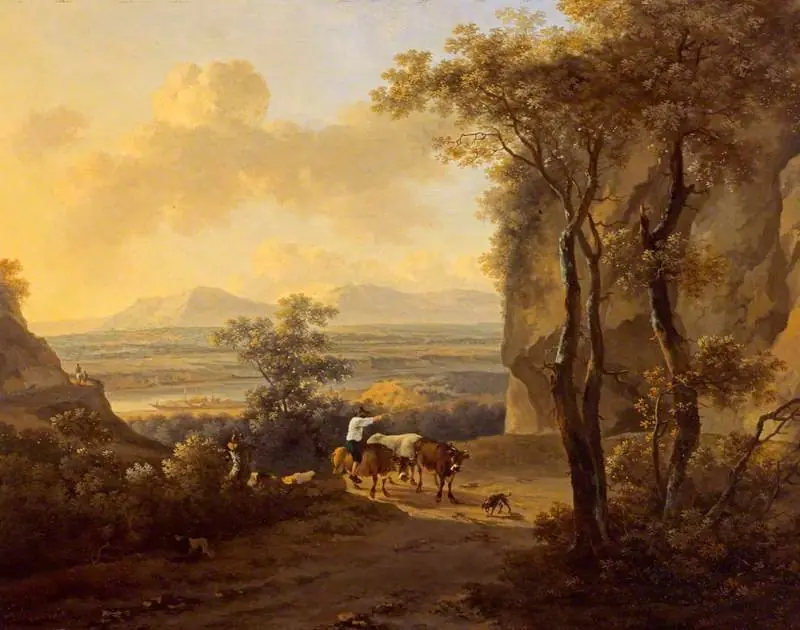
Jan Dirksz Both was a Dutch painter, draughtsman, and etcher, who made an important contribution to the development of Dutch Italianate landscape painting.

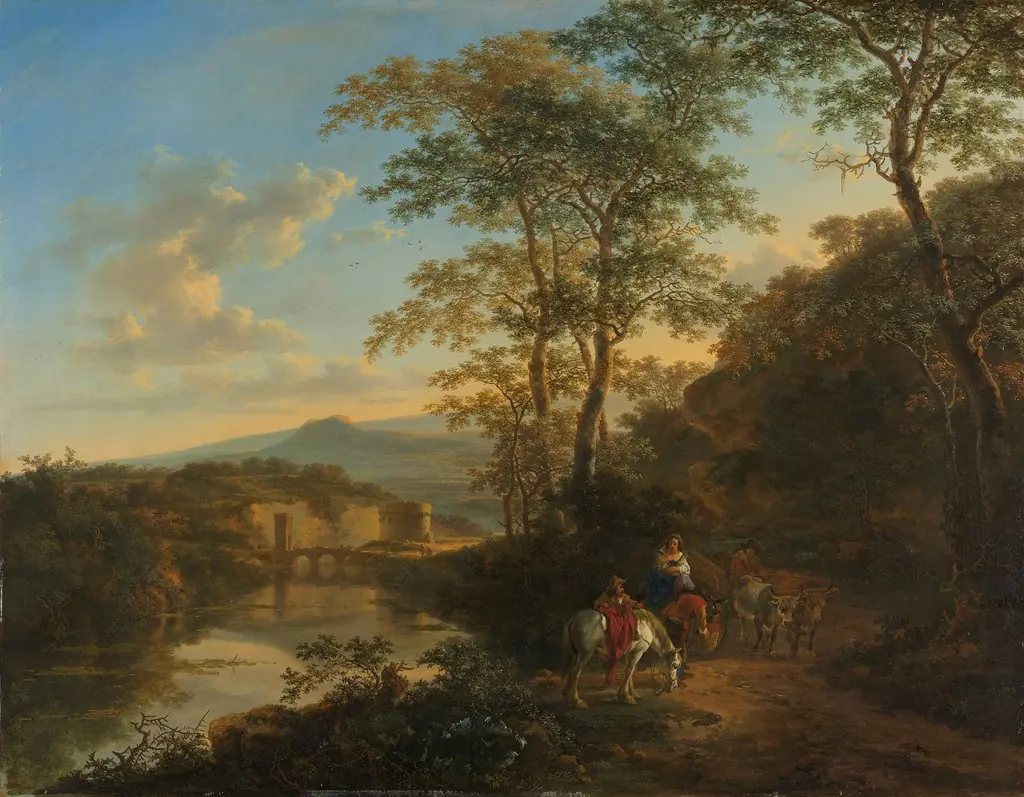
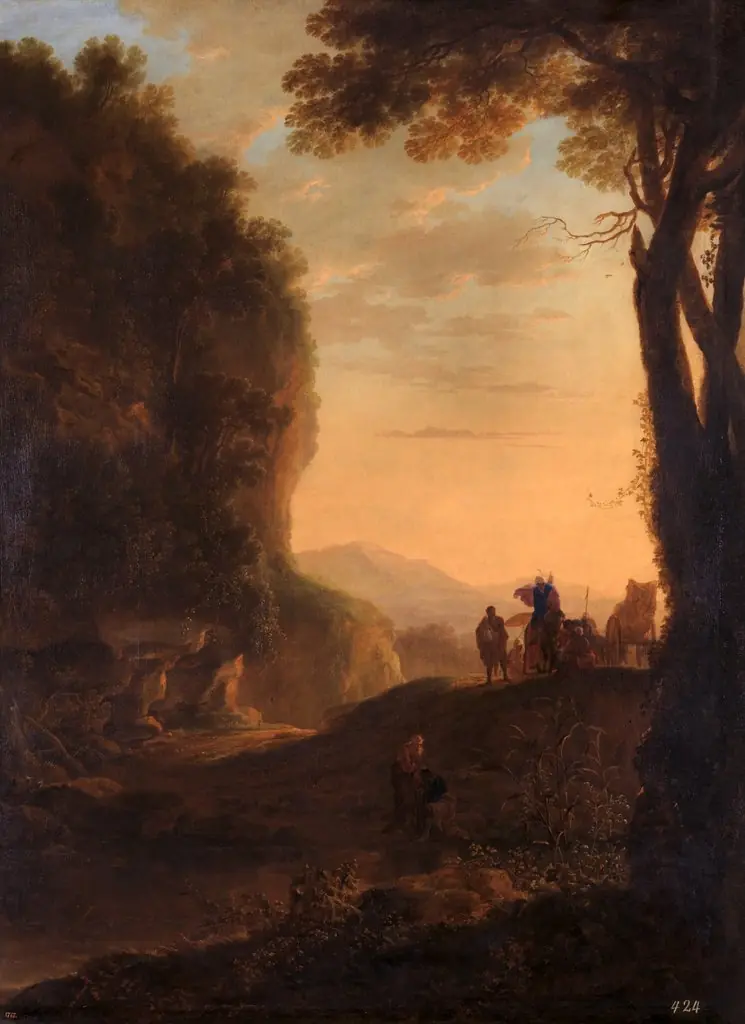
- Italianate Landscape
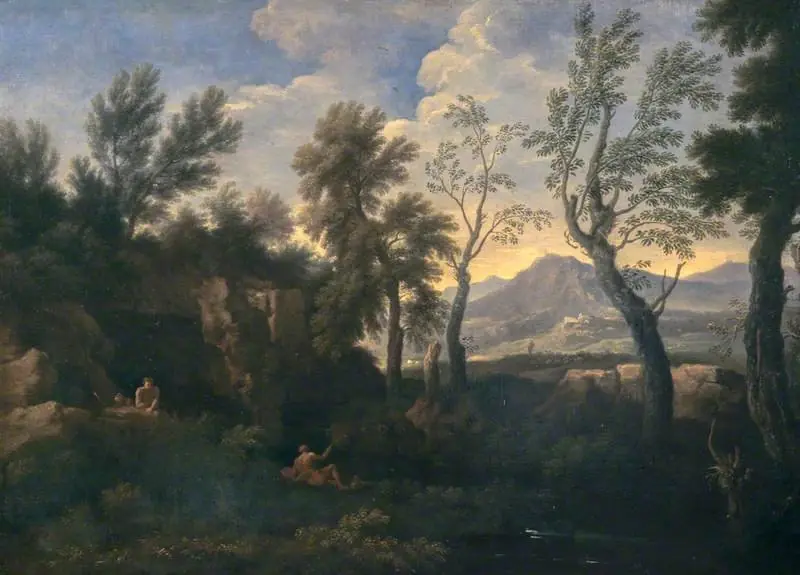 Landscape
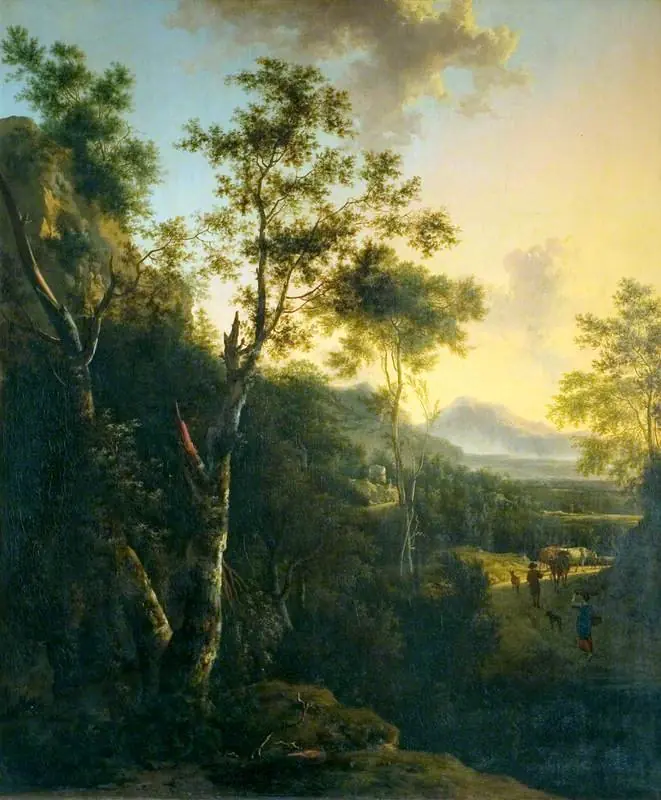 Rocky Landscape with a Statue, a Broken Column and Figures
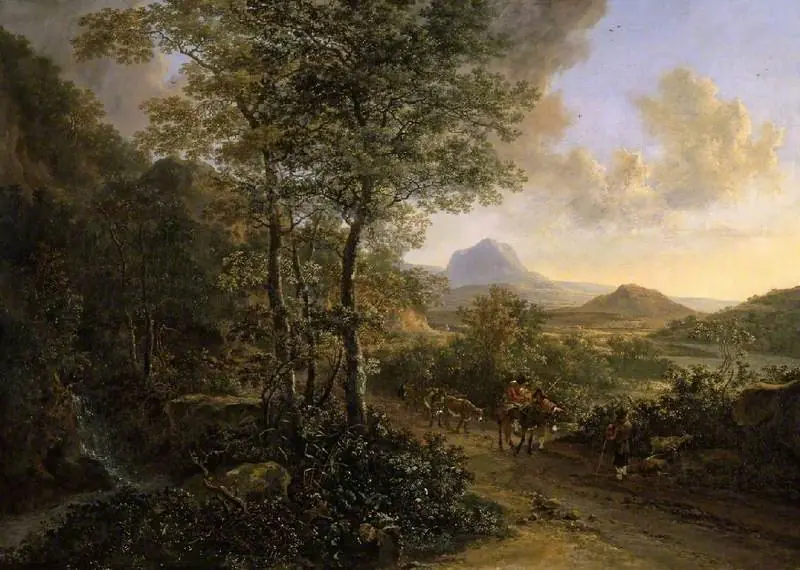 Italian Landscape with Monte Socrate
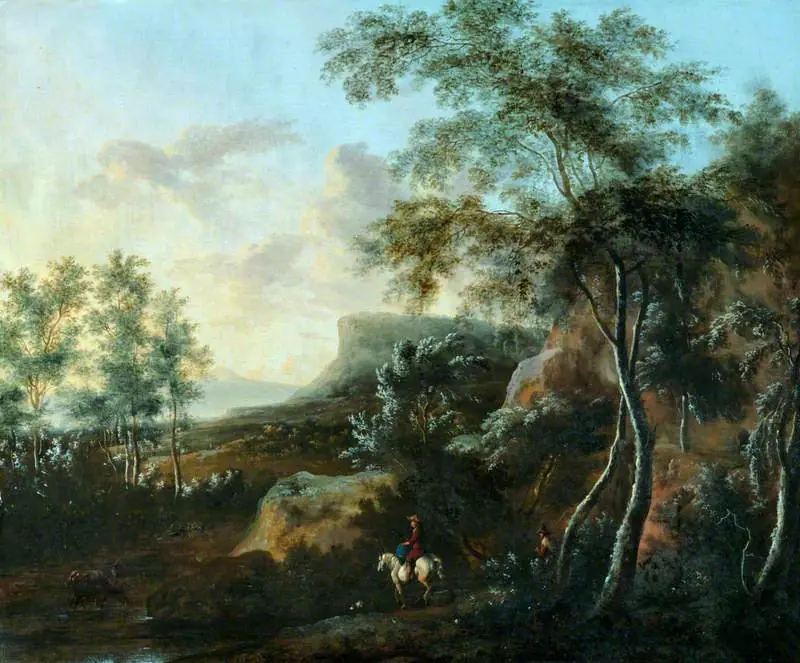 Rocky Landscape
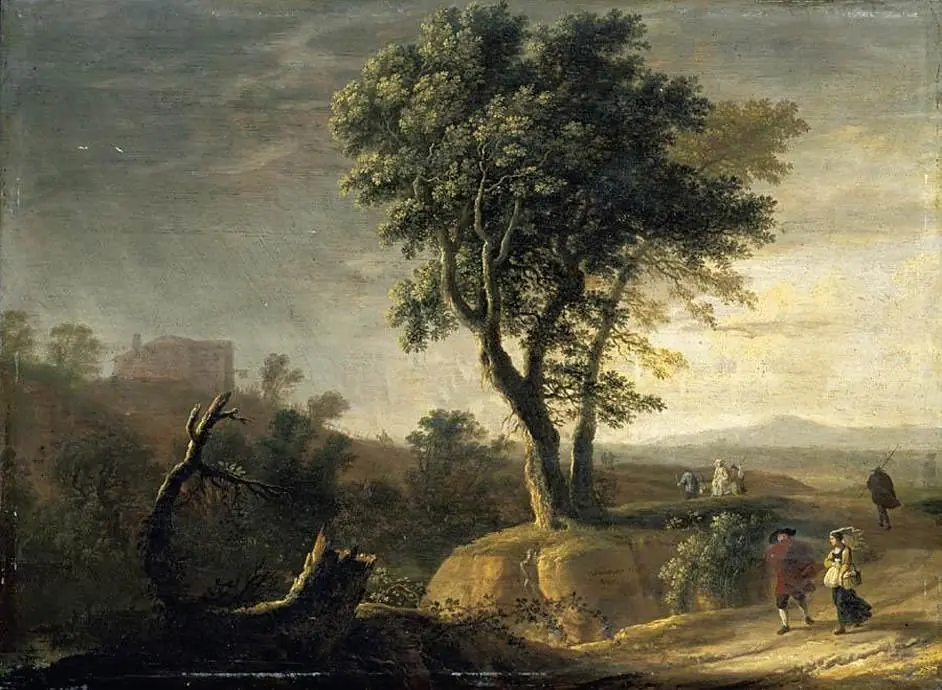 Thunderstorm
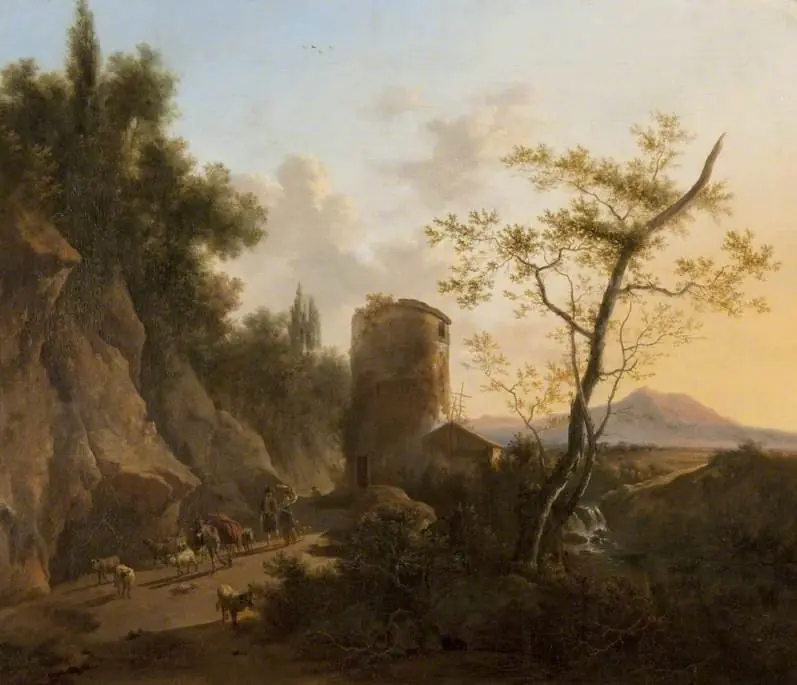 Landscape with a Ruined Tower and Figures
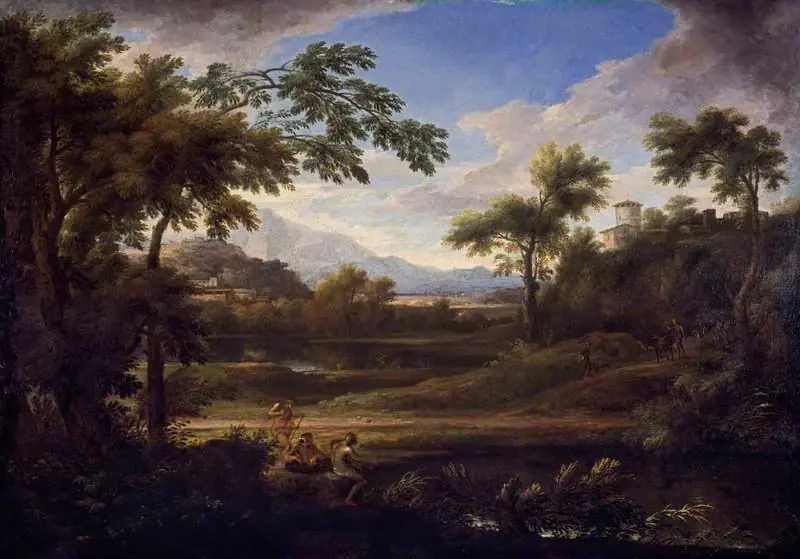 Classical Landscape
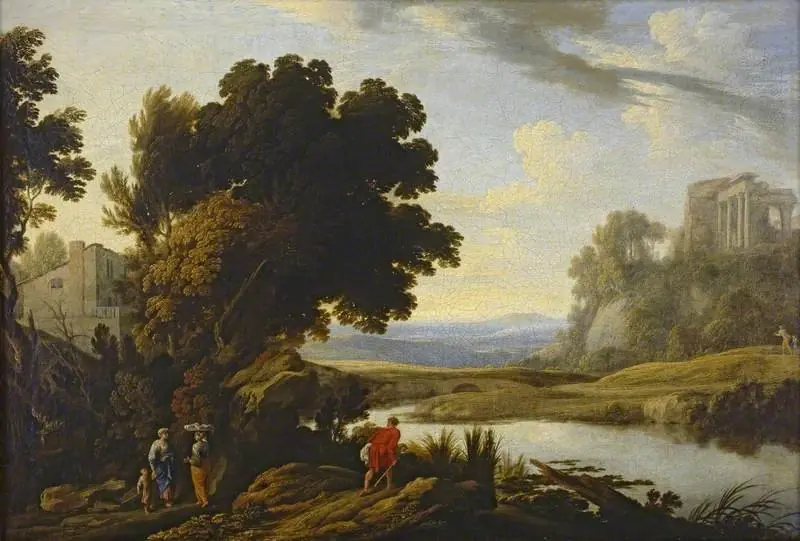 Landscape in the Roman Campagna
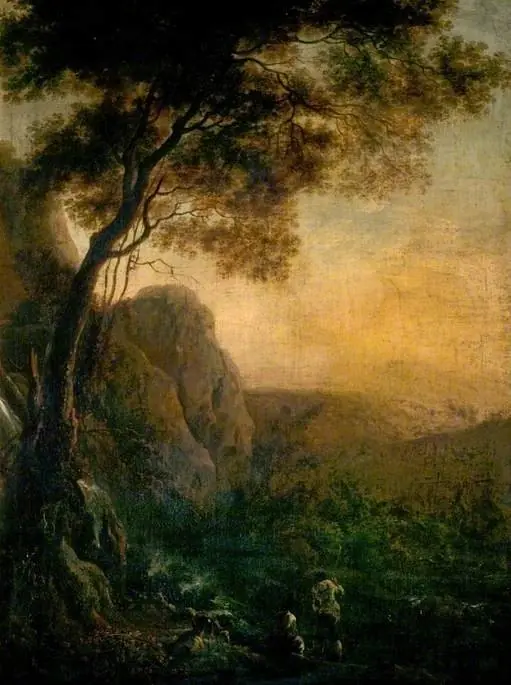 Landscape with a Waterfall
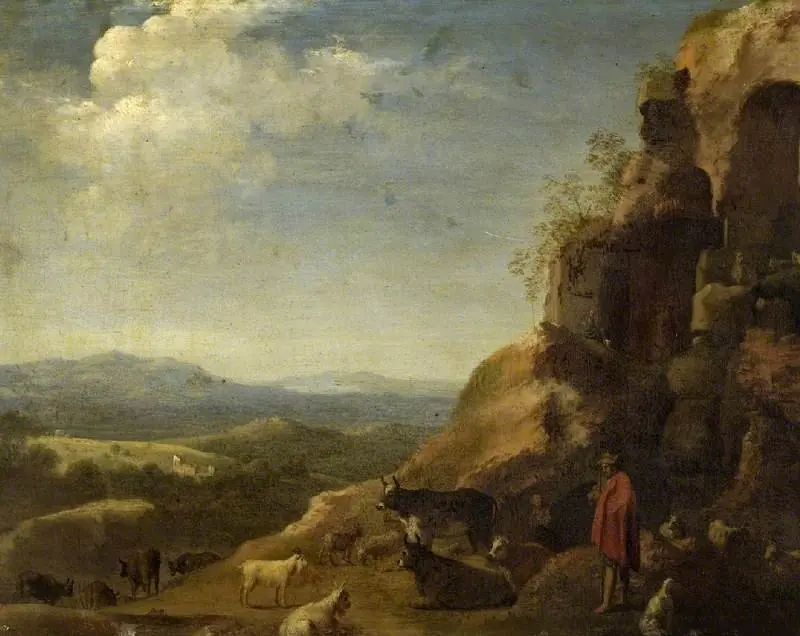 Landscape with herdsman and flocks
 View of the Roman Campagna