Artwork
The Last Moments of John Brown
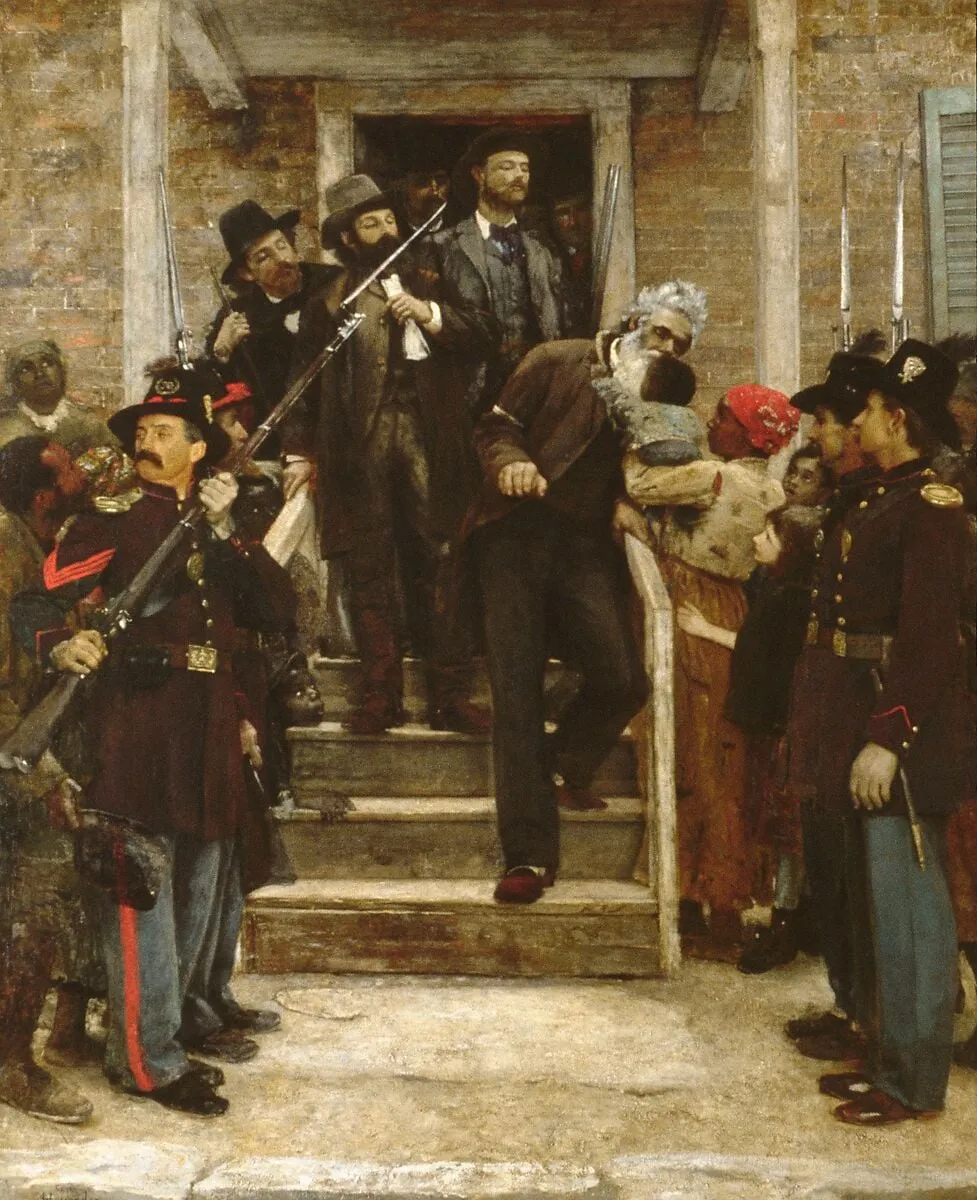
The Last Moments of John Brown is an oil painting by the Impressionist artist Thomas Hovenden. It dates from 1883 and is held in the collection of the Metropolitan Museum of Art.
- Accession no.
- 97.5
- Credit line
- Gift of Mr. and Mrs. Carl Stoeckel, 1897
About this work
Thomas Hovenden painted this sympathetic scene between 1882 and 1884 at the request of the Connecticut patron Robbins Battell.
On his way to the gallows in Charles Town, Virginia, the condemned abolitionist John Brown pauses to kiss a Black child, a tender gesture drawn from a disputed New York Tribune account. Thomas Hovenden painted this sympathetic scene between 1882 and 1884 at the request of the Connecticut patron Robbins Battell. The large oil on canvas, measuring over six by five feet, entered the Metropolitan Museum of Art in 1897 as a gift from Mr. and Mrs. Carl Stoeckel.
Subject & Meaning
The subject of Thomas Hovenden’s The Last Moments of John Brown is the execution of the abolitionist John Brown, a pivotal event preceding the American Civil War. The composition includes soldiers with rifles and bayonets, stairs leading to the gallows, a woman, and an infant, all witnessing the moment. The iconography of the weapons and uniformed soldiers underscores the military and punitive nature of the scene.
The infant and woman may allude to the human cost of the conflict. The painting thus represents both Brown’s martyrdom and the broader national trauma of the Civil War era.
Technique & Style
Thomas Hovenden executed The Last Moments of John Brown in oil on canvas, a traditional medium and support for history painting of the period. The oil paint allowed for detailed modeling and glazing, characteristic of academic realism. The canvas support, measuring approximately 196.5 by 168.3 cm, provided a substantial surface for the multi-figure composition.
No specific information is available in the sources regarding the artist's handling, brushwork, or the painting's current condition or formal stylistic qualities beyond its genre as a history painting.
Overview
Thomas Hovenden's "The Last Moments of John Brown," painted between 1882 and 1884, depicts the abolitionist leader on his final walk to execution. This large oil on canvas portrays Brown pausing to kiss a Black child, a scene intended to elevate him to a martyr. Commissioned by an abolitionist sympathizer, the work became a powerful visual statement on Brown's moral standing within 19th-century American art, created a quarter-century after his execution.
Context
Commissioned by abolitionist supporter Robbins Battell, the painting reflects Thomas Hovenden's own ties to the anti-slavery movement. His wife's family were active abolitionists, and their Pennsylvania barn served as a stop on the Underground Railroad, known as "Abolition Hall." Created a quarter-century after Brown's execution, the artwork revisits a contentious historical event, offering a sympathetic portrayal that resonated with lingering sentiments about the Civil War's origins.
History & Provenance
Completed between 1882 and 1884, this significant work was acquired by the Metropolitan Museum of Art in 1897, a gift from Mr. and Mrs. Carl Stoeckel. Its enduring impact is further evidenced by the existence of a two-thirds-scale replica, which is housed in the collections of the Fine Arts Museums of San Francisco. The painting remains a notable example of American historical art from the late 19th century.
Artist & collection

Artist
Thomas Hovenden (December 28, 1840 – August 14, 1895) was an Irish-born painter and teacher who spent most of his life in the United States.

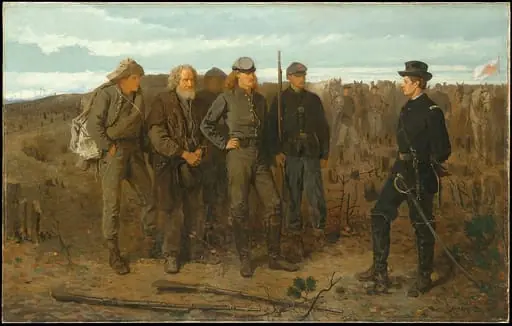
- Prisoners from the Front
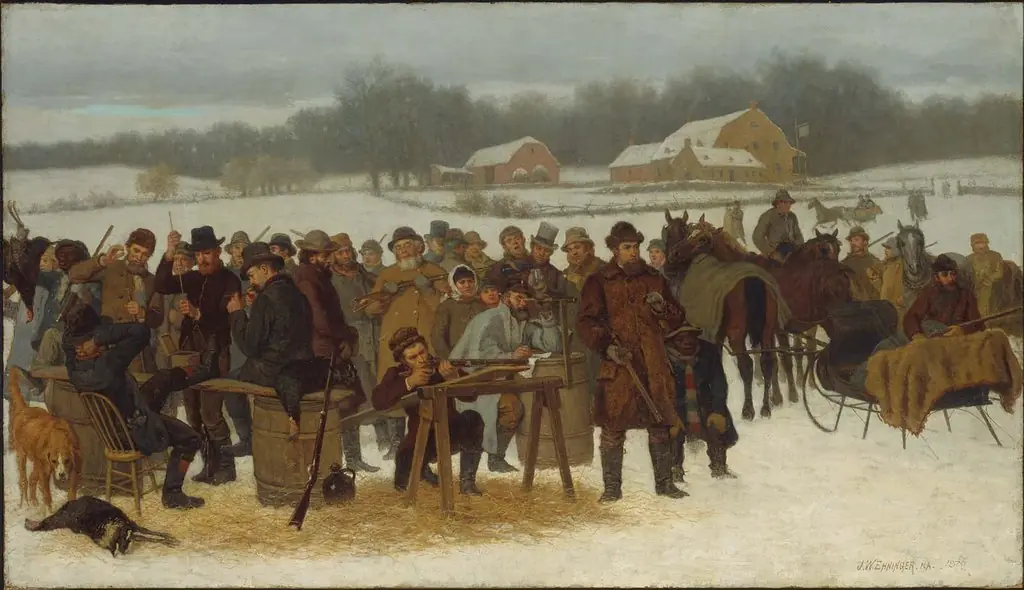 Turkey Shoot
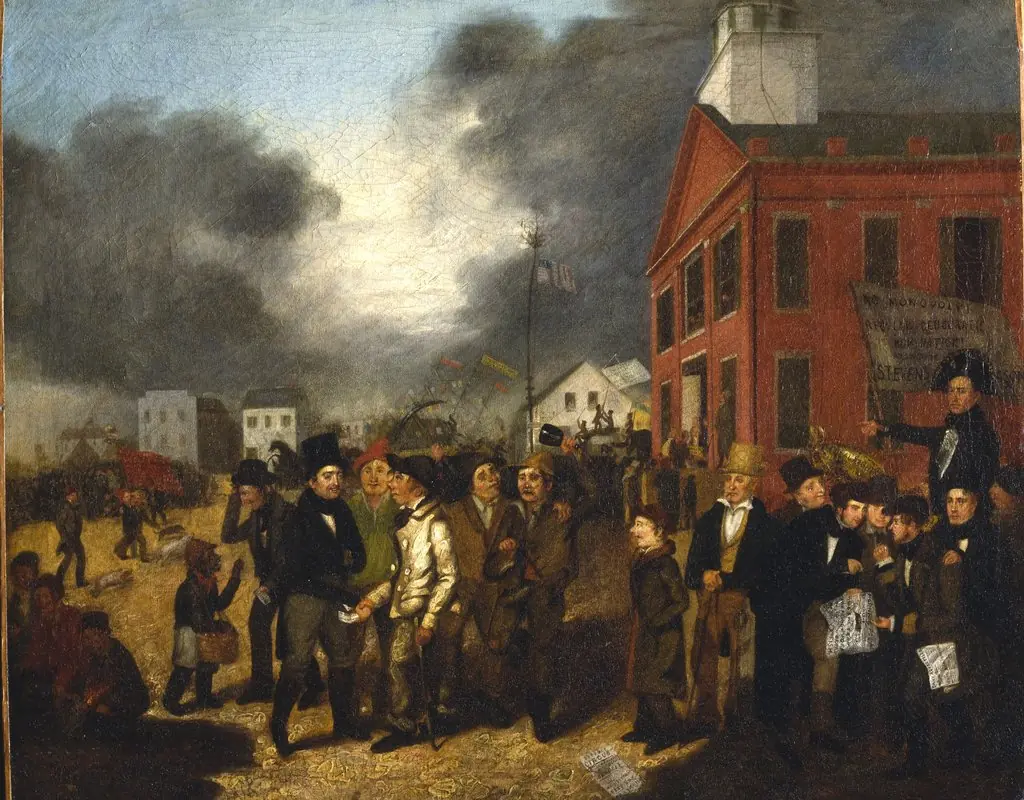 First State Election in Detroit, Michigan, 1837
 Study for a Battle Scene
 The Power of Music
 Der Auszug der Römer aus Vicenza
 The Power of Music
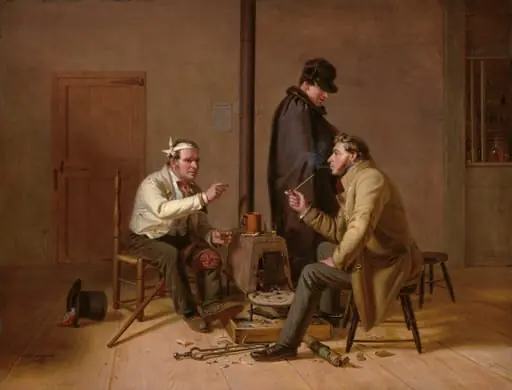 The Tough Story - Scene in a Country Tavern
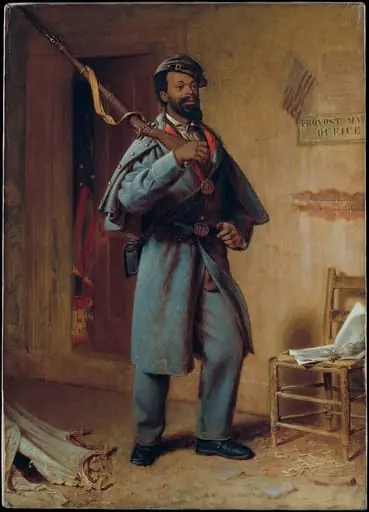 A Bit of War History: The Recruit
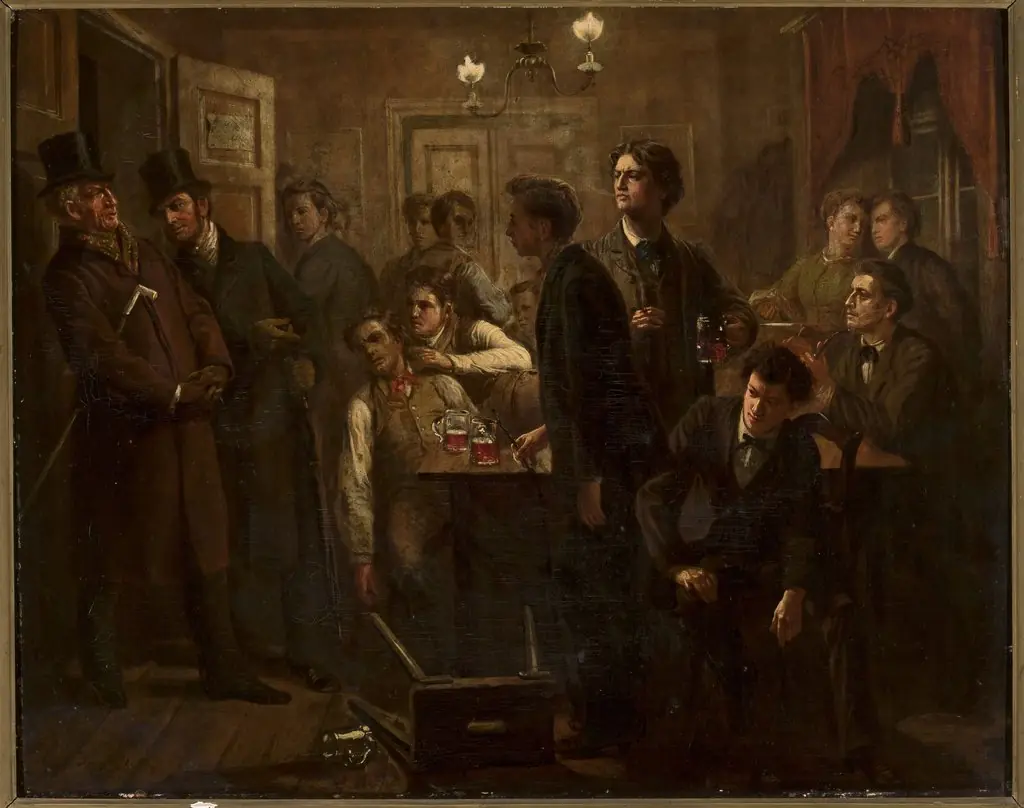 Scene from a beer-house or a tavern
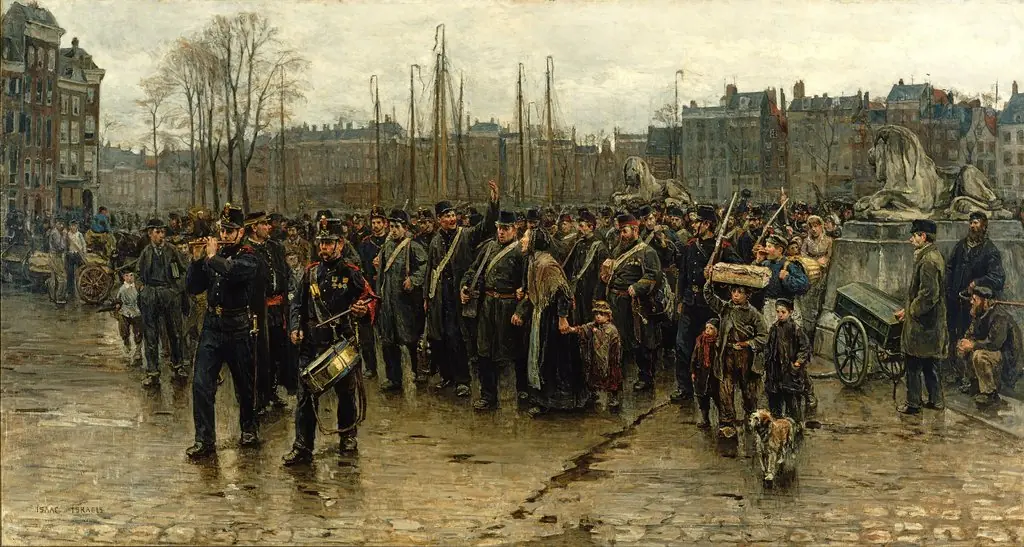 Transport of colonial soldiers
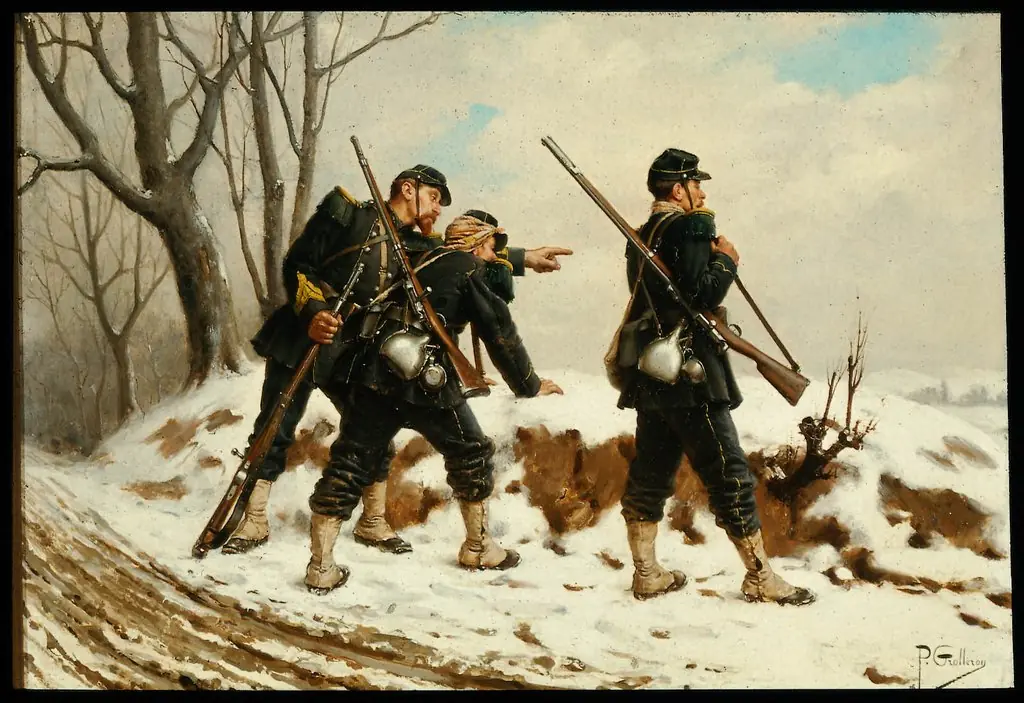 French Soldiers in the Snow