Artwork
Saying grace
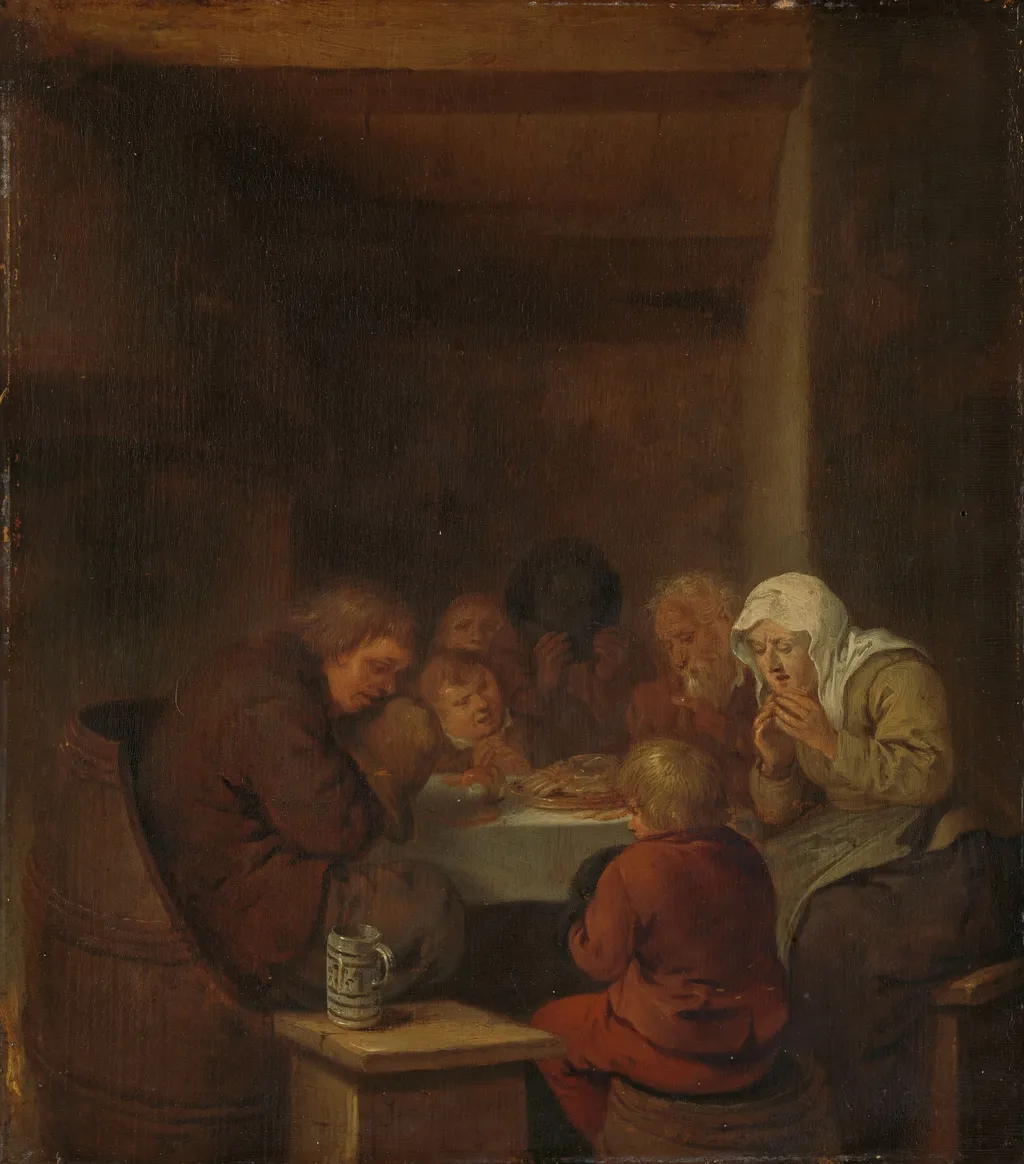
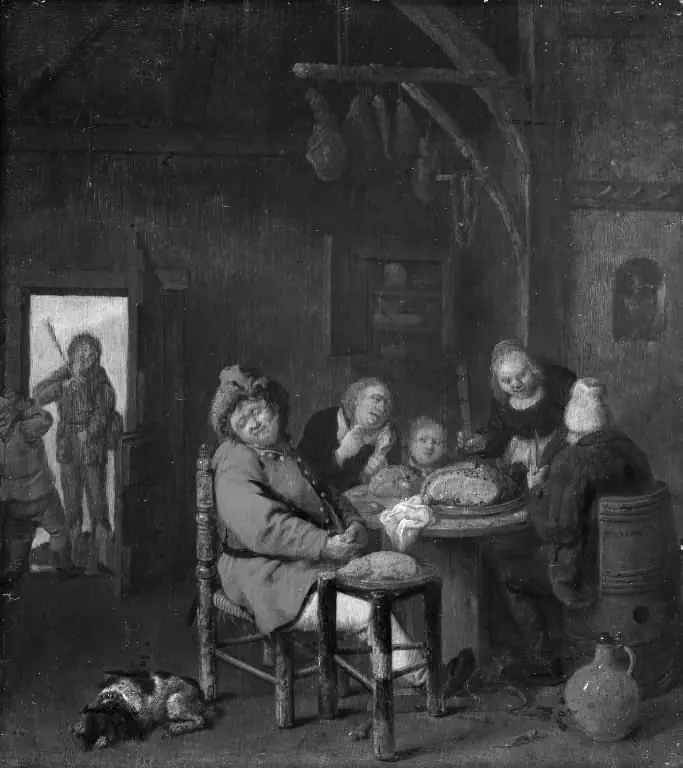
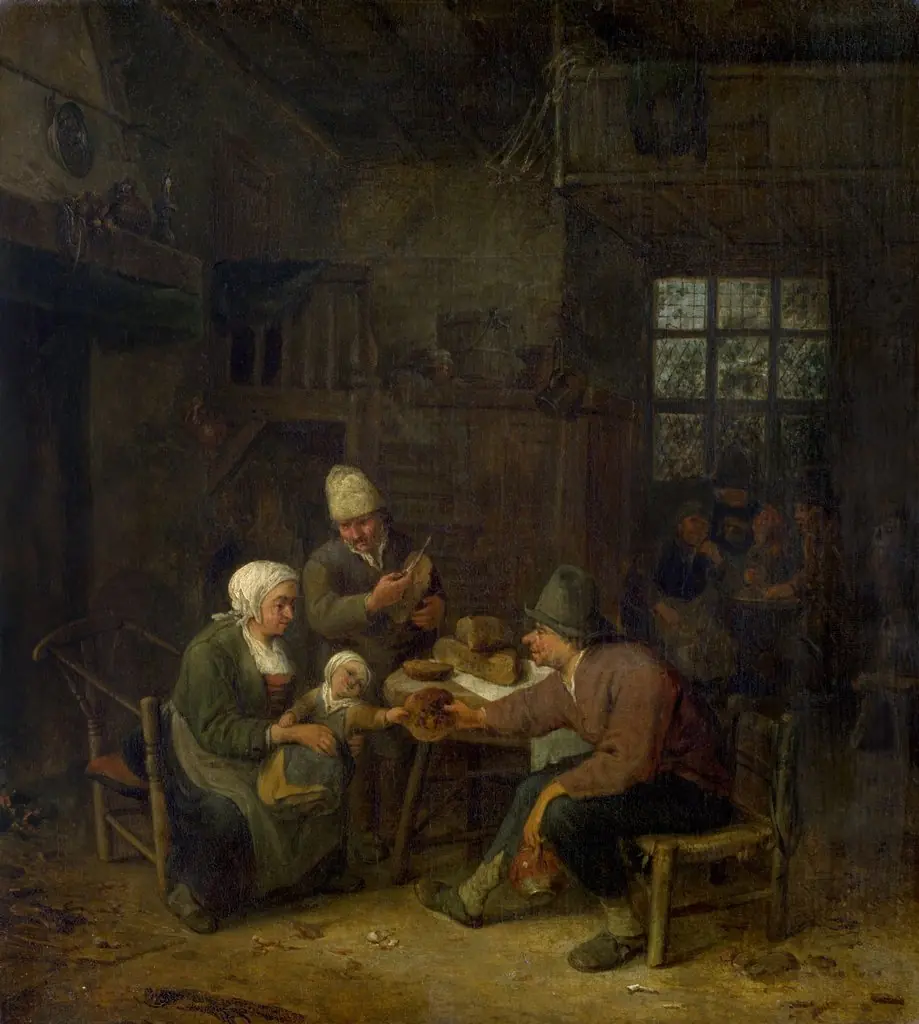
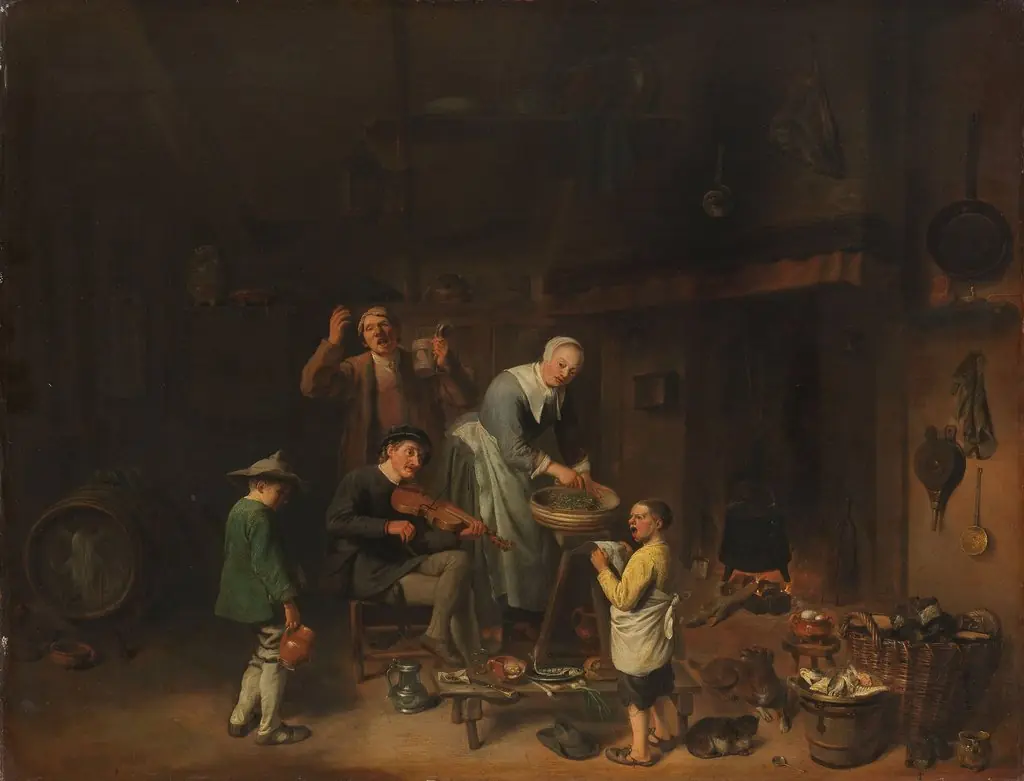
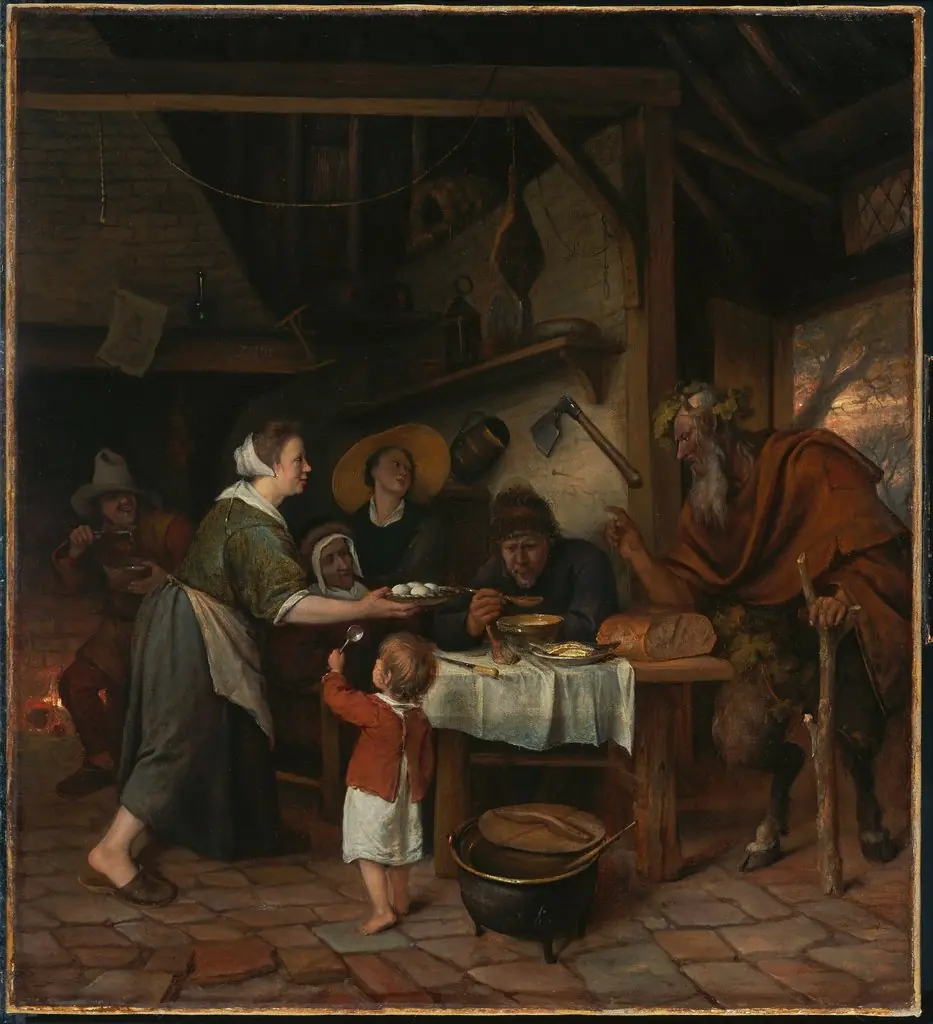
Saying grace is an oil painting by the Dutch Golden Age artist Jan Miense Molenaer. It dates from 1650 and is held in the collection of the Rijksmuseum.
About this work
Technique & Style
Molenaer’s handling emphasizes domestic intimacy through carefully modulated lighting and smooth, blended brushwork that softens contours and textures.
The painting is executed in oil on a wooden panel support, with dimensions of 28.5 cm in height and 25 cm in width.
Molenaer’s handling emphasizes domestic intimacy through carefully modulated lighting and smooth, blended brushwork that softens contours and textures. The composition’s quiet mood is reinforced by a restricted palette of muted earth tones, punctuated by the white linen tablecloth and the children’s pale garments. Subtle glazing is used to model form, particularly in the translucent highlights on the children’s faces and the reflective surfaces of the pewter plates and pitcher.
The work remains in good condition, with no significant structural damage reported in the Rijksmuseum’s holdings.
History & Provenance
The painting Saying Grace is dated to 1650 based on the work’s catalogued inception date in museum records.
It entered the Rijksmuseum, Amsterdam as part of the collection bequeathed by Adriaan van der Hoop, whose holdings were transferred to the museum in 1854. The painting has remained in the Rijksmuseum’s holdings since that acquisition.
The painting is held in the Rijksmuseum, Amsterdam, accessioned as part of the Adriaan van der Hoop collection and later transferred to the museum’s holdings.
Its exhibition history includes display at the Rijksmuseum as part of the permanent collection, with no further specific temporary exhibitions documented in the provided sources.
Overview
Around 1650 Jan Miense Molenaer painted Saying Grace in oil, depicting a modest domestic scene typical of the Dutch Golden Age. The work is part of the Rijksmuseum’s collection and exemplifies the genre‑painting tradition that focused on everyday moments.
Subject & Meaning
The composition presents a family gathered around a wooden table for a meal. The bearded patriarch bows his head in prayer, his hands clasped, while his wife leans forward, and three children occupy the remaining seats. The quiet act of giving thanks reflects the period’s emphasis on piety and familial cohesion.
Context
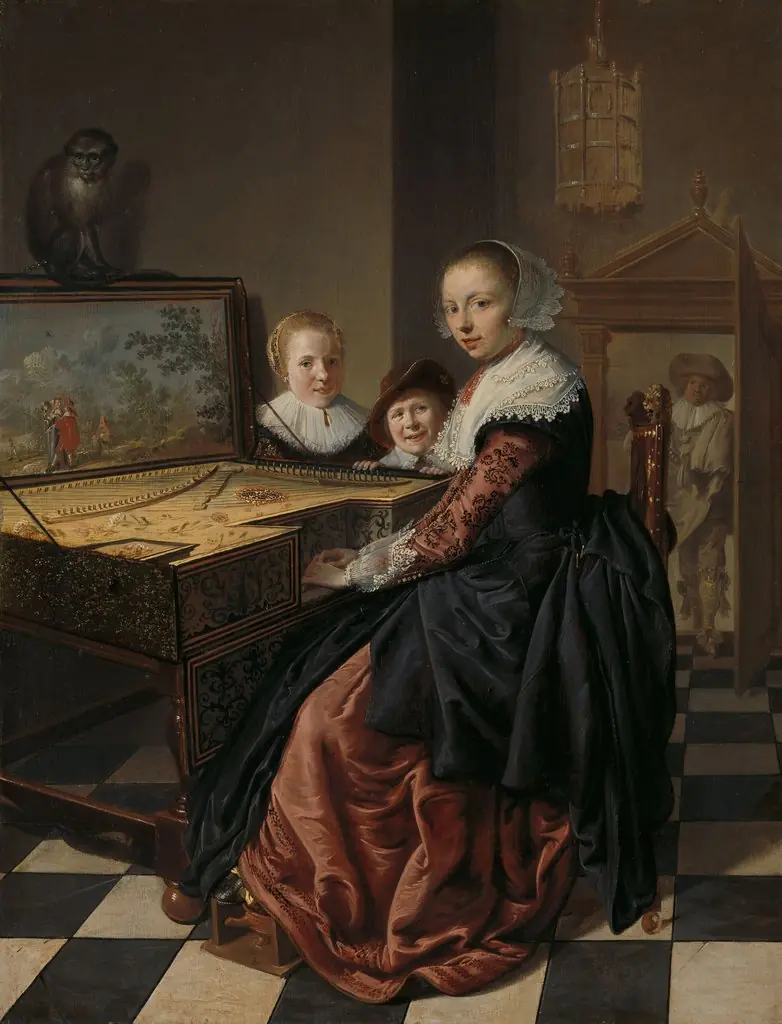
Molenaer worked alongside his wife, Judith Leyster, also a noted genre painter, and both were influenced by Hals’s lively brushwork. Saying Grace shares thematic concerns with contemporaries such as Jan Steen, who similarly portrayed everyday life infused with moral overtones.
Own this work as a print
Artist & collection

Artist
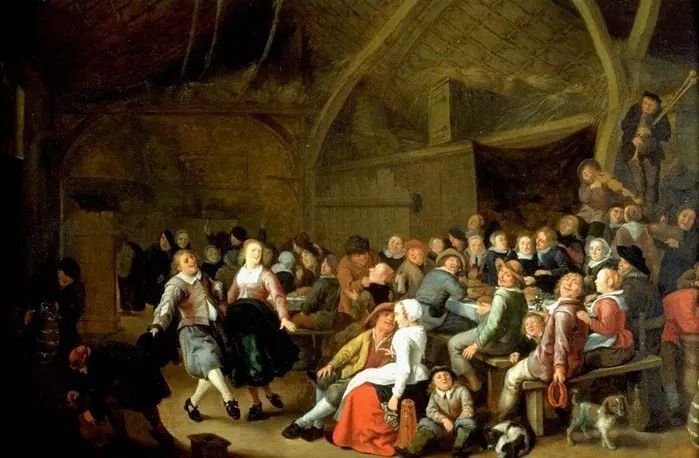
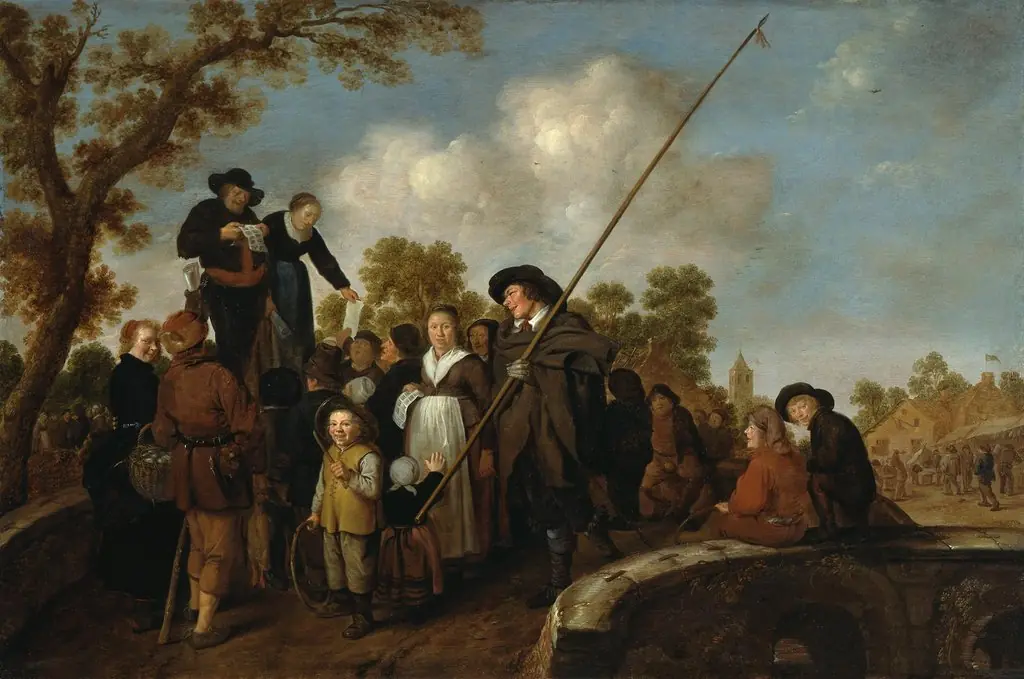
Jan Miense Molenaer (1610 – buried 19 September 1668) was a Dutch Golden Age genre painter whose style was a precursor to Jan Steen's work during Dutch Golden Age painting.