Artwork
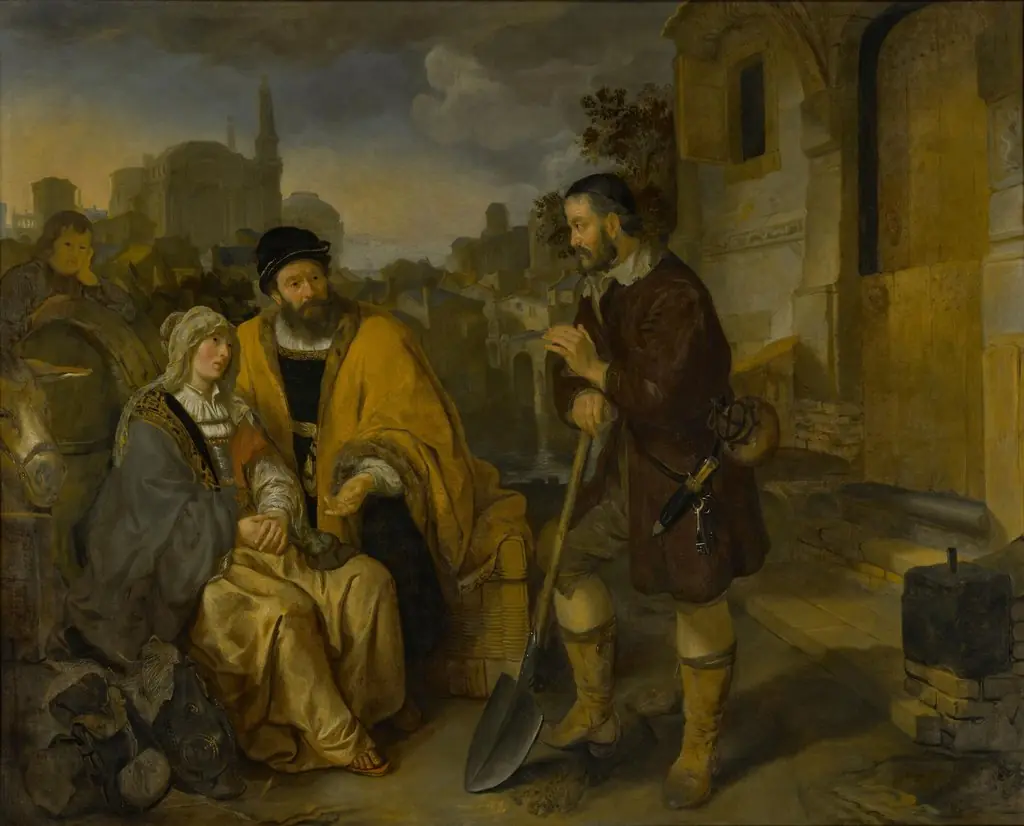
Erysichthon selling his daughter
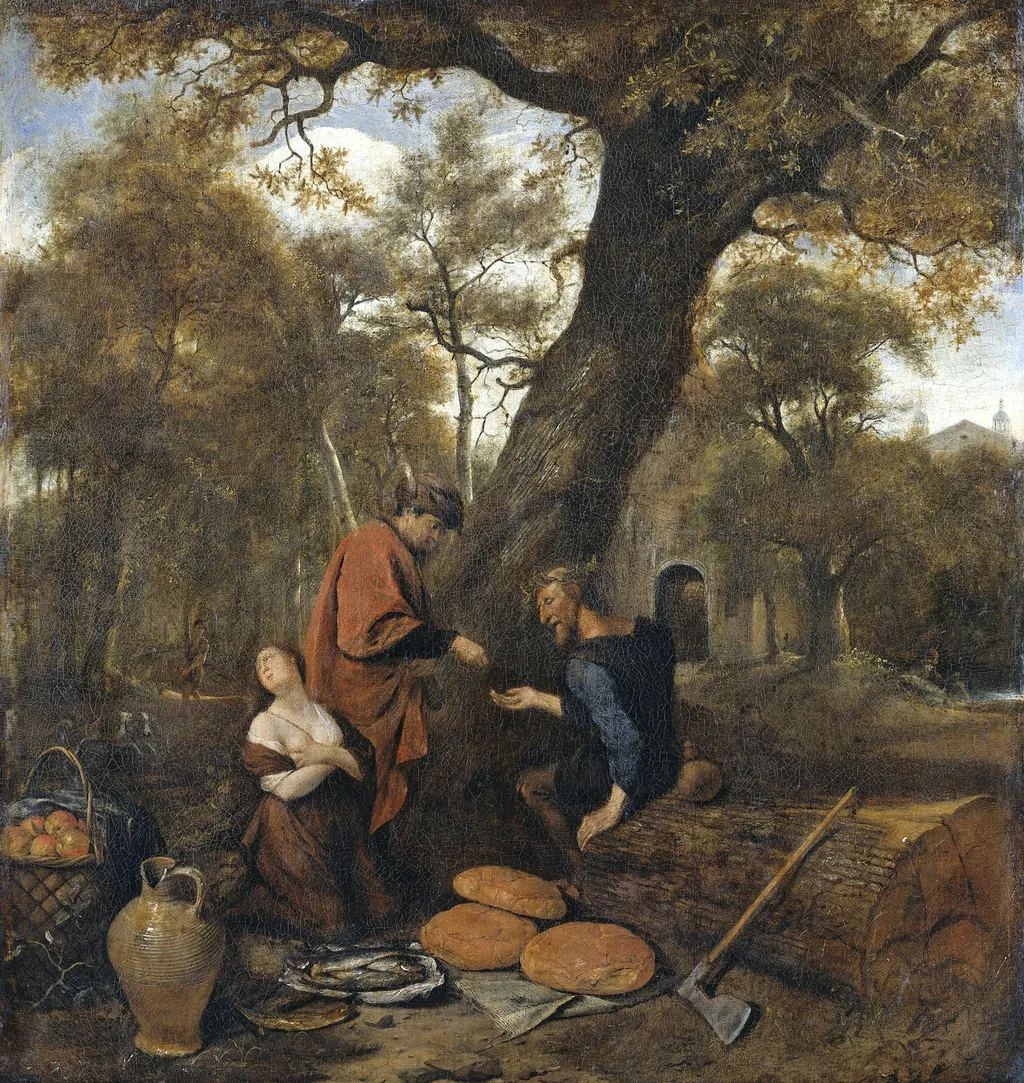
Erysichthon selling his daughter is an oil painting by Jan Steen. It dates from 1650 and is held in the collection of the Rijksmuseum.
About this work
Subject & Meaning
This narrative consequence stems from Erysichthon's earlier sacrilege of cutting down a sacred tree, an element also present in the visual scene.
Jan Steen's 1650 oil painting illustrates a specific episode from Greek mythology involving Erysichthon of Thessaly. The composition depicts the titular character in the act of selling his daughter, a desperate measure taken after he exhausted his wealth. This narrative consequence stems from Erysichthon's earlier sacrilege of cutting down a sacred tree, an element also present in the visual scene.
The work serves as a mythological representation of divine retribution and the severe penalties for violating religious sanctity, showing the protagonist reduced to trafficking his own child due to the curse of insatiable hunger imposed by the gods.
Technique & Style
Jan Steen's Erysichthon selling his daughter is an oil painting executed on a canvas support, created in 1650. The work measures 66 cm in height and 64 cm in width. As a mythological painting, it depicts Erysichthon of Thessaly alongside a tree, rendered in oil paint. The piece is currently held within the collection of the Rijksmuseum.
History & Provenance
Jan Steen produced "Erysichthon selling his daughter" in 1650, executing the mythological scene in oil paint on canvas. The work entered the collection of Cornelis Hoogendijk, a documented earlier owner, before eventually being acquired by the Rijksmuseum, where it is now held.
Jan Steen's painting Erysichthon selling his daughter is held in the collection of the Rijksmuseum in Amsterdam. The work, created in 1650, is executed in oil on canvas and depicts mythological figures including Erysichthon of Thessaly and a tree. Historical records indicate the piece was previously owned by Cornelis Hoogendijk before entering the museum's holdings.
While the provided sources confirm the current location and former private ownership, they do not list specific inventory numbers or a detailed timeline of public exhibitions.
Legacy
The painting influenced 19th-century Romantic artists who emphasized moral narratives drawn from classical mythology. Its depiction of divine retribution resonated with contemporary discussions of social justice, prompting exhibitions that highlighted ethical themes in Dutch Golden Age art. The work's provenance, including ownership by Cornelis Hoogendijk, contributed to scholarly studies of private art markets in the 17th century.
Overview
Created around 1650, this oil on canvas by Jan Steen portrays a scene from the myth of Erysichthon of Thessaly. The composition is set beneath a prominent tree and includes several domestic objects, such as a basket of fruit, a jug, and a hatchet. The work is part of the Rijksmuseum’s collection and exemplifies Steen’s engagement with classical narratives.
Own this work as a print
Artist & collection
Artist
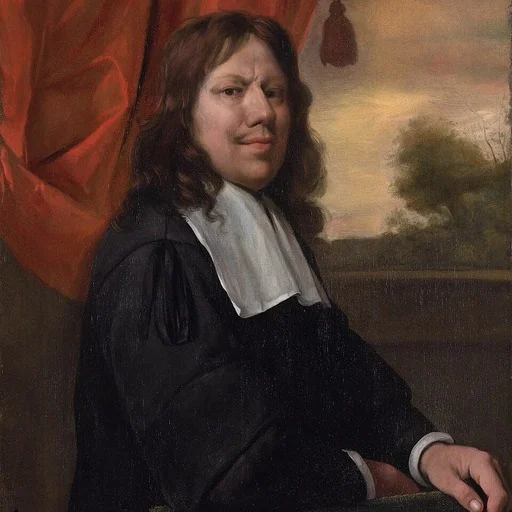
Jan Havickszoon Steen was a Dutch Golden Age painter, one of the leading genre painters of the 17th century.

 Paintings of physicians by Jan Steen
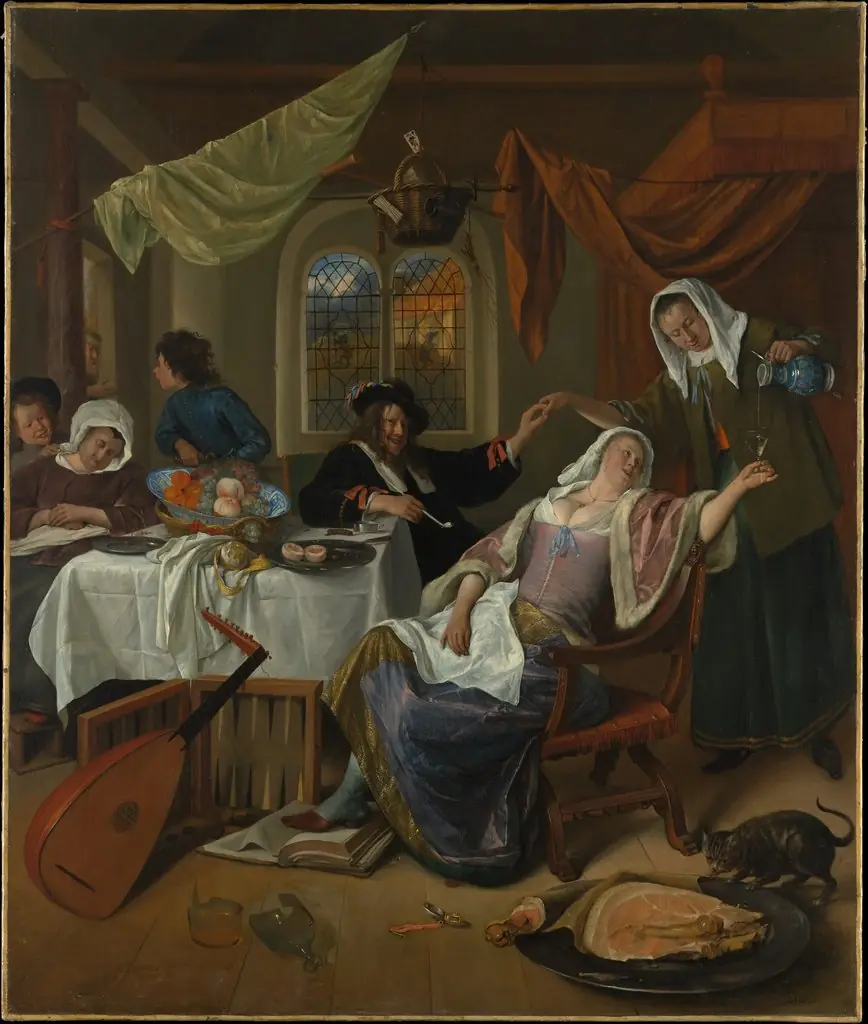 The Dissolute Household
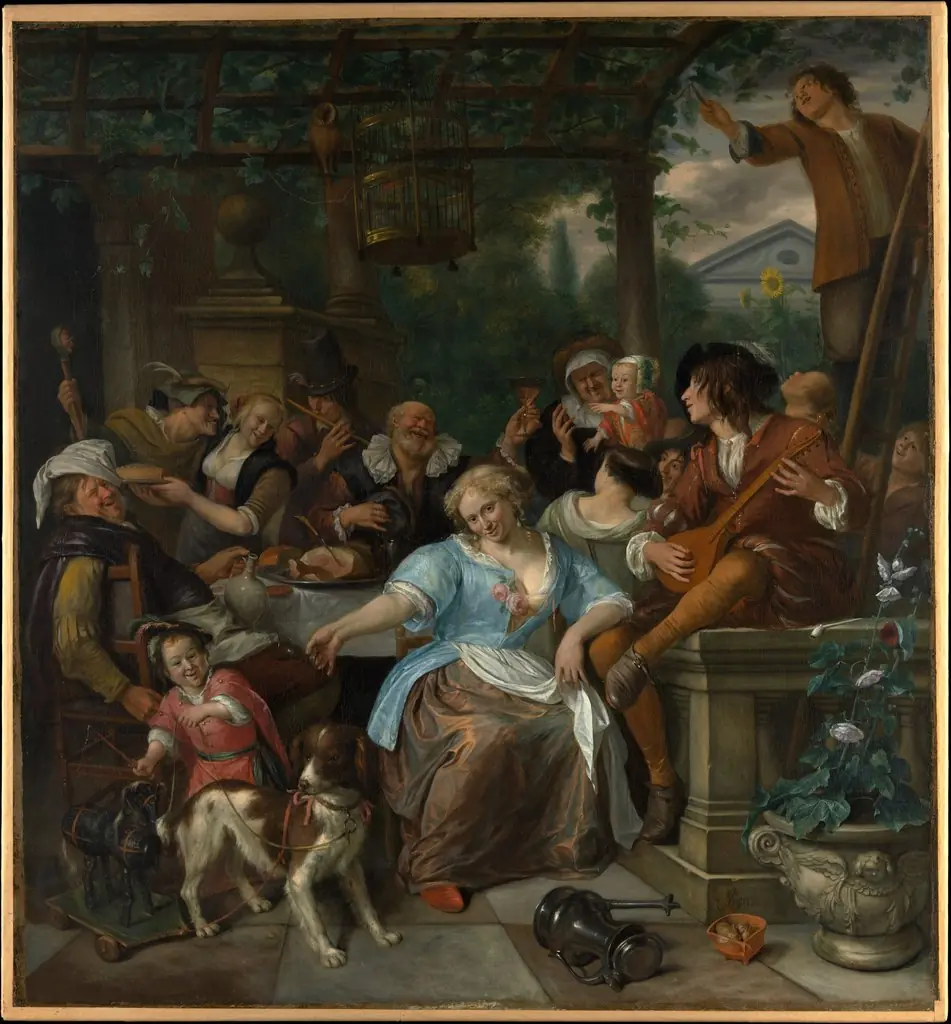 Merry Company on a Terrace
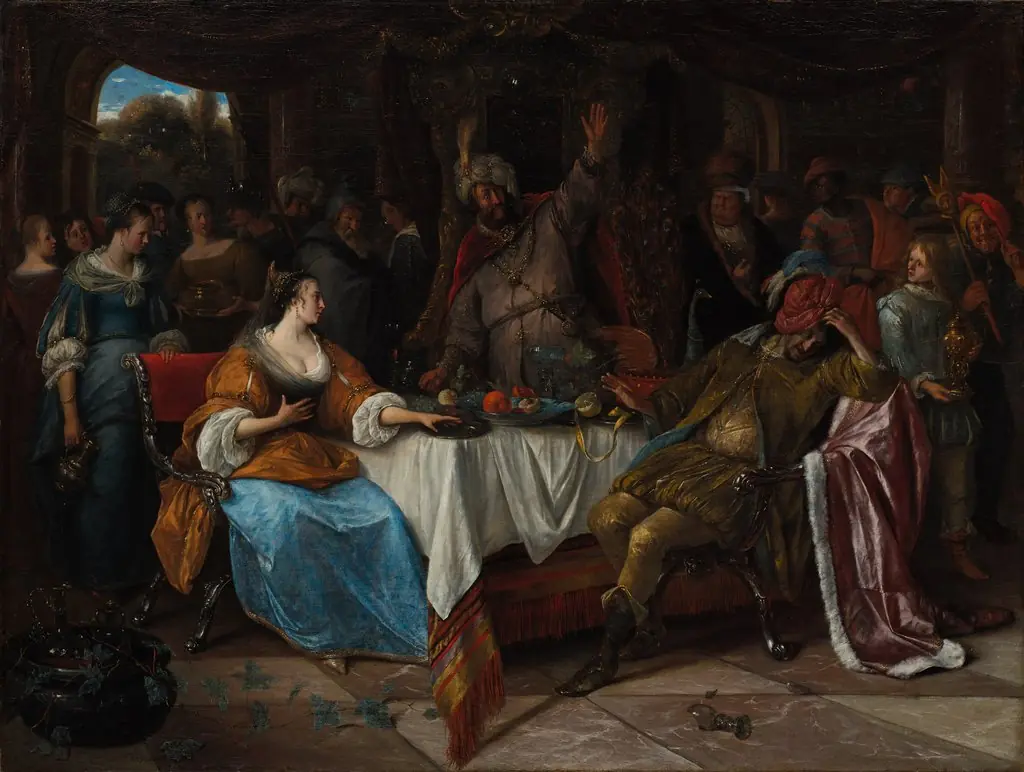 Esther, Ahasuerus, and Haman
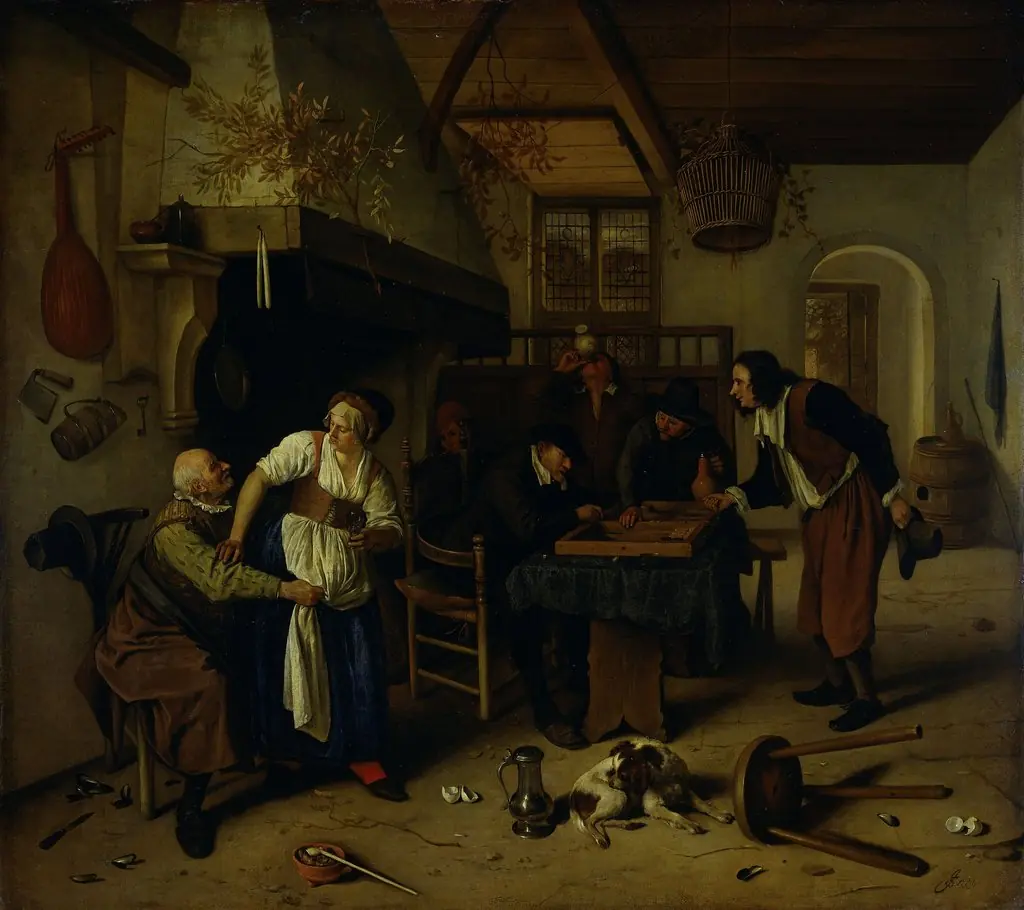 Interior of an inn with an old man amusing himself with the landlady and two men playing backgammon, known as 'Two kinds of games'
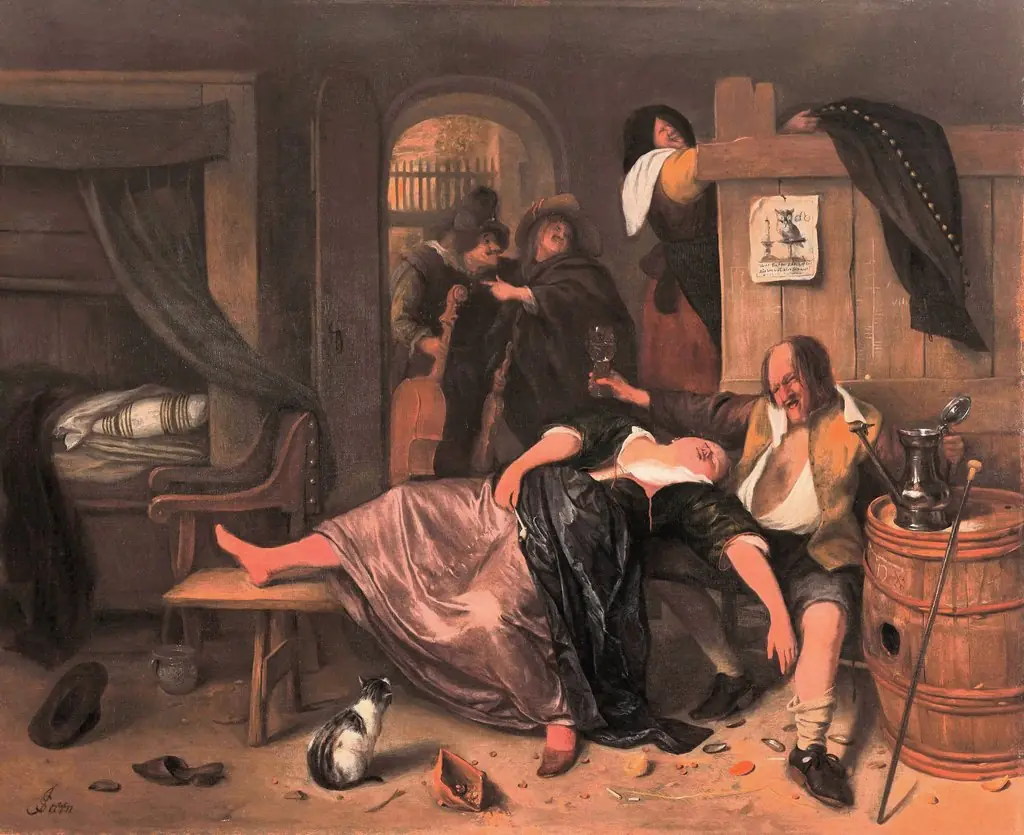 The Drunken Couple
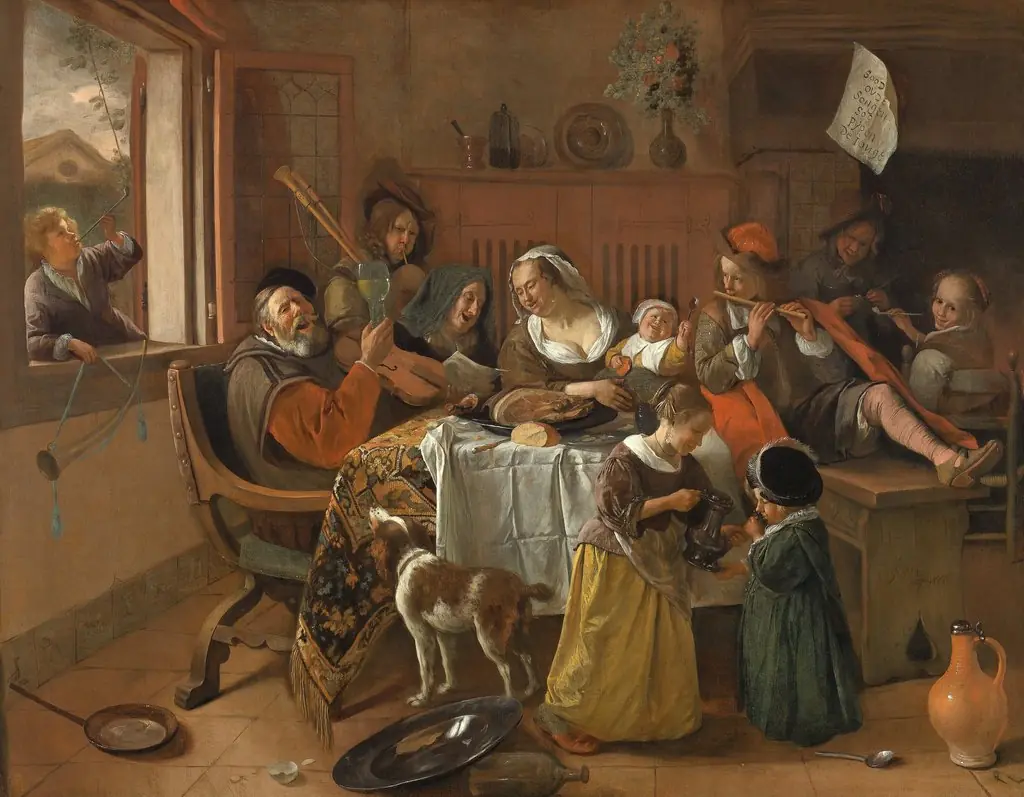 The Happy Family
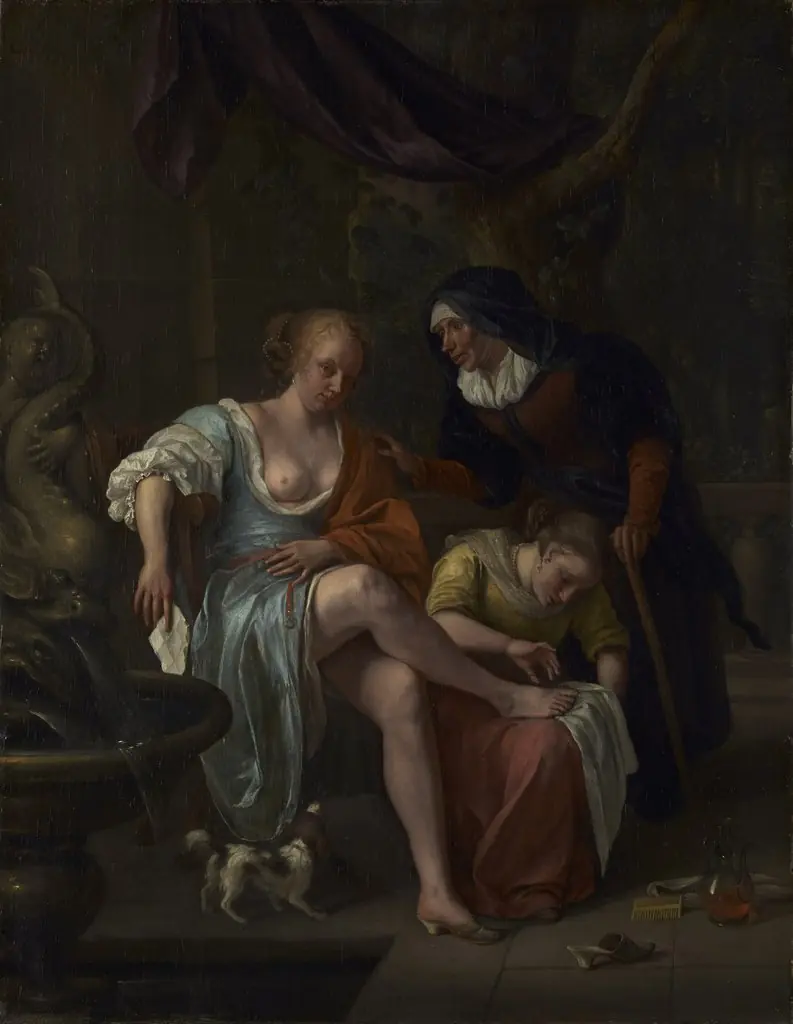 Bathsheba after the Bath
- Nymphs in a cave with antique ruins
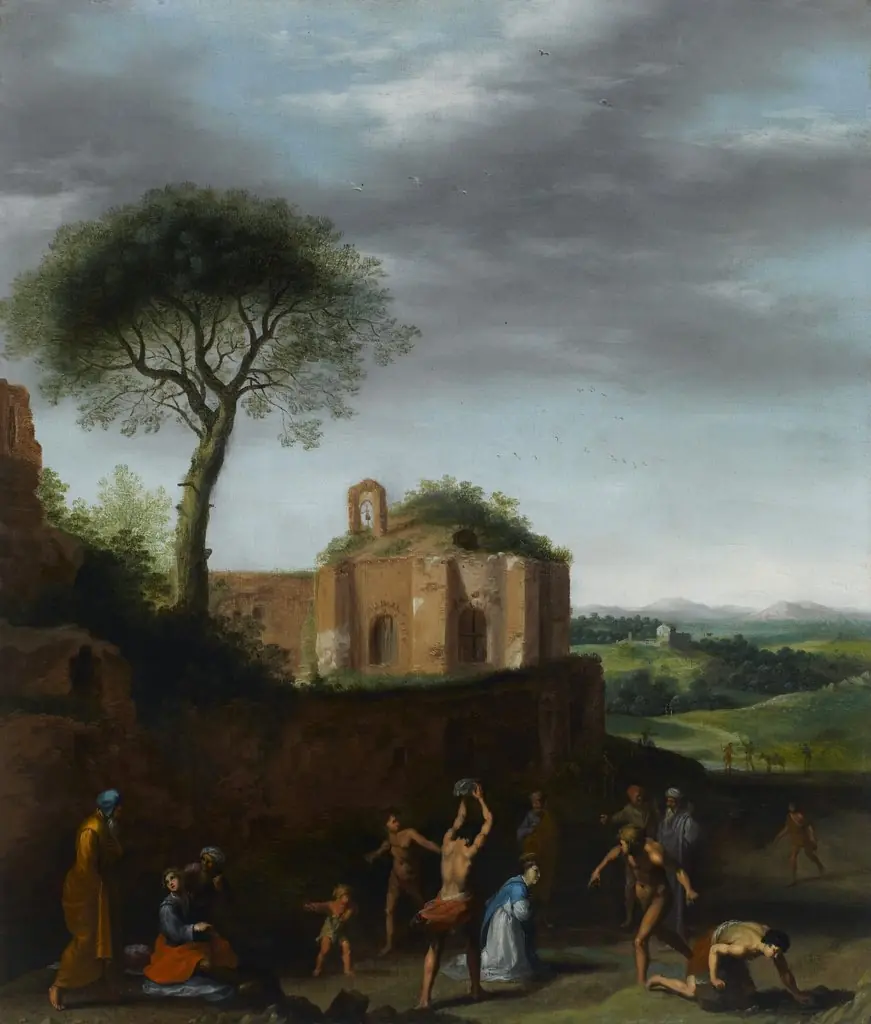 The Martyrdom of Saint Stephen
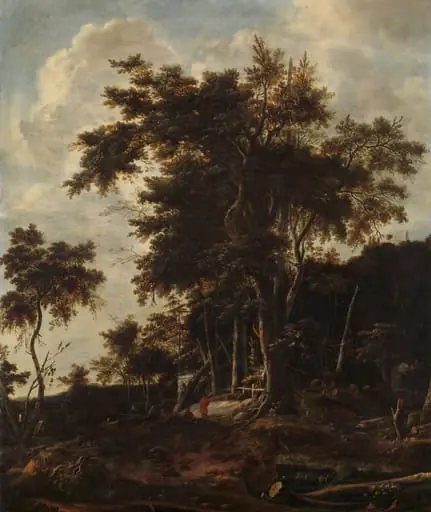 Forest landscape with a woodsman's shed
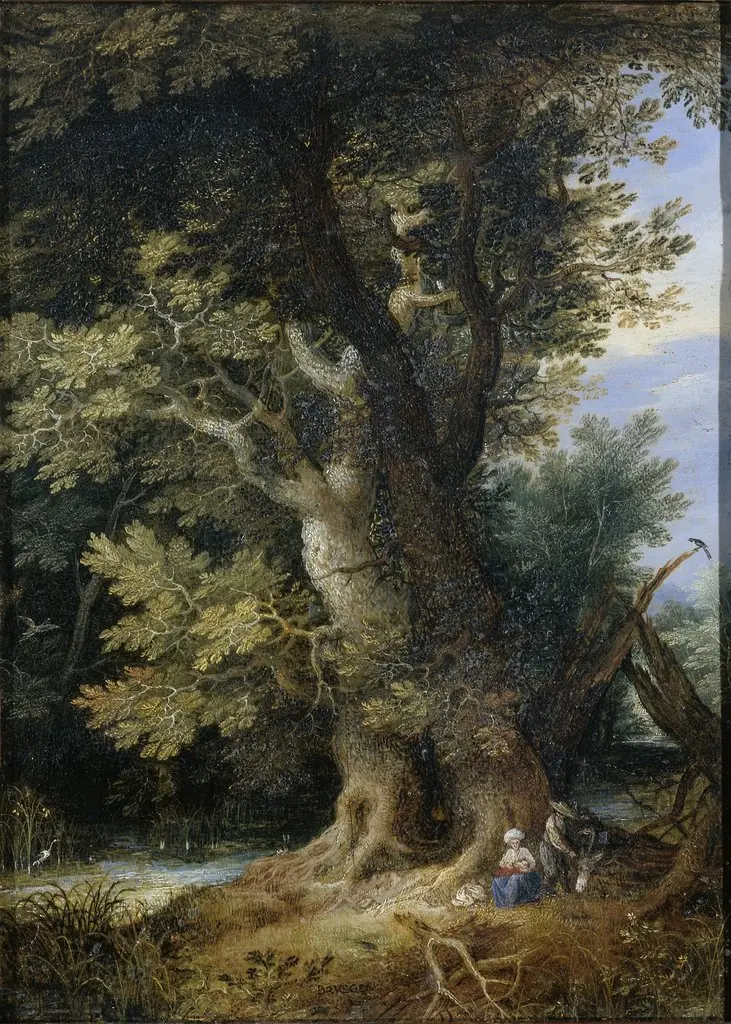 Rest on the Flight into Egypt
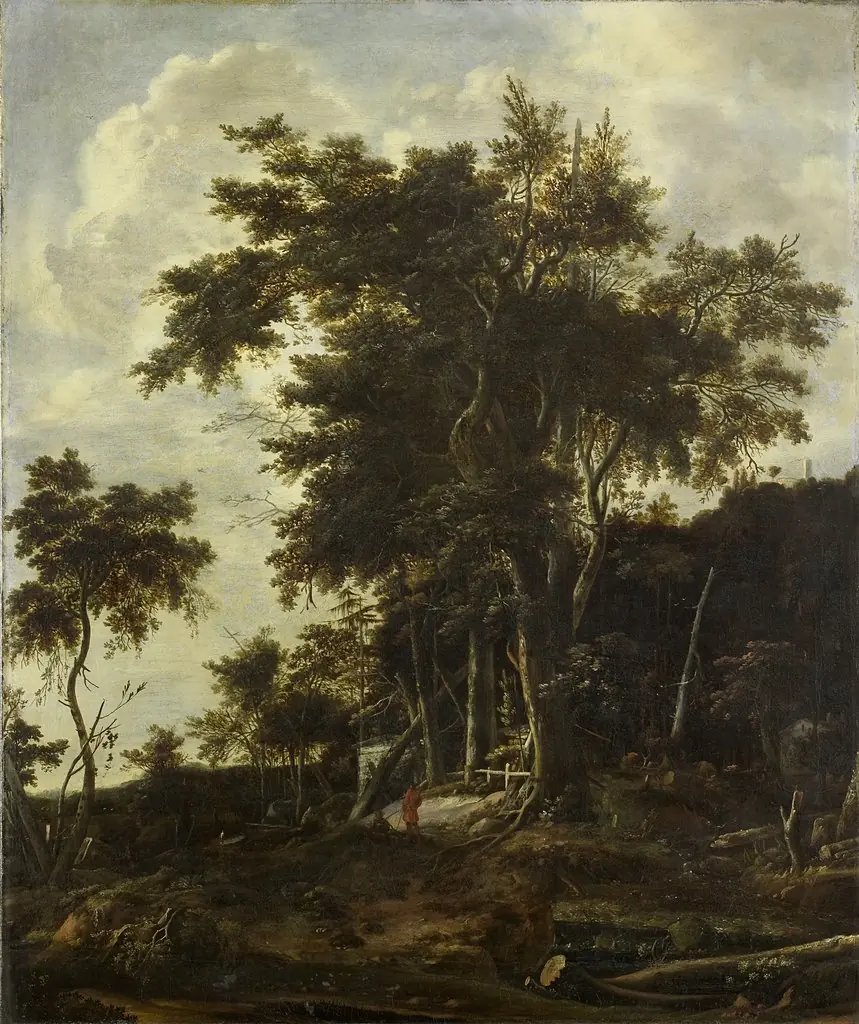 Forest landscape with a woodsman's shed
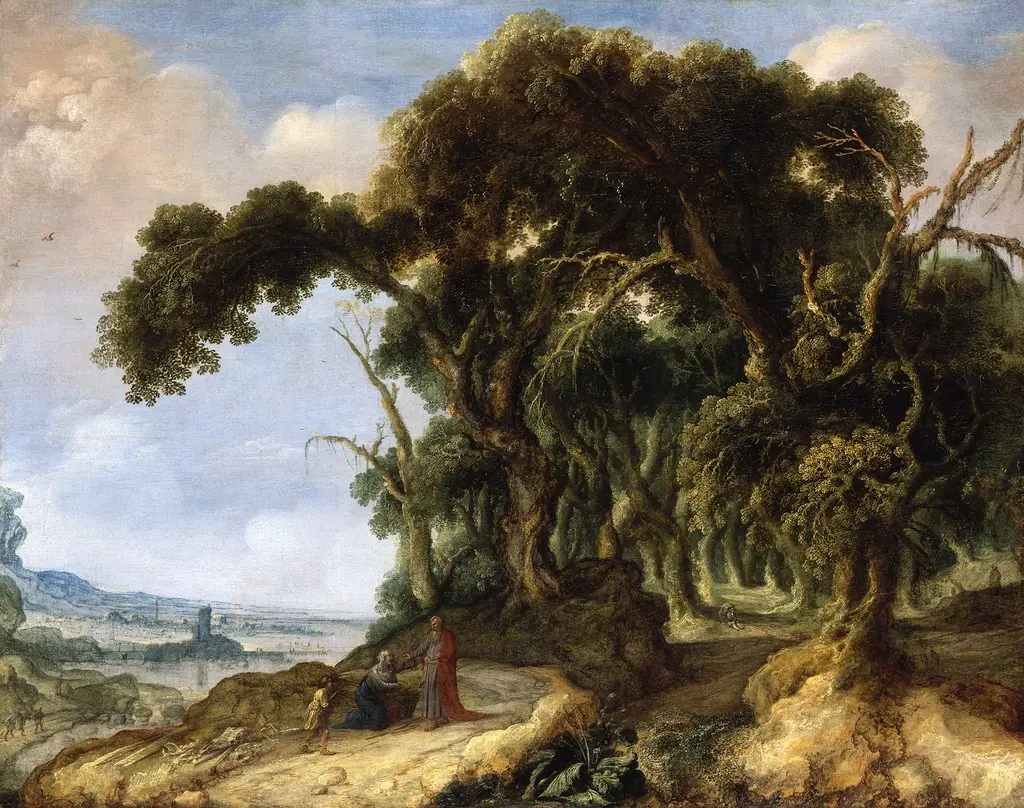 Forest Landscape with Elias and Zapath's Widow
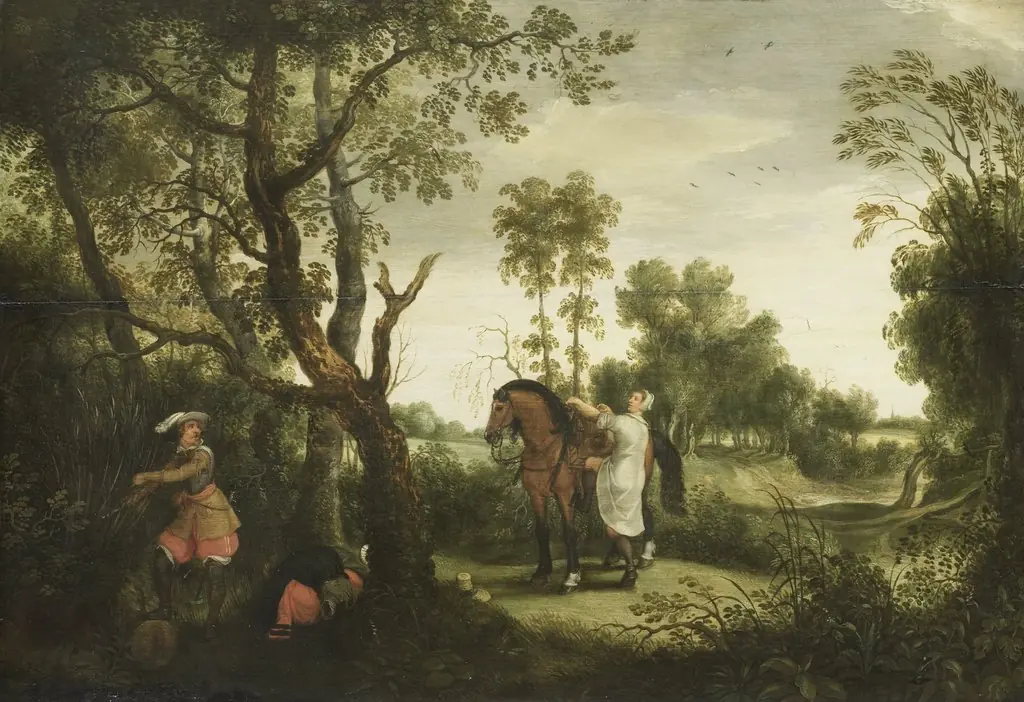 The robber punished
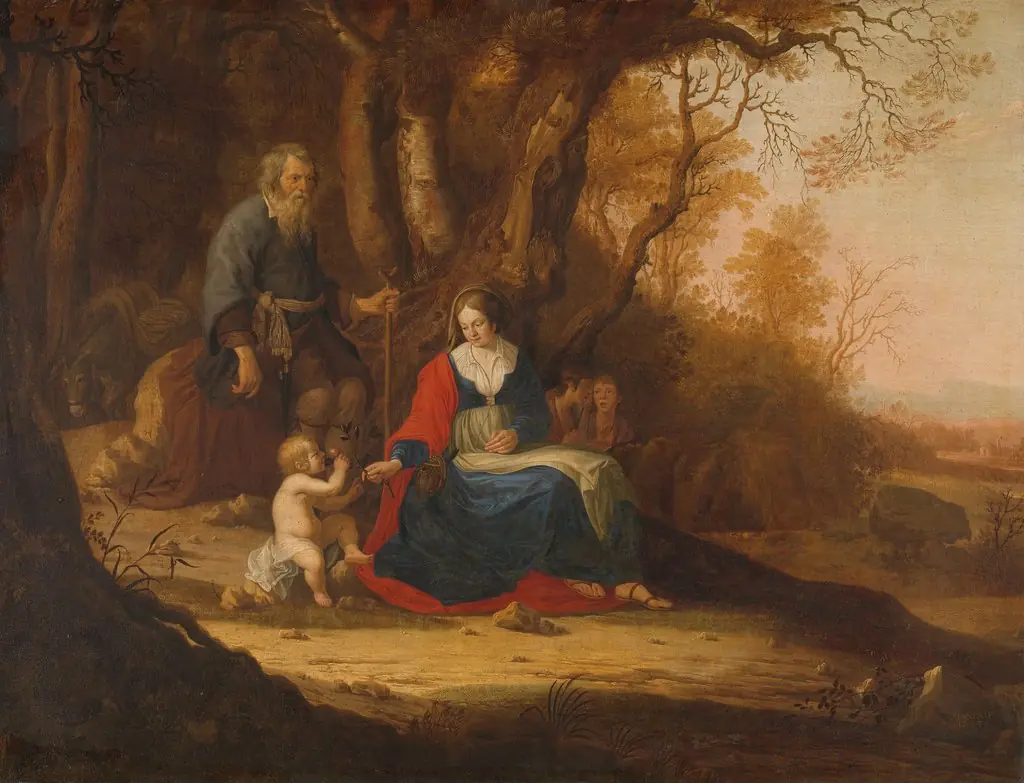 Rest on the flight to Egypt
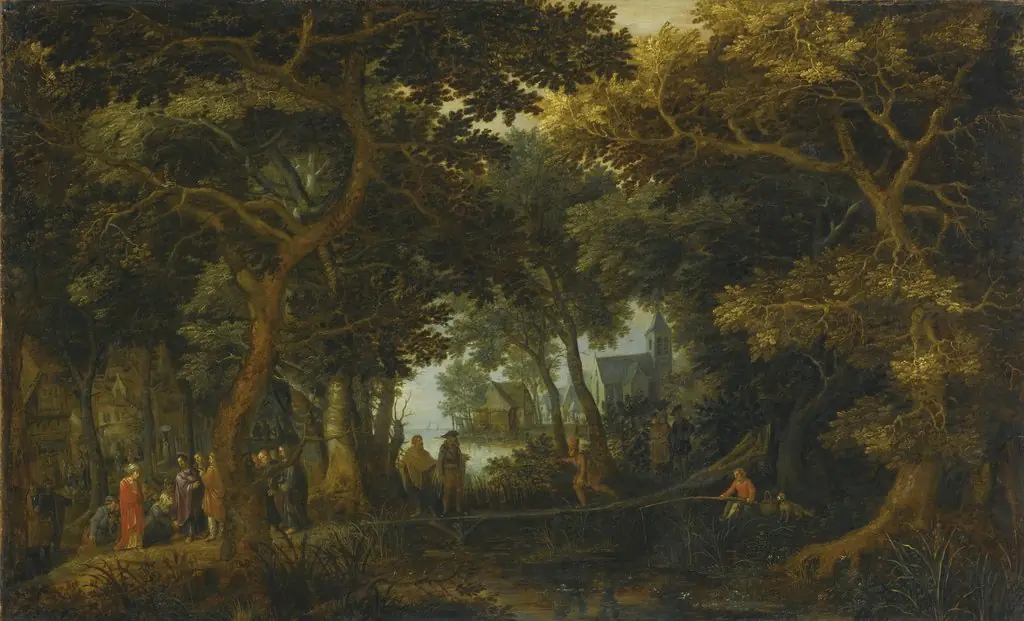 Forest Landscape with two of Christ's Miracles
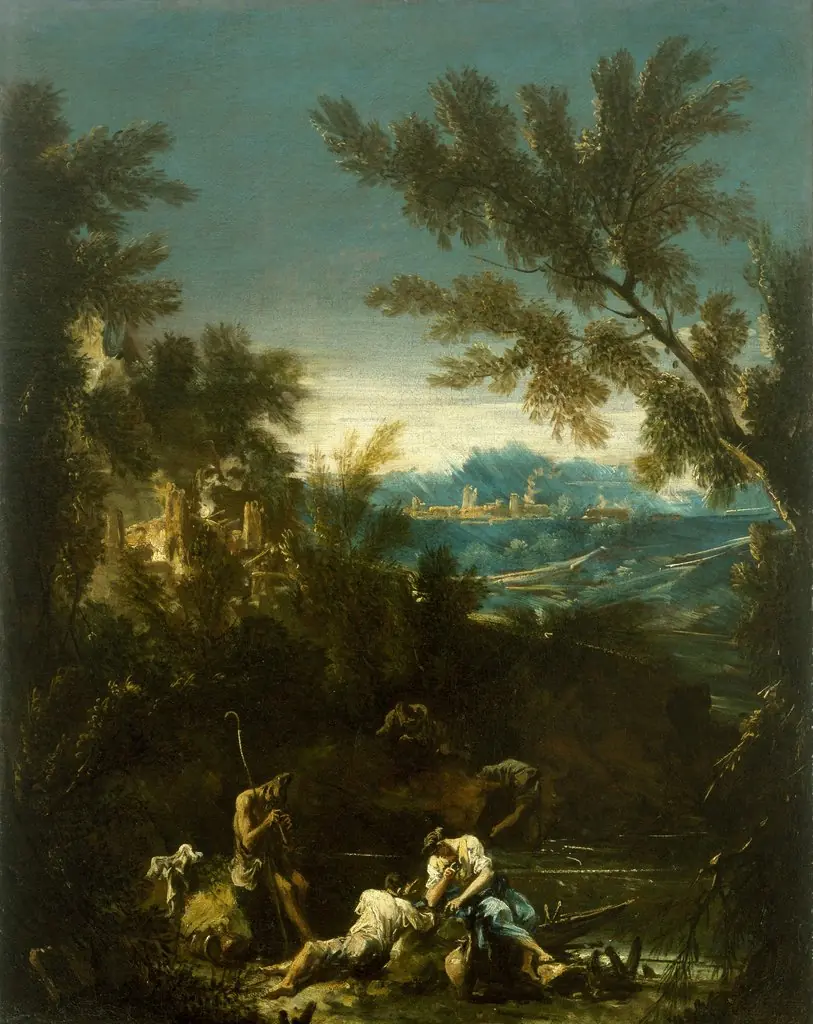 Landscape with Figures
 The field worker from Gibeah offers shelter to the Levite and his concubine
 Finding of Romulus and Remus