Artwork
The Parable of the Rich Man and Lazarus
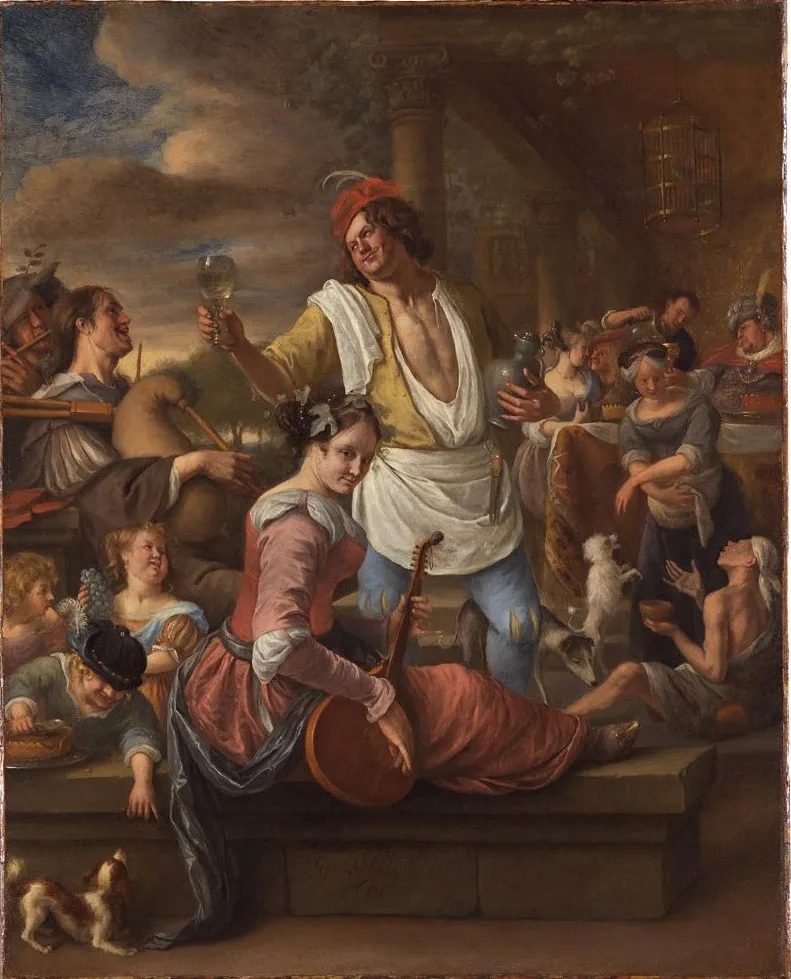
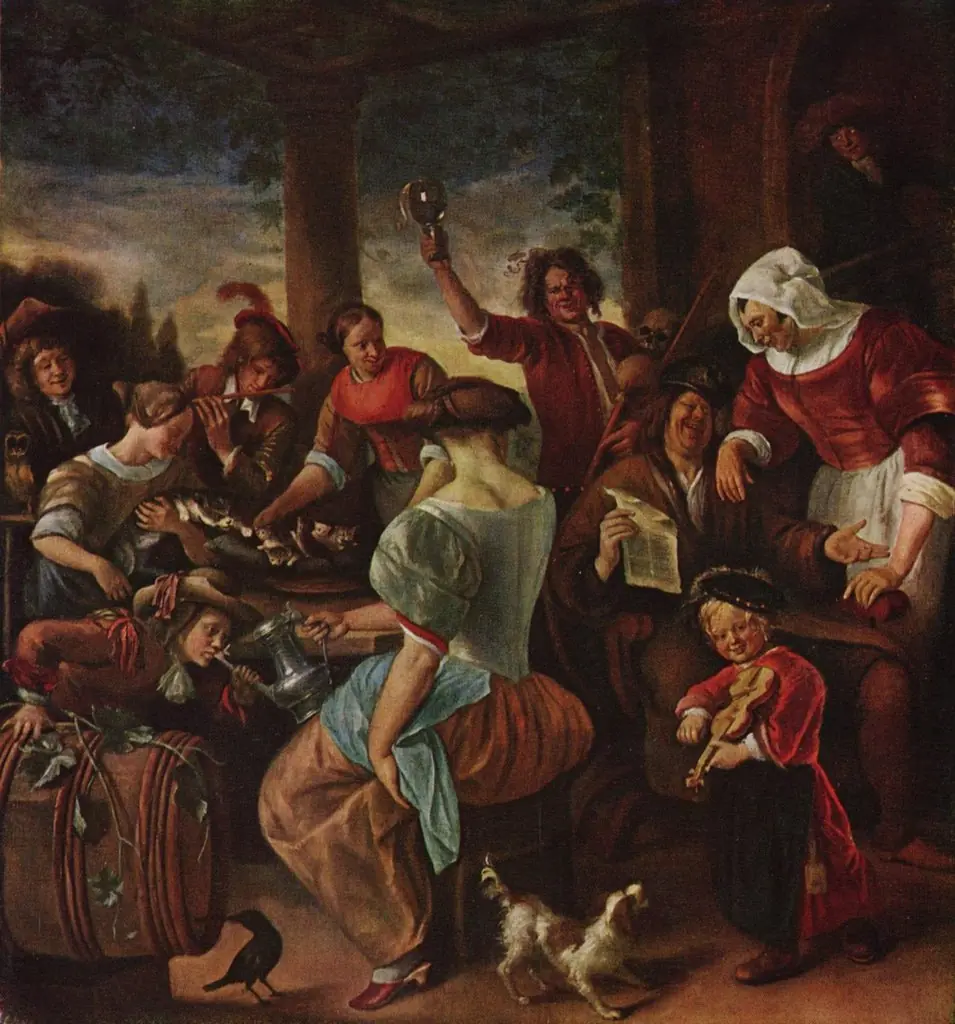
The Parable of the Rich Man and Lazarus is an oil painting by the Dutch Golden Age artist Jan Steen. It dates from 1677 and is held in the collection of the Munich Central Collecting Point.
About this work
Subject & Meaning
The scene draws on Luke 16:19-31, where the rich man’s neglect of Lazarus leads to his eternal punishment, while Lazarus is comforted in Abraham’s bosom.
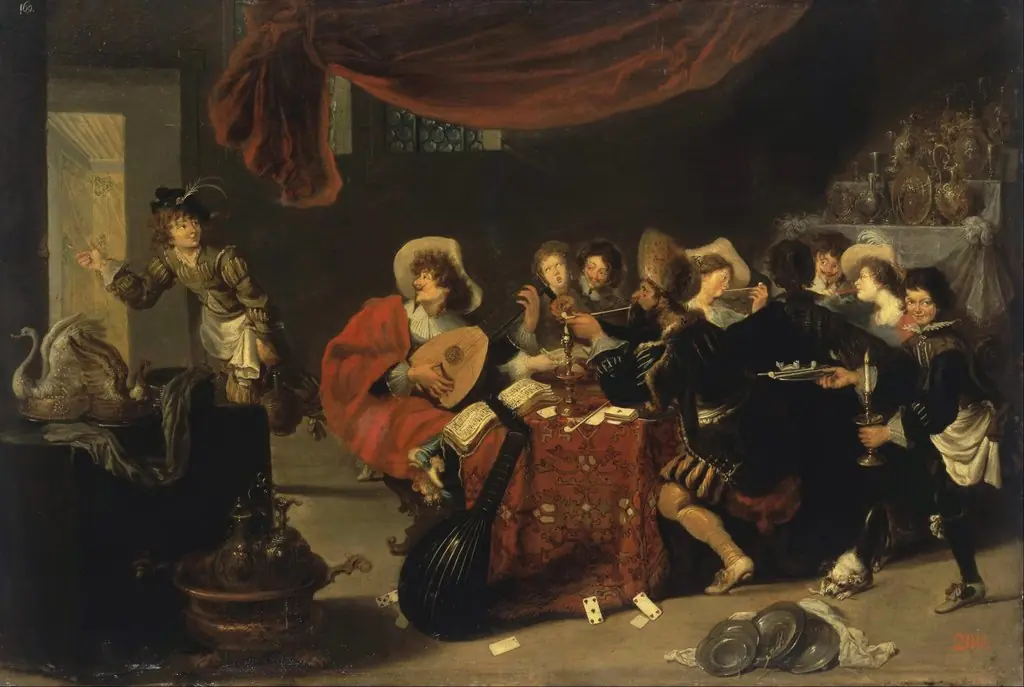
The painting illustrates the biblical parable of the Rich Man and Lazarus, portraying the wealthy figure in fine garments contrasted with the impoverished beggar at his gate. This composition emphasizes themes of social disparity, divine retribution, and moral accountability, reflecting Counter-Reformation concerns about charity and justice. The scene draws on Luke 16:19-31, where the rich man’s neglect of Lazarus leads to his eternal punishment, while Lazarus is comforted in Abraham’s bosom.
Contemporary interpretations often highlight the ethical warning against avarice and the transience of worldly wealth, resonating with 17th-century Dutch moral discourse.
Technique & Style
The Parable of the Rich Man and Lazarus is an oil painting executed on canvas. The work is classified as a religious painting within Jan Steen's oeuvre.
Measured dimensions recorded for the canvas are approximately 80.3 cm in height by 64.8 cm in width, with an alternate set of measurements of 80 by 65 cm also documented. The dual inception dates of 1651 and 1677 associated with the work on Wikidata suggest possible uncertainty regarding when it was painted, though the primary date of 1651 is consistently cited.
No further details regarding the painting's specific handling, brushwork, surface condition, or stylistic qualities are documented in the available sources.
History & Provenance
Jan Steen created the oil-on-canvas painting The Parable of the Rich Man and Lazarus in 1651. The work was originally owned by Cornelis Hoogendijk. Its provenance includes a period in the Leiden Collection before entering the Führermuseum in Munich.
Following the war, the painting was processed at the Munich Central Collecting Point. It is currently held by the Rijksmuseum.
The work is held in the Leiden Collection and is listed in the Leiden Collection inventory as accession number 2015-001. It has been displayed in the exhibition "Dutch Golden Age Masterpieces" at the Rijksmuseum in 2019.
Exhibition history includes a showing at the Amsterdam Museum in 2021 as part of the "Religion and Society" series.
Overview
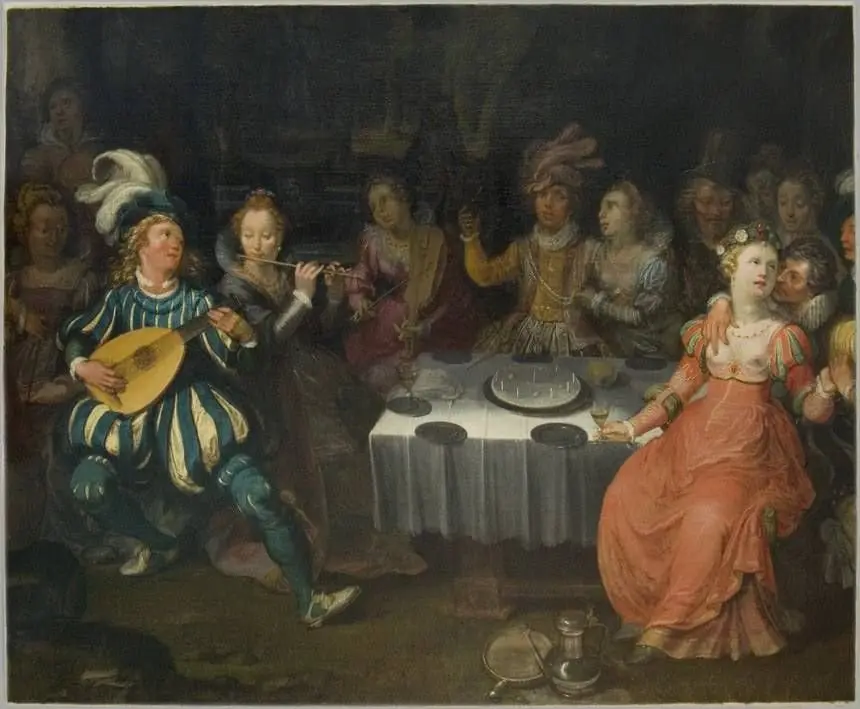
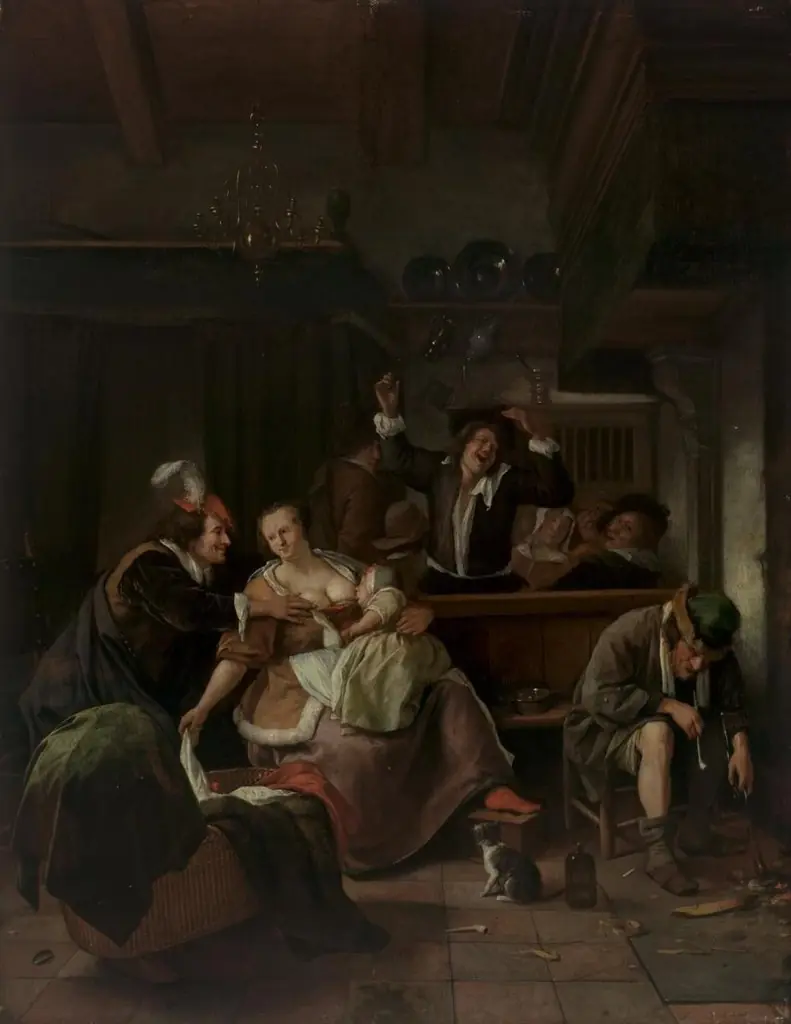
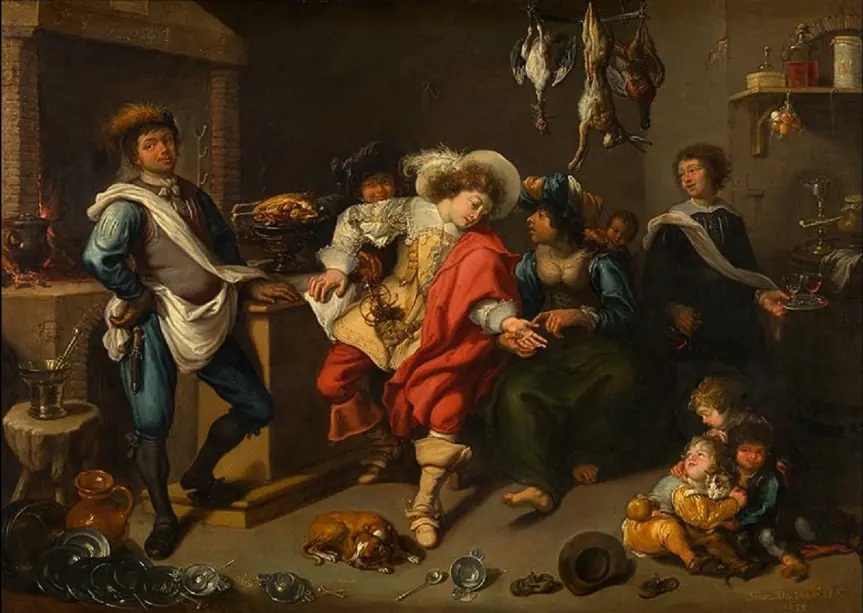
Jan Steen’s 1677 oil on canvas, titled The Parable of the Rich Man and Lazarus, presents a bustling interior scene that illustrates the biblical narrative. The composition is populated by elegantly dressed figures engaged in drinking, eating, and lively conversation, while a central female figure kneels beside a prone man who appears incapacitated. The work is part of the Rijksmuseum’s collection.
Context
Created during a period when Dutch artists frequently rendered biblical stories as everyday domestic tableaux, the work reflects contemporary concerns about morality, wealth, and social responsibility. Steen’s choice to embed the parable within a tavern‑like setting mirrors the era’s didactic use of familiar environments to convey religious lessons.
Artist & collection
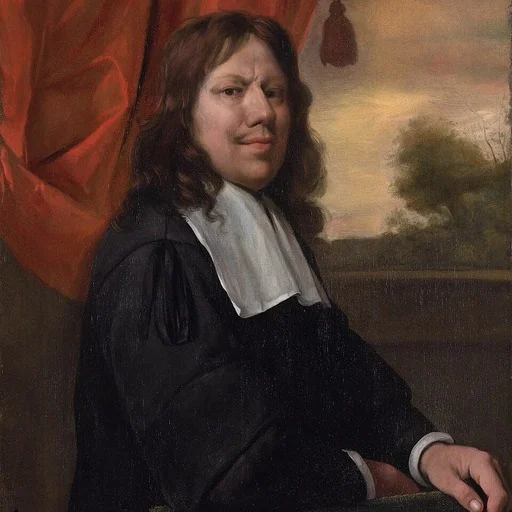
Artist
Jan Havickszoon Steen was a Dutch Golden Age painter, one of the leading genre painters of the 17th century.
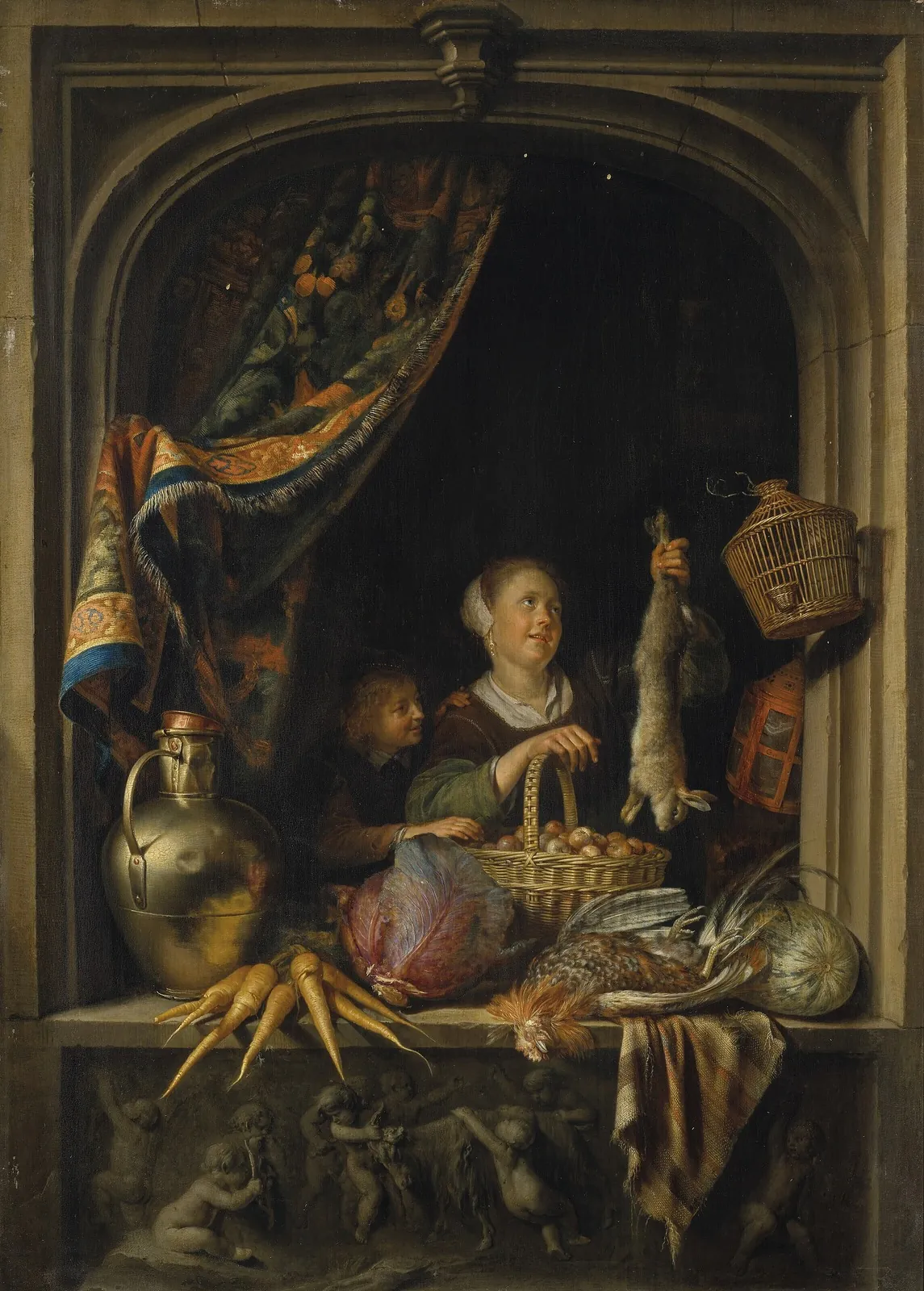
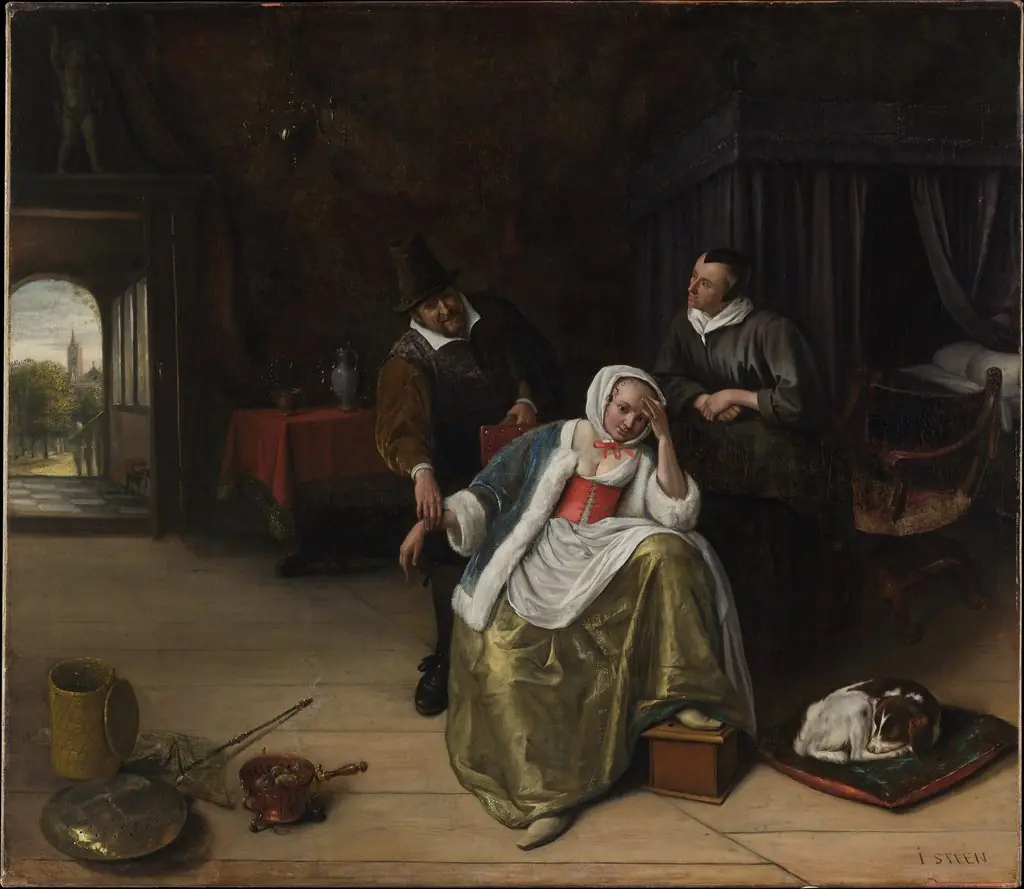 Paintings of physicians by Jan Steen
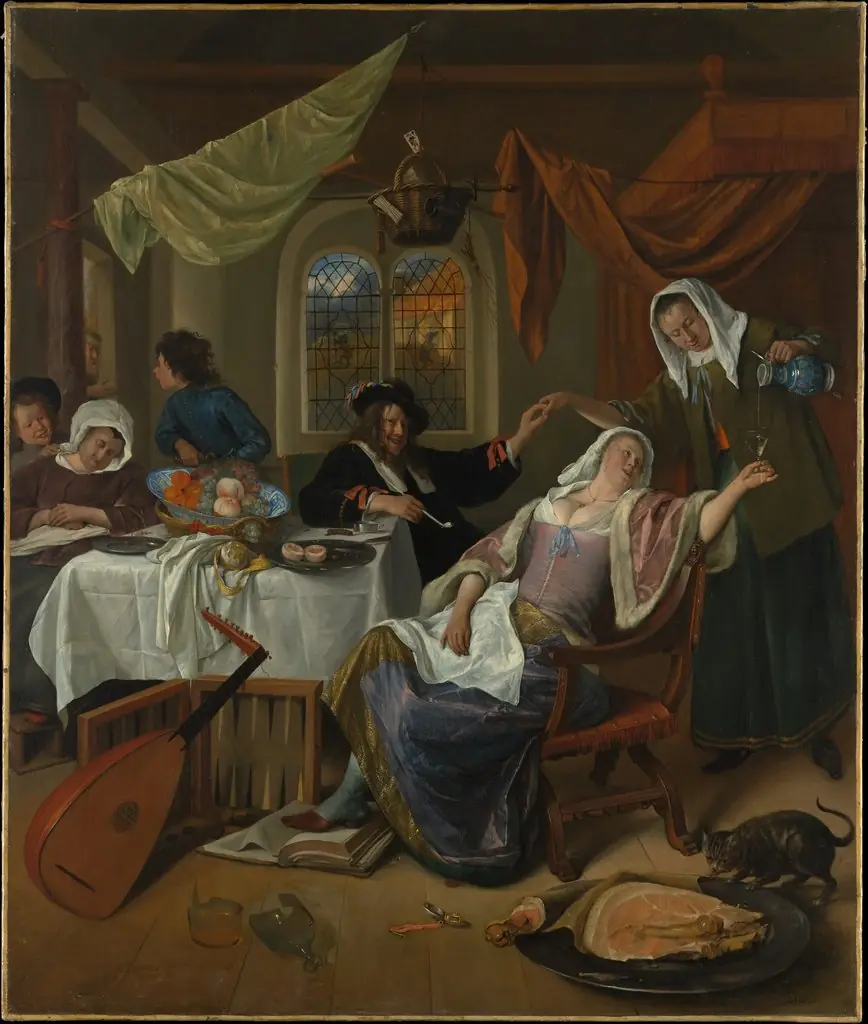 The Dissolute Household
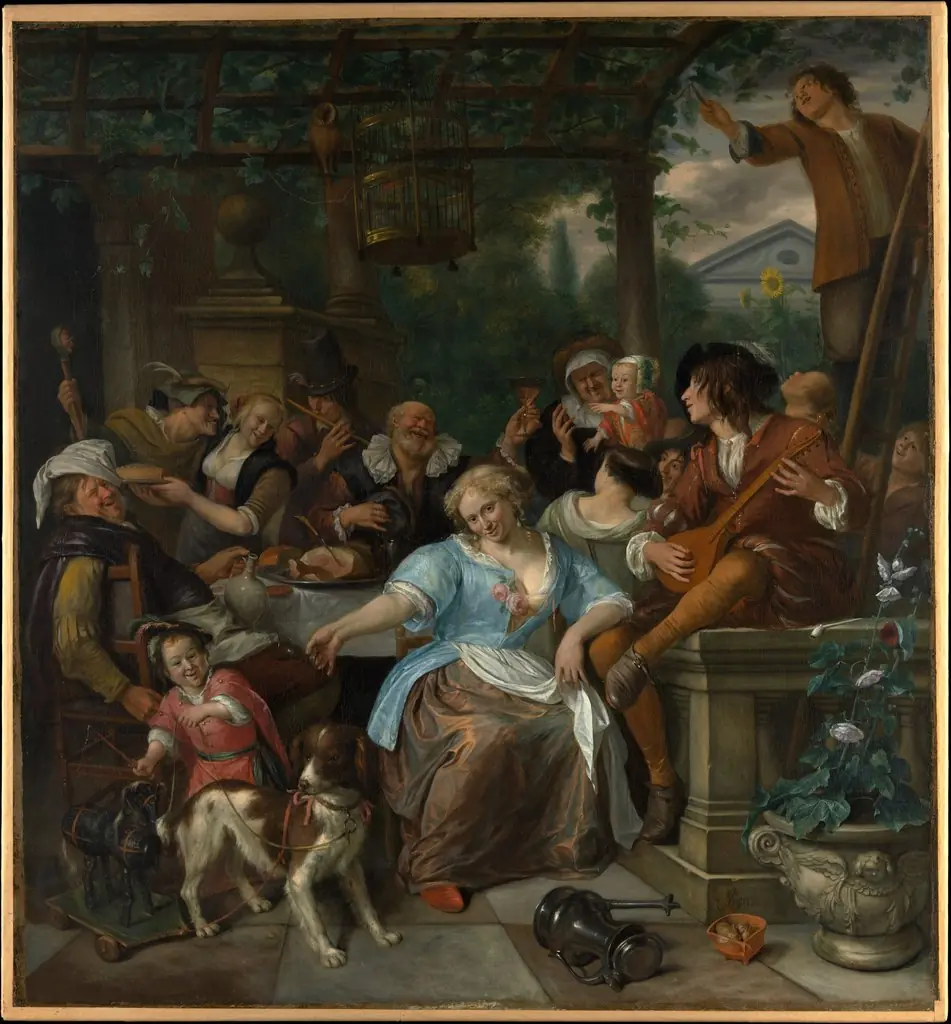 Merry Company on a Terrace
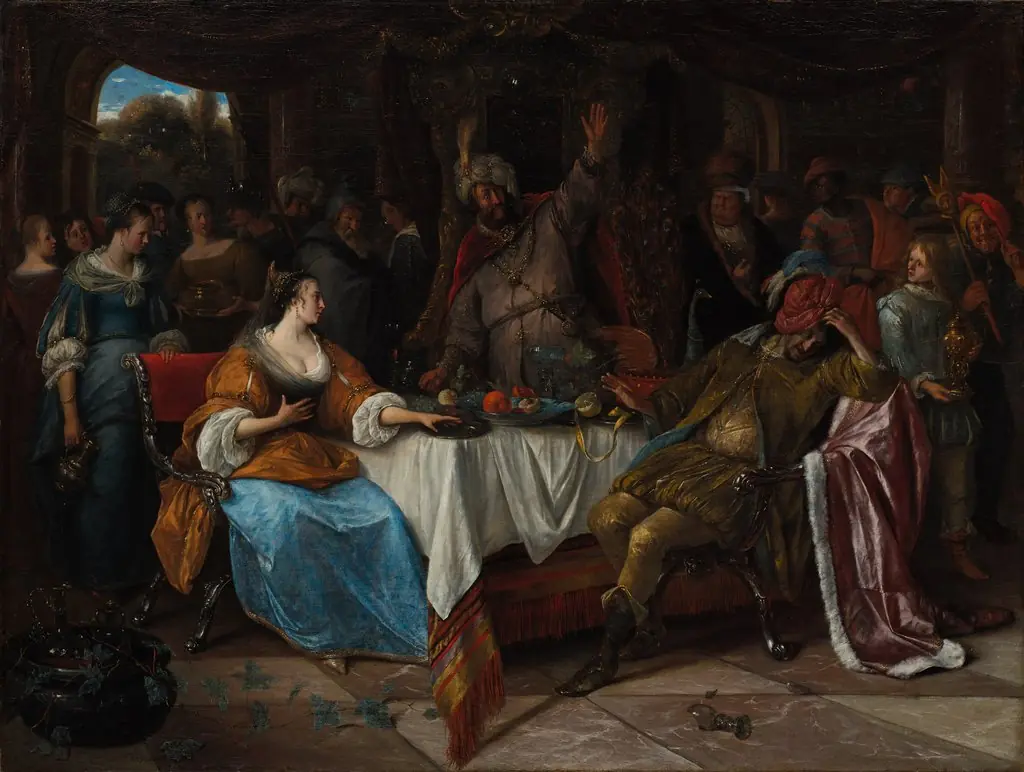 Esther, Ahasuerus, and Haman
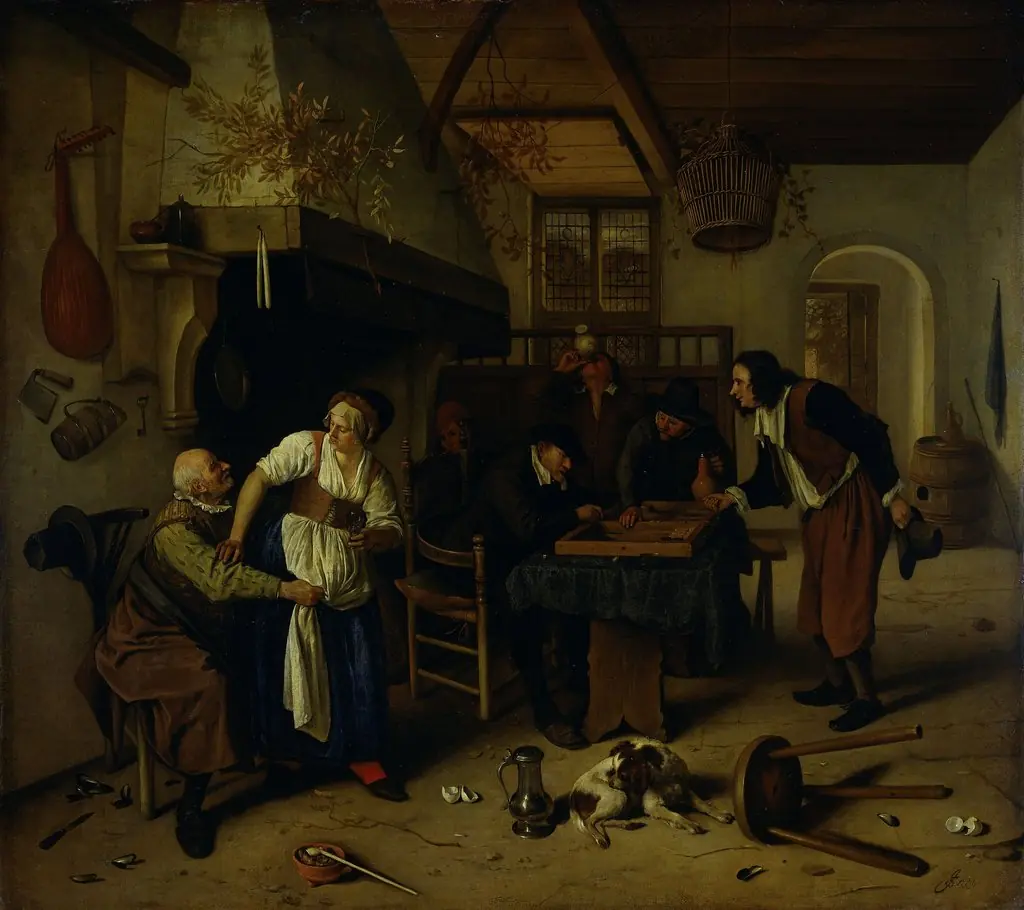 Interior of an inn with an old man amusing himself with the landlady and two men playing backgammon, known as 'Two kinds of games'
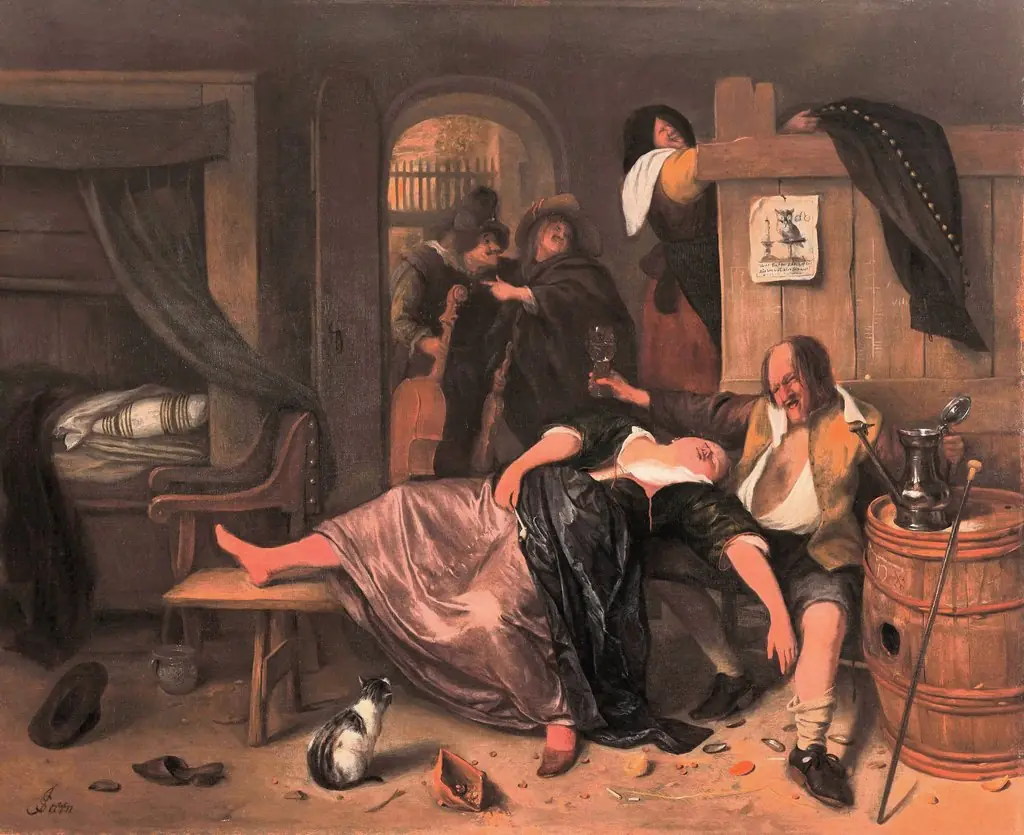 The Drunken Couple
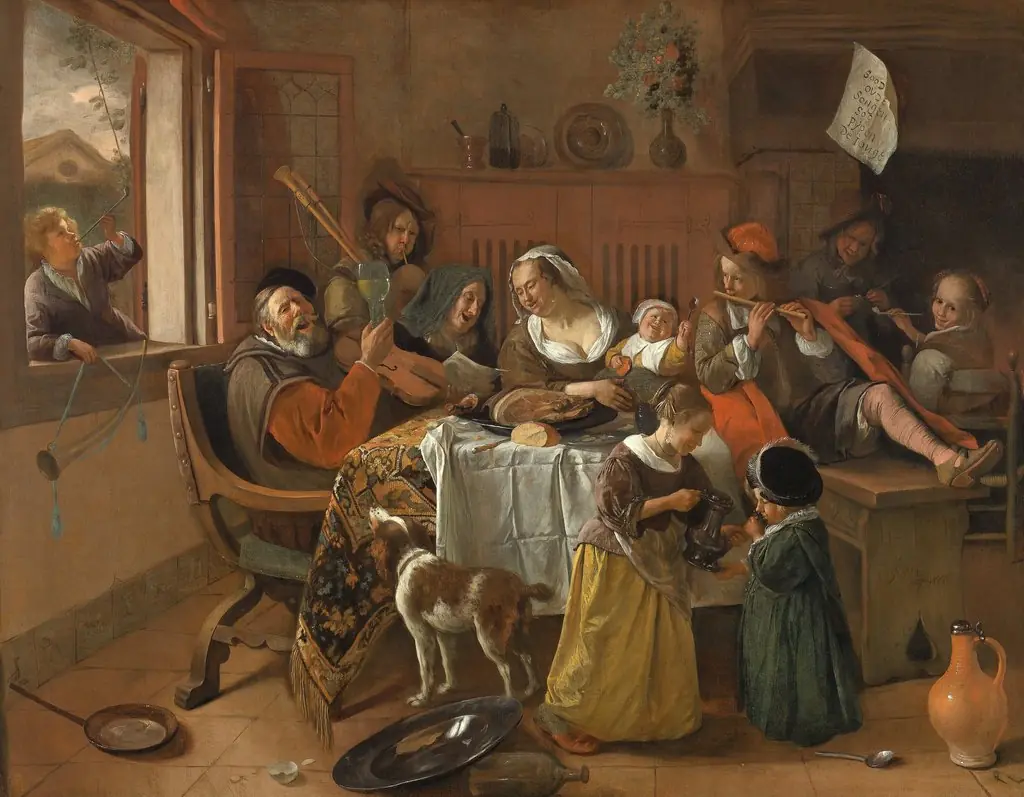 The Happy Family
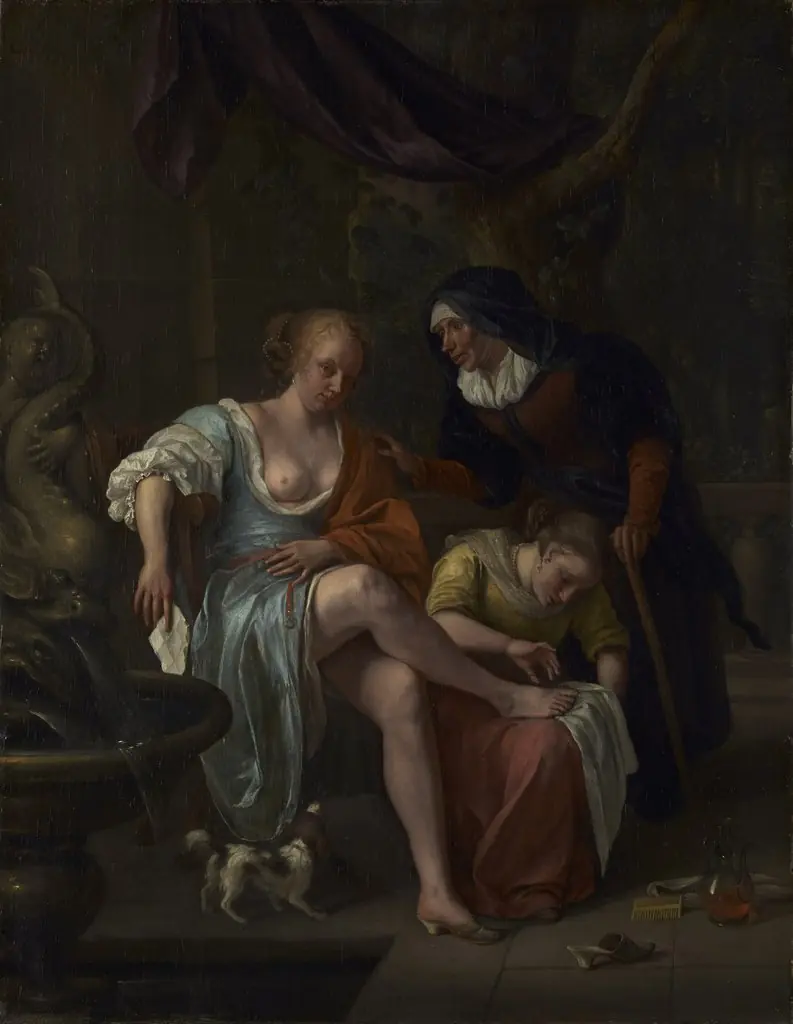 Bathsheba after the Bath