Artwork
The Sacrifice of Iphigenia
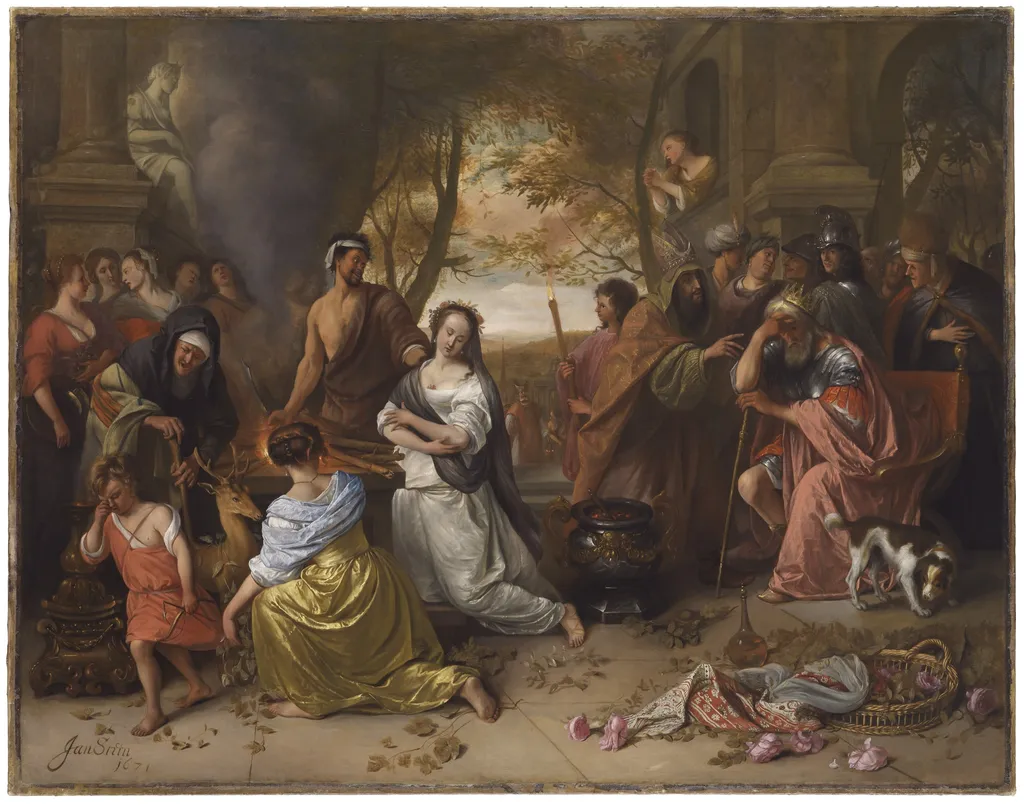
The Sacrifice of Iphigenia is an oil painting by the Dutch Golden Age artist Jan Steen. It dates from 1671 and is held in the collection of the Rijksmuseum.
About this work
Subject & Meaning
These iconographic choices reflect Baroque artistic strategies that sought to evoke emotional depth and moral reflection through mythological narratives.
The painting depicts the mythological moment of Iphigenia's sacrifice, a subject drawn from classical Greek tragedy in which the Greek leader Agamemnon is compelled to offer his daughter to appease the goddess Artemis before the Trojan War. This narrative emphasizes themes of sacrifice, duty, and the tragic consequences of hubris, resonating with Baroque-era explorations of moral conflict. The composition underscores the dramatic tension inherent in mythological storytelling, reflecting the cultural fascination with heroic and sacrificial narratives.
The work is attributed to Jan Steen, a Dutch Golden Age painter known for his vivid genre scenes and mythological subjects, and exemplifies the period's interest in reinterpreting ancient stories through a contemporary lens. Its execution in oil on canvas, measuring 135.0 cm by 173.0 cm, aligns with typical dimensions of 17th-century Dutch paintings, facilitating both intimate viewing and grand narrative presentation. The painting's provenance includes ownership by Jacques Goudstikker and subsequent inclusion in major collections such as the Rijksmuseum and Munich Central Collecting Point, underscoring its historical and artistic significance.
Symbolically, the work engages with themes of divine will and human vulnerability, using visual elements such as ritualistic gestures and dramatic lighting to convey the gravity of the sacrifice. These iconographic choices reflect Baroque artistic strategies that sought to evoke emotional depth and moral reflection through mythological narratives.
Technique & Style
The Sacrifice of Iphigenia is an oil painting on canvas measuring 135.0 × 173.0 cm. The work belongs to the mythological genre, depicting the sacrifice of Iphigenia. As a painting by Jan Steen from 1671, it represents a departure from his more familiar domestic and tavern scenes, demonstrating his engagement with classical subject matter. The large scale and oil-on-canvas support are consistent with ambitious history painting of the Dutch Golden Age.
History & Provenance
Jan Steen created The Sacrifice of Iphigenia in 1671 using oil paint on canvas. The artwork's early ownership remains unspecified in the available records, but its later provenance is well documented. The painting was formerly part of the Jacques Goudstikker collection, passing to the Goudstikker heirs before being appropriated into the Hermann Göring Collection during the mid-twentieth century.
Following World War II, it was recovered and transferred to the Munich Central Collecting Point. Subsequently, the work was allocated to the Stichting Nederlands Kunstbezit and later entered the Leiden Collection. It is currently held by the Rijksmuseum.
Context
Jan Steen's 1671 oil painting The Sacrifice of Iphigenia depicts a mythological scene of Iphigenia's sacrifice, reflecting the artist's engagement with classical narratives during the Dutch Golden Age. The work is part of a complex provenance involving multiple collectors, including Jacques Goudstikker, the Rijksmuseum, and the Munich Central Collecting Point, underscoring its circulation through elite private and institutional collections. Its inclusion in mythological painting genres highlights Steen's role beyond genre scenes, situating the artwork within broader scholarly discussions of 17th-century Dutch art's thematic diversity and the interplay between private patronage and mythological representation.
Overview
Jan Steen’s 1671 oil on canvas, titled The Sacrifice of Iphigenia, presents a tense mythological tableau now in the collection of the Rijksmuseum. The composition centers on a pale‑clad woman being restrained by a male figure, surrounded by onlookers whose faces convey anxiety. Muted browns and grays dominate the palette, while a distant building and trees recede into the background, heightening the somber mood.
Own this work as a print
Artist & collection
Artist
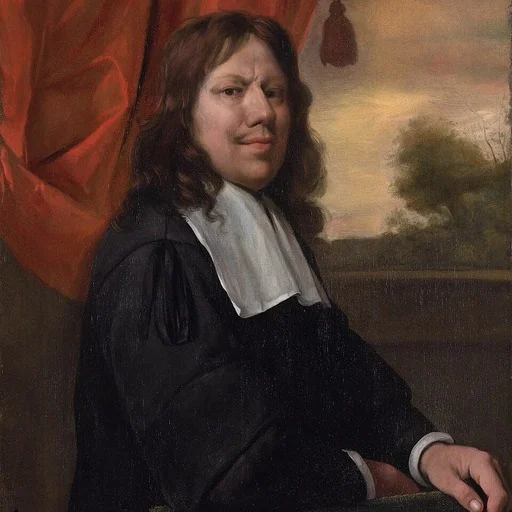
Jan Havickszoon Steen was a Dutch Golden Age painter, one of the leading genre painters of the 17th century.

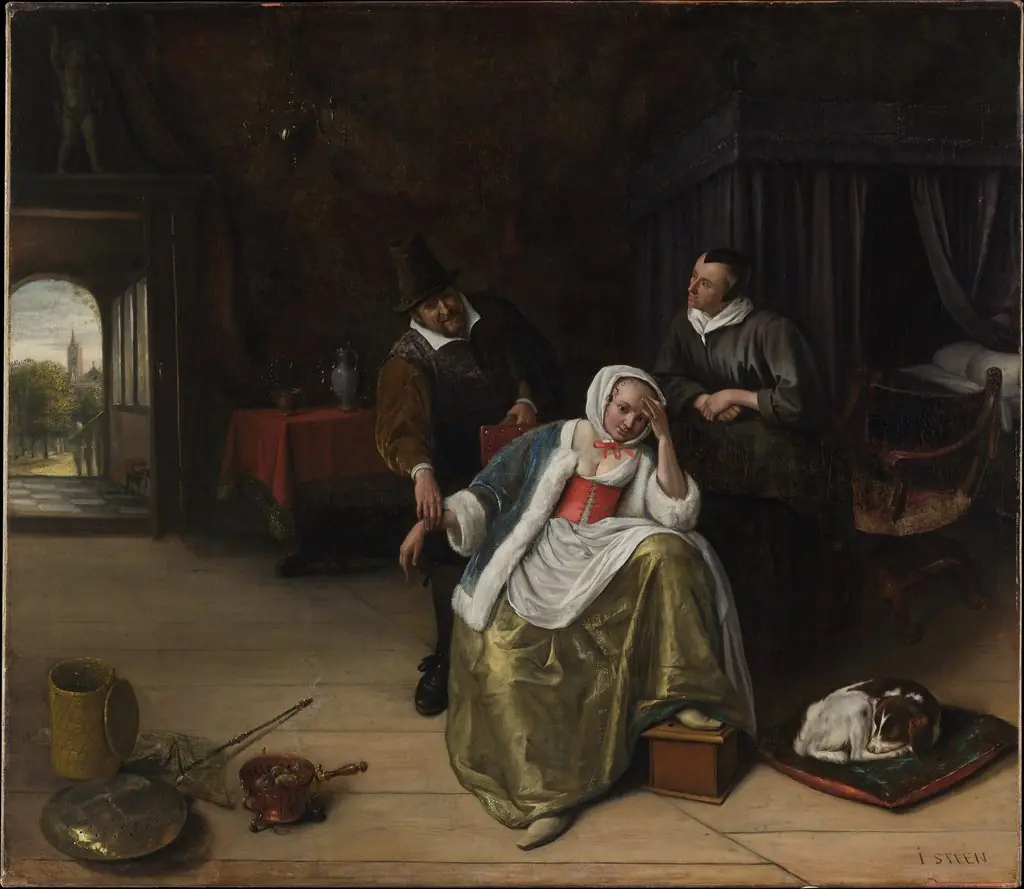 Paintings of physicians by Jan Steen
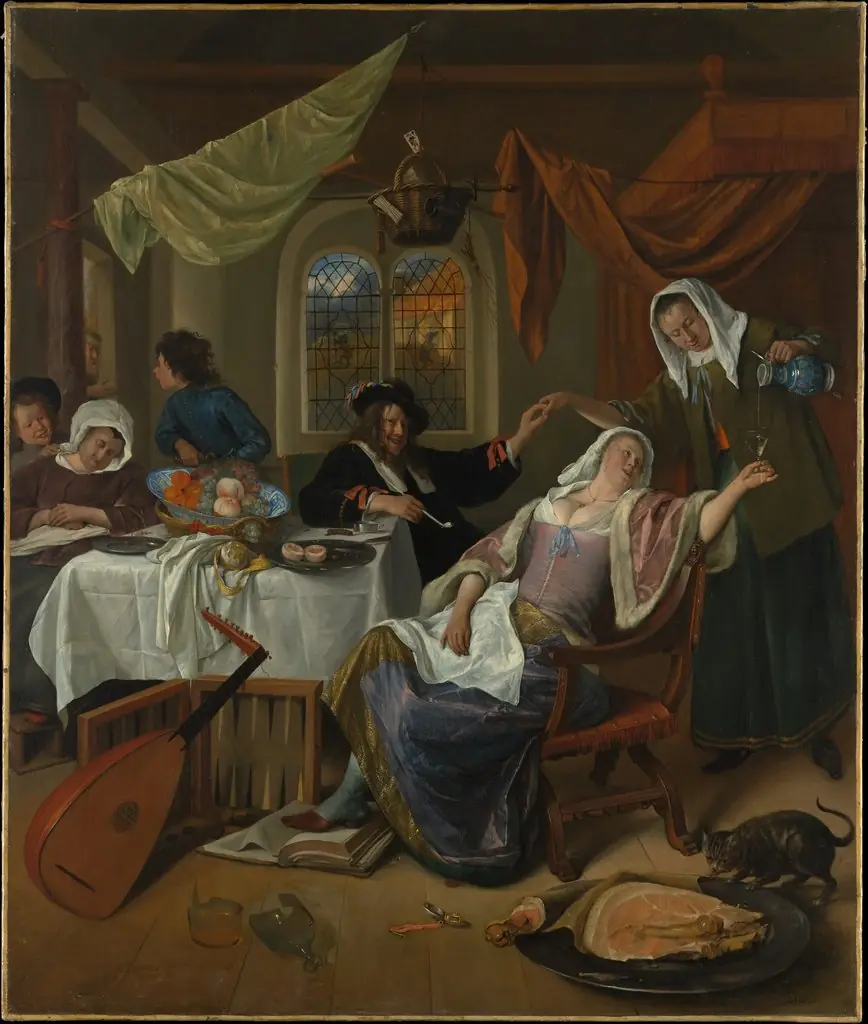 The Dissolute Household
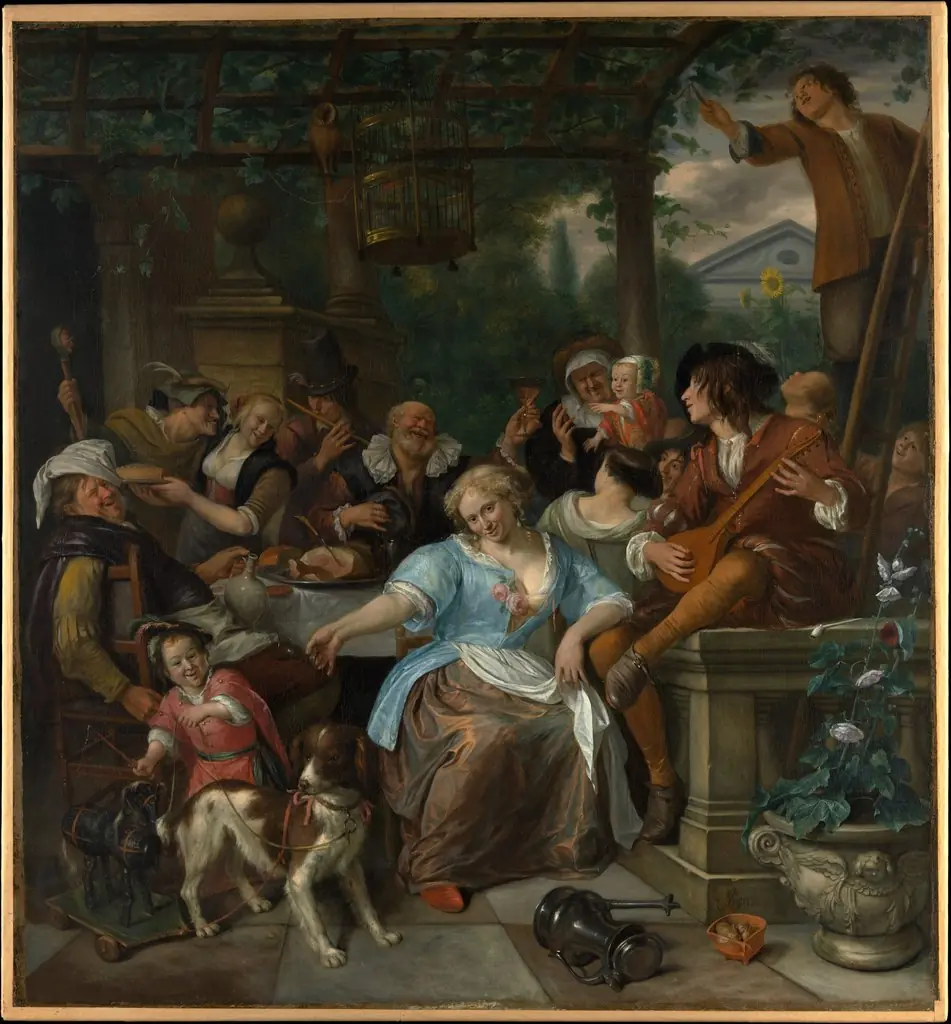 Merry Company on a Terrace
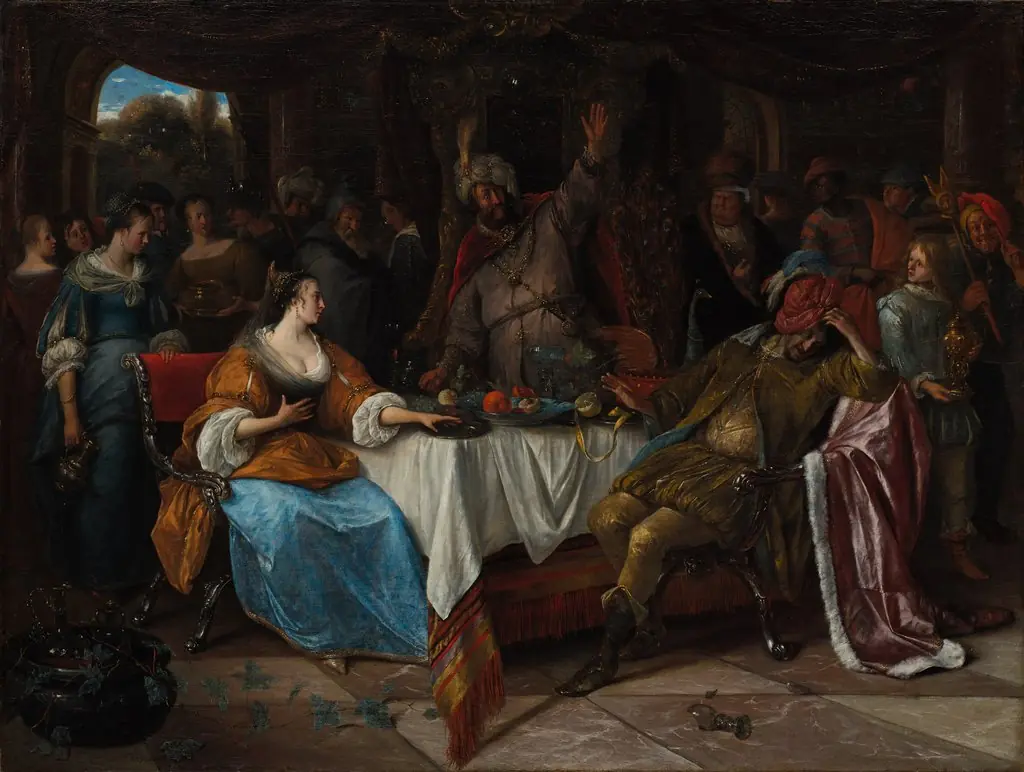 Esther, Ahasuerus, and Haman
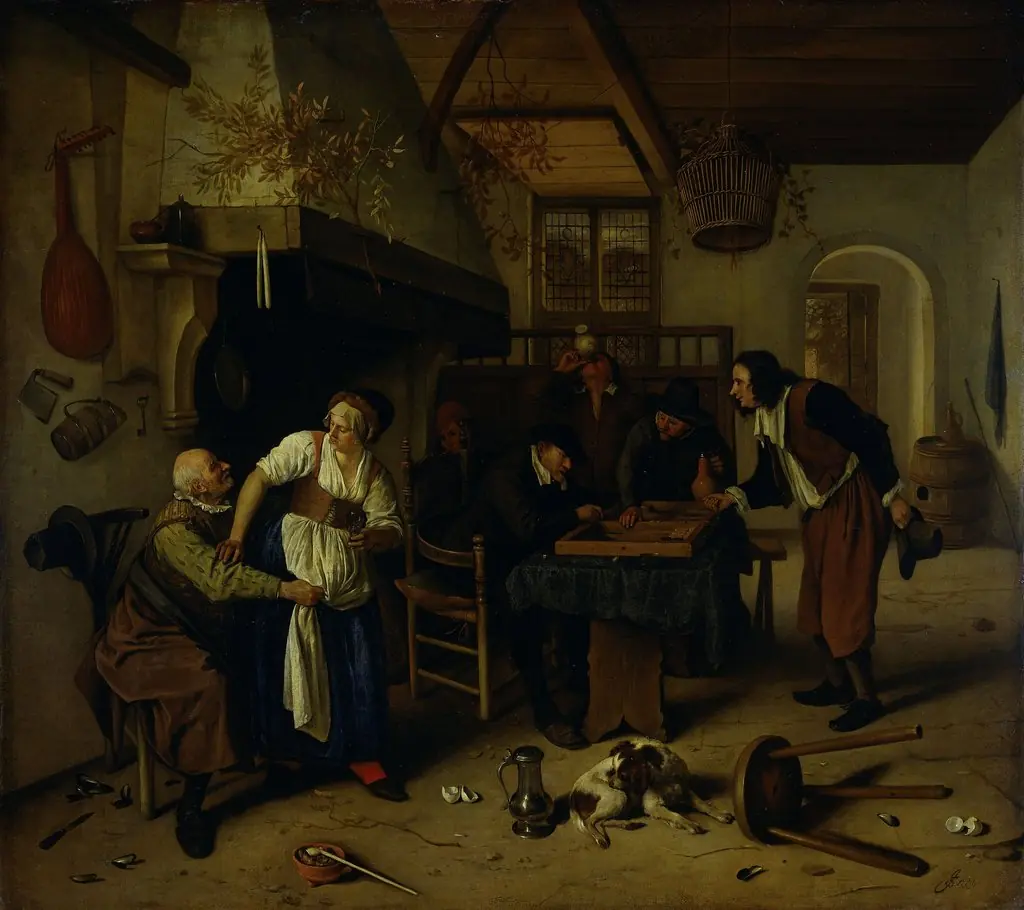 Interior of an inn with an old man amusing himself with the landlady and two men playing backgammon, known as 'Two kinds of games'
 The Drunken Couple
 The Happy Family
 Bathsheba after the Bath
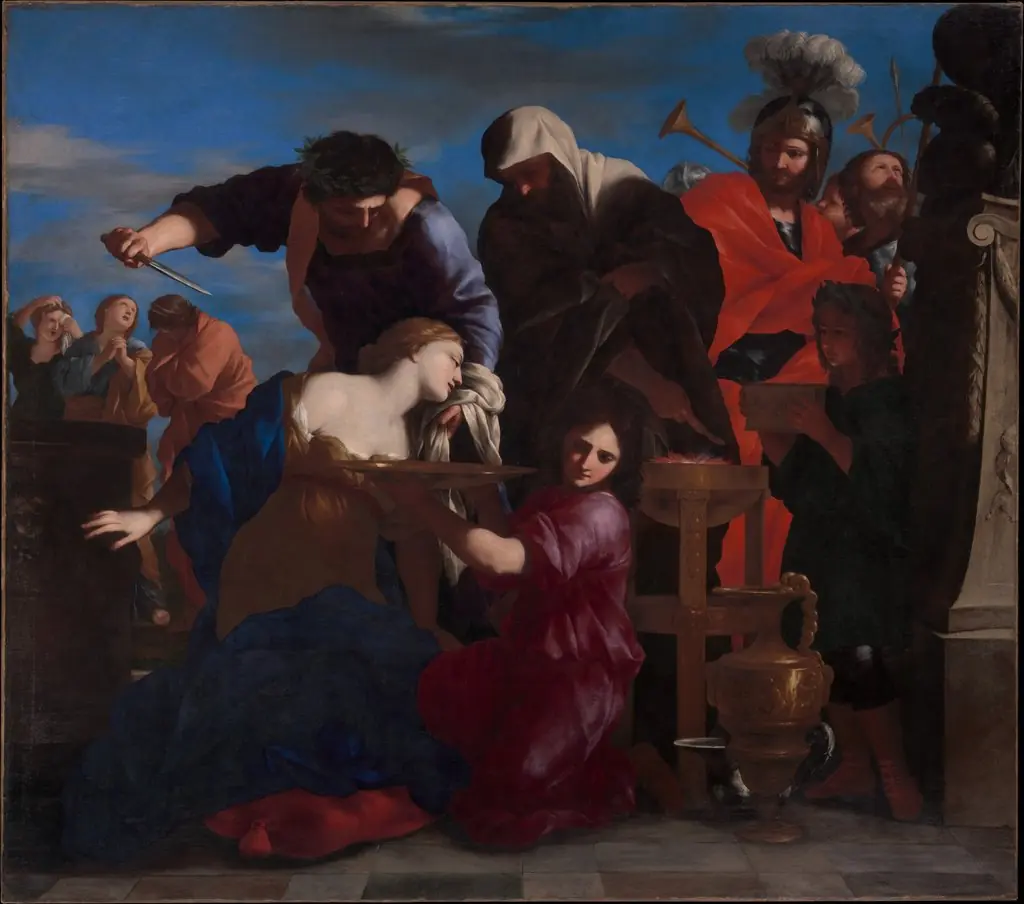
- The Sacrifice of Polyxena
 Achilles among the Daughters of Lycomedes
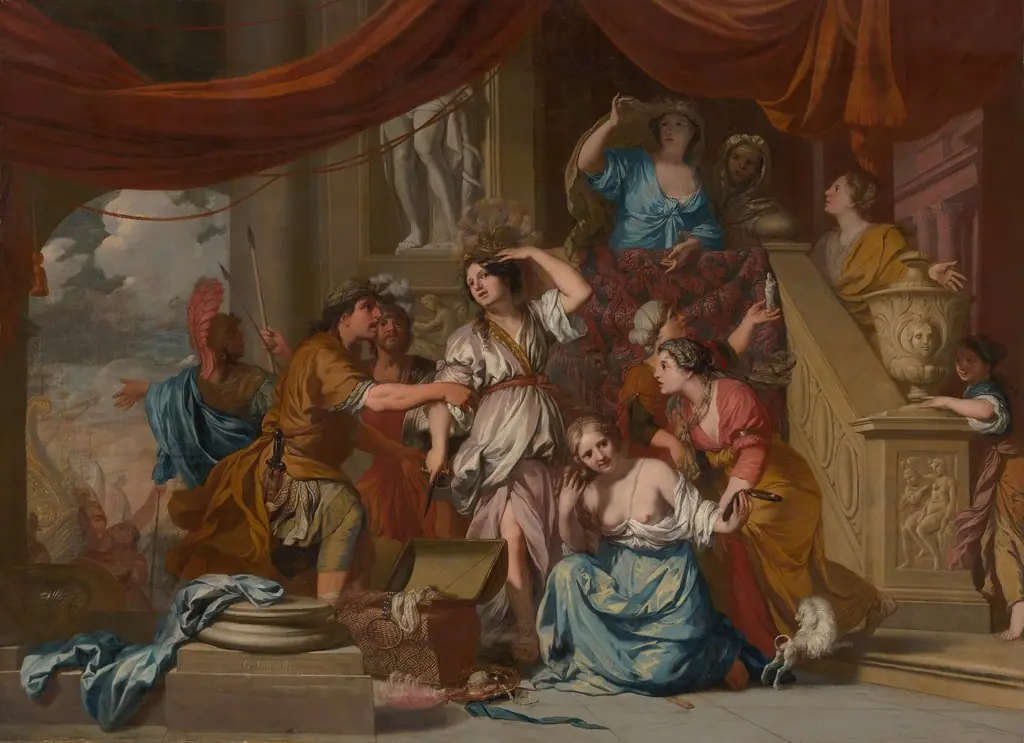 Achilles Discovered among the Daughters of Lycomedes
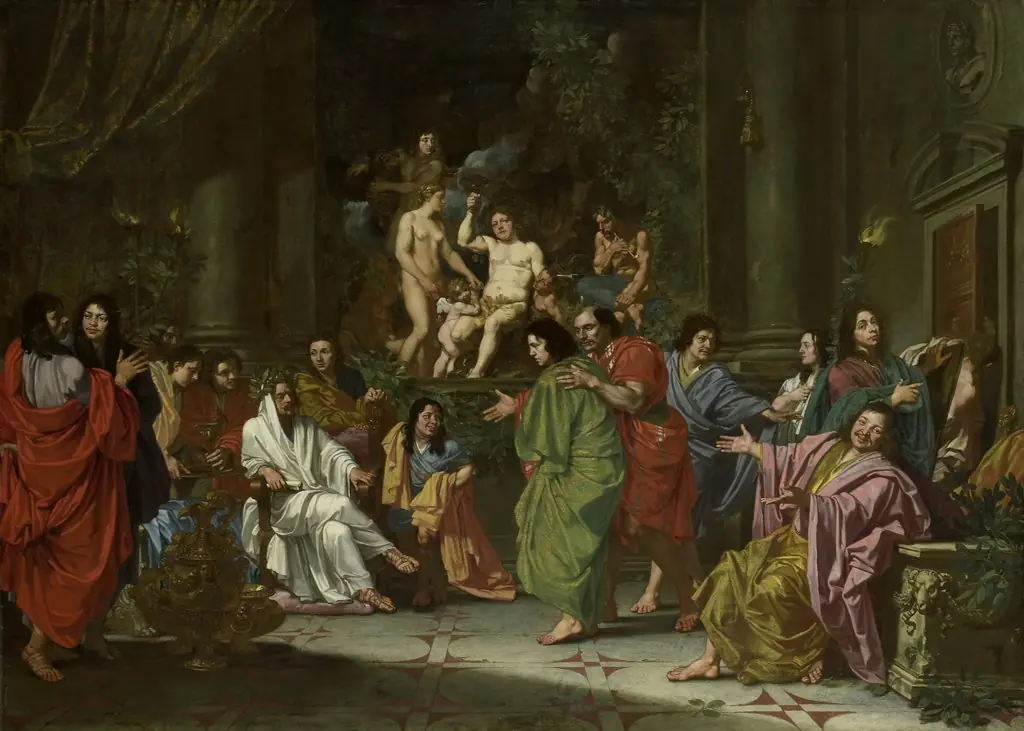 Initiation of a new Member of the Bentvueghels in Rome (Schildersbent)
 David Returning Victorious after Defeating Goliath and the Philistines
 Death of Dido
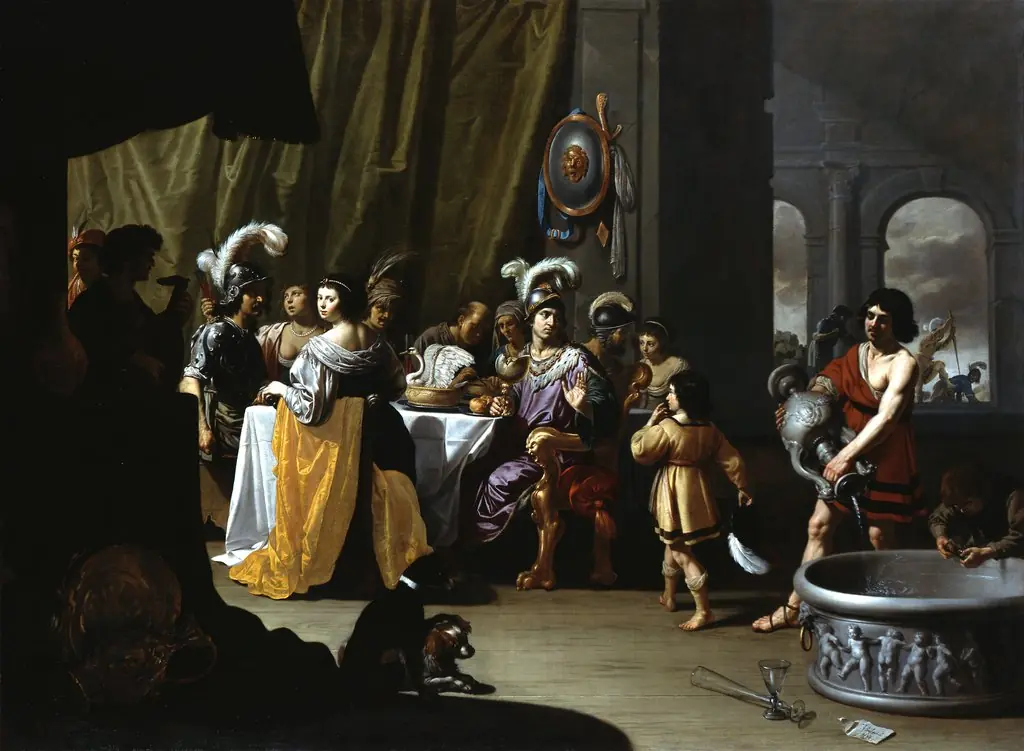 The Feast of Alexander and Kleitos
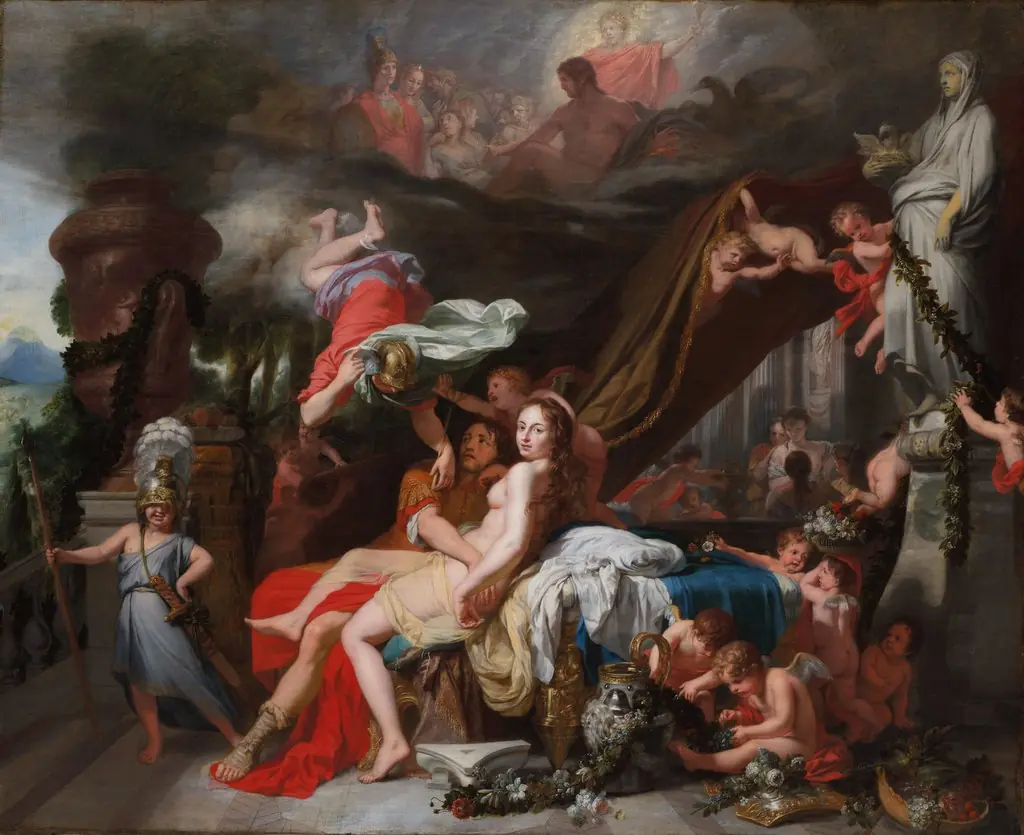 Hermes Ordering Calypso to Release Odysseus
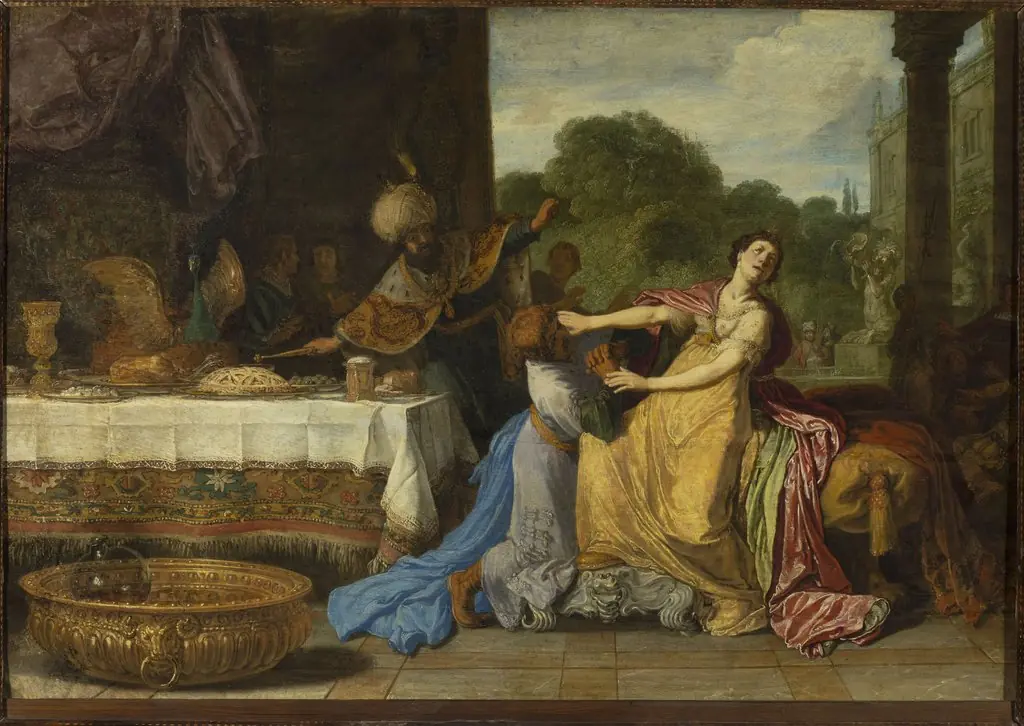 Haman begging the mercy of Esther (Esther 7:6-7)
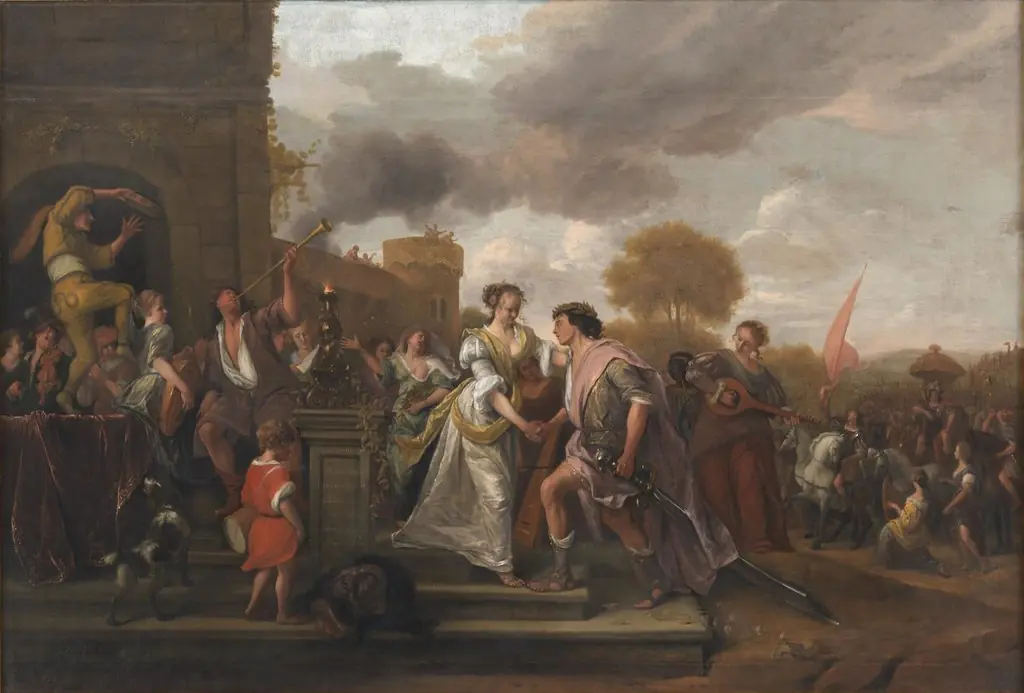 David Returning Victorious after Defeating Goliath and the Philistines
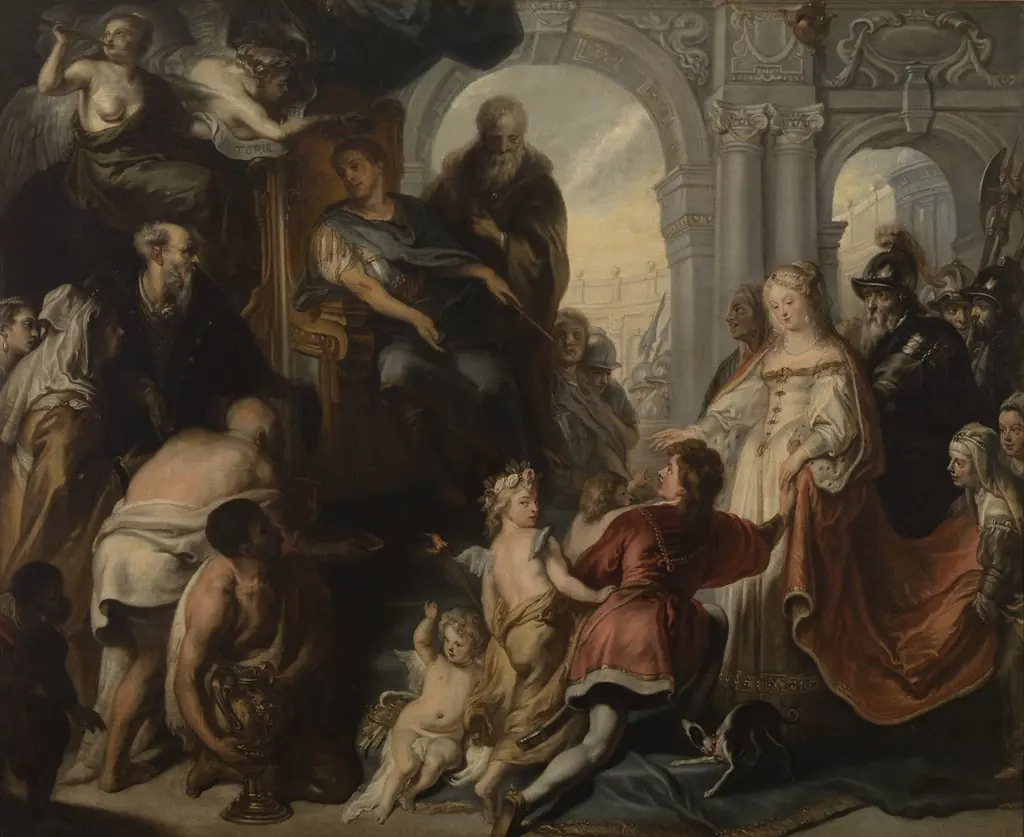 The Continence of Scipio Africanus
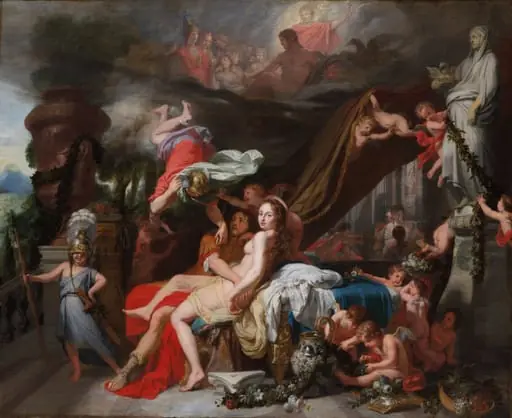 Hermes Ordering Calypso to Release Odysseus