Artwork
Crucifixion
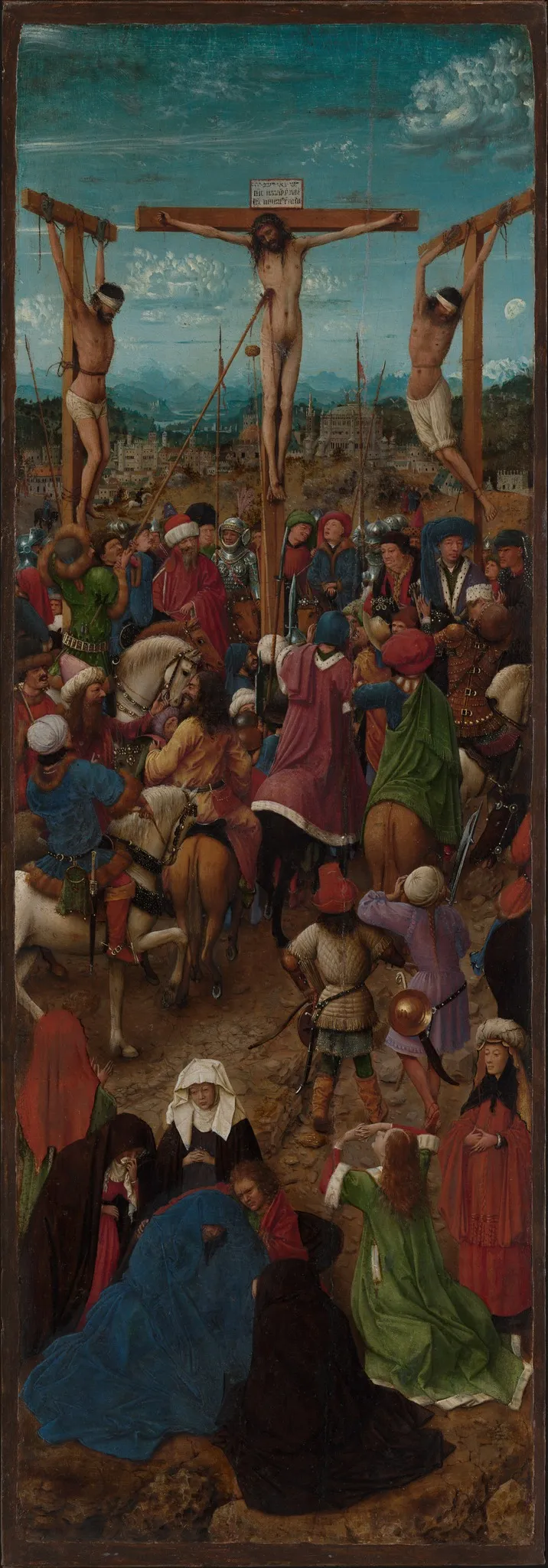
Crucifixion is an unspecified painting by the Northern Renaissance artist Jan van Eyck. It dates from 1430 and is held in the collection of the Metropolitan Museum of Art.
About this work
Subject & Meaning
As a work of religious art, its primary subject is the execution of the central figure of Christianity, representing the moment of sacrifice and redemption.
Created around 1430 by Jan van Eyck, this Early Netherlandish painting explicitly depicts the crucifixion of Jesus Christ. As a work of religious art, its primary subject is the execution of the central figure of Christianity, representing the moment of sacrifice and redemption. The iconography focuses solely on the event of the crucifixion, serving as a visual meditation on the Passion.
By isolating this specific theological narrative, the work functions as a devotional object intended to evoke contemplation of Christ's suffering and death, consistent with the spiritual aims of religious genre paintings from this period.
History & Provenance
The Crucifixion by Jan van Eyck was created in 1430, according to both the corpus record and the Wikidata entry, which gives an inception date of 1 January 1430. The painting is held in the collection of the Metropolitan Museum of Art, where it is currently located. No information is provided in the available sources regarding the circumstances of its commission, its early ownership history, or the chain of custody prior to its accession by the Metropolitan Museum of Art, and these details therefore cannot be stated.
Jan van Eyck's painting Crucifixion, dated to 1430, is held in the collection of the Metropolitan Museum of Art. The artwork is categorized within the Early Netherlandish painting movement and depicts the crucifixion of Jesus Christ. While the sources confirm its current location and creator, they do not provide a specific inventory or accession number for the work.
Furthermore, the available documentation does not list any specific exhibition history or dates of public display for this piece. The painting remains part of the museum's permanent religious art holdings.
Overview
Jan van Eyck's Crucifixion, painted around 1430, exemplifies the innovations of the Northern Renaissance. This oil painting, a significant work of Early Netherlandish art, depicts the climactic religious event of Christ's death on the cross. It is recognized for its meticulous detail and profound emotional resonance, characteristic of van Eyck's contributions to painting. The artwork is presently held in the collection of The Metropolitan Museum of Art.
Technique & Style
Jan van Eyck, a pivotal figure in Early Netherlandish art, was celebrated for his advancements in painting techniques, particularly his sophisticated use of oil. Crucifixion showcases this mastery through its remarkable level of detail, from the intricate textures of garments and flesh to the nuanced play of light and shadow. The vibrant and carefully modulated colors contribute to the scene's realism and emotional depth, reflecting the artist's innovative approach to visual representation.
Context
Created during the flourishing period of the Northern Renaissance, Crucifixion situates Jan van Eyck as a leading artist in Bruges and a key innovator in Early Netherlandish painting. His work significantly influenced the trajectory of European art through its emphasis on naturalism, precise observation, and technical refinement. This painting embodies the period's growing interest in depicting religious narratives with unprecedented realism and emotional intensity, setting new standards for pictorial representation.
Artist & collection

Artist
Jan van Eyck ( van EYEK; Dutch: ; c. before 1390 – 9 July 1441) was an early Netherlandish painter active in Bruges who was one of the early innovators of what became known as Early Netherlandish painting, and one of…

- Crucifixion
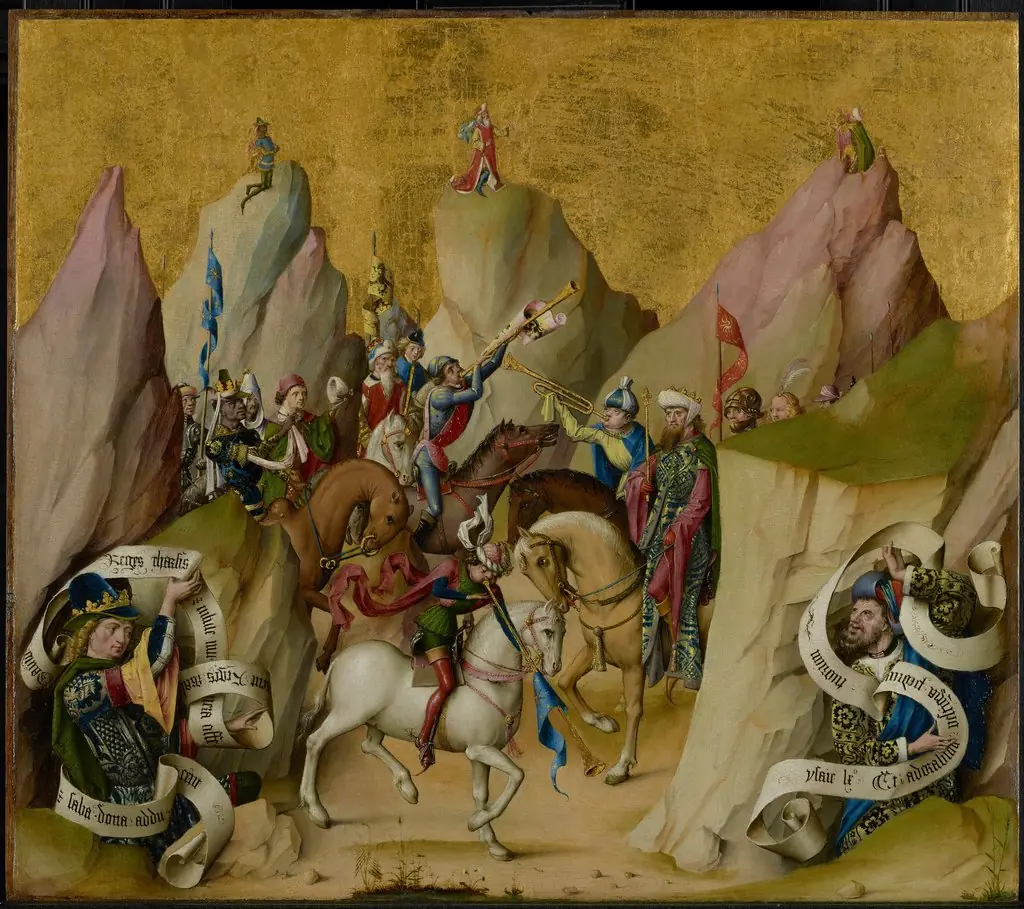 The Meeting of the Three Kings, with David and Isaiah (recto); The Assumption of the Virgin (verso)
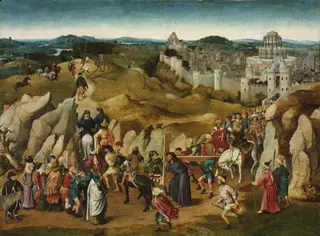 Christ Carrying the Cross
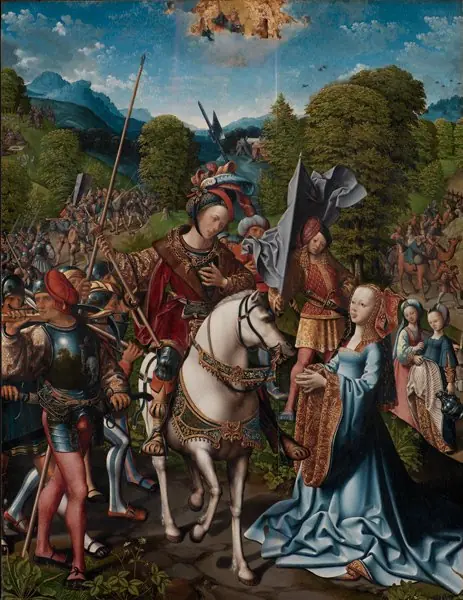 David and Abigail
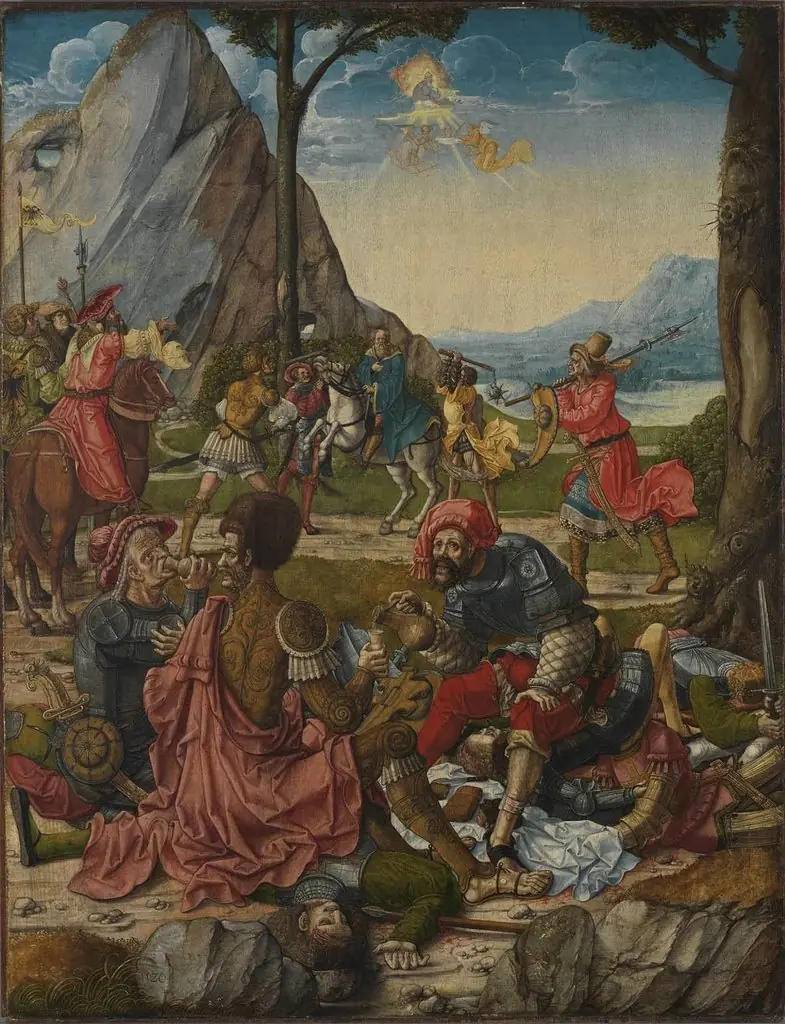 Martyrdom of the Theban Legion
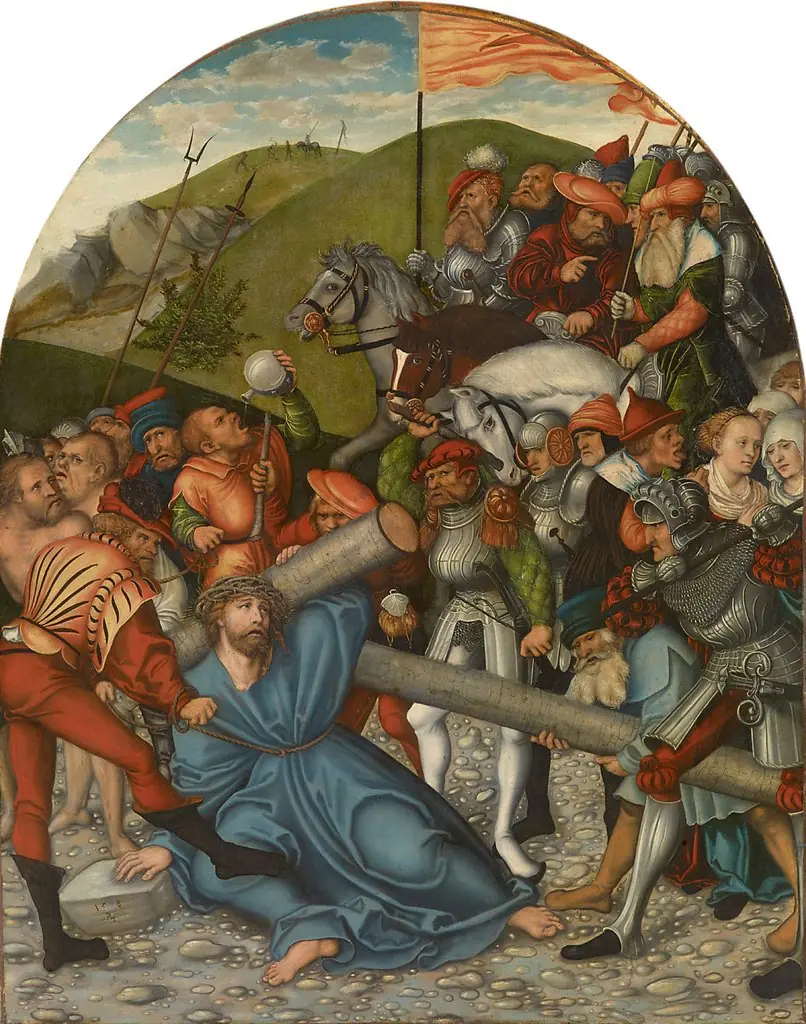 Christ carrying the Cross
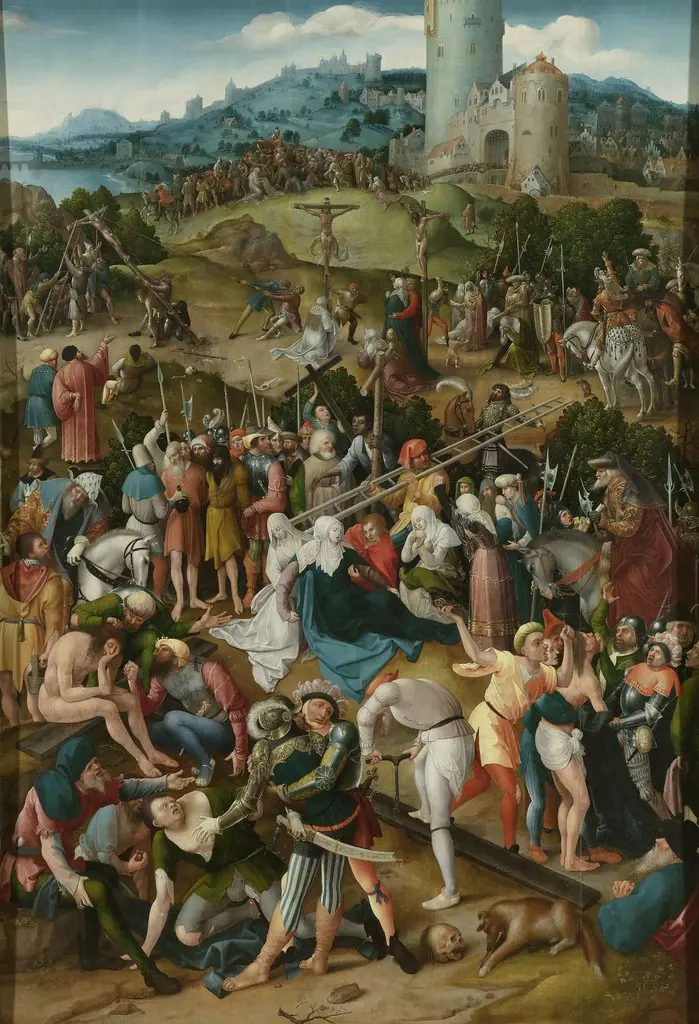 Calvary
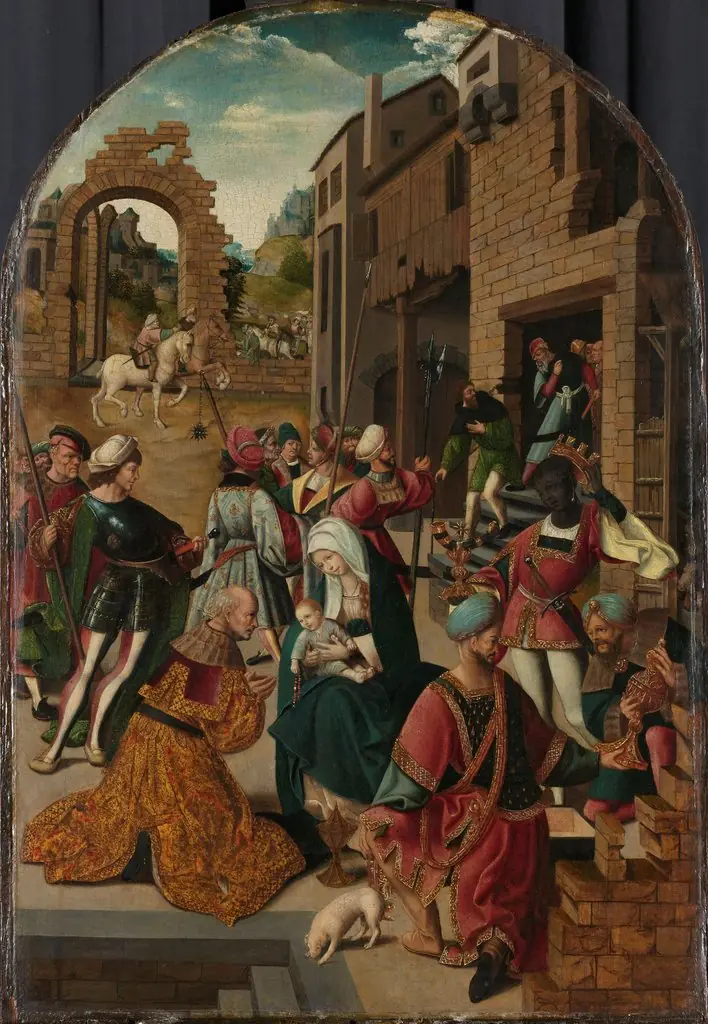 The adoration of the magi
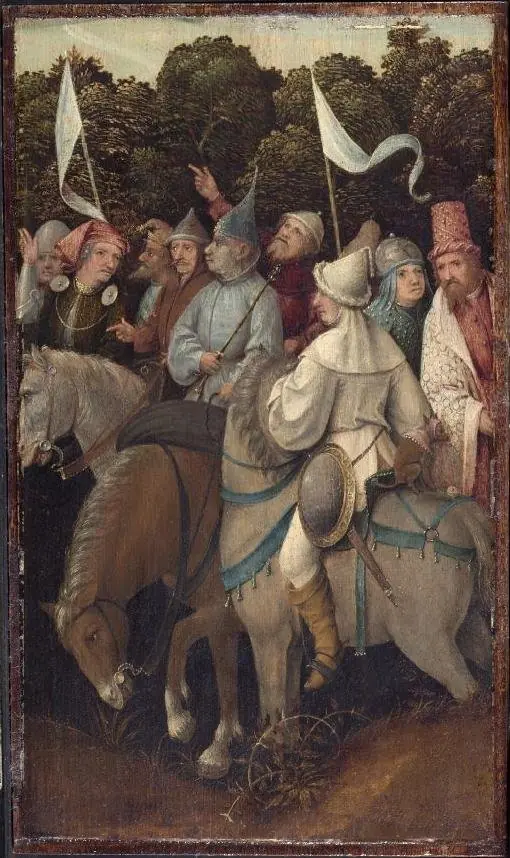 Retinue of the Magi
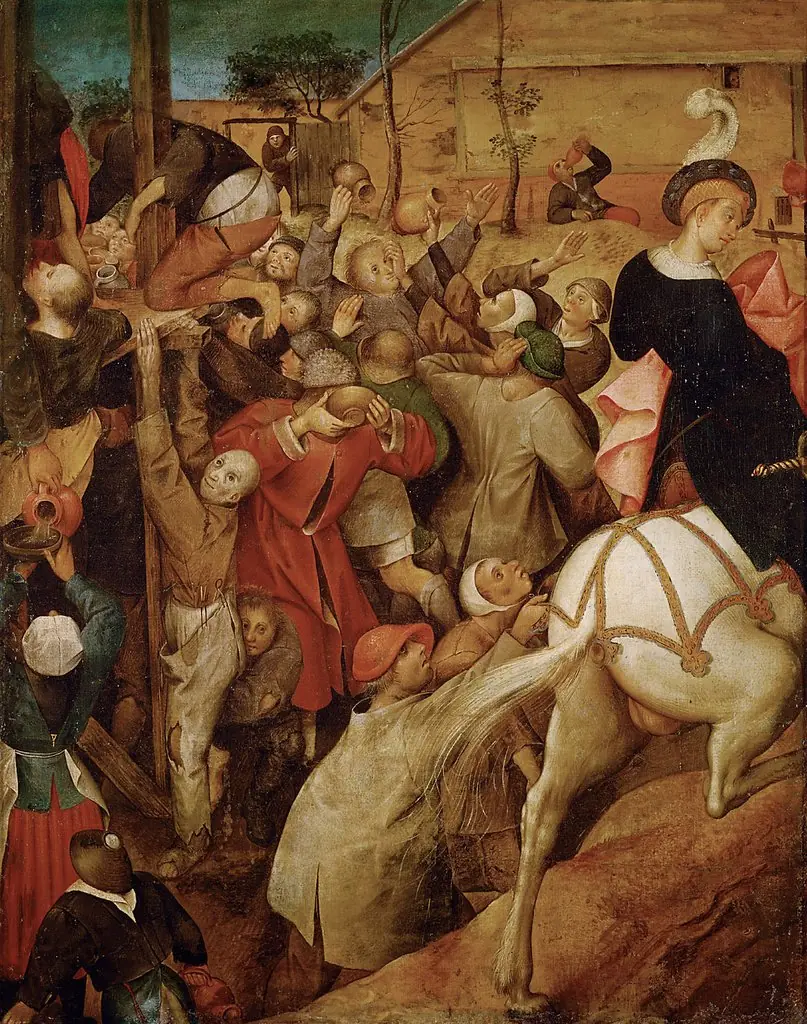 Feast of St Martin
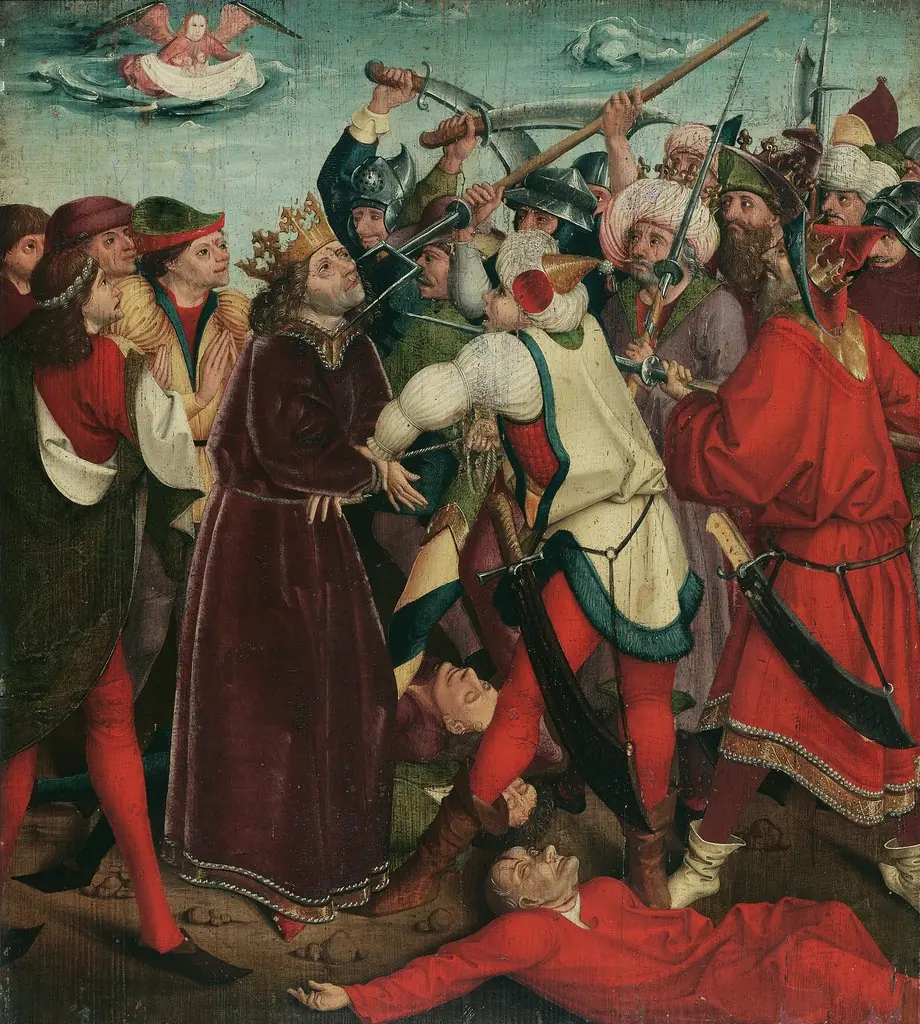 Martyrium des hl. Oswald in der Schlacht
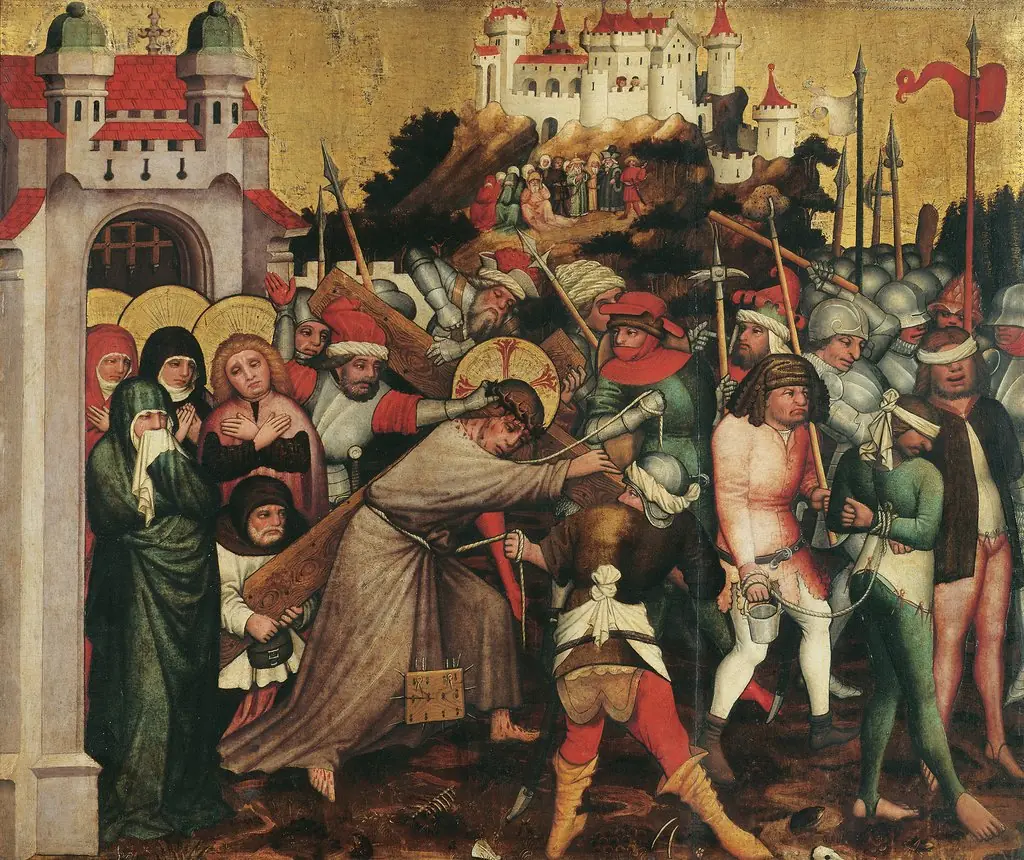 Christ carrying the cross