Artwork
River Scene with an Inn
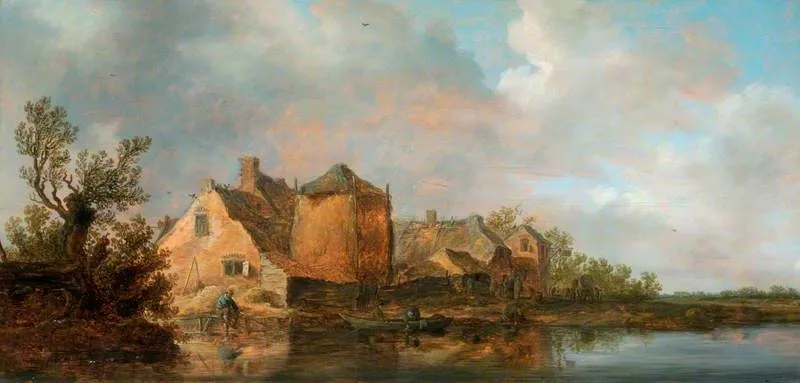
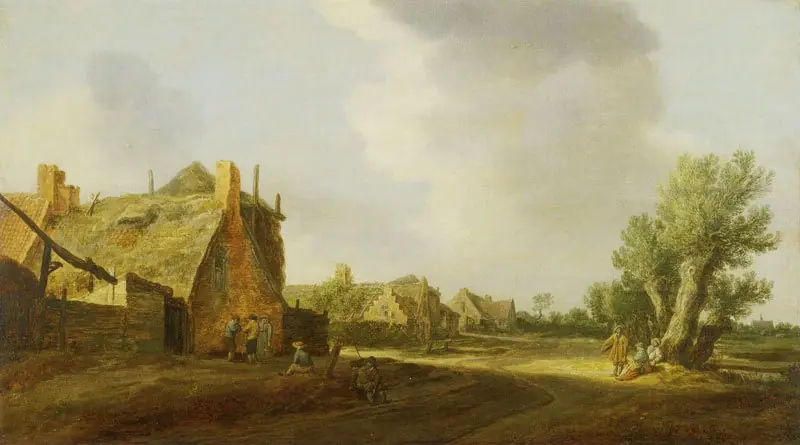
River Scene with an Inn is an oil painting by the Dutch Golden Age artist Jan van Goyen. It dates from 1630 and is held in the collection of the Victoria and Albert Museum.
About this work
Subject & Meaning
The painting is housed in the Victoria and Albert Museum, London, where it is catalogued as a landscape oil on oak panel measuring 40 cm by 82.
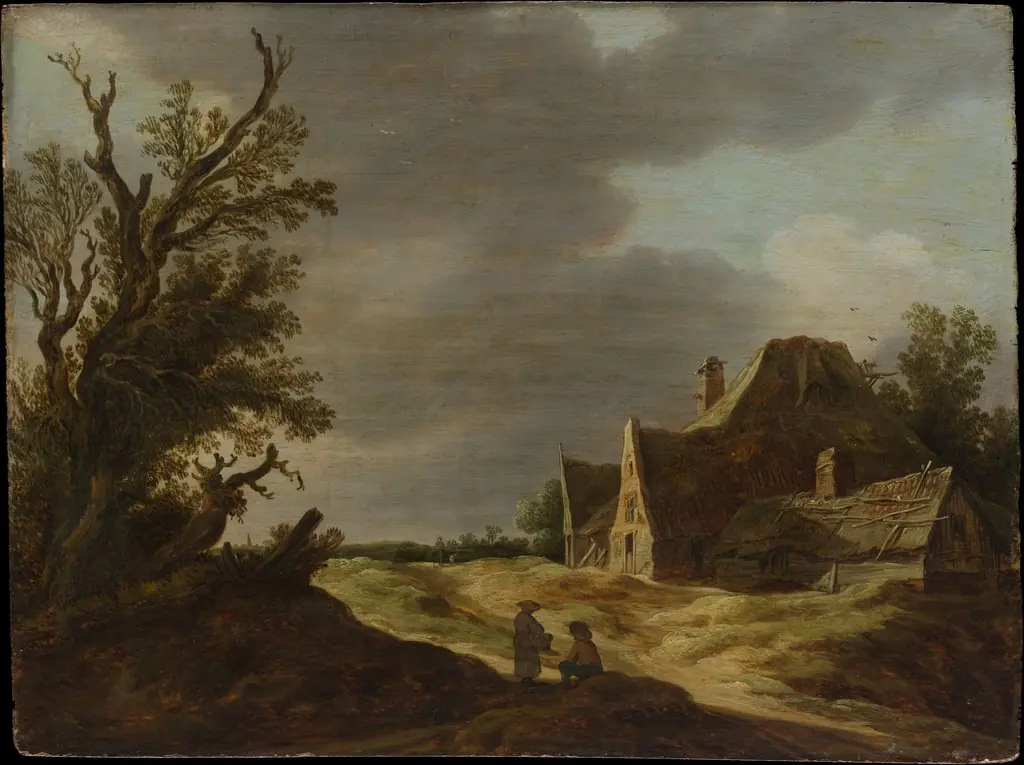
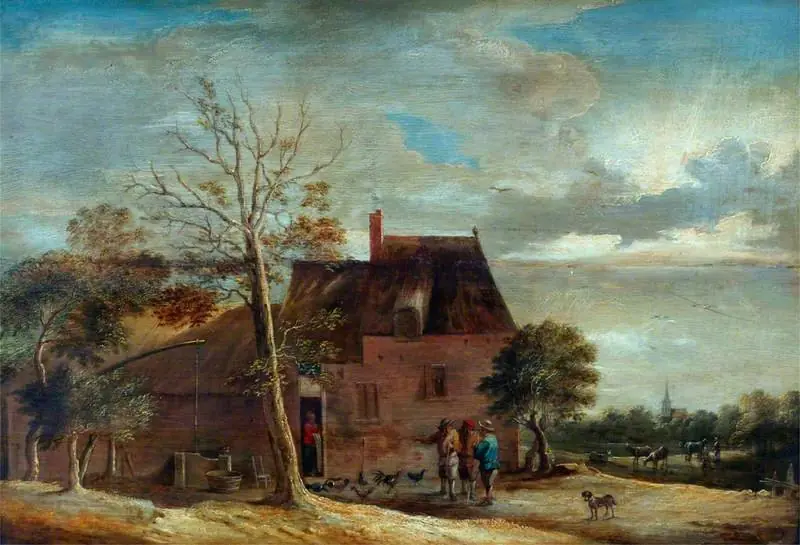
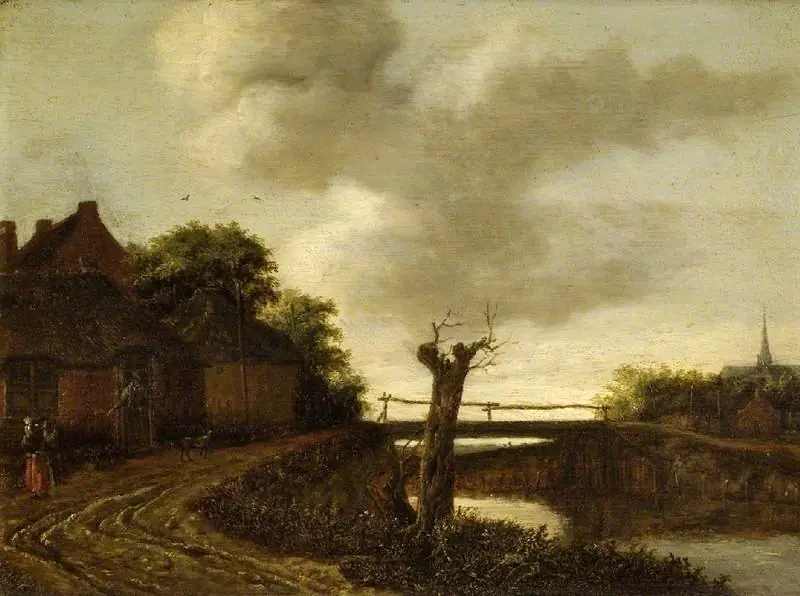
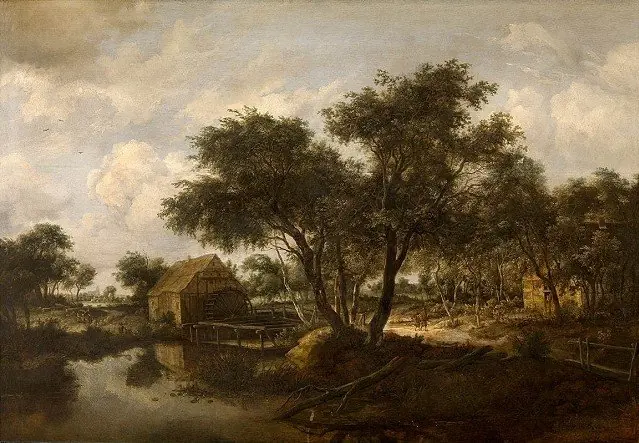
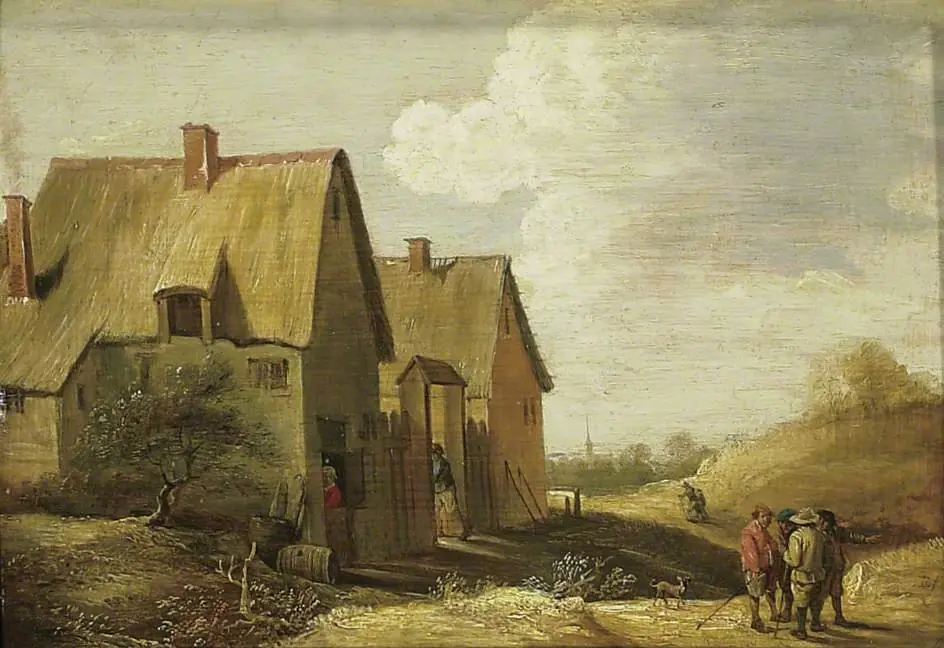
The painting shows a riverside inn with a longboat moored nearby, a man standing beside the vessel, and surrounding river scenery. These elements form a typical Dutch landscape genre scene that combines realistic topography with narrative details of everyday life. The inn and boat function as emblematic signifiers of travel and commerce in 17th‑century Netherlands, reflecting contemporary concerns about trade and hospitality.
The work thus represents both a literal depiction of a riverine setting and a symbolic commentary on commercial activity and domestic leisure.
The iconography of the longboat and inn references Dutch maritime culture and the importance of riverine transport, while the solitary figure suggests a narrative pause within the bustling landscape. The composition’s emphasis on water, sky, and modest architectural detail underscores van Goyen’s interest in atmospheric effects rather than heroic storytelling.
The painting is housed in the Victoria and Albert Museum, London, where it is catalogued as a landscape oil on oak panel measuring 40 cm by 82.5 cm.
Technique & Style
The work is executed in oil paint on an oak panel support, measuring 40 cm in height and 82.5 cm in width. The handling aligns with Jan van Goyen’s characteristic approach to Dutch landscape painting, employing a restrained palette and loose, atmospheric brushwork to render the river and sky. The composition balances broad horizontal bands of water and sky with delicate vertical accents from trees and buildings, creating a quiet, expansive mood typical of van Goyen’s mature style.
Subtle glazing and economical detail suggest a rapid, alla prima technique adapted to the demands of tonal realism.
Formal qualities include a low horizon line that emphasizes the vastness of the scene, with a distant inn and figures rendered in soft focus to guide the viewer’s eye into depth. The muted coloration and delicate light convey a sense of overcast atmosphere, reinforcing the work’s tranquil, contemplative character.
History & Provenance
Jan van Goyen created the oil painting River Scene with an Inn in 1630, executing the work on an oak panel. The artwork measures 40 cm in height and 82.5 cm in width. It entered the collection of the Victoria and Albert Museum in London through the bequest of Constantine Alexander Ionides in 1901. The museum assigns it the accession number CAI.89.
The painting is held by the Victoria and Albert Museum, London. It entered the collection as part of the Constantine Alexander Ionides Bequest in 1901, where it was assigned the accession number CAI.89.
It has not been recorded as lent to any major public exhibitions in the sources provided.
Overview
Jan van Goyen’s 1630 oil painting River Scene with an Inn presents a tranquil riverside landscape typical of the Dutch Golden Age. The composition centers on a calm waterway flanked by modest buildings, a solitary figure, and a small boat, all rendered with a subdued palette that emphasizes atmosphere over detail. The work belongs to the Victoria and Albert Museum’s collection.
Context
In the early 17th century Dutch artists increasingly turned to local topography, documenting the nation’s waterways and built environment. Van Goyen’s focus on rivers, inns, and modest architecture aligns with this trend, offering a visual record of everyday commerce and travel. The painting exemplifies the period’s shift toward naturalistic landscape painting grounded in observation.
Artist & collection

Artist
Jan Josephszoon van Goyen (Dutch pronunciation: ; 13 January 1596 – 27 April 1656) was a Dutch landscape painter.