Artwork
Portrait of Countess Maria Tolstaya
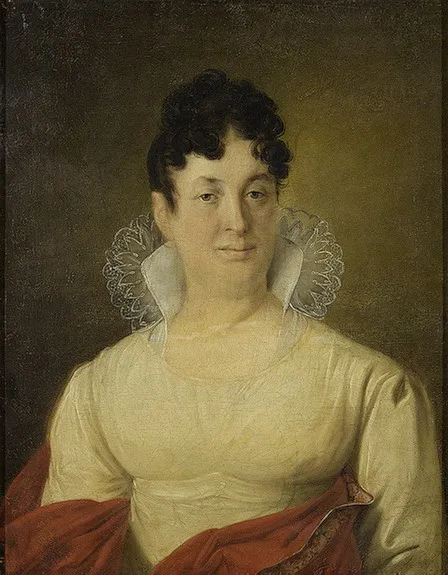
Portrait of Countess Maria Tolstaya is an oil painting by Unknown. It dates from 1815 and is held in the collection of the Hermitage Museum.
About this work
Overview
The subject is rendered in full figure, dressed in a white gown with a delicate ruffled collar, and a red shawl loosely held over her left arm.
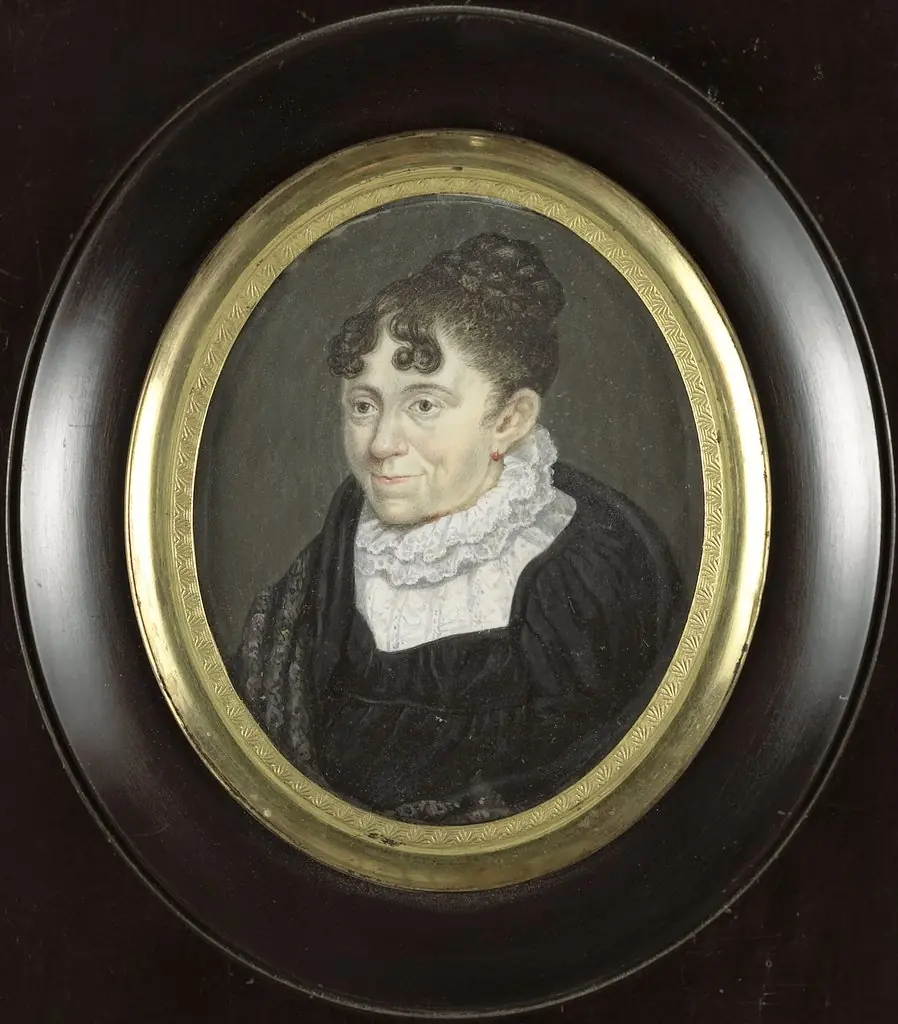
This oil painting presents a formal portrait of Countess Maria Tolstaya, executed with quiet precision. The subject is rendered in full figure, dressed in a white gown with a delicate ruffled collar, and a red shawl loosely held over her left arm. Her dark hair is gathered in a refined updo, and her gaze meets the viewer with calm directness. The background, a subdued brown, isolates her form and emphasizes the tonal contrasts of her attire.
Subject & Meaning
Countess Maria Tolstaya, a member of Russia’s aristocracy, is depicted without ornamentation or symbolic props, suggesting an emphasis on personal presence over status display. Her neutral expression and composed posture convey dignity rather than emotion. The choice of simple yet elegant dress and the absence of elaborate surroundings reflect a preference for restrained nobility, aligning with early 19th-century ideals of refined femininity among the Russian elite.
Technique & Style
The artist employs subtle gradations of light and shadow to model the countess’s form, particularly in the folds of her dress and the texture of the shawl. The red fabric contrasts softly against the white gown and muted background, adding visual depth without theatricality. Brushwork is controlled and smooth, avoiding overt expressionism, which supports the portrait’s understated elegance and focus on quiet realism.
History & Provenance
The portrait was likely commissioned during the early 1800s, a period when Russian nobility increasingly sought formal likenesses to affirm social standing. While the artist’s identity remains unconfirmed, the style aligns with contemporaneous Russian and European portraiture. The painting remained within the Tolstoy family for generations before entering a public collection, preserving its connection to its original context.
Context
In early 19th-century Russia, portraiture served as both personal record and social statement. Aristocratic women like Tolstaya were often portrayed in modest yet luxurious attire, reflecting their position without overt extravagance. This work fits within a broader trend of neoclassical influence, favoring clarity, balance, and emotional restraint over romantic flourish, mirroring the cultural values of the time.
Legacy
The portrait endures as a quiet example of aristocratic representation in Russian art, valued for its sincerity and technical restraint. It contributes to the understanding of how elite women were visually constructed during a period of social transition. Though not widely exhibited, it remains a significant reference in studies of Russian portraiture and gendered representation in the early 1800s.
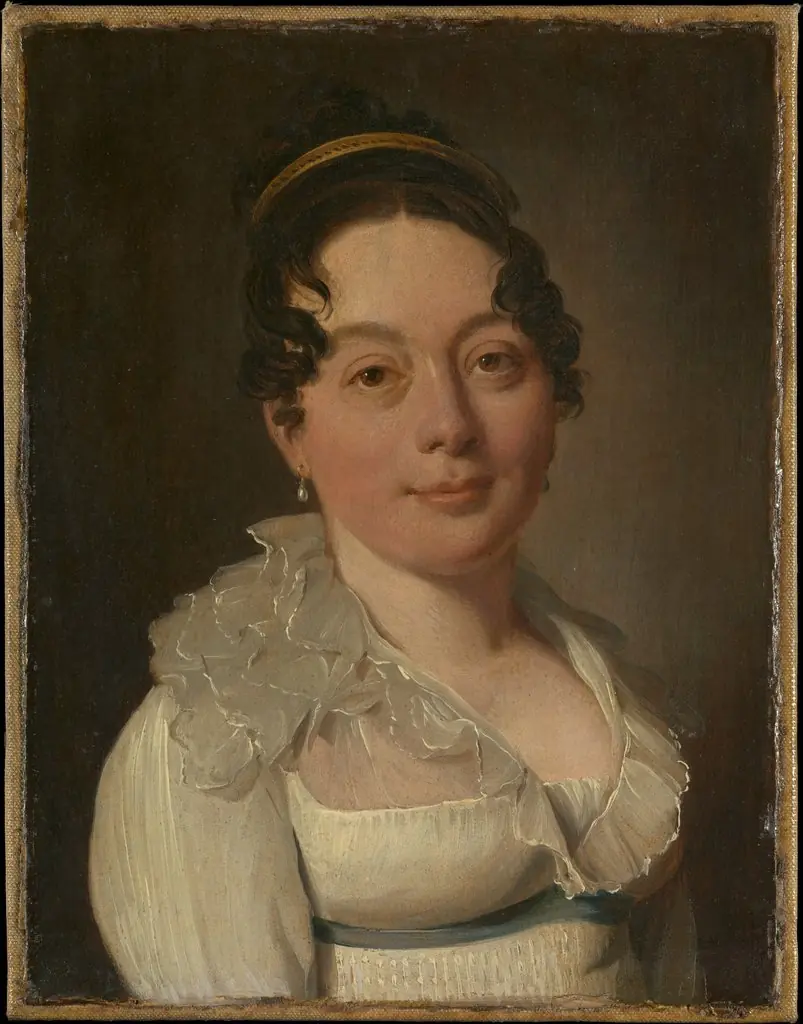
Artist & collection









- Portrait of a Woman
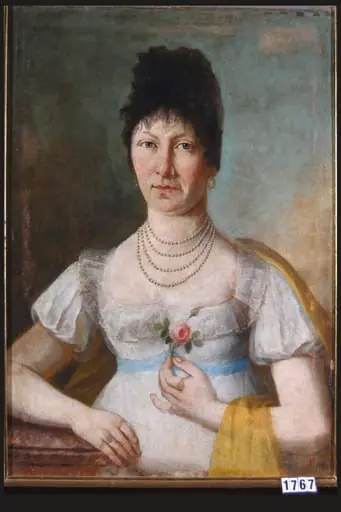 Portret de femeie
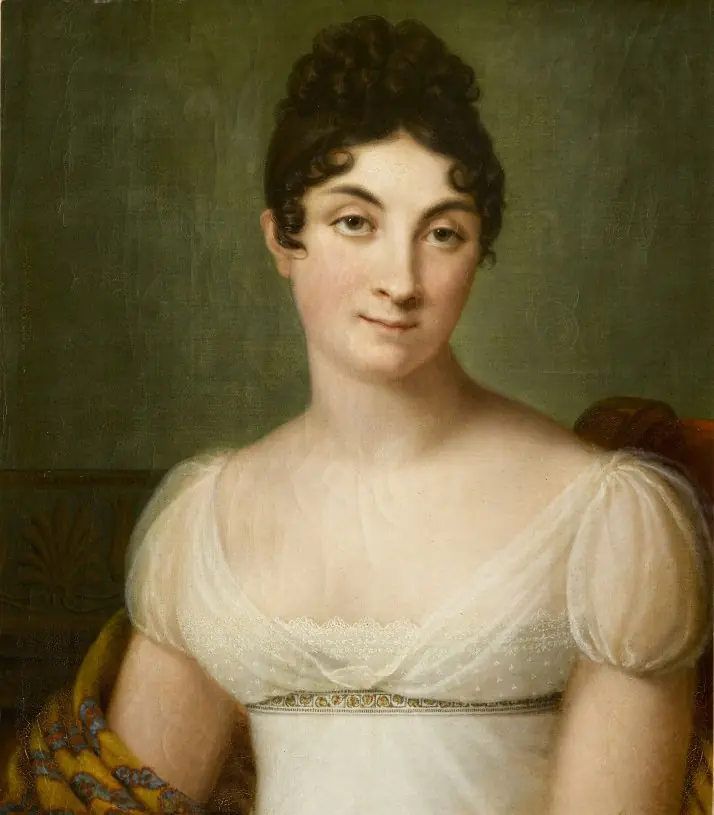 Portrait de Claire Élisabeth de Vergennes, Comtesse de Rémusat
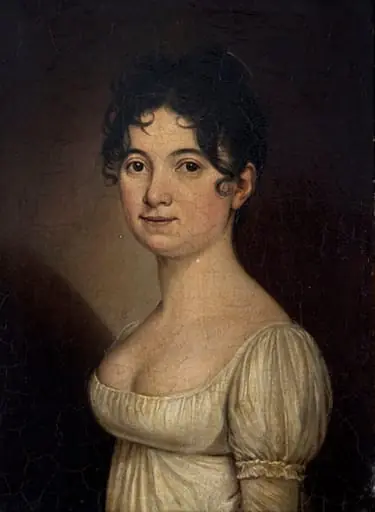 Mama
Mama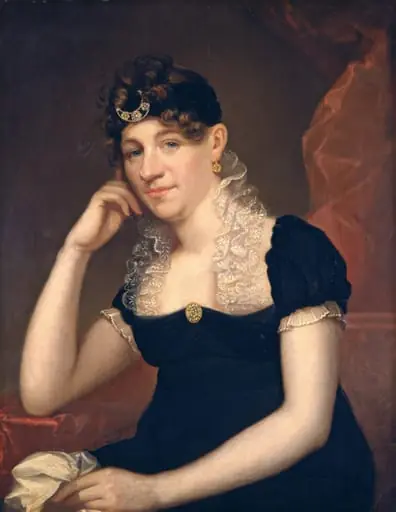 Maria Gansevoort Melvill (Mrs. Allan Melvill)
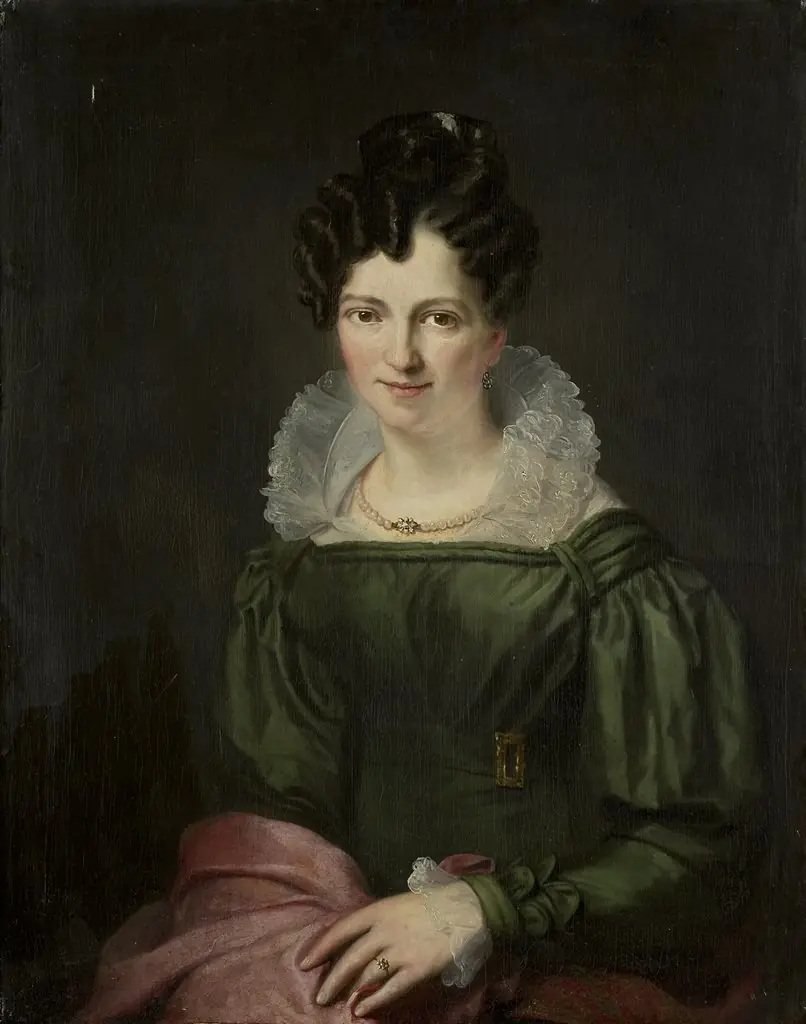 Portrait of Maria Christina Nijssen, Wife of Anthonie van der Hout
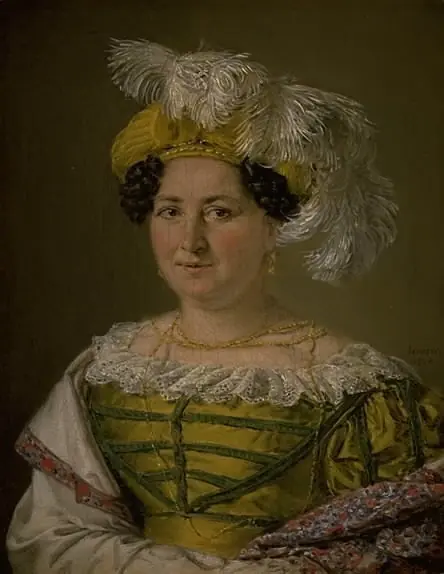 Portrait of Mrs. Pauline Hagen
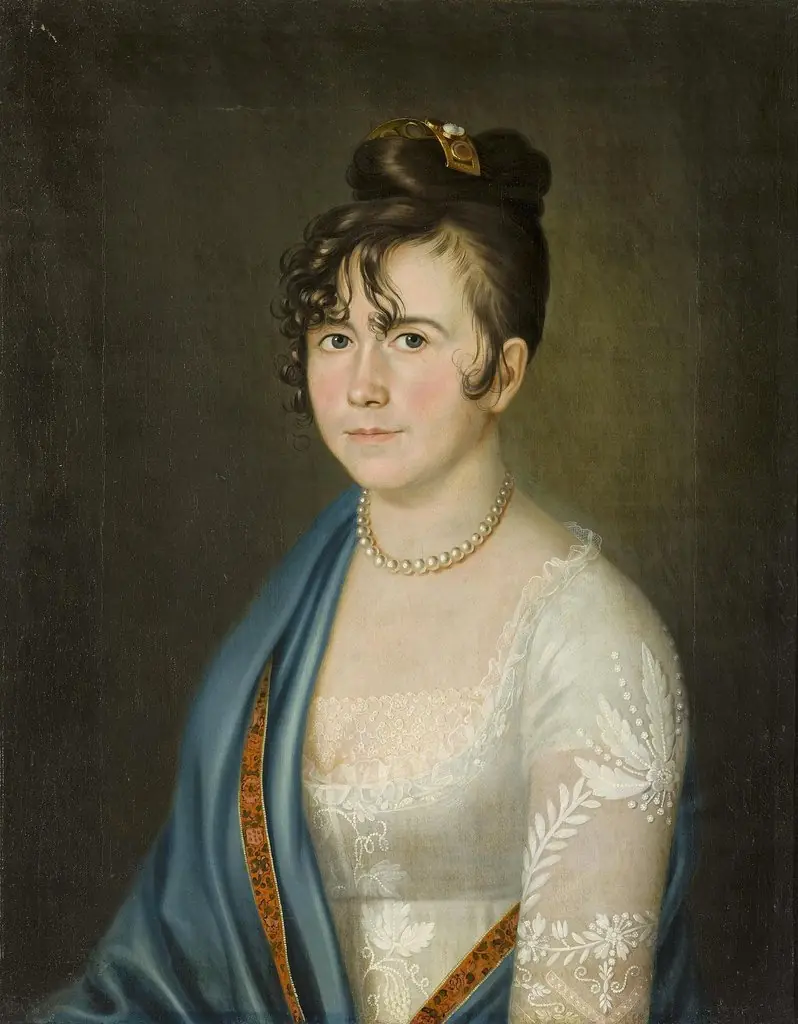 Portrait of Countess Anna Bobrinskaya
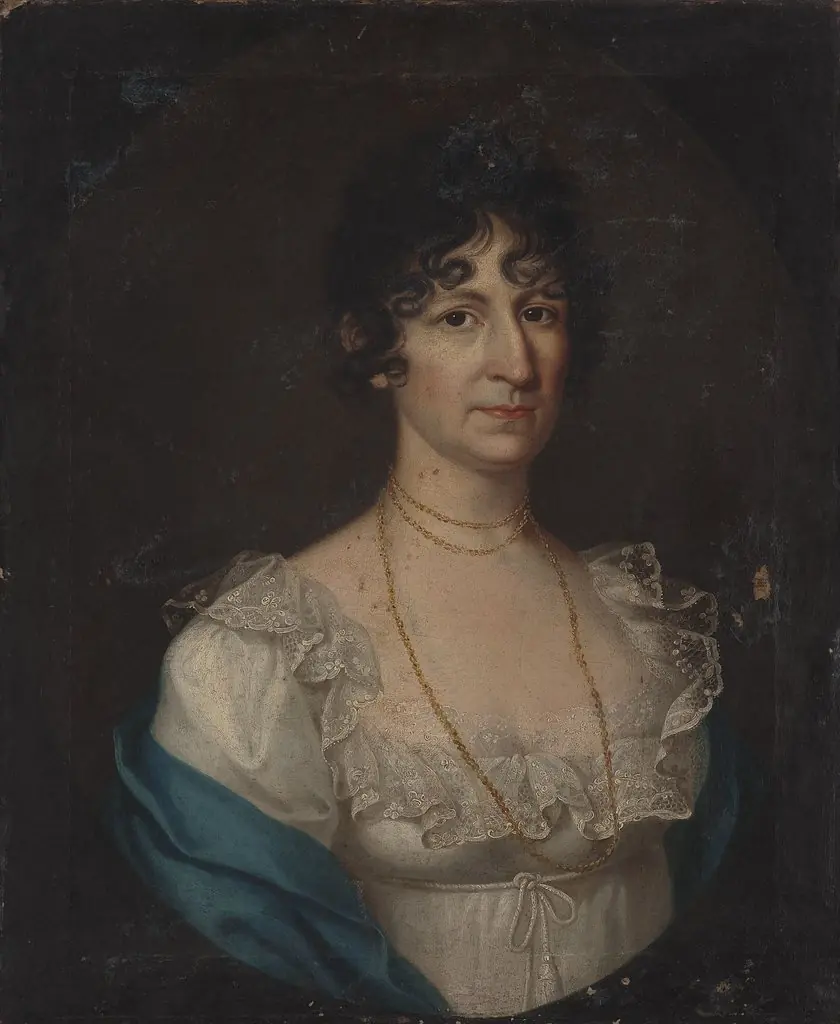 Portrait of a woman
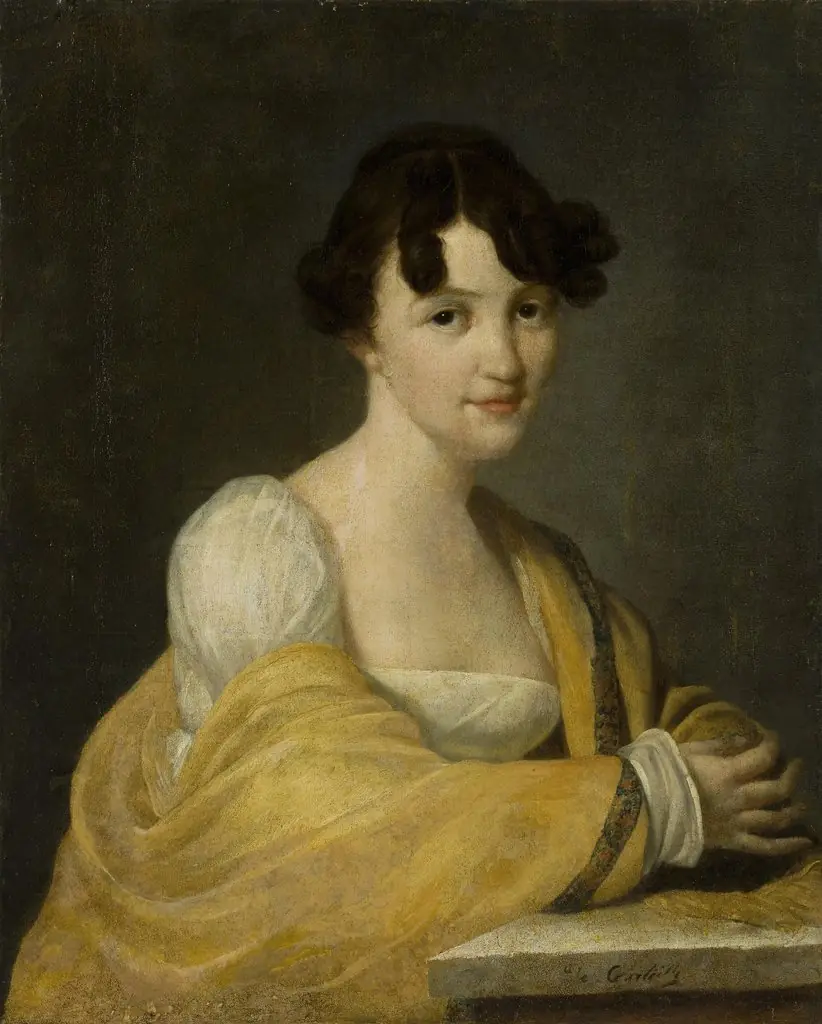 Portrait of a Woman from the Schmidt Family
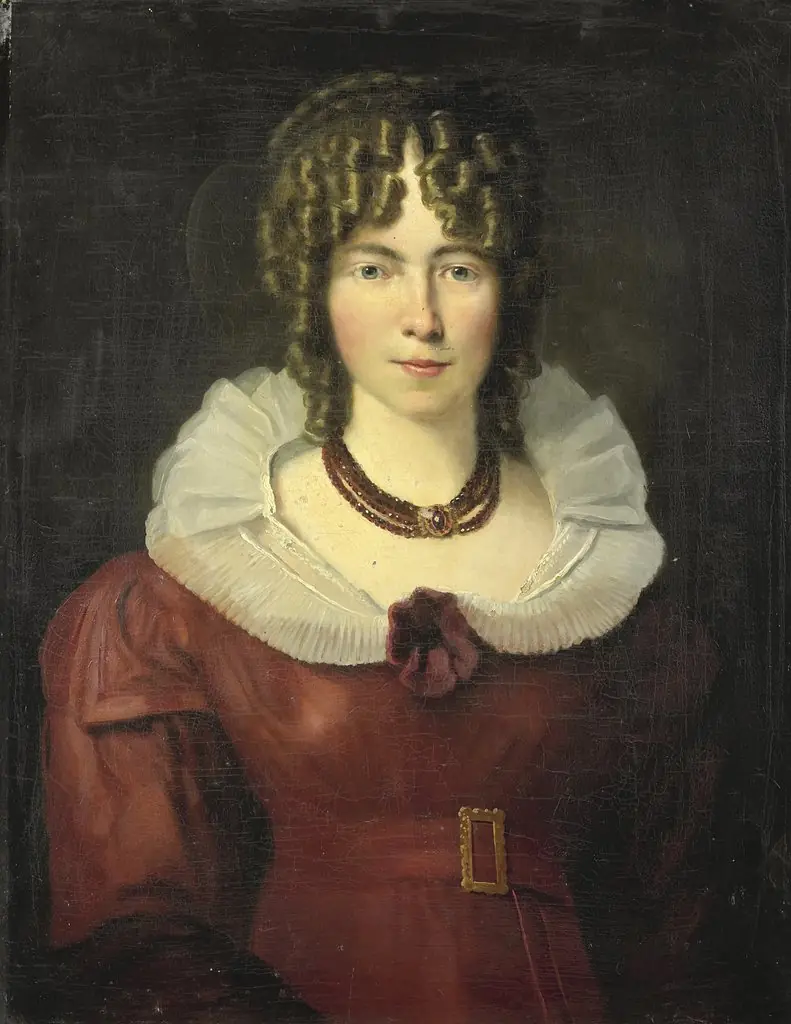 Portrait of a young Woman
 Portret van een oude dame