Artwork
Pieter Merkus (1787–1844). Gouverneur-generaal (1841–1844)
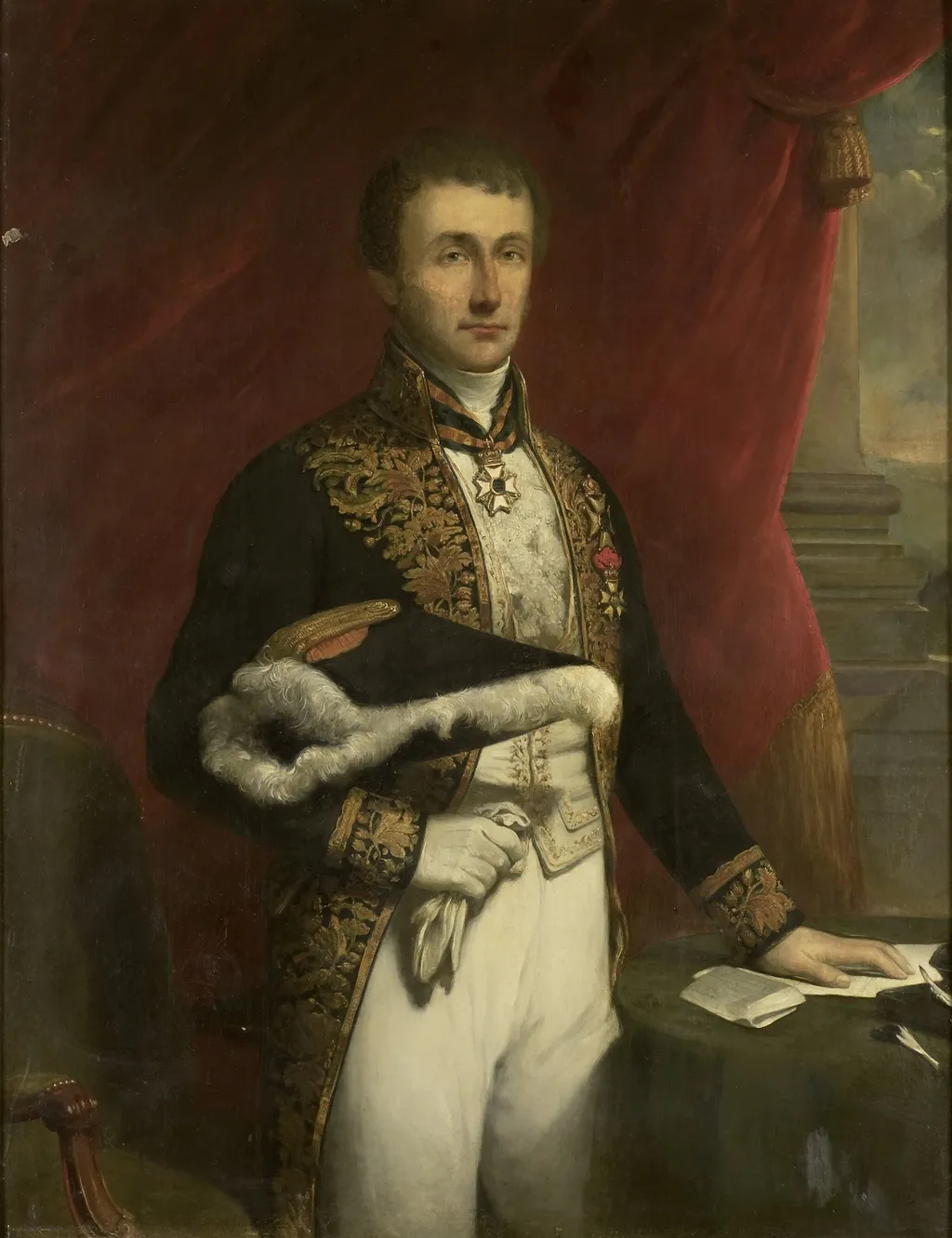
Pieter Merkus (1787–1844). Gouverneur-generaal (1841–1844) is an oil painting by Jan Willem Pieneman. It dates from 1850 and is held in the collection of the Rijksmuseum.
About this work
Subject & Meaning
The composition thus conveys both personal portraiture and the broader symbolism of Dutch colonial governance in the mid-nineteenth century.
The portrait shows the Dutch colonial administrator Pieter Merkus in formal attire that signifies his role as Governor-General of the Dutch East Indies, a position he held from 1841 to 1844. Pieneman emphasizes Merkus' authority through his upright posture and the insignia of office, while the subdued background directs attention to the figure's dignified presence. The composition thus conveys both personal portraiture and the broader symbolism of Dutch colonial governance in the mid-nineteenth century.
Technique & Style
The portrait was executed in oil paint on canvas, measuring 141.5 cm in height by 109.5 cm in width. Pieneman rendered the likeness with restrained brushwork that emphasizes the sitter’s formal posture and sober expression, typical of early nineteenth-century Dutch portraiture. The work’s surface retains its original luminosity, showing no significant degradation of pigment or support.
History & Provenance
The portrait of Pieter Merkus was created by Jan Willem Pieneman in 1850, a decade after the sitter served as Governor-General. Executed in oil paint on canvas, the work measures 141.5 cm in height and 109.5 cm in width. The painting currently resides in the collection of the Rijksmuseum.
No specific details regarding the original commission, the identity of the initial patron, or the intermediate ownership chain prior to the museum's acquisition are provided in the available records.
Overview
Jan Willem Pieneman’s oil portrait, executed around 1850, presents Pieter Merkus, who served as Governor‑General of the Dutch East Indies from 1841 to 1844. The work belongs to the Rijksmuseum’s collection and exemplifies mid‑nineteenth‑century official portraiture.
Context
During the early 1850s, Dutch portraiture often served to memorialise colonial administrators, reinforcing imperial narratives. Pieneman’s work aligns with this tradition, situating Merkus within the visual language of state power and military prestige.
Own this work as a print
Artist & collection

 The Battle of Waterloo
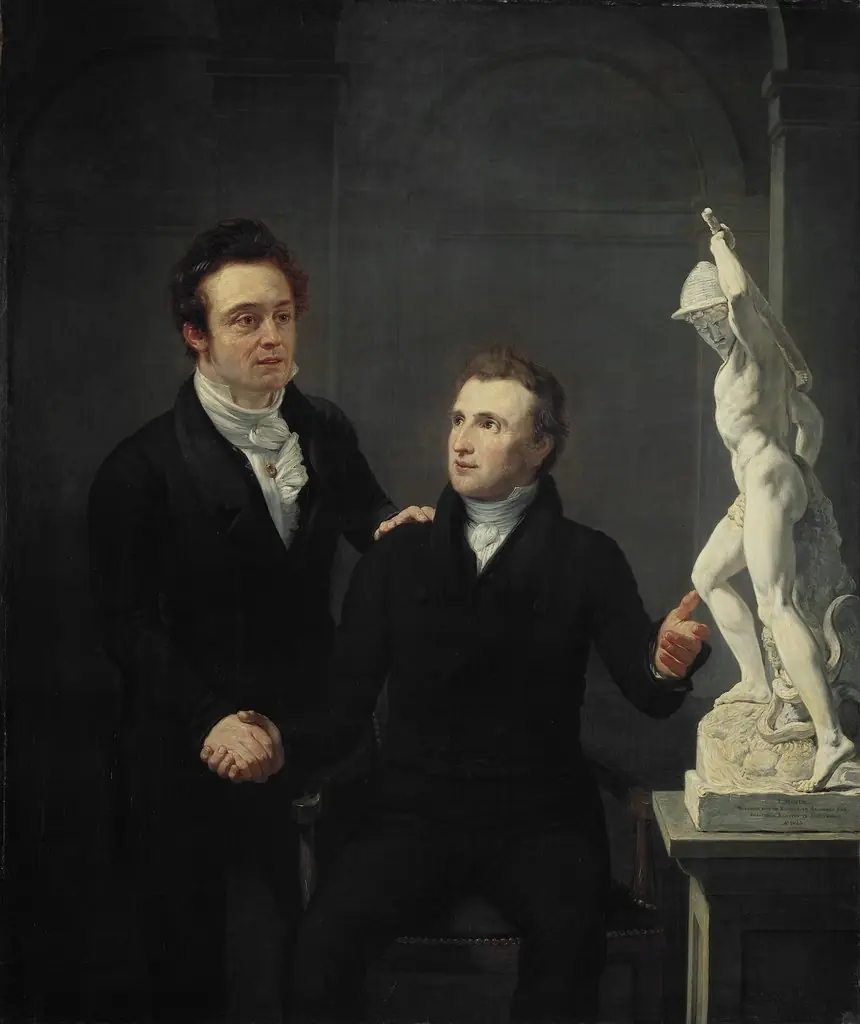 Louis Royer, sculptor, and Albertus Bernardus Roothaan, stockbroker, friend of the arts, and patron of the sciences
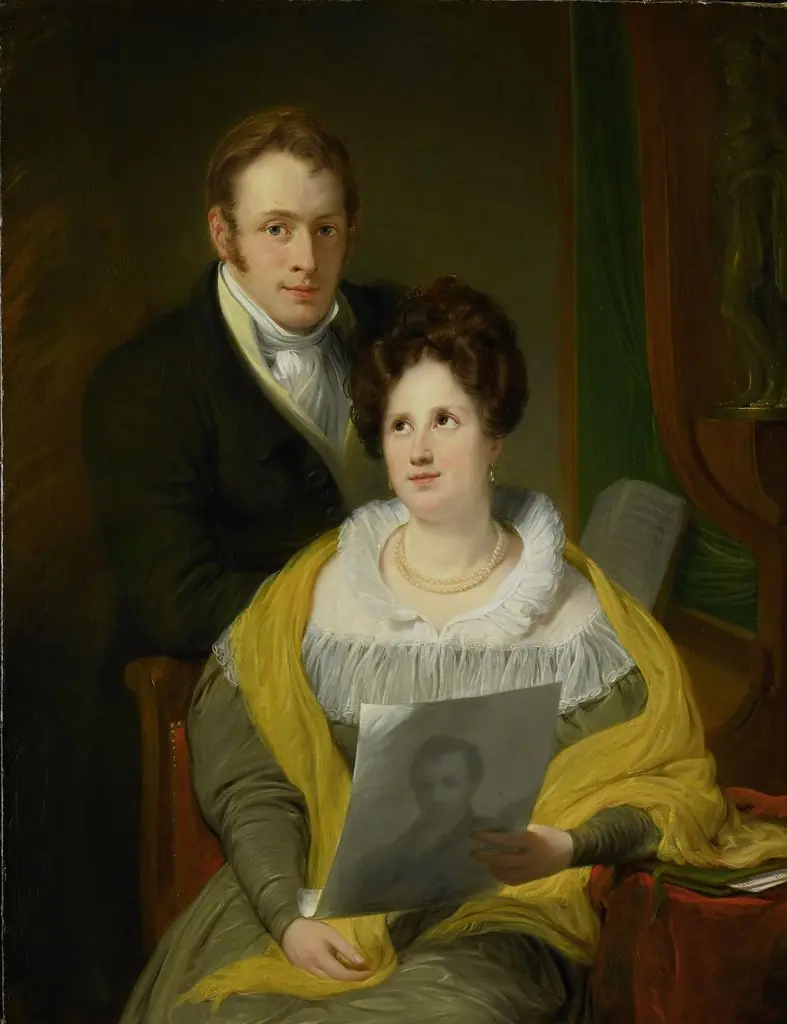 Portrait of a Woman and a Man
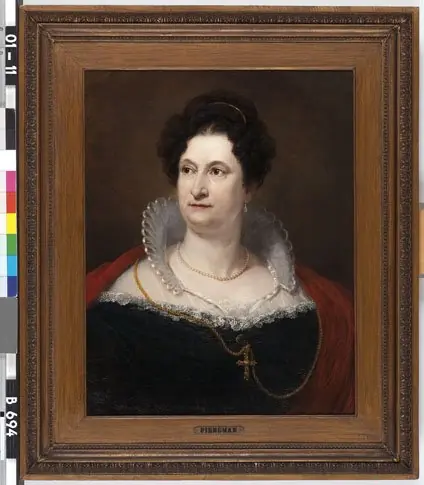 Joanna Cornelia Ziesenis-Wattier (1762–1827). Toneelspeelster
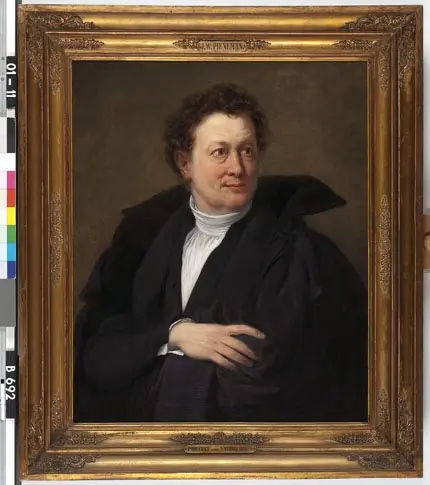 Andries Snoek (1766–1829). Toneelspeler
 Portrait of Sara de Haan, Widow of the Amsterdam Underwriter Cornelis Hartsen
 Agatha Petronella Hartsen (1814-78). In bruidstoilet ter gelegenheid van haar huwelijk met Jan van der Hoop op 17 maart 1841
 Jacob Simonsz de Rijk getting the Spanish Governor-General Requesens to Release Marnix van Sint Aldegonde, 1575
 Portrait of Jan Jacob Rochussen, Governor-General of the Dutch East Indies
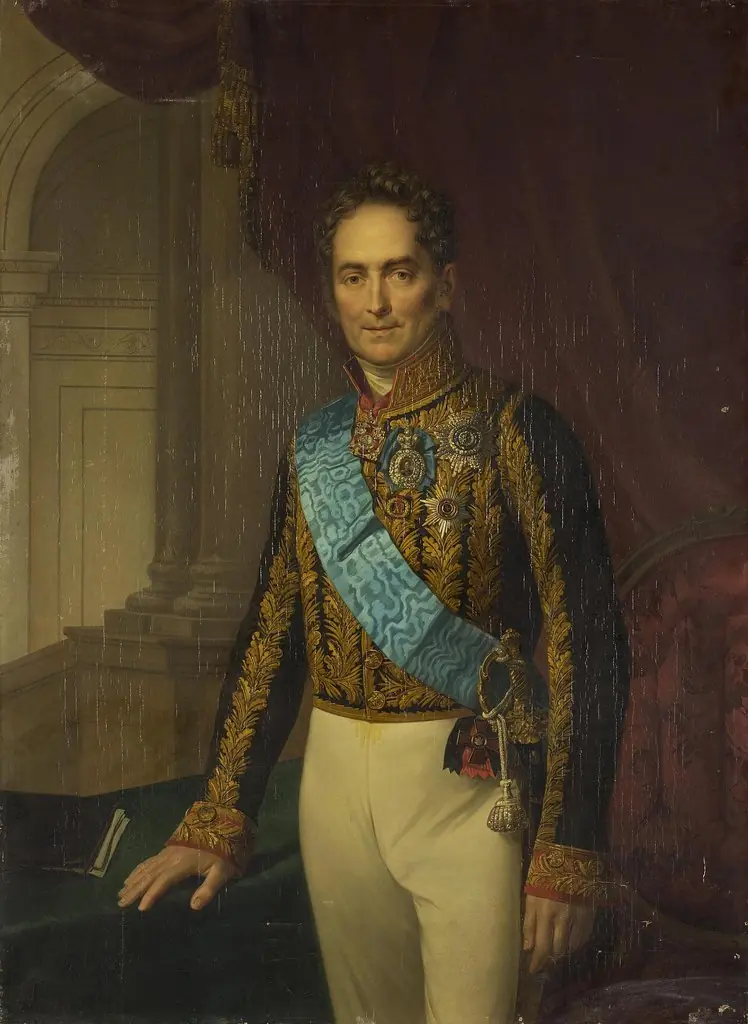 Portrait of Count Viktor Kochubei
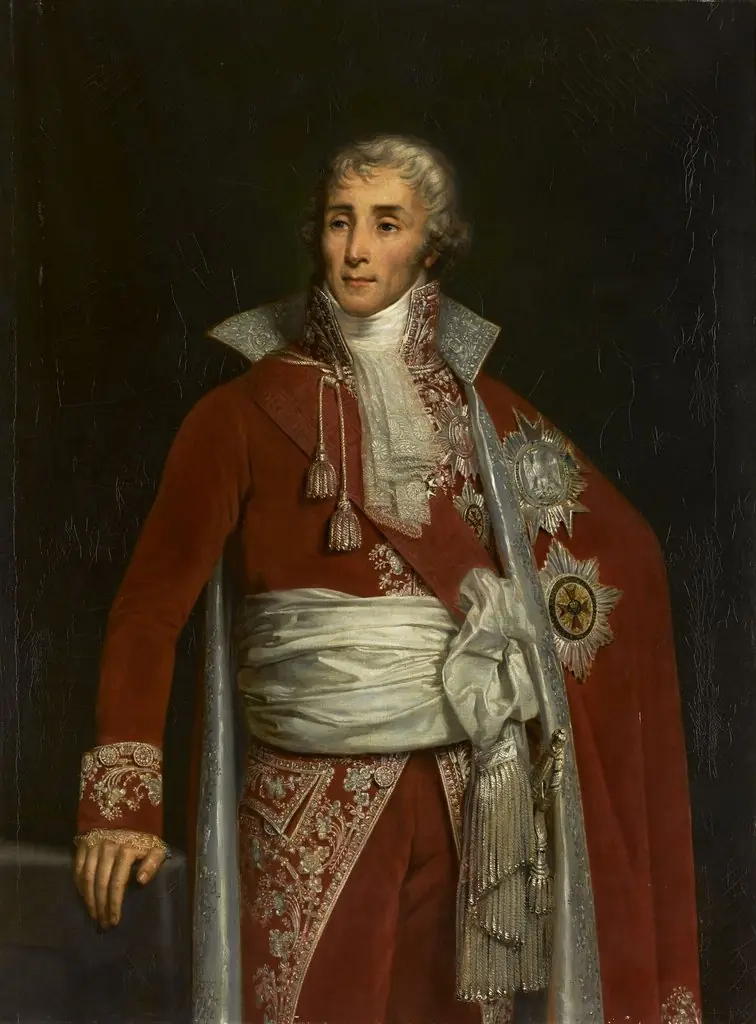 Joseph Fouché, Duke of Otranto
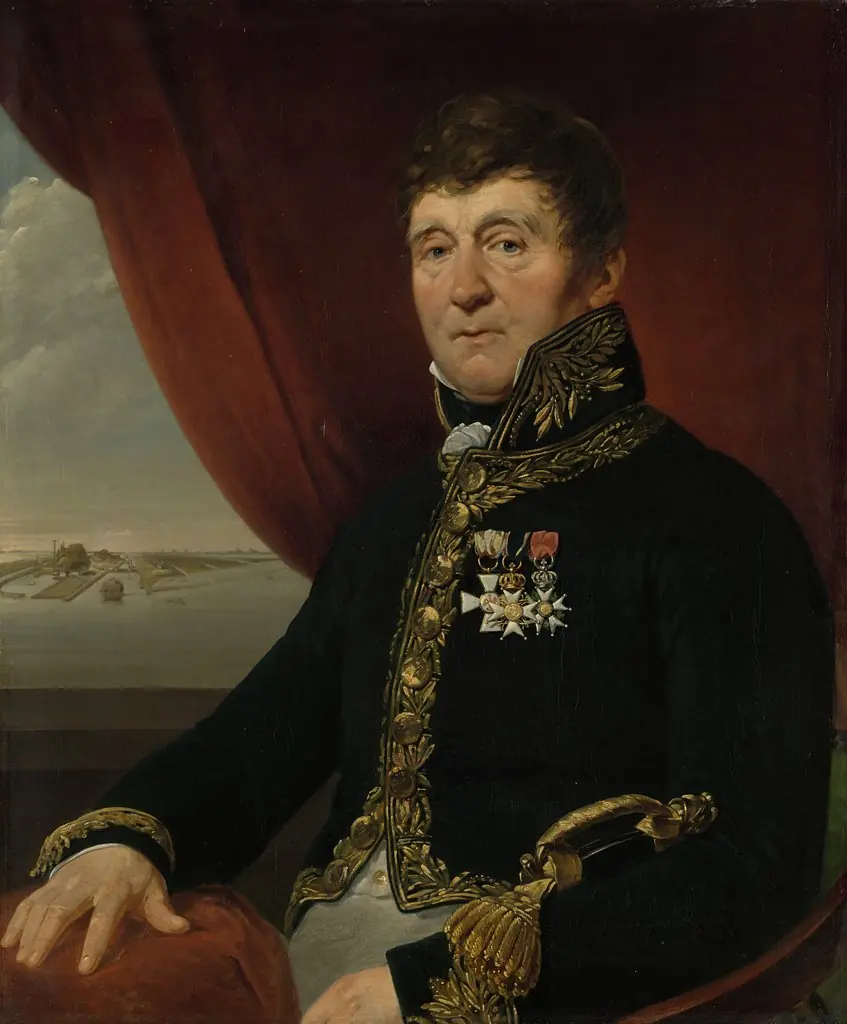 Jan Blanken, Hydraulic engineer involved in the development of the Dutch water system
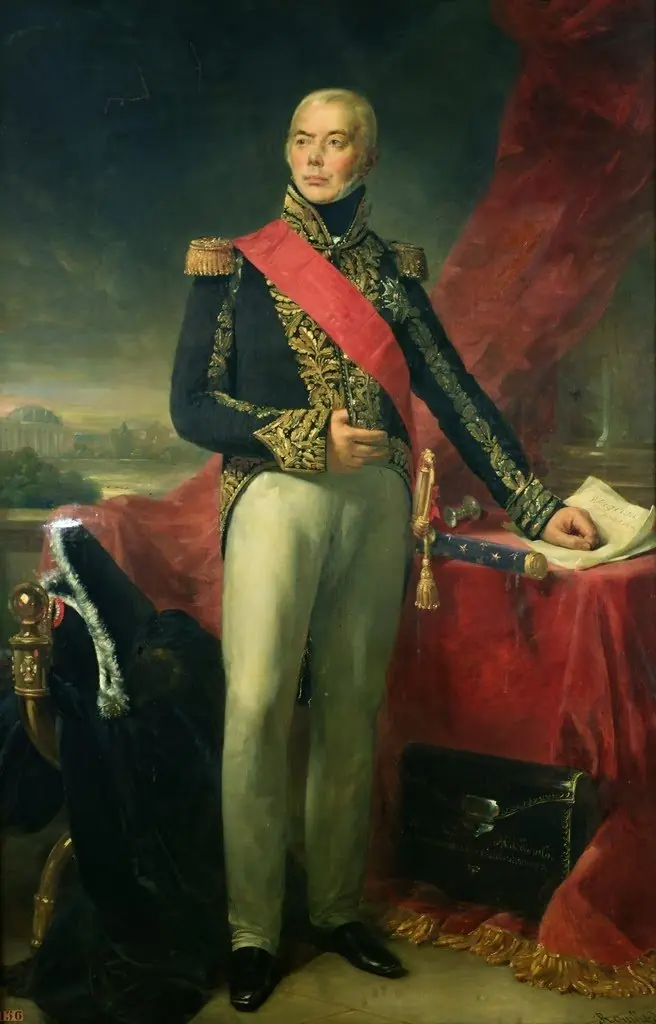 Etienne-Joseph-Jacques-Alexandre MacDonald, Duke of Taranto, Marshal of France (1765-1840)
 Portrait of General José Manuel Romero
 Porträt des Rémi Joseph Isidore Exelmans, Marechal De France (1775-1852)
 Untitled
 Portrait of Inspector-General A.F. Goudriaan