Artwork
The Dance
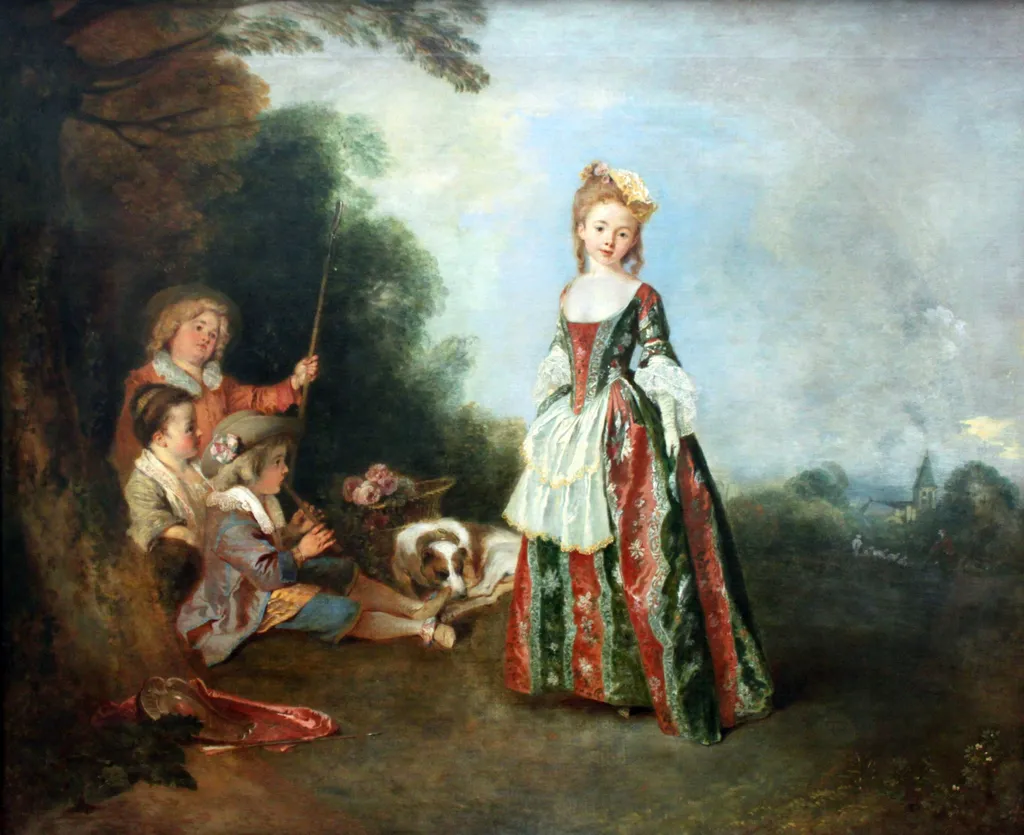
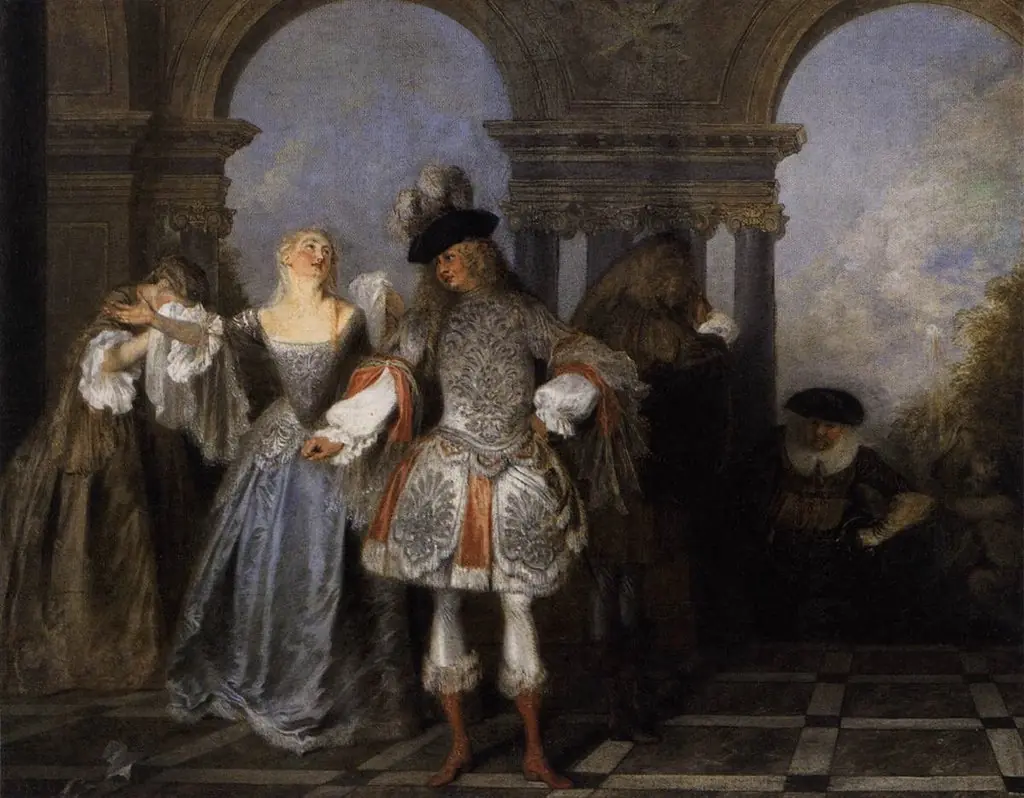
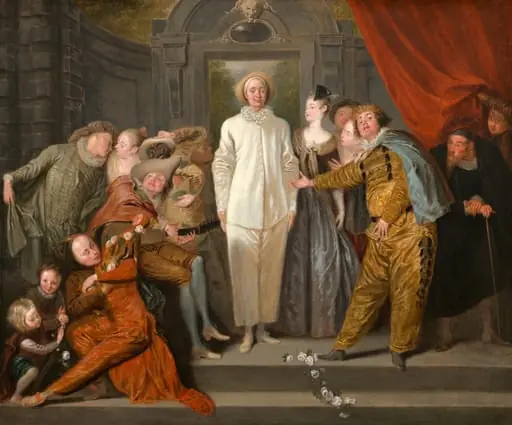
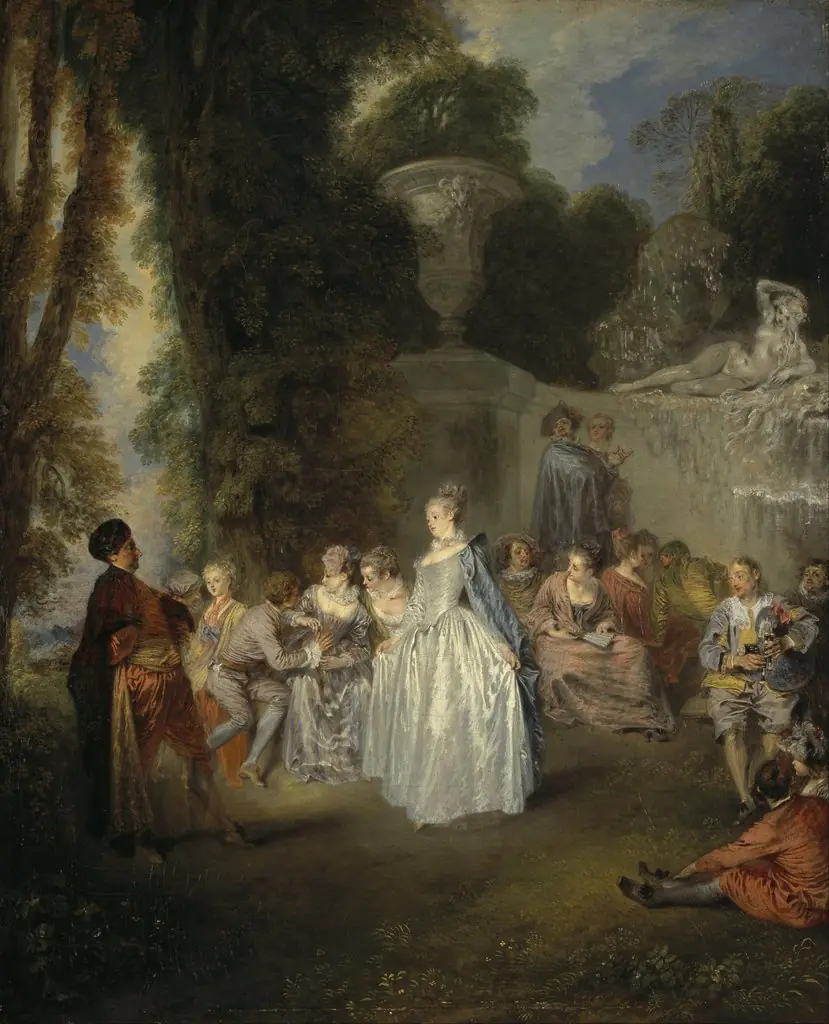
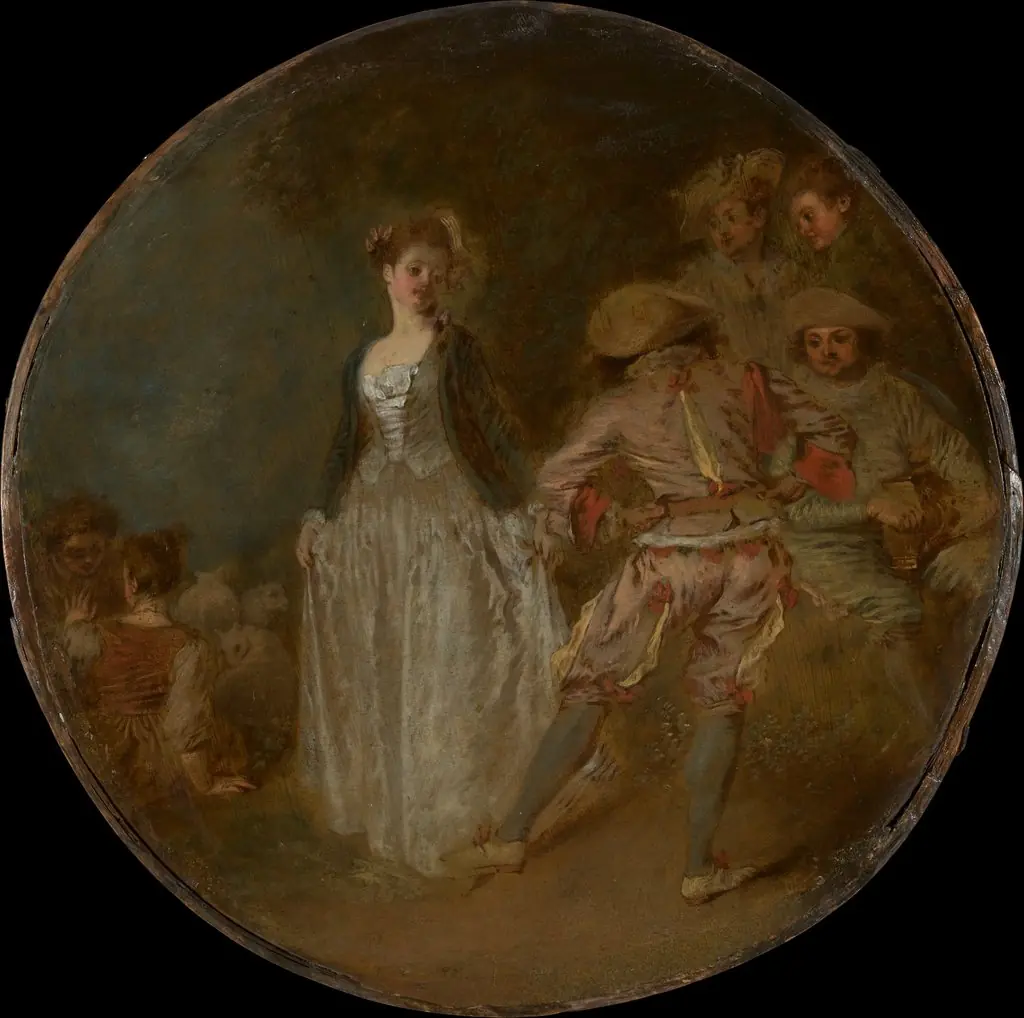
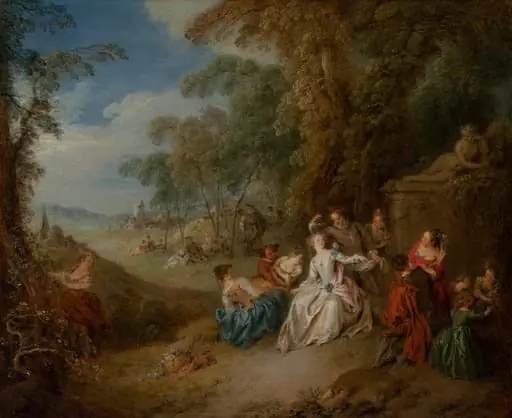
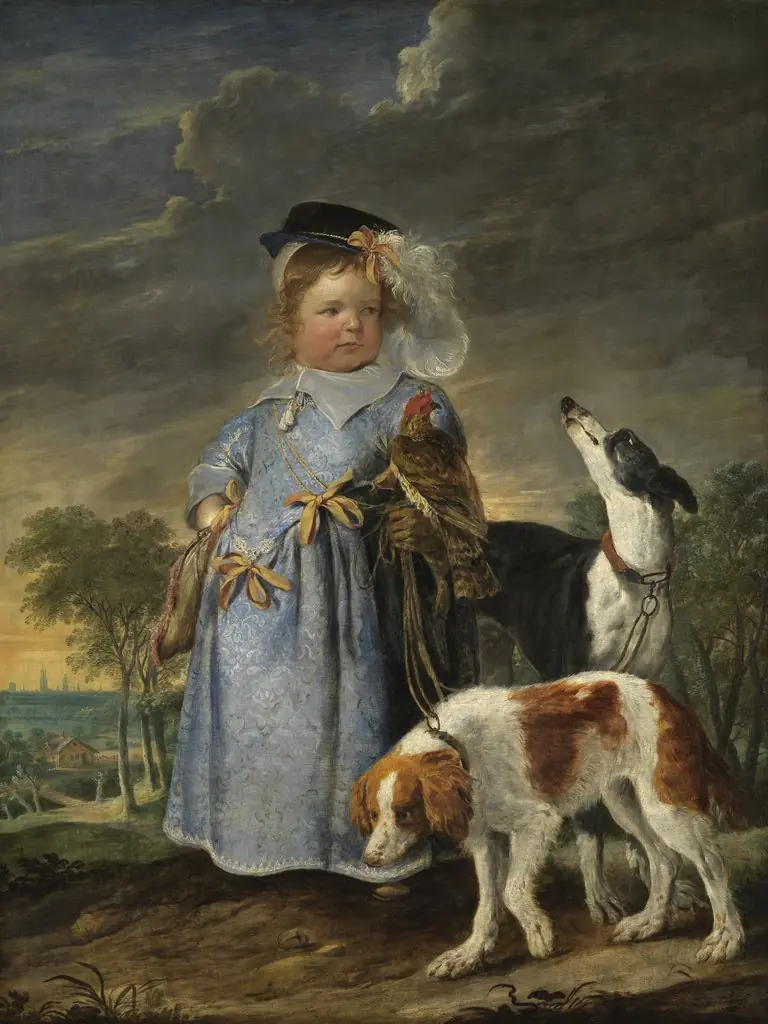
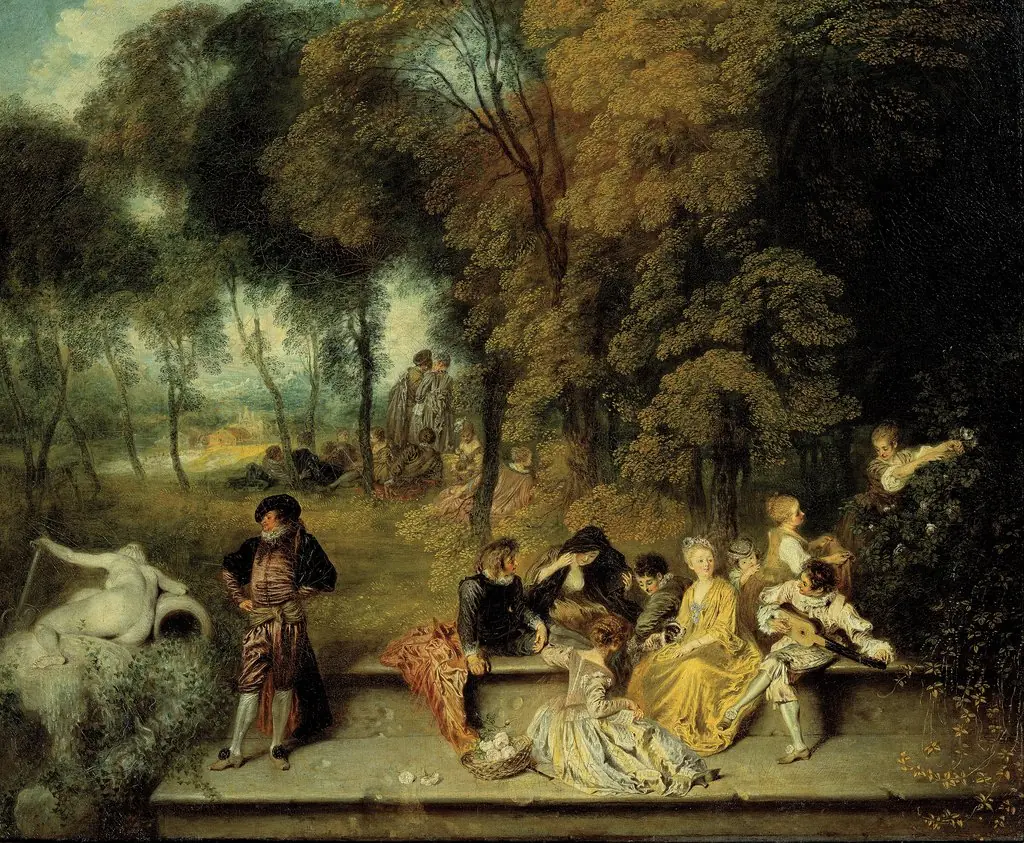
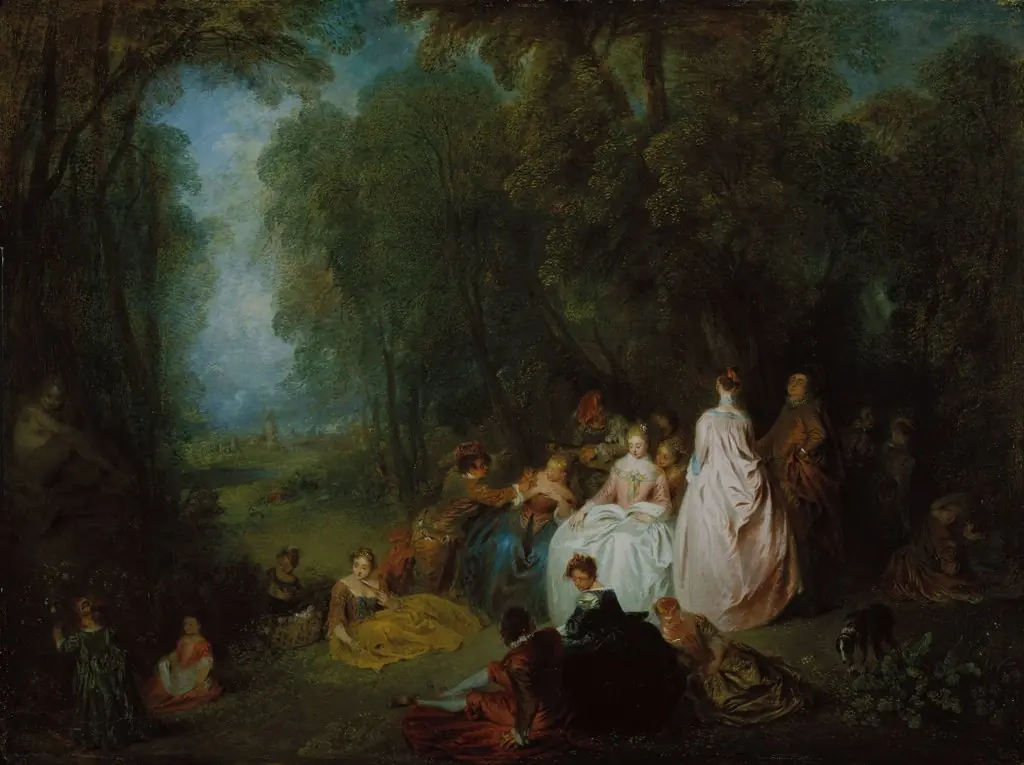
The Dance is an oil painting by the Rococo painting artist Jean Antoine Watteau. It dates from 1709 and is held in the collection of the Führermuseum.
About this work
Subject & Meaning
The composition captures a moment of leisure and music, symbolizing the joyous spontaneity of aristocratic recreation in Watteau's fêtes galantes.
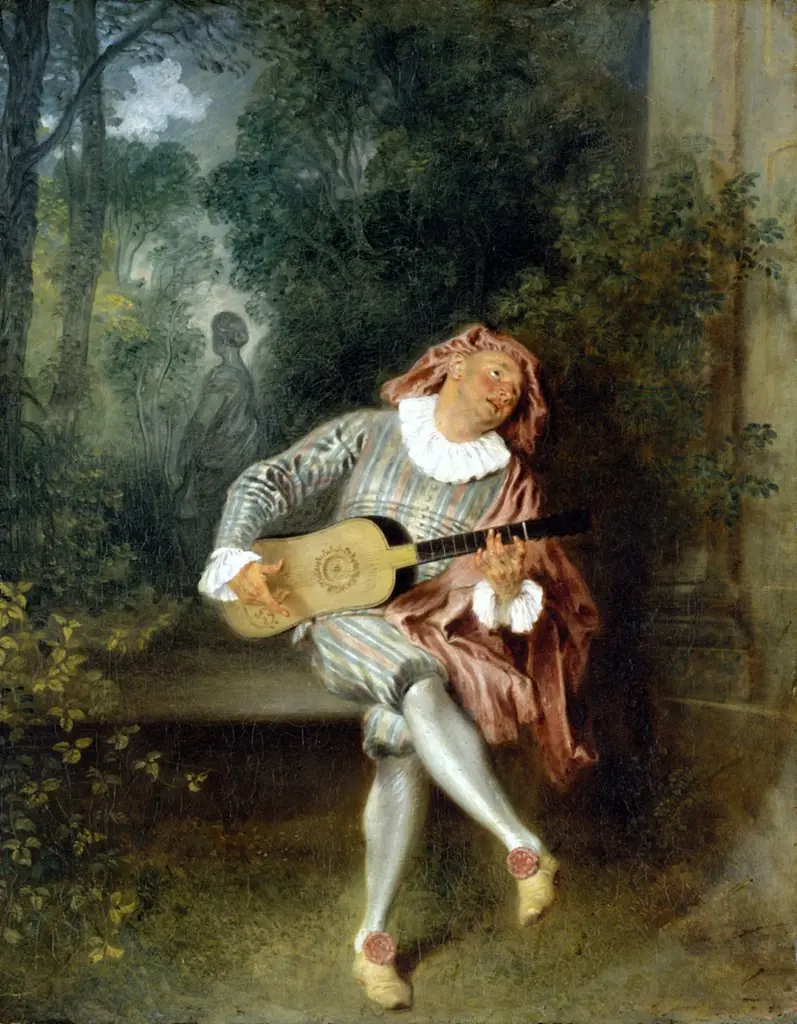
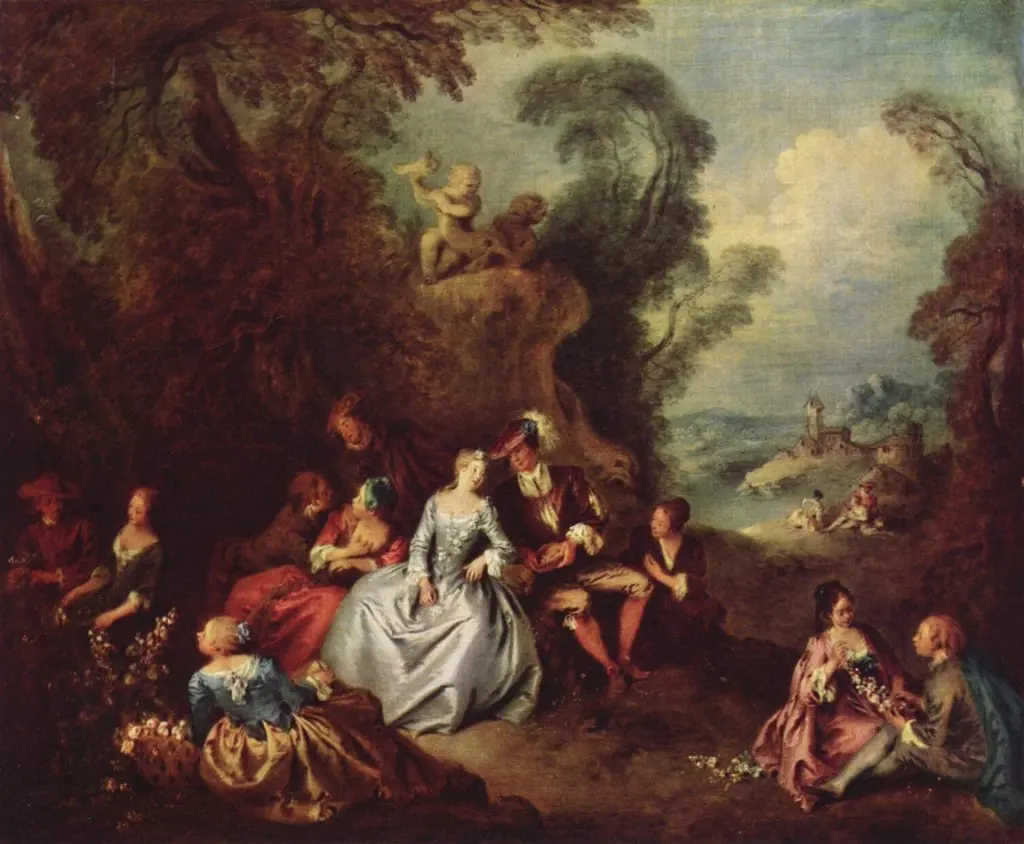
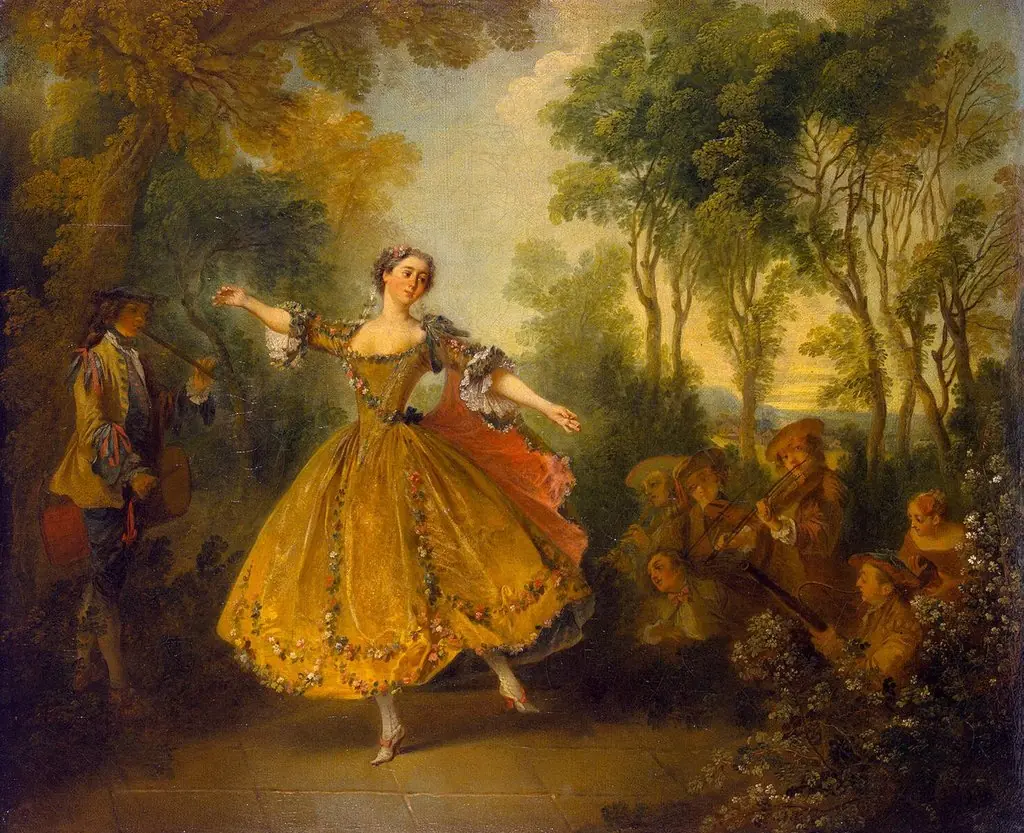
The Dance depicts a lively outdoor gathering where a girl plays a flute while a boy and dog accompany the scene, reflecting the festive and pastoral themes characteristic of early 18th-century French genre painting.
The composition captures a moment of leisure and music, symbolizing the joyous spontaneity of aristocratic recreation in Watteau's fêtes galantes.
The work is housed in the Gemäldegalerie Berlin within the New Palace and was part of the Führermuseum collection during its provenance history.
Technique & Style
The work is an oil painting executed on canvas, employing the conventional technique of oil on canvas to achieve layered color and subtle tonal modeling. Its composition centers on a lively scene of a girl, a boy, and a dog accompanied by a flute player, rendered with the fluid brushwork and delicate handling characteristic of early 18th‑century French genre scenes. The painting measures 97 cm in height by 116 cm in width, a size that emphasizes the intimate yet dynamic narrative frozen in the medium. Its condition remains stable, with the original canvas support intact and no significant alterations documented.
History & Provenance
The work titled The Dance was created by Jean Antoine Watteau in 1709 as an oil paint painting. It was first recorded in the collection of the Gemäldegalerie Berlin, Führermuseum, Munich Central Collecting Point, and the Art collection of the Federal Republic of Germany, where it remains housed. The painting measures 97 cm in height and 116 cm in width, and its creation is dated to 1709 based on archival records.
The painting is housed in the Gemäldegalerie Berlin within the New Palace and was recorded in the Führermuseum and Munich Central Collecting Point as part of the Federal Republic of Germany's art collection. It entered the collection in 1719, with acquisition dates spanning 1709 to 1719. The work has been exhibited in major institutional displays at the Gemäldegalerie Berlin, though specific exhibition titles are not detailed here.
Context
The Dance, painted by Jean Antoine Watteau in 1709, exemplifies the artist's role in pioneering the fêtes galantes genre, blending mythological storytelling with contemporary social observation. Its depiction of a young couple dancing amidst playful figures resonated within early 18th-century French artistic circles, reflecting both the Rococo's decorative elegance and Enlightenment-era fascination with leisure. The work's inclusion in major German collections, such as the Gemäldegalerie Berlin, underscores its transnational reception and enduring scholarly interest in Watteau's synthesis of theatricality and naturalism.
Critical discourse has emphasized the painting's compositional innovation and its influence on subsequent genre scenes, though some early scholarship misattributed its creation to Watteau's contemporary, Nicolas Lancret.
Overview
Created in 1709, The Dance is an oil painting by Jean‑Antoine Watteau that belongs to the genre‑scene tradition. The work is part of the collection of the Gemäldegalerie in Berlin. It portrays a leisurely outdoor moment, rendered with the soft, atmospheric touch characteristic of Watteau’s early eighteenth‑century style.
Own this work as a print
Artist & collection
Artist
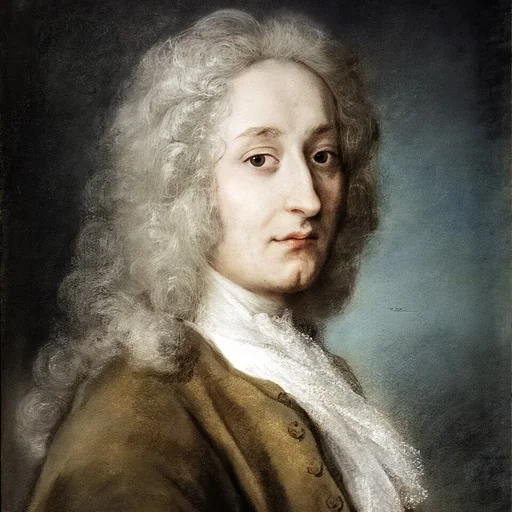
Jean-Antoine Watteau was a French painter and draughtsman whose brief career spurred the revival of interest in colour and movement, as seen in the tradition of Correggio and Rubens.